2027 Mechanical Engineering Student Debt Report: Borrowing, Monthly Payments, and Repayment Risk

Co-Founder and Chief Data Scientist
Mechanical engineering programs often require extended study periods due to rigorous accreditation standards and extensive laboratory, design, and internship requirements. This lengthening of time to degree can influence borrowing behavior, as students may face higher cumulative education costs compared to shorter or less resource-intensive disciplines.
Additionally, licensing expectations and fluctuating labor market demand for mechanical engineers affect debt repayment conditions and financial risk. Recent data from the National Center for Education Statistics in 2024 shows mechanical engineering graduates have a median starting salary with moderate variability, directly shaping monthly payment capacities. The age distribution of students signals shifts in workforce accessibility and evolving professional pathways within the field.
Key Things to Know About Mechanical Engineering Student Debt
- Mechanical engineering students often incur higher debt due to extended program length; this delay increases total repayment time, heightening long-term financial risk despite potentially higher eventual earnings.
- Monthly repayments frequently compete with essential living costs, influencing specialization choices within mechanical engineering as graduates prioritize roles with stable cash flow over niche expertise.
- A 2024 study shows 18% of mechanical engineering grads experience repayment difficulties within five years, signaling employers' growing attention to financial stability as part of hiring assessments.
- Key Things to Know About Mechanical Engineering Student Debt Key Things to Know About Mechanical Engineering Student Debt
- How Much Student Loan Debt Do Mechanical Engineering Graduates Typically Have at Graduation? Average Studen Loan Debt
- What Factors Have the Biggest Impact on Mechanical Engineering Student Loan Debt? Student Debt Key Factors
- What Is the Average Monthly Student Loan Payment for Mechanical Engineering Graduates? Average Monthly Payment
- How Do Repayment Rates Compare Between Public and Private Institutions? Public vs. Private Institution Repayment Rates
- Do Online Mechanical Engineering Graduates Have Different Repayment Outcomes Than Campus-Based Students? Online vs. On-Campus Student Loan Repayment
- Which Industries Provide the Best Financial Return Relative to Borrowing Costs? Industries Providing the Best ROI
- Does Student Debt Affect Which Jobs Mechanical Engineering Graduates Accept? Jobs Affected by Student Debt
- What Factors Increase Student Loan Repayment Risk for Mechanical Engineering Graduates? Loan Repayment Risk Factors
- How Can Mechanical Engineering Students Reduce Student Loan Debt While Earning Their Degree? Tips to Reduce Student Debt
- How Should Prospective Students Evaluate Borrowing Risk Before Enrolling? Evaluating Student Debt Risk
How Much Student Loan Debt Do Mechanical Engineering Graduates Typically Have at Graduation?
Mechanical engineering graduates generally face a broad spectrum of student loan debt upon completing their degrees, with most carrying balances ranging from approximately $25,000 to $50,000. Data from recent educational research, including national databases like the College Scorecard, indicate these figures reflect an average burden, though individual amounts can be higher or lower depending on specific circumstances.
This typical student loan borrowing for mechanical engineering students underscores significant variability driven by institutional, geographic, and programmatic factors. While mechanical engineering remains a high-demand STEM field with above-average starting salaries, the initial debt load is a critical component influencing graduates' early financial stability and career planning.
The variation in debt among mechanical engineering graduates is heavily influenced by the type of school attended, with public universities usually yielding lower average debts compared to private institutions. In-state tuition rates tend to reduce borrowing needs relative to out-of-state options, which often come with significantly higher costs.
Scholarships, grants, and other forms of financial aid also play a decisive role, though gaps frequently require students to take out loans that compound over extended programs that include prerequisites, core coursework, and sometimes co-op or internship terms.
Additionally, enrollment status-full-time versus part-time-and educational pathways involving minors or dual degrees can prolong time to graduation, increasing cumulative borrowing. These layers of complexity contribute to a nuanced landscape where mechanical engineering graduate student debt averages vary substantially across demographic and institutional profiles.
Higher debt levels create tangible repayment challenges that influence career trajectories and financial health after graduation. Many graduates weigh loan repayment obligations alongside job offers, sometimes prioritizing immediate salary over personal or professional fit to manage debt loads effectively. Income-driven repayment plans can mitigate stress for those with sizable loans, but borrowers must still navigate the tradeoff between educational investment and long-term financial flexibility.
The interplay of debt size, repayment capacity, and labor market conditions makes understanding these dynamics vital for informed borrowing decisions and realistic expectations of return on investment in mechanical engineering. For those looking to explore alternative or complementary educational pathways, options like an AI online degree may also figure into cost-benefit considerations as the field evolves.
What Factors Have the Biggest Impact on Mechanical Engineering Student Loan Debt?
Student loan debt levels in mechanical engineering programs stem from a combination of institutional pricing frameworks and individual financial circumstances rather than a single driver. These debts are shaped by how universities structure tuition and fees, the availability of financial aid, the duration and depth of enrollment, and students' personal financial choices during their studies.
Understanding the interplay between these factors provides insight into why mechanical engineering student loan debt by institution type and other variables vary widely across borrowers.
- Institution Type and Tuition Pricing: Private institutions tend to charge substantially higher tuition than public universities, often nearly double for in-state students. This pricing disparity directly elevates borrowing needs, especially when financial aid is limited or ineligible, thus increasing average debt loads. Private universities frequently have less standardized aid policies, amplifying variation in student borrowing even among programs with similar curricular demands.
- Program Length and Enrollment Patterns: Mechanical engineering students extending their education through combined bachelor's-master's programs or incorporating paid internships and co-ops may face different debt trajectories. While additional semesters increase total costs and borrowing, co-op programs might offset some expenses with earned income. However, enrollment in graduate-level courses consistently raises debt by 20-30%, reflecting higher tuition rates and prolonged time to degree.
- Geographic Cost of Living and Regional Factors: Tuition must be considered alongside local living expenses, which significantly affect total borrowing. Programs in metropolitan regions with high housing and transportation costs induce greater reliance on loans to cover these non-tuition necessities, thus compounding debt independently of institutional sticker price alone. This geographic dimension interlocks with aid accessibility and earning capability while enrolled.
- Financial Aid Availability and Student Eligibility: Merit- and need-based aid can substantially reduce required loans, but uneven distribution of these resources leads many mechanical engineering students to increase borrowing. Aid restrictions, application timing, and limited support for certain student populations intensify dependence on loans. This supply-side constraint interacts closely with institution type, often widening the gap in debt between private and public school attendees.
- Student Employment and Financial Behavior During Study: Heavy academic workloads in mechanical engineering limit students' capacity for outside employment, prompting many to substitute lost wages with loan funds. The American Society for Engineering Education notes nearly half of mechanical engineering undergraduates reduce work hours during challenging semesters, which directly drives higher loan balances. These behavioral patterns underscore the practical tradeoff between study intensity and financial sustainability.
On average, mechanical engineering graduates carry approximately $32,000 in student loan debt at completion, illustrating the significant influence of these factors combined. For students considering extended graduate education or geographic areas with elevated living costs, understanding these dynamics is essential when balancing borrowing decisions and future repayment obligations.
Prospective students should also evaluate how choices around enrollment and financial aid interplay within the broader higher education financing system; exploring specialized pathways such as a PhD organizational leadership program may offer alternate financial and career strategies within engineering-adjacent fields.
What Is the Average Monthly Student Loan Payment for Mechanical Engineering Graduates?
Recent analyses from the U.S. Department of Education indicate that monthly student loan payments for mechanical engineering graduates typically fall between $300 and $550. This range largely reflects balances of $25,000 to $60,000 amortized over traditional 10-year repayment schedules combined with interest rates common to federal loans.
However, this average conceals significant variation driven by differing loan terms and repayment strategies, especially as many borrowers utilize income-driven plans that adjust payments based on salary rather than fixed schedules. These figures also correspond with median starting salaries for mechanical engineers, generally reported between $70,000 and $85,000, which shape borrowers' repayment capacity without imposing unmanageable financial strain.
Variations in monthly loan payments emerge from several key factors including the total debt level, chosen repayment plan, and interest capitalization over time. Borrowers with higher balances, often related to graduate-level education or certificate programs beyond the bachelor's degree, face larger monthly obligations unless extending repayment duration or enrolling in income-based plans.
Income-driven repayment options, while reducing short-term monthly costs, often extend the repayment horizon and increase cumulative interest compared to standard plans. Additionally, salary differences within specialized fields of mechanical engineering influence which repayment strategies are sustainable, underscoring the debt-to-income relationship as a critical consideration in managing long-term financial obligations.
One graduate recalled applying to mechanical engineering programs amid a rolling admissions cycle, which prolonged the decision timeline and created uncertainty about financial aid offers. Hesitant to commit without clear information on loan costs and repayment outcomes, the candidate delayed acceptance until late spring. Students looking for affordable programs can also explore the cheapest online master's mechanical engineering.
Once admitted, the clarity around typical monthly payments for graduates helped them finalize their borrowing strategy, emphasizing how timing and financial planning interconnect in navigating graduate education decisions.
How Do Repayment Rates Compare Between Public and Private Institutions?
Graduates from private nonprofit institutions with Mechanical Engineering degrees tend to demonstrate higher on-time federal student loan repayment rates within three years of entering repayment compared to those from public universities. Recent data from the U.S. Department of Education's College Scorecard 2024 update indicates that roughly 62% of private institution graduates meet this benchmark, whereas public university graduates hover near 55%.
Despite often carrying larger debt loads, private school alumni generally exhibit more consistent repayment behavior, reflected in a notably lower delinquency rate. Monthly payment averages also differ, with private institution graduates paying around $380 versus $340 for their public counterparts, highlighting variance in borrowing and repayment patterns.
The divergence in repayment outcomes is influenced by multiple interrelated factors. Private institutions frequently set higher tuition rates but offset these with more robust financial aid offerings, which can mitigate net borrowing amounts or offer tailored repayment plans. Additionally, graduates from private Mechanical Engineering programs often enter the workforce with stronger employer networks and placement services that may translate into higher early earnings and better debt-to-income ratios.
Conversely, public university attendees might accumulate comparable or higher total debt relative to their income prospects due to reliance on federal and state loans and different regional cost-of-living impacts. These structural differences shape borrower behavior, with institutional prestige, career support, and financial aid distribution playing crucial roles in repayment performance.
These distinctions have broader consequences for borrowers' financial stability and perceptions of institutional value. Higher repayment rates among private institution graduates can reduce long-term repayment stress and enhance financial mobility, allowing graduates to allocate income towards wealth-building activities sooner.
Meanwhile, public university graduates facing slower repayment trajectories may experience prolonged debt burdens affecting career flexibility and personal financial goals. Understanding these dynamics is critical for prospective Mechanical Engineering students assessing the tradeoffs between educational cost, expected earnings, and repayment risks tied to their choice of institution and financing strategies.
Do Online Mechanical Engineering Graduates Have Different Repayment Outcomes Than Campus-Based Students?
Graduates of public universities in mechanical engineering programs generally demonstrate higher student loan repayment rates than their private institution counterparts, as evidenced by 2024 data from the U.S. Department of Education's College Scorecard. Public university alumni typically show a 3-year federal loan repayment rate near 65%, whereas private institution graduates hover around 54%.
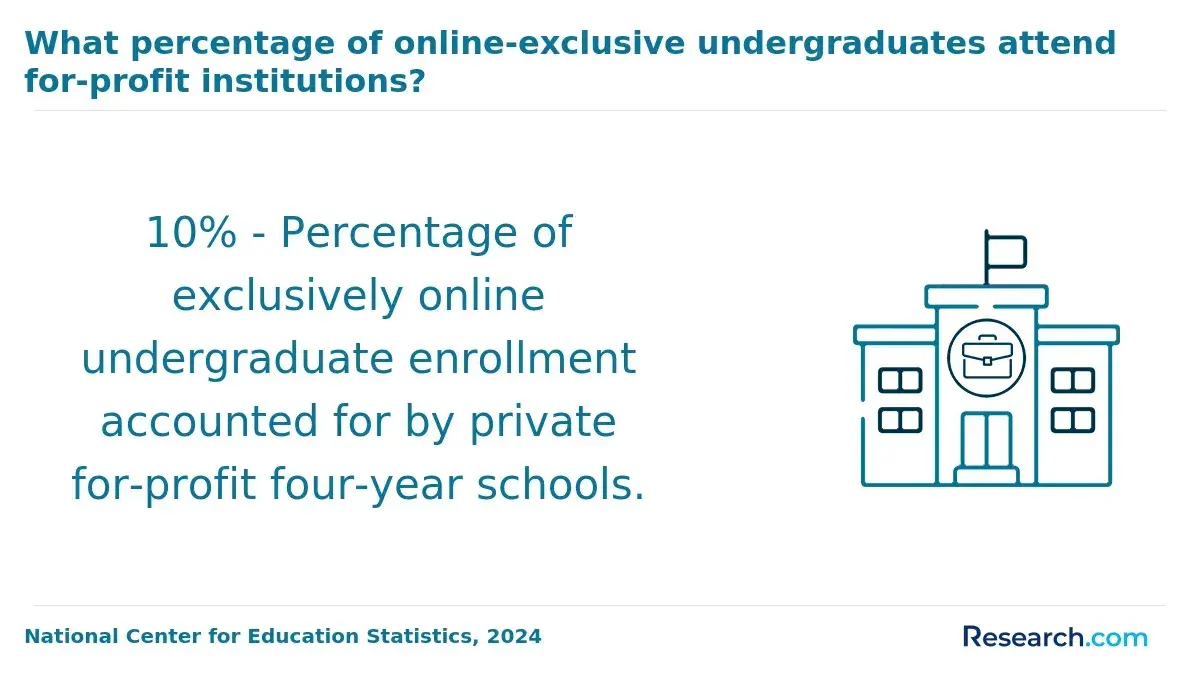
These differences reflect not only institutional funding models but also wider demographic and financial conditions that vary considerably between the two sectors. Understanding these repayment dynamics requires examining the real borrowing and earning profiles behind these headline percentages, especially in the context of online mechanical engineering graduate repayment outcomes where private providers are often overrepresented.
The variation in repayment performance is strongly linked to several interrelated factors. Public institutions tend to charge lower tuition and fees, resulting in smaller average debt burdens. Graduates from these schools often access more substantial financial aid packages and benefit from established industry networks that lead to better employment outcomes and higher starting salaries.
In contrast, private mechanical engineering programs, especially those delivered online, typically exhibit higher tuition rates and attract more diverse student populations with varying financial backgrounds and less predictable career trajectories. This combination of higher debt relative to income and inconsistent labor market recognition contributes to weaker repayment metrics on average.
Hence, loan repayment is not simply a function of institution type but reflects a complex interplay of borrowing levels, graduate earnings, and institutional value.
These repayment patterns carry broader implications for borrowers' long-term financial stability and institutional accountability, shaping perceptions of program value among students and employers alike. Graduates who face repayment challenges often experience prolonged financial stress and limited economic mobility, which in turn affects creditworthiness and investment capacity.
Awareness of these nuanced outcomes is critical for prospective and current students weighing campus-based versus online mechanical engineering loan repayment realities, as well as for policymakers focused on improving educational equity and financing structures. Prospective students can also explore options such as an UX degree to evaluate educational pathways with potentially different debt and income profiles within technology-related fields.
Which Industries Provide the Best Financial Return Relative to Borrowing Costs?
Financial return on a Mechanical Engineering degree varies substantially depending on the industry graduates enter, as high earnings potential alone does not ensure a strong balance against student loan burdens. The key measure is how salary growth, hiring demand, and career progression speed combine to offset typical borrowing levels, which generally range from $30,000 to $50,000 for this field.
Understanding these dynamics is crucial since industries differ not only in starting pay but also in their capacity to absorb repayment obligations over time.
- Energy Sector: Mechanical engineers in oil and gas, renewables, and utilities often command starting salaries surpassing $80,000. This sector's steady demand and relatively rapid wage growth enhance graduates' ability to manage loan payments, making it among the most financially rewarding paths despite sometimes volatile market conditions.
- Aerospace Industry: With specialized skill requirements and government contract funding, aerospace offers entry salaries typically between $75,000 and $85,000. The demand for niche competencies and structured career ladders supports faster income progression, helping graduates reduce their debt burden more effectively.
- Automotive Engineering: Though competitive, this field benefits from ongoing technological innovation that can boost engineers' earnings over time, especially for those involved in emerging electric and autonomous vehicle technologies. Early career wages might be moderate, but the potential for long-term growth offsets initial repayment challenges.
- Manufacturing and General Design: These areas generally offer lower starting salaries, frequently below $65,000, which limits cash flow for loan servicing. Without strong wage acceleration or loan forgiveness options, graduates here face higher relative repayment pressures.
- Public Sector Engineering Roles: Positions in government agencies may start with modest salaries but can include loan forgiveness benefits and job stability. However, slower salary growth means repayment capacity often lags behind the pace seen in private industries, posing a tradeoff between income and debt relief mechanisms.
Data from the U.S. Bureau of Labor Statistics and the National Center for Education Statistics in 2024 indicate that while average borrowing for Mechanical Engineering graduates is moderate compared to other STEM fields, aligning industry choice with robust earnings trajectories is vital to ensuring favorable debt-to-income ratios and manageable repayment timelines.
Does Student Debt Affect Which Jobs Mechanical Engineering Graduates Accept?
Student debt levels exert a pronounced influence on the initial job acceptance decisions of mechanical engineering graduates, primarily through the lens of salary expectations linked to repayment capacity. Graduates facing monthly loan obligations often prioritize positions that offer immediate financial stability, even if these roles diverge from their preferred specialties or long-term ambitions.
For instance, the National Center for Education Statistics reported in 2024 that nearly 60% of engineering graduates with debt chose their first job based chiefly on salary rather than alignment with personal interest or industry fit. This prioritization stems from the necessity to manage debt-to-income ratios effectively while securing reliable income streams to meet recurring payments.
Consequently, mechanical engineering graduates frequently accept jobs in higher-paying sectors like oil and gas, aerospace, or manufacturing over lower-compensation roles in startups or public entities, illustrating how repayment demands contour early career moves.
Beyond immediate financial pressures, differential debt burdens create varied labor market behaviors and constrain career flexibility among graduates. Those with substantial debt loads are statistically 25% more inclined to deviate from their ideal fields in search of enhanced compensation, which can limit industry diversity and geographic mobility if higher-paying opportunities are concentrated in specific areas.
This dynamic may also discourage graduates from investing in further education or certifications due to cost and time considerations, potentially impeding long-term career growth and specialization. Employers in competitive sectors sometimes tailor packages to attract indebted candidates expediently, reinforcing a compensation-first mindset that can overshadow skill-development or job satisfaction criteria.
Such structural patterns reflect a labor market environment where financial obligations shape not only the types of roles mechanical engineers accept but also their progression paths and adaptability within the profession.
One mechanical engineering graduate recounted his experience navigating job offers during the rolling admissions period. Initially, he hesitated to accept a lower-paying role aligned with his interests, hoping for better prospects. However, as loan repayment deadlines approached and offers from high-salary industries materialized, he shifted priorities toward financial stability.
This decision delayed his pursuit of specialized certifications he had planned, underscoring how loan obligations can compress decision timelines and introduce uncertainty into career planning. His story illustrates the tangible tension between optimal professional fit and immediate economic demands facing many mechanical engineering graduates in the current market.
What Factors Increase Student Loan Repayment Risk for Mechanical Engineering Graduates?
Student loan repayment risk for mechanical engineering graduates arises from a complex interplay of financial, academic, and labor market factors rather than any single determinant. The likelihood of repayment difficulty depends not only on how much debt is accrued but also on the stability and adequacy of post-graduation earnings.
Graduates navigating prolonged education paths, volatile job markets, or varying program costs face differentiated risks that influence their financial well-being over time.
- High Loan Balances: Accumulating debt above $40,000 significantly raises repayment challenges, as underscored by the U.S. Department of Education's 2024 Postsecondary Debt Report which notes nearly 28% of engineering graduates carry this level of debt. Larger balances increase monthly obligations, often exceeding 10-15% of income, which can strain finances even for those in higher-paying sectors.
- Employment Sector and Job Stability: While many mechanical engineering graduates secure well-compensated roles, those entering lower-paying industries or experiencing delayed job placement encounter higher repayment risk. Economic downturns or shifts in manufacturing and engineering demand exacerbate income volatility, undermining consistent repayment capacity.
- Repayment-to-Income Ratio: The size of monthly payments relative to income is critical; graduates with high initial balances but standard repayment plans may face payments that compromise disposable income. This risk intensifies when combined with personal financial obligations or living expenses, reducing financial resilience.
- Financial Literacy and Planning: Limited engagement in budgeting or income-driven repayment strategies leaves some graduates vulnerable to default. Unexpected personal hardships, including health or family emergencies, can further destabilize an otherwise manageable loan repayment schedule.
- Program Format and Institutional Costs: Variations in program length, degree level pursued, and institutional tuition affect total borrowing. Extended study periods or attendance at higher-cost institutions increase debt accumulation without necessarily improving immediate employability, adding to repayment concerns. Awareness of how a program's structure impacts financial outcomes is essential for managing repayment risk.
These interconnected factors highlight why repayment difficulties vary widely among mechanical engineering graduates.
How Can Mechanical Engineering Students Reduce Student Loan Debt While Earning Their Degree?
Reducing student loan debt in mechanical engineering programs demands intentional academic and financial planning throughout one's degree, integrating financial awareness, efficient course progression, and leveraging institutional resources. Students must balance course loads and funding strategies to minimize unnecessary borrowing while maintaining degree quality and employability outcomes.
These efforts reflect the realities of rising tuition and the cumulative cost pressures linked to extended time-to-degree, necessitating practical strategies grounded in real-world constraints.
- Leverage Paid Internships and Co-ops: Engaging in paid internships or cooperative education programs provides direct income that offsets tuition and living expenses. According to the National Association of Colleges and Employers (NACE), about 69% of engineering students who participate in paid internships graduate with significantly lower debt, making this an effective approach to reduce borrowing while gaining relevant work experience.
- Start at Community College or In-State Public Institutions: Beginning academic studies at a community college or a public university in-state before transferring to a four-year program can reduce overall tuition expenses by up to 50%. This approach benefits from state transfer agreements and lower per-credit costs during early academic years, directly lowering the total amount students need to borrow.
- Apply for Discipline-Specific Merit Scholarships: Identifying and securing scholarships tied to academic and project achievements in mechanical engineering reduces reliance on loans. Unlike need-based aid, merit scholarships reward demonstrated technical proficiency and innovation, which many students can target through departmental awards and competitions.
- Maintain Consistent Academic Progress: Avoiding course overloads or underloads that extend program duration is crucial. Data from the National Center for Education Statistics indicates that students beyond six years in engineering programs accumulate roughly 30% more debt due to extra semesters and fees, highlighting the financial impact of prolonged enrollment.
- Plan Course Load Around Graduation Efficiency: Strategic academic advising and schedule management can help students complete prerequisite and core courses timely, reducing the risk of delayed graduation. Timely sequencing of courses ensures fewer wasted credits and avoids extra tuition costs, which otherwise increase borrowing needs.
- Tap Institutional Financial Aid and Resources Early: Proactively engaging with financial aid offices to understand grants, work-study options, and departmental funding improves resource use. Students who navigate these institutional offerings optimize their borrowing levels by substituting loans with grant aid and work opportunities aligned with mechanical engineering curricula.
- Explore Alternative Engineering Degree Pathways: Some students might consider programs with flexible delivery, including online formats designed for nontraditional learners, such as online electrical engineering degrees for veterans. While not mechanical engineering per se, exploring related fields with lower tuition or targeted support can be a viable cost-saving strategy depending on career goals.
Incorporating these strategies enables students to minimize borrowing and manage long-term repayment obligations more effectively. Such an integrated approach addresses key concerns in strategies to minimize borrowing for mechanical engineering degrees, balancing affordability with academic and professional requirements.
Students balancing study with practical experience should prioritize cost-saving tips for mechanical engineering students balancing work and study approaches that align with their academic progression and financial capacity to reduce upfront debt while maintaining degree marketability.
How Should Prospective Students Evaluate Borrowing Risk Before Enrolling?
Evaluating borrowing risk before enrolling in a mechanical engineering degree program is crucial for understanding the long-term financial implications of student loans. This evaluation requires balancing the total anticipated debt against projected post-graduation earnings, ensuring that monthly repayment obligations remain manageable relative to income.
Prospective students must approach borrowing with a data-driven framework rooted in realistic financial outcomes rather than optimistic assumptions.
- Projected Salary Benchmarks: Assess median starting salaries for mechanical engineering graduates, currently around $70,000 annually according to the U.S. Department of Education's 2024 College Scorecard, to gauge if expected earnings will support planned loan repayments without undue financial strain.
- Institutional Cost Structures: Analyze tuition, fees, and ancillary costs to define total borrowing needs, recognizing that differences in program expenses significantly impact debt levels and repayment risk.
- Graduation and Employment Outcomes: Review program-specific graduation rates and job placement success to estimate likelihood of timely degree completion and employment aligned with engineering career pathways, which critically affect income stability and loan repayment capacity.
- Scholarship and Aid Opportunities: Consider availability of scholarships, grants, or work-study options to reduce reliance on loans, thereby lowering principal balances and mitigating long-term debt exposure.
- Loan Repayment Terms and Interest Rates: Understand how varying interest rates and repayment durations influence monthly payment amounts, total repayment cost, and overall financial burden, enabling more precise affordability assessments.
- Labor Market Stability and Growth: Evaluate industry demand trends for mechanical engineers to anticipate job stability and wage growth, which impact a borrower's ability to manage debts over time.
- Delinquency and Default Risks: Factor in data showing that approximately 15% of engineering graduates face loan delinquency within five years, emphasizing the importance of conservative borrowing aligned with realistic income projections.
References
- Engineering Student Loan Refinance Options | ELFI https://www.elfi.com/student-loan-refinancing-for-engineers/
- How Student Loan Debt Impacts Your College ROI https://www.lendkey.com/blog/student-loans/how-student-loan-debt-impacts-your-college-roi/
- Debt Overload https://www.nspe.org/career-growth/pe-magazine/september-2013/debt-overload
- The Impact of Student Debt on the Low-Wage Workforce https://workrisenetwork.org/working-knowledge/impact-student-debt-low-wage-workforce
- Average Student Loan Debt: Who Owes the Most? | SoFi https://www.sofi.com/learn/content/average-student-loan-debt-by-career/
- What is the typical debt load for graduates of four-year public universities - APLU https://www.aplu.org/our-work/4-policy-and-advocacy/publicuvalues/student-debt/
- Engineering School Loans | South Carolina Student Loan https://www.scstudentloan.org/graduate-loans/engineering-school-loans
- 70% of college seniors with student debt say looming repayments will impact their career plans https://www.cnbc.com/2023/08/29/70percent-of-college-seniors-with-loans-say-debt-will-influence-their-career.html
Other Things You Should Know About Mechanical Engineering Student Debt
Prestige often comes with higher tuition and living expenses, increasing borrowing needs. However, incremental improvements in job placement or starting salary from top-tier programs may not offset the additional debt burden within the first several years post-graduation. Students should weigh whether small advantages in network or employer access translate into enough salary premium to comfortably manage repayment, or if a solid regional or state school might offer comparable practical outcomes with significantly less financial risk.
Mechanical engineers entering sectors like oil and gas, automotive, or aerospace face fluctuating demand that can cause income instability shortly after graduation. Conservative borrowing is advisable since early career layoffs or reduced hours will strain repayment ability. Opting for income-driven repayment plans or building a financial buffer before graduate school can mitigate risk, but students should prioritize programs with strong internship pipelines and diverse industry connections to improve employment resilience.
Programs with rigorous hands-on and project-based learning may extend time to degree completion, increasing total borrowing and debt risk, but they often produce graduates with superior skills coveted by employers. Faster programs reduce interest accumulation and bring earlier cash flow but may compromise readiness for complex engineering roles. Candidates should assess their tolerance for upfront costs and the importance of applied skills relative to accelerated graduation when deciding which path aligns with their long-term career goals.
While reducing debt quickly lowers long-term financial strain, investing some earnings in relevant certifications or advanced training can unlock higher-paying positions and career advancement. Graduates should balance repayment speed with opportunities that expand technical expertise or leadership skills, which often translate into salary growth exceeding the benefit of early loan elimination. Evaluating employer tuition support and the timing of skill investments is crucial to maximizing career and financial outcomes.