2027 Mechanical Engineering Affordability by State: Where Students Pay the Most and Least

Co-Founder and Chief Data Scientist
Choosing between two mechanical engineering programs with a $20,000 annual tuition gap forces students to weigh immediate savings against a lifetime of financial strain. For out-of-state students, these costs often double, drastically altering the return on investment. According to the 2024 National Center for Education Statistics report, average public tuition rose by 3.5% nationwide, but state disparities reveal more significant challenges.
States with higher tuition frequently also have elevated living expenses, compounding affordability barriers. This dynamic shapes enrollment trends and debt burdens uniquely for mechanical engineering students. This article analyzes state-by-state mechanical engineering affordability to highlight where degrees are most and least financially accessible.
Key Things to Know About Mechanical Engineering Affordability by State
- States with low listed tuition often have higher living costs, negating direct savings; a 2024 NCES study shows total attendance disparities skew affordability perceptions for mechanical engineering students.
- Out-of-state fees frequently double in public programs, pressuring students to weigh in-state residency options, which influences workforce mobility and employer hiring pools regionally.
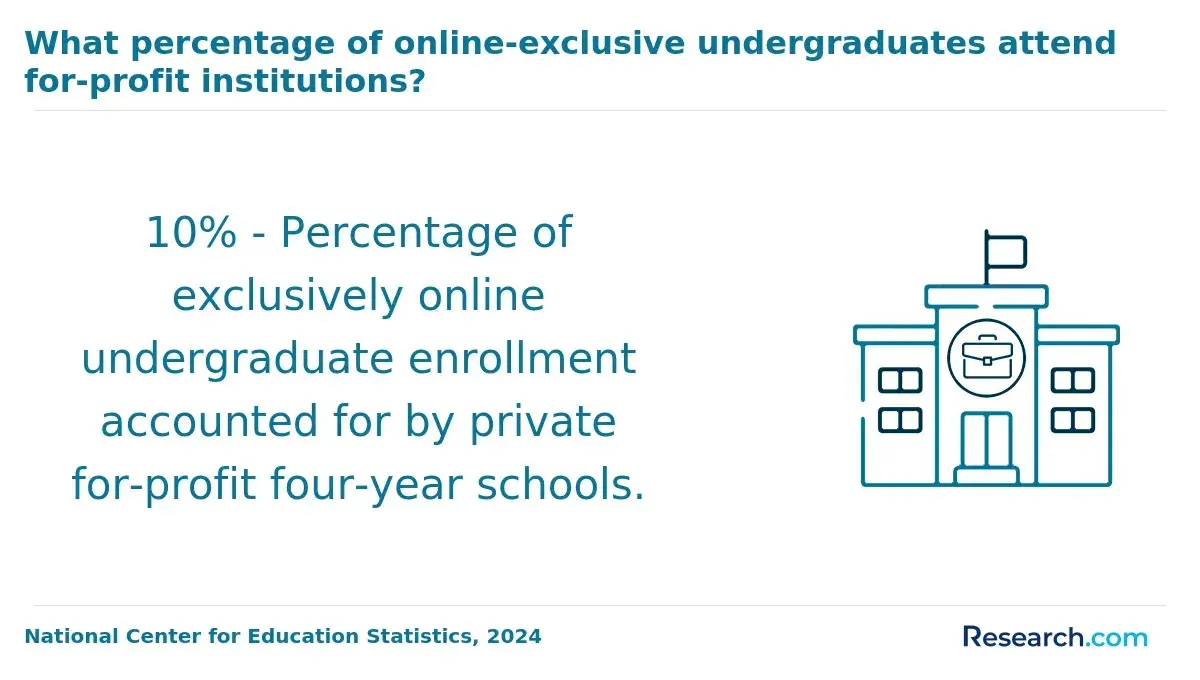
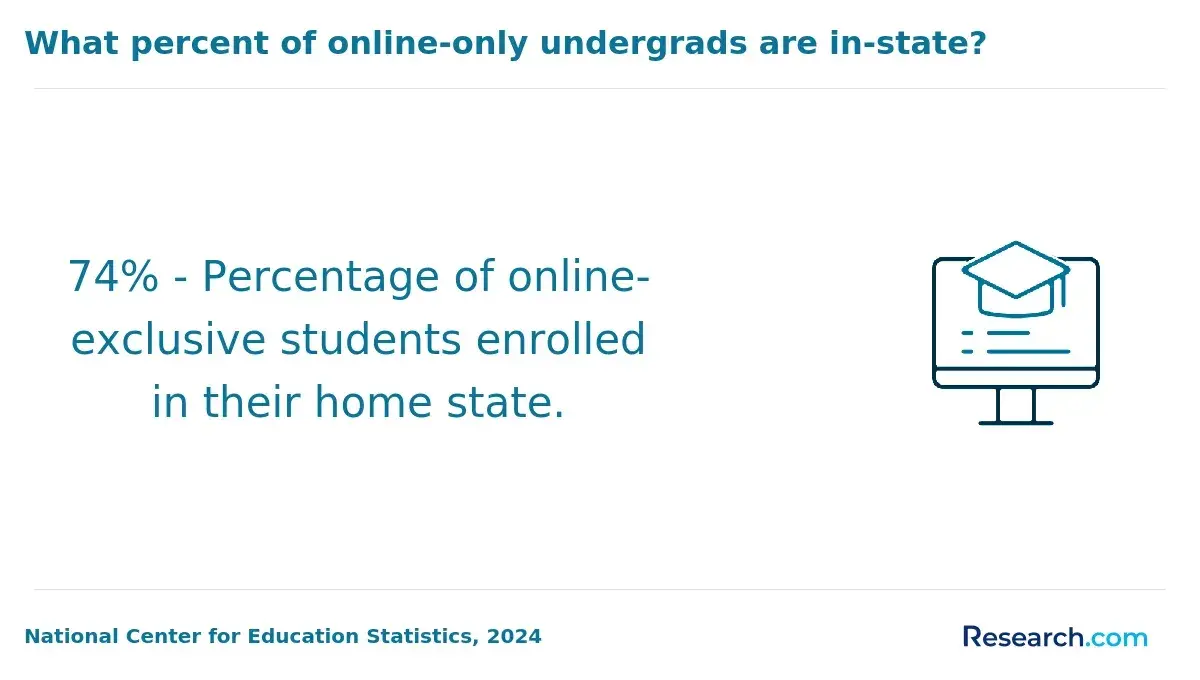
- Online mechanical engineering options may reduce housing expenses but can limit access to hands-on labs, affecting skill development valued by employers in advanced manufacturing sectors.
- Key Things to Know About Mechanical Engineering Affordability by State Key Things to Know About Mechanical Engineering Affordability by State
- Which States Have the Most Affordable Mechanical Engineering Degree Programs? Most Affordable State Programs
- Which States Have the Highest Mechanical Engineering Degree Costs? Highest State Tuition Costs
- How Much Does a Mechanical Engineering Degree Cost by State? Degree Costs by State
- Why Does Mechanical Engineering Affordability Vary So Much Between States? State Affordability Variations
- How Do In-State and Out-of-State Tuition Rates Affect Mechanical Engineering Affordability? In-State vs. Out-of-State Rates
- How Does the Cost of Living Impact Overall Mechanical Engineering Affordability by State? Living Costs and Affordability
- Which States Offer the Best Value for a Mechanical Engineering Degree? Best Value State Degrees
- What Financial Aid and Scholarship Opportunities Can Reduce Mechanical Engineering Costs? What Financial Aid and Scholarship Opportunities Can Reduce Mechanical Engineering Costs?
- Are Online Mechanical Engineering Degree Programs More Affordable Than On-Campus Options? Are Online Mechanical Engineering Degree Programs More Affordable Than On-Campus Options?
- Is a Mechanical Engineering Degree Worth the Cost Based on Career Outcomes and ROI? Degree ROI and Outcomes
Which States Have the Most Affordable Mechanical Engineering Degree Programs?
State-level funding decisions and residency policies fundamentally shape where students find the most affordable mechanical engineering degree programs by state. Public universities in states like Wyoming or North Dakota can maintain tuition rates substantially below the national average due to consistent government subsidies and mineral extraction revenues that shield institutions from tuition hikes. This means a student who qualifies for in-state tuition in these regions gains a tangible financial advantage, which directly impacts their long-term cost of education and debt load.
Conversely, students unable to access these residency benefits might face sharply higher fees or must consider out-of-state discounts or transfer agreements, making regional cost comparisons essential in crafting a feasible degree completion plan. Affordability in mechanical engineering also varies with regional cost-of-living and institutional infrastructure, influencing the real expense beyond tuition alone. Lower housing and transportation costs common in many Midwest and Mountain states reduce the total financial burden on students, an aspect often overlooked in raw tuition comparisons.
Additionally, many states have prioritized articulation agreements and streamlined transfer pathways that leverage community colleges to decrease total time and cost, a critical factor for budget-conscious learners seeking mechanical engineering degrees. Such pathways can be complemented by accelerated options, including accelerated associate degree routes in relevant technical fields, providing viable alternatives to more costly traditional four-year trajectories.
Considering variable financial aid availability alongside state-driven educational investments further complicates affordability assessments but offers important decision-making leverage. Need-based grants and scholarships targeted to engineering students are more accessible in states with stronger public funding, making those programs more competitive in overall value.
Students from outside these states often face tradeoffs between relocation and commuting expenses versus tuition savings, which can influence their choice of program or enrollment strategy. Awareness of how these multifaceted state-level differences influence mechanical engineering costs is critical for students and families making informed comparisons beyond simple tuition figures.
Which States Have the Highest Mechanical Engineering Degree Costs?
States with the highest mechanical engineering degree costs often reflect a mix of geographic, institutional, and policy-driven factors rather than simple price inflation. Elevated expenses typically correlate with regions where living costs are steep and public funding to universities is comparatively scarce, forcing institutions to charge higher tuition to sustain advanced lab facilities and maintain experienced faculty.
For instance, data from the 2024 Integrated Postsecondary Education Data System show that in-state tuition alone at some public universities in these states can surpass $15,000 annually, pushing total attendance costs well over $35,000. Students must carefully weigh whether the potential employment networks and career opportunities in these high-cost states justify the upfront financial burden or if pursuing degrees in states with a more balanced cost-to-outcome ratio might better serve their long-term goals.
The concentration of prestigious research universities in certain states also impacts cost structures, as their sophisticated programs demand substantial investment. This dynamic often creates a tradeoff for students: opting for programs with cutting-edge resources and faculty expertise but facing higher price tags versus attending more affordable institutions that may lack the same research intensity but offer comparable employability outcomes.
Furthermore, residency policies and the option to enroll in online courses shape affordability choices, with some learners leveraging in-state tuition eligibility or hybrid formats to mitigate expenses. Ultimately, students navigating these variables need to balance educational quality against financial sustainability, considering not just sticker price but overall return on investment in career contexts.
One mechanical engineering student recounted comparing tuition figures while deciding between staying in her home state with relatively moderate costs or attending a prestigious out-of-state program with extensive research opportunities but substantially higher fees. She hesitated because, although the out-of-state university's reputation was appealing, the gap in financial aid and living expenses posed significant challenges.
After evaluating the tradeoffs, she chose a hybrid approach: enrolling in the in-state program while taking advantage of select online courses from the higher-tier university to broaden her expertise without incurring the full cost of relocation and out-of-state tuition. This strategy allowed her to access some advanced curriculum components while maintaining financial prudence, highlighting the nuanced decisions budget-conscious students face when confronting state-to-state cost disparities.
How Much Does a Mechanical Engineering Degree Cost by State?
Cost disparities in mechanical engineering degrees across states fundamentally shape which programs students can realistically pursue without excessive financial strain. For instance, annual in-state tuition at public universities can range from under $8,000 in states like Wyoming to more than $15,000 in California, according to the National Center for Education Statistics and College Board's 2024 data.
This gap often forces students to weigh the tradeoff between attending an affordable state institution with potentially fewer specialized resources or paying a premium at out-of-state or private schools, where tuition may be two to three times higher. These decisions impact borrowing needs and may prompt relocation to states with cost structures that align better with a student's financial situation and career ambitions.
Beyond sticker prices, state policies on financial aid and tuition caps critically modify net costs, particularly for mechanical engineering's lab- and equipment-intensive requirements. States like Washington and Minnesota, with robust need-based aid programs, reduce the effective burden for eligible students, enabling access to quality programs without excessive debt.
Conversely, higher living expenses in coastal states such as Massachusetts compound tuition costs, making regions with lower housing and daily expenses, like parts of the Midwest and Mountain West, more financially viable despite marginally higher tuition. These regional differences require students to consider total cost of attendance and local job market health rather than raw tuition figures alone when planning degree paths.
Why Does Mechanical Engineering Affordability Vary So Much Between States?
Differences in state funding priorities and institutional policies largely drive regional variations in mechanical engineering degree cost differences by state. States like Wyoming and North Carolina, which allocate substantial public resources to higher education, often maintain lower in-state tuition rates, easing the financial burden for resident students.
Conversely, states with constrained budgets or heavy reliance on out-of-state enrollment typically exhibit higher tuition fees, reflecting tradeoffs that prioritize revenue generation over affordability. These funding decisions also influence how institutions balance public versus private tuition models and set policies on residency, directly affecting student choices about whether to pursue local, online, or out-of-state mechanical engineering programs.
Cost of living further complicates affordability, with metro areas such as California and New York imposing higher non-tuition expenses that elevate total education costs. Financial aid availability varies notably by state, and research shows targeted STEM aid programs can substantially reduce net costs, shaping where budget-conscious students may seek enrollment.
Enrollment demand pressures in some regions exacerbate tuition hikes or limit scholarships, prompting some students to transfer or explore alternative degree formats. For those weighing programs, considering how state policies and economic conditions interplay is crucial to understanding mechanical engineering tuition fees. For example, students balancing cost and access might evaluate options alongside resources like the marriage and family therapist degree listings to gauge broader affordability trends in specialized fields.
How Do In-State and Out-of-State Tuition Rates Affect Mechanical Engineering Affordability?
Residency-based tuition policies critically shape the attainable cost of earning a mechanical engineering degree, often determining whether students can feasibly enroll in particular public institutions. Tuition for out-of-state students regularly exceeds in-state rates by two to three times, with public universities averaging around $11,000 annually for residents versus $28,000 for nonresidents as of 2024 data from the National Center for Education Statistics.
This sizable premium frequently forces applicants to weigh the benefits of attending a highly ranked out-of-state program against the financial strain it imposes, particularly when state funding mechanisms prioritize resident access. Some states mitigate this with reciprocity arrangements, such as the Western Undergraduate Exchange, which can shrink out-of-state costs by 20 to 50 percent, but these agreements remain regionally limited, affecting strategic enrollment decisions and cross-border mobility.
Careful consideration of tuition differentials also intersects with financial aid availability and residency reclassification policies, where establishing legal domicile can yield significant savings but often requires complex timing and documentation that not all students can fulfill. Online mechanical engineering programs priced near in-state tuition regardless of physical location present an alternative that bypasses residency constraints, yet they may lack the industry connections and internship opportunities critical for successful job placement.
Consequently, students must balance the upfront cost benefits of in-state attendance with potential long-term career advantages linked to geographic flexibility and program reputation, especially as private institutions generally maintain flat tuition rates unaffected by residency, changing the calculus entirely for some prospective enrollees.
One recent mechanical engineering student described the challenge of navigating these variables after moving states shortly before enrollment. Though initially hopeful about qualifying for in-state tuition by the start of classes, they encountered unexpected residency requirements delaying reclassification and forcing out-of-state payments for a full academic year.
This financial surprise complicated budgeting and sparked reconsideration of whether transferring back to a public university in their original state might have been more economical, underscoring how residency rules and institutional policies directly impact both educational affordability and planning certainty for students managing cross-state moves.
How Does the Cost of Living Impact Overall Mechanical Engineering Affordability by State?
Housing costs disproportionately influence the total expense of pursuing a mechanical engineering degree, often outweighing tuition differences across states. For instance, a student attending a public university in California or New York faces rent and living expenses that can double those of peers in states like Oklahoma or Mississippi, despite similar tuition fees.
These variations in regional living expenses impact mechanical engineering degree costs and extend beyond housing to include transportation; urban areas with transit access can lower commuting expenses, whereas rural students must account for vehicle ownership, fuel, and maintenance, increasing their financial load. Healthcare, utilities, and food costs further complicate budgeting decisions for mechanical engineering students.
States such as Massachusetts report healthcare expenses around 15% above average, and colder climates drive up heating bills, adding layers to monthly outlays. These factors influence not only day-to-day affordability but also long-term planning; higher living costs often restrict students' ability to work part-time or save, widening gaps in financial aid or increasing student loan dependency. Moreover, this economic calculus can shape enrollment choices and completion strategies, pushing some toward online PsyD programs or other flexible learning alternatives to mitigate local cost burdens.
Evaluating cost of living and mechanical engineering affordability by state requires a holistic view that includes wage conditions, local price levels, and lifestyle tradeoffs. A mechanical engineering student in a low-cost state may enjoy more financial breathing room for internships or practical experiences vital to employability, whereas counterparts in high-cost regions must factor in heavier financial strain. These differences underscore the necessity of integrating cost-of-living insights into educational decisions beyond tuition figures alone.
Which States Offer the Best Value for a Mechanical Engineering Degree?
Evaluating the true value of a mechanical engineering degree across states demands analysis beyond straightforward tuition costs, as state residency rules, completion rates, and local employment conditions significantly affect net affordability. For example, Texas benefits from in-state tuition policies paired with graduation rates near 65% in engineering fields, which, combined with strong industry demand, translates into better job placement and salary prospects.
In contrast, a lower sticker price in a high-cost state might leave students with higher debt and fewer local opportunities, compromising overall value despite initial affordability. North Carolina illustrates how merit aid availability and regional economic clusters like the Research Triangle can offset moderate tuition fees through lower debt burdens and practical work connections, crucial for mechanical engineering students weighing relocation or online study options.
Meanwhile, Georgia's integration of state research funding with efficient pathways to degree completion shows how institutional and policy factors intertwine with the cost of living to impact student outcomes and debt management. These regional tradeoffs highlight that the cheapest tuition isn't always the best investment, as post-graduation earnings potential and local job market health must also inform enrollment decisions.
Students evaluating where to pursue a mechanical engineering degree should account for how residency qualifications affect in-state tuition eligibility and how workforce demand shapes return on education dollars. States with high tuition and living expenses, such as California or Massachusetts, often produce elevated debt levels despite prestige, which might undercut long-term financial sustainability for budget-conscious learners.
Data from the College Scorecard underscores the importance of matching tuition, aid, completion rates, and regional employment trends to make an informed choice tailored to individual financial and career circumstances.
What Financial Aid and Scholarship Opportunities Can Reduce Mechanical Engineering Costs?
Financial aid's impact on reducing mechanical engineering degree costs varies widely depending on state policies and institutional offerings, shaping affordability in tangible ways for students. Approximately 58% of engineering undergraduates receive some financial support, with grants and scholarships comprising nearly 40% of that aid, highlighting how these resources directly offset expenses and reduce debt reliance, according to National Center for Education Statistics data.
For example, low- and moderate-income students eligible for federal Pell Grants benefit from non-repayable aid, but the effectiveness of this support hinges on state-specific income thresholds and cost-of-living adjustments, affecting who qualifies and by how much. State-led grants and scholarship programs frequently target residents pursuing STEM degrees, yet the availability and renewal criteria often require maintaining GPA standards or community involvement, imposing ongoing obligations that influence long-term planning.
Institutional scholarships, particularly merit-based awards at flagship public universities in high-cost states, can substantially lower tuition but tend to be competitive and limited by budget constraints. Reciprocity agreements between states, such as those in the Midwest, may reduce out-of-state tuition burdens, presenting strategic options for students outside their home states.
Meanwhile, employer tuition reimbursement programs, reported by 22% of mechanical engineering students surveyed by the Society of Women Engineers, offer another cost-reduction avenue but are unevenly accessible and often contingent on employment terms, reflecting a variable but potentially valuable financial resource.
Are Online Mechanical Engineering Degree Programs More Affordable Than On-Campus Options?
Online mechanical engineering degree affordability in the United States is influenced by complex tuition structures and state residency policies that can either narrow or widen the cost gap with traditional on-campus programs. While a 2024 NCES report indicates online engineering bachelor's tuition is often 10% to 30% less than in-state on-campus rates, this advantage can diminish once technology fees and required software expenses are added.
For example, a student living out-of-state might save significantly by avoiding premium tuition but could face travel and lodging costs if periodic on-campus visits are mandated, impacting the overall affordability calculus. The cost comparison of online versus on-campus mechanical engineering programs by state reveals that housing, commuting, and meal savings-often 25% to 40% of total expenses-constitute the primary financial benefit of online study.
However, some institutions impose online fees comparable to or exceeding those for campus learners, and financial aid availability may be more restricted for remote students, reducing net cost savings. Meanwhile, balancing employment while studying online can offset opportunity costs, but these tradeoffs vary widely by individual circumstances and program delivery, emphasizing the need for detailed cost-benefit analysis.
Prospective mechanical engineering students should consider how accreditation, employer expectations for hands-on experience, and program quality affect long-term outcomes alongside affordability. Those investigating degree options might also consult resources explaining how much do forensic psychologists make to understand the broader labor market context for applied STEM degrees. Ultimately, affordability is not solely a matter of sticker price but a nuanced evaluation of fees, aid, state policies, and practical logistics affecting real-world decision-making.
Is a Mechanical Engineering Degree Worth the Cost Based on Career Outcomes and ROI?
The value of a mechanical engineering degree varies widely depending on factors like geographic location, tuition costs, and institutional outcomes. States with lower in-state tuition, such as Wyoming or New Mexico, offer more accessible routes to degree completion with less student debt, improving overall return on investment. In contrast, students attending higher-cost states like California or Massachusetts may face larger borrowing, which can erode net financial gains despite potentially higher salaries.
Career outcomes and salary for mechanical engineering graduates in the US also depend heavily on graduation rates, internship access, and alignment with local industry demand, emphasizing that ROI must be evaluated beyond tuition alone. Graduation rates averaging near 70% reflect that extended study periods or dropouts increase costs without corresponding career benefits, underscoring the importance of program quality and support services.
Students should weigh opportunity costs and debt burdens alongside post-graduation employment prospects, recognizing that advanced degrees may boost long-term earnings but add upfront financial strain. Practical decisions also hinge on geographic mobility and whether job markets align with career goals, particularly since median starting salaries hover around $72,000 while average student debt is approximately $28,000 nationally.
For budget-conscious students, understanding state-specific tuition differences and comparing career-focused support structures is critical. Those interested in related fields may find useful insights by exploring marketing graduate programs, which illustrate how affordability and earning potential vary across disciplines and educational models. In sum, the return on investment by state requires a nuanced analysis of financial, educational, and workforce factors to inform sound decisions.
References
- Importance of Cost of Living | Goldwater Institute https://www.goldwaterinstitute.org/cost-of-living/
- Alabama https://www.findengineeringschools.org/Search/Cost/cost_by_state.htm
- The Effects of Rising Student Costs in Higher Education - Ithaka S+R https://sr.ithaka.org/publications/the-effects-of-rising-student-costs-in-higher-education/
- Can You Actually Earn an Engineering Degree Online? How It Works and What It Costs https://money.com/online-engineering-degrees/
- Top Affordable Schools with Great Engineering Programs: A Guide for Aspiring Engineers - Converge Resources https://www.convergeresources.com/top-affordable-schools-with-great-engineering-programs-a-guide-for-aspiring-engineers/
- Best Online Mechanical Engineering Bachelor's Degree Programs, Jobs, and Salaries https://careerkarma.com/blog/online-mechanical-engineering-degrees/
- EMET - Understanding Costs & How to Make it Affordable - Cincinnati State https://www.cincinnatistate.edu/emet-understanding-costs-and-how-to-make-it-affordable/
- Mechanical Engineering Degree: Career Outcomes, ROI & Job Market Reality | JobPolaris https://jobpolaris.com/majors/mechanical-engineering
- Mechanical Engineering Degree Costs in the US | Swivl https://swivl.tech/cost-guide-customer/mechanical-engineering
- The impact of rising costs on the mechanical engineering industry: challenges and solutions https://blog.isdgroup.com/en/the-impact-of-rising-costs-on-the-mechanical-engineering-industry-challenges-and-solutions
Other Things You Should Know About Mechanical Engineering
Some states host programs with higher credit hour requirements, meaning students may spend more on tuition and fees even if the per-credit cost seems low. Longer programs can also increase living and ancillary expenses, making initial tuition estimates misleading. Students should prioritize programs aligning with their capacity to handle workload and time commitments rather than just the sticker price to avoid extended financial obligations and delayed entry into the workforce.
Lower tuition costs in a state do not guarantee better career outcomes if local employers offer fewer entry-level roles or lower salaries for mechanical engineers. Conversely, slightly higher costs in states with robust engineering sectors might yield higher post-graduation earnings and quicker job placement. Budget-conscious students should weigh tuition savings against realistic employment prospects to maximize return on investment.
Choosing the cheapest program can be shortsighted if it lacks relevant specialization tracks or industry partnerships crucial to a student's career goals. States with higher tuition might justify the premium by offering tailored mechanical engineering subfields, hands-on research opportunities, or internships with key local employers. When possible, students should prioritize programs that enhance employability despite moderately higher tuition, especially in competitive sectors.
States differ in their licensure requirements and professional certification pathways that mechanical engineering graduates must navigate to work independently. A state with lower educational costs but more rigorous or costly licensure processes might increase overall affordability challenges. Budget-conscious students should consider the full cost trajectory-including post-degree credentials and exam fees-when evaluating mechanical engineering affordability by state.