2027 Mechanical Engineering Degree Growth by State: Where Interest Is Rising the Fastest

Co-Founder and Chief Data Scientist
States witnessing the fastest growth in mechanical engineering degree enrollment reveal shifting economic and educational dynamics that directly influence career prospects. For instance, recent data from the National Center for Education Statistics highlights a 12% increase in graduate mechanical engineering admissions in states with expanding manufacturing hubs, reflecting regional demands for specialized skills. This surge often corresponds with evolving state-level regulations around professional engineering licensure and the proliferation of flexible, hybrid graduate programs that accommodate working adults and career changers.
Understanding these state-specific factors helps prospective students and professionals align their educational choices with markets where growth signals stronger employment pathways and deeper institutional support.
Key Things to Know About the State Where Mechanical Engineering Degree Interest Is Rising the Fastest
- States like Texas show rapid enrollment growth due to flexible admission policies targeting adult learners, yet the tradeoff includes limited hands-on lab access that may hinder practical skill acquisition for some students.
- Michigan's industrial resurgence fuels employer demand for mechanical engineers, emphasizing graduates' familiarity with advanced manufacturing, which drives workforce expectations toward applied experience over purely theoretical knowledge.
- Online program expansion in Florida lowers geographic and timing barriers, increasing accessibility but requiring students to navigate less direct academic advising, impacting long-term career strategy and professional networking opportunities.
- Which States Are Seeing the Fastest Growth in Mechanical Engineering Degree Enrollment? States with Fastest Growth
- What Does Enrollment Growth in Mechanical Engineering Programs Actually Tell Prospective Students? Interpreting Enrollment Growth
- How Do Regional Job Market Conditions Drive Mechanical Engineering Degree Demand by State? Regional Job Market Conditions
- Which States Have Added the Most New Mechanical Engineering Degree Programs in the Last Five Years? States with New Programs
- How Has the Rise of Online Education Changed Which States Lead in Mechanical Engineering Program Interest? Role of Online Education
- What Demographic Trends Are Fueling Mechanical Engineering Degree Growth in Specific States? Demographic Trends Fueling Growth
- How Do State Funding Levels for Mechanical Engineering Services Influence Degree Program Growth? Role of State Funding
- Which States Are Emerging as Unexpected Leaders in Mechanical Engineering Degree Interest? Leaders in Growth
- How Does State Population Size Affect the Interpretation of Mechanical Engineering Degree Growth Data? Role of State Population
- What Role Do State Licensing Requirements Play in Driving or Suppressing Mechanical Engineering Enrollment? Role of State Licensing
Which States Are Seeing the Fastest Growth in Mechanical Engineering Degree Enrollment?
Growth in mechanical engineering degree enrollment reflects broader workforce shifts favoring adaptability to sectors like manufacturing modernization, aerospace innovation, and renewable energy development. While enrollment rises nationally, the fastest increases cluster in states combining economic diversification with targeted educational investment. This concentration signals where future industry demand and academic capacity intersect, informing practical decisions for graduate students and career changers assessing the evolving landscape of mechanical engineering education and employment.
- Texas: Texas leads with rapid expansion in both undergraduate and graduate mechanical engineering enrollment, fueled by its vast manufacturing base and strategic partnerships between universities and industrial centers. Graduates entering this market can expect closer alignment of academic programs with regional employer needs, particularly in oil and gas technology and advanced manufacturing.
- Utah: Utah's growth aligns with a burgeoning technology and aerospace sector, supported by state initiatives emphasizing STEM workforce development. For students, this means increased opportunities in aerospace engineering roles but also competition driven by a growing pipeline of qualified graduates.
- North Carolina: The state's increasing enrollment reflects its investment in research universities and collaboration with automotive and energy firms. Mechanical engineering students here benefit from experiential learning tied to prominent regional industries, enhancing practical employability in clean energy and vehicle systems.
- Colorado: Enrollment growth corresponds with Colorado's focus on renewable energy and aerospace sectors. The state presents prospects for graduates interested in emerging markets but also challenges in navigating niche specializations where program scale may be smaller than in traditional engineering hubs.
- Florida: Florida shows accelerated enrollment growth linked to expanding aerospace activity and infrastructural development around its ports. The broad geographic spread of programs offers flexibility but requires students to weigh urban versus suburban institutional strengths relative to industry access.
This distribution spans the Southwest, Southeast, and Mountain West regions, diverging from historical engineering enrollment concentrations in the Northeast and Great Lakes. Subsequent sections will examine the economic drivers, state policies, and institutional strategies behind these trends. Understanding enrollment momentum is vital, as it often correlates with resource allocation, employer engagement, and innovation potential-factors critical for prospective students comparing the practical outcomes of mechanical engineering degree programs.
Career changers and geographically mobile students should particularly consider how these dynamics affect not only educational quality but also long-term employability within shifting industry ecosystems. Those seeking alternatives outside mechanical engineering might explore flexible options such as a psychology degree online, which can align with diverse career pathways and geographic preferences.
What Does Enrollment Growth in Mechanical Engineering Programs Actually Tell Prospective Students?
Enrollment growth in mechanical engineering programs can mask critical differences in program quality and graduate outcomes, making it a tenuous metric for prospective students to rely on by itself. For example, a surge in enrollment driven by aggressive recruitment rather than academic rigor might result in lower licensure pass rates and hinder graduates' employability in competitive regional markets.
Raw numbers signal rising interest or labor demand but omit deeper indicators like retention or graduation rates, which reflect how well students navigate demanding curricula. Job placement data and licensure outcomes reveal if programs align effectively with employer expectations and professional standards. Without these metrics, enrollment growth may merely indicate relaxed admission criteria or marketing efforts rather than real educational or career value.
Programs expanding due to genuine academic quality and sustained industry needs tend to show stable or improving performance across these metrics, benefiting graduates seeking long-term career stability. In contrast, growth based solely on broader admissions risks producing graduates less prepared for licensure exams or competitive roles, limiting geographic and occupational mobility.
Prospective students should therefore assess enrollment figures as part of a multifaceted evaluation, combining quantitative data with qualitative insight from current students and alumni to gauge program culture, support systems, and real-world relevance.
- Retention Rates: Reveal student persistence and institutional support throughout challenging engineering curricula beyond initial enrollment.
- Graduation Success: Indicate program efficiency and academic rigor by measuring timely degree completion.
- Employment Outcomes: Reflect how well graduates secure relevant mechanical engineering roles in their target regions, informed by workforce demand.
- Licensure Pass Rates: Signal readiness for professional certification and are critical for long-term credentialing and career advancement.
- Recruitment vs. Quality: Differentiate growth attributable to authentic program strength and labor market alignment from growth resulting from lowered standards or aggressive admissions.
- Alumni Perspectives: Provide valuable, ground-level insight into program effectiveness, career impact, and ongoing relevance.
How Do Regional Job Market Conditions Drive Mechanical Engineering Degree Demand by State?
Demand for mechanical engineering degrees by state is deeply intertwined with local economic and labor market trends, where regional sector expansions and targeted incentives significantly shape enrollment patterns. For example, states experiencing growth in healthcare infrastructure or public projects tend to increase hiring of mechanical engineers, which subsequently boosts graduate program interest. Students and professionals must analyze these conditions carefully, as a strong regional job market typically enhances access to applied learning through practicum and co-op placements, while weak markets can limit employment timing and wage bargaining power, underscoring the practical impact of geographic decision-making on career outcomes.
- Texas: Driven by manufacturing and energy industry growth, alongside expanding healthcare facility construction and an aerospace boom, Texas reports one of the strongest upticks in mechanical engineering job openings.
- Florida: Investments in healthcare systems, public infrastructure, and school district staffing create rising demand for engineers with skills applicable to both public and private technical projects.
- California: Despite a competitive landscape, employer incentives in renewable energy and advanced manufacturing sectors are fostering substantial hiring needs, pressing graduate programs to fill workforce shortages.
- Michigan: The state's automotive innovation combined with green technology initiatives fuels a labor market where mechanical engineers are pivotal to sustainable manufacturing and transportation progress.
- North Carolina: Growth in healthcare infrastructure and public sector employment, particularly around university research facilities, expands opportunities for mechanical engineers seeking hands-on experience and academic collaboration.
Evaluating the regional workforce outlook is essential for prospective students when selecting a mechanical engineering program, especially since localized factors like healthcare expansion or public sector incentives directly influence job availability. A robust job market not only supports experiential learning opportunities integral to skill development but also strengthens graduates' leverage in salary and advancement discussions. For those weighing costs and benefits, considering online engineering degree cost alongside market demand can help align educational investments with realistic employment trajectories and long-term career sustainability.
Which States Have Added the Most New Mechanical Engineering Degree Programs in the Last Five Years?
The growth in accredited mechanical engineering degree programs is most pronounced in states responding to specific economic, demographic, and workforce forces. Expansion varies by whether institutions are launching new programs, adding online options, or increasing traditional enrollment capacities. This diversification reflects practical responses to local labor market shortages, state funding incentives, and institutional competition, each with distinct implications for applicants and their strategic decision-making.
- Texas: Economic shifts toward energy, aerospace, and manufacturing drive universities to introduce new mechanical engineering degrees and broaden access via online tracks. State grants tied to STEM workforce shortages encourage flexible programs catering to enrolled professionals and part-time students, increasing choices but also intensifying financial aid competition.
- Florida: Rapid population growth and a focus on technical education have spurred universities to open new programs and expand enrollment aggressively. Amid peer competition for students, more scholarships and specialized tracks aligned with regional defense and aerospace sectors have emerged, offering nuanced curricular options with variability in tuition and aid availability.
- North Carolina: Targeted research funding and STEM workforce designations motivate institutions to scale mechanical engineering offerings, often through hybrid learning models. The state's prioritization of shortage areas influences both program growth and the diversification of delivery formats, necessitating careful comparison by prospective students regarding program rigor and modulation.
- Arizona: As technology hubs and manufacturing clusters grow, universities respond with new tracks including accelerated and online pathways. These expansions coincide with state efforts to enhance engineer licensure success rates, illustrating a strong alignment of academic offerings with licensure and workforce readiness imperatives.
- Ohio: Historical manufacturing strength and emerging advanced materials sectors underpin continued demand for mechanical engineers. Program launches and enrollment increases focus on competitiveness and alignment with employer expectations, with growing financial aid rivalry among applicants reflecting broader institutional responses to labor market signals.
For students, these expansions mean more specialized curricula and multiple program choices within the same geographic market. However, this often translates to a more competitive scholarship environment and complex decisions about program quality, flexibility, and return on investment. Geographic mobility should be paired with a strategic assessment of the interplay between state-driven incentives, workforce demand, and accreditation rigor to optimize career outcomes.
A graduate from a mechanical engineering program recalled navigating a rolling admissions cycle where new programs in Texas increased options but also prolonged the decision timeline. The graduate faced hesitation about committing before all acceptances and financial aid offers arrived, especially given differing start dates and delivery methods across programs. "It was challenging because each school provided responses on different schedules, and the emerging online tracks were unfamiliar territory," the graduate explained. This experience underscored how state-driven program growth can create nuanced timing and evaluation pressures for applicants balancing opportunity with uncertainty.
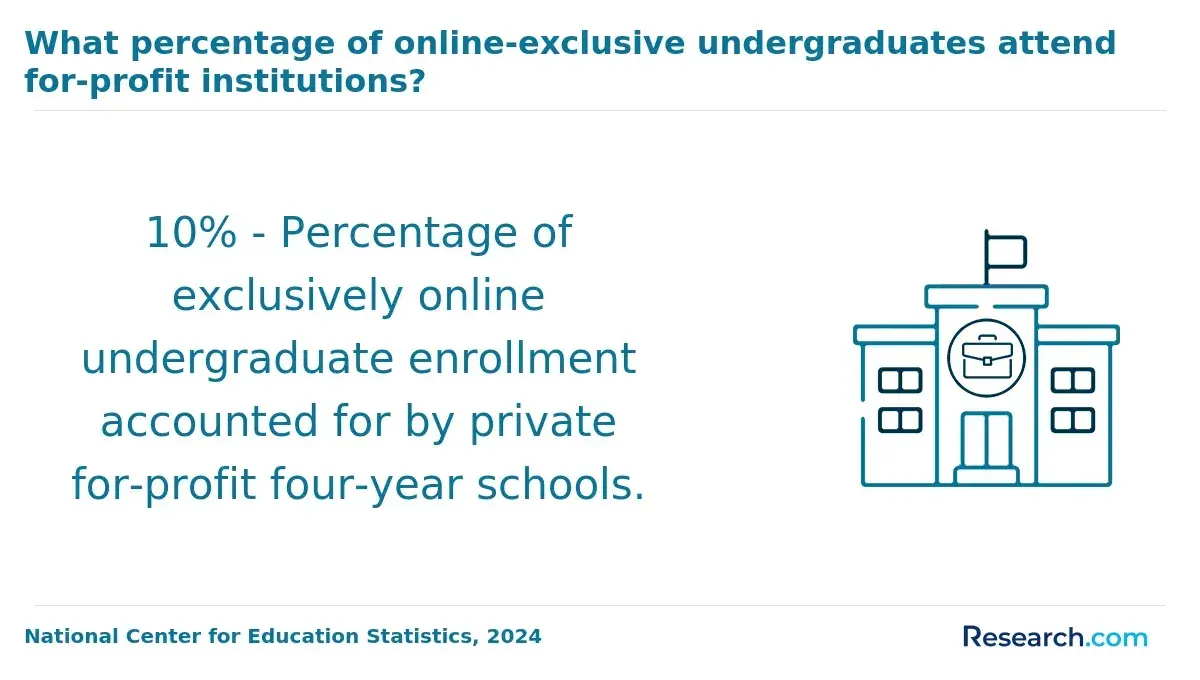
How Has the Rise of Online Education Changed Which States Lead in Mechanical Engineering Program Interest?
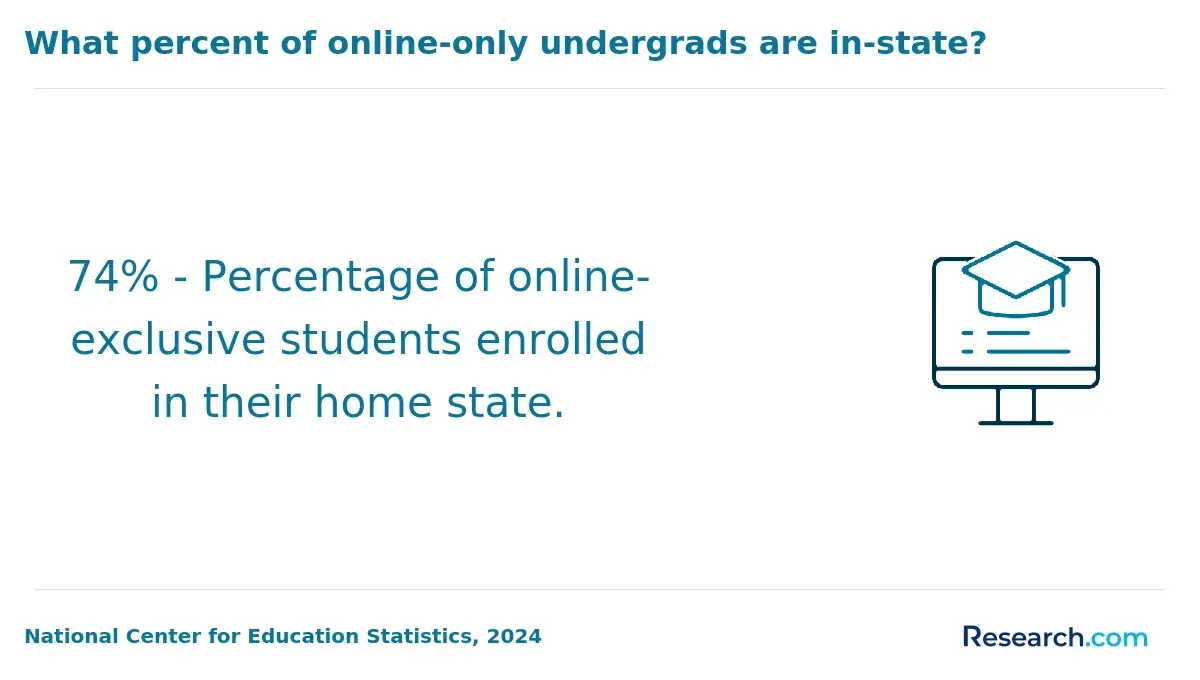
The rise of fully online mechanical engineering graduate programs has fundamentally shifted enrollment patterns, disrupting the traditional reliance on geographic proximity. Where students once limited their choices to nearby institutions due to commuting or relocation constraints, many now prioritize program reputation, affordability, and accreditation over location. As a result, states with recognized online programs attract significant out-of-state interest, effectively serving as national providers rather than local educations.
For instance, a working professional living in a state with limited graduate options can now enroll in an accredited program from another state without relocating, expanding their educational choices substantially. However, this flexibility comes with the practical necessity of verifying that program credits align with the licensure requirements of the state where the student intends to practice, as engineering licensure remains tightly regulated regionally. Employers also maintain a strong preference for degrees from well-established institutions, so program reputation continues to influence hiring decisions despite the rise of online delivery.
- Geographic Decoupling: Online formats reduce reliance on local availability, allowing states with reputable online mechanical engineering programs to attract nationwide enrollment.
- Reputation and Accreditation: Institutions with ABET accreditation or strong research credentials tend to draw more out-of-state students, reflecting the emphasis employers place on degree validity and rigor.
- Tuition and Cost Considerations: States providing competitive tuition extended to online learners see disproportionate application growth, as cost remains a critical factor in program selection.
- Licensure Constraints: Despite broader access, students must confirm that online coursework meets state-specific licensure board criteria before committing, maintaining a key operational boundary.
- Implications for Students: The expanded program choices enhance flexibility for professionals balancing career and study, but demand careful navigation of licensure and employer expectations.
- Institutional Impact: States hosting top online programs become competitive national hubs, intensifying pressures on regionally focused institutions reliant on local student pools.
What Demographic Trends Are Fueling Mechanical Engineering Degree Growth in Specific States?
Population Aging: States in the Midwest and Southeast with aging populations see rising demand for engineers skilled in healthcare technology, assistive devices, and infrastructure retrofitting. Mechanical engineering programs in these regions often expand to address growing medical and age-adapted equipment needs, creating steady employment pipelines linked to statewide healthcare and public works investments.Immigration Patterns: High-immigration states like Texas, California, and Florida benefit from a younger demographic surge, elevating STEM program enrollment through culturally reinforced educational priorities. This youth influx sustains a robust pipeline from K-12 to higher education, fostering stable mechanical engineering degree enrollment growth amidst diverse industry sectors.Urbanization: The rapid urban development characteristic of Sun Belt states fuels infrastructural projects, advanced manufacturing, and renewable energy sectors. These demand specialized mechanical engineering expertise, prompting local universities to scale offerings to meet employer needs linked directly to population and industrial growth.K-12 Enrollment Growth: In the South and Mountain West, rising K-12 enrollment drives the expansion of STEM-ready cohorts. State programs respond with greater capacity and specialized pathways, often in partnership with local industries, to capture this demographic advantage and foster workforce alignment.Mental Health Trends: Increasing youth mental health diagnoses have introduced focus areas such as ergonomics and human-machine interaction within mechanical engineering curricula. States with progressive public health initiatives integrate these considerations, crafting programs attractive to students aiming for socially impactful engineering roles.These demographic factors generate localized growth hotspots in mechanical engineering degree enrollment that national aggregated data obscure. Prospective students should therefore analyze demographic trajectories of their chosen states to favor regions with sustained workforce demand rather than transient economic cycles. Such demographic-informed decision-making better positions graduates for long-term career stability and licensure viability within their professional markets.For those weighing educational investments, comparing mechanical engineering degree enrollment growth in US states with demographic factors driving mechanical engineering interest by state provides actionable insight. Additionally, for professionals considering alternatives or complementary qualifications, exploring related fields such as a finance degree online may offer valuable interdisciplinary leverage in evolving industry landscapes.
How Do State Funding Levels for Mechanical Engineering Services Influence Degree Program Growth?
State funding for mechanical engineering services directly influences program growth by shaping the availability of local career opportunities and educational resources. States that allocate substantial public funds toward technical infrastructure and service support foster environments where degree programs can expand and maintain strong ties to industry employment. This creates a tangible incentive for students to enroll and remain within their home states. Conversely, states with limited investment often confront a cycle of program stagnation and graduate outmigration, as talented individuals seek the better-funded and more stable job markets elsewhere.
- Investment: Adequate funding signals commitment to sustaining mechanical engineering services, encouraging institutions to develop robust curricula and facilities that appeal to prospective students.
- Employment Pipeline: Increased state resources facilitate partnerships between academic programs and local industry, providing internships and applied research experiences that improve graduate readiness and retention.
- Graduate Retention: When programs lack sufficient public backing, graduates frequently leave the state for stronger economies, undermining regional workforce development and limiting program growth.
- Legislative Insight: Examining recent state-level appropriations and policy decisions related to mechanical engineering education helps prospective students assess a program's long-term viability and the career environment they may enter.
- Program Outcomes: Applicants should seek data on graduates' in-state employment rates several years post-graduation to gauge a program's effectiveness at connecting education with local job markets.
One graduate recalls waiting anxiously during a rolling admissions cycle, uncertain if the state's wavering funding and institutional delays would impact available slots or scholarship support. The prolonged process forced them to weigh options rapidly as acceptance windows opened and closed elsewhere. Ultimately, the graduate's choice was influenced not only by program reputation but also by real-time signals of state backing seen through admissions responsiveness and resource commitments, underscoring how funding dynamics tangibly affect both access and timing for mechanical engineering candidates.
Which States Are Emerging as Unexpected Leaders in Mechanical Engineering Degree Interest?
States emerging as unexpected leaders in mechanical engineering degree interest underscore how localized economic strategies and institutional innovation can reshape educational landscapes. For students and professionals considering where to pursue mechanical engineering graduate education, these states present both opportunity and risk-offering less saturated admissions and lower costs but often hinging on transient funding or narrow industry dependencies.
- North Dakota: This state's mechanical engineering enrollment growth ties closely to targeted workforce initiatives linked to its expanding energy and manufacturing sectors. The creation of new accredited programs, some in partnership with local industry and interstate education compacts, has improved access. Yet, much of this rise depends on finite state funding boosts, raising questions about long-term viability.
- Alabama: Investments in aerospace and automotive sectors have driven mechanical engineering graduate enrollment upward. New research facilities at regional universities and scholarship programs bolster recruitment. However, the concentration of industrial demand in a few volatile employers presents a risk for graduates expecting steady job prospects.
- Oregon: Traditionally stronger in tech and environmental fields, Oregon's interdisciplinary programs focusing on sustainable manufacturing and robotics have attracted more mechanical engineering students. State policies promoting green tech workforce development suggest a model with better sustainability, though continued alignment with changing industry demands is essential.
- Kentucky: Emphasizing cooperative education integrating hands-on manufacturing experience with academics, Kentucky appeals through relatively low tuition and less competitive admissions. Still, program scale remains modest and expansion depends heavily on maintaining robust industry partnerships.
These emerging states highlight how mechanical engineering degree growth by state reflects broader economic shifts rather than mere enrollment surges. Such markets can offer tangible advantages but also expose students to fluctuations in funding and employer needs. Given these tradeoffs, identifying whether growth is supported by enduring regional industrial diversification or merely temporary incentives is critical when selecting a program.
Prospective students also face timing considerations; for example, many mechanical engineering employers begin hiring early in the academic year, influencing admission cycle behaviors. Those weighing graduate studies alongside workforce reentry or career shifts should consider these dynamics carefully.
Parallel to these considerations, those exploring related fields might evaluate programs such as the masters child and adolescent mental health, which has seen increasing demand across healthcare systems, demonstrating how workforce needs shape enrollment trends across diverse disciplines.
How Does State Population Size Affect the Interpretation of Mechanical Engineering Degree Growth Data?
Interpreting mechanical engineering degree growth requires contextualizing raw enrollment numbers against the state population size and existing workforce baselines to avoid misleading conclusions. For example, a large state adding 2,000 new mechanical engineering graduates annually may appear to have the fastest-growing market. However, when juxtaposed with tens of millions of residents, this growth often translates into a modest per-capita increase.
Conversely, a smaller state producing 300 graduates may actually demonstrate a higher growth rate relative to its population, signaling faster market expansion and potentially heightened employer demand. This highlights the critical distinction between absolute growth and per-capita growth: while total output shows volume, per-capita metrics reveal real market vitality and the likelihood that demand surpasses supply.
Evaluating mechanical engineering enrollment trends by state population size should also incorporate workforce saturation metrics. Comparing the ratio of licensed mechanical engineering professionals to the local population exposes underserved markets. States with lower-than-average ratios generally offer stronger early-career hiring prospects due to less competition and unmet demand. Those considering geographic mobility or career changes should prioritize such regions to optimize employment opportunities and salary potential.
- Population Bias: Larger states naturally produce more graduates; interpreting proportional growth prevents overestimating market demand.
- Per-Capita Relevance: Normalizing by population reveals true expansion and regional industry vitality.
- Workforce Saturation: Comparing licensed engineer ratios highlights underserved areas with elevated hiring potential.
- Regulatory Impact: States with complex license requirements may slow workforce entry despite degree growth.
When assessing degree growth alongside workforce conditions, it is crucial to consider regulatory complexity. Some states impose stringent licensing processes that create barriers to entry, slowing the translation of enrollment increases into realized workforce growth. This dynamic affects hiring pipelines and long-term supply-demand balances. Additionally, understanding associated career pathways and salary benchmarks is essential; for instance, resources detailing the child life specialist salary with bachelor degree illustrate how degree attainment interacts with market conditions in similarly regulated healthcare fields, underscoring practical implications of licensure and geographic factors for future earnings.
What Role Do State Licensing Requirements Play in Driving or Suppressing Mechanical Engineering Enrollment?
State licensing requirements significantly influence enrollment trends in mechanical engineering graduate programs by shaping both student decisions and employer behavior. States that maintain transparent, well-structured, and consistent licensure pathways reduce uncertainty for prospective students, making advanced education in those states more appealing. For example, a candidate comparing programs may favor a state where post-graduate licensure involves clear exam criteria and experience prerequisites, improving predictability for career entry and mobility.
Conversely, states with frequent regulatory changes, complex rules, or opaque licensing processes often deter potential students due to the increased administrative burden and risk of delayed licensure. This impact on enrollment is compounded by employer preferences: organizations in states with clear licensure frameworks typically require or strongly prefer licensed professionals, creating a market signal that encourages licensure attainment and program enrollment. This dynamic generates a reinforcing feedback loop where strong licensure systems bolster program growth, which further promotes advocacy for streamlined regulation and educational quality.
For example, states known for stable licensure pathways tend to report higher application growth rates in mechanical engineering master's programs, reflecting their role in candidate decision-making beyond strictly academic considerations. Many employers associate licensure with a minimum competency threshold, sometimes correlating with salary premiums that can range from 10% to 25%, depending on region and industry sector, which further motivates licensure pursuit.
Prospective students should examine the full licensure pathway-including exams, required work experience, and continuing education mandates-before committing to a program or location. Comparing these factors against alternative states can reveal significant differences in long-term employability and professional flexibility.
- Transparency: Clear licensing criteria lower entry barriers and attract more students by reducing uncertainty about career progression.
- Employer Expectations: States with well-defined licensure requirements see stronger demand for licensed professionals, driving enrollment demand.
- Regulatory Stability: Frequent changes or complex rules discourage potential students due to increased risk and administrative burden.
- Feedback Loop: Effective licensure systems support program growth, which in turn promotes advocacy for regulatory refinement.
- Practical Evaluation: Students should assess licensure challenges relative to other states when planning their education and career path.
References
- FUTURE OF MECHANICAL ENGINEERING TRENDS -Ken Institute https://keninstitute.com/future-of-mechanical-engineering-trends/
- Rethinking recruitment for graduate engineering programs https://eab.com/resources/blog/adult-education-blog/rethinking-recruitment-for-graduate-engineering-programs/
- Incentivizing High-Priority Degrees Policy Brief — HCM Strategists https://hcmstrategists.com/incentivizing-high-priority-degrees
- WVJC | The Rise Of Online Education | June 2026 https://www.wvjc.edu/the-rise-of-online-education/
- Two Decades of Change in Federal and State Higher Education Funding https://www.pew.org/en/research-and-analysis/issue-briefs/2019/10/two-decades-of-change-in-federal-and-state-higher-education-funding
- Nearly 9 in 10 Colleges Plan to Expand Online Programs as Student Demand Soars, New Report Finds https://encoura.org/resources/press-room/Nearly-9-in-10-Colleges-Plan-to-Expand-Online-Programs-as-Student-Demand-Soars-New-Report-Finds
- How Online Learning Has Changed Education | ACE Blog https://ace.edu/blog/how-online-learning-has-changed-education/
- CAREER & HIRING ADVICE https://www.apollotechnical.com/is-a-mechanical-engineer-a-good-career/
- Mechanical Engineering Job Market Trends 2025 | Vista Projects https://www.vistaprojects.com/mechanical-engineering-job-market-trends/
- A Rising Threat Level https://www.nspe.org/career-growth/pe-magazine/january-2018/rising-threat-level