2027 Human Services Tuition Inflation Report: How Fast Are Program Costs Rising?

Co-Founder and Chief Data Scientist
Rising tuition in human services programs reflects more than general cost inflation. It mirrors distinct shifts within the discipline. Increasing regulatory standards and expanded accreditation requirements demand enhanced faculty specialization and more extensive clinical training, driving up operational expenses.
Investments in technology infrastructure and simulation labs further elevate program costs, addressing complex client interaction scenarios. Workforce demand for professionals skilled in trauma-informed care and mental health services also influences curriculum expansion, impacting resource allocation.
Notably, 2024 data from the Council for Social Work Education shows a 7% tuition rise linked to these factors. The growing presence of nontraditional, often older, students suggests evolving workforce needs and approaches to accessibility in the field.
Key Things to Know About Human Services Tuition Inflation
- Tuition inflation in human services programs averaged a 6.3% annual increase from 2020-2024, outpacing inflation, forcing students to weigh rising costs against marginal gains in credential value.
- Employers increasingly expect specialized certifications alongside degrees, making higher tuition a tradeoff for credential stacking rather than standalone qualification, which influences workforce entry timing.
- Accelerated cost growth challenges affordability, often delaying graduation or deterring enrollment, affecting access especially for non-traditional students balancing work and family obligations.
- Key Things to Know About Human Services Tuition Inflation Key Things to Know
- How Much Has Human Services Tuition Increased Over the Past Decade? Tuition Increase
- How Does Human Services Tuition Inflation Compare to Overall Inflation? Tuition Inflation
- Which Types of Schools Have Experienced the Fastest Human Services Tuition Growth? Tuition Growth by School Type
- What Factors Are Driving Rising Costs in Human Services Degree Programs? Tuition Cost Drivers
- How Does Human Services Tuition Growth Vary by State and Region? Tuition Growth by State
- Are Online Human Services Programs Becoming More Affordable Than Campus-Based Programs? Online Program Affordability
- How Have Financial Aid and Scholarships Changed as Human Services Tuition Has Increased? Impact on Financial Aid and Scholarships
- How Does Rising Human Services Tuition Affect Student Debt After Graduation? Impact on Student Debt
- Do Higher-Cost Human Services Programs Deliver Better Career Outcomes or Earnings? Impact on Career Outcomes
- What Do Current Tuition Trends Suggest About the Future Cost of a Human Services Degree? Tuition Trends
How Much Has Human Services Tuition Increased Over the Past Decade?
Over the past decade, tuition for human services degree programs has increased substantially, with public institutions seeing rises between 40% and 50% after adjusting for inflation, based on recent data from the National Center for Education Statistics and the U.S. Department of Education College Scorecard.
Private institutions have experienced even more pronounced growth, often surpassing 60%, reflecting broader shifts in higher education costs. This average cost growth for human services degree programs nationwide highlights a trend where tuition rises outpace general inflation and set a challenging financial landscape for prospective students weighing their educational investments.
Several factors drive these tuition increases beyond typical inflationary pressures. Declining state support for public universities forces many institutions to shift operational costs onto students, while escalating expenses tied to technology upgrades, accreditation requirements, and expanded student support services contribute further.
Additionally, growing enrollment demand in human services fields and the sector's emphasis on practical experience and cultural competence prompt programs to invest heavily in experiential learning, which can raise costs without always translating directly to higher graduate earnings.
This sustained tuition escalation presents tangible affordability challenges and motivates careful consideration of return on investment among students, especially given human services careers often provide moderate wage growth and may require substantial borrowing. Employers prioritize demonstrable skills and real-world readiness, pressuring programs to balance cost with quality outcomes.
These dynamics also lead some learners to explore alternative education paths, such as certificate programs or community colleges, or even seek the fastest DNP program options, to better align educational costs with post-graduation opportunities and financial realities.
How Does Human Services Tuition Inflation Compare to Overall Inflation?
Tuition inflation for human services degree programs consistently outpaces general consumer price inflation, signaling distinct economic pressures within higher education. Recent data from the U.S. Bureau of Labor Statistics indicates a Consumer Price Index rise near 5.2% between 2022 and 2023, whereas studies from the National Center for Education Statistics reveal human services tuition increases closer to 6-7% annually.
This gap reflects the specialized nature of these programs, where rising costs occur amid broader economic inflation but exceed it significantly, highlighting challenges unique to this academic field in relation to the national inflation environment and regional trends in human services program cost growth.
Several structural factors drive the widening divergence between tuition inflation and overall inflation. Reduced state funding forces public institutions to pass more operational costs on to students, elevating tuition rates. Simultaneously, administrative overhead, expanded support services, and investments in technology and infrastructure for human services programs require sustained resource commitments that general consumer inflation measures do not capture.
Together, these forces underscore an education pricing model increasingly detached from typical economic inflation and more influenced by institutional funding dynamics and compliance demands.
For students navigating affordability pressures, the human services tuition increase compared to national inflation translates into greater borrowing reliance and more acute decision-making regarding program selection and perceived value. Rising costs pose challenges in assessing long-term return on investment, particularly as human services fields often balance mission-driven employment with modest starting salaries.
Prospective learners may consider options such as free online college applications to mitigate upfront expenses while evaluating financial strategies amid this persistent tuition inflation gap.
Which Types of Schools Have Experienced the Fastest Human Services Tuition Growth?
Tuition increases for human services degree programs show marked variation across institution types due to differing financial structures, enrollment pressures, and program delivery approaches. Grasping these distinctions is vital for students and analysts assessing cost trends and the relative value of programs.
Factors like public funding allocations, reliance on tuition revenue, program specialization costs, and institutional prestige contribute to uneven tuition inflation within this field as of 2024 data.
- Public Universities: Typically benefiting from state appropriations, public universities experience more modest tuition growth in human services programs. Nonetheless, shrinking government subsidies have pushed them to incrementally raise tuition, balancing demand for workforce-relevant credentials against budget constraints.
- Private Nonprofit Universities: These institutions often leverage brand strength and invest in specialized faculty and support services, resulting in moderate to above-average tuition growth. Their dependence on tuition revenue and the desire to maintain competitive program offerings increasingly drive cost escalation.
- For-Profit Institutions: Exhibiting the fastest tuition increases, for-profit schools rely heavily on tuition as their primary revenue source. Investments in accelerated curricula and online delivery platforms contribute to higher sticker prices, though these factors may not fully align with enhanced educational outcomes.
- Research-Intensive Universities: While not the primary providers of human services degrees, top-tier research universities may charge premium tuition for specialized or interdisciplinary program tracks. Their focus on advanced research and resources justifies higher costs but limits accessibility for many adult learners.
- Regional Colleges and Community Colleges: Often serving local populations with mission-driven affordability, these institutions show slower tuition growth. State and local funding typically help moderate increases, though limited resource pools can affect program expansion and service quality.
- Online Universities: Growing enrollment in online human services programs influences tuition trends, with some institutions raising fees to support infrastructure and digital tools. However, widespread competition and market transparency exert downward pressure on pricing compared to traditional campus-based programs.
What Factors Are Driving Rising Costs in Human Services Degree Programs?
Rising costs in human services degree programs stem from a complex blend of institutional and economic pressures rather than a single driving factor. Public institutions, facing dwindling state appropriations, increasingly depend on tuition revenue to fill budget gaps, shifting more financial burden onto students.
At the same time, programs are contending with expanding administrative frameworks required to meet regulatory compliance and accreditation demands, which add operational layers and overhead expenses. These structural shifts intertwine with the growing need for specialized faculty, particularly adjunct professors and professional staff with practical field expertise, whose wages have notably increased-by approximately 4.2% annually over recent years according to the National Center for Education Statistics.
Additional cost pressures arise from investments in digital infrastructure and technological resources essential for contemporary human services education, including simulation labs and online learning platforms. Maintaining and upgrading these facilities requires sustained capital expenditure, which grew over 7% from 2022 to 2024 as reported by the American Council on Education, particularly in large urban campuses with high enrollment.
Expanded student support services addressing mental health and career readiness further inflate budgets. These intertwined factors, rising labor costs, diminished public funding, administrative expansion, and technology investments, collectively drive tuition increases, shaping both the affordability and accessibility of human services programs across diverse institutional contexts.
The graduate recalled navigating the rolling admissions process amid growing uncertainty around tuition hikes. Applying late in the cycle, they hesitated to commit before finalizing financial aid offers, anxious about escalating costs tied to enrollment timing. "I kept delaying my decision, hoping for clearer information," they explained, "but the longer I waited, the more I realized that program expenses were rising faster than I anticipated."
Ultimately, they accepted an offer just weeks before the semester started, managing to secure a partial scholarship that made the increasing costs more manageable, though the experience highlighted how fluctuating expenses complicate strategic planning for prospective students.
How Does Human Services Tuition Growth Vary by State and Region?
Tuition growth for human services programs varies widely across U.S. states and regions, shaped by intricate differences in state funding priorities, institutional types, and local economic conditions. States with strong public university systems and stable appropriations often see more moderate tuition increases, while those with funding shortfalls or a larger share of private institutions experience sharper tuition growth.
Cost-of-living adjustments also play a significant role, as regions with higher living expenses typically reflect these pressures in program pricing. This variability reflects deeper structural factors beyond mere geographic location, making a purely regional comparison insufficient for understanding the true financial landscape of human services tuition growth by state.
Key drivers of these differences include declining or stagnant state appropriations that compel public institutions to increase tuition to cover operational costs, as well as the prevalence of research-intensive or private universities, which tend to command higher price growth due to their funding models and competitive positioning.
Regional labor market demand for human services professionals also influences tuition trends, especially in states with robust healthcare and social service sectors where program costs rise alongside workforce needs. Additionally, cost-of-living disparities, particularly in the Northeast and West Coast, amplify tuition inflation, often creating affordability challenges. These factors converge to create substantial variation in human services tuition growth by state and region.
The uneven tuition increases have tangible implications for student mobility, program access, and long-term career outcomes, often forcing students in higher-cost areas to consider alternative educational pathways such as community colleges or online options to manage affordability.
Persistent disparities can limit workforce readiness in lower-funded regions and complicate return on investment calculations for learners assessing credential value relative to local employment conditions, including the PMHNP salary. Understanding these regional economic and policy-driven tuition dynamics is essential for prospective human services students and their families to make informed decisions amid evolving educational costs.
Are Online Human Services Programs Becoming More Affordable Than Campus-Based Programs?
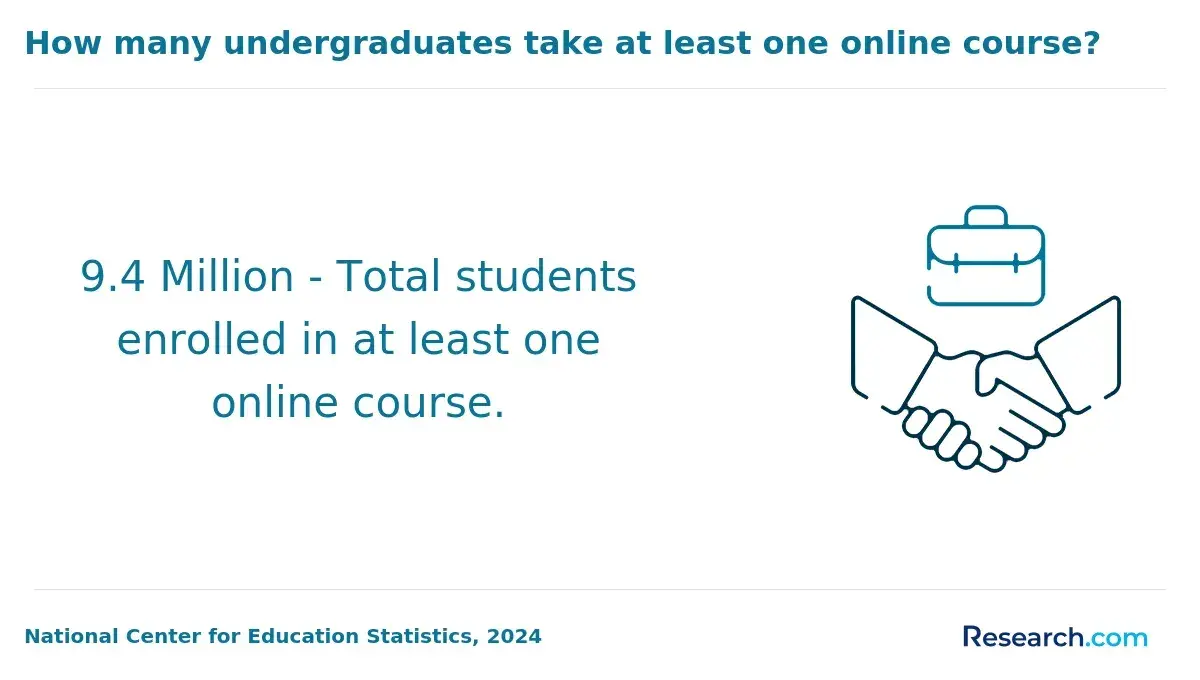
Across recent years, online human services degree programs have generally emerged as a somewhat more affordable alternative to traditional campus-based offerings, though this affordability gap varies with institutional strategy and program design. According to the 2024 National Center for Education Statistics report, public institutions show about a 15% average tuition reduction for online human services programs compared to their on-campus equivalents.
However, this headline difference doesn't capture the full complexity of pricing models, where some online programs incorporate additional technology fees or require different student services, impacting net cost. Unlike fixed campus tuition tied largely to physical infrastructure and campus facilities, online programs often adopt pricing approaches reflecting their digital delivery platforms, scalability potential, and remote learner support expenses.
The economic drivers behind these cost disparities hinge on several operational factors. Reduced spending on physical classrooms, campus maintenance, and ancillary services typically underpins online program affordability, yet these savings can be offset by investments in sophisticated learning management systems, multimedia content creation, and the adaptation of curricula for remote instruction.
Additionally, faculty roles may shift from traditional in-person teaching toward more asynchronous or hybrid approaches requiring upfront instructional design effort. Student support services also transform, as online learners need technology assistance and virtual advising tailored to distance education. These structural differences indicate that affordability between delivery modes is often program-specific and influenced by how institutions balance digital infrastructure investment against scaling capacity and support mechanisms.
One graduate of an online human services program recalled navigating the admissions process amid rolling deadlines and periodic enrollment windows. Initially hesitant to commit without a clear tuition breakdown or financial aid information, the student delayed application submission, closely monitoring institutional communications.
This interim uncertainty caused some stress, as course start dates approached and external work commitments loomed. Ultimately, the timely release of a detailed cost estimate and the flexibility of an extended enrollment period helped finalize the decision. Their experience underscores how affordability perceptions intertwine with the unpredictability of admissions timing and financial planning in online program contexts.
How Have Financial Aid and Scholarships Changed as Human Services Tuition Has Increased?
Financial aid and scholarship frameworks have not kept pace with the rising tuition costs in Human Services programs, resulting in increasingly constrained net affordability for students. While nominal growth in federal and institutional aid exists, the relative value of such assistance has diminished due to tuition inflation outstripping award increases.
Pell Grant maximums for the 2023-2024 cycle, for instance, have seen only marginal adjustments, insufficient to cover the accelerated expenses of many public and private institutions. Concurrently, institutional aid budgets face pressure as universities prioritize sectors perceived to have higher labor market returns, such as STEM and health sciences, tightening the availability and size of scholarships specifically targeting Human Services students.
This shift reflects several systemic drivers: intensified competition for a shrinking pool of financial resources, evolving government aid policies with flat or slowly growing caps on need-based programs, and a strategic emphasis on merit-based scholarships aimed at attracting top-performing applicants.
Colleges increasingly employ tuition discounting selectively, directing merit aid toward candidates with higher potential return on investment, often sidelining broader need-based support. Such strategies exacerbate challenges for low- and moderate-income students in Human Services, who face more restrictive eligibility requirements and heightened competition, thereby limiting access even as overall tuition continues to climb.
These trends contribute to a complex affordability landscape where net price reductions are uneven and often insufficient to offset rising debt burdens. Greater reliance on unsubsidized loans introduces interest accrual during study periods, increasing long-term financial risk.
The uneven expansion of targeted scholarships, frequently aimed at underrepresented or first-generation students, only partially mitigates rising costs and does not fully compensate for systemic gaps. Prospective students must critically assess how fluctuating aid availability and institutional pricing strategies will impact total investment, potential debt, and ultimately, access to and success within Human Services education pathways.
How Does Rising Human Services Tuition Affect Student Debt After Graduation?
Rising tuition for human services programs has steadily increased the reliance on student loans, directly inflating borrowing levels among enrollees. This trend is particularly pronounced in four-year and private institutions, where the cost escalation often outpaces the growth of available financial aid, forcing many students to cover widening gaps through debt.
As tuition costs inflate faster than wages in many entry-level social and community service roles, students find themselves accumulating higher principal loan balances, which consequently intensify loan burdens after graduation. These dynamics complicate repayment by extending loan timelines and increasing overall financial strain.
The impact of rising human services tuition on post-graduation loan repayment reflects a complex interplay of factors. Disparities between public and private institution pricing create divergent debt profiles, with private school attendees typically facing steeper repayment challenges. Interest accrual during extended periods of study and deferment further compounds debt loads before graduates begin earning.
Income disparities across human services fields mean some graduates struggle to meet standard repayment schedules, making income-driven plans and deferred payments essential but often insufficient buffers. The financial aid system frequently fails to bridge tuition inflation fully, leading to sustained borrowing that burdens graduates long term, affecting their capacity to pursue goals such as homeownership or retirement savings.
Rising debt levels also shape program selection decisions, limiting access to comprehensive degrees for financially constrained individuals and influencing perceptions of degree value relative to cost. Employers increasingly identify financial stress linked to student debt as a retention concern within human services sectors, affecting workforce stability.
Graduates and prospective students should carefully weigh these factors within their borrowing decisions, especially adult learners who lack parental financial support and may simultaneously juggle family obligations.
For those considering healthcare-related transitions, exploring RN to NP programs may offer alternative pathways with differing financial implications aligned with workforce demand.
Do Higher-Cost Human Services Programs Deliver Better Career Outcomes or Earnings?
Higher-cost human services degree programs do not inherently guarantee better career outcomes or higher earnings. Evidence from the U.S. Department of Education's National Center for Education Statistics 2024 report shows that tuition price alone is a weak predictor of employment rates or starting salary levels.
Graduates from less expensive public and community colleges often achieve similar employment results as those from costly private institutions. This challenges common assumptions about the financial returns of expensive human services programs and highlights that more expensive programs may not always justify their higher tuition through superior labor market outcomes.
Several factors beyond price drive career trajectories in human services fields. Institutional reputation, the strength of internship pipelines, employer partnerships, and geographic location strongly influence employment opportunities and earnings potential. Programs offering direct alignment with licensing requirements and substantial practicum experiences often confer tangible advantages. Alumni networks and specialization depth also affect long-term career mobility and salary growth.
For example, Georgetown University Center on Education and the Workforce data reveal median early-career salaries around $45,000 from high-cost private programs versus approximately $42,000 from lower-cost public institutions, with future earnings linked more closely to credentials, experience, and niche skills than initial cost.
Given these nuances, prospective students should evaluate overall return on investment by balancing affordability with program quality factors such as accreditation, fieldwork accessibility, and employer connections. Thoughtful assessment of career support services and local labor market demand will better inform choices than tuition cost alone.
More information on program quality and practical training opportunities can be found through resources like the best online MFT programs, which serve as an example of accessible, outcome-oriented education models in related fields.
What Do Current Tuition Trends Suggest About the Future Cost of a Human Services Degree?
Recent tuition trends forecast a steady rise in the cost of earning a human services degree, reflecting broader shifts in higher education pricing over the last several years. Data from the National Center for Education Statistics indicates public four-year institutions have experienced annual tuition increases around 3.5%, while private nonprofit colleges have risen near 2.8% yearly through 2024.
When adjusted for inflation, these figures suggest human services programs will likely continue to become more expensive, often outpacing wage growth in related social service sectors. This trend highlights how historical tuition trajectories serve as essential benchmarks but must be contextualized within inflation and labor market dynamics to assess real affordability.
Key factors influencing future tuition costs include constrained public funding for universities, growing demand for workforce-ready skills in human services, and the expansion of online and hybrid program delivery. Institutions are investing heavily in technology platforms, student support services, and curriculum modernization to meet evolving employer expectations, which adds upward pressure on program expenses.
Additionally, adult learners who prioritize flexibility may encounter premium pricing structures linked to accelerated or nontraditional formats, complicating net cost calculations beyond headline tuition rates. These elements collectively shape institutional pricing strategies amid shifting enrollment patterns.
For prospective human services students, rising tuition inflation combined with greater reliance on student loans underscores affordability challenges and the need for strategic program selection. Understanding that tuition hikes often reflect institutional cost pass-throughs rather than straightforward service enhancements can help students evaluate value relative to expected career outcomes.
Long-term financial planning should incorporate not just sticker price trends but also potential variances in aid availability, delivery modality, and labor market alignment to make informed enrollment decisions that balance cost with practical workforce readiness.
References
- United States Statistics - Education Inflation https://statsusa.org/us/stats/education-inflation.html
- Effects of Student Loan Debt on Economy [2026]: Data Analysis https://educationdata.org/student-loan-debt-economic-impact
- Compare Medical and College Inflation with Services, not Goods | Cato at Liberty Blog https://www.cato.org/blog/compare-medical-college-inflation-services-not-goods
- Tracking College Tuition Growth https://www.richmondfed.org/publications/research/economic_brief/2024/eb_24-23
- How Rising Inflation Affects Student Loan Interest Rates | SoFi https://www.sofi.com/learn/content/inflation-and-student-loans/
- Is a degree in human services worth it? https://www.herzing.edu/faq/is-a-degree-human-services-worth-it
- Inflation and Its Impact on Education Loans in 2026 https://www.wemakescholars.com/blog/how-inflation-impacts-education-loan
- Inflation. No friend to human services. https://www.peoplemindedbusiness.com/post/inflation-no-friend-to-human-services
- Trends Driving Human Service https://www.cune.edu/news/trends-driving-human-service
Other Things You Should Know About Human Services
Rising tuition often coincides with increased program complexity or additional experiential components, but higher costs don't always guarantee better quality or manageable workloads. Students must evaluate whether the extra tuition pays for specialized training, internships, or small class sizes that enhance career readiness versus simply covering administrative expenses. Prioritizing programs with transparent workload expectations and clear ties to employer-required competencies can help avoid overpaying for bloated curricula that do not translate to stronger job prospects.
Non-traditional learners, such as working adults, face amplified challenges when program costs rise faster than wages or financial aid increases. They often must juggle heavier employment to cover tuition, which can reduce study time and affect academic performance. Thus, programs offering flexible pacing, credential stacking, or modular courses become more critical for this group to mitigate the impact of inflation and maintain steady progress without burnout or extended timelines.
Shorter certificate programs can be a strategic response to tuition inflation by lowering upfront costs and time commitments, but they may also limit eligibility for certain jobs or advancement opportunities that require full degrees. If immediate workforce entry or skill refreshment is the goal, certificates offer practical value; however, for long-term career growth or leadership roles in human services, investing in a full degree often yields better returns despite higher costs. Ultimately, students must weigh immediate affordability against potential later-stage limitations tied to less comprehensive credentials.
As tuition climbs, employers may raise expectations for graduates' practical skills and applied experience, anticipating that higher investment signals more comprehensive training. However, if rising costs do not correspond to improved program rigor or real-world preparation, graduates might face a mismatch between expectations and capabilities, impacting job placement and retention. Therefore, students should critically assess whether programs align tuition increases with substantive curriculum enhancements that reflect employer demand for practical, adaptive competencies.