2027 Human Services Degree Popularity by Gender, Region, and Degree Level

Co-Founder and Chief Data Scientist
A prospective human services student reviewing 2024 enrollment data may notice striking disparities in participation by gender and region that complicate evaluating program quality and career prospects. For example, women make up over 75% of human services degree recipients nationally, but in certain Southern states, men's enrollment rates approach parity, suggesting local workforce needs and cultural factors heavily influence demand. Such uneven gender representation impacts peer networks and access to diverse perspectives, while regional variations reflect differing social service infrastructures and funding environments. Additionally, shifts toward associate-level completions versus bachelor's degrees reshape employer expectations and advancement pathways in the field. This article examines human services degree popularity by gender, region, and degree level to clarify how these trends affect educational choices and workforce integration.
Key Things to Know About Human Services Degree Popularity by Gender, Region, and Degree Level
- Women represent over 70% of human services degree enrollees in 2024, indicating persistent gendered workforce norms that can limit male diversity, affecting organizational culture and service delivery approaches.
- Human services programs see highest regional enrollment in the Northeast, reflecting denser social service networks but also regional funding variations that shape career opportunities and resource access.
- Associate degree enrollment growth outpaces bachelor's and master's, highlighting cost and time tradeoffs; this trend affects how quickly students enter the workforce but may constrain upward job mobility.
- Key Things to Know About Human Services Degree Popularity by Gender, Region, and Degree Level Key Things to Know About Human Services Degree Popularity by Gender, Region, and Degree Level
- How Does Job Market Demand Influence Human Services Degree Popularity? Market Demand and Degree Popularity
- How Does Online Human Services Degree Enrollment Compare to Traditional Campus Programs? Online vs. Campus Enrollment
- What Degree Level Is Most Common Among Human Services Students? Most Common Degree Levels
- How Do Enrollment Trends Differ Between Associate, Bachelor's, Master's, and Doctoral Human Services Degrees? Enrollment Trends by Degree Level
- How Popular Is the Human Services Degree Compared to Other College Majors? Degree Popularity vs. Other Majors
- Why Is the Human Services Degree More Popular in Certain States and Regions? Regional Popularity Drivers
- What Demographic Groups Are Driving Growth in Human Services Degree Programs? Growth by Demographic Groups
- What Is the Future Outlook for Human Services Degree Enrollment by Gender, Region, and Degree Level? What Is the Future Outlook for Human Services Degree Enrollment by Gender, Region, and Degree Level?
- How Have Human Services Degree Enrollment Trends Changed Over the Past Decade? How Have Human Services Degree Enrollment Trends Changed Over the Past Decade?
- Where Is the Human Services Degree Most Popular Across the United States? Geographic Popularity Analysis
How Does Job Market Demand Influence Human Services Degree Popularity?
Employer demand for professionals with human services degrees shapes enrollment patterns in nuanced ways, often reflecting regional workforce shortages and credential-level expectations rather than simple job availability. For instance, states like California and New York-with dense urban populations and extensive social service infrastructures-exhibit higher enrollment in human services programs due to concentrated employer demand in mental health, elder care, and substance abuse counseling sectors. This regional employment trend influencing human services degree enrollment highlights a tradeoff prospective students face: pursuing programs in high-demand areas may improve job prospects but also involves competition and potential program capacity constraints that can moderate overall enrollment growth.
Labor market signals also affect participation differently across gender and educational credentials. While entry-level human services roles typically require an associate or bachelor's degree, growing employer emphasis on specialized skills and certifications is increasing demand for master's level education, which attracts a narrower but more credential-focused student segment. Despite a projected 12% national employment growth in community and social service occupations reported by the U.S. Bureau of Labor Statistics, these occupational gains do not uniformly translate into enrollment increases across all geographic or demographic groups. Awareness of alternative career options, financial challenges, and limited local program availability further complicate how job market demand influences degree popularity among diverse student populations.
Students evaluating human services educational pathways must also weigh practical realities, including program availability and operational design, such as accelerated programs that can shorten time to credential and entry into the workforce. These options appeal particularly to individuals seeking efficient transitions into employment but vary significantly by region and institutional capacity. Considering the broader economic and workforce context, prospective students should critically assess how local labor market conditions, degree level expectations, and program accessibility align with their long-term career goals within the human services field.
How Does Online Human Services Degree Enrollment Compare to Traditional Campus Programs?
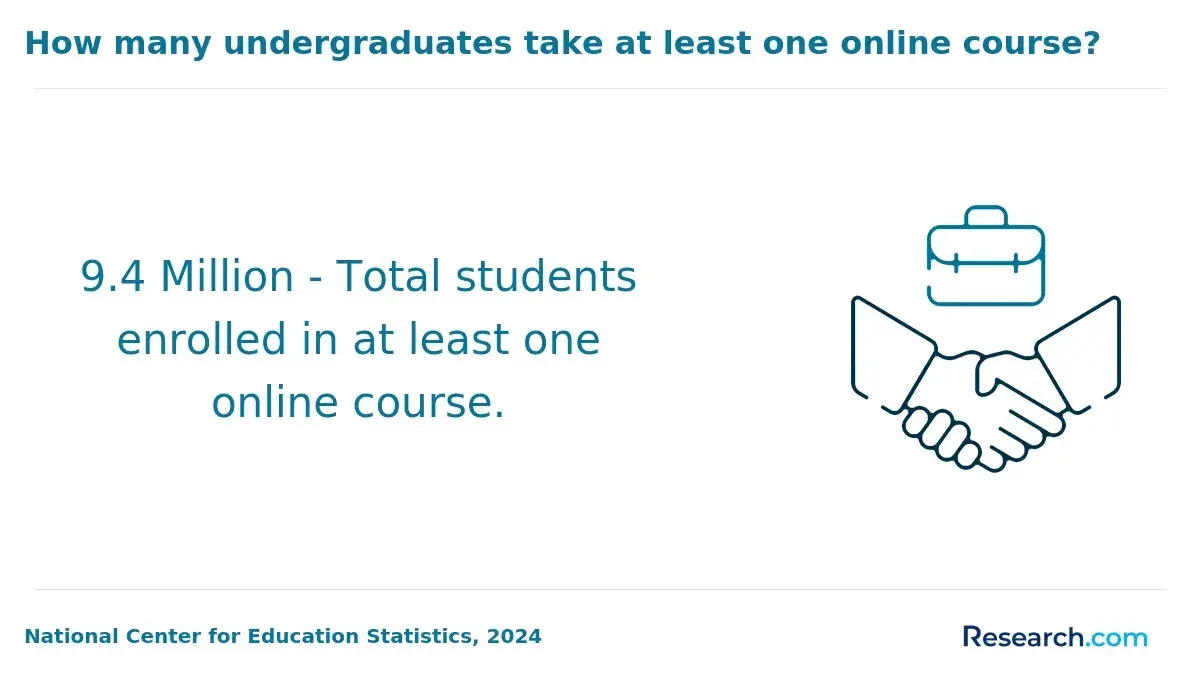
Enrollment trends reveal that online human services degree programs increasingly serve distinct student populations compared to campus-based offerings, with over half of recent undergraduate enrollees choosing some form of online study according to the 2024 National Center for Education Statistics. Adult learners balancing work and family obligations gravitate toward online formats due to their flexibility, while geographically dispersed students, especially in underserved Midwest and Southern regions, gain improved access beyond traditional campuses. This shift expands participation but introduces tradeoffs, as on-campus students still exhibit slightly higher completion rates, likely due to more immediate peer support and structured environments, pointing to important considerations for prospective students weighing mode of study.
The modality choice also reflects practical and regional realities; online programs help overcome local institutional scarcity and transportation barriers, promoting inclusivity in rural areas where campus programs remain limited. Yet, the variation in practical learning opportunities, such as internships requiring in-person presence, can influence employability outcomes and student satisfaction differently across delivery methods. Thus, understanding how online and campus programs appeal to different demographics and fulfill varied logistical needs is crucial for aligning educational pathways with personal circumstances and career objectives within human services.
One recent online human services graduate shared that her decision was heavily influenced by the absence of nearby colleges offering relevant degrees and her full-time caregiving responsibilities. Initially skeptical about the level of interaction and program popularity online, she found the flexibility invaluable but noted occasional feelings of isolation and a desire for more hands-on fieldwork opportunities. Her experience underscores how accessibility gains through online enrollment come with unique challenges that prospective students must realistically evaluate against their support systems and career ambitions.
What Degree Level Is Most Common Among Human Services Students?
Bachelor's degrees dominate human services completions, accounting for roughly 60% of all degrees awarded nationally according to 2024 data from the National Center for Education Statistics. This prevalence reflects employer preferences for candidates who possess a comprehensive blend of theoretical knowledge and applied skills essential for roles like case management and program oversight. The expansion of online and hybrid bachelor's options also broadens access, allowing a more diverse student population to pursue mid-level professional credentials that often serve as minimum hiring standards, especially in urban and suburban markets where service complexity demands robust education.
Associate degrees constitute a significant but smaller segment, typically representing around 25 to 30% of completions. These programs offer quicker, more affordable routes into entry-level positions or stepping stones toward bachelor's studies, appealing to those with immediate workforce goals or limited time and resources. However, the labor market generally favors bachelor-level credentials for advancement, creating a practical incentive for students to leverage transfer pathways and continue their education beyond the associate level when possible.
Master's and doctoral degrees remain a niche within human services, collectively comprising less than 15% of graduates. Their focus on leadership, clinical specialization, or academic careers limits enrollment but aligns with career trajectories requiring advanced expertise and credentials. Prospective students must weigh the higher costs, longer duration, and more selective availability of graduate programs against these potential returns, considering their professional ambitions, funding options, and the relative scarcity of doctoral programs compared to undergraduate offerings.
How Do Enrollment Trends Differ Between Associate, Bachelor's, Master's, and Doctoral Human Services Degrees?
Enrollment patterns in human services degrees reflect distinct professional and academic expectations at each level, with associate degree vs bachelor's degree enrollment in human services revealing significant tradeoffs in access and career framing. Associate programs dominate in volume because they cater largely to entry-level workers and part-time learners aiming for quick workforce integration, particularly women balancing multiple responsibilities. In contrast, bachelor's degree enrollment grows more gradually and often serves students prioritizing comprehensive foundational skills and the flexibility posed by transfer options and online offerings. Data from the National Center for Education Statistics in 2024 shows this divergence stems partly from employer preferences, where immediate job placement frequently favors associate credentials, while broader opportunities require bachelor's level preparation.
Master's and doctoral human services degree completion rates reflect a narrowing, more specialized student base focused on professional advancement and leadership. Master's programs appeal primarily to working professionals in female-dominated fields like counseling or social work, responding to growing credential requirements within agencies emphasizing clinical and program management competencies. Doctoral enrollment remains limited due to the intensive commitment and research focus, attracting candidates targeting policy influence or academic careers rather than broad practitioner roles. For students weighing these paths, understanding these enrollment trends offers insight into the realistic long-term impact of their educational choices on career trajectories, workforce integration, and professional specialization. Exploring careers for biology majors may provide comparative context on degree-level outcomes across disciplines.
How Popular Is the Human Services Degree Compared to Other College Majors?
The relatively modest enrollment in human services compared to majors like business or psychology, which each produce over 100,000 bachelor's graduates annually, underscores its niche appeal rather than a lack of relevance. Data from the National Center for Education Statistics (NCES) for 2023-2024 indicates about 12,000 bachelor's degrees in human services were awarded nationwide, highlighting a focused interest in social welfare and community support rather than broad market volume. This specialization limits program scale and peer network size but aligns with specific workforce segments prioritizing direct client impact and social advocacy roles. Regional enrollment disparities, particularly higher completion rates in the Midwest and Northeast, reflect local investments in public social programs and urban service ecosystems, contrasting with lower representation in Southern and Western states where STEM and business fields dominate.
Gender composition further impacts human services program dynamics: women account for approximately 75% of graduates, intensifying gender-related workforce considerations such as occupational segregation and pay disparities common in caregiving professions. While graduate-level offerings in related counseling and social work have seen modest growth, undergraduate human services enrollment has slightly declined, perhaps due to shifting student priorities around career flexibility and earning potential. This trend can influence program availability and specialization opportunities, shaping how prospective students weigh human services against more populous or lucrative disciplines.
One recent graduate recalls noticing the smaller classroom sizes and fewer peers when starting a human services major, which initially raised questions about the field's visibility and viability. Discussions with academic advisors confirmed the program's deliberate focus and stable demand within social sectors, though less extensive than popular majors. The graduate appreciated that the specialization offered a clearer vocational path despite less widespread recognition, balancing curiosity about the field's growth with practical concerns about market competition and employment options.
Why Is the Human Services Degree More Popular in Certain States and Regions?
Variations in the popularity of the human services degree across states reflect deeper regional workforce dynamics rather than mere student preference. For example, states like California and New York, with concentrated social assistance industries and larger urban populations, demonstrate elevated enrollment driven by robust employer demand and institutional support. These areas also benefit from a broader network of public colleges offering affordable or online options, which enhances accessibility and encourages a diverse student base including many adult and non-traditional learners. Such availability shapes student decisions, as degree value often correlates with local hiring practices and established professional networks.
Economic and demographic factors contribute significantly to this uneven demand, with southern and northeastern states often experiencing more pronounced social challenges requiring trained human services professionals. These regional differences in human services education reflect local policy priorities and provider presence, influencing where students choose to study and ultimately work. Additionally, younger populations in certain states tend to fuel interest in early-career social justice roles, which affects both curriculum focus and degree completion rates. However, high enrollment figures do not guarantee strong job placement outcomes, underscoring the necessity of evaluating program quality relative to workforce realities presented by regional labor markets and employer expectations.
For prospective students navigating these complexities, understanding how geographic disparities shape program availability and employment prospects is essential for strategic planning. Access to flexible options like online associate radiology tech programs further illustrates how institutional offerings evolve to meet workforce trends. Awareness of human services degree demand by state and the associated regional differences in human services education can help students align their training with practical requirements, improving long-term career viability and informed decision-making.
What Demographic Groups Are Driving Growth in Human Services Degree Programs?
Shifts in human services degree enrollments are closely tied to evolving workforce demands and the accessibility of flexible learning models. The predominance of women, who represent about 70% of students according to the National Center for Education Statistics, underscores persistent gendered labor market patterns and societal expectations surrounding caregiving roles. Meanwhile, growth among adult learners aged 25 and over reflects pragmatic decisions made by professionals balancing career changes or skill updates with work and family responsibilities, often facilitated through online program options that reduce traditional barriers to entry.
Geographically, the fastest enrollment increases in the Southern and Western United States correspond with broader population growth and increased diversity in those regions. This surge includes higher participation by first-generation college students and underrepresented groups such as Hispanic and Native American learners, highlighting how localized economic conditions and educational outreach efforts shape who enters these programs. Such demographic changes influence program design, requiring curricula and support systems that address diverse cultural competencies and elevate practical skills to meet community-specific workforce needs.
The expanding interest in associate and certificate credentials versus traditional bachelor's degrees signals a tradeoff valuation by students prioritizing quicker transitions to employment over extended academic engagement. This trend reflects employer preferences for candidates with applicable credentials combined with real-world experience rather than purely academic attainment. For educators and employers, these shifts prompt reconsideration of credentialing frameworks, student services, and the balance between foundational theory and applied practice in training future human services professionals.
What Is the Future Outlook for Human Services Degree Enrollment by Gender, Region, and Degree Level?
Enrollment in human services degree programs is poised to reflect both enduring gender imbalances and evolving regional dynamics, with women continuing to make up roughly 75% of students, according to the U.S. Department of Education's 2024 Integrated Postsecondary Education Data System. This persistent gender disparity underscores the entrenched association of the field with caregiving roles, though a gradual increase in male participation signals shifting societal perceptions and a modest broadening of the candidate pool. These demographic realities impact program design and outreach efforts, requiring institutions to balance traditional recruitment strategies with emerging diversity considerations.
Regionally, states in the South and West are expected to drive enrollment growth due to population increases and enhanced funding for social programs, positioning these areas as critical hubs for educational access and workforce development in human services. Conversely, some Northeastern states may face stagnating or declining enrollments, challenging programs there to innovate or consolidate as market demands evolve. The rise of online and hybrid learning platforms adds a dimension of geographic flexibility, partially mitigating regional disparities but also intensifying competition among providers serving overlapping student markets.
At the degree level, demand for bachelor's degrees appears strongest, reflecting employers' rising credential requirements for social work and case management roles, while associate degree programs largely sustain entry-level pipelines. Master's degree enrollment grows more cautiously, constrained by cost and time factors but justified for those targeting supervisory or specialized positions. These trends suggest practical tradeoffs for students weighing immediate employability against long-term advancement, with implications for program capacity, institutional resource allocation, and strategic academic planning in a shifting human services workforce landscape.
How Have Human Services Degree Enrollment Trends Changed Over the Past Decade?
The shifting enrollment trends in human services degree programs over the past decade reflect significant operational realities rather than mere changes in popularity. Growth of about 12% nationally from 2014 to 2024 underscores steady, though moderate, expansion shaped by regional and demographic dynamics. Notably, enrollment remains concentrated in Northeast and West Coast urban centers, exposing persistent regional disparities that influence where educational resources and workforce development investments are most effective. These patterns challenge program availability in rural areas despite online and hybrid offerings helping to broaden access.
Gender remains a defining factor in growth patterns in human services degree programs by gender and region, with women consistently representing nearly three-quarters of enrollees. This demographic stability underscores ongoing labor market segmentation and the sector's traditionally gendered workforce, which in turn affects program design and student expectations. Additionally, while associate and bachelor's degree completions have responded robustly to entry-level job demand, the slower increase in master's completions signals nuanced tradeoffs in advanced credential value and alignment with career progression. Prospective students should carefully assess these trends against the practical realities of wages and job roles, which differ markedly from other fields, such as those explored in what to do with a bioinformatics degree.
Economic and policy influences, including the COVID-19 pandemic's temporary enrollment dip and subsequent recovery, illustrate how external forces interact with human services workforce needs. Initiatives promoting online learning and workforce development have made programs more accessible, especially for nontraditional students, yet long-term enrollment shifts highlight the need for decision-making grounded in nuanced understanding of employability and degree relevance. This perspective is crucial for current students comparing their experiences with broader enrollment trends and for professionals monitoring workforce implications at different degree levels and regions.
Where Is the Human Services Degree Most Popular Across the United States?
Human services degree popularity in the United States clusters notably in specific regions, influenced by the density of social service agencies, government programs, and demographic pressures that shape workforce demand. For example, the Northeast and Mid-Atlantic states exhibit strong enrollment due to urban centers with established nonprofit networks and public welfare systems that actively recruit graduates. This regional concentration affects student opportunities by providing richer networking environments, diverse practicum settings, and access to programs offering multiple degree levels, shaping program selection and perceptions of degree value in ways less common in other areas.
In contrast, emerging growth in states such as Florida and Texas reflects shifting population dynamics and increasing urbanization, with demand expanding as healthcare and social care systems adjust to aging and diverse populations. Rural areas typically face challenges including limited local program availability and fewer job prospects, which can restrict degree attainment and compel students to seek remote or online options. Those evaluating human services degree enrollment by region in the US must consider how geographic distribution influences employability and practical training access, as well as how regional differences inform long-term career pathways within this field.
Prospective students and professionals exploring educational pathways should also note the increasing relevance of online programs, especially for specialized training like an online substance abuse counseling degree, which can supplement geographic limitations. Understanding these factors alongside workforce needs and institutional capacity is essential for aligning academic choices with job market realities in human services.
References
- Humanity in Action: Understanding Human Services Degrees https://www.ucumberlands.edu/blog/humanity-in-action-understanding-human-services-degrees
- Enrollment in Higher Education https://odphp.health.gov/healthypeople/priority-areas/social-determinants-health/literature-summaries/enrollment-higher-education
- Did the decade-long enrollment decline turn around? https://bryanalexander.org/enrollment/did-the-decade-long-enrollment-decline-turn-around/
- Human Services Careers | PublicHealthOnline.org https://www.publichealthonline.org/human-services/
- Educational Attainment Statistics [2025]: Levels by Demographic https://educationdata.org/education-attainment-statistics
- Higher education trends: How to reposition public four‑year universities for the next decade https://www.bakertilly.com/insights/higher-education-trends-for-public-fouryear-universities
- High-demand social work roles in California: trends and opportunities https://socialwork.pacific.edu/blog/high-demand-social-work-roles-california-trends-and-opportunities
- Online Bachelor's Degrees in Human Services: Top Schools https://www.edumed.org/online-schools/human-services-degrees/bachelors/
- Post-pandemic job market: an analysis of factors influencing university students’ willingness for flexible employment based on SEM-ANN-fsQCA - Humanities and Social Sciences Communications https://www.nature.com/articles/s41599-025-05117-y
- 5 Graduate and Online Enrollment Trends to Watch in 2024 https://www.ruffalonl.com/blog/graduate-online-enrollment/5-graduate-and-online-enrollment-trends-to-watch-in-2024/
Other Things You Should Know About Human Services
Gender disparities in human services enrollment often reflect underlying differences in learning preferences and career expectations. Women predominate in most programs, which can create a classroom culture and network geared toward female perspectives, potentially shaping course content and collaborative projects. Men considering these degrees should prioritize programs with diverse peer groups or strong mentorship opportunities that explicitly support different viewpoints, ensuring a more balanced professional preparedness and networking experience.
Regions vary significantly in the types of human services roles available and the funding allocated to social programs, which impacts employment opportunities and skill demands. For example, urban areas may prioritize community mental health and policy advocacy, while rural regions emphasize direct care and resource coordination. Prospective students should evaluate regional labor markets and employer expectations carefully, as earning a degree locally might align better with available jobs and allow stronger community connections, which are crucial for career success in this field.
While bachelor's degrees remain the most common entry point, a master's degree can offer a competitive edge for supervisory roles or specialized positions, though it often demands more time and financial investment. Candidates should weigh their career goals carefully: if planning to advance rapidly into leadership or clinical specializations, a master's may be justified; for direct service or entry-level roles, a bachelor's often provides adequate preparation without incurring the higher costs and extended study.
Employers typically associate higher degree levels with greater autonomy, complex case management skills, and leadership capacity. Bachelor's degree holders are commonly expected to perform direct client services under supervision, while master's degree graduates might take charge of program development or policy implementation. Understanding these distinctions helps students align their educational investment with the level of responsibility and workload they are prepared to undertake, thus avoiding misaligned expectations and job dissatisfaction.