2027 Human Services Degree Enrollment Trends by Age Group: Traditional Students vs Adult Learners

Co-Founder and Chief Data Scientist
Programs in human services face distinct enrollment dynamics shaped by licensing mandates and practicum requirements that influence age-related participation. Traditional students, typically aged 18-24, often enroll early to meet clinical hours and state credentialing timelines, aligning with entry-level hiring patterns. In contrast, adult learners-who represent approximately 40% of human services degree enrollees nationally-frequently balance career transitions with family obligations, resulting in non-linear progression through education.
The disparities reflect divergent workforce integration strategies and employer preferences for experience versus formal training. The age distribution signals evolving educational accessibility challenges and suggests the profession may increasingly rely on flexible pathways to address projected 15% sector growth by 2032.
Key Things to Know About Human Services Degree Enrollment Trends by Age Group
- Adult learners represent over 40% of human services degree enrollees in 2024, reflecting growing demand for career changes but increasing time-to-degree due to balancing education with work and family.
- Employers increasingly seek practical experience alongside credentials, disadvantaging younger students who may lack extensive fieldwork, signaling a shift where internships critically influence job market entry.
- Enrollment spikes among traditional students correspond with economic downturns, indicating cost sensitivity and highlighting the tradeoff between immediate employment and long-term credential investment.
- Key Things to Know About Human Services Degree Enrollment Trends by Age Group Key Things
- Which Age Groups Represent the Largest Share of Human Services Students? Students by Age Group
- Why Do Traditional Students Choose Human Services Degree Programs? Traditional Students
- Why Do Adult Learners Return to School for a Human Services Degree? Adult Learners
- How Do Academic Goals Vary Between Younger and Older Human Services Students? Academic Goals by Age Group
- How Do Financial Concerns Differ Between Traditional Students and Adult Learners? Financial Concerns by Age Group
- What Challenges Do Adult Learners and Traditional Students Face While Earning a Human Services Degree? Student Challenges by Age Group
- How Does Age Affect Human Services Degree Student Retention? Age and Student Retention
- Which Human Services Specializations Are Most Popular Among Adult Learners? Top Specializations for Adult Learners
- How Does Age Affect Job Opportunities for Human Services Graduates? Impact of Age in Job Opportunities
- What Do Current Human Services Enrollment Trends Reveal About Future Demand? Enrollment Trends
Which Age Groups Represent the Largest Share of Human Services Students?
Human services programs attract students across diverse life stages, yet enrollment tends to cluster in particular age groups shaped by timing in workforce entry, financial readiness, and established educational pathways. This age distribution is less about academic preference and more a reflection of larger dynamics involving the U.S. education system and labor market demands. Age-specific enrollment patterns reveal how career transitions, program accessibility, and employment motivations intersect within human services degree enrollment by age group United States.
- Ages 18-24: Representing the largest share of students, this group typically enters human services programs shortly after high school, utilizing well-trod academic channels supported by financial aid frameworks favoring recent graduates. Their enrollment is often driven by the goal of securing entry-level roles in social work, counseling, or community support, reflecting a classic academic-to-workforce trajectory.
- Ages 25-34: Comprising a substantial minority, this segment balances education with ongoing employment, often seeking human services credentials to facilitate career changes or skill enhancement. Their enrollment patterns emphasize flexible, part-time study and practical credentials, responding directly to employer demands for applied expertise and cultural competence.
- Ages 35-44: Smaller but growing, students in this bracket tend to engage in human services education to pivot careers amid evolving workforce needs or to deepen specialized skills in nonprofit or healthcare settings. Financial constraints and work-life balance challenges influence their preference for adaptable program schedules and focused learning outcomes.
- Ages 45 and older: Representing the smallest share, this group enrolls primarily for targeted upskilling or to meet professional licensure requirements. Their participation highlights a pragmatic approach to remaining competitive in sectors where experience alone may not suffice, although timing and economic factors limit widespread enrollment.
The contrast between traditional students and adult learners in human services programs underscores how program design and recruitment strategies intersect with labor market realities. While younger students often pursue degrees full-time within more theory-oriented curricula suited to foundational career development, working adults prioritize credentials with immediate applicability. This tradeoff influences institutional approaches to accessibility and reflects ongoing shifts in workforce priorities.
For those evaluating human services educational options, appreciating these enrollment demographics and behavioral patterns clarifies the practical implications of age-related tradeoffs. The journey from education to employment involves more than choosing a program-it requires aligning training pathways with individual career timing, economic circumstances, and labor market expectations. Given this complexity, understanding the distribution of human services degree enrollment by age group United States offers a realistic lens to inform such decisions.
Students considering different human services pathways may also find value in comparing program selectivity and accessibility; for example, research data highlights the easiest BSN program to get into as an illustrative case of program entry dynamics that parallel trends in human services education.
Why Do Traditional Students Choose Human Services Degree Programs?
Traditional students pursuing human services degree benefits often arise from early academic interests aligned with social impact and community engagement, signaling both personal values and career intentions to institutions and employers. For many, enrolling in these programs represents an exploratory phase within a broadly defined vocational goal, allowing for skill development alongside foundational knowledge in social welfare and counseling.
According to data from the National Center for Education Statistics, approximately 28% of traditional students choose human services programs driven by a strong desire to help others, underscoring how mission-driven aims intersect with practical degree signaling. This group tends to approach these degrees as structured pathways for entering healthcare, nonprofit, or social work sectors with relatively clear early career trajectories compared to more ambiguous liberal arts routes.
Deeper enrollment drivers include the influence of university recruitment strategies that target high school graduates showing community engagement, alongside guidance counseling encouraging programs with stable labor market outcomes. Exposure to human services topics through secondary education or introductory college coursework further shapes student decisions by clarifying program content and career relevance. Many traditional students perceive human services degrees as offering reliable employment prospects and a direct licensure path, factors that contrast with adult learners who often prioritize flexibility over vocational clarity.
Institutions increasingly design curricula and support services to align with these motivations, for example by integrating internships early in the program, while students leverage this alignment to navigate specialization options and improve workforce readiness. A growing share of these programs also link to fields such as healthcare administration, often highlighted in resources related to the most affordable masters in health administration, which appeal to traditional students seeking practical, outcome-oriented education.
Why Do Adult Learners Return to School for a Human Services Degree?
Adult learners returning to school for a human services degree generally focus on tangible career outcomes such as upward mobility, wage enhancement, or transitioning into new sectors. Unlike traditional college-age students, many adults seek this credential to meet evolving employer requirements or to pivot careers amid shifting economic landscapes. Data from the U.S. Department of Education's National Center for Education Statistics in 2024 reveals that over 60% of adult enrollees cite employment advancement or re-entry as their primary motivation, underscoring the practical, outcome-driven nature of their educational choices.
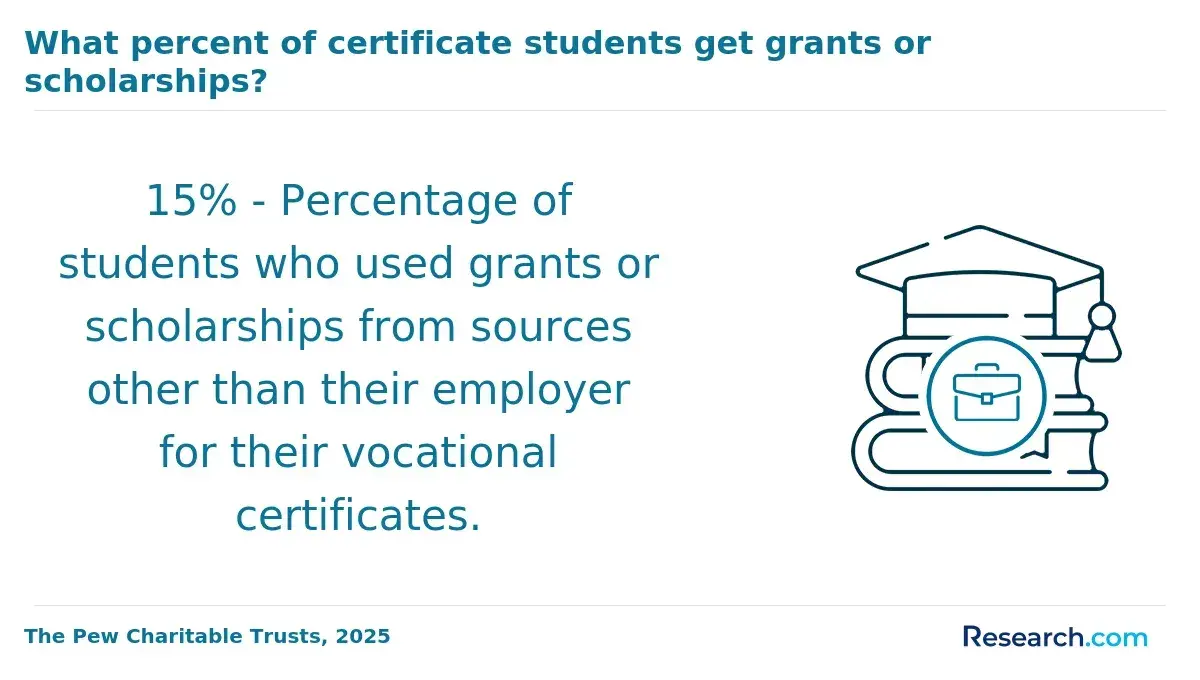
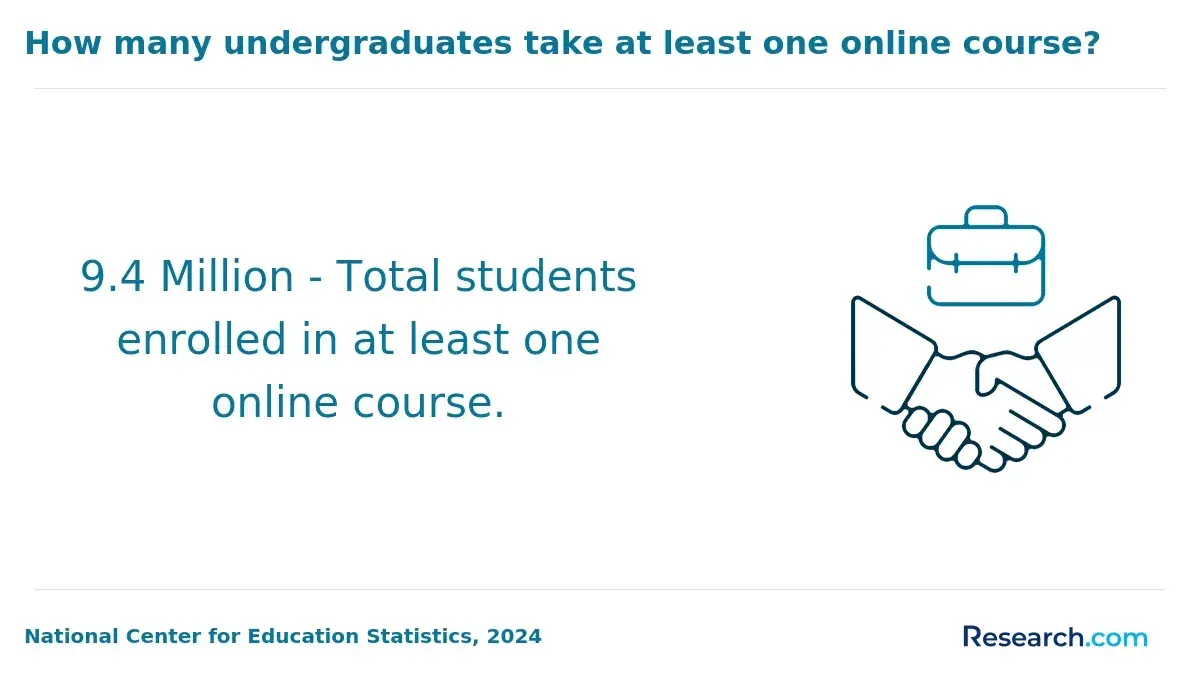
Additional drivers include growing employer expectations around formal credentials for roles like case management or counseling, prompting adult learners to update skills to remain competitive. The availability of flexible formats-such as part-time and online options-further facilitates access for those balancing work and family responsibilities. Tuition assistance and workforce development programs also influence enrollment decisions, enabling adults to pursue coursework aligned with licensure standards and industry shifts without compromising financial or time constraints.
These enrollment patterns directly impact program design by encouraging institutions to offer adaptable delivery methods and targeted curricula that integrate practical competencies alongside academic theory. The increased presence of adult learners contributes to more diverse classroom dynamics, fostering peer-to-peer learning informed by extensive professional experience. This trend reflects broader labor market demands for continuous reskilling and credential inflation, positioning human services education as a strategic tool for sustained career viability within social support and healthcare systems.
How Do Academic Goals Vary Between Younger and Older Human Services Students?
Younger human services students generally enter their programs with a focus on broad exploration and foundational knowledge that supports early-career roles or preparation for graduate education. Their academic objectives often include gaining a strong theoretical framework, engaging in research opportunities, and accessing internships to build networks and practical experience critical for initial workforce entry. According to a 2024 report by the National Center for Education Statistics, around 65% of these traditional-age learners prioritize immediate employment prospects and early professional positioning, reflecting an exploratory approach aligned with limited prior labor market exposure.
This cohort tends to value comprehensive curricula that provide a wide lens on human services concepts, recognizing that their paths may still be evolving in the context of longer-term career planning. In contrast, adult learners pursuing human services degrees typically bring established work experience and distinct external responsibilities such as families or ongoing employment, which shape their academic priorities toward targeted credentialing and skill enhancement.
This group often seeks flexible program formats that accommodate work-life balance while enabling practical application to current or desired job roles, with 72% focusing on acquiring certifications and leadership competencies that translate directly to measurable workplace outcomes. Their academic goals are more narrowly defined, aiming to facilitate immediate role advancement, career transitions, or specialized expertise rather than broad foundational learning. This pragmatic orientation emphasizes efficiency in education delivery and clear alignment between coursework and professional development trajectories.
How Do Financial Concerns Differ Between Traditional Students and Adult Learners?
Traditional students pursuing a human services degree primarily depend on family support, federal financial aid such as Pell Grants, and subsidized loans to manage tuition costs. About 67% of full-time undergraduates access some form of financial aid, which often includes grants that do not require repayment. Their financial decisions revolve around minimizing debt accumulation and choosing programs with manageable tuition to avoid long-term financial strain, reflecting a cautious approach to borrowing and a focus on balancing immediate expenses with future financial stability.
This cohort's fiscal considerations are closely tied to tuition affordability and long-term debt management, which directly influences enrollment patterns and program selection. By contrast, adult learners in human services typically face different financial dynamics, including balancing education costs against lost wages from reducing work hours or adapting schedules to fit schooling. They often shoulder substantial family obligations, such as childcare and healthcare expenses, while exploring employer tuition assistance or private loans, which come with distinct risks and repayment commitments.
These learners conduct complex opportunity cost analyses, as the immediate income sacrifice and educational investment must align with longer-term earning potential, career advancement, or promotions. Adult learners frequently prioritize flexible and accelerated program options that accommodate work-life demands, even when this means higher tuition per credit hour. This contrast highlights important differences in how tuition affordability and financial aid usage impact adult learners versus younger students in human services adult learners and younger students.
Many adult learners weigh the return on investment carefully, given their concurrent responsibilities and shorter time horizons for recouping educational expenses. For students at any stage considering their human services path, evaluating these tradeoffs requires a nuanced understanding of personal circumstances, financing behavior, and workforce participation effects. Prospective learners might also explore targeted options like the shortest PMHNP certificate program to minimize time and cost while meeting career objectives.
What Challenges Do Adult Learners and Traditional Students Face While Earning a Human Services Degree?
Traditional students pursuing a human services degree often confront challenges rooted in their transitional life stage and limited prior exposure to higher education demands. These students frequently need to develop foundational academic skills such as critical thinking, disciplined study habits, and effective time management within a structured learning environment. Many rely on financial support from family or loans, constraining their ability to work extensively while studying, which can intensify stress related to meeting academic expectations and integrating socially on campus.
Mental health pressures linked to acclimating to college life and establishing independence also shape their educational experience and can affect persistence in human services programs. Adult learners encounter a distinct set of obstacles shaped by competing responsibilities beyond academics. With approximately 40% of human services enrollees aged 25 and older, many balance full-time employment, caregiving duties, and education simultaneously, complicating schedule coordination and increasing fatigue.
Returning to an academic setting after time away often requires overcoming technology proficiency gaps and adapting to current instructional modes. The financial burden for adult learners is intensified by fewer targeted grants and ongoing family expenses, shifting their prioritization toward flexible programs that emphasize applied skills and practical outcomes to justify the substantial commitment of time and resources.
How Does Age Affect Human Services Degree Student Retention?
Younger students pursuing a human services degree often encounter retention challenges tied to adjusting to higher education demands and sustaining motivation beyond initial enthusiasm. Many face obstacles integrating into academic communities or balancing new responsibilities associated with college life, which can result in attrition during the first year. This demographic benefits from structured environments that provide clear guidance, peer networks, and institutional support, factors reflected in retention rates often exceeding 70% among traditional-age students according to 2024 data from the National Center for Education Statistics.
Early engagement with coursework and campus resources is crucial for these students to transition successfully from high school settings into more autonomous learning environments. Adult learners, while typically more motivated and goal-oriented, encounter different retention pressures as their persistence is frequently tempered by competing professional duties, family care, and financial constraints. Despite this, they often leverage life experience to navigate academic challenges and are more likely to persist once initial hurdles are overcome, especially when programs offer flexibility through evening classes or online options.
Recent findings indicate that retention for this group falls closer to 55% entering their second year, underscoring the importance of adaptable scheduling and tailored financial aid to mitigate attrition risks. Employers recognize the value of mature perspectives, but continuous enrollment remains a critical factor in credential completion and eligibility for advanced human services roles.
Which Human Services Specializations Are Most Popular Among Adult Learners?
Adult learners pursuing human services degrees tend to focus on specializations that directly enhance their career mobility, align with existing expertise, or facilitate transitions into in-demand roles. This group often seeks fields where prior work experience is a strong asset and where credentials translate quickly into salary advancement or increased responsibility.
Data from the National Center for Education Statistics (NCES) from early 2024 shows that enrollment in gerontology programs for adult learners increased by 15% between 2022 and 2024, underscoring a shift toward practical, workforce-relevant areas within the human services degree specializations favored by adult learners.
- Gerontology: Adult learners gravitate toward gerontology because it builds on growing sector demand for professionals supporting an aging population. The overlap with healthcare and social support roles often leverages existing experience, making it a viable path for salary improvement and managerial advancement.
- Addiction counseling: Many adult students select this specialization due to expanded public health funding and targeted programs addressing substance abuse. Prior practitioner or casework experience enhances their credentials, making addiction counseling attractive for those aiming to pivot to specialized client services.
- Social work case management: Valued for its versatility across healthcare, welfare, and nonprofit sectors, this specialization complements adult learners' existing skills. It provides a direct route to supervisory roles that combine advocacy, client oversight, and administrative responsibilities, supporting career reinvention.
- Disability services: This niche area appeals to those with prior healthcare or educational backgrounds seeking to differentiate professionally. It meets employer demand for specialized, evidence-based approaches, facilitating targeted upskilling in the most sought-after human services specializations for career advancement.
- Trauma-informed care: Adult learners choose this specialization to deepen expertise in emerging best practices around mental health and client support. It often requires blending experience with additional certification, aligning with employer preferences for candidates offering both knowledge depth and practical impact.
Employers prioritize experience paired with certifications and measurable client outcomes, which encourages adult learners to seek specializations offering clear pathways for credential validation and workplace integration. This preference also aligns with many adult learners' need to balance ongoing work with education, making flexible and targeted programs more viable. For those comparing programs and costs, resources detailing the most affordable MSN programs can provide practical guidance on cost-efficient upskilling opportunities.
How Does Age Affect Job Opportunities for Human Services Graduates?
Younger graduates in human services generally benefit from clearer access to entry-level positions aligned with their academic training, often supported by established internship pipelines that connect them to employers early. This cohort typically attracts hiring managers seeking long-term investments, valuing adaptability and recent exposure to contemporary practices. The availability of internships frequently cultivates essential professional networks that ease transition into paid roles, though these candidates may face competition rooted in limited practical experience.
Understanding how age influences job opportunities in human services requires recognizing that employer hiring patterns often favor younger entrants for front-line positions while balancing organizational needs for staff retention and growth potential. Conversely, adult learners entering human services programs after age 25 tend to leverage prior work and life experience, which can enhance their fit for roles demanding interpersonal skills and mature judgment, particularly in community-based agencies.
However, these candidates may encounter implicit biases regarding technological proficiency or adaptability to evolving policy landscapes, influencing hiring outcomes despite their broader skill sets. Research from the U.S. Bureau of Labor Statistics (2024) notes that mature graduates often align better with client-focused roles emphasizing empathy and problem-solving over strictly credential-based criteria.
Career advancement for adult learners in human services degree programs thus hinges on navigating shifting employer expectations while converting transferable skills into recognized qualifications. For prospective students exploring program accessibility and outcomes, evaluating how these dynamics interface with various enrollment patterns is essential, especially in contexts where is it hard to get into SLP grad school and similar graduate pathways influence professional trajectories.
What Do Current Human Services Enrollment Trends Reveal About Future Demand?
Recent enrollment patterns in human services degree programs reflect a notable rise in interest from adult learners, who now represent nearly 45% of all enrollees, signaling a shift in perceived career value toward mid-career reskilling and adaptable qualification pathways. While traditional college-age students remain the majority, their declining share suggests an evolving student demographic that values flexibility and direct applicability of skills, especially as programs expand online and part-time offerings.
This diversification in student profile aligns with practical workforce demands, indicating growing recognition among learners that human services credentials can enhance employability across social work, counseling, and community outreach sectors. These enrollment trends correspond to broader labor market signals where employers increasingly prioritize candidates with both experiential insight and academic credentials, responding to workforce shortages and sector growth projected through 2032 by the Bureau of Labor Statistics.
The sustained increase in demand for community and social service professionals, coupled with technological and service delivery innovations, presages ongoing program expansion and the emergence of specialized concentrations. Consequently, program development will likely continue adapting curricula to balance theoretical knowledge with operational readiness, reflecting a labor market that values versatility and continuous professional development.
References:
- How Higher Education Institutions Can Address the Needs of Adult Learners https://www.higheredtoday.org/2022/04/18/how-higher-education-institutions-can-address-the-needs-of-adult-learners/
- 6 Trends in Human Services That Will Change the Face of the Field | ANCOR https://www.ancor.org/connections/6-trends-human-services-will-change-face-field/
- Older-adult college enrollment trends and benefits | Brookings https://www.brookings.edu/articles/older-adult-college-enrollment-trends-and-benefits/
- Traditional Vs. Non-Traditional Students in Higher Education https://moderncampus.com/blog/traditional-vs-non-traditional-students-in-higher-education.html
- Youth Mental Health Statistics in 2024 https://www.aecf.org/blog/youth-mental-health-statistics
- Older adults face negative health impacts when they lose their jobs https://www.northcarolinahealthnews.org/2025/01/20/older-jobseekers-face-age-discrimination-negative-health-impacts/
- REACHing for more: How Higher Education Can Better Serve Adult Learners by Addressing Time Poverty - Education Strategy Group https://edstrategy.org/reaching-for-more-how-higher-education-can-better-serve-adult-learners-by-addressing-time-poverty/
- Human Services, BS - Hilbert College https://www.hilbert.edu/programs/human-services-bs/
- 11 Reasons to Consider Returning to College as an Adult https://www.georgefox.edu/bruin-blog/posts/2021/02/adp-11-reasons/index.html
- Human Services Program https://www.lincoln.edu/academics/sace/adult-learner-undergraduate-programs/human-services-program.html
Other Things You Should Know About Human Services
Adult learners often juggle work, family, and study, making flexible class schedules and online options critical to their success. Traditional students typically have more availability for structured, daytime classes, so rigid scheduling may not deter them as much. Programs that fail to offer evening, weekend, or asynchronous formats risk higher dropout rates among adult learners due to conflicting responsibilities, while traditional students may tolerate less flexibility but expect immersive campus experiences. Therefore, when choosing a program, adult learners should prioritize accessibility and time management support, whereas traditional students might focus more on program intensity and networking opportunities.
In 2027, enrollment trends in human services degree programs show a growing interest among adult learners, driven by flexible scheduling and online options. Traditional students, however, continue to enroll in higher numbers overall, benefiting from rich campus resources and diverse program offerings.
Employers frequently view adult learners as bringing valuable real-world experience, which can offset lesser academic rigor in some cases. Traditional students often need stronger academic credentials and internship exposure to compensate for limited work history. This means adult learners might strategically select programs emphasizing applied skills and credentialing, while traditional students should prioritize programs with robust experiential learning components. Understanding these employer expectations can guide applicants toward programs that optimize their profile for competitive hiring within human services fields.
Part-time enrollment allows adult learners to balance ongoing work and family obligations, reducing burnout and improving retention, but it extends the time before degree completion, which can delay career transitions or promotions. For those in stable employment, this tradeoff often favors part-time study as it maintains income and minimizes risk. However, adult learners aiming for rapid advancement or credentialing to enter a new role might be better served by full-time or accelerated programs, despite the increased workload. Prioritizing time-to-degree versus current responsibilities is a critical decision factor here.