2027 Human Services Degree Program Availability Report: Which States and Schools Offer the Most Options

Co-Founder and Chief Data Scientist
The uneven availability of human services degree programs across states reflects deeper dynamics in the field's workforce needs and institutional commitments. States with broader offerings often correspond to regions facing complex social challenges and investing more heavily in educational infrastructure for workforce development. According to the U. S. Bureau of Labor Statistics' 2024 projections, employment in social and community service occupations is expected to grow 12% through 2032, underscoring a rising demand for qualified professionals. Examining where programs concentrate reveals patterns of educational access and how well schools align curricula with evolving employer expectations, shaping the practical career pathways available to students nationwide.
Key Benefits of States and Schools That Offer the Most Human Services Degree Program Options
- Broader program options often require navigating diverse curricular tracks, leading to trade-offs between specialization depth and timely graduation, influencing students' ability to enter the workforce within optimal market windows.
- Employers in regions with richer program variety typically expect graduates to possess adaptable skill sets, reflecting the workforce's demand for professionals versed in multiple intervention models and community systems.
- States and schools offering more degree options can reduce geographic barriers, but varied program costs and credit requirements mean prospective students must carefully assess total investment versus credential value.
- Key Benefits of States and Schools That Offer the Most Human Services Degree Program Options Key Benefits of States and Schools That Offer the Most Human Services Degree Program Options
- Which States Offer the Most Human Services Degree Programs? Top States
- Why Do Some States Have More Human Services Programs Than Others? Why Do Some States Have More Human Services Programs Than Others?
- Which Colleges Offer the Largest Number of Human Services Degree Options? Top Schools
- How Do Online Programs Improve Access in States With Limited Options? Online Program Access
- How Much Does Human Services Program Tuition Vary by State? How Much Does Human Services Program Tuition Vary by State?
- How Does Human Services Program Demand Affect Admissions Decisions? Program Demand
- How Do Human Services Specialization Options Vary by Region? Specialization Options
- How Does Regional Employer Demand Affect Career Outcomes? Employer Demand
- What Factors Matter Most When Comparing Human Services Programs Across States? Key Comparison Factors
- Which Regions May See the Fastest Growth in Human Services Education? Fastest Growing Region
Which States Offer the Most Human Services Degree Programs?
Program availability for human services degrees varies substantially across states due to differences in population size, higher education infrastructure, and regional labor market demands. The states offering the most human services degree programs tend to have extensive public university systems and a network of community colleges that support diverse educational pathways. These states usually align their academic offerings with local workforce needs, especially in social welfare, rehabilitation, and healthcare sectors. Identifying which states offer the most human services degree programs helps prospective students assess access, specialization options, and employment prospects more realistically.
- California: California's large and varied higher education ecosystem includes numerous public and private institutions providing associate, bachelor's, and master's programs in human services. The state's commitment to social welfare and public health drives specialized curricula designed to meet both urban and rural demands, allowing students to gain practical skills tailored to diverse populations. This concentration benefits students through expanded practicum options and stronger connections with metropolitan and community-based employers.
- Texas: Texas complements its growing population with a robust presence of community colleges and metropolitan universities, especially around Houston and Dallas. This geographic spread enhances program accessibility statewide. Texas's human services programs closely reflect the region's healthcare and social service needs, supporting workforce readiness in metropolitan and sprawling suburban areas alike.
- New York: New York's state university system and private colleges combine to offer extensive human services degree programs frequently linked to urban social service infrastructure. The emphasis on internships and community involvement aligns academic training with employer expectations in social work and rehabilitation fields. This ecosystem supports a variety of specialization tracks responsive to labor market trends within the metropolitan centers.
States with high concentrations of human services degree programs provide vital advantages including broader access, a wider selection of specializations, and stronger pathways into local human services employment. Yet prospective students should balance these benefits against typically higher living costs and competition in urban hubs. Data from the National Center for Education Statistics indicates that states with major research universities and dense community colleges consistently produce a significant share of graduates entering the human services workforce.
Understanding regional program distribution is critical for students evaluating options beyond institutional prestige or credential type. Those seeking affordable pathways might explore related fields such as a health care administration degree, which often shares overlapping skill sets and regional demand patterns, providing alternative routes into human services and allied professions.
Why Do Some States Have More Human Services Programs Than Others?
Availability of human services degree programs across states reflects the uneven distribution of higher education infrastructure and local workforce demands. States with larger populations and urban centers often sustain extensive program offerings because they host more colleges equipped to enroll diverse student bodies and provide multiple degree pathways, including bachelor's and master's levels. Regional labor markets also influence this landscape; areas with elevated needs for social support professionals tend to develop more robust academic options to prepare graduates for immediate employment. As a result, human services degree program availability by state aligns closely with the capacity of educational institutions and the practical demand for trained professionals.
Key drivers behind this variation include state funding priorities, institutional research capacity, and the presence of industry clusters relevant to human services fields. States allocating higher per capita budgets to postsecondary education consistently support more accredited human services programs-one National Center for Education Statistics report identified a 35% increase in program availability tied to elevated spending. Universities with established social science departments and partnerships with health and social assistance employers further expand specialization opportunities, creating program diversity. Labor market demand acts as a feedback mechanism, with states where social services sectors cluster encouraging curriculum development tailored to current employment realities, which can be observed in the expansion of specialized concentrations and certificate offerings.
The disparities in program distribution affect student access and regional workforce development, often driving growth in online education as institutions seek to bridge geographic gaps. Programs that integrate employer input and adapt to evolving social service roles align better with labor market expectations, enhancing graduate employability in local contexts. Prospective students and researchers examining regional factors influencing human services program distribution must weigh these systemic education economics and capacity constraints, balancing traditional campus availability with emerging accelerated degree programs and remote learning pathways that may offer alternatives in underserved states.
Which Colleges Offer the Largest Number of Human Services Degree Options?
The breadth of human services degree options at a given college is largely shaped by the institution's scale, academic infrastructure, and resource allocation rather than just geographic factors. Larger or research-intensive universities can typically support more specialized tracks, multiple credential types, and diverse delivery formats, responding to evolving workforce needs. According to 2024 data from the National Center for Education Statistics, institutions with robust funding and faculty expertise usually maintain the widest array of programs that include undergraduate to graduate-level degrees and certificates.
- Large Public Research Universities: These institutions benefit from substantial funding streams and extensive faculty specializations that allow them to offer diverse human services concentrations such as addiction counseling, gerontology, or policy analysis. For example, flagship state universities often host interdisciplinary departments that integrate social work, psychology, and public health components, expanding pathways for students interested in both direct practice and research roles.
- Comprehensive Community Colleges: Community colleges excel in providing a broad spectrum of associate degrees and certificates tailored to entry-level roles in human services. Their strategic emphasis on transfer agreements with four-year universities enables students to build flexible academic plans starting with foundational coursework, which increases accessibility for populations with budget or geographic constraints.
- Private Research-Intensive Institutions: Though fewer in number, these schools frequently focus on advanced or niche graduate programs with an emphasis on research and applied practice, addressing specialized workforce segments. Ivy League and similar institutions often leverage interdisciplinary collaboration and grant-supported initiatives to develop curricula aligned with emerging social service challenges.
How Do Online Programs Improve Access in States With Limited Options?
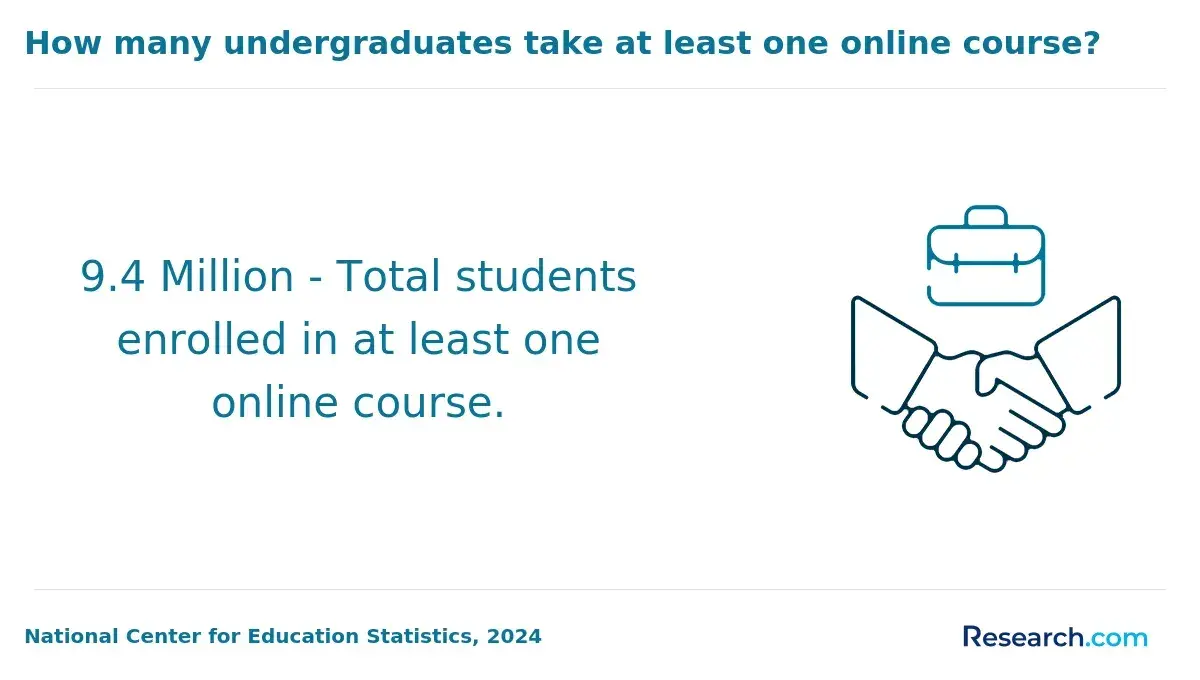
Online human services degree programs significantly expand educational access in states where few in-person options exist by circumventing geographic and institutional limitations. This delivery mode enables students in rural or underserved regions to engage with accredited programs without the burdensome need to relocate or commute long distances. For many, this access reduces time and financial costs associated with traditional campus attendance, while connecting learners to a wider array of curriculum offerings not otherwise available locally. Data from the National Center for Education Statistics in 2024 illustrates a more than 15% growth in enrollment for online postsecondary programs since 2022, reflecting how digital formats address gaps in local program availability.
Crucially, online human services programs leverage asynchronous course structures and cross-state enrollment policies to reduce dependency on the presence of nearby physical campuses. Institutions can scale their reach by delivering standardized content remotely, thus addressing demand beyond their immediate geographic region. This flexibility facilitates institutional expansion into states with scarce human services degree programs without the need for physical infrastructure investment. The growing participation in these programs, particularly in states with fewer than five campus-based degrees, supports a 30% rise in student enrollment reported by the American Council on Education in 2024, underscoring how online formats reshape enrollment dynamics and widen educational equity.
Beyond access, these shifts influence workforce development by increasing the supply of qualified practitioners in regions historically limited by educational scarcity. As learners in isolated areas enter programs delivered by nationally recognized schools, regional disparities in credential attainment can diminish. This also drives greater competition among institutions across state boundaries, encouraging innovation in program offerings and delivery models tailored to diverse populations. Ultimately, online human services programs operate as a structural mechanism recalibrating the higher education ecosystem toward improved regional balance and mobility.
One graduate recalled weighing multiple application deadlines for online human services programs due to their rolling admissions, finding the timing particularly challenging. They postponed submitting until they had clearer confirmation of financial aid, which introduced anxiety over available seats as spots filled progressively. "It felt like a strategic waiting game," they noted, balancing the hope of securing more aid with the risk of missing enrollment windows. In the end, the flexibility of online applications allowed them to adapt their plans, but the uncertainty highlighted how access improvement through digital delivery also requires careful navigation of admission timing and institutional responsiveness.
How Much Does Human Services Program Tuition Vary by State?
Tuition costs for human services degree programs vary widely across U.S. states due to differences in state funding priorities, institutional mission, and residency-based pricing frameworks. Public universities typically charge substantially lower tuition for in-state residents, reflecting direct state appropriations that subsidize education for local populations. Out-of-state students face higher tuition rates because they do not benefit from these subsidies, leading to a tiered pricing structure based on residency. Private institutions, by contrast, have more consistent pricing not directly tied to state budgets, resulting in less geographic variation but often higher sticker prices overall.
In 2024, annual tuition for public human services programs ranges from about $4,000 for in-state students in states such as Wyoming and New Mexico, to more than $15,000 in states like Massachusetts and New Hampshire. Out-of-state tuition rates frequently double or triple those amounts, reflecting the full cost recovery model these institutions adopt for non-residents. Private programs generally sit between $20,000 and $40,000 annually, varying with institutional prestige and regional cost factors. This variability in costs illustrates the substantial impact of state-level funding decisions and competitive state university systems on program affordability and accessibility, which is central to understanding human services program tuition differences by state.
These disparities affect student decisions related to affordability, mobility, and program selection. Lower tuition states may retain graduates within local labor markets, aligning with workforce development goals, while higher tuition states attract students seeking specialized or highly ranked human services programs despite greater cost burdens. Variations also shape long-term access and equity since out-of-state tuition premiums and private school costs can be prohibitive without significant financial aid. Evaluating these tuition differences alongside employment outcomes-including factors like geographic salary variations seen in relevant fields such as psychiatric nursing (see psych NP salary by state)-is essential for prospective students deciding where to pursue a human services degree and for researchers examining cost variations for human services degrees across US states.
How Does Human Services Program Demand Affect Admissions Decisions?
Higher demand for human services degree programs typically results in more stringent admissions standards as institutions manage limited resources against growing applicant pools. Schools experiencing significant interest often raise GPA minimums and add prerequisites to filter candidates deemed most prepared for the field's rigor. These heightened criteria reflect a need to balance access with program quality, particularly in states where employer demand for skilled graduates drives competition. The selectivity also aligns with capacity constraints, as available faculty, clinical placements, and funding create a ceiling on cohort sizes that institutions cannot easily surpass despite increasing applications.
At the core of this dynamic is the interplay between program capacity and labor market signals. Accreditation requirements mandate certain levels of practical training, which restricts how many students a program can effectively support at once. Faculty availability and clinical site access further limit enrollment, prompting admissions committees to increasingly weigh applicant readiness for intensive fieldwork alongside academic achievement. Moreover, programs tailor admission decisions to align graduates' skills with employer expectations, thereby reinforcing tighter selectivity in regions with strong social service sectors and robust workforce demand.
These admissions pressures influence more than just acceptance rates; they shape applicant behavior and program reputations over time. Prospective students often must prepare more rigorously or time their applications to strengthen their chances amid rolling admissions cycles and waitlists. While higher selectivity can signal program quality and improve graduate placement outcomes, it may also reduce entry pathways for underrepresented or lower-income candidates, exacerbating access challenges in areas with fewer educational alternatives. Thus, demand-driven admissions processes play a decisive role in molding the human services workforce pipeline at both local and regional levels.
Reflecting this, one graduate recalled applying to a highly sought-after human services program where acceptance notifications arrived unpredictably through rolling admissions. With months of uncertainty, they delayed committing to other schools while continuously updating their portfolio and gaining volunteer experience to enhance their candidacy. This strategic patience paid off, but it also underscored how competitive demand can extend the admissions timeline and compel applicants to actively navigate institutional constraints rather than passively await decisions.
How Do Human Services Specialization Options Vary by Region?
Specialization offerings within human services degree programs are closely aligned with regional economic priorities and the concentration of relevant industries. Urban areas with dense nonprofit sectors and healthcare systems frequently maintain broader specialization options, including mental health counseling and substance abuse treatment, reflecting local workforce demands. Conversely, regions with significant rural populations often prioritize specializations in community development and social justice to address unique socioeconomic challenges. According to recent figures from the National Center for Education Statistics (2024), approximately 65% of programs in Northeastern states offer three or more distinct specialization tracks, whereas in the South, fewer than half provide comparable breadth, indicating regional disparities in educational flexibility and responsiveness.
Variation in specialization is driven by a combination of dominant local industries, institutional research focus, and employer collaboration. Universities embedded in regions with opioid addiction crises emphasize substance use counseling, while those in areas with aging demographics prioritize gerontology to match local labor market needs. Additionally, programs that maintain strong ties with regional employers and community organizations tend to offer specializations linked to practical fieldwork opportunities, enabling students to gain relevant experience and enhance job placement prospects. State-level workforce development initiatives also shape curriculum design, incentivizing institutions to prioritize skills aligned with immediate social service demands.
These regional differences in specialization availability influence student decision-making and career trajectories by affecting mobility and employability in targeted sectors. Selecting a program that reflects local socioeconomic realities can provide an advantage in securing internships and positions within embedded community networks. However, prospective students must weigh the tradeoff between the wider specialization options typically found in metropolitan regions and the focused, practical training often offered in less populated areas. Understanding how specialization tracks correspond to regional labor market signals is essential for aligning educational investments with realistic employment outcomes.
How Does Regional Employer Demand Affect Career Outcomes?
Job availability and early career opportunities for graduates of human services degree programs are closely tied to regional employer demand. Areas with a high concentration of social service providers, government agencies, and nonprofit organizations tend to offer more entry-level positions and pathways for growth. State-specific job market trends for human services graduates illustrate that urban centers or regions with targeted funding for health and social programs sustain stronger labor markets. These locations often exhibit a more dynamic hiring environment, which can significantly impact graduates' ability to secure relevant employment soon after degree completion.
This relationship is shaped by several mechanisms, including industry clusters where specialized service providers such as mental health clinics or youth support organizations aggregate, creating localized ecosystems of demand. Employer partnerships with universities in these regions further reinforce talent pipelines, increasing practical training opportunities and job placements. Wage competition across states or metropolitan areas also influences salary levels-with data from the U.S. Bureau of Labor Statistics indicating that regions experiencing above-average growth in social and community service roles often see compensation 3-5% higher than national averages. For prospective students evaluating programs, these factors highlight how geographic variations in employer concentration and policy priorities directly affect both employability and earnings potential.
Broader implications include decisions about geographic mobility and program selection, especially given the expansion of remote work in human services fields. Graduates who choose regions aligned with strong local demand can experience more stable career trajectories, while those in low-demand areas may face limited advancement despite comparable qualifications. Some students may also consider accelerated speech pathology programs online as alternatives that offer flexibility and different employer networks. Ultimately, the alignment between career ambitions and regional labor market realities remains a critical consideration for those navigating human services education and employment landscapes.
What Factors Matter Most When Comparing Human Services Programs Across States?
Comparing human services programs across states requires analyzing more than just program availability. State-level differences shape educational access, specialization options, tuition costs, and post-graduation outcomes, all critical for assessing program value. Prospective students should scrutinize these factors to align academic choices with career goals and regional workforce realities, especially given the wide variation in program offerings and licensure requirements nationwide.
- Accreditation and Program Quality: Accreditation status remains a fundamental criterion, influencing degree credibility and eligibility for federal aid. States with a higher concentration of regionally or nationally accredited programs typically ensure curricula meet professional standards and enhance graduate employability.
- Curriculum Diversity and Specializations: The breadth of program concentrations impacts how well a degree matches individual career aspirations. States offering specialized tracks-such as community outreach, clinical social work, or policy advocacy-provide tailored educational pathways that can improve alignment with labor market demands.
- Employment Outcomes and Practical Experience: Access to internships and strong employer connections varies by region. States with dense networks of human services agencies offer more applied training, which correlates with stronger employment rates; for instance, California and New York often report graduate employment exceeding 85% within six months.
- Cost and Program Flexibility: Tuition rates and program formats differ widely and influence accessibility, especially for non-traditional or working students. Some states promote accelerated or part-time options, enabling timely degree completion without sacrificing work commitments.
- Licensure and Regional Career Mobility: Human services licensure requirements vary significantly by state, affecting where graduates can practice. This factor should weigh heavily, particularly for those targeting specific geographic labor markets.
States offering greater program options and curricular depth generally afford prospective students more meaningful choices, but affordability and workforce alignment remain determinative. For non-traditional students balancing multiple priorities, considering the availability of flexible scheduling and cost-effective programs is vital. In evaluating regional differences in human services program options, understanding these operational realities clarifies both immediate educational experience and long-term career potential. Students wishing to enter related fields with streamlined pathways may also research LPN schools easy to get into as a complementary option in some states.
Which Regions May See the Fastest Growth in Human Services Education?
Growth in human services education is closely tied to regions where employer demand, demographic changes, and higher education investment align. Expanding populations that require social support-such as aging adults and disadvantaged groups-drive demand for trained professionals. Simultaneously, institutions with capacity to scale programs and offer flexible formats respond by increasing human services-related offerings. This synergy between labor market needs and educational infrastructure largely dictates where program growth occurs.
- South and Southwest: These regions lead in expansion due to rapid population growth, particularly in states like Texas and Florida, coupled with rising economic disparities. Large state university systems are investing heavily in program development and online modalities, directly addressing workforce shortages in social welfare and community health sectors. Growth here also reflects employer demand for practice-focused certificates and associate degrees that facilitate immediate employment.
- Mountain West: Moderate but steady growth is stimulated by increasing rural and suburban populations requiring expanded social services, combined with targeted state funding for workforce development. Institutions are developing hybrid and part-time program options that meet the needs of working adults, fostering program diversification and access.
- Midwest: Growth centers on urban institutions in metropolitan areas with ongoing social welfare initiatives. While the region shows moderate program increase, limited institutional capacity and slower demographic growth temper expansion compared to the South and Southwest. Specialized graduate programs remain a key feature in this area.
- Northeast: The region maintains a dense concentration of established, often graduate-level, human services programs but experiences the slowest growth. This reflects mature market saturation and stable population trends, with less emphasis on rapid expansion. Program availability emphasizes advanced specializations rather than broad entry-level pathways.
References:
- Educational Services Market Size, Trends, Growth By 2035 https://www.marketreportsworld.com/market-reports/educational-services-market-14714908
- 3 Reasons to Venture Into the Human Services Industry https://columbia.ca/three-reasons-to-venture-into-the-human-services-industry/
- Is a Human Services Degree Right for You? https://www.ucumberlands.edu/blog/is-a-human-services-degree-right-for-you
- How Employers Can Address the Social Determinants of Work https://www.jff.org/blog/how-employers-can-address-social-determinants-work/
- Human Trafficking Data & Collaboration for Better Solutions https://refugees.org/human-trafficking-data-points-to-better-identification-cross-sector-collaboration-is-the-key/
- Health and Human Services: Campus & Online Degrees and Careers https://www.publichealthonline.org/human-services/online-degree-programs/
- 2025 Most Affordable Online Human Services Degrees https://www.onlineu.com/most-affordable-colleges/human-services-degrees
- What is Human Services https://www.nationalhumanservices.org/what-is-human-services/
- Minnesota Center for Fiscal Excellence https://fiscalexcellence.org/page/dhscomparison
- The Most Affordable Online Human Services Degrees https://www.edumed.org/online-schools/human-services-degrees/most-affordable/
Other Things You Should Know About Human Services
The quantity of human services programs does not guarantee quality fieldwork or internship placements, which are critical to employer readiness. Schools in states with numerous programs sometimes face competition for limited local practicum sites, reducing hands-on experiences. When choosing a program, evaluate how institutions support practical training, including partnerships with community agencies and guidance on securing placements. Programs with structured, well-supported experiential components typically yield stronger real-world skills despite geographic competition.
High program availability often signals a saturated graduate market, which can increase competition for entry-level roles within that state. However, these states may also offer larger nonprofit sectors and diversified human services employers, fostering broader networking opportunities. Students should weigh local job market saturation against connection opportunities, possibly favoring institutions known for strong employer relationships or alumni networks that facilitate job placement despite heightened graduate supply.
In states with many options, programs range from traditional campus-based to hybrid and accelerated formats, reflecting attempts to serve diverse student needs. However, accelerated or highly compressed programs may increase workload intensity, challenging those balancing employment or family responsibilities. Students should prioritize programs offering flexible pacing without compromising curriculum rigor, as overly condensed formats can impede absorption of complex material essential in human services practice.