2027 Cheapest Accredited Online Patient Safety & Quality Degree Programs: Tuition, Fees, and Financial Aid

Co-Founder and Chief Data Scientist
Online patient safety and quality programs can look affordable until fees, residency rules, and aid eligibility change the final bill. The U.S. Bureau of Labor Statistics projects medical and health services manager employment to grow 29% from 2023 to 2033, so quality-improvement credentials remain relevant for nurses, clinicians, administrators, and analysts.
This guide explains which accredited online options have the lowest published costs, how tuition differs from total cost, and how FAFSA, scholarships, employer benefits, and transfer credits can lower the net price you actually pay.
Key Things You Should Know
- The lowest advertised online options usually come from competency-based or public-university programs; published tuition for selected accredited online healthcare quality, patient safety, and quality-improvement degree pathways can range from roughly $10,000 to more than $60,000 before personal aid, books, and variable fees.
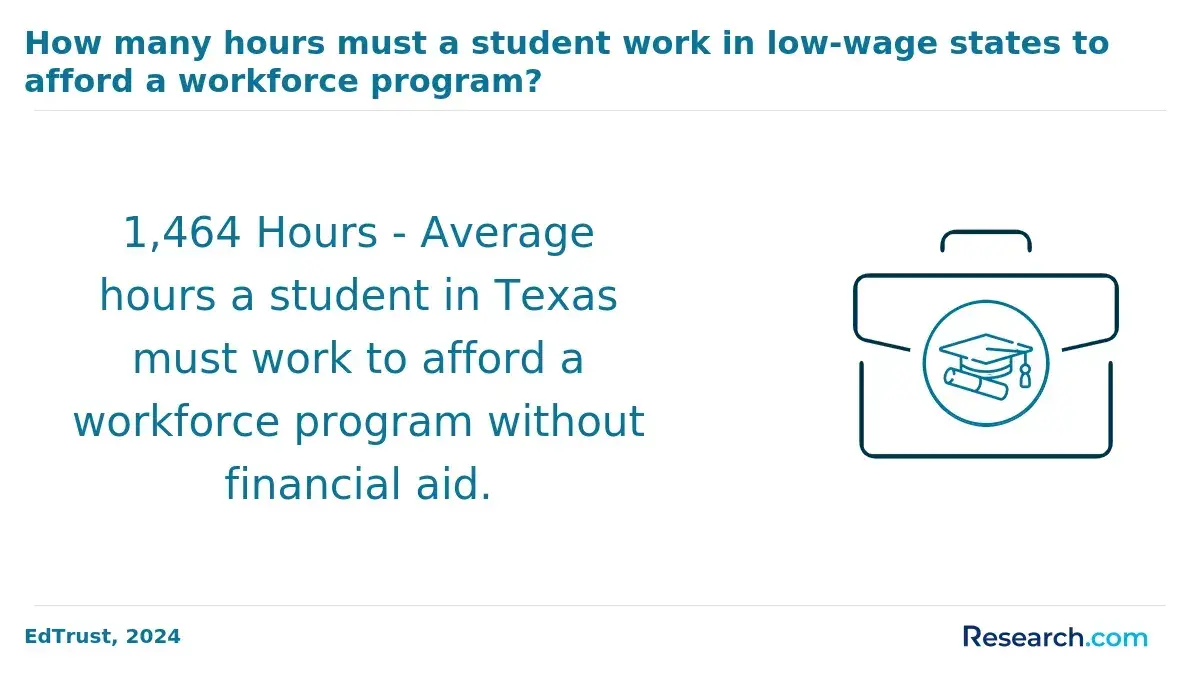
- Tuition is not the same as total cost: compare per-credit or term tuition, mandatory online or technology fees, clinical or project fees, graduation fees, textbooks, transfer-credit limits, and any required campus visits before choosing the "cheapest" program.
- Net price matters most because FAFSA-based aid, employer tuition assistance, military benefits, institutional scholarships, and transfer credits can make a higher-tuition accredited program less expensive than a lower-tuition program with limited aid.
What Are the Cheapest Accredited Online Patient Safety & Quality Degree Programs?
The cheapest accredited online patient safety and quality degree is usually not a single universal winner because programs use different tuition models, credit requirements, transfer rules, and fee structures. For this comparison, "patient safety and quality" includes online degrees or degree pathways with explicit healthcare quality, patient safety, risk management, quality improvement, health systems leadership, or safety-focused curriculum.
The table below compares selected institutionally accredited online programs that are commonly relevant to patient safety and healthcare quality careers. Published rates can change by term, residency, school, and program, so use the table as a decision-support shortlist and confirm the current billable cost with each school before applying.
| Rank by estimated advertised tuition | School and online program type | Accreditation status to verify | Common tuition model | Estimated advertised tuition before aid | Why it may be affordable | Cost caution |
| 1 | Western Governors University, online health leadership or health administration degree pathway with quality-improvement coursework | Institutional accreditation | Flat-rate six-month terms | Can be about $10,000 to $20,000 if completed in two to four terms, before fees | Competency-based pacing can lower cost for experienced students who finish quickly | Students who need more terms pay more; confirm whether the curriculum is specific enough for patient safety roles |
| 2 | University of Southern Indiana, online healthcare administration or health systems pathway with quality and safety content | Institutional accreditation | Per-credit public-university online tuition | Often among the lower public online graduate tuition ranges | Public pricing may be lower than private university options | Make sure the degree title and electives match your patient safety goals |
| 3 | Southern New Hampshire University, online MS in Healthcare Administration or related quality-focused pathway | Institutional accreditation | Per-credit online tuition | Typically in the low-to-mid $20,000 range before aid for a 36-credit master's | National online pricing and transfer-friendly policies can help working adults | Quality and safety may be embedded rather than reflected in the exact degree title |
| 4 | University of Alabama at Birmingham, online MS in Healthcare Quality and Safety | Institutional accreditation; verify any relevant school-level approvals | Per-credit graduate tuition | Commonly estimated in the mid-$20,000 range before fees and aid | The degree title is directly aligned with healthcare quality and safety | Program-specific and university fees may change the final total |
| 5 | University of Illinois Chicago, online MS in Patient Safety Leadership | Institutional accreditation | Per-credit graduate tuition | Commonly estimated in the upper-$20,000 range before fees and aid | Direct patient safety focus and public-university structure | Confirm online fees, residency pricing, and total credits |
| 6 | University of Maryland, Baltimore, online MS or graduate pathway in patient safety, healthcare quality, or related health sciences concentration | Institutional accreditation | Per-credit tuition; residency may matter | Can move from lower public in-state pricing to much higher out-of-state pricing | Strong fit for students seeking a health-sciences quality and safety curriculum | Out-of-state tuition can sharply increase total cost |
| 7 | Thomas Jefferson University, online MS in Healthcare Quality and Safety | Institutional accreditation | Per-credit private university tuition | Often in the $30,000-plus range before fees and aid | Directly aligned degree title and healthcare-focused curriculum | Private tuition may be offset only if scholarships or employer benefits are strong |
| 8 | Drexel University, online MS in Quality, Safety, and Risk Management in Healthcare | Institutional accreditation | Per-credit private university tuition | Often in the higher-cost private online range | Strong alignment with risk, safety, and quality roles | Quarter-credit pricing and fees require careful conversion to total program cost |
| 9 | Northwestern University, online MS in Healthcare Quality and Patient Safety | Institutional accreditation | Course-based private university tuition | Can exceed $60,000 before fees and aid | Highly specific curriculum and recognizable university brand | Not usually the cheapest by sticker price, though it may fit some ROI goals |
For many students, the best first shortlist is a low-cost public university, a competency-based option if they can accelerate, and one program with a very direct patient safety title. This gives you a realistic comparison between lowest possible sticker price, strongest curriculum match, and best net price after aid.
How Were the Cheapest Online Patient Safety & Quality Degree Programs Ranked?
The ranking emphasizes affordability first, but it does not assume that the lowest advertised tuition is automatically the best value. A patient safety and quality program must be accredited, relevant to the field, financially transparent, and realistic for working adults before a low price is meaningful.
The criteria below show how to compare programs without being misled by a single per-credit number. They are especially important in this field because some programs are exact "patient safety" degrees, while others are healthcare administration, nursing leadership, risk management, or quality-improvement pathways.
- Accreditation was the first filter: the institution must be recognized by a U.S. Department of Education-recognized accreditor, and students should verify program-level approvals when relevant to nursing, public health, or healthcare management.
- Published tuition was compared using the full program structure, including per-credit, per-course, flat-rate term, and residency-based pricing.
- Total program cost was estimated by looking beyond tuition to required credits, likely fees, online charges, graduation fees, and the number of terms needed to finish.
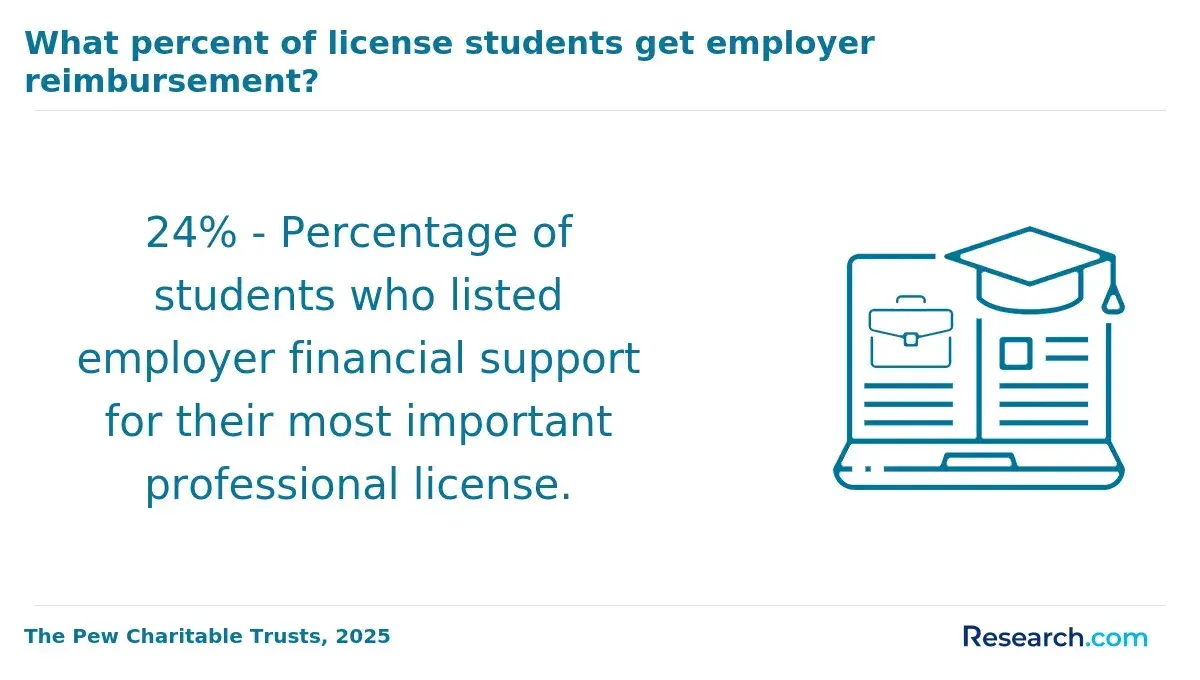
- Financial aid access was considered because Title IV participation, FAFSA eligibility, employer reimbursement compatibility, and institutional scholarships can reduce the net price.
- Curriculum fit was reviewed to prioritize programs with clear patient safety, healthcare quality, risk management, quality improvement, informatics, systems leadership, or outcomes-measurement coursework.
- Flexibility was considered because part-time pacing, asynchronous delivery, transfer credit, and competency-based study can reduce opportunity cost for working clinicians and administrators.
A practical ranking should also separate "cheapest for fast completers" from "cheapest for part-time students." A competency-based program may be the lowest-cost option for a student with strong healthcare experience and available study time, while a predictable per-credit public university may be safer for someone who needs a slower pace.
How Can You Verify the Accreditation of an Online Patient Safety & Quality Degree Program?
Accreditation matters because it affects federal financial aid eligibility, credit transfer, employer recognition, graduate school admission, and sometimes professional certification eligibility. For patient safety and quality programs, the most important baseline is institutional accreditation from an agency recognized by the U.S. Department of Education or the Council for Higher Education Accreditation.
Use this checklist before you apply or pay an enrollment deposit. It helps you avoid programs that advertise low tuition but may not support federal aid, transferability, or employer reimbursement.
- Search the school in the U.S. Department of Education's Database of Accredited Postsecondary Institutions and Programs or confirm recognition through CHEA.
- Confirm that the online campus, branch, or distance-learning division is covered by the same institutional accreditation as the main university.
- Check whether the school participates in Title IV federal student aid if you plan to use FAFSA-based aid or federal loans.
- Ask whether the specific degree, concentration, certificate, or online delivery format has any additional approvals required by the school, state, employer, or professional association.
- If you are a nurse, verify whether any nursing-related program is connected to the appropriate nursing accreditation or state authorization requirements.
- Save written confirmation of accreditation, program length, total credits, tuition, and fees before enrolling.
A common mistake is assuming that any healthcare-related online credential will be treated the same by employers. If you are exploring entry-level allied health first, compare how accreditation works in shorter pathways such as medical assistant certification, because those programs may have different approval, exam, and employer-recognition requirements than graduate patient safety degrees.
How Much Does an Accredited Online Patient Safety & Quality Degree Really Cost?
The real cost of an accredited online patient safety and quality degree is the total amount you must pay to complete the credential, not just the tuition line on a website. Tuition is the instructional charge, mandatory fees are required charges added by the school, total program cost is tuition plus required fees and materials, and net price is what remains after grants, scholarships, employer benefits, military benefits, and other aid that does not have to be repaid.
The table below breaks down the main cost layers. Use it when asking schools for a written cost estimate so you can compare programs on the same basis.
| Cost item | What it means | Why it changes affordability | Question to ask the school |
| Tuition | The per-credit, per-course, or term-based instructional price | A low rate can be offset by a high credit requirement | What is the full tuition for the exact number of credits required to graduate? |
| Mandatory fees | Required technology, online, student services, graduation, or program fees | Fees can add hundreds or thousands of dollars over the program | Which fees are mandatory for online students every term? |
| Books and course materials | Textbooks, e-books, software, databases, or assessment tools | Some online programs bundle materials; others bill separately | Are course materials included in tuition? |
| Residency or campus requirements | Required campus visits, intensives, labs, or orientation sessions | Travel can erase savings from online tuition | Are there any required in-person sessions? |
| Time to completion | The number of terms or years needed to finish | Longer enrollment can increase fees and opportunity cost | What is the typical completion time for working adults? |
| Net price | Your remaining cost after grants, scholarships, employer aid, and tuition discounts | This is the best affordability metric | Can you provide a personalized aid estimate before I enroll? |
Current labor-market data can help frame the decision, but it should not be treated as a promise. The BLS reported a May 2024 median annual wage of $117,960 for medical and health services managers, a broad category that can include quality, compliance, operations, and safety leadership roles. That figure helps show why graduate training may be relevant, but actual pay depends on role, employer, clinical background, location, experience, and whether the job requires a license.
Which Tuition Models Make Online Patient Safety & Quality Degree Programs More Affordable?
Tuition model matters because two students in the same program type can pay very different totals depending on pace, transfer credits, and residency. The cheapest model is the one that matches how quickly and consistently you can progress.
The comparison below shows the most common online tuition structures and when each may produce the lowest total cost.
| Tuition model | How it works | Best for | Affordability risk |
| Per-credit tuition | You pay for each credit attempted | Students who want predictable part-time enrollment | Total cost rises if the program requires more credits or repeats |
| Flat-rate term tuition | You pay one price for a term and complete as much as allowed | Experienced students who can accelerate | Slow progress makes each added term expensive |
| Per-course tuition | You pay by course rather than by credit | Students in structured cohort programs | Course fees may hide the effective per-credit cost |
| In-state public tuition | Residents receive a lower public-university rate | Students who qualify for state residency pricing | Out-of-state rates may be much higher |
| Universal online tuition | Online students pay the same rate regardless of state | Out-of-state students comparing public and private options | Fees and credit requirements still vary |
| Subscription or competency-based tuition | Students complete competencies within paid terms | Self-directed students with prior healthcare knowledge | Not ideal for students who need extensive instructor pacing |
If you are already working in healthcare, ask whether your employer prefers a specific degree type. A nurse moving into safety leadership may benefit from a different tuition model than an administrator moving into quality analytics, and working clinicians comparing online nursing programs for working adults may already be familiar with part-time pacing, employer reimbursement, and clinical-schedule constraints.
What Fees and Hidden Costs Should Online Patient Safety & Quality Degree Students Expect?
Online programs can reduce relocation and commuting costs, but they are not automatically fee-free. Patient safety and quality students may need analytics tools, database access, simulation platforms, proctoring, capstone support, or professional memberships depending on the curriculum.
Before comparing offers, request a written estimate that separates tuition from required non-tuition charges. These are the fees and hidden costs most likely to change your total price.
- Online learning or technology fees charged per credit, per course, or per term
- Student services, registration, transcript, graduation, and library fees
- Proctoring fees for online exams or identity-verification tools
- Books, e-books, case-study packets, journal access, or statistical software
- Capstone, practicum, portfolio, simulation, or project-evaluation fees
- Travel costs for optional or required campus intensives, orientations, or presentations
- Professional association memberships, conference attendance, or certification-preparation materials
- Course repeat costs if a student withdraws, fails, or misses progression requirements
The most avoidable mistake is comparing only the per-credit tuition line. A program with a slightly higher tuition rate but bundled materials and no residency requirement may cost less than a lower-tuition program that adds recurring online fees and requires travel.
How Does FAFSA and Federal Financial Aid Work for Online Patient Safety & Quality Degree Programs?
FAFSA is the gateway to federal student aid at eligible U.S. institutions, including many accredited online programs. Online students generally follow the same aid rules as campus students, but the school and program must participate in federal aid, and the student must meet enrollment, citizenship or eligible noncitizen, satisfactory academic progress, and degree-seeking requirements.
The federal aid process is easiest to manage when you confirm eligibility before applying. Follow these steps before assuming that an online patient safety and quality program can be paid for with federal aid.
- Confirm that the school is institutionally accredited by a recognized accreditor and participates in Title IV federal student aid.
- Make sure the specific online program is aid-eligible; some nondegree certificates, continuing education programs, and short credentials may not qualify.
- Submit the FAFSA for the correct aid year and list every school you are seriously considering.
- Review the financial aid offer by separating grants and scholarships from loans, because loans must be repaid with interest.
- Ask how many credits you must take each term to qualify for the aid amount shown.
- Confirm the school's satisfactory academic progress policy, withdrawal policy, and return-of-aid rules.
For the 2025-2026 award year, Federal Student Aid lists the maximum Pell Grant at $7,395, but Pell Grants generally apply to eligible undergraduate students rather than most graduate degree students. Graduate students in patient safety and quality programs more commonly rely on Direct Unsubsidized Loans, Grad PLUS Loans, employer benefits, scholarships, payment plans, or military education benefits.
Which Scholarships, Grants, and Tuition Benefits Can Help Pay for an Online Patient Safety & Quality Degree?
Scholarships and grants are valuable because they usually do not need to be repaid, while tuition reimbursement can reduce out-of-pocket costs if your employer supports education tied to patient safety, quality improvement, risk management, nursing leadership, or healthcare operations. The best strategy is to combine multiple smaller funding sources instead of waiting for one large award.
Use the list below to build a funding plan before enrollment. Ask each school whether awards are automatic, competitive, renewable, and available to fully online students.
- Institutional scholarships for graduate health sciences, nursing leadership, healthcare administration, public health, or quality-improvement students
- Need-based grants for eligible undergraduate students completing a bachelor's pathway before moving into patient safety roles
- Employer tuition reimbursement or tuition assistance for healthcare workers in hospitals, clinics, insurers, quality departments, and public health agencies
- Union, professional association, hospital foundation, and state workforce scholarships for healthcare employees
- Military tuition assistance, veterans education benefits, and spouse or dependent benefits when applicable
- Payment plans that spread remaining balances across the term without requiring a private loan
- Tuition discounts through employer-school partnerships, alumni status, military affiliation, or healthcare-system agreements
Students in patient safety often come from different clinical and administrative backgrounds, so scholarship categories can overlap with nursing, public health, nutrition, allied health, and healthcare management. If you are comparing other licensed health pathways, reviewing affordability patterns in online registered dietitian programs can help you see how accreditation, supervised practice, and aid rules can affect true cost in adjacent healthcare fields.
Can Transfer Credits, Prior Learning, and Competency-Based Study Lower the Cost of an Online Patient Safety & Quality Degree?
Yes, transfer credit, prior learning, and competency-based study can lower the cost of an online patient safety and quality degree, but only when the school applies those credits directly toward graduation requirements. The savings are strongest when the program has a generous transfer policy, low residency requirement, and a curriculum that recognizes prior healthcare coursework or professional experience.
Ask these questions before assuming transfer credit will reduce your bill. The answers can change both tuition and completion time.
- How many graduate or undergraduate credits can I transfer into this specific program?
- Are transferred credits accepted as core requirements, electives, or only general credits?
- Is there a minimum number of credits I must complete at your institution to graduate?
- Do professional certifications, military training, continuing education, or healthcare quality credentials qualify for credit?
- Is there a fee for portfolio review, prior-learning assessment, transcript evaluation, or competency assessment?
- Will transfer credits reduce my financial aid eligibility, enrollment status, or scholarship amount?
Transfer rules are especially important for nurses and allied-health professionals who already completed accredited coursework. For example, a student who began in an ASN program online may later compare RN-to-BSN, MSN, healthcare leadership, or patient safety pathways and should confirm exactly how earlier credits apply before choosing the cheapest advertised graduate option.
How Should Students Compare the Net Price, Quality, and Return on Investment of Online Patient Safety & Quality Degree Programs?
The best-value program is the accredited option that fits your career goal, offers a manageable net price, and provides enough quality, flexibility, and support to help you finish. A low tuition rate is useful only if the curriculum is relevant, the school is recognized, the schedule is realistic, and the final cost does not require unmanageable debt.
The table below summarizes the main trade-offs to review after you narrow your list to accredited programs. Use it to compare value instead of ranking schools by sticker price alone.
| Decision factor | Why it matters | Better-value signal | Red flag |
| Net price | Shows what you pay after free aid and discounts | Written aid estimate with grants, scholarships, employer benefits, and loans separated | School discusses only monthly payments or loan eligibility |
| Curriculum fit | Patient safety roles need quality methods, systems thinking, risk analysis, data use, and change management | Courses in quality improvement, patient safety science, healthcare analytics, risk management, and outcomes measurement | Generic healthcare administration degree with little safety or quality content |
| Accreditation | Supports aid, transfer, employer recognition, and further education | Recognized institutional accreditation and clear program authorization | Unclear accreditation language or pressure to enroll quickly |
| Completion support | Working adults need advising, predictable course rotation, and faculty access | Clear part-time plan, capstone guidance, and responsive advising | Required courses offered infrequently with limited online support |
| Career relevance | ROI depends on whether the degree supports the roles you want | Assignments tied to healthcare settings, safety projects, data dashboards, or process improvement | No examples of outcomes, projects, or employer-aligned competencies |
| Debt risk | Borrowing can reduce the value of a low-cost credential | Affordable payment plan, employer support, and limited loan need | Total borrowing approaches or exceeds realistic salary benefit |
Before enrolling, compare at least three written cost estimates side by side and calculate your best-case, expected, and slow-completion cost. Students planning long-term academic careers, advanced nursing leadership, or research roles may also compare the cost of master's preparation with later PhD programs for nurses, because the right patient safety degree can become part of a larger education plan rather than a standalone purchase.
A final affordability test is simple: choose the lowest net-price accredited program that you can realistically complete and that has enough patient safety and quality content for your target role. If a higher-cost program offers stronger employer alignment, better transfer credit, or a direct curriculum match, it may be the better value, but only if the total debt remains reasonable.
Other Things You Should Know About Patient Safety & Quality
No. Many students are nurses, but programs can also fit healthcare administrators, pharmacists, therapists, public health professionals, risk managers, compliance staff, analysts, and clinicians moving into quality-improvement roles. Some employers may prefer or require clinical licensure for specific positions, so review job postings before choosing a program.
A master's degree commonly takes one to three years depending on credits, transfer policy, course load, and whether the program is self-paced, part-time, or cohort-based. Graduate certificates may be shorter, but they may not provide the same credential value as a full degree.
Usually, no. Patient safety and healthcare quality degrees are typically leadership, administration, analytics, or systems-improvement credentials rather than state licensure programs. If you need a licensed clinical role, confirm the separate licensing requirements for your profession and state.
Relevant roles may include quality improvement specialist, patient safety coordinator, risk management analyst, clinical quality manager, healthcare compliance specialist, performance improvement manager, and health systems project lead. Job titles and requirements vary widely by employer, so match the curriculum to the responsibilities listed in your target postings.
References
- Scholarships and Financial Aid for Healthcare Students: How to Fund Your Education https://explorehealthcareers.org/resources/scholarship-financial-aid/
- Online Master’s in Patient Safety and Healthcare Quality (PSHQ) Programs https://www.onlineeducation.com/healthcare/masters-in-patient-safety-healthcare-quality-programs
- Quality and Patient Safety Training Programmes https://ieea.ch/accreditation-quality-and-patient-safety-training-programmes/
- Online Undergraduate Certificate in Healthcare Quality and Patient Safety | CSU Global | Accredited https://csuglobal.edu/academic-programs/undergraduate-certificates/undergraduate-certificate-healthcare-quality-and-patient-safety
- Links | ECLBS EU Council of Business Schools https://www.eclbs.eu/list
- Online Health Science Degrees with Financial Aid https://www.edumed.org/online-schools/health-science-degrees/financial-aid/
- The importance of Accreditation in Medical Education https://aaa-accreditation.org/the-importance-of-accreditation-in-medical-education/
- Welcome https://www.ahpgs.de/en
- Top 15 Online Healthcare Quality and Patient Safety Master's Programs 2020 - Healthcare Management Degree Guide https://www.healthcare-management-degree.net/best/online-masters-healthcare-quality-patient-safety/
- Financial Aid Guide https://www.publichealth.org/resources/financial-aid/