2027 Accredited Online Patient Safety & Quality Degree Programs That Accept the Most Transfer Credits

Co-Founder and Chief Data Scientist
Your existing credits can make or break the value of an online patient safety and quality degree. The field matters because healthcare organizations are under pressure to reduce preventable harm, improve outcomes, and manage quality data; the BLS projects medical and health services manager employment to grow 29% from 2023 to 2033.
This guide is for working adults, nurses, allied health professionals, and transfer students who want to finish faster. You will learn which programs are transfer-friendly, how credits are evaluated, and how to estimate real time and tuition savings.
Key Things You Should Know
- Bachelor's completion programs usually accept the most transfer credit, often up to 90 semester credits or 75% of the degree, while graduate patient safety and healthcare quality master's programs commonly cap transfer credit around 6 to 12 credits.
- The advertised maximum is not the same as your accepted credit total; credits save the most time when they satisfy general education, prerequisite, core, or major requirements rather than counting only as electives.
- Using 2024-25 College Board published tuition figures, every accepted credit can matter: a 30-credit reduction can eliminate roughly one academic year of coursework before fees, books, and lost work time are considered.
Which Accredited Online Patient Safety & Quality Degree Programs Accept the Most Transfer Credits?
The accredited online programs that accept the most transfer credits are generally bachelor's degree-completion options with healthcare administration, healthcare quality, or patient safety coursework. Specialized master's degrees in patient safety and healthcare quality tend to be less transfer-heavy because graduate curricula are shorter, more sequenced, and more tightly controlled by the department.
The table below compares transfer-friendly online options that are relevant to patient safety, healthcare quality, quality improvement, risk reduction, population health, or healthcare operations. Use it as a shortlist, not a final ranking, because the number that matters is the number of credits a school applies to your specific degree audit.
| Program | Degree level | Accreditation context | Typical maximum transfer-credit policy | Best fit |
| Southern New Hampshire University, BS in Healthcare Administration with Patient Safety and Quality concentration | Bachelor's | Institutionally accredited by NECHE | Up to 90 semester credits toward a 120-credit bachelor's degree | Students with an associate degree or broad prior college coursework who want a patient safety-focused bachelor's path |
| Capella University, BS in Health Care Administration | Bachelor's | Institutionally accredited by HLC | Up to 75% of the degree, commonly expressed as up to 135 quarter credits in a 180-quarter-credit program | Adult learners with substantial transfer credit who want competency-based or flexible online study options |
| Purdue Global, BS in Health Care Administration | Bachelor's | Institutionally accredited by HLC | Up to 75% of the degree may be transfer-eligible, subject to evaluation | Students seeking healthcare administration coursework that can support quality improvement, compliance, and operations roles |
| University of Illinois Chicago, MS in Patient Safety Leadership | Master's | Institutionally accredited by HLC | Graduate transfer credit may be limited and must be approved by the program and graduate college | Clinicians, managers, and healthcare professionals seeking specialized graduate preparation in patient safety leadership |
| George Washington University, MSHS in Health Care Quality | Master's | Institutionally accredited by MSCHE | Limited approved graduate transfer credit may be considered, often far below bachelor's transfer limits | Professionals focused on quality measurement, improvement science, and healthcare systems performance |
| Thomas Jefferson University, MS in Healthcare Quality and Safety | Master's | Institutionally accredited by MSCHE | Limited graduate transfer credit may be considered after departmental review | Working healthcare professionals who want a focused quality and safety master's curriculum |
| Johns Hopkins University, MS in Patient Safety and Healthcare Quality | Master's | Institutionally accredited by MSCHE | Transfer credit is typically limited and should be confirmed directly with the program before applying | Students prioritizing a highly specialized patient safety curriculum over maximum transfer-credit volume |
The strongest transfer-credit candidates usually have regionally accredited coursework in anatomy, statistics, healthcare systems, ethics, communication, psychology, public health, informatics, or management. If your background is clinical rather than academic, a school may still evaluate professional training separately, but it may not reduce major requirements unless the learning outcomes match the degree.
Students comparing healthcare pathways should also consider whether a broader clinical or administrative degree fits better than a patient safety concentration. For example, some working learners start with online nursing programs for working adults if their long-term goal requires RN preparation rather than quality improvement management.
How Do Online Patient Safety & Quality Degree Programs Evaluate Transfer Credits?
Online patient safety and quality programs evaluate transfer credits by comparing your previous courses with the new program's curriculum, credit system, grade standards, accreditation expectations, and residency requirements. A transfer evaluation is not just a credit count; it is a degree fit analysis.
Most schools use a process like the one below. Following it early helps you avoid applying to a program that advertises a generous maximum but accepts only a small portion of your actual coursework.
- Submit official transcripts from every college attended, including community colleges, universities, military transcript services, and any dual-enrollment institutions.
- Ask whether the school performs an unofficial pre-evaluation before admission and an official degree audit after acceptance.
- Provide syllabi or course descriptions for older, specialized, or healthcare-related courses that may not automatically match the receiving school's catalog.
- Confirm whether accepted credits apply to general education, electives, prerequisites, the major, or concentration requirements.
- Review the final degree plan to see the exact credits remaining, not just the total credits transferred.
At the bachelor's level, lower-division courses often transfer more easily because they can fill general education and elective categories. At the graduate level, programs are more selective because a patient safety curriculum may include tightly integrated courses in systems thinking, human factors, safety science, quality measurement, implementation, leadership, and capstone work.
A common mistake is assuming that an "accepted" credit automatically speeds graduation. If a school accepts 60 credits but applies 25 of them only as free electives, you may still need most of the major coursework. Always ask for a requirement-by-requirement audit.
How Can Transfer Credits Shorten an Online Patient Safety & Quality Degree?
Transfer credits shorten an online patient safety and quality degree by reducing the number of courses you must complete at the new institution. The effect is largest in bachelor's programs because a student may be able to transfer an associate degree, general education block, or large collection of prior college credits.
The table below shows how transfer credits can change the remaining workload in common bachelor's and master's scenarios. Actual timelines depend on course availability, term length, part-time status, prerequisites, and whether required courses are offered every term.
| Degree scenario | Typical total credits | Credits transferred | Credits remaining | Likely impact |
| Bachelor's degree with no transfer credit | 120 semester credits | 0 | 120 | Full degree sequence required |
| Bachelor's degree after associate degree transfer | 120 semester credits | 60 | 60 | Often cuts the remaining program roughly in half |
| Bachelor's degree with maximum transfer allowance | 120 semester credits | 90 | 30 | Can function like a final-year completion path if credits apply well |
| Master's degree with limited graduate transfer | 30 to 36 semester credits | 6 | 24 to 30 | May remove one or two courses, but usually does not transform the full timeline |
| Master's degree with no approved transfer | 30 to 36 semester credits | 0 | 30 to 36 | Full specialized curriculum required |
Online format can also affect completion speed. Asynchronous courses may help working adults take classes around shifts, while cohort programs may move more slowly because students follow a fixed sequence. Accelerated terms can help, but only if the courses you need are offered often enough.
The safest way to estimate your timeline is to request a written plan showing remaining courses by term. If you are missing a prerequisite such as statistics, healthcare ethics, or introductory management, that one missing course may delay access to advanced quality improvement or capstone courses.
How Much Can Transfer Credits Reduce the Cost of an Online Patient Safety & Quality Degree?
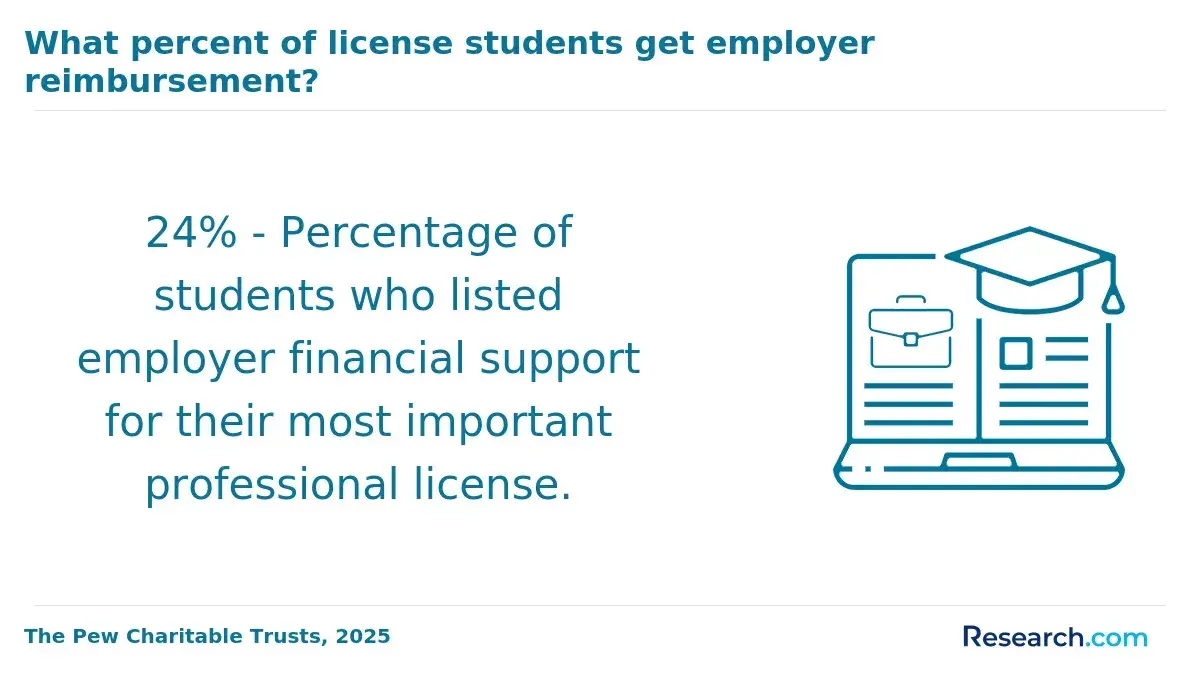
Transfer credits can reduce the cost of an online patient safety and quality degree by lowering the number of credits you pay for at the new school. The savings are most visible in per-credit tuition models, but students should also compare fees, subscription tuition, textbooks, employer reimbursement rules, and financial aid eligibility.
College Board's 2024 Trends in College Pricing reported average published tuition and fees of $11,610 for in-state students at public four-year institutions and $43,350 at private nonprofit four-year institutions for 2024-25. That gap shows why transfer efficiency should be evaluated alongside tuition: a school with higher tuition may still be cost-effective if it applies many more of your credits to the degree.
The table below uses simple tuition scenarios to show how credits can affect direct tuition before fees. Replace the sample tuition rate with the per-credit price from each school on your shortlist.
| Accepted credits that reduce required coursework | Sample tuition at $400 per credit | Sample tuition at $700 per credit | Sample tuition at $1,000 per credit |
| 15 credits | $6,000 | $10,500 | $15,000 |
| 30 credits | $12,000 | $21,000 | $30,000 |
| 60 credits | $24,000 | $42,000 | $60,000 |
| 90 credits | $36,000 | $63,000 | $90,000 |
These figures are not guaranteed savings because they assume every transferred credit replaces a credit you otherwise would have paid to complete. Credits that transfer as unused electives may appear on your transcript without reducing tuition much.
To estimate your real cost, calculate the tuition on credits remaining after the official degree audit, then add required fees and subtract grants, scholarships, employer tuition assistance, military education benefits, or tuition discounts. If a program charges flat-rate tuition per term, the savings may depend more on how quickly you finish than on the number of transferred credits alone.
Can Military, Professional, or Prior Learning Credits Transfer to an Online Patient Safety & Quality Degree?
Military, professional, and prior learning credits may transfer to an online patient safety and quality degree, but the rules vary widely. Bachelor's programs are more likely than master's programs to award credit for exams, certifications, workplace training, military learning, or portfolio assessment.
Schools may review several nontraditional learning sources. Each source is evaluated differently, so students should ask whether the credit can satisfy a specific requirement or only count as elective credit.
- Military transcripts, including Joint Services Transcript or Community College of the Air Force coursework, when the learning aligns with college-level outcomes.
- Standardized exams such as CLEP, DSST, AP, or IB, especially for general education requirements.
- Professional certifications in healthcare, quality, coding, project management, emergency services, or allied health, when the school has an approved credit recommendation or internal review process.
- Employer or hospital training evaluated through ACE recommendations, NCCRS recommendations, or institutional portfolio assessment.
- Prior learning portfolios that document college-level learning through work products, reflective essays, supervisor verification, and competency mapping.
This can be especially useful for allied health workers who have clinical exposure but limited college credit. For example, someone who completed medical assistant certification training may be able to use some related learning toward electives at certain bachelor's programs, but should not assume it will replace upper-division patient safety or quality improvement courses.
The biggest red flag is a school that gives a large informal estimate before reviewing official documentation. Ask for the policy source, credit limits, required grades or scores, expiration rules, and whether the credit will appear as lower-division, upper-division, elective, or major credit.
Which Types of Previous College Credits Transfer Best to Online Patient Safety & Quality Degrees?
The best-transfering credits are usually recent, completed with acceptable grades, earned at an accredited institution, and clearly aligned with the receiving program's requirements. Patient safety and quality programs commonly value coursework that supports healthcare systems thinking, data interpretation, communication, leadership, and ethical decision-making.
The table below summarizes which previous credits tend to transfer well and where they usually fit in a degree plan. This helps you predict whether your credits may reduce real requirements or simply add elective totals.
| Previous credit type | Transfer strength | Common use in degree plan | Watch for |
| English composition, communication, humanities, social science, and math | Strong at bachelor's level | General education | Minimum grade rules and duplicate coursework |
| Statistics, research methods, healthcare data, or informatics | Strong if recent and equivalent | Prerequisite, major support, or analytics requirement | Course age limits and software or methodology differences |
| Healthcare ethics, law, compliance, or risk management | Moderate to strong | Major, elective, or professional core | Whether the course is broad enough or healthcare-specific enough |
| Nursing, allied health, public health, or clinical coursework | Variable | Electives, prerequisites, or healthcare foundation courses | Clinical credits may not replace quality and safety theory courses |
| Upper-division quality improvement, patient safety, leadership, or healthcare administration | Strong when outcomes match | Major or concentration requirements | Residency rules may require upper-level major courses at the new school |
| Old science or technical coursework | Variable | Electives or prerequisites | Expiration policies, outdated content, and missing lab components |
Students coming from nursing or allied health backgrounds should pay close attention to how clinical credits are classified. An ASN program online may provide a strong foundation for healthcare delivery, but patient safety degree evaluators may still require separate coursework in quality measurement, systems improvement, and healthcare leadership.
One common mistake is assuming that an associate degree automatically clears all lower-division requirements. Some schools accept an associate degree as a block transfer, while others evaluate course by course. The difference can change your remaining credits substantially.
How Do Transfer Agreements Affect Online Patient Safety & Quality Degree Completion?
Transfer agreements can make online patient safety and quality degree completion faster and more predictable. These agreements may include articulation agreements with community colleges, statewide transfer pathways, degree-completion partnerships, employer education alliances, military-friendly transfer arrangements, or guaranteed admission pathways.
A strong agreement does more than say credits are "accepted." It maps specific sending-school courses to receiving-school requirements, which reduces the risk that credits will land as unused electives. This is especially helpful for students who completed general education or healthcare foundation courses at a community college.
When reviewing a transfer agreement, focus on the details that affect graduation planning. The most useful agreements usually include the following features:
- A course-by-course equivalency guide showing how previous classes apply to the patient safety, healthcare quality, health administration, or general education curriculum.
- A block-transfer policy for completed associate degrees, especially Associate of Arts, Associate of Science, Associate of Applied Science, or healthcare-related associate programs.
- A clear minimum grade requirement, such as whether C-level coursework is accepted or whether certain major courses require higher grades.
- A residency requirement explaining how many credits must be completed at the receiving institution.
- A current catalog year guarantee so students are not surprised by changed requirements after transfer.
Transfer agreements are particularly valuable for working adults moving from clinical education into quality improvement. Learners comparing clinical pathways, such as online nursing programs for working adults, should check whether future bachelor's or master's credits will articulate into healthcare quality or leadership programs later.
The key limitation is that agreements are often institution-specific. A course that transfers cleanly from one community college may not transfer the same way from another school, even if the course title looks similar.
What Transfer Policies Should Students Compare Before Choosing an Online Patient Safety & Quality Degree?
Before choosing an online patient safety and quality degree, compare transfer policies in writing. A school with a high maximum transfer limit may still be a poor fit if it has strict residency rules, narrow major requirements, high tuition, limited course availability, or weak alignment with your career goal.
Use the checklist below when speaking with admissions, registrar staff, transfer evaluators, or program directors. These questions help separate marketing claims from actual degree-completion value.
- What is the maximum number of transfer credits allowed for this exact degree and concentration?
- How many credits must be completed in residence at the institution?
- Will my credits apply to general education, electives, prerequisites, major requirements, or upper-division concentration courses?
- Are there minimum grade requirements, GPA requirements, course age limits, or accreditation restrictions?
- Do you accept quarter credits, and how are they converted to semester credits?
- Can professional certifications, military training, CLEP, DSST, AP, or portfolio credit reduce required coursework?
- Will you provide an official degree audit before I commit financially?
- How often are required patient safety, quality improvement, statistics, leadership, and capstone courses offered online?
- Are there additional fees for transfer evaluation, prior learning assessment, technology, clinical documentation, graduation, or portfolio review?
- What career services, employer partnerships, practicum options, or capstone projects support healthcare quality roles?
Also compare accreditation carefully. Institutional accreditation is essential for transferability, federal financial aid eligibility, and employer recognition. Programmatic accreditation may matter more in adjacent fields such as nursing, public health, health information management, or healthcare management, depending on your career goal.
The biggest mistakes are choosing a program solely because it advertises "up to 90 credits," ignoring whether those credits reduce the major, and skipping the official evaluation. If two schools accept the same number of credits, the better option is usually the one with fewer remaining required courses, clearer scheduling, stronger career alignment, and lower net cost.
Which Students Benefit Most From Transfer-Friendly Online Patient Safety & Quality Degree Programs?
Transfer-friendly online patient safety and quality programs are best for students who already have college credit, healthcare experience, or a completed associate degree and want to move into quality improvement, patient safety coordination, healthcare operations, compliance, risk management, or performance improvement roles. They are also useful for working adults who need an online format because of shifts, family responsibilities, or geographic limits.
These students often benefit the most from transfer-friendly programs:
- Associate degree holders who can apply 60 or more credits toward a bachelor's completion plan.
- Nurses, respiratory therapists, radiologic technologists, medical assistants, health information workers, and other allied health professionals moving toward quality or operations roles.
- Students with prior healthcare administration, public health, statistics, informatics, or management coursework.
- Military medics, corpsmen, healthcare administrators, or veterans with evaluated training and college coursework.
- Working adults who need to minimize time away from employment while completing an accredited credential.
Students should be cautious if they have few transferable credits, need licensure preparation rather than quality improvement education, or want a highly research-intensive academic pathway. Nurses whose goal is advanced scholarship, faculty work, or leadership research may need a different path, such as PhD programs for nurses, rather than choosing a patient safety program mainly for transfer-credit convenience.
Career outcomes depend on prior experience, degree level, employer type, location, and role. A bachelor's degree may support entry or advancement into quality coordinator or healthcare operations roles, while a master's degree may be more appropriate for experienced clinicians or managers seeking leadership responsibility in safety, process improvement, accreditation readiness, or quality analytics.
How Should Students Choose an Online Patient Safety & Quality Degree Based on Transfer Efficiency?
Choose an online patient safety and quality degree based on transfer efficiency, not just the largest advertised transfer maximum. Transfer efficiency means the program accepts the right credits, applies them to the right requirements, reduces the number of courses left, and still supports your career goal.
A practical comparison process can help you avoid costly surprises. Work through these steps before enrolling:
- Identify your goal first, such as quality coordinator, patient safety specialist, risk management analyst, healthcare operations manager, compliance role, or graduate school preparation.
- Request unofficial transfer estimates from multiple accredited programs, then ask what must happen for the estimate to become official.
- Compare the remaining credits by category, including general education, prerequisites, upper-division major courses, concentration courses, and capstone requirements.
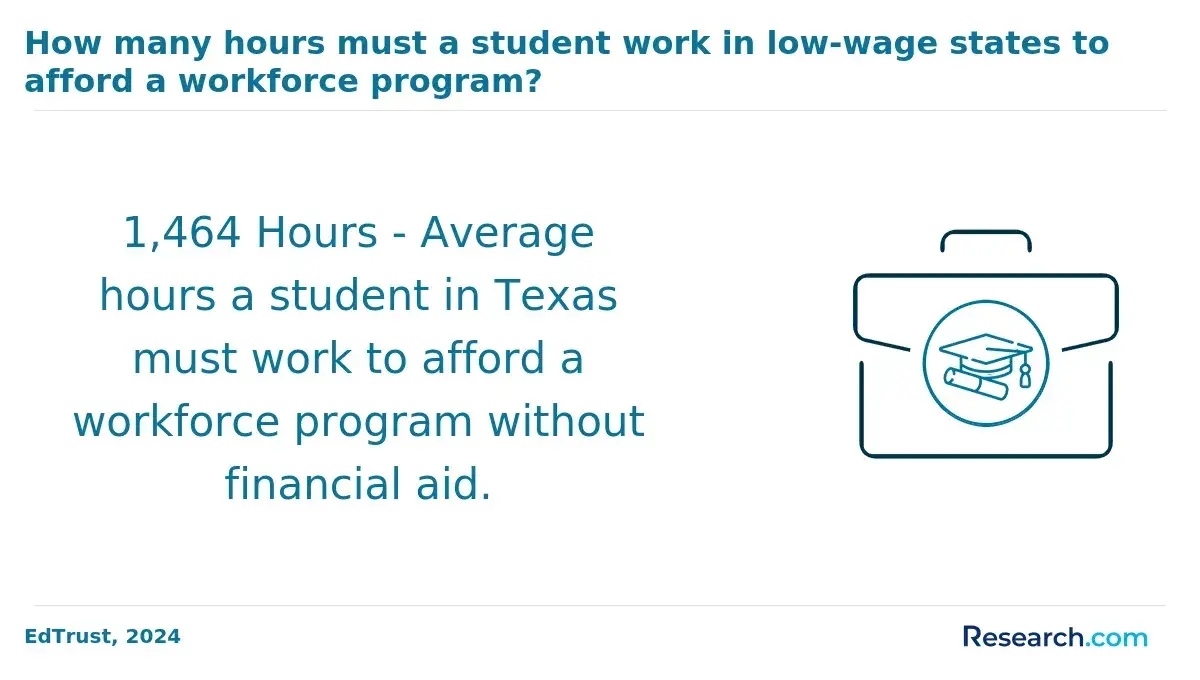
- Calculate net tuition based on credits remaining, required fees, employer reimbursement, military benefits, grants, and scholarship eligibility.
- Check scheduling realities, including course rotations, asynchronous versus synchronous delivery, part-time options, and whether capstones or projects can be completed through your workplace.
- Evaluate career value, including faculty experience, curriculum relevance, quality improvement tools, data coursework, project-based learning, and employer recognition.
- Choose the program that offers the best combination of accepted applicable credits, reasonable cost, credible accreditation, flexible scheduling, and career alignment.
Do not assume the fastest route is always the best route. A stricter program may be worthwhile if it has stronger patient safety content, better analytics training, a more recognizable healthcare reputation, or a capstone that produces a portfolio-ready quality improvement project.
Students from other healthcare disciplines should also compare whether a related credential would serve their goals better. For example, someone focused on nutrition quality initiatives in hospitals may want to compare patient safety degrees with online registered dietitian programs if dietetics licensure or nutrition practice is the long-term priority.
The best next step is simple: send transcripts to at least three accredited programs and ask each for a degree audit showing credits accepted, credits applied, remaining courses, estimated completion time, and total tuition. That document is more useful than any advertised transfer maximum.
Other Things You Should Know About Patient Safety & Quality
Usually no. Many programs accept students from clinical, administrative, public health, and allied health backgrounds. However, some graduate programs prefer or require healthcare experience, and certain roles may favor applicants who already hold a license such as RN, pharmacist, physician assistant, or physician.
Not always. CAHME accreditation is most relevant to healthcare management programs, especially MHA programs. Patient safety and quality degrees may instead rely on institutional accreditation and curriculum alignment with quality improvement, safety science, analytics, and healthcare leadership.
Many are fully online, but formats vary. Some programs include synchronous sessions, short residencies, practicum-style projects, or workplace-based capstones. Before enrolling, confirm whether any campus visits, live meetings, field experiences, or proctored assessments are required.
Sometimes. Some universities allow certificate credits to apply toward a related master's degree if the courses match, grades meet requirements, and credits were earned within the allowed time frame. Ask the school to confirm stackability before starting the certificate.
References
- Low-Cost Healthcare College Courses https://www.straighterline.com/learn/healthcare
- Transfer Access for All? Depends on Where You Start https://www.nists.org/post/transfer-access-for-all-depends-on-where-you-start
- Search icon https://waldorf.edu/online/academics/online-transfer-friendly-institutions/
- Association between hospital accrediting agencies and hospital outcomes of care in the United States https://jhmhp.amegroups.org/article/view/6918/html
- Transfer of Credit - ACCSC https://www.accsc.org/student-center/transfer-of-credit/
- Healthcare Accreditation Explained: What It Is, Who It’s For, and How Organizations Prepare https://oasis-lms.com/post/healthcare-accreditation-explained
- Certified Professional in Patient Safety (CPPS) TM https://www.ihi.org/learn/certifications/cpps
- Annex 1. CEU Credit Transfer Regulations https://documents.ceu.edu/file/13399/download
- Full Transfer Guide - OnlineDegree.com https://www.onlinedegree.com/full-transfer-guide/
- 4 Reasons To Consider PCT Training https://www.trainingdirectusa.com/blog/reasons-for-pct-training/