2027 Cheapest Accredited Online Patient Safety & Quality Degree Programs That Accept FAFSA

Co-Founder and Chief Data Scientist
Choosing an online patient safety and quality degree is really a cost, aid, and career-value decision. Many programs are graduate-level, so FAFSA may unlock federal loans and school aid, but not always grants. The stakes are practical: BLS May 2024 data lists the median wage for medical and health services managers at $117,960, showing why quality, safety, and healthcare operations credentials can matter. This guide helps nurses, administrators, clinicians, and career changers compare accredited FAFSA-eligible programs, estimate real net cost, avoid aid mistakes, and decide whether the cheapest option is truly the best fit.
Key Things You Should Know
- The cheapest FAFSA-eligible online patient safety and quality options are usually master's degrees, healthcare administration degrees with patient safety concentrations, or closely related healthcare quality programs at Title IV institutions.
- Published tuition is not the same as real cost: graduate students usually cannot use Pell Grants, but they may use Direct Unsubsidized Loans up to $20,500 per academic year and, when eligible, Graduate PLUS Loans.
- Career ROI depends on total debt, current healthcare experience, and role target; BLS May 2024 data places medical and health services managers at a $117,960 median wage, but patient safety roles vary widely by employer and credentials.
Which Are the Cheapest Accredited Online Patient Safety & Quality Degree Programs That Accept FAFSA?
The lowest-cost options are not always titled exactly "patient safety." Many affordable programs use names such as healthcare quality, patient safety leadership, health care quality, quality improvement, or healthcare administration with a patient safety and quality concentration. For FAFSA purposes, the key requirement is that the institution participates in federal student aid and that the specific degree program is aid-eligible.
The table below summarizes several lower-cost or commonly compared online programs at accredited U.S. institutions. Tuition figures are approximate tuition-only estimates based on publicly listed program structures and should be verified with each school because rates, fees, and aid eligibility can change by term.
| School | Online degree or concentration | Institutional accreditation | Typical credits | Approximate tuition-only cost before aid | FAFSA participation note |
| Southern New Hampshire University | MS in Healthcare Administration, Patient Safety & Quality concentration | NECHE | 36 | About $23,000 before fees | Institution participates in Title IV federal student aid |
| University of Alabama at Birmingham | MS in Healthcare Quality and Safety or closely related healthcare quality pathway | SACSCOC | Varies by curriculum | Often among lower-cost public university options; verify current online graduate rate | Institution participates in Title IV federal student aid |
| University of Illinois Chicago | MS in Patient Safety Leadership | HLC | 36 | Commonly estimated around the low-$30,000 range before fees | Institution participates in Title IV federal student aid |
| Samford University | MS in Healthcare Quality and Safety | SACSCOC | About 30 | Commonly estimated around the low-$30,000 range before fees | Institution participates in Title IV federal student aid |
| George Washington University | MSHS in Health Care Quality | MSCHE | 36 | Often estimated in the upper-$30,000 to low-$40,000 range before fees | Institution participates in Title IV federal student aid |
| Thomas Jefferson University | MS in Healthcare Quality and Safety | MSCHE | About 30 | Often estimated around the high-$30,000 to mid-$40,000 range before fees | Institution participates in Title IV federal student aid |
The practical takeaway is that "cheapest" should mean lowest realistic out-of-pocket cost, not simply the lowest advertised tuition. A private nonprofit program with strong institutional scholarships may cost less for one student than a public university program with fewer aid options, while another student may save more through employer tuition reimbursement or transfer credit.
How Does FAFSA Eligibility Work for Online Patient Safety & Quality Degree Programs?
FAFSA eligibility means the school participates in federal student aid programs and the student is enrolled in an eligible program. It does not mean every student receives grants, nor does it mean the full cost will be covered. For online patient safety and quality degrees, this distinction matters because many programs are master's-level, and graduate aid is usually loan-based.
Students should confirm eligibility at three levels before applying. This helps prevent the common mistake of assuming that an accredited online program automatically qualifies for the same aid as every other degree at the institution.
- Confirm that the institution has a valid federal school code and participates in Title IV aid.
- Ask whether the specific online patient safety, healthcare quality, or concentration-based degree is federal-aid eligible.
- Verify enrollment requirements, because many aid packages require at least half-time status and satisfactory academic progress.
- Ask whether certificate-only tracks are aid-eligible if you are considering a shorter option instead of a full degree.
The U.S. Department of Education's 2024-25 federal aid rules kept the maximum Pell Grant at $7,395, but Pell Grants generally apply to eligible undergraduate students, not most master's students. Graduate students usually rely on Direct Unsubsidized Loans, Graduate PLUS Loans, institutional scholarships, employer assistance, or payment plans.
How Much Does an Online Patient Safety & Quality Degree Cost After Financial Aid?
The cost after aid depends on tuition, fees, the number of credits required, transfer credits, scholarships, employer benefits, and how much federal loan money you choose to borrow. A program with a $23,000 tuition estimate can become more expensive if it has high technology fees or if you need prerequisite courses. A $35,000 program can become more affordable if your employer pays several thousand per year.
The table below shows how different aid scenarios can change the out-of-pocket or borrowed cost for a hypothetical graduate patient safety and quality degree. These examples are not promises of aid; they illustrate why students should calculate net cost rather than compare tuition alone.
| Scenario | Published tuition and required fees | Grants, scholarships, or employer aid | Estimated amount to pay or borrow | What it means |
| Low tuition, no extra aid | $24,000 | $0 | $24,000 | Cheap tuition still may require substantial borrowing. |
| Moderate tuition with employer assistance | $34,000 | $10,000 | $24,000 | A higher-priced program can match a cheaper option after aid. |
| Higher tuition with scholarship | $42,000 | $15,000 | $27,000 | Institutional aid can narrow the cost gap but may have renewal rules. |
| Transfer-friendly program | $30,000 | $0, but 6 credits accepted | Lower by the cost of transferred credits | Transfer credits reduce both tuition and time in school. |
A useful rule is to compare the total amount you would need to pay or borrow, not just the annual tuition. College Board's 2024 Trends in College Pricing and Student Aid report shows that published prices and net prices can differ substantially across higher education, which is why students should request a written aid estimate from every school before committing.
Which Affordable Online Patient Safety & Quality Degree Programs Offer the Best Value?
The best-value program is the one that fits your career goal at the lowest reasonable net cost. For a nurse seeking a quality improvement leadership role, a patient safety master's program may be a better fit than a general healthcare administration degree. For a nonclinical administrator, a healthcare quality or health systems program may provide the right operations, analytics, compliance, and process-improvement training without requiring a clinical license.
Students who are comparing this field with broader clinical pathways may also want to review online nursing programs for working adults, especially if their long-term goal requires RN licensure rather than quality management alone.
When comparing value, look beyond prestige and price. The strongest affordable programs usually have several of the following features.
- Curriculum that covers patient safety science, quality improvement methods, healthcare data, risk management, systems thinking, leadership, and regulatory compliance.
- Faculty with healthcare quality, nursing leadership, public health, hospital operations, or patient safety experience.
- Flexible online delivery for working clinicians, including asynchronous courses or part-time pacing.
- Transparent total cost, including fees, clinical or project requirements, software, course materials, and graduation charges.
- Clear evidence that graduates are prepared for quality coordinator, patient safety specialist, risk manager, clinical quality analyst, or healthcare operations roles.
A more expensive program may be worth considering if it has stronger employer recognition in your region, better applied projects, a better fit for your existing license, or more generous aid. However, paying more for a school name alone is risky if the curriculum and outcomes are similar to a lower-cost accredited option.
Are the Cheapest Online Patient Safety & Quality Degree Programs Properly Accredited?
Accreditation is the first affordability safeguard because federal student aid generally requires attendance at an eligible accredited institution. For patient safety and quality degrees, institutional accreditation is usually more important than programmatic accreditation because this field does not have one universal licensure pathway like nursing, medicine, or dietetics.
The table below explains the accreditation checks that matter most. Use it to separate legitimate low-cost programs from risky options that may not qualify for aid, transfer, employer reimbursement, or future graduate study.
| Accreditation item | Why it matters | What to verify |
| Institutional accreditation | Supports federal aid eligibility and basic academic recognition. | Confirm the accreditor through the U.S. Department of Education or the school's accreditation page. |
| Federal student aid participation | Determines whether FAFSA can be used for eligible students and programs. | Check the federal school code and ask the financial aid office about the exact program. |
| Program type | Degree programs are more likely to be aid-eligible than standalone certificates, but rules vary. | Ask whether the online degree, concentration, or certificate qualifies for Title IV aid. |
| Employer recognition | Healthcare employers may prefer degrees from known universities or programs aligned with quality improvement standards. | Ask admissions for employer partners, practicum/project examples, and career outcomes. |
Red flags include vague accreditation claims, pressure to enroll immediately, unclear tuition pages, no federal school code, or refusal to provide written confirmation of aid eligibility. A low price is not a bargain if the credential is hard to verify or if credits will not transfer later.
What FAFSA Grants and Federal Aid Can Pay for an Online Patient Safety & Quality Degree?
FAFSA is the application, not the aid itself. After submitting it, eligible students may be considered for federal loans, certain grants, work-study, and school-based aid. In patient safety and quality programs, the most relevant aid depends heavily on whether the degree is undergraduate or graduate.
These are the main aid types students should ask about before enrolling. The goal is to understand which money reduces cost and which money must be repaid.
- Pell Grants: Usually for eligible undergraduate students; the maximum award for the 2024-25 award year is $7,395, but most master's students are not eligible.
- Direct Subsidized Loans: Available only to eligible undergraduate students with financial need, not graduate students.
- Direct Unsubsidized Loans: Available to eligible undergraduate and graduate students; graduate students may borrow up to $20,500 per academic year, subject to federal limits.
- Graduate PLUS Loans: May help eligible graduate students cover remaining cost of attendance after other aid, but they require a credit check and can increase total repayment cost.
- Institutional scholarships: School-funded awards may reduce tuition directly, but students should ask about renewal criteria and whether awards apply to online learners.
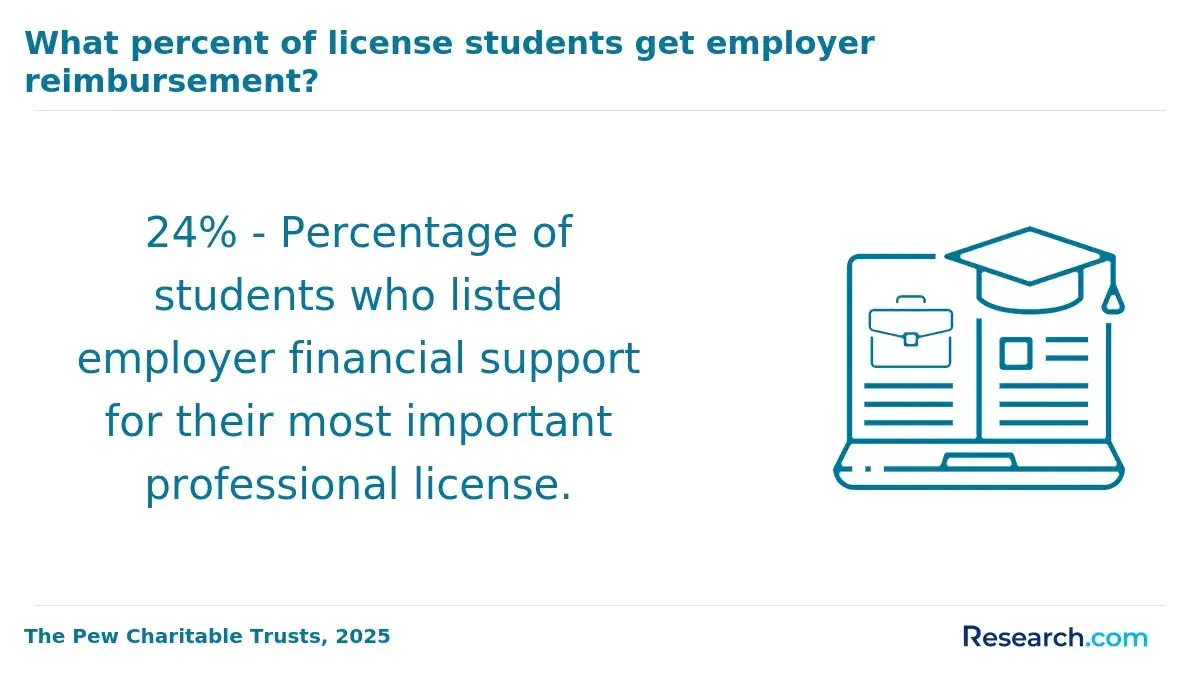
- Employer tuition assistance: Hospitals, health systems, insurers, and public agencies may reimburse coursework tied to quality improvement, compliance, patient safety, or leadership.
The biggest mistake is treating loan eligibility as affordability. Federal loans can make enrollment possible, but they do not reduce the price unless paired with grants, scholarships, reimbursement, or transfer savings.
How Do Transfer Credits Lower the Cost of an Online Patient Safety & Quality Degree?
Transfer credit can reduce cost by lowering the number of courses you must complete. This is especially valuable for working healthcare professionals who already hold graduate credits, a related bachelor's degree, professional certifications, or prior coursework in healthcare administration, nursing leadership, public health, statistics, or informatics.
Students moving from nursing into quality improvement should also compare how prior credits from an ASN program online may support a longer education path, especially if the eventual goal involves a BSN, MSN, or healthcare leadership credential.
Before assuming credits will transfer, ask each school for a written evaluation. Transfer policies can differ sharply even among accredited institutions.
- Request an unofficial transfer review before applying if the school offers one.
- Ask the maximum number of credits that can be applied to the specific patient safety or healthcare quality degree.
- Confirm whether credits must be graduate-level, recent, or completed with a minimum grade.
- Ask whether professional certifications, military training, or continuing education can reduce requirements.
- Compare the cost saved per accepted credit against any transfer evaluation or transcript fees.
A higher-tuition program that accepts more transfer credits can sometimes be cheaper than a lower-tuition program that requires you to repeat similar courses. The right comparison is total remaining cost to graduate.
Which Students Benefit Most From a Low-Cost Online Patient Safety & Quality Degree With FAFSA?
Low-cost online patient safety and quality degrees are usually best for students who already work in healthcare and want to move into quality, safety, compliance, risk management, operations, or leadership roles. These programs are especially practical for nurses, allied health professionals, clinical supervisors, healthcare administrators, public health workers, and data-oriented staff who want to improve care systems without pausing their careers.
Students earlier in the healthcare pipeline may find that a shorter credential, such as medical assistant certification, is a better first step before committing to a graduate patient safety degree.
This degree may be a strong fit if you can connect it to a realistic next role. It may be a poor fit if you are using it as a substitute for a license that employers actually require.
- Good fit: A nurse manager who wants formal training in root-cause analysis, safety culture, and quality metrics.
- Good fit: A healthcare administrator who needs stronger skills in compliance, process improvement, and patient outcomes reporting.
- Good fit: A clinical quality analyst who wants a graduate credential to support advancement into management.
- Use caution: A student with no healthcare experience who expects the degree alone to open senior quality leadership roles immediately.
- Use caution: A student whose target job requires RN, RHIA, dietitian, physician, or other licensure that this degree does not provide.
The degree is most valuable when it builds on existing clinical, administrative, analytics, or public health experience. If you are changing careers completely, ask schools for examples of entry-level outcomes and whether internships, projects, or employer partnerships are available online.
How Does the Cost of an Online Patient Safety & Quality Degree Affect Career ROI?
Career ROI depends on how much you pay, how much you borrow, how the credential fits your background, and whether it helps you qualify for roles with higher responsibility. Patient safety and quality work may appear under many titles, including quality improvement specialist, patient safety coordinator, risk manager, clinical quality analyst, healthcare compliance manager, and health services manager.
Nurses considering whether to move into executive, research, or academic leadership may also compare patient safety degrees with PhD programs for nurses, since the better ROI depends on whether the goal is operational leadership, scholarship, teaching, or advanced clinical influence.
BLS May 2024 wage data reports a $117,960 median annual wage for medical and health services managers. That figure should not be treated as a guaranteed salary for patient safety graduates, but it shows that healthcare leadership roles can offer meaningful earning potential when the degree aligns with experience and employer demand.
Use this ROI checklist before borrowing for a program. It helps connect the cost of the degree to realistic career outcomes.
- Identify three job titles you could reasonably pursue after graduation based on your current credentials.
- Check whether those job postings require a degree, prefer a master's, or prioritize certifications and experience.
- Estimate total debt at graduation, including existing student loans.
- Compare monthly loan repayment with the likely salary range for your target role.
- Ask whether your employer offers tuition reimbursement, promotion pathways, or quality improvement project opportunities while enrolled.
The cheapest program may deliver excellent ROI if it is accredited, flexible, and aligned with your target role. A more expensive program may be justified if it has stronger applied learning, better employer recognition, or a network that directly supports advancement.
How Should Students Choose the Cheapest FAFSA-Eligible Online Patient Safety & Quality Degree?
Start with fit, then compare cost. A cheap program that does not match your career goal can waste time and money, while a slightly more expensive program may be smarter if it reduces time to completion, accepts more transfer credit, or has better support for working healthcare professionals.
Students interested in quality, safety, and outcomes outside hospital operations may also compare related pathways such as online registered dietitian programs, especially if their desired role requires a regulated nutrition credential rather than a healthcare quality degree.
Use the following step-by-step process to choose a program with the lowest realistic cost and acceptable career value.
- Shortlist only accredited institutions that participate in federal student aid.
- Confirm that the exact online degree or concentration is FAFSA-eligible, not just the school overall.
- Request a written total cost estimate that includes tuition, fees, books, technology, and graduation costs.
- Ask for a financial aid estimate showing grants, scholarships, loans, and renewal requirements separately.
- Compare total out-of-pocket cost after employer assistance, scholarships, and transfer credits.
- Review curriculum alignment with patient safety, quality improvement, healthcare analytics, leadership, and compliance roles.
- Ask about online student support, faculty access, capstone projects, career services, and part-time pacing.
- Check job postings in your region to see whether employers value the degree title, school, and skills taught.
The best final choice is usually not the program with the lowest sticker price. It is the accredited FAFSA-eligible program that gets you to graduation with the least unnecessary debt while supporting a realistic next career move.
Other Things You Should Know About Patient Safety & Quality
Yes, many programs are designed for working healthcare professionals and offer part-time or asynchronous courses. Before enrolling, ask how many hours per week each course typically requires and whether live sessions, group projects, or capstone deadlines could conflict with your schedule.
Not always. Some programs welcome healthcare administrators, public health workers, analysts, and allied health professionals. However, certain jobs may prefer or require clinical licensure, so compare admissions requirements and target job postings before choosing a program.
They can be, especially when the school is accredited and the curriculum includes applied quality improvement, safety systems, healthcare data, and leadership projects. Employer recognition depends more on accreditation, experience, skills, and role fit than on online delivery alone.
Usually, yes, because certificates require fewer credits. The trade-off is that certificates may not qualify for the same financial aid, may carry less weight for leadership roles, and may not provide the same long-term value as a full graduate degree.
References
- Online Master’s in Patient Safety and Healthcare Quality (PSHQ) Programs https://www.onlineeducation.com/healthcare/masters-in-patient-safety-healthcare-quality-programs
- Facts and figures | About us https://www.uottawa.ca/about-us/administration-services/institutional-research-planning/facts-figures
- Online Specialization in Healthcare Quality and Patient Safety | Colorado State University Global https://csuglobal.edu/academic-programs/undergraduate-specializations/undergraduate-specialization-in-healthcare-quality-and-patient-safety
- Key Performance Indicators | Alpha Career College https://www.alphacareercollege.com/kpi
- Online Health Science Degrees with Financial Aid https://www.edumed.org/online-schools/health-science-degrees/financial-aid/
- High School Graduation https://odphp.health.gov/healthypeople/priority-areas/social-determinants-health/literature-summaries/high-school-graduation
- Industry Insights - Legacy Education https://legacyed.com/industry-insights/
- Cost of Medical Health Care Courses and Diplomas in Canada https://pharmamedical.ca/cost-of-medical-health-care-courses-and-diplomas-in-canada/
- 9 Online Schools That Accept FAFSA (and How to Get Financial Aid) https://www.studentloanplanner.com/financial-aid-online-colleges/
- Cost of College by Country [2025]: Average Tuition Fees https://educationdata.org/average-cost-of-college-by-country