2027 Accredited Online Patient Safety & Quality Degree Programs With No GRE or GMAT Requirements

Co-Founder and Chief Data Scientist
Choosing an online patient safety and quality degree is often a career move, not just an academic one. Hospitals, health systems, insurers, and public health organizations need professionals who can reduce errors, improve outcomes, and manage quality data. The U.S. Bureau of Labor Statistics reported a May 2024 median salary of $117,960 for medical and health services managers, a category that includes many quality leadership roles.
This guide helps nurses, clinicians, administrators, and career changers compare accredited no-GRE or no-GMAT programs with confidence.
Key Things You Should Know
- Many accredited online patient safety and quality master's programs are now test-free or test-optional, but they still evaluate GPA, clinical or healthcare experience, recommendations, résumé strength, and fit with quality improvement work.
- No-GRE does not mean low-quality: accreditation is based on institutional and program standards, not whether a school requires standardized tests.
- Career value depends on total cost, employer tuition support, practicum or capstone relevance, and alignment with roles such as quality manager, patient safety officer, clinical risk manager, or healthcare operations leader.
Which Accredited Online Patient Safety & Quality Degree Programs Do Not Require the GRE or GMAT?
Several U.S. universities offer accredited online or mostly online graduate degrees focused on patient safety, healthcare quality, clinical risk, or quality improvement without requiring the GRE or GMAT. Because admissions policies can change, applicants should confirm the current testing policy directly with the program before applying.
The table below summarizes well-known options that are institutionally accredited and designed for working healthcare professionals. It focuses on the decision factors most relevant to no-test applicants: program focus, format, accreditation, and ideal student fit.
| University | Online patient safety or quality program | Credential and format | Accreditation context | GRE or GMAT policy | Best fit |
| George Washington University | MSHS in Health Care Quality | Online master's degree | Institutionally accredited by the Middle States Commission on Higher Education | GRE or GMAT generally not required | Clinicians and administrators seeking a broad healthcare quality curriculum |
| Johns Hopkins University | MS in Healthcare Quality and Safety | Online master's degree | Institutionally accredited by the Middle States Commission on Higher Education | GRE or GMAT generally not required | Applicants interested in systems thinking, patient safety science, and quality measurement |
| Northwestern University | MS in Healthcare Quality and Patient Safety | Online or hybrid-oriented graduate format depending on current delivery | Institutionally accredited by the Higher Learning Commission | GRE or GMAT generally not required | Experienced professionals seeking a university-based quality and safety credential |
| University of Illinois Chicago | MS in Patient Safety Leadership | Online master's degree | Institutionally accredited by the Higher Learning Commission | GRE or GMAT generally not required | Healthcare professionals aiming for patient safety, human factors, and systems leadership roles |
| Thomas Jefferson University | MS in Healthcare Quality and Safety | Online graduate degree | Institutionally accredited by the Middle States Commission on Higher Education | GRE or GMAT generally not required | Students who want quality improvement, safety, and population health connections |
| Drexel University | MS in Quality, Safety, and Risk Management in Healthcare | Online master's degree | Institutionally accredited by the Middle States Commission on Higher Education | GRE or GMAT generally not required for many applicants | Applicants interested in risk management, regulatory issues, and healthcare operations |
| University of Alabama at Birmingham | Graduate healthcare quality and safety programs | Online or distance-friendly graduate options vary by department | Institutionally accredited by the Southern Association of Colleges and Schools Commission on Colleges | GRE or GMAT requirements vary by specific program and applicant background | Students comparing quality, safety, and health administration pathways |
Applicants should distinguish between test-free and test-optional admissions. A test-free program does not use GRE or GMAT scores in the review process, while a test-optional program lets applicants decide whether scores strengthen the file.
If you are still building a healthcare foundation before graduate study, an ASN program online may be a more appropriate first step than applying directly to a graduate quality and safety program.
Why Have Accredited Online Patient Safety & Quality Degree Programs Eliminated GRE and GMAT Requirements?
Patient safety and quality programs have reduced reliance on GRE and GMAT scores because the applicant pool is often made up of working adults with measurable healthcare experience. For these applicants, a résumé showing process improvement, clinical judgment, compliance work, or team leadership may be more predictive than a standardized test score.
Another reason is access. Standardized tests add cost, scheduling burden, and preparation time. That can disadvantage experienced nurses, allied health professionals, military medics, and healthcare administrators who have been out of school for years but are ready for graduate-level work.
Schools also increasingly use holistic review. Instead of asking, "Can this applicant test well?" admissions committees ask whether the applicant can analyze healthcare systems, communicate across teams, use evidence, and complete an applied capstone or project.
This shift reflects a broader education trend: graduate programs are trying to evaluate professional readiness more directly. For example, applicants from allied health backgrounds may first earn medical assistant certification, gain frontline experience, and later use that experience to build a stronger quality improvement application.
What Admissions Criteria Matter Most Without GRE or GMAT Scores?
When GRE or GMAT scores are not required, the rest of the application matters more. Most accredited online patient safety and quality programs look for evidence that the applicant can succeed in graduate coursework and contribute meaningfully to healthcare improvement projects.
The most important admissions factors usually fall into a few categories. Review each one before applying so you can strengthen weak areas rather than relying on the absence of a test requirement.
- Academic record: Programs commonly review undergraduate GPA, transcript patterns, statistics or research-related coursework, and evidence of improvement after earlier academic struggles.
- Healthcare or leadership experience: Clinical practice, quality improvement projects, compliance work, patient advocacy, risk management, informatics, nursing leadership, and operations roles can all support an application.
- Statement of purpose: A strong essay connects your background to specific patient safety or healthcare quality goals instead of using generic language about helping patients.
- Recommendations: The strongest letters come from supervisors, faculty, or clinical leaders who can describe your analytical skills, reliability, communication, and readiness for graduate work.
- Résumé or CV: Admissions reviewers look for measurable responsibilities, certifications, committee work, process improvement experience, and evidence of professional growth.
- Prerequisites or professional licensure: Some programs prefer or require healthcare experience, a clinical credential, or prior coursework in statistics, health systems, epidemiology, or research methods.
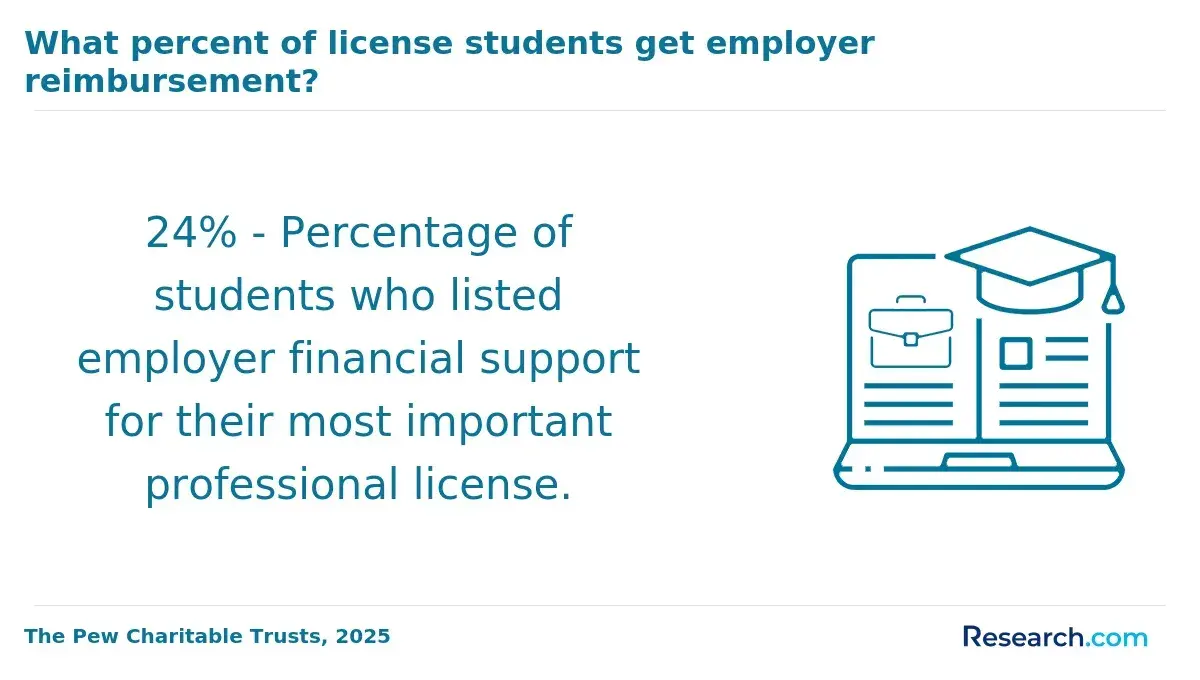
Working nurses often have strong professional evidence but need flexible scheduling. If that describes you, comparing online nursing programs for working adults can also help you evaluate workload, clinical expectations, and employer tuition assistance before choosing a patient safety pathway.
Are No-GRE or No-GMAT Online Patient Safety & Quality Degree Programs Easier to Get Into?
No-GRE and no-GMAT programs are not automatically easier to enter. They are easier to apply to because applicants can skip test registration, preparation, and score reporting, but the academic review can still be selective.
The real difference is where the pressure moves. In a test-required program, a high GRE or GMAT score may compensate for a weaker GPA or limited experience. In a test-free program, the applicant must show readiness through transcripts, work history, essays, recommendations, and fit with the curriculum.
The table below compares admissions pathways so applicants can decide whether skipping the test helps or hurts their individual profile.
| Admissions pathway | What it means | When it helps | When it may not help |
| Test-required | GRE or GMAT scores must be submitted for review | Applicants with strong test scores who want to offset a modest GPA | Working professionals who lack time to prepare or who have stronger career evidence than test performance |
| Test-optional | Applicants may submit scores but are not required to do so | Applicants with above-average scores or limited professional experience | Applicants whose scores are weaker than the rest of the file |
| Test-free | GRE or GMAT scores are not used in admissions | Experienced healthcare professionals with strong transcripts, recommendations, and goals | Applicants who were relying on test scores to compensate for weak academic or professional evidence |
| Test waiver | The test is required unless the applicant qualifies for a waiver | Applicants with a high GPA, graduate coursework, professional licensure, or significant experience | Applicants who assume a waiver is automatic without checking the criteria |
If scores are optional, submit them only when they clearly strengthen your application. If the rest of your file is stronger than your score report, it is usually better to focus on essays, recommendations, and evidence of healthcare impact.
Does Skipping the GRE or GMAT Affect Academic Quality or Accreditation?
Skipping the GRE or GMAT does not reduce academic quality by itself. Accreditation is based on whether an institution meets educational, financial, governance, and student-support standards, not on whether it uses standardized tests in admissions.
For patient safety and quality degrees, the most important accreditation question is usually institutional accreditation. Regional institutional accreditors such as the Higher Learning Commission, Middle States Commission on Higher Education, and Southern Association of Colleges and Schools Commission on Colleges evaluate the university as a whole.
Programmatic accreditation is less uniform in this field than in nursing, medicine, or dietetics. Some related healthcare management programs may hold CAHME accreditation, but many patient safety and quality master's degrees are housed in schools of medicine, public health, health sciences, nursing, or population health and may not have a separate specialized accreditor.
Before enrolling, verify these quality markers directly with the school.
- The university is institutionally accredited by an accreditor recognized by the U.S. Department of Education or the Council for Higher Education Accreditation.
- The degree title appears on the official university website and transcript policy, not only on a marketing page.
- The curriculum includes applied quality improvement, patient safety science, healthcare systems, measurement, leadership, and a capstone or project-based experience.
- Faculty have relevant healthcare quality, patient safety, clinical, public health, informatics, or systems improvement expertise.
- Online students receive access to advising, library resources, career services, technical support, and faculty interaction.
A no-test admissions policy should be treated as an access feature, not as proof of quality. The stronger signal is whether the program has credible accreditation, transparent outcomes, experienced faculty, and a curriculum aligned with your career goals.
Which Students Benefit Most From Online Patient Safety & Quality Degree Programs Without GRE or GMAT Requirements?
No-GRE and no-GMAT online patient safety and quality programs are especially useful for adults whose professional evidence is stronger than their standardized test profile. These programs are often built for people already working in hospitals, clinics, public health agencies, insurance organizations, long-term care, or healthcare technology.
The best-fit students usually have a clear reason for studying safety and quality. They may want to lead quality improvement initiatives, reduce preventable harm, analyze clinical performance data, manage accreditation readiness, or move from bedside care into systems leadership.
These applicants often benefit most from no-test pathways.
- Experienced nurses and clinicians: They can use direct patient care experience to show they understand real safety risks, workflow problems, and interprofessional communication challenges.
- Healthcare administrators: Operations, compliance, scheduling, revenue cycle, and clinic management experience can translate well into quality leadership.
- Military and veteran healthcare personnel: Structured systems experience, safety culture, and team-based decision-making can strengthen an application.
- Career changers with healthcare exposure: Applicants from analytics, public health, risk management, or informatics may be competitive if they clearly connect their background to patient safety.
- Applicants with older undergraduate records: A strong recent work history, certifications, graduate certificates, or continuing education can help offset a GPA that no longer reflects current ability.
Students interested in advanced nursing leadership may eventually compare patient safety programs with PhD programs for nurses, especially if their long-term goal includes research, teaching, health systems scholarship, or executive-level evidence translation.
How Do Tuition and Financial Aid Compare for No-GRE Online Patient Safety & Quality Degree Programs?
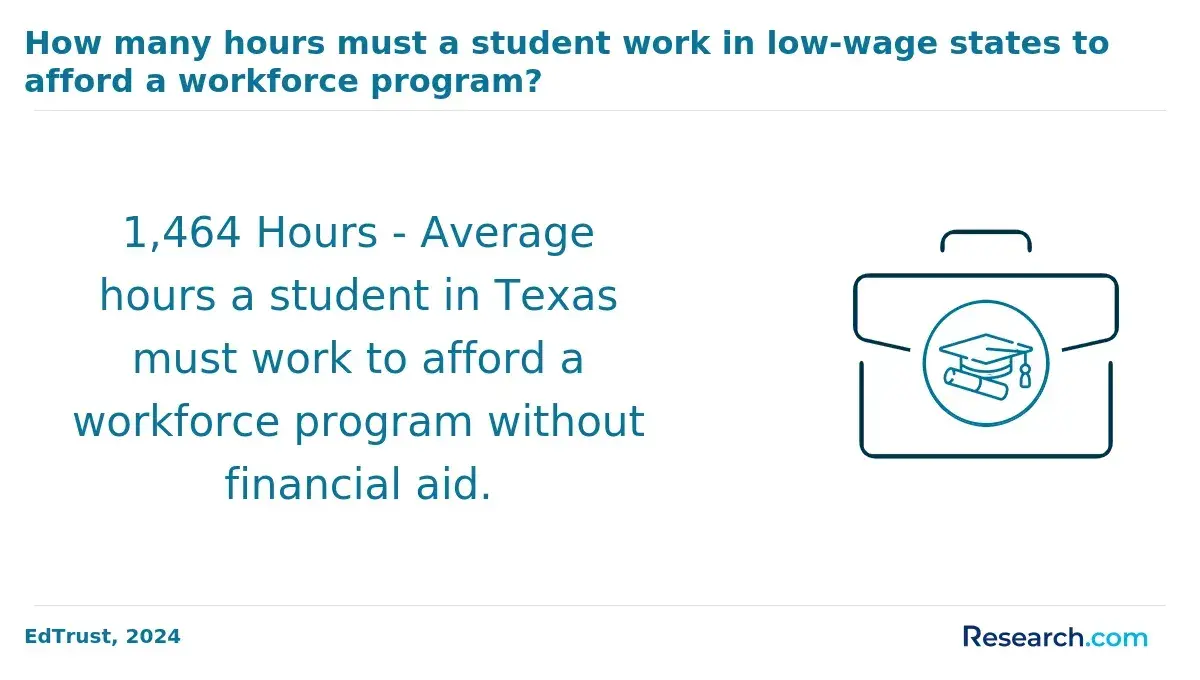
No-GRE programs can reduce application costs, but they are not automatically cheaper. The largest cost drivers are tuition per credit, number of credits, university fees, technology fees, residency requirements, books, travel for any campus sessions, and lost work time.
For federal borrowing context, graduate and professional students may borrow up to $20,500 per academic year in Direct Unsubsidized Loans under current federal limits. That figure matters because many online master's programs cost more than one year of unsubsidized loan eligibility, so applicants should compare total program cost before assuming loans will cover everything comfortably.
The table below shows how cost factors typically differ across online patient safety and quality programs. Use it to ask schools for a full cost estimate rather than relying only on per-credit tuition.
| Cost factor | Why it matters | Question to ask the school |
| Tuition per credit | Small per-credit differences can become significant across a 30- to 45-credit program | Is tuition the same for online, in-state, and out-of-state students? |
| Total required credits | A lower per-credit rate may not mean a lower total cost if the program requires more credits | How many credits are required for graduation, including capstone or practicum credits? |
| Fees | Online, technology, graduation, clinical placement, and student service fees can add to the total price | Can you provide a full program cost sheet, not just tuition? |
| Employer tuition assistance | Hospitals and health systems may help pay for job-related graduate education | Does the program offer billing schedules that work with employer reimbursement? |
| Transfer or prior graduate credit | Accepted credits can reduce time and cost | What is the maximum number of graduate credits that can transfer? |
| Residency or travel | Some online programs include campus intensives or synchronous requirements | Are any in-person sessions required, and what costs should students expect? |
Financial aid can include federal loans, employer benefits, scholarships, military education benefits, payment plans, and sometimes professional association awards. Students comparing healthcare graduate options may also want to review adjacent fields, such as online registered dietitian programs, to understand how clinical training requirements and credentialing pathways can affect total cost.
What Career Outcomes Can Graduates Expect From No-GRE Online Patient Safety & Quality Degree Programs?
Graduates of online patient safety and quality programs commonly pursue roles connected to healthcare improvement, clinical quality, safety culture, compliance, and operations. Titles vary by employer, and some leadership roles require a clinical license, prior management experience, or several years in healthcare.
The most relevant salary benchmark is often the BLS category for medical and health services managers, which reported a May 2024 median annual wage of $117,960. This does not mean every patient safety graduate will earn that amount; it provides a market reference for management-level healthcare roles that may value quality improvement training.
Common career paths include the following roles, though exact qualifications depend on employer requirements.
- Patient safety officer: Leads safety event analysis, root cause analysis, safety culture initiatives, and prevention strategies.
- Quality improvement manager: Designs and monitors projects that improve clinical outcomes, patient experience, efficiency, and compliance with quality measures.
- Clinical risk manager: Identifies sources of patient harm, manages incident reporting, supports claims prevention, and works with legal or compliance teams.
- Healthcare quality analyst: Uses data to track performance measures, readmission trends, safety events, and process improvement outcomes.
- Accreditation or regulatory specialist: Helps organizations prepare for surveys, maintain documentation, and meet internal and external quality standards.
- Healthcare operations leader: Applies quality improvement methods to staffing, workflow, patient flow, documentation, and service-line performance.
Employers usually care more about the applicant's skills and results than whether the program required a standardized test. Practical evidence can include a capstone project, Lean or Six Sigma exposure, quality dashboards, committee participation, safety event review, or measurable process improvement work.
What Common Application Mistakes Reduce Admission Chances to No-GRE Online Patient Safety & Quality Degree Programs?
Applicants sometimes treat a no-GRE or no-GMAT policy as the main selling point and overlook the rest of the admissions process. That can weaken an otherwise strong application.
These mistakes are common among no-test applicants, but they are avoidable with planning.
- Choosing a program only because it does not require a test: Compare curriculum, faculty, accreditation, cost, support services, and career relevance before applying.
- Submitting a generic personal statement: Explain the specific patient safety or quality problem you want to address and why the program fits that goal.
- Underusing professional experience: Translate your work into quality-related language, such as workflow redesign, safety reporting, interdisciplinary communication, compliance, data review, or patient outcomes.
- Ignoring GPA concerns: If your GPA is below the preferred range, address it professionally and point to recent coursework, certifications, leadership, or strong recommendations.
- Assuming test waivers are permanent: Admissions policies can change by term, department, or applicant category, so confirm requirements before each cycle.
- Overlooking prerequisites: Some programs expect statistics, research literacy, clinical experience, or healthcare exposure even if they do not require a test.
- Failing to compare total cost: A convenient admissions process does not offset a program that does not fit your budget or employer reimbursement limits.
A strong application should show readiness for graduate work and a clear connection to healthcare improvement. If you do not have direct quality experience, describe a workplace problem you helped solve and explain what you learned about systems, communication, and patient outcomes.
How Should Students Compare Accredited Online Patient Safety & Quality Degree Programs Without GRE or GMAT Requirements?
The best no-GRE or no-GMAT program is not simply the easiest one to apply to. It is the accredited program that matches your professional background, schedule, budget, and target role.
Use a structured comparison process before submitting applications. This prevents you from overvaluing admissions convenience and undervaluing long-term fit.
- Verify accreditation first: Confirm institutional accreditation through the school and recognized accreditation directories before considering cost or curriculum.
- Match the curriculum to your goal: Choose patient safety science, quality analytics, risk management, informatics, leadership, or healthcare operations emphasis based on your target role.
- Check admissions fit: Compare GPA expectations, healthcare experience preferences, prerequisites, recommendation requirements, and whether test scores are optional or not used at all.
- Evaluate online format: Ask whether courses are asynchronous, synchronous, accelerated, part-time, cohort-based, or self-paced, and whether any campus visits are required.
- Calculate total cost: Include tuition, fees, books, travel, lost work time, loan interest, and employer reimbursement timing.
- Review applied learning: Look for capstones, practicum-style projects, quality improvement simulations, data work, or projects that can be completed in your workplace.
- Ask about outcomes: Request information on career services, alumni roles, employer partnerships, graduation support, and whether students commonly use projects for promotions or role changes.
When deciding between two similar programs, prioritize the one with stronger alignment to your current healthcare setting and next role. A lower-cost program with a relevant capstone and strong faculty access may provide more practical value than a more recognizable name that does not fit your schedule or goals.
Other Things You Should Know About Patient Safety & Quality
Yes. Many programs accept applicants from healthcare administration, public health, pharmacy, medicine, allied health, informatics, risk management, and related backgrounds. Some roles after graduation may still require a clinical license, so check employer expectations.
Many programs can be completed in about one to two years, depending on credit load, part-time enrollment, transfer credit, and capstone requirements. Working students often choose part-time pacing to balance coursework with job responsibilities.
A certificate may be enough if you already have a graduate degree or need targeted skills for your current role. A master's degree is usually stronger for broader leadership, career change, or long-term advancement goals.
Usually no. These programs generally support leadership, quality improvement, and systems-focused roles rather than direct clinical licensure. If a job requires RN, physician, pharmacist, or other licensure, the degree does not replace that requirement.
References
- Online MBA Programs with No GMAT Requirement: Best Schools for 2025 https://www.onlinemastersdegrees.org/best-programs/mba-programs/no-gmat/
- Online MHA Programs No GRE Required (including GRE Waiver) https://www.mhaonline.com/faq/no-gre-online-mha-programs
- Online MHA Programs No GRE Required or That Offer a GRE Waiver https://www.onlineeducation.com/healthcare/faqs/gre-requirements-online-mha-programs
- Certified Professional in Patient Safety (CPPS) TM https://www.ihi.org/learn/certifications/cpps
- Focused Certificate in Healthcare Quality & Safety | ISQua https://isqua.org/focused-certificate-qips/
- Best Online MBA Programs No GMAT Required (2026) - Edubrain https://edubrain.ai/blog/best-online-mba-programs-no-gmat/
- Online Undergraduate Certificate in Healthcare Quality and Patient Safety | CSU Global | Accredited https://csuglobal.edu/academic-programs/undergraduate-certificates/undergraduate-certificate-healthcare-quality-and-patient-safety
- Best affordable Online MBA Programmes in the US https://amityonline.com/blog/affordable-us-online-mba-programme
- Online MHA Programs with No GRE Required https://www.edumed.org/online-schools/healthcare-administration-degrees/masters-mha-programs/no-gre/
- Master of Health Administration - Online https://www.unthealth.edu/tcom/public-health/online-master-of-health-administration.html