2027 Cheapest Online Electrical Engineering Master's Degrees That Pay Well: Tuition, Duration, and Earnings

Co-Founder and Chief Data Scientist
Many prospective students face the challenge of selecting an online electrical engineering master's program that fits tight budgets without sacrificing career growth. With tuition costs rising nationwide, some candidates hesitate, uncertain if the investment will yield ample returns. Notably, the U. S. Bureau of Labor Statistics projects a 7% growth in electrical engineer jobs through 2032, emphasizing strong demand. This article evaluates programs balancing low tuition, reasonable duration, and high post-graduate earnings. It aims to guide cost-conscious professionals and students in making informed decisions based on comprehensive data addressing the cost-benefit spectrum of online electrical engineering master's degrees.
Key Things to Know About the Cheapest Online Electrical Engineering Master's Degrees That Pay Well
- Cheapest online electrical engineering master's programs often cost under $15,000, significantly reducing student debt compared to traditional degrees.
- These degrees typically require 1.5 to 2 years of full-time study, enabling faster entry into the workforce.
- Graduates report median salaries exceeding $90,000 annually, reflecting strong industry demand and return on investment.
How Much Does an Online Electrical Engineering Master's Degree Cost?
Average tuition costs for online electrical engineering master's programs vary significantly, making it essential for prospective students to evaluate affordability alongside career benefits. On average, graduate tuition rates tend to range from $15,000 to over $40,000, with many programs clustering around $28,000. This variation reflects broader trends in graduate and online master's education, where more cost-efficient options are gradually becoming available. For those seeking the cheapest online electrical engineering master's degree tuition, identifying programs that balance price and quality is a key consideration.
Tuition differences are often shaped by residency status and the type of institution attended. Public universities usually offer substantially lower in-state tuition, sometimes 30-50% less than out-of-state rates due to subsidies, although many online programs now feature more uniform pricing that reduces this gap. Private institutions generally charge a flat tuition rate regardless of residency, leading to higher overall costs compared to public options. Prospective students aiming to find affordable online electrical engineering master's program costs should also explore resources like MBA programs for insights on competitive pricing models in graduate education.
What Fees Are Included in the Total Cost of an Online Electrical Engineering Master's Program?
When assessing the total price of an online Electrical Engineering master's program, it's essential to factor in additional fees beyond tuition to reveal the actual expenses involved. These fees reflect the comprehensive resources and support services the school offers. The following are common charges that prospective students should anticipate:
- Technology Fees: These cover access to essential online learning platforms, specialized software licenses, and IT support necessary for virtual coursework and collaboration.
- Registration or Enrollment Fees: Charged each term, these fees cover administrative costs related to student enrollment, course scheduling, and record maintenance.
- Course or Lab Fees: Specific classes may require this fee to fund additional materials, lab simulations, or equipment rentals critical for hands-on learning experiences.
- Graduation Fees: Payable upon program completion, these fees cover administrative expenses for processing diplomas and organizing commencement ceremonies.
Accounting for these online Electrical Engineering master's program additional fees enables students to compare overall affordability accurately and avoid unforeseen costs. Factoring them in also provides a clearer picture of the educational quality and support services behind the tuition price, helping in selecting a program that balances cost with strong earning potential and duration.
For a broader perspective, students can explore resources on affordable options among the cheapest online colleges that accept FAFSA, which may offer competitive programs and financial aid opportunities.
How Long Does It Take to Complete an Online Electrical Engineering Master's Degree?
Knowing how long an online electrical engineering master's degree typically takes helps students plan finances, careers, and personal commitments effectively. Research shows nearly 60% of online graduate students finish their programs within three years. Several aspects influence the timeframe, including the following:
- Enrollment Status: Full-time students generally wrap up their degrees in one to two years due to a heavier course load, while part-time learners often extend their studies to balance jobs and family responsibilities.
- Accelerated Programs: Some institutions provide fast-track options enabling completion in less than two years, appealing to those seeking quicker entry back into the workforce.
- Course Availability: The timing and frequency of course offerings affect how swiftly students can progress, with limited sessions potentially causing delays.
- Personal Commitments: Work schedules, caregiving duties, and other life obligations may slow progress, requiring flexible pacing and careful time management.
A graduate of an online electrical engineering master's program shared that managing deadlines alongside a full-time job was their biggest hurdle. "There were weeks when I felt completely overwhelmed, needing to squeeze in studying during odd hours," they recalled. They appreciated having access to recorded lectures, which helped accommodate unpredictable work shifts. The graduate emphasized that maintaining steady progress, even if slow at times, was key to eventual success rather than rushing through the program. This experience highlights how duration varies not just by program structure but also by individual circumstances and resilience.
Grasping the credit requirements is vital for those planning an online electrical engineering master's degree, as it influences program length, tuition expenses, and career timelines. Several elements affect how many credits students must complete; key considerations include the following:
- Program Specialization: More focused tracks can demand extra coursework beyond a general curriculum, potentially increasing total credits. Choosing a specialized concentration often means a more in-depth study tailored to career aims.
- Core vs. Electives: Mandatory core classes build essential knowledge, but the number of electives varies widely, letting students customize their education. Programs with flexible electives may have fluctuating credit totals depending on student decisions.
- Capstone or Thesis: Some accelerated electrical engineering master's programs in the US include a substantial capstone project or thesis, which can add credits and extend study time. Such practical or research components often deepen expertise but require additional commitment.
- Prerequisites: Students lacking an engineering background may need extra credits for foundational courses before starting graduate-level work, raising the total needed for degree completion.
Prospective students should weigh these factors alongside financial and personal goals. For insight into the economic benefits of engineering degrees, consider exploring highest paid degrees to understand potential returns on educational investments.
Many prospective students question whether accelerated online electrical engineering master's programs come with increased tuition or fees due to their condensed schedules. This concern stems from the assumption that a faster pace might incur higher costs.
Several elements impact the overall expenses of these accelerated programs:
- Credit Hour Pricing: Tuition is often charged per credit hour, so even compressed schedules generally require a similar number of credits as standard programs. This similarity tends to keep tuition costs aligned between both options.
- Additional Fees: Accelerated tracks sometimes involve extra administrative support or specialized resources, leading to potential modest fees. Students should check individual programs for these supplementary charges.
- Course Intensity: A fast-paced curriculum demands more from faculty in terms of time and support, but this increased intensity doesn't always translate into higher fees for students.
- Financial Aid Implications: Shorter program durations may influence eligibility periods for scholarships and loans, which can affect the net cost for some learners.
- Technology Costs: Since online programs rely on digital platforms, associated technology fees generally apply similarly to all students, regardless of program length.
When deciding between accelerated and traditional formats, students should carefully consider these cost factors alongside their scheduling needs and financial goals to identify the best fit.
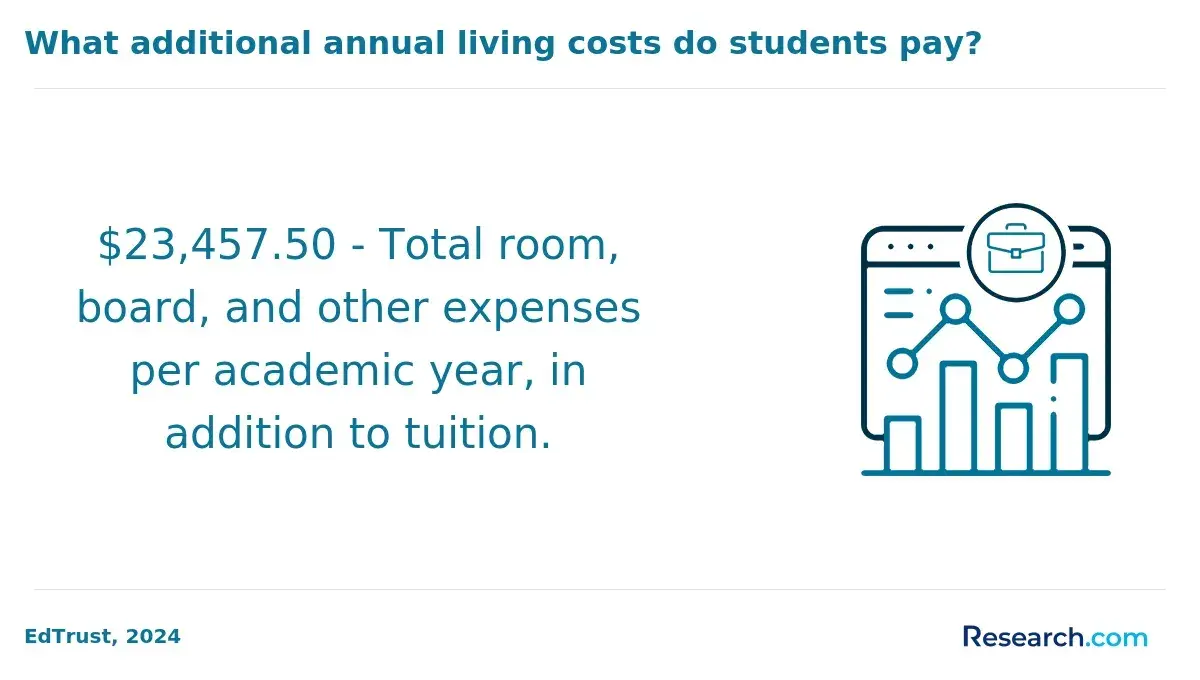
Maximizing financial aid can significantly ease the burden of tuition and living expenses for those pursuing an online electrical engineering master's degree. Recent statistics show that around 85% of engineering graduate students benefit from some form of financial assistance. Knowing which options to explore is essential for balancing cost and career outcome.
Below are some key types of aid commonly accessible to online electrical engineering master's candidates:
- Federal Loans and Grants: These include options like Direct Unsubsidized Loans and Grad PLUS Loans, which offer fixed interest rates and flexible repayment schedules. Eligibility hinges on completing the FAFSA, and while loans must be repaid, certain grants such as the TEACH Grant provide funds that don't require repayment for qualifying individuals.
- Scholarships: Many universities and private groups grant scholarships targeted at engineering graduate students based on merit or financial need. These awards are competitive but can substantially reduce overall program costs without incurring debt.
- Employer Tuition Assistance: Employees may receive partial or full tuition coverage if their program relates to their job duties. This financial aid usually requires employer approval and proper documentation, often serving as an incentive for professional development.
- Private Loans: When federal aid falls short, private lenders offer additional loan options, generally with variable interest rates and stricter credit requirements. These loans can fill financial gaps but should be approached cautiously due to potentially higher costs.
A professional with an online electrical engineering master's degree shared her experience navigating financial aid: "Initially, I felt overwhelmed by the number of steps involved in applying for loans and scholarships, and I worried about how to manage repayment." She emphasized the importance of early FAFSA submission and seeking employer support, remarking that "having my company's tuition assistance approval lifted a huge weight off my shoulders." Although some processes were complicated, she noted that "the combination of grants and employer aid made it possible to focus more on studies than on finances." Her journey highlights the value of exploring multiple aid sources and staying organized throughout the application process.
Salary expectations play a crucial role for students weighing the benefits of an online electrical engineering master's degree, especially when balancing tuition costs and program duration. These earnings act as benchmarks for evaluating the long-term return on investment of graduate education. It is important to view salary figures as potential outcomes influenced by various factors rather than guaranteed results, since professional skill development, market demand, and economic conditions will affect actual income over time. Prospective students focused on average earnings with online electrical engineering master's degree in the US should plan accordingly.
Individuals holding an online electrical engineering master's degree generally see salaries ranging from approximately $80,000 to $120,000 annually, depending on experience and career progression. As professionals gain expertise and take on more responsibilities, their earning potential often grows significantly. Factors such as employer expectations, geographic location, and evolving industry trends also heavily influence income levels. Those seeking to explore advanced leadership roles may find value in related paths like a doctorate organizational leadership, which can further enhance long-term career prospects.
Salary outcomes are an essential factor for prospective electrical engineering master's students because they influence the long-term return on investment of both time and tuition. Students balancing cost and program duration naturally seek careers with strong earning potential. Here are some of the highest-paying jobs frequently pursued by graduates:
- Electrical Engineering Manager: Oversees technical teams and projects, combining expertise in engineering with leadership skills. Salaries for this role often exceed six figures due to significant managerial responsibilities.
- Systems Engineer: Designs and integrates complex systems in fields like aerospace and electronics. This specialization commands high salaries because of its technical complexity and critical applications.
- Research and Development Engineer: Drives innovation and new technology creation, with compensation reflecting the role's importance in advancing engineering solutions.
- Power Systems Engineer: Focuses on electrical grids and energy distribution, a sector with rising demand supporting attractive salary prospects.
These roles illustrate how a master's degree in electrical engineering can lead to well-paying, specialized careers. Those exploring the highest-paying jobs for electrical engineering master's graduates in the US will find these positions offer strong financial rewards aligned with technical skill mastery.
Working professionals considering flexible options can also evaluate top salary careers with online electrical engineering master's degrees, which allow for balancing work and study effectively. For those researching further, an online video game design degree might provide interesting interdisciplinary opportunities combining engineering with interactive media.
An online electrical engineering master's degree equips graduates with versatile skills relevant to various industries. Employment in electrical engineering occupations is expected to grow 7% from 2022 to 2032, faster than the average for all occupations, reflecting strong demand across sectors. Below are key industries that commonly recruit graduates with advanced electrical engineering expertise.
- Technology and Electronics: This sector requires engineers to develop cutting-edge hardware, embedded systems, and consumer electronics, driving innovation and product development.
- Energy and Utilities: Electrical engineers play vital roles in power generation, smart grid technology, and renewable energy projects that enhance sustainability and efficiency.
- Automotive and Aerospace: Graduates contribute to vehicle electronics, control systems, and avionics design, supporting advancements in transportation safety and performance.
- Telecommunications: Roles involve designing communication networks, signal processing, and developing infrastructure for 5G and beyond, crucial for modern connectivity.
- Manufacturing: Engineers optimize automation, robotics, and production systems to improve operational efficiency, quality control, and industrial innovation.
Employers value graduates' ability to solve complex electrical problems and enhance system performance. Common roles include design engineers, systems engineers, project managers, and research and development specialists, all benefiting from the in-depth technical knowledge gained through an online master's program.
Investing in a master's degree in electrical engineering can be financially worthwhile, especially when considering program costs and future earning potential. Tuition for many affordable online options usually falls between $10,000 and $30,000, which tends to be less costly than traditional campus-based programs. Most degrees take one to two years, allowing graduates to quickly re-enter the workforce. Data from the U.S. Bureau of Labor Statistics shows that those with a master's degree in engineering often earn about 20% more than bachelor's degree holders, highlighting a notable salary advantage.
The return on investment improves over time due to consistent salary increases and enhanced job security in this competitive technical sector. Holding an advanced degree elevates professional credibility, often leading to leadership positions and specialized roles with higher pay. Additionally, steady demand in the electrical engineering industry ensures the degree remains relevant for long-term career growth. For students mindful of expenses, choosing programs with affordable tuition and reasonable duration boosts financial returns while reducing potential debt.
What Graduates Say About Their Cheapest Online Electrical Engineering Master's Degrees That Pay Well
- Jenny: "Choosing an online electrical engineering master's was a game-changer for me. The tuition was surprisingly affordable compared to traditional programs, allowing me to invest without financial strain. Plus, the flexibility to balance work and study meant I could maintain my income, which really helped when I secured a promotion shortly after graduating. "
- Joy: "The duration of the online electrical engineering master's program suited my busy schedule perfectly. I appreciated how the coursework was structured so I could progress at my own pace without feeling rushed. Financially, it was a smart move; the increase in my salary after finishing the degree has made it clear this was a worthwhile investment. "
- Ramir: "As a professional, the flexibility and reasonable cost of my online electrical engineering master's program stood out. It allowed me to upskill while continuing full-time employment, and the skills I gained significantly boosted my earning potential. I feel more secure financially and confident in my career trajectory thanks to this degree. "
Other Things You Should Know About Electrical Engineering Degrees
In 2027, some of the cheapest online electrical engineering master's programs include those from Arizona State University and the University of Arkansas. These programs often offer competitive tuition rates, under $15,000 annually, and graduates can expect earnings starting at approximately $80,000 per year, balancing affordability with strong salary potential.
Many programs require either a thesis, a capstone, or a final design project. Non-thesis tracks often need 30 to 36 credit hours, while thesis tracks may require 6 to 9 research credits. ABET-accredited programs usually set the exact option in the curriculum.
- The 38 Cheapest Online Master's Electrical Engineering Programs https://www.geteducated.com/online-college-ratings-and-rankings/masters-in-electrical-engineering-online/
- 2025 Most Affordable Online Master's Degrees in Electrical Engineering https://www.onlineu.com/most-affordable-colleges/electrical-engineering-masters-degrees
- Fully Funded Master's Programs in Electrical Engineering | ProFellow https://www.profellow.com/fellowships/fully-funded-masters-programs-in-electrical-engineering/
- Master of Science in Electrical and Computer Engineering | Electrical, Computer & Energy Engineering | University of Colorado Boulder https://www.colorado.edu/ecee/academics/online-programs/ms-ece-coursera
- Online Electrical And Electronic Engineering Postgraduate Tutors Spires | Is a Master's in Electrical and Electronic Engineering worth it? https://spires.co/online-electrical-and-electronic-engineering-tutors/postgraduate/is-a-masters-in-electrical-and-electronic-engineering-worth-it
- Best Online Master's In Electrical Engineering Degrees https://www.collegechoice.net/sciences/engineering/electrical/most-affordable-online-masters-degrees/
- What jobs can you do with an electrical engineering degree? https://targetjobs.co.uk/careers-advice/engineering/what-jobs-can-you-do-electrical-engineering-degree
- Online Master’s Degrees That Pay: Top Fields for Solid Salaries https://www.onlinemastersdegrees.org/features/top-earning-masters-degrees/
- Top 15 Highest-Paying Electrical Engineering Jobs https://internshala.com/blog/highest-paying-electrical-engineering-jobs/
- Why an Online Electrical and Computer Engineering Masters is Worth It https://www.euroeducation.net/articles/why-an-online-electrical-and-computer-engineering-masters-is-worth-it.htm