2027 Fully Online vs Hybrid Electrical Engineering Degree Master's Programs: Which Is Better?

Co-Founder and Chief Data Scientist
Choosing between fully online and hybrid electrical engineering master's programs can be challenging for working professionals seeking flexibility without sacrificing practical experience. For instance, online formats often lack hands-on lab components critical in applying theory to real-world problems. Research shows that 65% of graduate students in engineering value direct interaction with faculty and peers to enhance learning outcomes.
However, hybrid programs may demand occasional campus visits, complicating schedules for those balancing work and family. This article examines the distinct advantages and limitations of each format, helping prospective students identify which option aligns best with their educational needs and career objectives.
Key Things to Know About Fully Online vs Hybrid Electrical Engineering Degree Master's Programs
- Fully online programs offer maximum scheduling flexibility, allowing students to study from any location, which benefits those balancing careers or family commitments.
- Hybrid programs require some on-campus attendance, fostering greater in-person engagement through labs and collaboration, enhancing hands-on learning experiences.
- Fully online formats suit professionals needing asynchronous study, while hybrid formats support students seeking direct interaction and networking opportunities within their field.
How Do Hybrid and Online Electrical Engineering Master's Programs Differ?
Fully online and hybrid electrical engineering master's programs differ primarily in how instruction, participation, and learning experiences are structured. Nearly 30% of graduate engineering programs in the U.S. now offer hybrid formats, reflecting increased demand for flexible delivery models. Below are five key distinctions to consider for online and hybrid electrical engineering graduate program differences.
- Learning Format: Fully online programs provide all lectures and materials remotely, enabling study from any location. Hybrid programs blend online coursework with scheduled in-person sessions, requiring physical attendance to complement remote learning.
- Residency Expectations: Online students typically have no campus visits, while hybrid students must periodically attend on-campus classes or labs, which impacts commuting and housing choices.
- Scheduling Structure: Online programs usually offer asynchronous coursework, allowing students to complete assignments anytime. Hybrid programs include fixed on-site meeting times alongside synchronous online components.
- Participation Methods: Online students engage through virtual meetings and discussion boards, whereas hybrid learners benefit from direct face-to-face interaction, enriching networking and collaboration opportunities.
- Campus Engagement: Hybrid students gain hands-on access to labs and libraries, enhancing practical learning. Fully online students rely on remote tools or local resources, which may limit hands-on experiences.
Those exploring electrical engineering master's options may also consider shorter degree paths such as 1 year masters programs to fit tight schedules.
Which Electrical Engineering Master's Program Format Is More Flexible?
Flexibility remains a top priority for students choosing between fully online and hybrid electrical engineering master's programs. Recent studies show that nearly 40% of graduate students in the U.S. are enrolled in at least one online course, highlighting a strong preference for adaptable learning options. Several key factors contribute to how flexible these program types can be for students managing work, family, and academic commitments:
- Class Schedule: Fully online programs often feature asynchronous classes, enabling students to study at times that suit their personal and professional lives. Hybrid programs tend to follow a more fixed schedule due to in-person components, which can require stricter time commitments.
- Location Requirements: Online master's degree programs usually eliminate the need to relocate or commute, allowing students to learn from anywhere. Hybrid programs often demand periodic campus visits for labs or seminars, reducing overall location flexibility.
- Course Pacing: Fully online electrical engineering master's programs may offer continuous enrollment or accelerated tracks, letting students progress at their own speed. Hybrid formats often align with traditional academic calendars, limiting pacing options.
- Attendance Expectations: Online programs generally have more lenient attendance policies, offering greater freedom for those balancing jobs or family duties. Hybrid programs require regular in-person attendance, which can pose challenges for some students.
- Travel Commitments: For hybrid students, travel to campus for hands-on sessions is a frequent necessity, adding time and expense considerations. Fully online students avoid these travel requirements entirely, enhancing overall convenience.
Fully online electrical engineering master's programs offer greater flexibility for students balancing work, family, or other commitments, making them ideal for those seeking to complete their degree without relocating or adhering to a strict campus schedule. Hybrid electrical engineering master's degree flexibility provides some in-person interaction while still offering elements of remote learning, appealing to those who want both hands-on experience and the ability to learn remotely.
Students exploring options can also benefit from considering the easiest college majors alongside program format flexibility when planning their educational path.
Which Electrical Engineering Master's Program Format Is Cheaper?
Cost remains a major factor for students deciding between fully online and hybrid electrical engineering master's programs. Recent studies show that online graduate engineering degrees typically cost 10-20% less than hybrid formats. Several specific financial elements contribute to this difference:
- Tuition Structure: Online programs often feature more flexible tuition arrangements such as lower per-credit fees or flat-rate billing, which can reduce the overall tuition burden.
- Campus Fees: Hybrid students usually pay additional charges for technology access, campus activities, and facility maintenance, expenses that online learners generally avoid.
- Commuting Expenses: Traveling to and from campus adds costs for hybrid students, including transportation and parking fees, whereas online students eliminate these outlays.
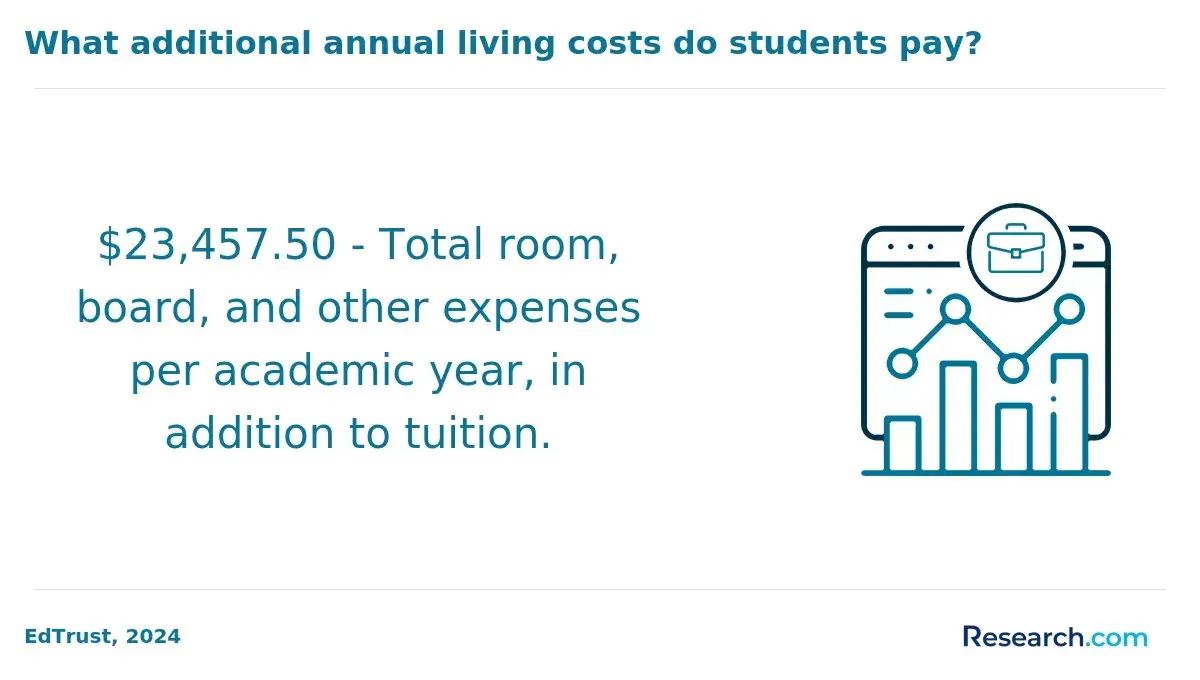
- Housing Costs: Those attending in-person sessions might face temporary housing expenses near campus, increasing their living costs compared to fully remote students.
- Technology Requirements: While online students save on commuting and housing, they often need to invest in dependable computers, software, and stable internet access, raising upfront expenditures.
These factors combine to make fully online electrical engineering master's programs generally more cost-effective, although prospective students should weigh these savings against their learning preferences and access to resources.
A graduate student who completed an online electrical engineering master's shared, "Managing my budget was challenging at first because I had to buy a new laptop capable of running simulation software smoothly. Still, not having to commute or find housing near campus meant I saved a lot overall." He added that balancing coursework with full-time work felt demanding initially, but the reduced living costs made the online format the smarter choice financially.
Financial aid availability plays a significant role for students weighing fully online versus hybrid electrical engineering master's programs. Data from the National Center for Education Statistics shows that over 85% of graduate students benefit from some form of financial assistance. Below are key financial aid factors to consider when comparing these two formats.
- Eligibility Criteria: Federal financial aid typically applies to both online and hybrid students enrolled at least half-time, provided the institution is accredited. However, some institutional aid may have residency requirements favoring hybrid learners who attend on-campus sessions.
- Types of Aid: While federal loans and grants are broadly available regardless of format, certain scholarships focus more on in-person participation, which might advantage students in hybrid programs.
- Institutional Scholarships: Universities often tailor grants for hybrid students to cover commuting or campus-related expenses, whereas online students may access funds that address technological and remote learning needs.
- Federal or State Funding: Federal aid generally does not vary by delivery method, but state-based financial aid can have residency rules that impact online students enrolled out of state, influencing their access.
- Employer Tuition Assistance: Flexible online programs may better accommodate working professionals, increasing eligibility for employer-supported aid that requires program accreditation and schedule compatibility.
Those exploring financial aid options for online electrical engineering master's programs should also evaluate tuition assistance in the context of their personal circumstances and program format. For a comprehensive view of costs, resources like online executive MBA cost comparisons can offer useful insights applicable across graduate programs.
Admission standards play a significant role when deciding between hybrid and fully online electrical engineering master's programs. While many criteria overlap, subtle differences in expectations and logistics can influence an applicant's fit. The following points highlight five critical admission aspects that often vary between the two formats.
- Academic Prerequisites: A bachelor's degree in electrical engineering or a related discipline is typically required for both options. However, hybrid programs may prefer applicants with stronger foundational knowledge due to hands-on labs and in-person instruction components.
- Professional Experience: Some hybrid programs favor candidates with relevant work history to maximize the value of practical sessions, whereas fully online programs often accommodate recent graduates lacking extensive experience.
- Letters of Recommendation: Both formats generally expect strong endorsements, but hybrid programs might seek recommendations emphasizing teamwork and applied skills suitable for face-to-face collaboration.
- Standardized Tests: GRE scores are less commonly demanded overall, although certain hybrid programs still use them as part of their screening. Online programs tend to waive this requirement to attract broader applicant pools.
- Application Deadlines: Hybrid formats often have firmer deadlines to coordinate campus presence and scheduling, while online programs usually offer more flexible timelines and rolling admissions.
When I spoke with a professional preparing to enroll in a hybrid electrical engineering master's program, she shared how navigating stricter deadlines and gathering specific recommendation letters proved more demanding than expected. "It felt like the admissions process was as much about demonstrating my ability to engage in person as it was about academic credentials," she explained. Despite the challenges, she appreciated the clarity about expectations upfront and believes this will prepare her well for balancing coursework with on-site activities. Her insight highlights how admission nuances can shape a student's application experience and ultimate readiness for the learning environment.
When deciding between fully online and hybrid electrical engineering master's programs, it's essential to recognize both their curricular similarities and distinctions. A 2023 survey by the American Society for Engineering Education found that more than 85% of these programs report parity in core coursework despite differences in delivery styles. The following points outline key areas where the curricula align or diverge.
- Core Course Content: Both online and hybrid formats generally cover the fundamental subjects such as circuits, signals, and systems to maintain academic standards across programs.
- Elective Offerings: Hybrid programs frequently provide a broader selection of electives, leveraging on-campus facilities, whereas online programs emphasize courses designed for virtual delivery.
- Project-Based Learning: Hybrid students often participate in hands-on labs or collaborative projects in person, while online students complete virtual simulations or work independently.
- Capstone or Thesis: Both program types require a final project or thesis, but hybrid students typically benefit from more direct, face-to-face faculty mentorship.
- Experiential Components: Hybrid formats incorporate in-person lab access and practical experiences, whereas online programs depend largely on remote labs and digital tools.
Exam formats are a critical consideration for students pursuing fully online Electrical Engineering master's programs. A 2023 Online Learning Consortium survey found that 78% of fully online programs employ remote proctoring to uphold exam integrity. Below are five key aspects illustrating how exams differ between fully online and hybrid Electrical Engineering formats.
- Online Proctoring vs. In-Person Exams: Fully online programs generally require students to complete exams remotely using proctoring software that monitors via webcam and screen sharing. Hybrid programs often schedule some exams on campus, allowing in-person supervision.
- Timed Assessments: Both program types use timed tests, but online exams may offer more flexible or adaptive time limits to address technical difficulties. Hybrid exams follow strict, on-site schedules with less time variability.
- Open-Book vs. Closed-Book Formats: Online exams tend to utilize open-book formats to reduce cheating risks in an unsupervised environment, while hybrid programs predominantly use closed-book exams administered in controlled settings.
- Integrity Measures: Fully online exams incorporate tools like plagiarism detection and browser lockdown to deter dishonesty. Hybrid exams rely more on physical presence and traditional in-person invigilation methods.
- Student Experience and Flexibility: Remote exams in online programs offer convenience and greater scheduling flexibility, ideal for working professionals. Hybrid students benefit from reduced technical disruptions due to on-campus settings but must manage travel and fixed exam times.
Networking opportunities play a significant role for students deciding between fully online and hybrid electrical engineering master's programs. A 2022 survey by the National Association of Colleges and Employers found that 70% of job placements are influenced by professional connections, highlighting the critical importance of networking during graduate studies. Below are five key aspects that shape networking prospects in these program formats.
- Peer Interaction: Online programs typically rely on discussion boards and virtual meetings, which can limit spontaneous conversations and informal networking. Hybrid formats encourage in-person contact, fostering deeper peer relationships and more natural interactions.
- Faculty Engagement: Hybrid students benefit from more accessible face-to-face office hours and informal encounters that improve mentorship. Online learners rely on scheduled virtual meetings, which may reduce the frequency and casual nature of faculty interactions.
- Alumni Access: Both formats depend on the institution's network, but hybrid students often find it easier to attend on-campus alumni events, boosting access to established professionals. This can enhance career connections in hybrid electrical engineering graduate programs.
- Industry Events: Hybrid programs frequently incorporate face-to-face industry events, offering more personal networking opportunities. Online programs tend to use virtual career fairs, which may feel less engaging and limit genuine relationship building.
- Collaborative Projects: Hybrid students work on hands-on team projects with real-time problem-solving, which builds stronger connections. Online projects rely on digital communication tools that can hinder immediacy and rapport among classmates.
For prospective students seeking extensive professional connections, hybrid formats generally provide more robust networking environments. However, the flexibility of fully online programs remains appealing for those balancing other commitments. Prospective candidates interested in advanced degrees might also explore options such as a doctorate in organizational leadership, which can complement an electrical engineering master's degree when aiming for leadership roles.
Employment outcomes play a significant role for prospective students comparing hybrid and fully online electrical engineering master's programs. Research indicates hybrid program graduates often have higher job placement rates, with about 85% placed compared to around 78% of fully online graduates. Several factors contribute to this difference, as outlined below.
- Industry Connections: Hybrid programs tend to offer stronger on-campus networking opportunities with local employers. These connections can lead to more direct job prospects for students post-graduation.
- Internship or Practicum Access: Access to hands-on experiences through internships or practicums is generally better in hybrid formats. Such practical experience is crucial for career advancement in electrical engineering.
- Alumni Networks: Hybrid programs often maintain more active alumni engagement due to in-person events, enhancing mentorship opportunities and professional referrals.
- Career Services Support: On-campus career centers available in hybrid programs provide tailored assistance, including resume workshops and recruitment events, which can improve employment outcomes.
- Regional Employment Opportunities: Being physically present in a region with job markets allows hybrid students to build local employer relationships more easily, while fully online students may face challenges connecting with regional opportunities.
When evaluating online versus hybrid electrical engineering career outcomes, students should consider how these elements affect professional connections and job prospects against their own learning preferences and schedules. Those interested in other flexible graduate programs might explore options like the MFT program for varied fields of study.
Salary potential plays an important role in deciding between fully online and hybrid electrical engineering master's programs. Graduates of hybrid programs commonly report starting salaries between $85,000 and $95,000, slightly higher than the $80,000 to $90,000 range typical for online graduates. Several factors, however, influence these salary variations beyond just program format.
Five main influences on salary differences include:
- Networking Opportunities: Hybrid programs often provide more face-to-face interactions, facilitating stronger professional connections that may lead to better-paying positions.
- Industry Connections: Programs with established relationships with companies offer enhanced internships and job pipelines, improving salary prospects.
- Program Prestige: Graduates from renowned schools with respected hybrid formats may command higher salaries compared to those from lesser-known fully online programs.
- Experiential Learning: Hands-on labs and projects available in hybrid settings help develop practical skills that increase graduates' competitiveness and earning potential.
- Geographic Flexibility: Fully online programs allow study from any location, where local demand and living costs can significantly impact salary outcomes.
Ultimately, earnings after obtaining an electrical engineering master's degree depend more on how a program fosters career development and skill-building than on whether it is delivered fully online or in a hybrid format.
What Graduates Say About Fully Online vs Hybrid Electrical Engineering Degree Master's Programs
- Irene: "Choosing a fully online electrical engineering master's program allowed me to balance my job and studies without relocating. The tuition was significantly more affordable than traditional programs, which made it feasible to advance my education without incurring excessive debt. Since graduating, I've noticed a clear impact in my career growth, landing higher-level projects that leverage the skills I gained online."
- Heny: "I opted for a hybrid electrical engineering master's degree because I wanted the flexibility of online courses combined with the occasional hands-on lab experience. Although the hybrid program was a bit more expensive than a fully online option, the direct interaction with professors and peers enriched my learning. Reflecting on my career, this approach gave me a competitive edge in consultancy roles where practical knowledge is critical."
- Weston: "The main reason I pursued a fully online electrical engineering master's was the convenience-it fit perfectly with my irregular work schedule. The cost savings compared to on-campus programs were substantial, allowing me to invest in additional certifications simultaneously. Professionally, completing the degree has opened doors to leadership positions and greater responsibility in system design projects."
Other Things You Should Know About Electrical Engineering Degrees
Fully online electrical engineering master's programs typically use virtual labs, simulations, and remote access to specialized software to deliver practical experience. While these methods enable students to develop technical skills, the tactile experience in a physical lab setting is limited. Some programs may require occasional on-campus residencies or intensive workshops to supplement hands-on training.
Yes, hybrid electrical engineering master's programs typically require capstone projects, blending online coursework with practical, hands-on experiences. These projects often need students to demonstrate mastery of engineering principles and usually occur in the program's final year to provide real-world problem-solving skills.
Fully online programs typically require a reliable computer and fast internet connection. Software like Matlab or CAD tools may be necessary. Check specific program details for any additional hardware requirements, such as engineering simulation programs or specialized technical kits for practical tasks.
- Difference between Hybrid, Online & In-Class Degree Programmes | BSBI https://www.berlinsbi.com/blog/what-is-the-difference-between-hybrid-online-and-in-class-degree-programmes
- Does Financial Need and Aid Differ for Online and On-Campus Students? https://wcet.wiche.edu/frontiers/2021/10/08/does-financial-aid-differ-for-online-on-campus-students/
- 2025 Most Affordable Online Master's Degrees in Electrical Engineering https://www.onlineu.com/most-affordable-colleges/electrical-engineering-masters-degrees
- Best Online Electrical Engineering Master’s Degree Programs in 2025 https://www.onlinemastersdegrees.org/best-programs/engineering/electrical-engineering/
- Is a master’s in electrical engineering worth it for your career and earnings? | edX https://www.edx.org/resources/is-a-masters-in-electrical-engineering-worth-it
- Affordable Online Master’s In Engineering Degree Programs https://www.gradschoolhub.com/affordable/online/masters/engineering/
- Hybrid vs. fully online: how different teaching models impact satisfaction https://www.amba-bga.com/insights/hybrid-vs-fully-online-how-different-teaching-models-impact-satisfaction
- Why an Online Electrical and Computer Engineering Masters is Worth It https://www.euroeducation.net/articles/why-an-online-electrical-and-computer-engineering-masters-is-worth-it.htm
- Electrical Engineering – Online Education | Missouri S&T https://distance.mst.edu/distance-programs/distance-graduate-degrees/electrical-engineering/