2027 Human Services Salary Trends Report: Are Wages Keeping Up With Tuition and Inflation?

Co-Founder and Chief Data Scientist
A prospective human services student faces a common dilemma: with tuition steadily rising and inflation eroding purchasing power, does earning a human services degree offer a financial return that justifies these costs? Recent graduates also wrestle with this question, weighing starting salaries against the debt burden accrued through higher education.
Tuition increases and inflation rates do not always align with salary growth, complicating decisions about the true value of the degree. Understanding how these elements interact is essential for anyone evaluating a career in human services.
Human services salary growth often lags behind education expenses and broader economic factors, which affects the long-term financial stability of graduates. Simply looking at entry-level salaries provides an incomplete picture of affordability or return on investment.
This article examines human services salary trends alongside tuition costs and inflation, exploring their combined impact on the degree's economic value. It offers insight into what factors influence whether the degree remains a viable investment over time.
Key Things to Know About Human Services Salary Trends
- Graduate wages in human services have risen only 2.5% annually since 2022, lagging behind average inflation of 4%, indicating that tuition hikes increasingly erode real income gains over time.
- Specialized credentials, such as licensed social work, correlate with 15% higher earnings, suggesting targeted certification materially enhances long-term salary trajectory within constrained market growth.
- Geographic demand disparities mean urban centers offer 20% increased pay but entail higher living costs, requiring careful cost-benefit analysis of location for maximizing net financial outcomes.
- Key Things to Know About Human Services Salary Trends Key Things to Know About Human Services Salary Trends
- What Is the Current Salary Outlook for Human Services Graduates? Salary Outlook
- Are Human Services Salaries Keeping Up With Inflation? Inflation Impact
- How Do Tuition Costs Compare With Human Services Salary Growth? Tuition vs Salary
- Does a Human Services Degree Deliver a Positive Return on Investment? Degree ROI
- Which Industries Offer the Highest Salaries for Human Services Graduates? Which Industries Offer the Highest Salaries for Human Services Graduates?
- Which States and Cities Offer the Highest Pay for Human Services Professionals? Which States and Cities Offer the Highest Pay for Human Services Professionals?
- How Do Human Services Salaries Grow Throughout a Career? Career Growth
- How Do Human Services Salaries Compare With Similar Degrees? Salary Comparison
- How Is Employer Demand Affecting Human Services Salary Trends? Employer Demand
- How Can Students Maximize Their Lifetime Earnings With a Human Services Degree? Maximizing Earnings
What Is the Current Salary Outlook for Human Services Graduates?
The 2024 salary outlook for human services graduates illustrates a nuanced picture influenced by role specialization, geographic location, and employer type. Median wages for social and community service managers hover around $70,400 according to the U.S. Bureau of Labor Statistics, while entry-level social workers and case managers typically start between $45,000 and $55,000.
However, two graduates with identical degrees may see very different outcomes: one pursuing a position as a licensed clinical social worker in a metropolitan area could earn over $80,000 annually, benefiting from higher demand and specialized credentials, while another in a rural nonprofit role might experience considerably lower pay despite similar qualifications. This variation underscores that average earnings for human services degrees depend heavily on career path choices and regional economic factors.
Interpreting human services graduate salary trends requires looking beyond starting salaries to long-term career progression and job market growth. While tuition inflation has increased education costs by about 4% annually, salary growth among professionals has lagged at approximately 2.5%, creating a persistent gap that demands strategic planning.
Advancing experience, acquiring certifications, and selecting employers strategically can improve income potential over time. Prospective students should also weigh intrinsic job rewards and sector stability against initial financial challenges. For those considering supplemental or alternative qualifications, exploring options like the fastest online DNP programs can present additional avenues for increased earning power and career diversification.
Are Human Services Salaries Keeping Up With Inflation?
Nominal wage increases in human services occupations have not consistently translated into greater purchasing power, primarily because inflation outpaces salary growth. The U.S. Bureau of Labor Statistics reports that over recent years, inflation has averaged about 3.6% annually, while wages in roles like social workers and counselors have increased roughly 2.1% per year.
For example, a recent graduate expecting their salary to keep pace with the rising costs of rent, utilities, and groceries might find that a modest paycheck raise still results in less disposable income after adjusting for inflation. This disparity highlights a crucial financial reality that human services salaries versus inflation trends present, where even steady nominal raises can mean falling behind economically.
Beyond inflation itself, the question of whether human services salaries are keeping pace with tuition costs further complicates financial planning for students and career changers. Rising tuition fees add debt burdens that wage growth often fails to offset, shifting the calculus on the return on investment in human services education.
Career entrants should also weigh sector-specific challenges, such as high turnover driven by wage stagnation despite increased workload and responsibility. Those considering alternatives, like pursuing credentials in related but higher-paying fields such as a certified professional coder (CPC), may find different financial trajectories worth exploring while recognizing that income gains in human services historically lag inflation.
How Do Tuition Costs Compare With Human Services Salary Growth?
Evaluating the financial viability of a human services degree requires examining tuition inflation alongside salary growth rather than considering either factor alone. Between 2014 and 2024, average annual tuition for these programs rose about 4% per year, surpassing the roughly 3% average inflation rate, according to data from the National Center for Education Statistics and the U.S. Bureau of Labor Statistics.
In contrast, early-career salaries for graduates tend to increase by only about 2% annually when adjusted for inflation, typically starting between $30,000 and $40,000. This widening gap suggests students face growing upfront education costs while their potential earnings increase more slowly, complicating return-on-investment calculations over a decade or more.
Consider two students entering human services programs in different states: one at a high-tuition institution and another at a more affordable public college. Although both may start with similar entry-level salaries, the former must manage significantly higher debt, reducing financial flexibility and delaying milestones like homeownership or savings.
Variations in factors such as geographic location, employer sector, and specialization further skew salary outcomes, meaning tuition growth outpaces earnings more severely for some than others. These disparities underscore that decision-making around human services education must weigh both economic and personal factors amid evolving labor market conditions.
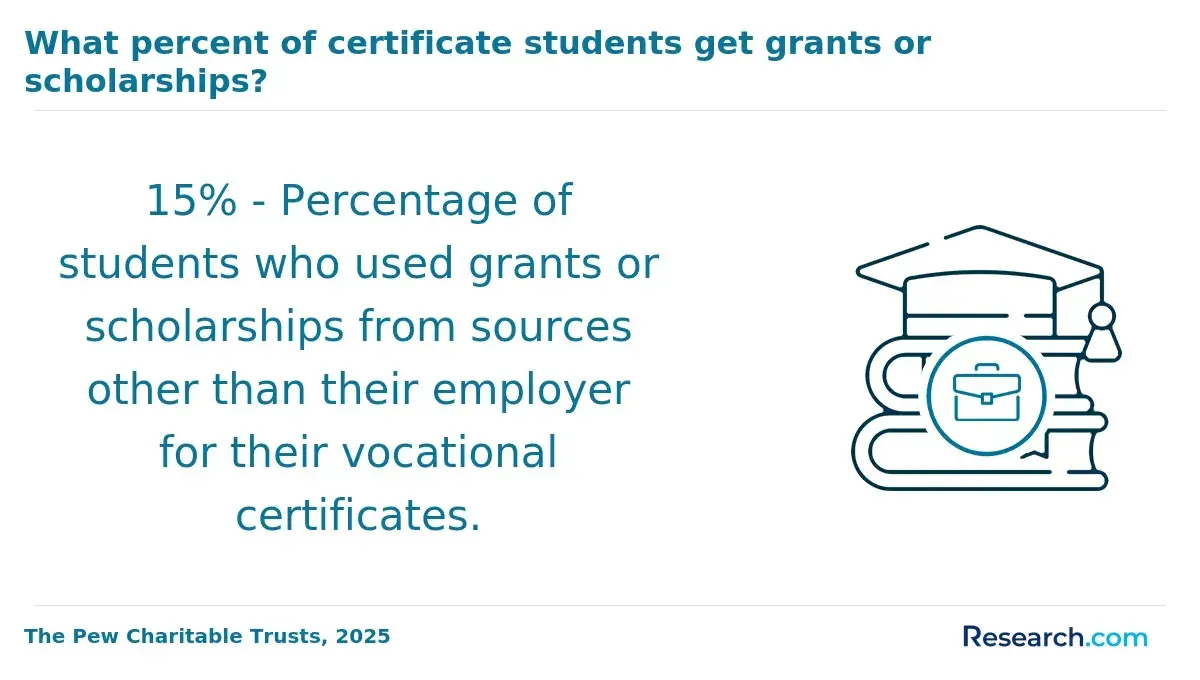
One graduate recalled hesitating to enroll due to concerns about rising tuition, compounded by slower-than-expected salary increases after graduation. They initially balanced part-time work and loans, worried that financial strain might overshadow the program's social impact rewards.
Over time, targeted scholarship support and a mid-career wage bump eased those burdens, but the early years required careful budgeting and constant reassessment of long-term goals. Their experience highlights how monitoring the interplay of tuition costs against actual income growth is essential for navigating career and financial planning in human services fields.
Does a Human Services Degree Deliver a Positive Return on Investment?
Return on investment (ROI) for a human services degree hinges on weighing the total cost of education against long-term career outcomes rather than solely initial salaries. Although entry-level wages in human services typically fall below averages for comparable degrees, the full financial value emerges over years through steady experience gains, opportunities for certifications, and movement into specialized or leadership roles.
For example, a graduate starting with a median annual wage of around $40,000-based on recent U.S. Bureau of Labor Statistics data-may see that salary grow incrementally with time, benefiting further from government loan forgiveness programs and sector stability, particularly in nonprofit or public service positions.
Such opportunities, combined with inflation-adjusted wage growth reported by the National Center for Education Statistics, show moderate but meaningful financial progress. However, the rising costs of tuition and living expenses have outpaced income increases, creating tighter margins for early-career human services professionals.
Whether the degree yields a positive ROI depends on individual priorities and economic circumstances; students focused on sustained social impact and non-monetary rewards might find their investment worthwhile even if immediate salary gains are limited. The National Association of Social Workers highlights how graduates committed to community and meaningful work often justify education expenses beyond simple earnings metrics.
Ultimately, ROI is shaped by multiple factors, including sector choice, geographic location, credential attainment, and government policies such as loan forgiveness. While a human services degree rarely compares to high-earning fields financially in the short term, evidence suggests its value grows for those who persist and advance professionally.
According to the Georgetown University Center on Education and the Workforce, graduates with human services credentials experience modest but consistent income growth over their careers, emphasizing that long-term financial benefits depend as much on career trajectory and job satisfaction as on initial compensation.
Which Industries Offer the Highest Salaries for Human Services Graduates?
Graduates with human services degrees face critical decisions about which industries will offer the best financial returns relative to their educational investment. Rising tuition costs and inflation underscore the importance of targeting sectors with strong compensation and stable employment opportunities.
Data from the U.S. Bureau of Labor Statistics and the U.S. Office of Personnel Management highlights a distinct pattern in human services salary trends by industry in the US, showing marked differences across sectors. Realistically, professionals who align their skills and certifications to high-demand, high-pay environments can significantly improve their earning potential.
Below are the industries that typically provide the highest salaries for human services graduates:
- Healthcare Sector: This industry remains one of the top-paying fields due to ongoing demand for professionals managing complex patient care and administrative functions. Roles like clinical social workers, case managers, and healthcare coordinators in hospitals and outpatient facilities often come with licenses or certifications that enhance earning potential. The healthcare industry benefits from a stable funding stream and demographic trends such as aging populations that keep salary levels elevated.
- Government Agencies: Positions within federal, state, and local governments generally offer competitive salaries alongside robust benefits. Social workers, policy analysts, and community outreach coordinators in government tend to receive higher pay scales than nonprofit roles. According to 2024 U.S. Office of Personnel Management data, these jobs provide stability and pay premiums in select geographic areas or specialized roles.
- Corporate Private Sector: Corporate social responsibility departments and employee assistance programs increasingly hire human services graduates to support workplace wellness and diversity initiatives. These roles often come with salaries that rival or exceed nonprofit compensation, especially when combined with skills in program management and data analytics.
- Rehabilitation Services: Private rehabilitation centers provide targeted services that require specialized training and certifications, enabling higher wages. Graduates who focus on addiction services, mental health treatment coordination, or vocational rehabilitation often command premium salaries due to the technical nature of the work and regulatory compliance demands.
- Education and Training: Human services graduates involved in educational program development, training, or counseling within public or private institutions can find lucrative career paths. Salaries tend to rise for those who combine human services expertise with advanced degrees or teaching credentials.
- Research and Policy Analysis: Roles in this sector involve analyzing social programs, contributing to policy development, and evaluating outcomes, often within think tanks or government research bodies. Professional expertise in data interpretation coupled with human services knowledge can drive higher compensation.
- Nonprofit Management: Although generally lower-paying than the other sectors listed, leadership roles in larger nonprofits may offer competitive salaries, particularly when paired with advanced fundraising skills and strategic management experience. These positions often serve as career stepping stones.
For students considering pathways to maximize earnings and career growth in human services, it is vital to integrate targeted credentials and practical experience aligned with these industries. Exploring options such as the best DNP programs online may also be relevant for those seeking advanced clinical leadership roles within healthcare settings.
Which States and Cities Offer the Highest Pay for Human Services Professionals?
Location plays a significant role in determining wages for human services professionals, with geographic differences reflecting the economic landscape and institutional demand. According to 2024 data from the U.S. Bureau of Labor Statistics and state-level employment reports, regions with major urban centers and government or nonprofit activity tend to offer the most competitive pay.
However, higher salaries often coincide with elevated living costs, which can diminish the net financial benefit for recent graduates or those entering the field. It's important to evaluate potential earnings alongside housing, transportation, and educational expenses to understand true financial outcomes.
Here are some top regions to consider:
- California: Average wages for social workers and human services specialists exceed $65,000 annually, especially in metropolitan areas like San Francisco and Los Angeles. The concentration of healthcare, nonprofit, and government agencies boosts demand, but these high salaries are tempered by California's steep housing market and living costs, challenging new professionals to balance income with expenses.
- New York: Paying roughly $62,000 on average, New York-particularly New York City and Buffalo-benefits from diverse public and nonprofit sectors that drive job availability. Graduates must weigh elevated urban costs and tuition fees against the robust opportunities and salary scales that can support career progression.
- Washington Metro Area: Including parts of Virginia, Maryland, and D.C., this region frequently offers median wages above $70,000 due to a dense network of government agencies and nonprofit organizations. While salary prospects are strong, the area's cost of living is among the nation's highest, requiring careful financial planning for early-career professionals.
- Boston-Cambridge: With a strong grounding in healthcare and academia, this metro area offers competitive pay reflecting its specialized labor market. Although salaries here are attractive, the high cost of living and tuition fees for local education institutions should factor into decisions about pursuing work or study in the region.
- Texas: Offering somewhat lower average wages, generally between $50,000 and $55,000, Texas compensates with a more affordable cost of living and tuition rates for in-state students. This lower financial barrier can translate into better overall financial stability for early-career individuals despite the smaller paycheck.
- Colorado: Similar to Texas, Colorado provides moderate pay in the human services field but benefits from lower housing and education costs. For recent graduates balancing student debt and living expenses, this can offer a more manageable path to building financial security.
How Do Human Services Salaries Grow Throughout a Career?
Initial earnings for human services graduates generally fall on the lower end of the wage scale, with many entry-level roles like human services assistants offering median salaries between $38,000 and $42,000 annually, according to 2024 data from the U.S. Bureau of Labor Statistics. As professionals gain experience and pursue advanced qualifications such as bachelor's or master's degrees, wages tend to increase, often reaching $50,000 to $62,000 in mid-career stages.
The path to higher income is significantly influenced by specialization in areas like counseling or program coordination, which typically provide salary premiums over more generalized roles. Leadership responsibilities also mark a more notable salary jump, with senior positions in high-demand sectors or regions sometimes exceeding $75,000 and occasionally surpassing $90,000.
The differing trajectories of two human services graduates illustrate how career choices impact earnings over time. One individual who advances through continuous certification and moves into specialized program management may realize a steady climb in salary, while another who remains in generalist positions without further education might experience slower wage growth, despite starting with similar pay.
Beyond credentials and roles, regional demand and employer type (government versus nonprofit) create significant variability in income progression. Despite nominal growth in wages, rising tuition costs and inflation often outpace salary increases, emphasizing the importance of strategic professional development to maximize financial outcomes over a career.
One recent graduate shared how early in her career, she hesitated to pursue a master's degree due to tuition costs and workload concerns. However, after three years working as a case manager, she enrolled in a specialized counseling program while maintaining part-time hours.
This decision, though challenging, resulted in her transitioning to a program coordinator role with a salary increase of nearly 20% within two years, a boost she describes as "both a relief and a validation of the extra effort." Her experience underscores the nuanced decisions many face balancing further education, long-term earnings, and the immediate financial strain inherent to human services careers.
How Do Human Services Salaries Compare With Similar Degrees?
When comparing human services salary outcomes with similar fields, the financial returns tend to vary due to differences in education requirements, career pathways, and labor market demand.
Median annual wages for human services graduates generally range from $40,000 to $50,000, which lags behind some related professions but reflects the diverse entry points and broad roles within the field. Prospective students should weigh these earnings against rising tuition costs and inflation-adjusted wages that research shows have remained relatively stagnant in human services.
Below is a concise comparison of human services salary prospects alongside related degree programs:
- Social Work: Median salaries for social work graduates typically fall between $50,000 and $60,000 annually. These roles often require licensure and offer entry-level wages that surpass those in human services, largely due to specialized training and state certification requirements. The tradeoff is somewhat narrower career specialization compared to human services' broader scope.
- Psychology: Graduates entering clinical psychology roles can expect starting salaries exceeding $60,000 but usually need advanced degrees such as a master's or doctorate to reach higher earning brackets. Clinical and counseling psychology careers often involve more rigorous educational investment, which directly influences salary ceilings.
- Counseling: Counseling degree holders see salaries moderately higher than human services graduates, frequently ranging from $45,000 to $55,000. Specialized certifications and practitioner licenses enhance earning potential, making this a viable alternative for those seeking client-focused roles with improved compensation.
- Human Services Flexibility: While median salaries are comparatively lower, human services graduates benefit from a wider array of employment options, including nonprofit, government, and healthcare sectors. This flexibility can be an advantage in fluctuating job markets but also means income is often dispersed over many varied roles with differing pay scales.
For example, a recent graduate weighing a human services degree against a counseling degree might find the immediate salary offer in counseling slightly more attractive but may prefer human services for its diverse career paths and broader community impact.
Students should also consider pathways for advancing credentials or seeking roles such as pharmaceutical sales representatives, where specialized knowledge could lead to significantly higher earnings, as noted in pharmaceutical sales salary analyses.
How Is Employer Demand Affecting Human Services Salary Trends?
Employer demand plays a pivotal role in shaping salary trends within the human services sector by driving competition among organizations seeking qualified professionals. For instance, agencies focused on mental health support or elder care may increase hiring and offer higher wages to attract candidates with specialized skills or advanced credentials.
According to data from the U.S. Bureau of Labor Statistics in 2024, occupations such as social workers and counselors are growing faster than average, which typically supports stronger wage growth. However, this employer demand impact on human services salaries can vary considerably depending on local funding, organizational budgets, and broader economic conditions.
While strong employer demand can accelerate salary increases, it's important to recognize how factors like experience and specialization also contribute to compensation differences. For example, an entry-level counselor might see modest pay growth despite sector growth due to rising tuition that outpaces wages, whereas professionals with niche expertise can command higher salaries.
Students and career changers must weigh these dynamics carefully, considering that career paths with clear advancement or specialization options often yield better long-term earning potential. Prospective students can explore detailed pathways, such as how do I become an athletic director, to understand the interplay between education requirements and compensation.
Major factors shaping employer demand include societal trends like increased focus on mental health and aging populations, which drive demand for services and influence hiring patterns. Despite upward pressure on wages, recent analyses show wage growth for many human services roles lags behind tuition inflation, complicating the return-on-investment calculation.
Ultimately, understanding human services salary trends by industry demand requires balancing employer-driven opportunities with the realities of rising education costs and varying organizational pay scales.
How Can Students Maximize Their Lifetime Earnings With a Human Services Degree?
Maximizing lifetime earnings with a human services degree requires intentional choices beyond simply obtaining the credential. Data from the U.S. Bureau of Labor Statistics in 2024 highlights that roles demanding advanced credentials and specialization consistently yield higher pay.
For example, mental health counseling and healthcare social work surpass many entry-level positions in compensation. Students who strategically position themselves within high-growth sectors and geographic areas with greater salary scales can meaningfully increase their financial trajectories.
The following targeted strategies focus on practical, evidence-based approaches to enhance long-term income in human services careers:
- Advanced Certification Pursuit: Earning licenses like Licensed Clinical Social Worker or specialized certifications substantiates expertise, qualifying professionals for higher wages and advanced positions. Students should plan for certification pathways early, integrating relevant coursework and supervised experience.
- Sector Specialization: Focusing on growing fields such as healthcare, government, or private nonprofits aligns career paths with sectors that offer greater job stability and incremental pay increases, mitigating stagnation risks linked to low-demand areas.
- Geographic Flexibility: Willingness to relocate to metropolitan or higher-cost regions can increase salary potential, reflecting local market wage differences documented in labor statistics databases.
- Leadership Skill Development: Cultivating administrative and supervisory capabilities opens doors to management roles, which command superior compensation compared to frontline positions.
- Practical Experience Networking: Engaging in internships or volunteer work within niche areas like child welfare enhances employability and access to specialized, better-paying jobs.
- Continuing Education Commitment: Consistently updating skills through workshops or graduate study keeps professionals competitive and supports salary growth over time in an evolving labor market.
References
- Does College Pay Off? A Comprehensive Return On Investment Analysis - FREOPP https://freopp.org/whitepapers/does-college-pay-off-a-comprehensive-return-on-investment-analysis/
- Human Services And Community Organization Career Pathways & Earnings https://collegeroi.org/roi/major/human-services-and-community-organization/
- Professional and scientific industry the only one where pay continues to match rising prices https://www.ons.gov.uk/employmentandlabourmarket/peopleinwork/earningsandworkinghours/articles/professionalandscientificindustrytheonlyonewherepaycontinuestomatchrisingprices/2022-11-23
- How does a college degree improve graduates’ employment and earnings potential? - APLU https://www.aplu.org/our-work/4-policy-and-advocacy/publicuvalues/employment-earnings/
- Wage indicators under scrutiny: What can they reveal about services inflation in the euro area? https://www.bofbulletin.fi/article/analysis/2025/wage-indicators-under-scrutiny-what-can-they-reveal-about-services-inflation-in-the-euro-area/
- Has pay kept up with inflation? - The Hamilton Project https://www.hamiltonproject.org/data/has-pay-kept-up-with-inflation/
- Salaries and Inflation - Union Syndicale https://unionsyndicale.eu/en/agora_article/salaries-and-inflation/
- Why is the cost of college rising so fast? https://ssti.org/blog/why-cost-college-rising-so-fast
- Average Cost of College [2025]: Yearly Tuition + Expenses https://educationdata.org/average-cost-of-college
- 6 Trends in Human Services That Will Change the Face of the Field | ANCOR https://www.ancor.org/connections/6-trends-human-services-will-change-face-field/
Other Things You Should Know About Human Services
Many human services roles start with relatively modest salaries, especially for those holding only a bachelor's degree. However, employers often expect or require advanced certifications or master's degrees for higher-paying positions and leadership roles. Deciding whether to invest additional time and tuition in graduate education depends on your willingness to incur more debt and delay income growth versus the potential for better long-term salary trajectories and job stability.
Human services jobs frequently involve emotionally demanding work with high stress and sometimes irregular hours. While wages may not fully compensate for these challenges, candidates must consider burnout risk and work-life balance as part of the salary equation. Choosing programs or employers with clearer career pathways and organizational support can mitigate these pressures and improve overall career sustainability.
Not all human services programs equally prepare graduates for the labor market or high-demand specializations like substance abuse counseling or case management. Programs offering practical experience, internships, or strong employer networks often improve job placement and negotiating power for better salaries. Prospective students should prioritize program quality and connections over cost alone, as these factors significantly influence salary growth opportunities.
In periods of economic uncertainty, stability in government or nonprofit roles may outweigh short-term salary gains found in private sector or contract positions. While some jobs offer higher pay, they can be more vulnerable to budget cuts or funding fluctuations. Graduates should evaluate regional job market trends and the sustainability of funding sources, often favoring roles with clearer job security for long-term financial resilience.