2027 Human Services Affordability by State: Where Students Pay the Most and Least

Co-Founder and Chief Data Scientist
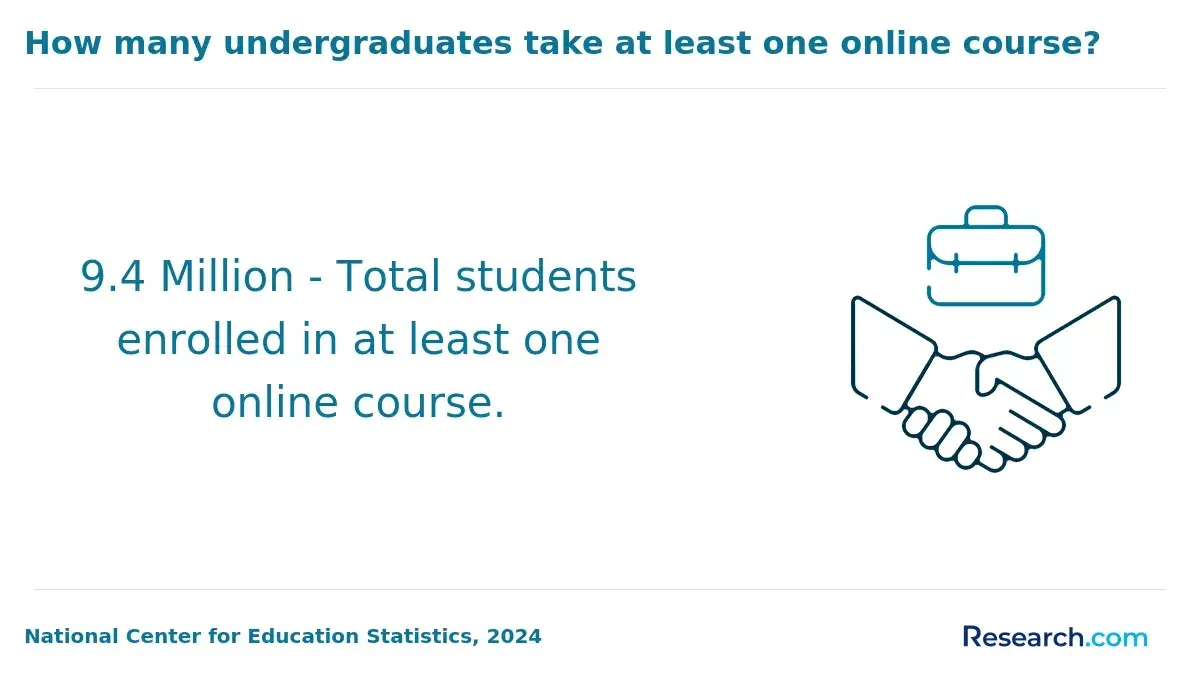
Choosing between a $12,000 in-state Human Services bachelor's program in one state and a $28,000 out-of-state option in another can drastically reshape a student's debt burden and post-graduation financial flexibility. Yet, tuition is only part of the challenge. According to a 2024 National Center for Education Statistics report, average living expenses vary by over 35% between states with differing urban cost levels, often offsetting nominal tuition discounts.
This disparity forces students to weigh long-term debt against immediate living affordability and potential access to internships or local job markets. This article examines the state-by-state affordability of Human Services education to reveal where students face the highest and lowest financial barriers, aiding more informed enrollment choices.
Key Things to Know About Human Services Affordability by State
- States with lower published tuition often have higher living costs and reduced financial aid, driving total expenses above national averages; this tradeoff requires students to balance sticker price against real budget impacts.
- Employers in high-demand regions increasingly value field-relevant experiential training over state residency, reducing the advantage of in-state tuition but emphasizing program alignment with local workforce needs.
- A recent 2024 analysis shows out-of-state Human Services students delay graduation by 15% more due to higher costs, signaling access barriers that disproportionately affect timely degree completion and career entry.
- Key Things to Know About Human Services Affordability by State Key Things to Know About Human Services Affordability by State
- Which States Have the Most Affordable Human Services Degree Programs? Most Affordable State Programs
- Which States Have the Highest Human Services Degree Costs? Highest State Tuition Costs
- How Much Does a Human Services Degree Cost by State? Degree Costs by State
- Why Does Human Services Affordability Vary So Much Between States? State Affordability Variations
- How Do In-State and Out-of-State Tuition Rates Affect Human Services Affordability? In-State vs. Out-of-State Rates
- How Does the Cost of Living Impact Overall Human Services Affordability by State? Living Costs and Affordability
- Which States Offer the Best Value for a Human Services Degree? Best Value State Degrees
- What Financial Aid and Scholarship Opportunities Can Reduce Human Services Costs? What Financial Aid and Scholarship Opportunities Can Reduce Human Services Costs?
- Are Online Human Services Degree Programs More Affordable Than On-Campus Options? Are Online Human Services Degree Programs More Affordable Than On-Campus Options?
- Is a Human Services Degree Worth the Cost Based on Career Outcomes and ROI? Degree ROI and Outcomes
Which States Have the Most Affordable Human Services Degree Programs?
States that consistently offer more affordable human services degree programs do so primarily because of deliberate public funding strategies and tuition policies that limit cost growth, especially for in-state residents. For example, Florida's approach to capping tuition increases and providing targeted scholarships significantly reduces financial barriers for resident students, enabling them to plan degree completion with a clearer understanding of total expenses.
However, affordability varies widely depending on a student's residency status and local cost of living, meaning that a program's sticker price may not capture the full financial commitment required. Comparing a lower-tuition state like Wyoming-which benefits from both reduced public university fees and a lower cost of living-with higher-cost states illustrates the practical tradeoffs prospective students face when considering where to enroll.
In states with smaller public higher education systems or streamlined digital infrastructure, such as New Mexico, affordability also hinges on accessible financial aid that prioritizes human services students, particularly residents aiming to address regional workforce needs. These states tend to reduce indirect costs by expanding online course availability, which minimizes expenses related to relocation and commuting-a critical factor for working adults or those supporting families.
Yet, the value proposition depends on institutional quality and how well program outcomes align with employer expectations, reinforcing the importance of evaluating not just cost but also the practical implications of earning an affordable human services degree in the United States. Students weighing their options might also consider alternative accelerated certifications how to become a certified medical assistant to complement or substitute traditional degree pathways based on cost and career goals.
Which States Have the Highest Human Services Degree Costs?
States with the highest human services degree costs often reflect a combination of limited public funding, high living expenses, and institution types that shape tuition pricing. For example, regions with large metropolitan areas impose additional financial burdens on students through inflated housing and transportation costs, which frequently push total expenses far beyond sticker tuition.
Residency policies further complicate affordability, as out-of-state students can face two to three times higher fees, narrowing accessible options for those unwilling or unable to relocate. According to 2024 data from the National Center for Education Statistics, in-state tuition in states like Massachusetts can exceed $18,000 annually, a figure that, when paired with high living costs, requires careful budgeting and strategic financial planning for prospective students.
These nuances mean that students must weigh whether the premium paid in high-cost states yields tangible benefits in career outcomes or local employment opportunities post-graduation. The prevalence of private universities within these states often skews averages upward, creating situations where students may find similar quality programs at more affordable rates elsewhere.
Many prospective human services students respond by considering online alternatives or enrolling in institutions within lower-cost states to mitigate expenses. However, this tradeoff involves balancing factors such as program reputation, practical fieldwork connections, and long-term debt implications, which vary widely by geographic region and institutional makeup.
A human services student from a northeastern state recalls their cautious decision process after discovering that attending a flagship public university out-of-state would triple their tuition costs compared to staying in-state. Despite the allure of a prestigious program, concerns over mounting debt and housing expenses prompted extensive research into online programs and smaller regional campuses with lower fees.
They found that financial aid packages varied markedly depending on residency status and that some less expensive programs offered practical internships close to home, which ultimately influenced their choice. While initially frustrated by the stark cost differences, the student felt more confident selecting a program aligned with both financial constraints and realistic employment goals after thorough comparison and reflection.
How Much Does a Human Services Degree Cost by State?
Cost disparities for earning a human services degree across states reflect deeper structural and economic factors that shape student choices beyond simple tuition lists. For instance, a student comparing Massachusetts and Wyoming must consider that Massachusetts public in-state tuition averages $16,500 annually, more than triple Wyoming's $5,000, not accounting for higher living expenses common to the Northeast.
This gap exerts pressure on those without strong financial aid or residency qualifications, often forcing prospective learners to weigh out-of-state fees-which can double in states like Illinois and New York-against relocating or seeking lower-cost online alternatives. The public-private tuition divide intensifies these decisions, as private colleges in high-cost states can charge upwards of $30,000 a year, pushing borrowing needs higher and influencing return-on-investment calculations.
Regional cost of living also impacts total affordability and practical accessibility; a program's sticker price may underrepresent actual expenses in states like California, where housing and transport costs inflate the cost of attendance. Meanwhile, states like Washington that offer targeted scholarships for social service fields can offset some of these barriers, highlighting that financial aid environments play a pivotal role in net cost and educational feasibility.
Ultimately, cost variations necessitate a nuanced approach to enrolling in human services programs, factoring in state residency rules, potential for aid, and labor market conditions post-graduation. Many students weigh the tradeoff between higher tuition with greater local employment demand and more affordable tuition with fewer nearby opportunities. Using comprehensive data such as the 2024 Integrated Postsecondary Education Data System allows learners to strategically plan financing, assess whether out-of-state or online pathways make sense, and anticipate debt burdens relative to likely career trajectories in human services fields.
Why Does Human Services Affordability Vary So Much Between States?
State funding decisions fundamentally shape the affordability of human services degree programs, with increased public investment typically correlating to lower tuition for in-state students. For example, Wyoming and New Mexico's prioritization of budgets for community colleges and public universities enables these states to offer more accessible tuition rates, influencing student choices about where to enroll and whether to remain in state.
Conversely, states with limited public funding often see reliance on private institutions and higher tuition, which can result in greater financial barriers. Students weighing these differences must consider how residency policies, financial aid availability, and potential state grant programs affect net costs, especially given that the National Center for Education Statistics reported in 2024 that states with robust financial aid models improve access for low- and middle-income learners in workforce-focused fields like human services.
Cost-of-living variation further complicates the regional affordability landscape, with states like California and New York reflecting higher overall expenses due to urbanization and operational costs that extend beyond tuition to include housing and transportation. This dynamic forces many prospective students to evaluate transfer options, online program availability, or out-of-state enrollment strategies in response to both economic and program demand factors.
Institutional enrollment size and faculty structures also influence pricing, as programs with rapidly growing demand may increase costs through adjunct hiring, while smaller programs risk higher per-student fees due to scale inefficiencies. Budget-conscious learners navigating these realities might find value in exploring states' financial supports and tuition structures alongside the practical implications of local cost-of-living to make informed, long-term educational and career decisions within human services.
For students in Texas, for instance, options like nursing schools that don't require TEAS test in Texas can serve as a model for understanding how differing institutional admissions criteria intersect with affordability planning.
How Do In-State and Out-of-State Tuition Rates Affect Human Services Affordability?
In-state tuition rates frequently shape the financial feasibility of pursuing a human services degree more than general sticker prices, often determining whether a program is genuinely accessible. Public universities typically subsidize residents through state funding, resulting in in-state tuition averaging about $10,300 annually at four-year public institutions according to 2024 NCES data, while out-of-state students may pay nearly three times that amount, closer to $26,900.
This vast difference forces prospective students to strategically weigh residency status or relocation plans against the significant cost premium of out-of-state enrollment, especially where reciprocity agreements between states are limited or absent. For example, a student living near a state border might access lower rates by qualifying under a regional reciprocity policy, which can drastically reduce educational expenses without compromising program quality, but in states with high tuition and fewer such agreements, these options dwindle.
Online human services programs sometimes offer uniform tuition irrespective of residence, which can alleviate geographic cost disparities but may come at a price above typical in-state rates, complicating financial planning. Additionally, private institutions generally maintain flat tuition fees that usually exceed public in-state costs but sometimes offer more robust financial aid, shifting the calculus between sticker price and net cost.
For budget-conscious learners, factors such as eligibility for residency reclassification after a year of state residency and the interaction of tuition with other non-tuition expenses like housing and fees become crucial when comparing cross-state options. The interplay of these policies affects long-term affordability and influences not only immediate enrollment decisions but also impacts career trajectory by potentially limiting access to certain programs.
A human services graduate recalls initially choosing a public university in a neighboring state, attracted by its program reputation, only to face a surprise out-of-state tuition that tripled her expected costs. With limited opportunities to establish residency quickly, she hesitated before switching to a local institution with lower in-state fees despite fewer course offerings, balancing program scope with manageable debt.
This experience highlighted how residency classification and state policy nuances can unexpectedly shift educational affordability, underscoring the importance of early financial research and realistic assessment of cross-state tuition tradeoffs in human services education planning.
How Does the Cost of Living Impact Overall Human Services Affordability by State?
The true affordability of earning a human services degree varies significantly across states due to cost-of-living differences that often overshadow nominal tuition rates. Housing costs, for example, create a substantial financial divide; a student in California faces monthly rents nearly double those in less urbanized states, directly affecting their budget and debt load.
Transportation expenses also play a critical role; states lacking robust public transit systems require reliance on personal vehicles, adding fuel, maintenance, and insurance costs that compound financial pressures over time. These regional living expenses affecting human services degree costs complicate budgeting and influence decisions around enrollment, commuting, or considering online alternatives to manage expenses without sacrificing degree completion.
Healthcare, food, and utility expenses further shift the economic landscape for students. In states with high medical premiums or winter-driven utility costs, financial aid may need to stretch beyond tuition support to cover these essentials, impacting loan reliance and repayment strategies post-graduation. Students must also weigh local wage conditions and job market variability by state, as these factors contribute to the long-term economic stability their degree can provide.
For budget-conscious students, states like Missouri or Ohio often present more balanced options with moderate tuition paired with manageable living costs, as opposed to high-cost regions where even scholarships might not offset the elevated expenses. Exploring programs carefully, such as those in dietetics programs, can offer insights into how affordability interplays with field-specific tuition and living cost dynamics in various locales.
Which States Offer the Best Value for a Human Services Degree?
Value in pursuing a human services degree varies substantially by state, influenced not just by sticker tuition but by the interplay of residency-based in-state rates, the total cost of living, and the availability of targeted financial aid. For instance, New Mexico's below-average public tuition of approximately $6,000 annually offers affordability that can significantly reduce educational debt, but prospective students must also factor in local economic conditions and job market growth.
Conversely, states like North Carolina combine moderate costs with stronger degree completion rates and labor demand, creating a more attractive balance between upfront investment and post-graduation earning potential, especially for those planning to remain within the state labor market. Choosing the cheapest option does not always equate to the best financial outcome, as lower tuition regions sometimes coincide with fewer accredited programs or slower employment growth, limiting career progression opportunities.
Florida's approach demonstrates how moderate tuition paired with substantial need-based aid and higher employment rates in social service roles can justify slightly higher education costs. Students considering relocation or online study should weigh how eligibility for in-state tuition or financial aid might affect net prices, as well as how program quality and completion likelihood influence long-term return on investment. The average human services graduate debt of around $28,000 nationally underscores the importance of balancing cost with realistic workforce demand to avoid burdensome debt relative to local wages.
What Financial Aid and Scholarship Opportunities Can Reduce Human Services Costs?
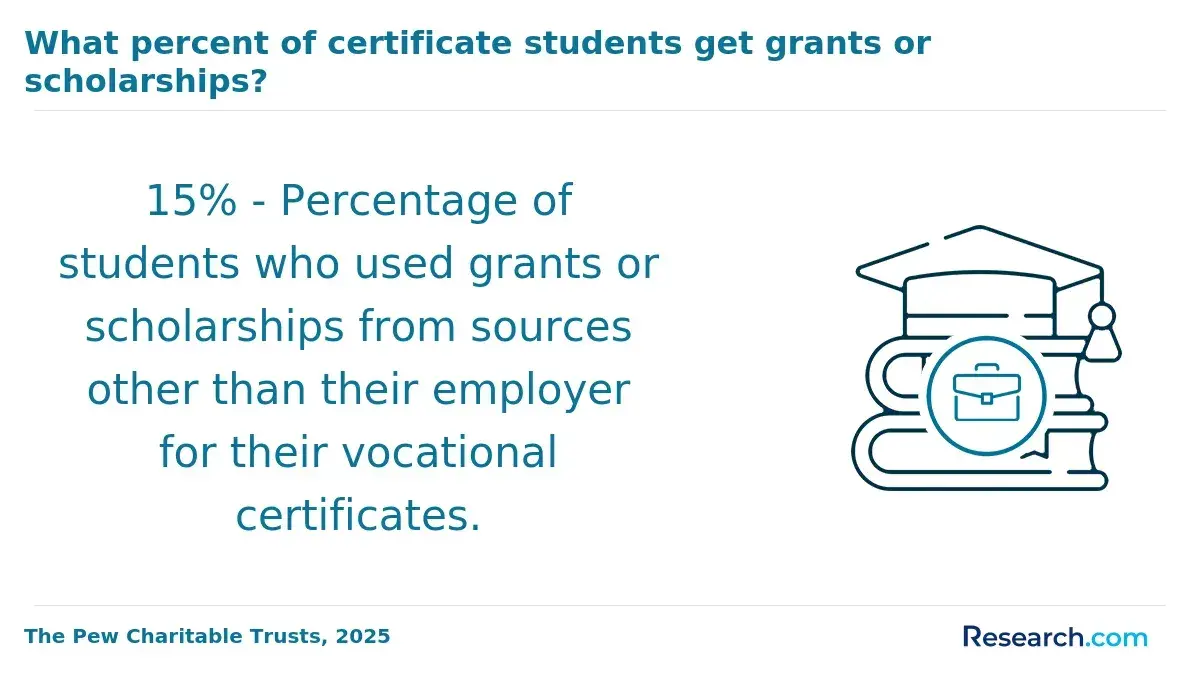
Federal financial aid programs such as Pell Grants play a pivotal role in reducing the net cost of Human Services degrees, primarily for low-income students, with awards averaging over $4,000 annually in 2024, according to the U.S. Department of Education. These grants require no repayment and directly offset tuition, but eligibility hinges on strict income thresholds and enrollment status, often favoring full-time students.
State-based aid further complicates affordability, as funding priorities and reciprocity agreements differ significantly across states; for instance, students in states with robust allied health grant programs or tuition exchange agreements may access lower rates, while those in less generous states face higher out-of-pocket expenses and fewer opportunities to stack aid effectively.
Institutional scholarships also influence cost but vary widely by school and applicant profile, with nearly 60% of human services students receiving some form of institutional aid according to the National Postsecondary Aid Study. Merit- and need-based awards tend to be larger at institutions with high enrollment demand or targeted workforce development goals, yet renewal criteria often require maintaining GPA thresholds that can pose challenges.
Additionally, employer-sponsored tuition benefits offer practical cost reduction for working students but differ greatly by sector and often come with employment commitments that can restrict future job mobility. Navigating these layered, location-dependent aid options requires students to weigh tradeoffs between institutional selection, state residency, and enrollment patterns to optimize financial aid stacking and long-term affordability.
Are Online Human Services Degree Programs More Affordable Than On-Campus Options?
Affordability comparisons between online and on-campus human services degree programs depend heavily on individual circumstances and regional policies rather than a simple tuition differential. While online programs often advertise 15-25% lower tuition, this advantage can be offset by technology costs, mandatory virtual proctoring fees, and lack of in-state tuition breaks in certain states that limit savings.
For example, a student paying in-state rates for an on-campus program may face higher out-of-state tuition when enrolling online at the same institution. The elimination of room, board, commuting, and parking expenses clearly reduces overall costs for online learners, but these savings vary widely based on the student's living situation and access to affordable internet infrastructure.
Furthermore, the distribution of financial aid influences net price significantly; some grants and scholarships favor on-campus students, complicating the actual affordability of online pathways. Employers often value professional networks fostered on-campus, representing an indirect but crucial cost related to career growth potential, which may affect long-term return on investment.
Budget-conscious learners should weigh opportunity costs tied to balancing work and study schedules, especially given trends showing increased enrollment among working adults prioritizing flexibility. In evaluating cost differences between online and on-campus human services programs, prospective students must consider both upfront expenses and these nuanced practical factors before deciding where and how to pursue their degree.
The actual financial accessibility of a program also depends on state residency policies and institutional pricing models, which vary markedly across the U.S. For those comparing locations, understanding average post-degree labor market outcomes, such as variation in DNP salary, is equally important to assessing whether the total investment aligns with career and economic goals. This multifaceted view enables more strategic decisions about selecting a program and delivery mode that best accommodate personal, financial, and professional priorities in the human services field.
Is a Human Services Degree Worth the Cost Based on Career Outcomes and ROI?
The value of a human services degree varies markedly across states due to differences in tuition costs, wage floors, and labor market demand. For example, students in Massachusetts or Washington benefit from higher salary potential and more stable employment, making the investment more cost-effective despite potentially higher upfront tuition.
Conversely, graduates in regions with low wage growth and elevated tuition fees face diminished returns, highlighting the importance of examining career outcomes for human services graduates by state before committing financially. Affordability and graduation rates often correlate, and completing a program on time can reduce the total debt burden, which averaged $27,000 for 58% of human services students nationwide according to recent data.
Evaluating return on investment entails more than tuition comparison; students must consider opportunity costs, geographic mobility, and program quality aligned with their goals. Employer expectations increasingly emphasize certifications and graduate-level education—such as accredited DSW programs or specialized master's tracks—which can meaningfully enhance salary and job stability in an expanding field projected to grow 12% through 2032.
Budget-conscious learners should also weigh local employment trends alongside available financial aid and the potential for internships.
References
- The Most Affordable Online Human Services Degrees https://www.edumed.org/online-schools/human-services-degrees/most-affordable/
- 7 Top Bachelor's Programs in Human Services Across New York State - Counseling Degrees New York https://counselingnewyork.org/bachelors-programs/
- In every corner of the country, the middle class struggles with affordability | Brookings https://www.brookings.edu/articles/in-every-corner-of-the-country-the-middle-class-struggles-with-affordability/
- Most Affordable Online Human Services Degrees https://www.affordablecollegesonline.org/degrees/best-online-bachelors-in-human-services-programs/
- 2025 Most Affordable Online Human Services Degrees https://www.onlineu.com/most-affordable-colleges/human-services-degrees
- The College Affordability Gap: Insights and Impact on Families https://encoura.org/resources/wake-up-call/the-college-affordability-gap-insights-and-impact-on-families
- Lowering the Cost of Living for American Families - Center for American Progress https://www.americanprogress.org/article/lowering-the-cost-of-living-for-american-families/
- Social Work Scholarships https://socialworklicensemap.com/social-work-resources/social-work-scholarships/
- Reducing College Costs for Low-Income Students - Public Policy Institute of California https://www.ppic.org/publication/reducing-college-costs-for-low-income-students/
- 25 Scholarships For Social Work Students | Psychology.org https://www.psychology.org/resources/social-work-scholarships/
Other Things You Should Know About Human Services
Lower tuition in some states often means fewer specialized faculty or limited access to advanced practice opportunities integral to human services training. While affordability is critical, students should consider whether a less expensive program still provides the experiential learning and employer connections that enhance workforce readiness. In many cases, paying moderately more for a program with strong field placements and community partnerships can lead to better job prospects and faster career advancement.
Yes, tuition savings can be offset if the state's labor market does not demand human services graduates or offers fewer entry-level positions. Students in low-cost states without a dense human services sector may face longer job searches or need to relocate after graduation, adding hidden costs. For budget-conscious students, prioritizing states where education and post-graduation employment opportunities align can reduce total financial and logistical burdens.
States vary in how human services programs emphasize policy, clinical practice, or community outreach, affecting graduate readiness for local employer expectations. Cheaper programs focused mostly on theory may not equip students well for practitioner roles common in their region, leading to gaps in skills demanded by agencies. Budget-minded students should investigate how closely curricula match prevalent job functions in their target employment area to ensure affordability does not come at the cost of market-relevant training.
Shorter programs can reduce tuition expenses upfront but may limit exposure to critical competencies valued by employers, especially in complex human services roles requiring deep assessment or counseling skills. While saving money is valid, students should balance program length with accreditation status and opportunities for supervised fieldwork. Investing in comprehensive training can enhance long-term career stability and salary potential, making somewhat higher-cost programs more cost-effective over time.