2027 Mechanical Engineering Degree Oversupply or Undersupply? Student Volume vs Employer Demand

Co-Founder and Chief Data Scientist
Choosing to pursue a mechanical engineering degree requires careful consideration of current labor market dynamics. In 2024, U. S. universities graduated over 30,000 mechanical engineering students, while the Bureau of Labor Statistics projects only a 5% job growth rate through 2032-below the average for STEM fields. This gap indicates potential oversupply that could intensify competition, increase underemployment, and reduce credential value in some regions.
Employers also emphasize multidisciplinary skills, which not all graduates possess, further complicating hiring. Understanding these nuances is critical for students, educators, and professionals aiming to align education with evolving industry demands.
This article compares mechanical engineering student volume with employer demand, job growth, industry needs, regional conditions, and skill gaps to help readers judge whether the field offers sustainable opportunities or rising competition.
Key Things to Know About Mechanical Engineering Graduate Supply and Employer Demand
- Mechanical engineering graduate numbers have increased by 12% since 2020, outpacing entry-level job growth, creating heightened competition that may extend job searches and require skill differentiation.
- Employers emphasize specialized expertise in fields like robotics and renewable energy, meaning graduates with broader, less focused training face greater difficulty meeting niche workforce demands.
- Regional disparities persist, with the highest concentration of mechanical engineering jobs in the Midwest and South, forcing students elsewhere to weigh relocation costs and access barriers against available opportunities.
- Is There an Oversupply or Undersupply of Mechanical Engineering Graduates? Graduate Oversupply or Shortage
- How is Mechanical Engineering Degree Enrollment Changing? Degree Enrollment Trends
- How Many Mechanical Engineering Graduates Enter the Workforce Each Year? Annual Graduate Workforce Entry
- Does Job Growth Support the Rising Supply of Mechanical Engineering Graduates? Job Growth Versus Supply
- How Competitive is the Entry-Level Market for Mechanical Engineering Graduates? Entry-Level Market Competition
- Which Industries Have the Greatest Demand for Mechanical Engineering Graduates? Top Hiring Industries
- Where are Mechanical Engineering Graduates Most in Demand? Top Geographic Demand
- Which Mechanical Engineering Specializations and Degree Levels Face the Strongest Demand? Which Mechanical Engineering Specializations and Degree Levels Face the Strongest Demand?
- Are Employer Skill Gaps Affecting Demand for Mechanical Engineering Graduates? Are Employer Skill Gaps Affecting Demand for Mechanical Engineering Graduates?
- What is the Future Supply-and-Demand Outlook for Mechanical Engineering Graduates? Future Supply-Demand Outlook
Is There an Oversupply or Undersupply of Mechanical Engineering Graduates?
The current supply of mechanical engineering graduates generally matches national employer demand, with aggregate job openings aligning closely to the volume of new graduates. However, this apparent balance masks important disparities by region and industry sector.
For example, manufacturing-heavy states like Michigan and Texas often experience localized undersupply, particularly in areas requiring expertise in automation and advanced manufacturing, creating pockets where graduates encounter less competition and better placement prospects.
Conversely, in regions with diminished industrial activity, graduates face greater entry-level competition, reflecting how geographic variation significantly affects the mechanical engineering graduate supply and employer demand analysis.
Beyond geographic factors, specialization plays a critical role in the labor market dynamic. Although bachelor's degree holders typically find steady entry opportunities, certain employers increasingly prioritize candidates with advanced skills in simulation software, additive manufacturing, or sustainable design, areas where demand outpaces supply.
Graduate degrees tend to open doors for the comparatively scarce research and development roles, intensifying competition in that segment. Prospective students and current degree holders must weigh how credential mismatches and evolving occupational demands influence employability and long-term positioning, especially as emerging fields like renewable energy spur niche undersupply despite overall market equilibrium.
For those evaluating educational investment, resources such as those highlighting the highest paying online degrees offer valuable labor market perspective anchored in salary outcomes, helping clarify the return on their choices.
How is Mechanical Engineering Degree Enrollment Changing?
Recent data from the National Center for Education Statistics indicate a modest rise in undergraduate mechanical engineering enrollments, primarily driven by increased outreach and diversity initiatives. While bachelor's degree completions have grown by about 3% annually, master's-level enrollment has stagnated or slightly declined, suggesting a narrowing pipeline for advanced specialization.
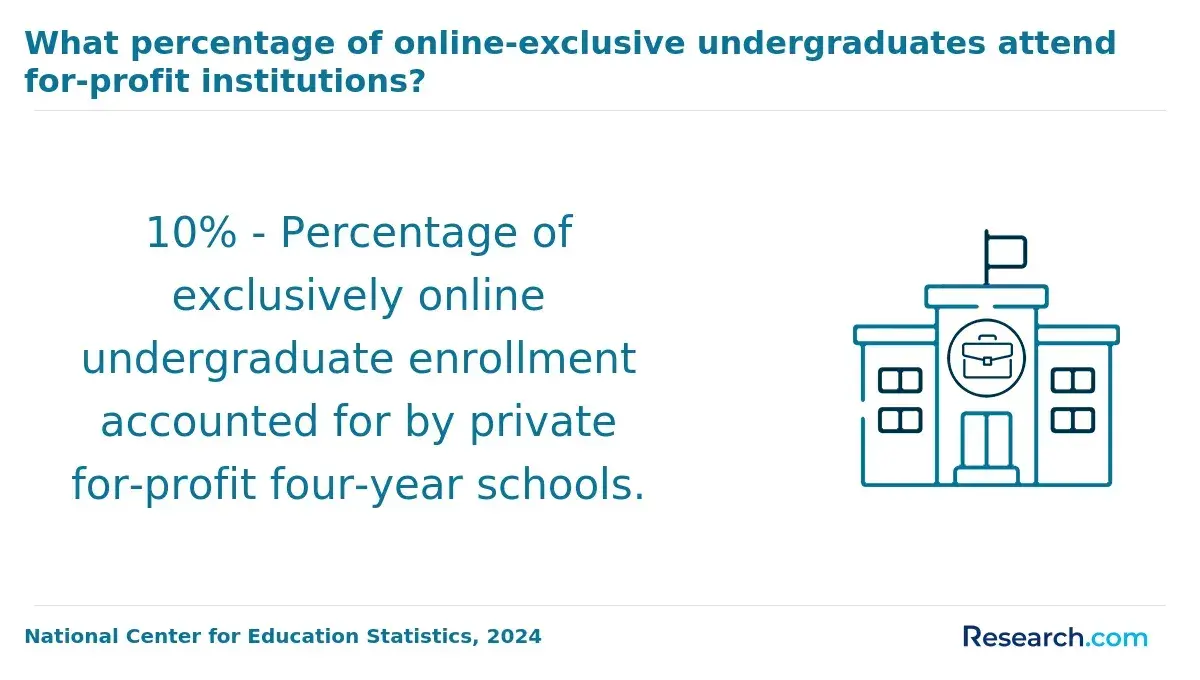
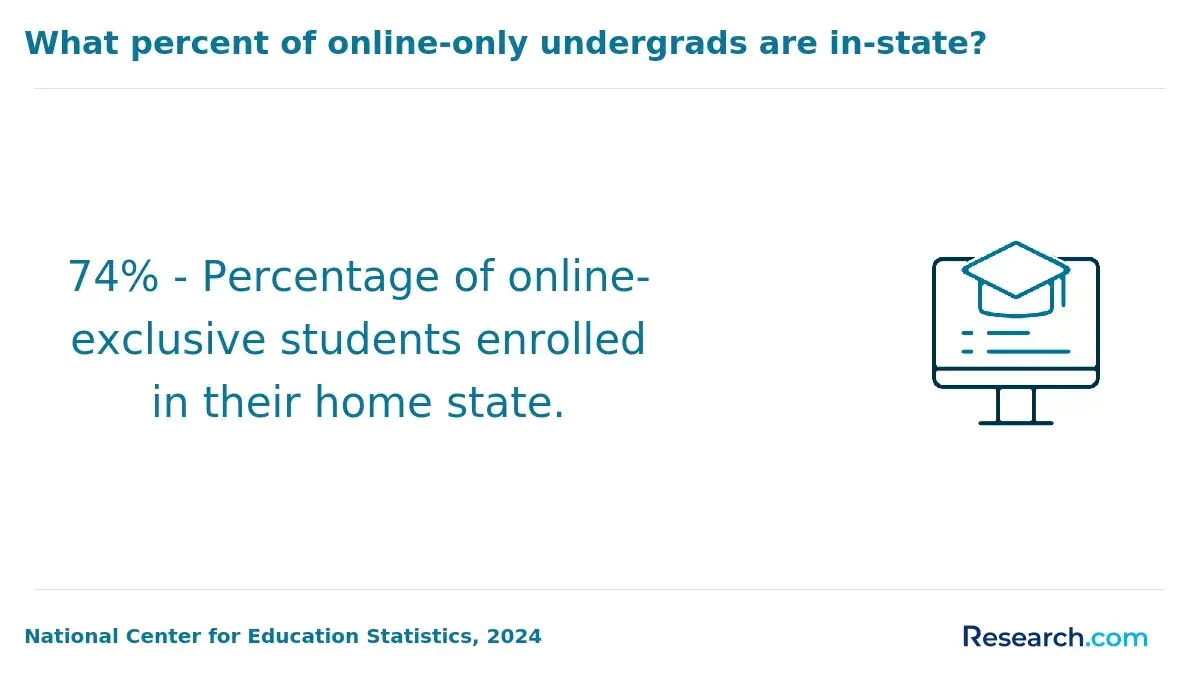
Since mechanical engineering relies heavily on hands-on learning, the limited expansion of online and hybrid programs has restrained broader participation, affecting both supply volume and geographic dispersion of graduates. This uneven growth implies that, although more entry-level engineers enter the market, competition is intensifying in regions lacking strong industry hubs, and specialization areas risk saturation.
As a result, students must carefully assess local labor dynamics rather than relying on national enrollment trends alone.
Employer demand remains steady in sectors like automotive and aerospace, yet hiring increasingly emphasizes practical skills and internship experience, tempering the assumption that more graduates automatically ease workforce shortages. Economic fluctuations and technological shifts like automation also add uncertainty to enrollment projections and future job availability.
Misinterpreting enrollment increases as oversupply could deter promising students, while assuming declines unequivocally mean employer scarcity risks credential inflation and wasted educational investment. Thoughtful evaluation of degree level preferences, demographic shifts toward broader participation, and the constraints of delivery format flexibility is crucial for aligning mechanical engineering education with real-world labor market conditions.
A current mechanical engineering student noted that recent cohort sizes have noticeably increased compared to a few years ago, reflecting expanded recruitment among underrepresented groups and modest outreach success. However, they also observed that elective courses related to emerging specializations are more contested, and some peers hesitate to pursue graduate studies immediately, uncertain whether overall enrollment growth signals better job prospects or stiffer competition.
While online course options were mentioned, these remain limited and rarely substitute for critical lab work, underscoring the ongoing challenges of balancing enrollment growth with program quality and meaningful employment outcomes.
How Many Mechanical Engineering Graduates Enter the Workforce Each Year?
The annual number of mechanical engineering graduates, reported at around 30,000 for the 2023-2024 academic year by sources like the National Center for Education Statistics and IPEDS, does not directly equate to workforce supply.
Differences in timing, geographic mobility, and individual career choices-such as pursuing advanced degrees or shifting toward related STEM or business roles-mean that only about 70 to 80 percent of those graduates enter mechanical engineering or closely related technical fields within a year. This staggered and varied transition challenges simplistic assessments of oversupply or undersupply based solely on degree completions.
Employer demand further complicates the picture, as hiring needs vary widely across regions and industries shaped by economic cycles and emerging technologies like renewable energy and automation. Many programs graduate capable engineers, but gaps in practical skills, especially in CAD and manufacturing processes, affect employability and perceived market balance.
Thus, while the number of graduates roughly aligns with replacement and growth job openings, those entering the market must navigate intense competition, skill expectations, and imperfect geographic matching to secure positions relevant to their training.
Ultimately, interpreting mechanical engineering labor market dynamics requires more nuanced metrics than raw graduate counts. Understanding the flow of graduates into precise roles, the timing of labor market entry, and alignment with specific employer needs is crucial for policymakers, educators, and students making informed decisions.
Misreading raw supply figures risks underestimating the complexity of talent deployment and the ongoing need for adaptable skill development within evolving industrial contexts.
Does Job Growth Support the Rising Supply of Mechanical Engineering Graduates?
The current outlook for mechanical engineering job growth in the US reveals a nuanced imbalance between graduate supply and employer demand. Although employment in mechanical engineering is projected to grow by about 6% over the next decade, this increase is outpaced by rising mechanical engineering degree completions, creating a pool of new graduates that exceeds available entry-level roles.
Many of these openings stem from replacement needs due to retirements or turnover rather than net job creation, which favors candidates with specialized skills, hands-on experience, or willingness to relocate to regional manufacturing and tech hubs.
A recent graduate focusing on general mechanical engineering without internships or niche expertise may face significant competition and potential underemployment, especially in saturated metropolitan areas.
Conversely, those who develop competencies in areas like robotics or mechatronics, or who target regions with persistent local shortages, encounter a more favorable labor market. This dynamic highlights that slower overall job growth does not necessarily translate to poor employment prospects if graduates align their skills with employer demand and regional factors.
Interpreting mechanical engineering job growth without accounting for replacement demand or geographic and specialization differences risks overestimating opportunity volume. Graduates must strategically evaluate program outcomes and market realities, mindful that oversupply pressures can be mitigated through differentiators valued by employers.
For insights on complementary credentials and pathways that can enhance marketability, prospective students may consider reviewing online business degree programs accredited to develop cross-disciplinary skills aligned with workforce expectations.
How Competitive is the Entry-Level Market for Mechanical Engineering Graduates?
The entry-level job market for mechanical engineering graduates in 2024 reflects a nuanced balance between available roles and candidate supply, varying widely by regional economies and specialized sectors. While national projections show steady employment growth near 7% over the coming decade, this does not uniformly translate into accessible entry points for recent graduates.
Many openings are designated for candidates with practical experience, edging out those fresh from academic programs. Graduates without internships or co-op experience face higher barriers despite the overall demand, highlighting an experience-driven filter in hiring decisions. The following factors shape competition intensity across job seekers:
- Applicant Volume: Mechanical engineering postings attract roughly 30 to 50 candidates per entry-level position, reflecting strong competition that tempers straightforward hiring despite growth projections.
- Experience Expectations: Firms increasingly prioritize candidates with internships or relevant hands-on work, which favors graduates who have supplemented coursework with real-world projects or cooperative education.
- Industry and Regional Variability: Certain industries like aerospace or automotive may offer more entry-level roles concentrated in specific locations, creating geographic clusters of opportunity and displacement elsewhere.
- Skill Specialization: Employers often seek proficiency in CAD, project management tools, and multidisciplinary teamwork, meaning graduates with niche skills aligned to market needs have a competitive edge.
- Underemployment Risk: Some graduates initially accept contract or unrelated roles while building experience, revealing a temporary mismatch between graduate supply and fitting job vacancies.
- Remote and Hybrid Roles: Emerging remote-work policies increase candidate pools nationally, intensifying competition but also expanding opportunities for those outside traditional job hubs.
- Employer Screening Rigour: Hiring processes emphasize demonstrable applied skills over academic credentials alone, making it crucial for applicants to evidence practical competence early.
A recent mechanical engineering graduate recounts applying in a major metropolitan area where listings routinely required one to two years of experience, despite being entry-level roles. After multiple interviews and consistent rejections citing experience gaps, the graduate strategically pivoted to smaller regional firms with less saturated applicant pools and emphasized CAD project work completed during their degree.
This approach yielded interviews with fewer competitors and ultimately an offer, illustrating how balancing specialization, location choice, and practical portfolio development can help navigate a competitive and uneven entry market.
Which Industries Have the Greatest Demand for Mechanical Engineering Graduates?
Employer demand for mechanical engineering graduates remains concentrated in industries experiencing robust capital investment and technological advancement. This demand cannot be fully understood by sheer job volume alone; rather, candidates must assess how industry structure, required skill sets, and regional market dynamics influence hiring odds.
For example, an early-career graduate weighing opportunities may find that while manufacturing posts many entry-level roles, stronger advancement and interdisciplinary skill requirements push some candidates toward sectors like renewable energy or biomedical devices. Employers increasingly favor graduates with hands-on simulation experience and cross-domain knowledge, which substantially impacts competition even within high-volume sectors.
The list below identifies leading industries driving the strongest mechanical engineering job demand, reflecting real-world conditions rather than broad generalizations.
- Advanced Manufacturing: This sector capitalizes on automation and additive manufacturing, emphasizing candidates with skills bridging classical mechanical principles and digital technologies. Roles range from design engineers to process optimization specialists, with employers valuing experience in robotics and CNC machinery. Regions with dense automotive or aerospace clusters typically offer the most opportunities.
- Energy Sector: Both traditional oil and gas and expanding renewable energy industries fuel demand for mechanical engineers specializing in system design and maintenance. Entry-level positions often focus on operational support, while advanced roles require expertise in energy transitions and infrastructure modernization. State workforce reports note consistent growth in these roles.
- Biomedical and Electronics Manufacturing: Innovators in medical devices and electronics seek mechanical engineers proficient in materials science and regulatory compliance. Development and testing roles dominate, with a premium on interdisciplinary knowledge across mechanical, electrical, and software engineering to meet safety and efficacy standards.
- Autonomous Vehicles and Smart Machinery: Emerging market segments emphasize integrated skills, combining mechanical design with electrical controls and software. Demand is more specialized, favoring graduates with project management experience and familiarity with control systems, reflecting hiring trends highlighted by LinkedIn Workforce Insights.
- Construction and Heavy Equipment: These traditional sectors show stable or declining demand due to automation and offshore manufacturing. Competition tends to be high relative to openings, favoring candidates who supplement foundational mechanical skills with digital tool proficiency and cross-disciplinary capabilities.
Graduates must navigate a dynamic balance between supply and employer expectations, aligning their skill development with sector-specific requirements. Understanding the nuances behind mechanical engineering job demand by industry sector is essential for realistic career planning. For those considering advanced credentials, exploring accelerated options such as a fastest master's degree may provide a strategic advantage in acquiring relevant skills without delaying workforce entry.
Where are Mechanical Engineering Graduates Most in Demand?
National statistics on mechanical engineering graduate demand often obscure significant regional disparities driven by industry clusters and employer density. States such as Texas and Michigan, with their concentration of energy, automotive, and manufacturing firms, maintain a tighter labor market where local graduates face fewer competitors and faster hiring cycles.
Conversely, areas with robust educational output but limited specialized employers, including some Northeastern and rural regions, can experience oversupply, forcing graduates into longer job searches or relocation decisions. For example, a recent mechanical engineering graduate in Ohio might find more direct entry opportunities within local automotive or aerospace firms than a peer in a high-supply region lacking these industrial anchors.
Choosing a market solely on volume of job postings can mislead when factors like cost of living, remote work viability, and specialization alignment are ignored.
While metropolitan hubs like Seattle provide high employer demand in aerospace and robotics, the accompanying higher living expenses and technical expectations may temper net opportunity for some candidates. Moreover, employers increasingly seek graduates with multidisciplinary skills and digital simulation experience, which may disadvantage those from less industry-connected schools or regions.
Graduates weighing relocation should thus consider not only job availability but the quality of connections to internship pipelines and employer expectations to optimize long-term career prospects.
Which Mechanical Engineering Specializations and Degree Levels Face the Strongest Demand?
Employer demand within mechanical engineering shows pronounced variation based on specialization and degree level, underscoring that hiring needs are concentrated in select high-impact areas rather than evenly spread across all graduates. For instance, a master's graduate focusing on renewable energy systems might find favorable opportunities in sustainability-driven roles, while a bachelor's degree holder in traditional thermal fluids may face stiff competition due to oversupply.
This differentiation reflects employer preferences for candidates who combine advanced credentials with relevant, up-to-date technical skills. LinkedIn Workforce Insights notes a rising emphasis on practical experience with digital tools like CAD and programming for automated systems alongside formal education.
Recent labor market data from the U.S. Bureau of Labor Statistics and Lightcast supports the conclusion that notable demand imbalances persist, often tied to innovation sectors or niche expertise areas. The overall applicant pool in mechanical engineering continues to grow, but graduate supply outpaces hiring in more common subfields, increasing competition for entry-level roles.
Key specialization and degree-level combinations with the strongest employer demand include:
- Robotics Graduate Roles: Employers seek master's and PhD graduates proficient in automation systems and control theory for R&D and manufacturing innovation in industries adopting Industry 4.0 technologies.
- Renewable Energy Systems Master's: Growing investments in clean energy drive demand for graduates with expertise in sustainable design and energy conversion technologies supporting environmental initiatives.
- Advanced Manufacturing PhDs: Specialized knowledge in materials science and software integration is prized for leadership in process optimization and smart factory implementations.
- Aerospace Mechanical Engineering: Both bachelor's and graduate levels in aerospace-related disciplines hold stronger prospects, fueled by defense and commercial aircraft sectors with tight supply of specialized skills.
- Mechatronics Graduate Degrees: Employers value interdisciplinary skills blending mechanical engineering with electronics and programming, meeting needs in robotics, automotive, and automation industries.
- Bachelor's in Thermal Fluids: Despite stable demand for bachelor's holders in testing and maintenance, this specialization faces oversupply challenges, leading to elevated competition and often lower wage growth.
Are Employer Skill Gaps Affecting Demand for Mechanical Engineering Graduates?
The current landscape for mechanical engineering graduates reveals a deficit of applicants with specific technical and professional competencies sought by employers, rather than a pure shortage of candidates. Despite an increase in mechanical engineering degree holders, job openings often remain unfilled due to a lack of hands-on experience with simulation software, automation technologies, and practical design applications.
For instance, a mid-sized manufacturing firm may receive numerous applications but still struggle to fill roles requiring advanced skills in data analytics integrated with mechanical design, leading to hiring delays or compromised project timelines. This dynamic creates regional skill shortages in mechanical engineering workforce segments where specialized expertise is critical.
As a result, it is vital for candidates to match their training to these niche demands rather than relying solely on degree attainment.
The mismatch between graduate supply and employer expectations often distorts perceptions of oversupply or undersupply in the labor market. Employers weigh applied experience, certifications, communication skills, and familiarity with relevant industry standards heavily in recruitment, which can leave entry-level and mid-level positions vacant despite abundant general degree holders.
These skill mismatches intensify competition across industries and regions, especially in hybrid roles emphasizing programming and systems thinking alongside core mechanical engineering knowledge. Prospective students and current degree holders should consider targeted internships, cooperative education, and specialized projects that strengthen these competencies to better align with employer demand and improve early-career outcomes.
For individuals exploring alternative educational pathways, it is important to assess program outcomes realistically as well as the potential hiring implications of credentials from institutions with varying selectivity or admission criteria. Resources that aggregate information about low GPA colleges can provide context on options for students needing flexible entry points, although the critical factor remains the development of relevant technical skills and professional adaptability.
Strategic decisions regarding program selection and skill acquisition must reflect these nuanced labor-market realities to navigate the interplay between mechanical engineering graduate skill gaps impacting employer demand and long-term workforce integration.
What is the Future Supply-and-Demand Outlook for Mechanical Engineering Graduates?
Graduates seeking mechanical engineering roles improve outcomes by focusing their job search rather than submitting high-volume, unfocused applications. Identifying specific entry-level job titles and targeting industries and regions with stronger demand-such as advanced manufacturing hubs or renewable energy sectors-helps applicants align their qualifications with employer needs.
For example, a recent graduate in the Midwest might prioritize aerospace or green tech companies that report skill shortages, tailoring their resume and project experience to emphasize sustainable design and automation competencies. This targeted approach reduces wasted effort and increases interview conversion rates, unlike broad applications that often lead to low response rates and missed opportunities.
Evidence from the mechanical engineering graduate job market forecast United States highlights that strategic timing and understanding localized demand patterns are crucial. Staying informed about regional market fluctuations and embedding relevant interdisciplinary skills into both resumes and practical projects signal readiness to employers.
Research-driven job market insights support allocating effort where qualifications closely match role requirements rather than scattering applications indiscriminately. Graduates who leverage detailed employer language and network selectively within stronger markets enhance their chances of standing out amid competition.
Those evaluating program choices should factor in supply-demand alignment, guided by projected demand for mechanical engineering degrees by region. Programs emphasizing interdisciplinary skills can increase employability in evolving industries.
Additionally, prospective students might consider programs known as a veteran-friendly online electrical engineering degree to explore cross-disciplinary opportunities, especially if transitioning from military to civilian roles. Ultimately, an informed, focused strategy that responds to real job market data offers sharper competitive advantage than generic application tactics.
References
- Five Careers to Pursue with a Mechanical Engineering Degree | Vaughn College https://www.vaughn.edu/blog/top-five-careers-you-can-pursue-with-a-mechanical-engineering-degree/
- Shortage of engineering graduates leads to unfilled jobs across America - The Citadel Today https://today.citadel.edu/shortage-of-engineering-graduates-leads-to-unfilled-jobs-across-america/
- The Future of Mechanical Engineering Jobs in the UK https://www.pin-point.co.uk/post/the-future-of-mechanical-engineering-jobs-in-the-uk
- Some Engineering Jobs Will See Double-Digit Growth Over Next 7 Years https://www.blackdiamondnet.com/blog/some-engineering-jobs-will-see-double-digit-growth-over-next-7-years/
- Top Jobs for a Mechanical Engineer in 2026 https://www.stonebridge.uk.com/blog/engineering/jobs-for-a-mechanical-engineer-or/
- The 2024 RS engineering talent shortage report - RS Expert Advice https://us.rs-online.com/expert/engineeringtalentshortage/
- Analysis of the Skills Gap between Engineering Graduates ... https://journalweb.org/ojs/index.php/Al-Kautsar/article/download/858/261/2903
- Is There an Engineering Shortage in the United States? - Re:Build Optimation https://optimation.rebuildmanufacturing.com/blogs/is-there-an-engineering-shortage-in-the-united-states/
- Is Mechanical Engineering Out of Fuel? Exploring Enrollment Trends https://immersivtech.com/is-mechanical-engineering-enrollment-trends/
- 10 best countries for mechanical engineers – Highest paying countries https://www.instarem.com/blog/best-countries-for-mechanical-engineers/
Other Things You Should Know About Mechanical Engineering
Not all mechanical engineering programs offer the same balance between academic rigor and practical skills development. Students should prioritize programs that integrate hands-on experiences, internships, and projects aligned with employer needs over those relying heavily on theoretical coursework alone.
A rigorous program lacking real-world relevance may reduce employability despite strong grades, whereas a well-rounded curriculum can better position graduates for competitive roles with a smoother transition into industry.
Finishing a mechanical engineering degree in the shortest time may reduce educational costs but can limit opportunities for internships or cooperative education that employers highly value.
Conversely, taking longer with paid or unpaid industry placements enhances practical skills and professional networks but may increase debt or delay full-time employment. Prospective students should weigh the value of immediate graduation against the longer-term benefits of applied experience in shaping career opportunities.
Mechanical engineering employers increasingly emphasize teamwork, communication, and project management alongside technical ability. Graduates who focus solely on technical outcomes may face challenges in multidisciplinary environments or leadership roles. Students and programs should integrate soft skills development early to align with these expectations, as neglecting this balance often limits advancement and narrows career pathways despite technical proficiency.
Students should consider further certifications or specialized training when aiming for niche fields like robotics or aerospace where employer demand exceeds general mechanical engineering supply. However, these additional credentials demand extra time and effort, which may not be worthwhile for candidates targeting broader, flexible roles or companies valuing generalist skills. Strategic upskilling should be matched to clear career goals and labor market signals rather than perceived prestige.