2027 Public Policy Degree Program Availability Report: Which States and Schools Offer the Most Options

Co-Founder and Chief Data Scientist
The concentration of public policy degree programs across states reflects distinct regional commitments to governance and societal challenges. States with diverse program offerings often align with labor markets exhibiting strong demand for policy analysts and administrators, as highlighted by the Bureau of Labor Statistics' 2024 reports on government and nonprofit employment growth. Additionally, program availability correlates with varying institutional investment priorities, where public universities and research centers allocate resources to address localized policy concerns. These patterns influence educational access and signal the practical scope of public policy training in preparing graduates for evolving workforce needs. This report analyzes which states and schools offer the most extensive array of public policy degrees and what that implies about educational and professional landscapes.
Key Benefits of States and Schools That Offer the Most Public Policy Degree Program Options
- Programs with extensive course options often require longer completion times, reflecting a tradeoff between specialization breadth and accelerated graduation which impacts student financial planning and opportunity costs.
- Employers increasingly prioritize candidates from diverse public policy curricula, as graduates demonstrate adaptability to varied policy sectors, signaling a shift toward interdisciplinary analytical skills in hiring practices.
- States offering numerous public policy programs correlate with higher accessibility for underserved populations, addressing geographic and socioeconomic barriers, which affects enrollment diversity and long-term workforce composition.
- Key Benefits of States and Schools That Offer the Most Public Policy Degree Program Options Key Benefits
- Which States Offer the Most Public Policy Degree Programs? Top States
- Why Do Some States Have More Public Policy Programs Than Others? Program Availability
- Which Colleges Offer the Largest Number of Public Policy Degree Options? Top Schools
- How Do Online Programs Improve Access in States With Limited Options? Online Program Access
- How Much Does Public Policy Program Tuition Vary by State? Tuition Across States
- How Does Public Policy Program Demand Affect Admissions Decisions? Program Demand
- How Do Public Policy Specialization Options Vary by Region? Specialization Options
- How Does Regional Employer Demand Affect Career Outcomes? Employer Demand
- What Factors Matter Most When Comparing Public Policy Programs Across States? Key Comparison Factors
- Which Regions May See the Fastest Growth in Public Policy Education? Fastest Growing Region
Which States Offer the Most Public Policy Degree Programs?
The distribution of public policy degree programs in the U.S. is heavily influenced by regional demographics, institutional infrastructure, and local economic demands. States with large, complex economies and established research universities tend to offer the widest array of options, reflecting their capacity to support diverse specializations and advanced policy research. Access to varied academic tracks, practical policy training, and connections to government or industry networks is generally greater in states with multiple prominent educational institutions. This geographic clustering impacts both the depth and scope of available programs, shaping student choices and workforce readiness.
- California: California's extensive network of public and private universities, notably the University of California system, drives the state's leading role in public policy education. Multiple campuses provide specialized concentrations spanning environmental policy, urban planning, and social justice, aligning with California's diverse population and complex policy landscape. This variety affords students flexibility to tailor their studies and access numerous internship and employment pathways in government and nonprofit sectors.
- New York: New York's dense urban environment and prestigious institutions such as Columbia University and New York University contribute to its large selection of public policy programs. The state's concentration of financial, international, and urban policy challenges encourages curricula with strong research components and practical skills development, offering students sophisticated preparation for careers in metropolitan and global governance.
- Texas: Texas has rapidly expanded public policy offerings in response to robust population growth and regional economic needs, particularly in energy, immigration, and education policy. The University of Texas at Austin and other campuses emphasize applied policy education that responds directly to state and regional labor market demands, preparing graduates for roles influencing governance and economic development across the Southwest.
Other states like Massachusetts and Illinois also maintain significant program availability, yet California, New York, and Texas lead by volume and diversity due to their education ecosystems and demand-driven program development. Prospective students looking for the top states with highest public policy degree program availability should weigh the benefits of program density against factors like specialization fit and connection to local policy sectors.
Choosing a state with a larger pool of programs can enhance opportunities for focused study, internships, and career networking, aligning academic credentials with employer expectations. As workforce analyses increasingly prioritize graduates with relevant, hands-on policy experience, understanding where programs cluster geographically informs strategic educational decisions. For context on career outcomes related to degree choice, it is useful to consult data on earnings and job prospects-such as the insights offered about what degrees make the most money-to navigate the complex tradeoffs between program availability and long-term employability.
Why Do Some States Have More Public Policy Programs Than Others?
Variation in public policy degree availability across states largely reflects differences in higher education infrastructure and regional demand for graduates. States with denser populations and more complex economies typically maintain more robust academic ecosystems that support specialized programs like public policy. These states benefit from a critical mass of employer demand, including governmental, nonprofit, and private sector organizations, which creates sustained interest in graduates equipped for policy analysis and civic leadership roles. This regional concentration often amplifies program growth through increased faculty expertise and internship opportunities tied to government agencies and think tanks.
Key drivers of these state differences in public policy degree availability include higher education funding models, institutional research capacities, and the presence of economic clusters focused on governance and public affairs. States that allocate greater resources to public research universities generally enable the development and expansion of public policy programs, as these institutions attract faculty whose research and teaching are deeply integrated with local policy issues. According to National Center for Education Statistics data from 2024, states with top-tier public higher education expenditures per student-such as Massachusetts and Maryland-demonstrate higher program density per capita. Employer demand, particularly in states with large public sectors or extensive nonprofit industries, further incentivizes universities to tailor their offerings toward market-relevant skills, thereby reinforcing regional program formations.
These disparities have concrete implications for student access and workforce development. In states with fewer traditional options, prospective students often turn to online education pathways or related disciplines, a trend reflected in the growing prominence of programs like the cheapest construction management degree online, which similarly leverage remote delivery to overcome geographic constraints. As public policy programs remain strategically embedded in regions with supportive educational, economic, and institutional environments, addressing geographic gaps will require coordinated investment and alignment between state policymakers, higher education leaders, and employers focused on regional labor market needs.
Which Colleges Offer the Largest Number of Public Policy Degree Options?
The breadth of public policy degree options at a college is influenced more by its institutional scale, research capacity, and academic infrastructure than by geographic location alone. Larger, research-focused universities generally offer a wider assortment of program tracks, specializations, and delivery formats-such as certificates, online modules, and interdisciplinary degrees-reflecting their ability to deploy substantial resources. According to 2024 data from recognized higher education analyses, flagship state universities and elite private research institutions disproportionately provide the most diverse public policy offerings due to these structural advantages.
- Large Public Research Universities: These institutions often benefit from significant state funding and extensive research activities that underpin a broad portfolio of public policy programs. Schools within large university systems-like the University of Michigan or multiple University of California campuses-leverage interdisciplinary collaboration across political science, economics, and environmental studies to develop specialized master's and doctoral degrees addressing varied policy sectors.
- Private Research Universities with Dedicated Policy Schools: Elite private institutions including Georgetown University and Harvard University maintain established policy schools that facilitate deep academic specialization and applied research opportunities. Their partnerships with government entities and think tanks help design niche programs that bridge theory with practice, catering to students targeting specific policy disciplines or career paths.
- Institutions with Strong Sector Partnerships: Some public and private universities amplify their public policy offerings through close ties to government agencies, nonprofits, and industry organizations. These collaborations allow for tailored curricular tracks focused on real-world challenges in areas like health administration, urban planning, or international affairs, often enhancing graduate employability through practical experience.
- Universities Offering Multiple Degree Levels and Formats: Colleges that provide an array of bachelor's, master's, doctoral, and certificate programs combined with flexible delivery options (such as online or blended learning) tend to present the widest choices. This model suits the growing demand for policy professionals across diverse sectors and accommodates different learner profiles, from full-time students to working professionals.
Prospective students should note that such institutional characteristics-not simply campus location-drive the availability of multiple public policy degree pathways. This diversity often correlates with enhanced specialization opportunities but may also imply more competitive admission processes and higher tuition expenses. Smaller colleges, meanwhile, may focus on more generalist or regional programs but can still offer practical value for students aligned with specific local or sectoral goals.
How Do Online Programs Improve Access in States With Limited Options?
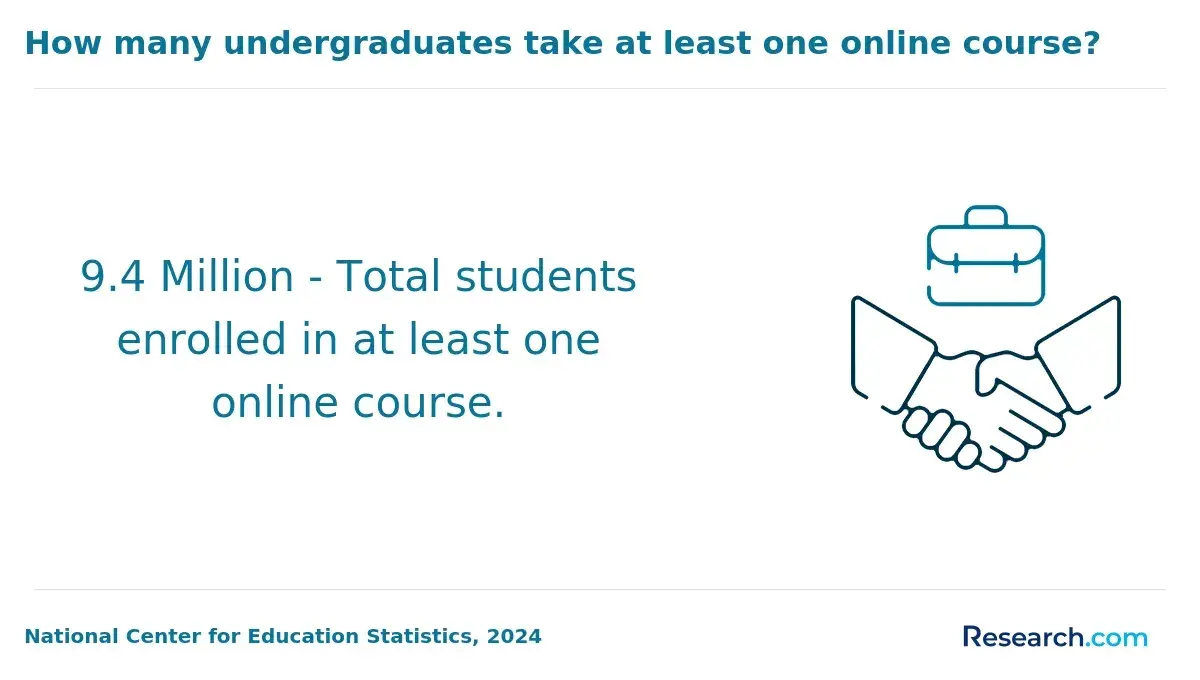
Online public policy programs expand educational access in states where physical degree offerings are scarce or nonexistent by removing geographic and infrastructural limits. Many regions, particularly rural or underserved states, have fewer than three traditional programs, restricting local students' options for advanced study without costly relocation or long commutes. The 2024 National Center for Education Statistics report indicates an 18% rise in fully online public policy enrollment since 2022, underscoring a shift toward virtual formats as a practical alternative. This mode permits students to engage with accredited curricula remotely, effectively bridging gaps created by uneven state-by-state academic infrastructure.
The expansion enabled by online delivery hinges on several operational factors: asynchronous learning models provide flexibility for diverse schedules, cross-state enrollment removes dependency on local institutions, and digital scalability allows universities to broaden their recruitment beyond immediate geographic catchments. These dynamics facilitate institutional strategies that increase program reach and diversity while alleviating constraints faced by students balancing work, family, or mobility challenges. Data from the Education Data Initiative highlight a notable 25% enrollment uptick in states with limited on-campus programs attributable to online availability, demonstrating that virtual access can substantially redistribute educational opportunities by decoupling students from physical location requirements.
By reshaping regional enrollment patterns, online public policy programs also affect workforce development and institutional competition at a broader level. States with previously limited academic options gain connections to national faculty expertise, enhancing education quality and relevance to emergent labor market needs. This expanded access promotes greater socioeconomic equity by allowing underrepresented groups to engage in graduate study without relocation barriers. Simultaneously, universities face intensified competition to attract students across borders, encouraging innovation in program design and delivery that can benefit the sector overall.
One graduate recalled her admission journey as emblematic of the access challenges in limited-option states. Faced with slow responses from local programs and uncertainty amid rolling online admissions, she hesitated before committing to an out-of-state online public policy program. The flexibility of remote learning was critical, but timing remained a strategic factor-she described the stress of juggling application requirements with work deadlines and the relief upon final acceptance, underscoring how online formats expand access but do not fully eliminate complexities inherent in admission navigation and timing.
How Much Does Public Policy Program Tuition Vary by State?
Tuition for public policy degree programs varies widely by state due to fundamental differences in public funding, institutional types, and residency-based pricing models that shape educational access. Public universities rely heavily on state budget allocations that fluctuate with local economic conditions and policy priorities, creating uneven tuition structures across regions. In-state students typically benefit from subsidized rates whereas out-of-state enrollees face premiums that reflect the degree to which their education is cross-subsidized. This interplay underscores that state-by-state costs for public policy degrees are less about arbitrary pricing and more about underlying funding frameworks and institutional makeup.
Current tuition ranges illustrate these structural disparities: at well-funded state universities in California, Texas, and Florida, annual in-state tuition for public policy master's programs generally falls between $10,000 and $20,000, according to data from the National Center for Education Statistics and state university system publications. Out-of-state students in these states often pay two to three times as much, reflecting the lack of state tax support for nonresidents. Private institutions, operating without public subsidies, charge considerably more, frequently exceeding $30,000 annually regardless of residency. These cost patterns highlight the significant funding and pricing variances students must navigate when comparing public policy program tuition differences by state and institution type.
Such tuition variation carries practical implications for affordability and student mobility, influencing decisions about where to enroll and which programs offer viable return on investment. Limited public policy program availability in some states can concentrate costs and reduce choice, affecting access especially for residents without financial flexibility. Prospective students must weigh how geographic funding disparities and tuition structures impact not only upfront costs but longer-term career outcomes, including the quality of internships and network connections. For comparative insights into optimizing educational investment with minimal testing obstacles, exploring top online MBA programs can also provide contextual understanding of professional education cost and access models.
How Does Public Policy Program Demand Affect Admissions Decisions?
Rising demand for public policy programs often forces institutions to tighten admissions criteria, transforming previously accessible entry points into more competitive gateways. Higher application volumes compel schools to refine their selection strategies, prioritizing quantitative academic excellence and relevant experience to manage not only capacity but also applicant quality. This heightened selectivity typically emerges in areas with dense clusters of public policy programs, where enrollment targets clash with resource limitations, pushing programs to adopt stricter GPA thresholds or emphasize specialized backgrounds aligned with current policy challenges.
The interplay between program capacity and applicant demand hinges on tangible limitations such as faculty availability, classroom size, and accreditation standards, all of which constrain the number of students a program can admit without compromising educational quality. Additionally, institutions are increasingly calibrating admissions in response to evolving labor market needs, seeking candidates whose skills in analysis, community engagement, and leadership reflect employer priorities. This creates an admissions landscape where acceptance rates become a function of both institutional logistical realities and the anticipated employability of graduates, embedding workforce considerations into the evaluation process.
For prospective students, this demand-driven selectivity reshapes application timing and preparation strategies, often necessitating earlier submission and more targeted professional experiences. Moreover, as programs tighten access, the reputational hierarchy among schools intensifies, affecting long-term accessibility for applicants outside major metropolitan or established policy hubs. Thus, demand fluctuations ripple beyond admissions metrics to influence career trajectory management and geographic considerations in program choice.
A recent Public Policy graduate recalled navigating admissions amid rising competition: "I delayed applying until I bolstered my internship credentials, but the program's rolling admissions meant spots were quickly filled. Waiting longer to strengthen my profile almost backfired, adding pressure as acceptance decisions came in waves. It was a lesson in balancing readiness with timing-knowing when to submit was as crucial as what I presented."
How Do Public Policy Specialization Options Vary by Region?
Specialization options within public policy programs closely mirror regional economic priorities and the concentration of key industries. Coastal hubs in the Northeast and West often present a diverse array of tracks emphasizing environmental policy, urban development, and technology regulation, reflecting their dense networks of federal agencies, research institutions, and nonprofits. In contrast, regions like the Midwest and South tailor their offerings to dominant local sectors such as agriculture, healthcare, and education reform, aligning curricula with specific workforce needs and policy challenges prevalent in those areas.
Several forces shape these regional disparities, including the research focus of universities, partnerships with local employers, and state-level policy demands. Programs in the Northeast and West benefit from broader institutional linkages and funding streams that support multi-specialization tracks, a factor reflected in data from the 2024 National Center for Education Statistics showing that approximately 65% of programs in these regions offer three or more specialization options compared to just 40% in the South and Midwest. Meanwhile, institutions situated in agriculturally or industrially focused states prioritize practical skills relevant to local economies, creating tighter integration between program content and regional labor market expectations.
These variations carry significant implications for students and workforce outcomes. Graduates from regions with broader specialization choices may have greater flexibility for roles with national or international scope but could face less concentrated expertise in niche policy areas. Those studying in regions with fewer, highly targeted options might gain deeper, locally relevant insights and stronger community ties, which are crucial for state-level policy positions. Understanding these distinctions is essential for prospective students aiming to align their education pathways to both their career ambitions and the structural realities of local public policy labor markets.
How Does Regional Employer Demand Affect Career Outcomes?
Regional employer demand significantly shapes job availability and early career prospects for public policy graduates by concentrating opportunities in areas dense with government agencies, nonprofits, and consulting firms. Urban centers like Washington, D.C., New York, and California's Bay Area offer more diverse public policy career opportunities in regional markets, with access to internships and specialized roles that smaller or less institutionalized regions often lack. This clustering not only enhances employment rates but also broadens the scope of policy sectors graduates can enter, directly impacting their initial job placements and the variety of roles available within their first years after graduation.
The mechanisms underpinning these disparities include industry concentration, local government spending, and partnerships between employers and academic institutions that foster pipelines for talent. Wage competition in metropolitan hubs drives salaries above the national median by 20-30%, as reported by the U.S. Bureau of Labor Statistics, reflecting labor market dynamics where specialized hiring ecosystems attract and retain skilled professionals. Regions with fewer specialized employers often exhibit slower wage growth and limited advancement, underscoring how employer demand aligns with academic program availability and specific state-level labor market conditions for public policy graduates.
These regional patterns force many graduates to weigh geographic mobility against career progression, particularly as remote work expands but does not fully offset localized industry clusters and in-person networking benefits. Understanding employer demand for public policy graduates in specific states is crucial for aligning educational choices with realistic employment landscapes and long-term trajectories. For those exploring alternative career paths informed by labor market insights, resources on high-paying jobs with environmental science degree illustrate how demand-driven specialization influences both earning potential and professional development opportunities across related fields.
What Factors Matter Most When Comparing Public Policy Programs Across States?
Comparing public policy degree programs across states demands a nuanced approach that goes beyond mere program availability. State-level differences in tuition, specialization options, and employer demand substantially influence the overall value and accessibility of these programs. Recognizing how regional educational infrastructure aligns with workforce needs leads to more informed decisions about where to pursue a degree. Additionally, variations in post-graduate outcomes reflect how well programs serve specific career trajectories.
- Program specialization diversity: States with a higher number of public policy programs-such as California, New York, and Texas-often provide greater specialization variety. This breadth supports tailored academic pathways aligned with niche sectors like environmental or urban policy, which can be critical for students targeting specific employer demands or regional policy challenges.
- Faculty expertise and experiential learning opportunities: Programs that employ faculty with deep governmental or research backgrounds and integrate internships or practicum placements offer a bridge between theory and real-world application. According to the 2024 Graduate Outcomes Survey, students who complete internships see a 30% increase in employment rates within six months, emphasizing experiential learning's role in career readiness.
- Regional policy relevance and alumni networks: Local political climates and the strength of alumni communities shape how curricula reflect current policy issues and support job placement. States with concentrated government or nonprofit sectors typically yield more robust mentorship and networking advantages, directly impacting career progression.
- Cost of attendance and funding availability: Variations in tuition and financial support at the state level significantly affect overall affordability. Evaluating public policy degree tuition differences by state is essential for assessing return on investment, especially when balancing educational costs against expected employment sectors.
- Alignment with employer demand and career outcomes: Programs embedded in states with active policy-making hubs or strong nonprofit presence generally provide clearer pathways to employment. Understanding these local labor market dynamics can help students prioritize programs that bolster practical skills valued by regional employers.
Considering these factors collectively will help prospective students identify programs that offer meaningful specialization options, practical engagement, and competitive employment prospects. For those interested in related fields or interdisciplinary study, reviewing options such as the best online associate degree programs in criminal justice may provide additional career versatility.
Which Regions May See the Fastest Growth in Public Policy Education?
Growth in public policy education tends to concentrate in regions where employer demand, demographic shifts, and higher education investment converge. This alignment reflects broader economic and workforce development patterns, with educational expansion responding to tangible regional needs. Programs expand where labor markets show sustained growth in public administration and policy analysis roles, supported by universities adapting to evolving policy challenges and student demand.
- Southeast: Rapid population growth combined with expanding government and healthcare sectors in this region drives significant demand for policy expertise. State university systems are actively scaling programs to meet local governance complexities like urban planning and environmental regulation. This growth fosters diverse specialization options and internship pipelines aligned with regional public institutions.
- West: The Western region's economic dynamism, especially in states with large metropolitan areas, propels workforce needs in public policy fields addressing technology regulation, climate policy, and social services. Universities here increase interdisciplinary offerings, responding to rapidly evolving policy landscapes. Employer demand and institutional capacity investments suggest continued program expansion.
- Midwest: Moderate but steady industrial transformation and local government modernization fuel continued interest in public policy education. While growth is less pronounced than coastal regions, Midwestern institutions emphasize applied policy skills relevant to manufacturing, infrastructure, and health administration sectors, supporting stable labor market opportunities.
- Southwest: Demographic changes and economic diversification, including increasing federal and state policy engagement around border management and urban growth, present notable but regionally specialized program development. Institutional capacity is growing but varies significantly, influencing program availability and focus areas.
References:
- Regional Education Policy https://www.eurasian-research.org/publication/regional-education-policy/
- Which policy master’s programs should you apply to? (Part 2) - Emerging Technology Policy Careers https://emergingtechpolicy.org/pathways/graduate-school/policy-masters/2-where-to-apply/
- What Are the Benefits of a Public Policy Degree? https://www.ivywise.com/ivywise-knowledgebase/what-are-the-benefits-of-a-public-policy-degree/
- How much do in-state students pay in tuition and fees to attend four-year public universities? - APLU https://www.aplu.org/our-work/4-policy-and-advocacy/publicuvalues/college-costs/
- The Influence of Economic Policies on Job Creation https://measuredability.com/influence-of-economic-policies/
- Study Public Policy in the USA | Study in the USA https://www.studyusa.com/en/field-of-study/460/public-policy
- Specializations (MAPP and MPA) https://dpp.ceu.edu/specializations-mapp-and-mpa
- A guide to the top public policy issues in the United States right now https://www.change.org/petition-guides/top-public-policy-issues-guide
- Can online education better support government aims now than when it was a policy focus? — Neil Mosley Consulting https://www.neilmosley.com/blog/can-online-education-better-support-government-aims-than-when-it-was-a-policy-focus
- The Policy Issues of Online Education - Georgetown Public Policy Review https://gppreview.com/2017/11/15/policy-issues-online-education/
Other Things You Should Know About Public Policy
States and schools offering numerous public policy degrees often provide diverse formats-full-time, part-time, evening, and accelerated tracks. While this variety can enhance flexibility for working professionals or career changers, it may also introduce tradeoffs in program intensity and cohort experience. Students should weigh how program pacing aligns with their personal and professional commitments, as accelerated options might reduce time to graduate but increase weekly workload and stress.
Schools with a broad range of public policy options can have significant variation in faculty specialization, impacting the relevance of coursework to specific career goals. Prospective students should prioritize programs where faculty actively engage in applied research or policy areas aligned with their interests, as this affects networking, internship opportunities, and depth of curriculum. This focus often trumps program quantity when aiming for employment in niche policy sectors.
Choosing a program simply because it offers multiple specializations can backfire if the quality or resources for those options are uneven. Institutions with many public policy tracks may spread resources thin, leading to less robust advising, fewer career services, or diluted community cohesion. It's often better to prioritize programs with a focused, well-supported set of offerings rather than the largest catalog without corresponding institutional strength.