2027 Accredited Online Disability Studies Degree Programs for Working Adults: Flexible, Part-Time, and Self-Paced Options

Co-Founder and Chief Data Scientist
Choosing an accredited online Disability Studies degree while working full time means balancing flexibility, cost, credibility, and career value. The need is significant: the CDC reports that 28.7% of U. S. adults have some type of disability, making inclusive services, policy, advocacy, and accessibility expertise increasingly relevant. This guide is for adults comparing online, part-time, and self-paced options. You'll learn how accreditation works, what formats fit different schedules, how costs and transfer credits affect completion, and how to choose a program aligned with your career goals.
Key Things You Should Know
- Accreditation should be nonnegotiable: choose a regionally accredited institution, confirm federal financial aid eligibility, and remember that Disability Studies itself usually does not have a single required programmatic accreditor.
- Working adults usually do best with asynchronous part-time study; a 6-credit term may require about 12 to 18 study hours per week, while full-time enrollment can be difficult alongside a 40-hour workweek.
- Cost and speed depend heavily on transfer credit: published 2024-25 tuition and fees average $11,610 at public four-year in-state colleges and $43,350 at private nonprofit colleges, while bachelor-completion programs may accept 60 to 90 prior credits when policies allow.
What Is an Accredited Online Disability Studies Degree Program and Why Does Accreditation Matter?
An accredited online Disability Studies degree program examines disability through social, legal, cultural, health, education, policy, and accessibility lenses. Instead of treating disability only as an individual medical condition, these programs often explore barriers in workplaces, schools, transportation, public services, technology, and community life.
Accreditation matters because it is the main quality-control signal for online degrees in the U.S. A regionally accredited institution has been reviewed for academic standards, faculty qualifications, student support, governance, and financial stability. For working adults, accreditation also affects whether credits transfer, whether employers recognize the credential, and whether students can access federal financial aid.
The table below clarifies the accreditation issues that matter most when comparing online Disability Studies programs. This is especially important because some disability-related careers overlap with regulated fields such as counseling, social work, special education, nursing, or rehabilitation services.
| Accreditation or approval issue | What it means | Why working adults should care |
| Institutional accreditation | The college or university is accredited by a recognized accrediting agency. | This is the baseline for financial aid eligibility, credit transfer, employer recognition, and graduate school applications. |
| Programmatic accreditation | A specific program is accredited by a professional body. | Disability Studies programs often do not require this, but related fields such as social work, counseling, education, or nursing may. |
| State authorization | The school is authorized to enroll online students in your state. | This protects distance learners and can affect field placements or complaint processes. |
| Licensure alignment | The curriculum meets requirements for a regulated occupation. | A Disability Studies degree alone may not qualify you for licensed roles; verify requirements before enrolling. |
A common mistake is assuming that "online" and "accredited" mean the same thing. They do not. Before applying, check the school's accreditation page, verify the accreditor through the U.S. Department of Education or CHEA databases, and ask admissions whether the program is intended for licensure, career advancement, graduate preparation, or general interdisciplinary study.
Which Flexible Disability Studies Degree Formats Are Best for Working Adults: Part-Time, Full-Time, or Self-Paced?
The best format depends on how predictable your work schedule is, how quickly you want to finish, and how much structure you need. The National Center for Education Statistics reported in its 2024 Condition of Education that 30% of undergraduates were enrolled exclusively in distance education in fall 2022, which shows that fully online study is now a mainstream option rather than a niche alternative.
The table below compares the most common online formats. Use it to match the program structure to your actual weekly availability, not your ideal schedule.
| Format | Typical structure | Best fit | Main trade-off |
| Part-time asynchronous | Courses have weekly deadlines, but lectures and assignments can often be completed on your own schedule. | Working adults with steady employment and family responsibilities. | Graduation takes longer, but burnout risk is lower. |
| Full-time online | Students usually take 12 or more credits per term, often across multiple courses. | Adults who can reduce work hours or have strong outside support. | Faster completion, but heavier weekly workload. |
| Self-paced or competency-based | Students move through modules at varying speeds within school-defined limits. | Self-directed learners with prior college experience or relevant work knowledge. | Flexibility can become procrastination without strong planning. |
| Synchronous online | Courses require live class meetings at set times. | Students who want discussion, accountability, and real-time interaction. | Less convenient for shift workers or caregivers. |
| Cohort-based online | A group of students starts and progresses together on a fixed schedule. | Learners who value peer support and predictable sequencing. | Less room to accelerate or pause. |
Self-paced study can be attractive, but it is not automatically easier. If you are comparing accredited self-paced online courses, look closely at course expiration dates, instructor access, tuition model, and whether credits apply directly toward a degree.
For many working adults, the safest default is part-time asynchronous enrollment. Full-time study makes sense when you can protect 25 or more study hours per week. Self-paced study works best when you already know how to manage deadlines without frequent reminders.
What Are the Admission Requirements for Accredited Online Disability Studies Degree Programs?
Admission requirements vary by degree level and school type, but most online Disability Studies programs are designed to be accessible to adults with different academic and professional backgrounds. Bachelor's programs may admit first-year students, transfer students, or degree-completion applicants, while master's programs usually require a completed bachelor's degree.
Before applying, review requirements as a checklist rather than assuming every online program is open admission. The most common items include academic records, readiness for online learning, and sometimes evidence of relevant experience.
- High school diploma, GED, or prior college coursework for undergraduate admission.
- Official transcripts from all previously attended colleges, even if credits were not completed successfully.
- Minimum GPA requirement, especially for upper-division or graduate programs.
- Personal statement explaining interest in disability rights, accessibility, advocacy, education, health services, or community inclusion.
- Resume or work history for adult-completion and graduate programs.
- English composition, social science, statistics, or general education prerequisites, depending on the curriculum.
- Technology requirements such as reliable internet access, webcam capability, learning management system access, and assistive technology compatibility when needed.
Some applicants discover that they want a shorter, more clinical pathway before committing to a full degree. For example, adults exploring healthcare support roles may compare medical assistant classes online while also considering whether a Disability Studies degree better fits long-term advocacy, accessibility, or services leadership goals.
A red flag is an admissions process that promises instant enrollment without clearly explaining accreditation, tuition, transfer credit, or academic expectations. Flexible admission can be helpful, but it should not replace transparency.
How Much Does an Online Disability Studies Degree Cost, and What Financial Aid Options Are Available?
The cost of an online Disability Studies degree depends on school type, residency rules, transfer credit, fees, textbooks, technology, and whether you study full time or part time. The College Board's 2024 Trends in College Pricing reported average published 2024-25 tuition and fees of $11,610 for in-state students at public four-year colleges and $43,350 at private nonprofit four-year colleges. Those figures are not online-specific, but they give working adults a realistic benchmark when judging whether an online program is affordable.
When comparing programs, separate tuition from the total cost of attendance. Online students may avoid commuting and campus housing costs, but they may still pay distance learning fees, software fees, graduation fees, background check fees, or field placement expenses.
- $11,610 average published 2024-25 tuition and fees for in-state students at public four-year colleges.
- $30,780 average published 2024-25 tuition and fees for out-of-state students at public four-year colleges.
- $43,350 average published 2024-25 tuition and fees for private nonprofit four-year colleges.
Financial aid can make a major difference, but only if the school and program are eligible. Use the steps below before committing to an enrollment deposit.
- Confirm that the institution is accredited by a recognized accrediting agency.
- File the FAFSA if you plan to use federal grants, loans, or work-study.
- Ask whether online students qualify for the same institutional scholarships as campus students.
- Check employer tuition assistance, union education benefits, military benefits, or vocational rehabilitation support if applicable.
- Request a written tuition estimate that includes fees, books, technology, and expected transfer credits.
- Compare total program cost, not only cost per credit.
A common mistake is choosing the lowest advertised per-credit tuition without checking how many credits you must complete at that school. A program that accepts more transfer credits may cost less overall even if the per-credit rate is higher.
How Long Does It Take to Complete an Online Disability Studies Degree, and Can Transfer Credits Help You Graduate Faster?
Program length depends on degree level, enrollment intensity, course availability, and transfer-credit policies. A traditional bachelor's degree is usually built around about 120 credits, but many working adults enter with prior college credit, an associate degree, military training, professional certifications, or documented workplace learning.
The table below summarizes typical completion patterns. Use it to estimate the schedule impact before you apply, then ask each school for an official degree plan.
| Student starting point | Common online path | Typical time consideration | What to verify |
| No prior college credit | Full bachelor's degree | Often about 4 years full time or longer part time. | Whether general education courses are available online every term. |
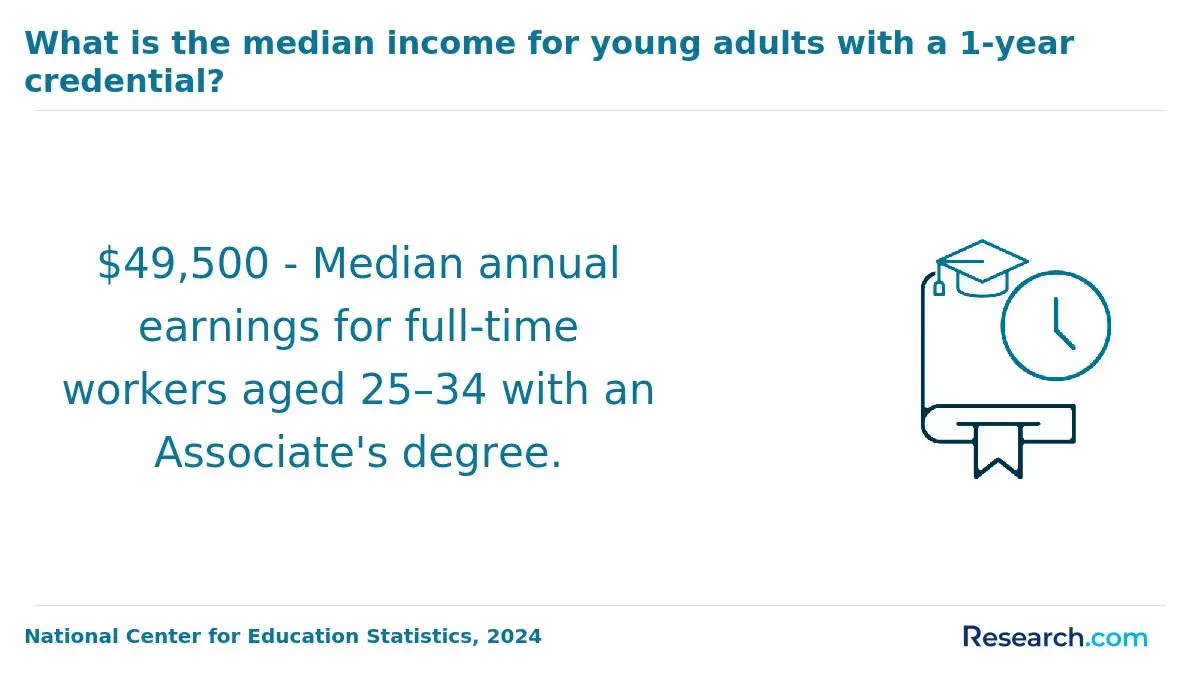
| Associate degree completed | Bachelor-completion program | Often about 2 years full time if most credits transfer. | Whether the school accepts the full associate degree or evaluates course by course. |
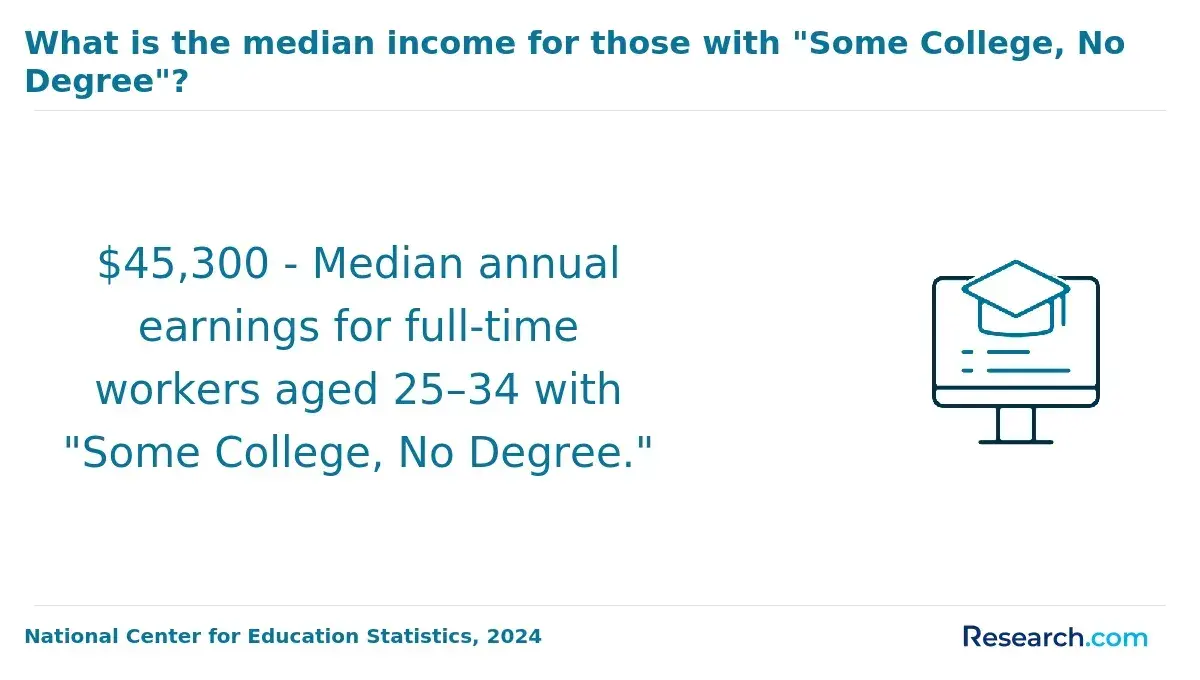
| Some college, no degree | Transfer-friendly bachelor's program | Timeline varies widely based on accepted credits. | Maximum transfer credits, residency requirement, and age limits on prior coursework. |
| Bachelor's degree completed | Graduate certificate or master's program | Usually shorter than a second bachelor's degree. | Whether the credential supports your target role or graduate pathway. |
Transfer credit can shorten time to graduation, but only accepted credits count. Schools may limit how many credits can transfer, require a minimum number of upper-division credits, or reject courses that do not match degree requirements.
Before enrolling, ask for a transcript evaluation in writing. If possible, compare two or three evaluations from accredited schools because the same prior coursework can produce different graduation timelines at different institutions.
What Should You Look for When Comparing Accredited Online Disability Studies Degree Programs?
A strong online Disability Studies program should combine credible accreditation, flexible scheduling, relevant curriculum, transparent cost, and meaningful student support. The right choice is not always the fastest or cheapest program; it is the one that fits your schedule and moves you toward a realistic career goal.
Use the following comparison points to evaluate programs beyond the marketing language. This is especially important because schools may use words like "flexible," "online," and "accelerated" in very different ways.
- Accreditation: verify institutional accreditation and, if relevant, programmatic accreditation for related fields.
- Format: ask whether courses are asynchronous, synchronous, self-paced, cohort-based, or hybrid.
- Weekly workload: request estimates for reading, discussion boards, projects, exams, and group work.
- Transfer policy: compare maximum accepted credits, residency requirements, and prior learning assessment options.
- Curriculum: look for disability rights, accessibility, universal design, ethics, policy, research, independent living, and community inclusion content.
- Faculty background: review whether instructors have academic, advocacy, policy, clinical, education, or community services experience.
- Career alignment: ask what roles alumni pursue and whether the degree prepares for graduate study or immediate advancement.
- Support services: confirm online advising, tutoring, accessibility services, library access, career coaching, and technical support.
- Total cost: compare tuition, fees, materials, fieldwork expenses, and lost income if you reduce work hours.
If your long-term goal involves advanced healthcare leadership rather than disability policy or services coordination, it may also be useful to compare graduate pathways such as an online DNP program to understand how accreditation, clinical requirements, and professional outcomes differ across fields.
Red flags include vague accreditation claims, unclear course schedules, no written transfer estimate, high-pressure enrollment tactics, limited online support, and promises that the degree automatically qualifies you for licensed jobs. When in doubt, ask direct questions and keep written records of the answers.
What Career Opportunities and Salary Potential Can You Expect With a Disability Studies Degree?
A Disability Studies degree can support careers in advocacy, human services, accessibility, education support, nonprofit programs, public policy, independent living services, workforce inclusion, and community-based disability services. It can also strengthen the background of professionals already working in healthcare, social services, education, human resources, or government programs.
Salary potential depends on the role, employer, location, experience, and whether additional credentials are required. BLS May 2024 data placed the median annual wage for social and community service managers at $78,240, which is useful context for students aiming toward program coordination or leadership roles rather than entry-level support work.
The table below shows common career directions and how a Disability Studies degree may fit. It does not imply that the degree alone is sufficient for every role.
| Career direction | Typical responsibilities | How the degree may help | Credential caution |
| Disability services coordinator | Coordinate accommodations, referrals, documentation, and student or client support. | Builds knowledge of accessibility, rights, and inclusive service models. | Higher education roles may prefer experience with ADA or Section 504 processes. |
| Independent living or community services specialist | Support client goals, community access, benefits navigation, and service planning. | Develops person-centered and rights-based perspectives. | Some roles require case management experience or state-specific training. |
| Accessibility or inclusion specialist | Review programs, workplaces, communications, or services for accessibility barriers. | Connects disability theory with practical inclusion strategies. | Technical accessibility roles may require additional training in digital accessibility standards. |
| Nonprofit program coordinator | Manage outreach, grants, volunteers, events, reporting, and community partnerships. | Supports advocacy, policy, communication, and program evaluation skills. | Leadership roles may require supervisory or grant management experience. |
| Graduate school pathway | Prepare for social work, rehabilitation counseling, public health, education, law, or policy study. | Provides interdisciplinary grounding in disability systems and equity. | Licensed fields require separate accredited graduate programs and exams. |
If you want rapid entry into direct clinical support rather than a broader disability policy or advocacy pathway, shorter options such as medical assistant programs accelerated may be worth comparing. The better choice depends on whether your goal is immediate healthcare employment, long-term disability services leadership, graduate study, or workplace accessibility work.
How Can Working Adults Balance a Disability Studies Degree With Full-Time Work and Family Responsibilities?
Balancing online study with full-time work is possible, but it requires a realistic schedule. A common planning guideline is 2 to 3 study hours per credit each week, meaning one 3-credit course may require 6 to 9 hours outside class activities. That estimate varies by course, but it helps adults avoid enrolling in more credits than their schedule can support.
Use the steps below to build a sustainable plan before the term begins. The goal is to protect progress without creating a workload that becomes unmanageable by midterm.
- Calculate your real weekly availability after work, commuting, caregiving, sleep, and recurring appointments.
- Start with one or two courses if you have been out of school for several years.
- Choose asynchronous courses if your work shifts change or family responsibilities are unpredictable.
- Block study time on a calendar the same way you would block work meetings.
- Ask instructors early about major projects, group assignments, and exam windows.
- Use employer tuition assistance only after confirming grade requirements and reimbursement timing.
- Plan one lighter term during predictable high-stress periods at work or home.
The biggest mistake is assuming that online courses are easier because they eliminate commuting. Online study often requires more self-management, written communication, and independent reading. If you are working full time, a slower part-time plan may lead to better persistence than repeatedly withdrawing from overloaded terms.
What Student Support Services and Online Learning Resources Should You Expect From a Disability Studies Degree Program?
Support services matter because flexible online learning can feel isolating without strong advising, technical help, and academic resources. For Disability Studies students, accessibility services are especially important: the school should not only teach inclusion but also demonstrate it in the online learning environment.
Before enrolling, ask whether online students have equal access to the following services. These resources can affect persistence, grades, and your ability to manage school alongside work.
- Dedicated academic advising for part-time and transfer students.
- Career coaching connected to disability services, advocacy, nonprofit, education, healthcare, policy, or accessibility roles.
- Online library access, research databases, citation help, and librarian appointments.
- Writing center and tutoring services available outside standard business hours.
- Technical support during evenings or weekends if courses rely on online exams or live sessions.
- Disability accommodations for online learning, including accessible course materials and assistive technology compatibility.
- Mental health, wellness, or student success coaching for adult learners managing stress.
- Veteran, military, caregiver, and first-generation student support when applicable.
A practical test is to contact advising, accessibility services, and technical support before applying. If it is difficult to get clear answers as a prospective student, support may not improve after enrollment.
Do Online Disability Studies Degree Programs Include Internships, Practicums, or Other Hands-On Learning Requirements?
Some online Disability Studies programs are fully coursework-based, while others include internships, practicums, service-learning projects, capstones, community research, or field-based assignments. Hands-on learning can be valuable because disability services and accessibility work require communication, ethical judgment, systems knowledge, and experience with real communities.
The table below summarizes common experiential components. Ask each school whether these are required, optional, online, local, or tied to specific work hours.
| Hands-on component | What it may involve | Working-adult concern |
| Internship | Placement with a nonprofit, school, government agency, service provider, or advocacy organization. | May require daytime hours that conflict with full-time work. |
| Practicum | Supervised practice tied to specific learning outcomes. | May involve background checks, site approval, or fixed supervision schedules. |
| Service-learning project | Community-based project connected to a course. | Usually shorter than an internship but still may require coordination with external partners. |
| Capstone | Final research, policy, accessibility, or program evaluation project. | Often flexible, but can be writing-intensive near graduation. |
| Workplace-based project | Approved project completed through your current employer or volunteer role. | Can be ideal for working adults if the school allows it. |
If you are considering a licensed mental health route rather than a general Disability Studies pathway, compare fieldwork requirements carefully; programs such as the shortest PMHNP program options have clinical expectations that differ significantly from Disability Studies internships or capstones.
Before enrolling, ask whether you can complete fieldwork near your home, whether evening or weekend placements are allowed, who finds the site, and what happens if your work schedule changes. A flexible online program can still become difficult if the hands-on requirement is not designed for employed students.
Other Things You Should Know About Disability Studies
No. Special education focuses on teaching and services for students with disabilities in school settings, while Disability Studies is broader and examines disability rights, accessibility, policy, culture, identity, employment, community life, and social barriers. Some students use Disability Studies as a foundation for education careers, but teacher licensure has separate requirements.
Yes. Many students are drawn to the field through lived experience, family experience, advocacy, or professional work. Accredited colleges must provide reasonable accommodations for eligible students, but you should contact the accessibility office early to discuss documentation, online course access, exam needs, and assistive technology.
A certificate may be enough if you already have a degree or want focused training in accessibility, advocacy, or disability inclusion. A full degree is usually stronger for career changers, promotion into coordinator roles, or graduate school preparation. The better option depends on your existing education and target job.
Employers are more likely to respect an online degree when it comes from an accredited institution and the curriculum connects clearly to the role. You can strengthen employer confidence by building a portfolio, completing a capstone or internship, gaining relevant experience, and explaining how the program developed practical skills.
References
- Career Outcomes for Graduates https://online.utoledo.edu/programs/disability-studies/career-opportunities.html
- Disability Studies - BA https://www.torontomu.ca/programs/undergraduate/disability-studies/
- What Is Self-Paced Learning? Benefits, Examples and Best Practices https://www.d2l.com/blog/self-paced-learning/
- Flexible Scheduling: Employer Guide to Offering This Family-Friendly Work Perk https://www.investmentsincaringpa.com/blog/flexible-scheduling-employer-guide
- Adapting Work Hours for Modern Workforce Needs • Psychology Town https://psychology.town/industrial-organisational/adapting-work-hours-modern-workforce/
- 8 Types of Flexible Work Arrangements to Support Your Employees https://getbenepass.com/blog/flexible-work-arrangements
- Are vocational programs for adults worthwhile https://www.firststeparkansas.com/are-vocational-programs-for-adults-worthwhile/
- 5N1652 Intellectual Disability Studies - Forus Training | QQI Accredited Courses | Adult Training https://forustraining.ie/course-categories/health-and-social-care/5n1652-intellectual-disability-studies/
- Disability Studies: Is it the Field for You? https://enablingdevices.com/blog/disability-studies-is-it-the-field-for-you/
- Master of Arts in Disability Studies | Iowa Graduate Degree https://loras.edu/academics/disability-studies/