2027 Fastest Accredited Online Disability Studies Degree Programs That Accept Transfer Credits

Co-Founder and Chief Data Scientist
If you already have college credits, the fastest path to an accredited online Disability Studies degree is usually a transfer-friendly bachelor's completion program, not starting over. NCES reported in 2024 that more than half of U. S. college students took at least one distance education course in a recent fall term, showing how normal online degree completion has become. This guide is for transfer students, returning adults, and degree completers who want the shortest legitimate route to graduation. You will learn how to compare programs, verify accreditation, estimate realistic timelines, and avoid transfer-credit mistakes.
Key Things You Should Know
- The fastest realistic route is usually a regionally accredited online bachelor's completion program that accepts up to about 90 transfer credits and requires roughly 30 credits in residence, making 12 to 18 months possible for well-prepared full-time students.
- Transfer-friendly options to compare include online or mostly online Disability Studies bachelor's programs and disability-focused concentrations at institutions such as CUNY School of Professional Studies, University of Toledo, and UMass Lowell, but the fastest program depends on which credits apply to the major, not just the maximum accepted.
- Before enrolling, confirm institutional accreditation, the exact residency requirement, upper-division major requirements, prior learning credit rules, and whether your remaining courses are offered online often enough to avoid graduation delays.
What Are the Fastest Accredited Online Disability Studies Degree Programs That Accept Transfer Credits?
The fastest accredited online Disability Studies degree programs are usually bachelor's completion pathways designed for students who already have general education, elective, or associate-degree credits. A Disability Studies degree examines disability as a social, cultural, legal, policy, and service-access issue rather than treating disability only as a medical condition. Online programs can prepare students for roles in advocacy, human services, accessibility support, community programs, disability policy, education support, and graduate study.
Because fully online stand-alone Disability Studies majors are less common than business, psychology, or health sciences majors, the strongest search strategy is to compare three types of accredited programs: dedicated online Disability Studies bachelor's degrees, interdisciplinary disability-focused degrees, and online liberal studies or human services degrees with a Disability Studies concentration. The table below summarizes examples of transfer-friendly U.S. options to investigate and compare directly with admissions offices.
| Program type | Example accredited online pathway | Why it may be fast for transfer students | Best fit |
| Dedicated Disability Studies bachelor's completion program | CUNY School of Professional Studies, online BA in Disability Studies | Designed for adult and transfer students; CUNY SPS generally requires a minimum number of credits completed through the institution for graduation. | Students with prior college credit who want a clearly named Disability Studies degree. |
| Online Disability Studies major | University of Toledo, BA in Disability Studies | Public university option with online coursework and a transfer pathway; students with strong general education completion may reduce remaining credits. | Students seeking a disability-focused major connected to advocacy, services, policy, or graduate preparation. |
| Liberal arts degree with Disability Studies concentration | UMass Lowell, online BA in Liberal Arts with disability-related concentration options when available | Interdisciplinary structures can accept broad prior coursework, though concentration and upper-level requirements still matter. | Students whose previous credits are varied and do not fit neatly into a single major. |
| Human services or rehabilitation-related online degree with disability emphasis | Regionally accredited human services, rehabilitation, or community services bachelor's programs | Often transfer-friendly and career-aligned, but may not carry the exact "Disability Studies" title. | Students focused on service coordination, nonprofit work, case support, or community programs. |
The fastest option is not automatically the one that advertises the highest transfer limit. A school may accept many credits into the university but apply fewer credits toward the Disability Studies major. For example, old electives may transfer as general credit, but they may not replace required courses in disability policy, accessibility, research methods, ethics, or a capstone.
Use this short screening process before asking for an official evaluation. It helps separate genuinely accelerated pathways from programs that only appear fast on marketing pages.
- Confirm the institution is regionally accredited and authorized to offer online education in your state.
- Ask for the maximum transfer credit allowance and the minimum institutional residency requirement.
- Request a degree audit showing which credits satisfy general education, major, upper-division, elective, and capstone requirements.
- Check whether required major courses are offered every term, once per year, or only in a fixed sequence.
- Compare the remaining credits, not the accepted credits, because remaining credits determine your actual graduation date.
Students comparing disability-focused programs may also want to understand how accelerated online formats work in other applied health and service fields. For example, Research.com's guide to medical assistant programs accelerated shows how short-term credentials differ from full degree-completion pathways.
How Fast Can You Complete an Online Disability Studies Degree With Transfer Credits?
A standard U.S. bachelor's degree usually requires about 120 semester credits. If you transfer in an associate degree or 60 credits, you may still need around 60 credits, which often takes two years full time. If you transfer in 90 applicable credits and the school requires only 30 credits in residence, finishing in about one year may be possible if the remaining courses are available online and you can handle an intensive schedule.
The timeline below is a practical planning estimate, not a guarantee. Your actual pace depends on course availability, major sequencing, financial aid enrollment rules, work hours, and whether your transfer credits apply to the right parts of the degree.
| Applicable transfer credits | Estimated credits remaining | Possible full-time timeline | Important limitation |
| 0 to 30 | 90 to 120 | 3 to 4 years | This is closer to a traditional bachelor's path, even if courses are online. |
| 45 to 60 | 60 to 75 | 18 to 30 months | Fast completion depends on whether general education requirements are already satisfied. |
| 75 to 90 | 30 to 45 | 12 to 18 months | This is often the fastest realistic range for transfer students. |
| 90 or more accepted | Usually at least 30 | About 12 months at an intensive pace | Residency, upper-division, and capstone rules usually prevent immediate graduation. |
Accelerated online courses can shorten the calendar, but they also compress workload. A seven- or eight-week course is not half a course; it is a full course delivered faster. Students working full time should be cautious about taking too many accelerated courses at once, especially in writing-heavy Disability Studies classes involving policy analysis, disability rights law, research, and applied projects.
To build a realistic completion plan, ask the school to map your remaining courses by term. This is especially important if the major requires a practicum, internship, capstone, or senior seminar that is offered only in certain semesters.
- Fastest common path: 90 applicable transfer credits, 30 credits remaining, year-round enrollment, and no missing prerequisites.
- Moderately fast path: 60 applicable transfer credits, 60 credits remaining, two full-time academic years or less with summer enrollment.
- Slower but safer path: part-time study while working, usually two to four years depending on remaining credits.
- Highest-risk path: enrolling before receiving a written degree audit, because accepted credits may not reduce the major requirements as expected.
If you are comparing broader flexible online options, Research.com's guide to accredited self-paced online courses can help you understand how self-paced structures differ from term-based Disability Studies degrees.
How Many Transfer Credits Can You Apply Toward an Online Disability Studies Degree?
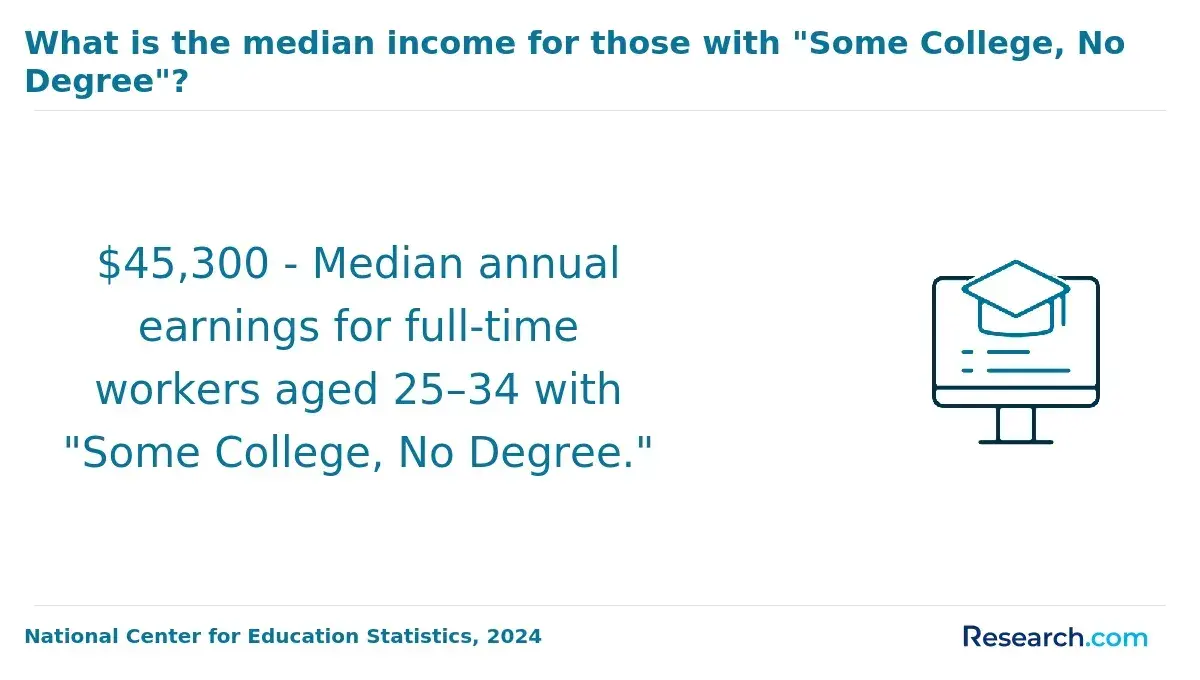
Many bachelor's programs cap transfer credit around 90 semester credits, though the exact limit varies by institution. Some schools also have separate limits for community college credits, upper-division credits, credit by exam, military credit, and prior learning assessment. The number that matters most is not the maximum accepted by the university; it is the number that applies to your specific degree plan.
The table below explains the difference between accepted credits and applied credits. This distinction is one of the most important factors in choosing the fastest accredited online Disability Studies degree program.
| Credit category | What it means | How it affects speed |
| Accepted transfer credit | Credits the university recognizes on your transcript. | Helpful, but may not reduce time to graduation if they count only as excess electives. |
| Applied degree credit | Credits that satisfy general education, major, concentration, elective, or graduation requirements. | Directly reduces the number of courses you still need. |
| Major-equivalent credit | Prior coursework accepted as equivalent to a required Disability Studies course. | Can be very valuable but is often reviewed more carefully by faculty. |
| Upper-division credit | Junior- or senior-level coursework required by many bachelor's programs. | Lower-division transfer credits may not satisfy upper-level major requirements. |
| Excess elective credit | Valid credit that does not fit remaining requirements. | May improve class standing but may not shorten the degree. |
Before choosing a program, send unofficial transcripts and ask for a preliminary review, but do not rely on verbal estimates alone. The safest approach is to obtain a written transfer evaluation or degree audit before committing to enrollment.
Ask these questions when comparing transfer policies. They are especially important if you have credits from multiple colleges, older coursework, military training, or professional certificates.
- What is the maximum number of transfer credits allowed toward the bachelor's degree?
- Is there a separate cap for community college credits?
- How many upper-division credits must be completed at your institution?
- Will my associate degree waive general education requirements as a block?
- Can disability-related work experience be evaluated for prior learning credit?
- Which credits will count toward the Disability Studies major rather than only electives?
How Can You Verify Accreditation for Fast Online Disability Studies Degree Programs?
Accreditation is what separates a legitimate online degree from a risky credential. For Disability Studies, the key accreditation issue is usually institutional accreditation, not a specialized programmatic accreditor. A regionally accredited university is more likely to qualify for federal financial aid, transfer credit recognition, employer acceptance, and graduate-school consideration.
Use a direct verification process instead of relying only on a program webpage. Accreditation status can change, and online program pages may use broad language that does not answer the exact question you need answered.
- Search the institution in the U.S. Department of Education Database of Accredited Postsecondary Institutions and Programs.
- Confirm the accreditor is recognized by the U.S. Department of Education or the Council for Higher Education Accreditation.
- Check whether the online program is offered by the same accredited institution named in the database.
- Verify state authorization if you live outside the school's home state, especially for programs with internships or fieldwork.
- Ask whether the degree title on the transcript matches the program you are evaluating.
- Be cautious if a school avoids clear answers about accreditation, financial aid eligibility, transferability, or institutional ownership.
A fast degree is only useful if it remains credible after graduation. This matters for students who may later apply to graduate programs in social work, counseling, education, rehabilitation, public health, public administration, disability policy, or healthcare leadership. For readers considering advanced clinical or healthcare pathways later, Research.com's guide to an online DNP program illustrates why accreditation and institutional recognition become even more important at the graduate level.
Red flags include vague "nationally recognized" language without a named accreditor, pressure to enroll before a transcript evaluation, claims that all prior experience will automatically become credit, or promises that the degree will meet licensing requirements without reviewing your state rules. Disability Studies is usually not a licensure degree by itself, so be especially careful if a school markets it as a direct route to licensed counseling, teaching, or clinical practice.
Which Types of Transfer Credits Can Count Toward an Online Disability Studies Degree?
Online Disability Studies programs may accept several types of previous learning, but each type is evaluated differently. Traditional college coursework is usually the simplest to transfer, while work experience and certifications often require portfolio review, faculty approval, or standardized credit recommendations.
The table below shows common credit sources and how they may fit into a Disability Studies degree plan. Use it to prepare documents before requesting an evaluation.
| Credit source | Possible use in the degree | What to prepare |
| Community college courses | General education, electives, introductory social science, human services, or psychology requirements. | Official transcripts and course descriptions if equivalency is unclear. |
| Associate degree | May satisfy lower-division general education as a block at some institutions. | Transcript showing degree completion and any articulation agreement details. |
| Previous four-year college credits | Upper-division electives or major-related coursework if closely aligned. | Syllabi for courses in disability, sociology, education, public policy, rehabilitation, or ethics. |
| Military training | Elective credit or applied credit when evaluated through recognized military credit recommendations. | Joint Services Transcript or Community College of the Air Force transcript. |
| Credit by exam | General education or elective requirements, depending on school policy. | Official CLEP, DSST, AP, or IB score reports. |
| Professional certifications | Elective or prior learning credit, if approved. | Credential documentation, training hours, learning outcomes, and renewal status. |
| Portfolio-based prior learning | Credit for college-level learning gained through work, advocacy, caregiving, or community service. | Reflective essays, supervisor verification, work samples, and evidence tied to course outcomes. |
Disability Studies is interdisciplinary, so credits in psychology, sociology, education, public health, human services, communication, ethics, law, policy, social work, and rehabilitation may be useful. However, a course with a related title does not automatically replace a required major course. Faculty may look for matching learning outcomes, academic level, and recency.
If your prior coursework includes allied health or direct service training, ask whether it can count as elective or applied credit. Students with healthcare support backgrounds can also compare how shorter workforce credentials fit into long-term degree goals by reviewing Research.com's guide to medical assistant classes online.
How Do Residency and Major Requirements Affect Transfer Credits for an Online Disability Studies Degree?
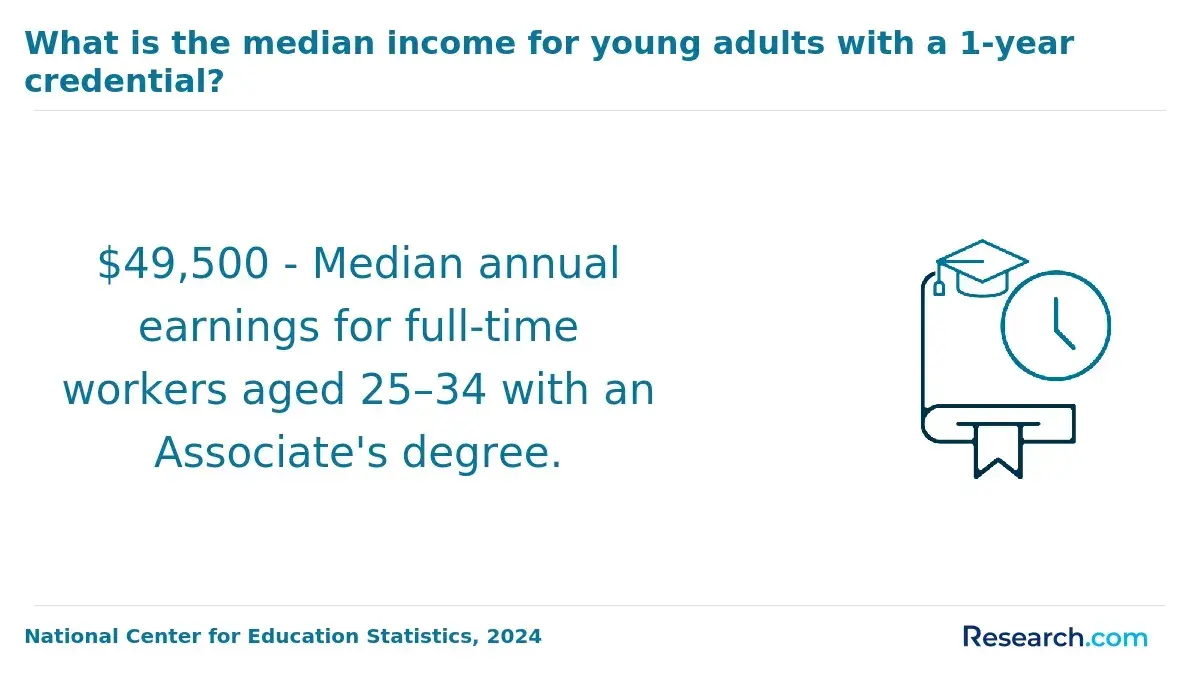
Residency requirements are one of the biggest reasons a student with many transfer credits may still need a year or more to graduate. In this context, "residency" does not usually mean living on campus. It means the minimum number of credits you must complete through the degree-granting institution.
Major requirements also matter because Disability Studies programs often require specific upper-division courses. Even if you transfer 90 credits, you may still need institutional courses in disability history, policy, accessibility, research, ethics, advocacy, independent living, inclusive education, or a capstone project.
The table below shows how common requirements can limit the value of transfer credits. It helps explain why two students with the same number of credits can have very different completion timelines.
| Requirement | Typical impact | Why it matters |
| Institutional residency | Often around 30 credits at many bachelor's-granting institutions. | Creates a minimum amount of coursework you must complete at the school. |
| Major residency | Some programs require a certain number of major credits at the institution. | Prevents students from transferring in the entire major. |
| Upper-division requirement | Bachelor's degrees often require junior- and senior-level credits. | Lower-division community college credits may not satisfy these requirements. |
| Capstone or senior project | Usually must be completed through the institution. | May be offered only in specific terms or after prerequisites. |
| Minimum grade rules | Transfer courses may need a minimum grade, commonly C or higher. | Courses below the threshold may not apply even if they appear on a transcript. |
| Recency rules | Some technical, policy, or professional courses may have age limits. | Older credits may transfer as electives rather than required coursework. |
To avoid surprises, ask for a term-by-term graduation map. A good map should show remaining courses, course sequence, expected start dates, prerequisites, and whether each requirement is available online. If the school cannot show when you can take each required course, the advertised completion timeline may be too optimistic.
Common mistakes include assuming an associate degree automatically means junior standing in the major, ignoring upper-division requirements, and choosing the school with the lowest tuition before checking whether more credits will be lost. The better approach is to compare total remaining cost and time, not sticker tuition alone.
Can Prior Learning, CLEP, Military Training, or Certifications Help You Finish an Online Disability Studies Degree Faster?
Yes, alternative credit can help some students finish faster, but it is most useful when it satisfies remaining requirements. Prior learning credit may be especially relevant for adults with experience in disability advocacy, caregiving, independent living services, education support, healthcare support, nonprofit work, accessibility, or community programs. However, schools vary widely in how they award and apply this credit.
Credit for prior learning is not automatic. Most institutions require evidence that your experience produced college-level learning equivalent to a specific course. This is different from receiving credit simply for years of employment.
Use the following steps to evaluate whether alternative credit will shorten your program. The order matters because you should not pay for exams or portfolio reviews until you know which requirements remain.
- Get a preliminary degree audit based on your official or unofficial transcripts.
- Identify remaining general education, elective, and major requirements.
- Ask which requirements can be met through CLEP, DSST, military credit, certifications, or portfolio assessment.
- Confirm limits on nontraditional credit and whether it counts toward residency.
- Compare the fee and time required for prior learning assessment against simply taking the course online.
- Request written confirmation before registering for an exam or building a portfolio.
CLEP and DSST exams are usually most helpful for general education or elective gaps, not advanced Disability Studies major courses. Military training may help with leadership, communication, health, safety, or elective credits. Certifications may help when they include documented learning outcomes, instructional hours, assessments, and recognized credit recommendations.
Students interested in advanced behavioral health or psychiatric care should remember that alternative credit in a bachelor's program does not replace graduate clinical requirements. If that is your long-term direction, Research.com's guide to the shortest PMHNP program can help you see how specialized post-licensure pathways differ from undergraduate transfer credit.
How Much Does a Fast Online Disability Studies Degree Cost After Transfer Credits and Financial Aid?
The cost of a fast online Disability Studies degree depends on tuition per credit, credits remaining, fees, books, technology costs, prior learning assessment fees, and financial aid eligibility. Transfer credits can reduce cost substantially because you pay only for the credits you still need, but the lowest per-credit tuition is not always the cheapest path if the school accepts fewer applicable credits.
College Board's 2024 Trends in College Pricing reported average published tuition and fees of $11,610 for in-state students at public four-year institutions for 2024-25. That benchmark helps you evaluate whether an online public university pathway is priced reasonably, but your actual bill may be higher or lower depending on online tuition rates, residency classification, and fees.
The table below illustrates why remaining credits matter more than advertised tuition alone. It uses a simple cost structure so you can compare programs with your own tuition quotes.
| Scenario | Credits remaining | Example tuition rate | Estimated tuition before aid | Decision point |
| High transfer fit | 30 | $400 per credit | $12,000 | Often fastest and cheapest if all remaining courses are available online. |
| Moderate transfer fit | 45 | $350 per credit | $15,750 | Lower tuition may not offset extra required credits. |
| Low transfer fit | 60 | $300 per credit | $18,000 | Cheaper per credit can still cost more overall. |
| Part-time pace | Variable | Any rate | Depends on remaining credits | May preserve income but extend fees and time to completion. |
Financial aid can change the net cost, but aid rules may also affect pacing. Federal Pell Grants, loans, and institutional scholarships often require enrollment in an eligible degree program and may be affected by half-time or full-time status. Some employer tuition benefits reimburse only after successful course completion, which can influence how many accelerated courses you take at once.
Before enrolling, compare cost with this sequence. It is more reliable than comparing published tuition pages alone.
- Request a written degree audit showing total credits remaining.
- Multiply remaining credits by tuition per credit and add mandatory online, technology, graduation, and transcript fees.
- Ask whether tuition differs for in-state, out-of-state, online, military, or adult degree-completion students.
- Estimate financial aid only after confirming the program is eligible for federal aid.
- Compare the total remaining cost against the likely time saved by transferring credits.
- Consider opportunity cost, especially if faster completion helps you qualify sooner for promotion, graduate study, or professional advancement.
How Do Accelerated, Competency-Based, and Self-Paced Online Disability Studies Degree Programs Compare?
Accelerated, competency-based, and self-paced programs can all reduce time to graduation, but they work differently. Disability Studies students should focus on learning quality and course availability because the field requires strong writing, ethical reasoning, policy analysis, communication, and applied understanding of accessibility and inclusion.
The table below compares the formats most relevant to transfer students. It can help you decide whether speed, structure, flexibility, or faculty interaction matters most for your situation.
| Format | How it works | Potential speed advantage | Main trade-off |
| Accelerated term-based | Courses run in shorter sessions, often seven or eight weeks. | Students can complete more courses per calendar year. | Workload is compressed and deadlines are frequent. |
| Traditional online semester | Courses follow a standard academic term. | Predictable pacing and broad course availability. | May take longer if courses are not offered year-round. |
| Competency-based | Students progress by demonstrating mastery of defined competencies. | Experienced students may move faster through familiar material. | Not all Disability Studies programs use this model, and transfer alignment can be complex. |
| Self-paced | Students complete coursework within flexible start and end windows. | Highly motivated students may finish individual courses quickly. | Less structure can be difficult for students who need deadlines and instructor interaction. |
| Cohort-based online | Students move through a sequence together. | Clear schedule and strong peer support. | Less flexibility if you miss a required course or need to pause. |
The best format depends on your transfer credits and learning style. An accelerated program is helpful if your remaining courses are available in every session. A competency-based model may be faster if you already know the material and can produce strong evidence of learning. A traditional online program may be better if you need predictable pacing while working or caregiving.
Students should avoid choosing a program based only on the word "accelerated." Instead, evaluate the full path from admission to graduation.
- Choose accelerated term-based study if you can manage weekly deadlines and want a structured calendar.
- Choose self-paced study only if you are highly organized and the courses will satisfy degree requirements at your target institution.
- Choose competency-based study if the program is accredited, aid-eligible, and transparent about how competencies map to credits.
- Choose a traditional online format if you need stability, advising, and regular faculty interaction more than the shortest calendar.
Are Fast Accredited Online Disability Studies Degrees Respected by Employers and Graduate Schools?
A fast accredited online Disability Studies degree can be respected when it comes from a legitimate institution, appears as a standard degree on the transcript, and includes rigorous coursework. Employers and graduate schools typically care more about accreditation, relevant skills, experience, writing ability, internships, recommendations, and degree fit than whether courses were completed online.
Disability Studies can support several career directions, but it is not usually a direct license to practice as a counselor, social worker, nurse, special education teacher, or therapist. Those fields have separate licensure and graduate education rules. The degree is often strongest when paired with experience in advocacy, accessibility, human services, case support, education support, nonprofit programs, policy, or healthcare administration.
BLS data published in 2024 listed the median pay for social and community service managers at $77,030, with projected employment growth of 8% from 2023 to 2033. This does not mean a Disability Studies graduate will automatically enter management, but it shows that community-service leadership remains a relevant labor-market direction for students who combine the degree with experience.
The table below connects disability-focused education to possible career paths. It is not a salary guarantee; it is a way to think about fit, required preparation, and next steps.
| Career direction | Typical responsibilities | Additional preparation that may help |
| Disability services coordinator | Support accommodations, accessibility processes, documentation, and student or client communication. | Knowledge of ADA, Section 504, assistive technology, and case documentation. |
| Advocacy or nonprofit program specialist | Coordinate programs, outreach, community education, and resource navigation. | Grant writing, public speaking, program evaluation, and lived or professional experience. |
| Human services case support | Help clients access services, benefits, referrals, and community supports. | Supervised experience, trauma-informed communication, and knowledge of local systems. |
| Accessibility or inclusion assistant | Support accessible communications, events, workplace practices, or digital access projects. | Training in universal design, digital accessibility, and assistive technology. |
| Graduate-school preparation | Use the bachelor's degree as a foundation for social work, public health, education, policy, or rehabilitation studies. | Prerequisite review, strong GPA, recommendations, and relevant field experience. |
To strengthen employer and graduate-school recognition, choose a program with clear academic standards, substantive major coursework, faculty support, and opportunities to complete applied projects. If you want a regulated profession, confirm the next credential before choosing the undergraduate major. For example, future licensed social workers generally need a CSWE-accredited social work degree, while future teachers must meet state educator preparation requirements.
Avoid schools that market speed as the main value while saying little about curriculum, faculty, advising, outcomes, or accreditation. The better signal is a program that helps you graduate efficiently while still requiring meaningful work in disability rights, accessibility, policy, ethics, research, and inclusive practice.
Other Things You Should Know About Disability Studies
No. Disability Studies is broader and often focuses on disability rights, culture, policy, accessibility, advocacy, and social systems. Special education is a regulated educator-preparation field that may require state-approved teacher training and licensure.
Often yes, especially for general education and elective credit. However, some programs may limit older coursework in technical, policy-related, or professional areas. Ask for a transcript review before assuming older credits will apply to the major.
Some do, especially if the program emphasizes applied human services, advocacy, or community practice. Others use online capstones or research projects. If you need a fully remote path, ask whether any in-person placement is required in your state.
Yes, it can be a useful foundation for graduate study in areas such as social work, public health, rehabilitation, education, policy, counseling-related fields, or public administration. Always check prerequisite courses and accreditation requirements for the specific graduate program you want.
References
- Disability Studies - BA https://www.torontomu.ca/programs/undergraduate/disability-studies/
- Colleges for Students With Learning Disabilities (2026 Guide) | McMillan Education https://www.mcmillaneducation.com/blog/guide-to-colleges-for-students-with-learning-disabilities/
- Disability Studies degrees & courses https://universitycompare.com/courses/degrees/disability-studies
- 2025 Best Online Colleges for Students with Disabilities https://www.onlineu.com/online-schools/students-with-disabilities
- Affordable Universities for International Students & Online Degrees 2026 https://northcypruseducation.com/blog/affordable-universities-for-international-students-a-guide-to-online-degrees/
- Master of Arts in Disability Studies | Iowa Graduate Degree https://loras.edu/academics/disability-studies/
- How to Fund a German Online Degree: Scholarships and Loans https://www.fernstudi.net/en/magazine/funding-online-degree-germany
- Post Secondary Educational Options https://ldaamerica.org/info/post-secondary-educational-options/
- Certificate of Graduate Studies in Disability Fundamentals https://www.assumption.edu/graduate/certificate-of-graduate-studies-in-disability-fundamentals