2027 Accredited Online Disability Studies Degree Programs That Accept the Most Transfer Credits

Co-Founder and Chief Data Scientist
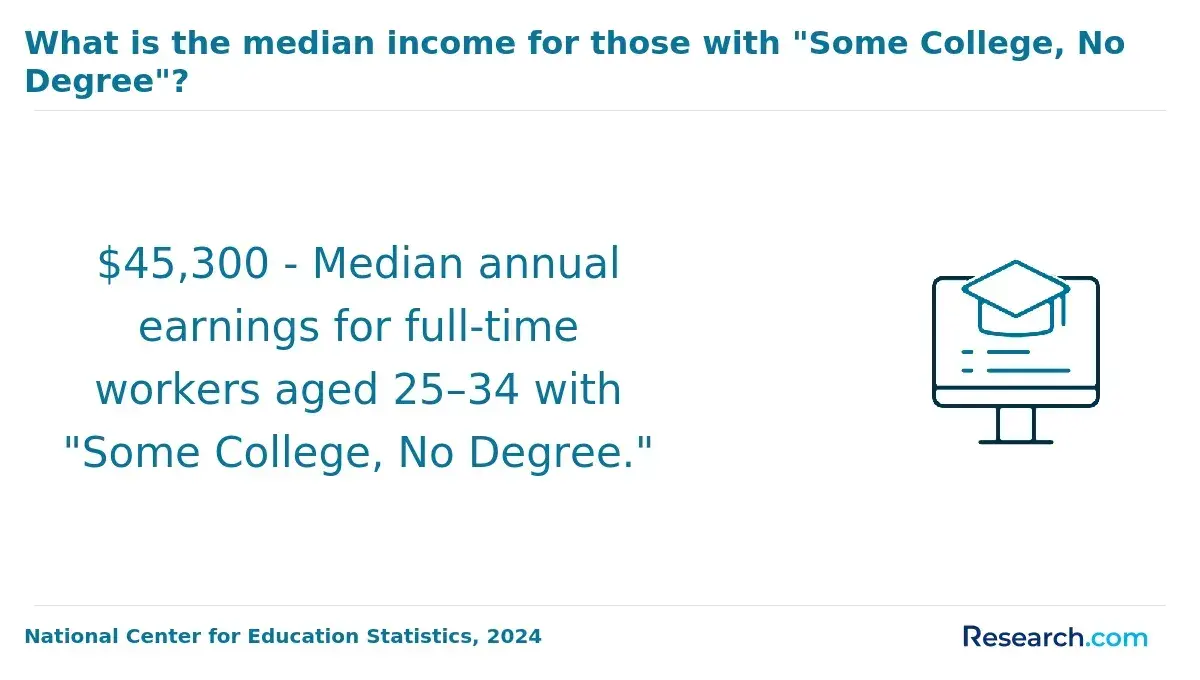
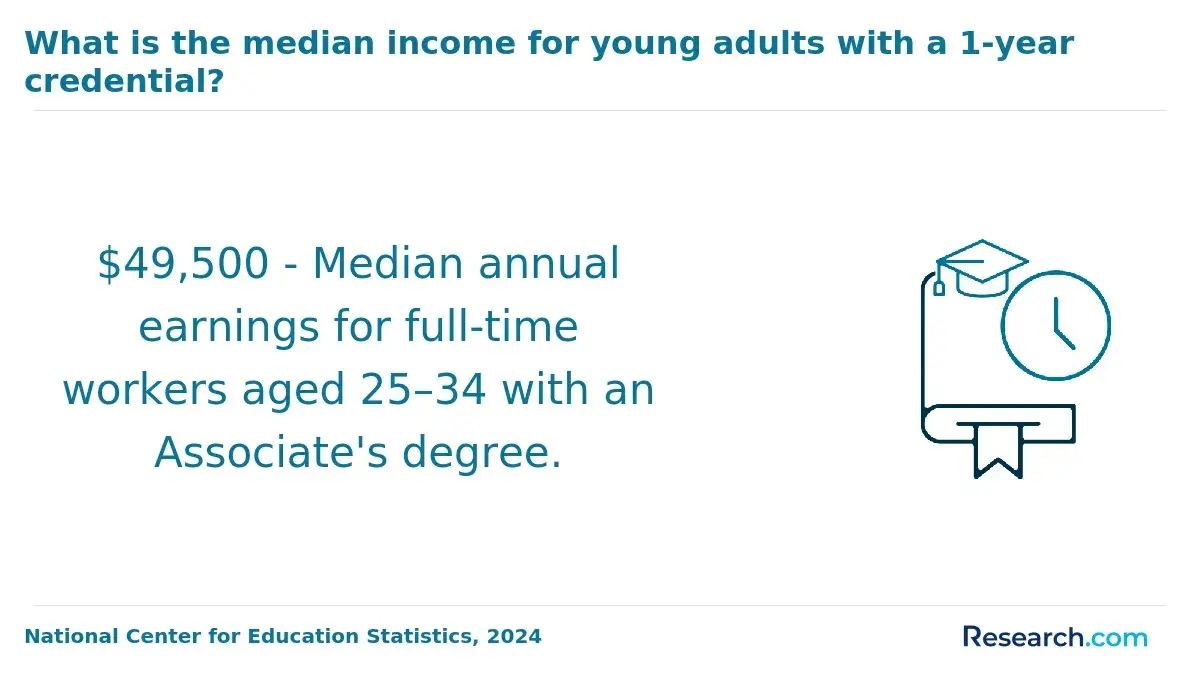
Choosing an online disability studies degree often comes down to one question: how much of your previous college work will actually count? The stakes are real because the BLS reported a May 2024 median wage of $44,240 for social and human service assistants, a common entry path for graduates, and many roles reward faster credential completion.
This guide is for transfer students, associate degree holders, adult learners, and working advocates who want to compare accredited programs, estimate remaining credits, avoid transfer-credit traps, and choose the option that best reduces both time and tuition.
Key Things You Should Know
- Most bachelor's programs in disability studies require about 120 credits, but transfer-friendly online programs commonly limit incoming credits to about 90 to 93 credits because students must complete a minimum residency requirement at the degree-granting institution.
- The best program is not necessarily the one advertising the highest transfer maximum; it is the one that applies your accepted credits to general education, major, upper-division, and elective requirements so fewer credits remain.
- Recent labor data supports careful ROI planning: the BLS lists an 8% projected employment growth rate for social and human service assistants from 2023 to 2033, but higher-level counseling, therapy, and clinical roles may require graduate study or licensure beyond a bachelor's degree.
Which Accredited Online Disability Studies Degree Programs Accept the Most Transfer Credits?
Accredited online disability studies programs with the strongest transfer potential are usually bachelor's degree-completion programs, interdisciplinary disability studies majors, or applied bachelor's programs designed for students who already have an associate degree or substantial prior coursework. In practical terms, "accepts the most transfer credits" usually means the school allows up to roughly three-fourths of the degree to come from prior accredited college study, while still requiring a final block of credits in residence.
The table below compares transfer-friendly online options that publicly align with disability studies, disability services, rehabilitation, or closely related human services pathways. Policies can change, and final credit awards depend on official transcript review, course equivalency, grades, accreditation, and degree requirements.
| Institution | Online degree path | Institutional accreditation | Common maximum transfer potential | Why it may fit transfer students |
| CUNY School of Professional Studies | BA in Disability Studies | Middle States Commission on Higher Education | Up to about 90 credits, subject to residency and degree rules | Designed for adult and transfer students who want a disability-focused bachelor's degree with online delivery. |
| SUNY Empire State University | Disability Studies-related individualized or interdisciplinary bachelor's options | Middle States Commission on Higher Education | Up to about 93 credits toward a 124-credit bachelor's degree, depending on the program plan | Strong fit for students with broad prior coursework who need flexible degree planning. |
| University of Toledo | BA in Disability Studies | Higher Learning Commission | Often up to about 90 credits, depending on institutional and program requirements | Offers a dedicated disability studies major and may work well for students with general education or human services credits. |
| Arizona State University Online | BA in Disability Studies | Higher Learning Commission | Up to about 90 credits may apply, with limits on lower-division and community college credit | Useful for students seeking a large online university with structured major requirements and transfer tools. |
| Northern Arizona University | Online bachelor's pathways related to disability studies, applied human services, or interdisciplinary studies | Higher Learning Commission | Often up to about 90 credits, subject to campus, catalog, and degree rules | May suit students bringing an associate degree or applied credits into a completion-oriented bachelor's plan. |
A high transfer ceiling is only the starting point. A student with 80 prior credits may still need 45 or more additional credits if too many courses come in as electives, if upper-division requirements remain unmet, or if the major requires specific disability policy, accessibility, research, or capstone courses.
How Do Online Disability Studies Degree Programs Evaluate Transfer Credits?
Online disability studies programs evaluate transfer credits by comparing your previous courses with the receiving school's curriculum. Evaluators look at whether the original institution was accredited, whether the course level matches bachelor's degree expectations, whether your grade meets the minimum requirement, and whether the course content fits a degree requirement rather than only an elective slot.
Most schools use a multi-step review process. Understanding that process helps you avoid applying to a program that accepts credits in theory but leaves you with too many remaining requirements in practice.
- Submit official transcripts from every college or university attended, including schools where you earned only a few credits.
- Ask for a degree audit, not just a total-credit estimate, because the audit shows where each course applies.
- Provide syllabi or catalog descriptions for older, unusual, international, or specialized courses that may not appear in the school's automated equivalency system.
- Confirm whether accepted credits meet general education, major, upper-division, writing-intensive, diversity, practicum, or capstone requirements.
- Request written clarification if courses are transferred as electives but appear similar to required disability studies or human services courses.
Students comparing several online pathways should also look beyond disability studies if their end goal is healthcare support, case coordination, or direct service work. For example, learners weighing shorter health-related options may compare degree transfer rules with medical assistant classes online, especially if they want a faster credential before committing to a bachelor's program.
How Can Transfer Credits Shorten an Online Disability Studies Degree?
Transfer credits shorten an online disability studies degree by reducing the number of credits you still need to complete. Because many bachelor's degrees require about 120 credits, a student who transfers 60 credits may be halfway done on paper, while a student who transfers 90 applicable credits may need only the final 30-credit residency block.
The table below illustrates how transfer credits can affect a typical 120-credit online bachelor's degree. These examples are estimates, not guarantees, because actual timelines depend on course availability, enrollment intensity, prerequisites, and how credits apply.
| Applicable transfer credits | Estimated credits remaining | Possible full-time timeline | Possible part-time timeline | Key caution |
| 30 credits | 90 credits | About 3 academic years | About 4 to 5 years | You may still be completing many lower-division and general education requirements. |
| 60 credits | 60 credits | About 2 academic years | About 3 years | An associate degree can help, but major and upper-division courses may remain. |
| 75 credits | 45 credits | About 1.5 academic years | About 2 to 3 years | Credits must apply to the degree plan, not just appear on the transcript. |
| 90 credits | 30 credits | About 1 academic year | About 18 to 24 months | Residency, capstone, and required major courses usually still must be completed. |
The fastest option is often a true degree-completion program, but speed should not override fit. If your goal is immediate entry into a clinical support occupation, a shorter non-degree route such as medical assistant programs accelerated may be worth comparing with a bachelor's pathway before you decide how much time to invest.
How Much Can Transfer Credits Reduce the Cost of an Online Disability Studies Degree?
Transfer credits can reduce the cost of an online disability studies degree because fewer remaining credits usually means fewer tuition charges. The College Board's 2024 pricing data reported average published tuition and fees of $11,610 for in-state students at public four-year institutions for 2024-25, which shows why reducing even one year of study can matter for budget planning. The exact savings depend on per-credit tuition, fees, financial aid, course load, and whether the school charges different rates for online students.
The table below shows a simple cost model using an example tuition rate of $450 per credit. Replace the rate with each school's current online tuition to estimate your own remaining tuition.
| Applicable transfer credits | Credits remaining in a 120-credit degree | Example tuition at $450 per credit | What the student should verify |
| 30 credits | 90 credits | $40,500 | Whether lower-division general education courses are still required. |
| 60 credits | 60 credits | $27,000 | Whether the associate degree satisfies a general education block. |
| 75 credits | 45 credits | $20,250 | Whether upper-division and major requirements remain available online. |
| 90 credits | 30 credits | $13,500 | Whether the 30-credit residency block includes all remaining required courses. |
Do not calculate savings from the advertised maximum alone. A program that accepts 90 total credits but applies only 60 to degree requirements may cost more than a school that accepts 75 credits and applies nearly all of them to required categories.
Can Military, Professional, or Prior Learning Credits Transfer to an Online Disability Studies Degree?
Yes, some online disability studies programs may award credit for military training, professional credentials, standardized exams, workplace learning, or portfolio-assessed prior learning. These credits are usually evaluated separately from traditional college transfer credits, and schools may cap how much can apply to the major, upper-division requirements, or total degree.
Students with nontraditional learning should ask how each credit type is reviewed before assuming it will reduce the degree timeline. The most common categories include the following:
- Military training reviewed through Joint Services Transcript recommendations, often using American Council on Education guidance.
- Standardized exams such as CLEP, DSST, Advanced Placement, or International Baccalaureate, when the school accepts the exam and the score meets its threshold.
- Professional certifications or licenses in healthcare, education, accessibility, social services, or public safety, if the institution has an approved credit crosswalk.
- Portfolio or prior learning assessment, where students document college-level learning through work, training, projects, or community advocacy.
- Employer training or continuing education that has been formally evaluated for college credit by an accepted reviewing body.
This issue is especially important for students moving between healthcare and disability services. For example, nurses comparing disability leadership, community health, or advanced practice pathways may also review an online DNP program, but graduate nursing credit rules are very different from undergraduate disability studies transfer policies.
Which Types of Previous College Credits Transfer Best to Online Disability Studies Degrees?
The credits that transfer best are usually recent, graded, credit-bearing courses from accredited U.S. colleges and universities that clearly match the receiving program's requirements. General education courses often transfer more smoothly than specialized major courses, but a disability studies program may also accept relevant coursework in psychology, sociology, social work, rehabilitation, public health, education, communication, ethics, and public policy.
Use the table below to understand which previous credits are most likely to reduce remaining degree requirements. The goal is to identify not only whether credits transfer, but whether they transfer into useful requirement categories.
| Previous credit type | Transfer strength | Best use in a disability studies degree | Common limitation |
| Completed associate degree from an accredited college | High | May satisfy many lower-division or general education requirements | Major-specific and upper-division courses usually remain. |
| General education courses | High | Writing, math, science, humanities, and social science requirements | Some schools require specific diversity, ethics, or writing-intensive courses. |
| Human services, psychology, sociology, or education courses | Moderate to high | Major support courses, electives, or social science requirements | Content may not match disability studies theory, policy, or accessibility requirements. |
| Technical or applied occupational credits | Moderate | Electives or applied bachelor's pathways | May not count toward a BA major if the curriculum is research or liberal arts focused. |
| Old credits | Variable | Often general electives or humanities/social science requirements | Some schools apply age limits to technology, science, healthcare, or professional courses. |
| Developmental or remedial courses | Low | Usually none toward bachelor's degree credit | Typically excluded from degree-credit totals. |
A common mistake is assuming that all accepted credits have equal value. Elective credit can help you reach 120 credits, but it may not reduce the number of required disability studies courses, research courses, internships, or capstones you still need.
How Do Transfer Agreements Affect Online Disability Studies Degree Completion?
Transfer agreements can make online disability studies degree completion faster and more predictable because they define how credits move from one institution to another. These agreements are most common between community colleges and public universities, especially when an associate degree is designed as the first half of a bachelor's pathway.
The most useful agreements do more than promise admission. They show which courses satisfy specific bachelor's degree requirements, which grades are required, and which courses students should complete before transferring.
- Articulation agreements map individual courses from the sending college to equivalent courses at the receiving university.
- Transfer pathways recommend a planned set of associate degree courses that align with the bachelor's degree.
- General education block agreements may allow a completed associate degree to satisfy lower-division general education requirements.
- Dual-admission or guaranteed-admission agreements can give students access to advising before they officially transfer.
- Statewide transfer systems may reduce uncertainty, but students still need to confirm major-specific requirements.
These agreements are especially valuable for students who have not yet finished an associate degree. By choosing the right final community college courses, you may avoid taking extra electives that transfer but do not shorten the bachelor's degree.
What Transfer Policies Should Students Compare Before Choosing an Online Disability Studies Degree?
Before choosing an online disability studies degree, compare policies that affect actual transfer efficiency, not just the headline transfer maximum. A school's maximum transfer allowance matters, but residency rules, grade minimums, upper-division requirements, and major course availability often determine your real completion time.
Use the following questions when speaking with admissions counselors, transfer evaluators, or academic advisors. Ask for answers in writing whenever possible.
- What is the maximum number of transfer credits allowed toward the degree, and what is the minimum number of credits I must complete at your institution?
- How many of my credits apply directly to general education, major, upper-division, elective, and capstone requirements?
- Do you accept credits from nationally accredited institutions, military transcripts, CLEP, DSST, AP, professional credentials, or prior learning assessment?
- Is there a minimum grade required for transfer, such as C or higher, and are there different rules for major courses?
- Do any courses expire because of age, especially statistics, research methods, technology, healthcare, or professional practice courses?
- Are all remaining required courses offered online often enough for me to graduate on my intended timeline?
- Will an associate degree satisfy a general education block, or will you evaluate each course individually?
- What fees apply for transcript evaluation, prior learning assessment, graduation, online courses, technology, or portfolio review?
If you plan to fill gaps before transferring, choose courses carefully. Enrolling in accredited self-paced online courses may help some students complete prerequisites flexibly, but only if the target disability studies program confirms in advance that the credits will apply.
Which Students Benefit Most From Transfer-Friendly Online Disability Studies Degree Programs?
Transfer-friendly online disability studies programs are most valuable for students whose prior credits align with the degree plan. They are not automatically the best choice for every learner, especially if a student has few credits, wants a licensed clinical role, or needs a highly specialized professional credential.
The students who usually benefit most have a clear reason to turn prior learning into a bachelor's credential. Common examples include the following:
- Associate degree graduates in human services, liberal arts, psychology, education, rehabilitation, or social science who want to complete a bachelor's degree online.
- Working adults in disability services, direct support, advocacy, nonprofit administration, accessibility, education support, or case coordination who need a bachelor's credential for advancement.
- Students with stopped-out college credits who want to finish a degree without starting over.
- Military-affiliated students whose training, leadership experience, and previous college coursework may combine into a shorter degree path.
- Caregivers, advocates, and community workers who want academic grounding in disability rights, policy, accessibility, inclusion, and independent living.
Students should be cautious if their real goal requires licensure. For example, mental health nurse practitioner roles require a nursing pathway, so someone comparing disability studies with the shortest PMHNP program should understand that transfer-friendly bachelor's policies do not replace graduate nursing prerequisites, clinical hours, or state licensure rules.
How Should Students Choose an Online Disability Studies Degree Based on Transfer Efficiency?
Choose an online disability studies degree based on transfer efficiency: the relationship between credits accepted, credits applied, credits remaining, tuition still owed, and career value. The best decision is usually made after you compare official or preliminary degree audits from multiple accredited schools, not after reading marketing claims.
A practical selection process can keep you from overvaluing the largest transfer-credit number. Follow these steps before committing to a program:
- Confirm institutional accreditation through the school's accreditor and federal recognition databases, because accreditation affects credit transfer, financial aid eligibility, and graduate school options.
- Request a transfer evaluation from each finalist school and ask for a requirement-by-requirement degree audit.
- Calculate remaining tuition by multiplying required remaining credits by the current online per-credit rate, then add required fees.
- Check whether the remaining courses are offered fully online and in the terms you need.
- Compare curriculum fit by reviewing disability policy, accessibility, research, ethics, advocacy, and field-based learning requirements.
- Ask whether transferred credits will appear as electives or satisfy specific degree requirements.
- Evaluate career alignment, including whether the degree supports your goals in disability services, advocacy, accessibility coordination, human services, nonprofit work, public programs, or graduate study.
- Choose the program with the strongest combination of applied transfer credit, reasonable remaining cost, credible accreditation, and relevant outcomes.
Also consider opportunity cost. If one school costs more per credit but accepts enough applicable transfer work to remove a semester or a full year, it may be the better investment. If another school is cheaper but leaves you with many extra requirements, the lower sticker price may not produce the lowest total cost.
Other Things You Should Know About Disability Studies
Usually no. A bachelor's degree in disability studies can support roles in advocacy, services coordination, accessibility, education support, policy, or nonprofit work, but clinical counseling, social work, therapy, nursing, and special education licensure typically require specific approved programs, supervised experience, exams, or graduate study.
No. Disability studies is usually an interdisciplinary field focused on disability rights, inclusion, accessibility, policy, culture, advocacy, and social systems. Special education is a teacher-preparation field that may lead to state teaching licensure when completed through an approved educator preparation program.
Many online programs are designed for working adults, but the workload depends on course length, writing requirements, group projects, internships, and whether classes are asynchronous. Part-time enrollment may be more realistic for students balancing full-time work, caregiving, or direct support schedules.
Possible paths include disability services coordinator, human services specialist, case aide, advocacy coordinator, accessibility assistant, independent living program staff member, nonprofit program coordinator, and community support roles. Job titles and requirements vary by employer, and some higher-paying or clinical positions require additional credentials.
References
- The Importance of Understanding Transfer Credit Policies https://www.sophia.org/blog/higher-education/understanding-transfer-credit-policies/
- Disability Rights and Inclusion Online Learning Opportunity | NEA https://www.nea.org/professional-excellence/professional-learning/resources/disability-rights-and-inclusion-online-learning-opportunity
- Master of Arts in Disability Studies | Iowa Graduate Degree https://loras.edu/academics/disability-studies/
- Disability Studies Beyond SDS https://disstudies.org/resources/beyond-sds/
- Post Secondary Educational Options https://ldaamerica.org/info/post-secondary-educational-options/
- 2025 Best Online Colleges for Students with Disabilities https://www.onlineu.com/online-schools/students-with-disabilities
- Disability Studies degrees & courses https://universitycompare.com/courses/degrees/disability-studies
- Certificate of Graduate Studies in Disability Fundamentals https://www.assumption.edu/graduate/certificate-of-graduate-studies-in-disability-fundamentals
- Best Online Schools for Transferring Credits [2026 Guide] https://www.straighterline.com/blog/transfer-best-online-schools-for-transferring-credits
- Job training and employment programs for people with disabilities | USAGov https://www.usa.gov/disability-jobs-training