2027 How Much Does It Cost to Study Online at Fitchburg State University?

Co-Founder and Chief Data Scientist
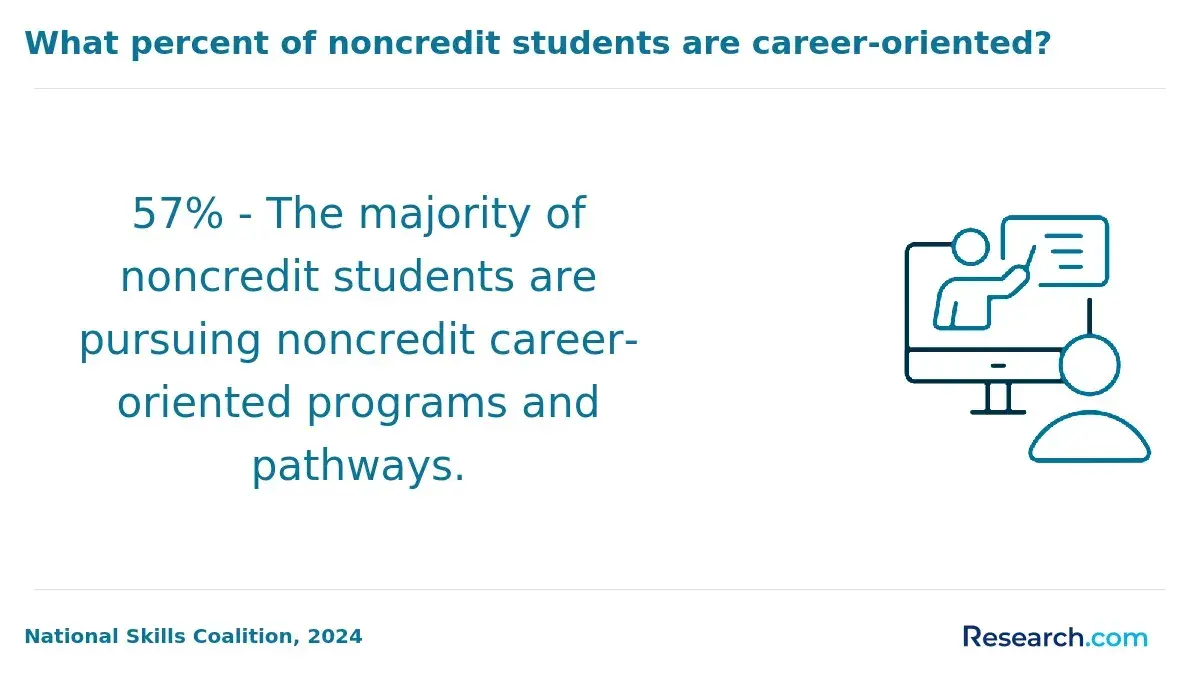
Choosing to study online at Fitchburg State University raises key questions about affordability and program options. Many students face uncertainty about how tuition compares to other public universities and whether online formats deliver enough value for the cost. With 57% of students now prioritizing cost efficiency in online education, understanding price structures alongside admission requirements is critical.
Online offerings at Fitchburg State vary by discipline and degree level, impacting both expenses and career relevance. This article examines program availability, detailed tuition costs, admissions processes, and insights into student culture. It aims to clarify financial commitment and practical considerations, helping prospective students make informed decisions about earning an online degree from Fitchburg State University.
Key Points About the Cost of Studying Online at Fitchburg State University
- The total tuition cost of $26,046 for studying online at Fitchburg State University constitutes the primary financial barrier, requiring students to assess affordability relative to their funding sources and anticipated return on investment.
- The average overall cost of attendance, at $24,517, includes fees, books, and living expenses; these additional costs can offset perceived savings from online tuition and affect budgeting strategies.
- Prospective students must analyze these expenses in context with program outcomes and employer expectations to validate whether the online degree aligns with their professional and economic goals.
What is the total cost of earning an online degree at Fitchburg State University?
The total cost of earning an online degree at Fitchburg State University typically centers around $26,046 in tuition based on approximately 120 required credits. Additional expenses near $1,500 for books and supplies should also be factored in. For a working adult balancing employment, this cost structure is relatively predictable since Fitchburg State does not charge significant extra distance learning fees, unlike some competitors. This clarity helps students anticipate financial commitments without surprise charges, a key factor when managing family budgets or employer tuition assistance limits.
Evaluating affordability requires looking beyond sticker prices. The U.S. Federal Scorecard places the overall cost of attendance closer to $24,517 for online students, highlighting variation driven by course selection and personal spending habits. Students must also consider mandatory fees, potential technology costs, and inflation trends that, while slowing, still influence education expenses. A National Student Clearinghouse report finds tuition inflation for online programs has stabilized recently, which may ease long-term budgeting and support decisions about return on investment in terms of regional labor market relevance.
For prospective students, one practical tradeoff involves choosing programs with aligned credentials that local employers recognize. Investing roughly $27,500 total over the degree pathway makes sense when it offsets career transitions or wage improvements. However, the moderate tuition per credit still demands careful consideration of financial aid availability and employer support. Without such assistance, the commitment might exceed what some learners can comfortably sustain alongside other financial responsibilities.
How do tuition rates vary across online programs at Fitchburg State University?
Tuition rates for online programs at Fitchburg State University do not vary widely by program type, maintaining an annual fee around $11,046. However, programs with longer credit requirements or extended durations carry significantly higher total costs despite this uniform tuition structure. For example, a bachelor's degree requiring more credits will cost substantially more than a shorter certificate, even if the per-credit charge remains stable.
The relatively flat tuition model simplifies cost expectations but masks nuances in affordability that arise from program design. Different instructional formats and credit loads can lead to varied total expenses. Programs focusing on extensive coursework or professional preparation naturally incur higher overall fees, while shorter, specialized certificates remain more affordable.
This regional tuition rate variation at Fitchburg State University online courses demands attention to specific credit demands rather than just the headline tuition figure.
A 2024 analysis by the National Center for Education Statistics highlights that flat tuition rates often create hidden disparities linked to total credit requirements, a trend clear at Fitchburg State. Students should evaluate both credit-hour demands and program length to understand real cost implications. Considering these details alongside non-tuition fees, such as technology costs, will provide a more accurate budgetary picture.
Prospective learners comparing options should consider how tuition cost differences for online programs at Fitchburg State University align with their educational goals and financial limits. For those exploring advanced degrees, resources like the cheapest online PhD listings offer valuable comparisons. A careful analysis of credit load, program length, and additional fees will inform a decision grounded in both cost-effectiveness and career relevance.
What additional fees increase the cost of studying online at Fitchburg State University?
The additional fees associated with studying online at Fitchburg State University can significantly inflate the overall cost beyond basic tuition. For example, a student enrolled in a specialized science program might face expenses for virtual lab software and licensing that push total costs much higher than initially anticipated.
Understanding the breadth of these fees is crucial for assessing the genuine affordability of an online degree at Fitchburg State University, especially when considering the extra costs for distance education students in Massachusetts. Below is an outline of key additional fees that increase the total expenses involved in online study.
- Books and Supplies: This typically amounts to about $1,500 and covers required textbooks, course materials, and supplies. Programs with updated or specialized resources can drive this cost higher, impacting the total financial investment.
- Technology and Internet Costs: Reliable high-speed internet is essential but often underestimated as a monthly expense. Additional technology fees may be applied for access to online platforms and specialized software necessary for coursework, adding hundreds of dollars over the duration of study.
- Administrative Fees: Charged each semester, these cover enrollment processing, maintenance of student records, and access to digital libraries. While smaller than other fees, these costs accumulate and should be factored into budgeting.
- Proctoring Fees: Remote assessments frequently require third-party proctoring services that charge per exam. For programs with frequent testing, these fees can substantially increase total costs.
- Course Platform Fees: Online learning platforms used by Fitchburg State University have seen a 12% annual increase in fees, reflecting investments in secure and interactive virtual environments. This trend affects ongoing costs and the overall affordability.
- Specialized Software and Virtual Labs: Certain degree fields require specific software licenses or virtual lab access, which incurs additional charges in some semesters. These fees vary by program but can be a considerable hidden expense.
Considering these additional online learning fees at Fitchburg State University is imperative when calculating true costs. Prospective students should also explore options for the best accelerated bachelor's degree online programs to ensure alignment with their financial and academic goals.
Are online programs at Fitchburg State University more affordable than campus-based programs?
The cost of studying online at Fitchburg State University typically involves a flat tuition rate of $490 per credit hour. This rate applies uniformly to all online students regardless of residency, contrasting with the $420 per credit hour for in-state and $740 for out-of-state campus rates. Online students are not subject to additional campus fees such as housing, meal plans, and parking permits, which on-campus students must pay. These savings can represent thousands of dollars annually, making the affordable online tuition at Fitchburg State University a critical consideration for budget-conscious students.
The total cost of attendance for online students can fluctuate depending on specific program structures and delivery formats. Programs requiring internships, specialized materials, or synchronous sessions may incur additional expenses that shift the overall affordability. Importantly, the flexibility of pacing in many online programs allows students to accelerate their studies, potentially reducing total credit hours and living costs over time. This adaptability supports tangible savings beyond the stated tuition, especially for those balancing study with work or family obligations.
In comparing online and campus-based costs at Fitchburg State University, the decisive factors include both direct financial outlays and intangible benefits. A 2024 National Center for Education Statistics study shows online learners save an average of 20% on total education expenses when factoring in tuition, fees, and living costs. However, on-campus students may benefit from face-to-face networking and experiential learning important to certain fields. This tradeoff highlights that while online study is often more cost-effective overall, the value depends on individual program requirements and career goals.
Students evaluating online versus on-campus options should also consider employer perspectives, especially in roles valuing interpersonal skills gained through campus interactions. Financial aid access generally remains comparable across modalities at Fitchburg State University, though some grants or scholarships might be program-specific.
For those examining the cost comparison of Fitchburg State University online and campus programs, balancing lower direct and indirect expenses with these factors is essential to informed decision-making. This practical lens avoids a purely price-driven choice and instead aligns affordability with long-term outcomes such as program relevance and employability opportunities.
How do financial aid and scholarships affect the cost of an online degree at Fitchburg State University?
Financial aid and scholarships sharply reduce the net cost of earning an online degree at Fitchburg State University, but seldom eliminate reliance on loans. With 94% of undergraduates receiving aid averaging around $7,655, these resources lower upfront expenses significantly. Yet, the median debt at graduation still totals $24,239, indicating that even aided students typically finance substantial amounts.
For example, an online business student might receive merit aid that cuts tuition costs but still borrow to cover living expenses, underscoring how aid improves affordability without fully resolving debt burdens.
In this context, students must weigh their expected earnings against potential debt, especially since tuition assistance programs remain underused. A recent study from the Lumina Foundation highlights that online learners prioritize cost transparency, showing that a clear understanding of aid's impact on net price is crucial for informed decisions at Fitchburg State University. Cost variation across programs demands that students assess which scholarships or grants fit their circumstances best to minimize long-term financial strain.
Available financial aid and scholarships include:
- Standard Institutional Scholarships: Merit-based awards given to undergraduates demonstrating academic achievement; eligibility typically requires a minimum GPA. Application occurs through the admissions process and helps reduce overall tuition costs.
- Department-Specific Grants: Targeted funding offered by specific academic departments depending on the student's field of study, such as education or health sciences. Students must apply through departmental channels and maintain satisfactory progress to retain funding.
- Federal Pell Grants: Need-based federal grants awarded to low-income students, which do not require repayment. Applications are made via the FAFSA and can substantially lower out-of-pocket expenses.
- State Tuition Assistance Programs: Massachusetts residents may qualify for state-sponsored aid that supplements institutional aid. These programs require residency verification and renewal every academic year.
- Employer Tuition Reimbursement: Some students leverage employer programs that cover part or all tuition costs. Utilization is low but growing; employees need to confirm eligibility and follow employer procedures to benefit.
- Federal Direct Loans: Widely accessed by online students to bridge gaps between aid and expenses. Loans require repayment with interest; borrowers must evaluate post-graduation income prospects relative to debt load.
- Online Learner Scholarships: Limited but available scholarships aimed explicitly at online students, providing additional support based on criteria such as enrollment status or career goals. Application processes vary by scholarship.
A recent graduate recalls, "I hesitated before applying because the debt scared me, but once my departmental grant kicked in and I secured a small scholarship for online students, it felt manageable. The financial aid didn't cover everything, so I took out loans, but knowing I kept expenses lower gave me breathing room to focus on passing courses and balancing work. The relief wasn't immediate, but looking back, the combination of aid options made finishing my degree possible without crippling debt."
How does enrollment status affect online degree costs at Fitchburg State University?
Enrollment status at Fitchburg State University directly impacts online degree costs through different tuition pricing models and time commitments. Full-time students usually pay a flat-rate tuition fee, which becomes more cost-effective with a heavier credit load, while part-time students are charged per credit, often facing higher per-credit expenses. Accelerated options, if available, may reduce total time to graduation but can intensify semester fees and workload. For example, a full-time student paying the baseline tuition fee of $11,046 might complete their degree closer to a total cost of $26,046 faster than a part-time student, whose fees and extended enrollment can gradually increase total expenses due to cumulative technology and activity fees.
The impact of enrollment status extends to funding opportunities at Fitchburg State University. Full-time students frequently qualify for a broader array of financial aid and scholarships, while part-time students may encounter stricter eligibility rules. Employer tuition assistance programs often favor full-time or accelerated pathways to shorten workforce absence. Notably, a 2024 study from the National Center for Education Statistics shows part-time students nationwide pay 15-20% more in effective tuition rates than full-time peers, reflecting longer degree trajectories and fee accumulations, a trend observable at Fitchburg State.
Prospective students should carefully balance affordability with academic progress and career goals. Choosing part-time enrollment offers flexibility but can increase overall costs and delay graduation. Full-time or accelerated enrollment requires more upfront commitment but may reduce the time and money spent on ancillary fees. Each option demands assessment of personal circumstances, financial aid availability, and long-term objectives to make the most strategic educational investment.
For those researching financial and time commitments linked to part-time vs full-time online tuition costs at Fitchburg State University, consulting comparative resources like the best self paced online college guides can provide useful insights. Such analysis helps clarify tradeoffs between enrollment options and their implications on total degree affordability and workforce readiness.
How much student debt do online graduates from Fitchburg State University typically accumulate?
Online graduates from Fitchburg State University typically accumulate a median student debt of $24,239, which is a substantial financial commitment. This level of debt is tied closely to the borrower's ability to secure employment with salaries that support manageable repayment. The earnings-to-debt ratio of 2.22x suggests that median earnings are a bit more than double the debt, a necessary but modest margin to maintain long-term financial stability.
Borrowers must weigh this ratio carefully, especially when considering the wide variation in career outcomes and local job market conditions that affect how swiftly debt can be repaid.
Factors influencing borrowing levels include program length, tuition rates, and personal financial aid access. While about 30% of bachelor's degree recipients nationwide graduate debt-free, Fitchburg State's online students likely mirror this pattern unless they qualify for targeted aid. Default rates near 10% within the first three years of repayment indicate moderate success in managing debt but also highlight the risk borrowers face if their post-graduation employment fails to meet expectations. For prospective students, the quality of career placement support and relevance of skills learned significantly impact repayment prospects.
Recent 2024 research shows that online degree holders with strong starting salaries experience notably lower default risks, underscoring the importance of evaluating expected income against total borrowing before enrollment. A graduate planning work in a competitive metropolitan market might manage a $24,000 debt more effectively than one in a low-growth area with fewer professional opportunities. Ultimately, the decision to accumulate this debt hinges on a realistic assessment of job prospects and willingness to commit to a repayment plan aligned with expected earnings.
One Fitchburg State University online graduate recalled, "I hesitated to take out loans because $24,000 felt overwhelming. But after reviewing local salary data and confirming the program's career resources, I decided the debt was manageable. It wasn't easy at first, especially balancing classes with a part-time job, but securing a role within six months gave me relief. I still budget carefully, but I don't regret the investment because it opened doors I wouldn't have had otherwise."
Exploring options like 6 week courses may offer additional affordability and accelerated pathways to degree completion within Fitchburg State University's offerings.
Which online programs at Fitchburg State University offer the strongest return on investment?
Fitchburg State University's strongest return on investment online programs concentrate in healthcare and technical fields where employer demand and salary outcomes exceed regional averages. Students choosing these paths often face faster debt repayment and career stability, benefiting from the university's clinical partnerships and industry relevance. This practical value is clear in disciplines with both high wage premiums and steady job placement.
The following list highlights the best value online degrees at Fitchburg State University, illustrating which fields tend to deliver strong economic returns.
- Registered Nursing, Nursing Administration, and Clinical Nursing: Graduates earn an average salary of $67,430, nearly double the overall alumni median. Rising healthcare demand in Massachusetts and established clinical networks enhance job opportunities and career growth potential.
- Industrial Production Technologies/Technicians: Offering an average salary of $46,892, this program provides technical skills critical to manufacturing sectors with steady employment, making it a reliable ROI choice.
- Computer and Information Sciences: Graduates average $44,925, reflecting solid demand in IT and data fields. This sector's continued growth ensures relevant and competitive career opportunities.
- Communication and Media Studies: Despite lower average salaries around $31,295, the field appeals to those pursuing creative and strategic roles but typically shows less favorable returns relative to program length and cost.
- Teacher Education: With salaries near $31,215, this path offers social impact but may not meet the same financial ROI benchmarks due to longer certification timelines and lower initial earnings.
The average earnings-to-debt ratio of 2.22x at Fitchburg State varies widely by program, underscoring the importance of aligning field choice with market trends. Students focused on high ROI online programs in Massachusetts should consider accelerated options to reduce tuition exposure and enhance affordability. For those balancing education with other responsibilities, exploring online degrees for military spouses may offer tailored career pathways with competitive returns.
How do career outcomes influence the cost-benefit equation of an online degree at Fitchburg State University?
Student debt for online graduates from Fitchburg State University often reflects the balance of moderate tuition costs against average post-graduation salaries. With median earnings near $53,874, many students face a payback scenario that requires several years of disciplined repayment, especially if their total program expenses include additional fees or living costs. Employment rates of 70% to 75% within a year suggest a reasonable but not guaranteed capacity to manage debt early, which can strain those without immediate job offers in their field.
Differences in program focus and alignment with labor market demands heavily influence long-term returns. Degrees in nursing or business analytics, for example, correlate with faster employment and salary growth compared to more generalized fields. Graduates acquiring skills directly tied to in-demand roles see clearer paths to financial stability, whereas others may experience slower salary increases, making their accumulated debt more burdensome over time.
Analyzing whether the debt load justifies the career outcomes requires comparing these results against alternative pathways. Certifications or associate degrees in certain sectors may offer quicker entry and lower debt but less earning potential. Conversely, traditional on-campus programs or other universities might yield stronger networks and higher employment rates, improving the debt-to-income ratio. Students must weigh the flexibility and cost benefits of Fitchburg State University's online programs against potentially longer repayment horizons and variable employment success.
Consider a working adult pursuing an online degree in education while balancing family commitments. The schedule flexibility and modest tuition reduce upfront financial strain, but slower mid-career salary growth means managing debt requires sustained budgeting. This scenario highlights that debt accumulation is not just a numeric calculation but part of a broader financial strategy contingent on realistic job placement and salary trajectories after graduation.
How can students reduce the cost of an online degree at Fitchburg State University without sacrificing quality?
Online graduates from Fitchburg State University generally incur student debt levels aligned with national averages for public institutions, but these amounts vary widely depending on individual circumstances such as prior credits, financial aid access, and enrollment pace. For example, a student who transfers 30% of credits from a community college and leverages employer tuition reimbursement may graduate with significantly less debt than a peer starting as a full-time, first-time freshman using only federal loans. Effective cost management without sacrificing academic quality requires strategic planning that aligns credit transfer policies, scholarship utilization, and course completion options.
Below are several practical cost-saving strategies that maintain educational standards while reducing financial burden.
- Maximize Transfer Credits: Fitchburg State University accepts credits from regionally accredited schools, allowing students to bypass lower-level courses. This can lower tuition by around 25-30% according to recent national data and shortens time to degree without reducing curriculum rigor.
- Use Institutional and External Scholarships: Although scholarships specifically for online students are limited, many institutional and private awards apply regardless of delivery mode. These funds reduce reliance on loans and do not compromise course quality or academic expectations.
- Opt for Digital or Open Educational Resources: Choosing free or low-cost textbooks cuts material expenses up to 60% without affecting learning outcomes. These resources are often vetted by faculty and integrated into course designs at Fitchburg State University, preserving content quality.
- Leverage Employer Tuition Reimbursement: With 37% of online students nationally reporting employer funding, many learners reduce their out-of-pocket costs substantially. This option requires coordination but supports timely degree completion and workforce readiness.
- Accelerate Degree Completion When Feasible: Students who take advantage of Fitchburg State University's flexible enrollment can finish faster, reducing exposure to tuition increases and lost income. However, balancing pace with academic quality and workload is essential to avoid burnout or reduced learning depth.
- Plan Enrollment Intensity Strategically: Part-time enrollment prolongs time and tuition paid, while full-time or increased course loads can reduce total expenses but demand more effort. Tailoring course intensity to personal and professional capacity optimizes cost without lowering academic standards.
- Utilize Academic Advising for Cost Efficiency: Proactive advising ensures course selections avoid unnecessary credits and align with career goals. Proper planning minimizes the risk of costly course repeats or irrelevant electives while maintaining comprehensive degree requirements.
What Graduates Say About the Cost of Studying Online at Fitchburg State University
- Valentina: "Choosing the online program at Fitchburg State University was a careful financial decision. The tuition was competitive compared to other schools, and the transparent fee structure helped me plan my budget without surprises. Thanks to some targeted scholarships and financial aid, I could minimize my debt, which allowed me to enter the workforce without overwhelming loan payments-really critical for me as I started my career in a non-profit sector with modest entry-level pay."
- Amina: "Balancing work and study was only feasible because Fitchburg State University's online tuition costs aligned well with my employer's tuition reimbursement benefits. While initial fees seemed a bit steep, the overall affordability improved drastically once I factored in the financial aid and assistantship opportunities. The degree has significantly boosted my marketability in the tech industry, proving that investing carefully in an online degree here was worth the commitment despite short-term financial trade-offs."
- Leila: "I was hesitant about the total cost of an online degree at Fitchburg State University, especially with other programs offering lower tuition. However, after digging into the actual fee breakdown and available financial aid, I realized the flexibility and quality justified the expense. This allowed me to finish my studies without taking on excessive debt, and the reputation of the degree helped me negotiate a better salary right out of school, which balanced out the initial investment in the long run."
Other Things You Should Know About Fitchburg State University Degrees
Yes, students should anticipate additional expenses for reliable computers, high-speed internet, and any required software licenses not included in tuition. These technology needs can add hundreds of dollars upfront and ongoing, particularly for programs with specialized platforms or virtual labs. Evaluating your current equipment and factoring technology upgrades into your budget is crucial since these are mandatory for timely course completion and can affect your learning efficiency.
In 2027, the cost of studying online at Fitchburg State University varies per program. Undergraduate tuition is approximately $385 per credit, while graduate programs cost about $325 per credit. In addition to tuition, students may encounter fees for registration and materials, making financial planning essential to cover the full cost.
Online degrees from Fitchburg State are generally respected for the same content as on-campus programs, but some employers in more traditional industries may favor in-person credentials. This variability means that cost considerations must weigh potential differences in salary outcomes and promotion opportunities post-graduation. If your target sector values face-to-face networking or hands-on training highly, you might need to invest further in supplemental certifications or practical experience to offset this gap.
Given fluctuating fees for course materials, technology needs, and potential course retakes, building a contingency fund is advisable. Prospective students should prioritize flexible payment options and verify refund policies for dropped or failed courses to avoid financial surprises. Establishing clear budgeting around these uncertainties enhances stability, helping avoid debt accumulation that undermines the program's long-term value.
References
- Fitchburg State University Tuition and Financial Aid https://www.prepscholar.com/sat/s/colleges/Fitchburg-State-University-tuition-financial-aid
- Fitchburg State University http://www.free-4u.com/Colleges/Fitchburg-State-University.html
- Scaling Online Education for State University Systems https://changinghighered.com/scaling-online-education-for-state-university-systems/
- Exciting New Partnership with Fitchburg State University https://www.sizerschool.org/m/news/show_news.jsp
- Fitchburg State University https://www.fastweb.com/directory/college/fitchburg-state-university-scholarships
- Online Learning in Higher Education: How to Lower Costs https://cipcourses.com/blog/how-colleges-can-lower-the-cost-of-online-learning/
- Does College Pay Off? A Comprehensive Return On Investment Analysis - FREOPP https://freopp.org/whitepapers/does-college-pay-off-a-comprehensive-return-on-investment-analysis/