2027 Accelerated Online Programs at ECPI University

Co-Founder and Chief Data Scientist
A prospective student weighing an accelerated online program at ECPI University often faces pressing questions about balancing speed, workload, and realistic career outcomes. Job market demands and personal obligations can pressure learners to fast-track education, but without clear insight, they risk selecting a path misaligned with their capacity or goals. Approximately 40% of online students nationwide now prioritize programs that shorten degree completion times, reflecting a growing trend yet raising concerns about maintaining quality and depth in an accelerated format.
This population shift highlights the importance of scrutinizing program specifics before enrolling. Factors like admissions rigor, course intensity, and graduation timelines directly impact whether accelerated study delivers meaningful advantages or unintended setbacks. This article explores ECPI University's program availability, admissions criteria, workload expectations, graduation pacing, costs, and alignment with varied academic and professional aims. It aims to help readers determine if an accelerated online degree matches their situation and long-term objectives.
Key Points About Accelerated Online Programs at ECPI University
- ECPI University's accelerated online programs compress traditional coursework into intensive sessions, requiring admission tests and recommendations on GPA and English skills. Credit for life experience and Advanced Placement is accepted, supporting varied academic preparedness.
- Graduation rates sit at 45%, reflecting significant challenges in balancing rapid pacing with sustained academic effort. This indicates the programs demand strong commitment to meet performance and completion benchmarks.
- Median alumni earnings of $42,837 reveal moderate employability gains. Prospective students should weigh this income level against career goals and the compressed curriculum's impact on long-term professional development.
What accelerated online programs does ECPI University offer?
Identifying which programs at ECPI University are available in an accelerated format helps students target degrees that suit an expedited graduation timeline. This clarity is crucial for those balancing work or family commitments who need to maximize time efficiency without losing focus on career-relevant skills. For example, a working professional aiming to move into cybersecurity can compare traditional and accelerated paths to decide if a faster track aligns with their schedule and learning pace.
ECPI University offers accelerated online programs mainly in technology, health sciences, business, and criminal justice. The available pathways include bachelor's and master's degrees, though not every discipline is covered in accelerated formats. Bachelor's degrees emphasize fields such as cybersecurity, nursing, software development, and business administration, while accelerated master's degrees focus on nursing, software development, and cybersecurity. These options reflect sectors with strong employer demand for practical, up-to-date knowledge.
A 2024 study by the National Center for Education Statistics found students in fast-track programs complete degrees about 30% faster than traditional students, but their long-term career outcomes vary. This highlights the need to weigh the benefit of speed against potential tradeoffs such as reduced elective exploration or less academic breadth. For students with clear vocational goals in high-demand areas, the accelerated format can be an efficient choice, but it requires discipline and realistic expectations.
Before choosing an accelerated program, prospective students should assess their academic foundation, availability for intensive study, and how the program aligns with career ambitions. Those without prior relevant experience or who need more flexibility may find the pace challenging. In contrast, candidates with focused goals and strong time management skills can leverage ECPI University's accelerated options to gain timely credentials valued by employers in competitive fields.
How do accelerated online programs work at ECPI University?
Programs like accelerated online degree programs at ECPI University compress traditional semester lengths into five to six weeks. These shorter terms demand a more intensive weekly commitment, aligning with recent findings that show accelerated learners spend between 20 and 25 hours weekly on coursework. This structure requires students to manage an intensified schedule where steady, disciplined progress is crucial to keep pace and master material effectively.
ECPI University's accelerated online classes operate under a compressed timeline, with courses designed to be sequential and rigorous. This format benefits students aiming to finish faster but also means they must dedicate consistent effort to avoid falling behind. For example, a working professional balancing employment and studies needs to realistically assess whether allocating 20+ study hours weekly fits their lifestyle before enrolling.
Determining fit involves evaluating academic readiness, time availability, and long-term professional goals. Some students may thrive with the rigor and faster feedback loops in these programs; others might find the pace unsustainable, which can impact knowledge retention and career preparation. Those uncertain about their capacity might compare such pathways with more traditional or community college options to ensure alignment with their needs.
Choosing an accelerated program requires more than curiosity about what is the easiest master's degree to get or quick completion incentives. Prospective students must weigh the benefits of early workforce entry against the challenges of intense study, ensuring both immediate capability and long-term employability in their chosen fields.
Who should consider an accelerated online program at ECPI University?
Accelerated online programs are appealing due to their promise of faster graduation, but they demand a high level of discipline and readiness. Not every student thrives under the compressed timelines or the intensity required. These programs often suit those who can manage intensive workloads while balancing external responsibilities. For others, such a rapid pace may undermine their ability to absorb content fully or maintain sustained academic performance. The practical tradeoffs in flexibility and self-direction mean that careful evaluation is necessary before enrolling in accelerated online degree programs at ECPI University.
Below are profiles of students who are most likely to benefit from this format.
- Working Professionals Seeking Promotion: These students typically balance full-time employment with education and need a quicker credential to meet career timelines. Accelerated courses provide them a practical way to upgrade qualifications without extended leave. They must evaluate personal stress tolerance and schedule flexibility before committing.
- Career Changers With Clear Goals: Individuals aiming to switch careers benefit from the speed of accelerated programs, allowing them to enter a new field fast. They should have a focused plan and some prior academic or professional preparation to keep pace without sacrificing comprehension.
- Highly Self-Motivated Students: Those with strong time-management skills and internal discipline tend to excel. The accelerated format rewards motivation but requires resilience against burnout, especially when facing overlapping deadlines and coursework.
- Returning Adult Learners: Adults re-entering education after a break often seek fast-track options. This group needs to assess familiarity with academic rigor since the compressed schedule leaves little room for adjustment or remediation.
- Students Balancing Work and Study: Research shows 62% of accelerated online students at ECPI University are working full-time, highlighting the need for flexible scheduling. These students benefit if they can maintain consistent focus and integrate study with job demands.
- Individuals With Financial Constraints: Faster completion can reduce overall tuition costs and lost income from time out of the workforce. Nonetheless, they must realistically assess if they can maintain both workload intensity and financial stability during the program.
- Those Seeking an Accelerated Associate Degree: Students looking for foundational degrees within compressed timeframes can gain advantages by enrolling in recognized accelerated associate degree programs. The accelerated associate degree pathway helps fast-track entry-level qualifications essential for certain career fields.
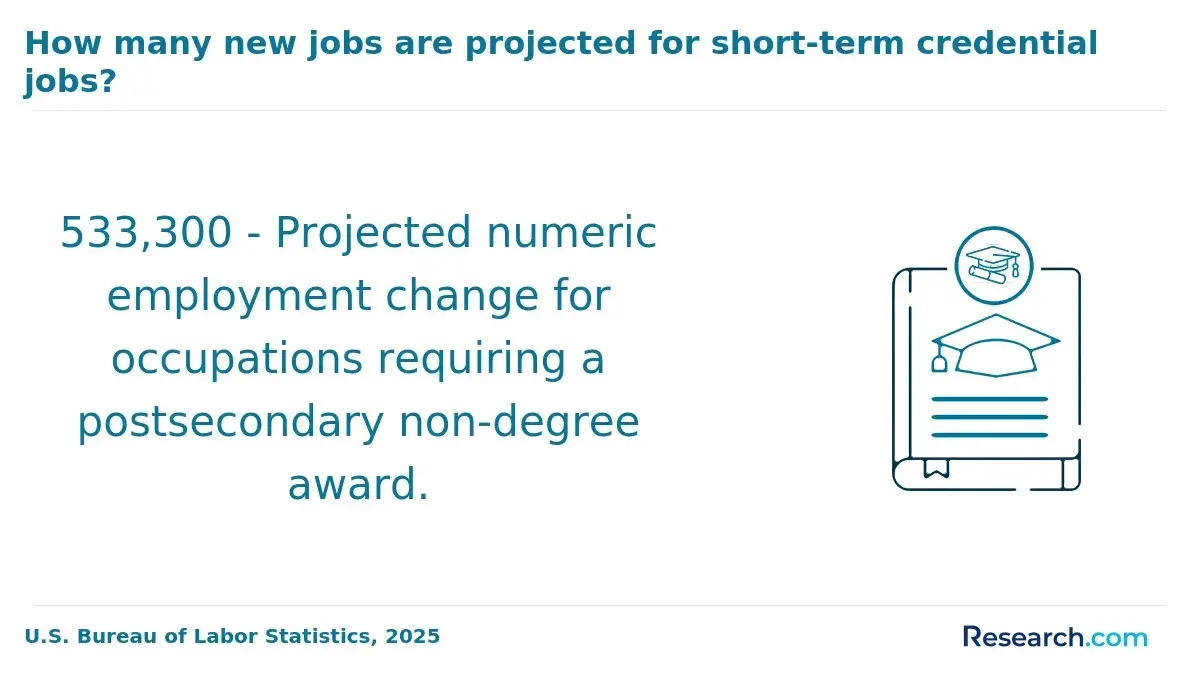
Graduating sooner from an accelerated online program at ECPI University requires more than just enrollment. It demands strategic academic planning and steady momentum to capitalize on the program's unique structures. Efficiently navigating credit transfer policies, placement exams, and term schedules can shorten timelines substantially. However, these advantages only materialize when students actively manage course loads and meet admission criteria promptly.
The following strategies illustrate practical ways to harness these features for faster completion.
- Leverage Credit Transfer and PLAs: Maximizing transfer credits from prior college work or life experience reduces course requirements. ECPI University's policies acknowledge relevant knowledge which cuts down total enrollment time. Students should gather official transcripts and document work history early to avoid processing delays.
- Enroll in Continuous Terms: Taking advantage of winter and summer minimesters allows students to maintain momentum without long breaks. This compressed timeline circumvents traditional semester limits and promotes steady progress. Planning around these terms requires aligning personal and work commitments accordingly.
- Test Out of Prerequisites: Placement exams enable students to bypass foundational courses. This strategy saves time by eliminating redundant learning and fast-tracking access to core subjects. Preparing thoroughly for these exams is essential, as passing them depends on existing competencies.
- Maintain a Heavier Course Load: Balancing a robust schedule expedites credit accumulation but demands discipline and time management. ECPI's faster format requires sustained focus and realistic assessment of capacity to avoid burnout or failure.
- Prepare for Admission Testing Early: With requirements like the Wonderlic, early readiness prevents enrollment delays. Testing challenges add bureaucratic hurdles that can extend start dates, so scheduling and study upfront is prudent.
- Plan Coursework Strategically: Mapping out sequences of required courses minimizes wait times for classes with limited availability. Students should consult advisors frequently to anticipate scheduling bottlenecks and enrollment deadlines.
- Keep Consistent Academic Pace: Failing to maintain steady progress risks losing the speed advantage. Students need to monitor performance closely and seek support if falling behind to sustain accelerated completion.
Recent data from ECPI University indicates a 15% increase in completion speed among students who effectively used credit transfer and prior learning assessments, underscoring how informed academic decisions drive tangible time savings. This trend confirms that acceleration requires active navigation of institutional options rather than passive participation.
One ECPI University graduate recounted feeling initially overwhelmed by the admission testing and course intensity but chose to front-load credits through transfer and careful planning. "I knew the faster pace meant I couldn't afford gaps. When I got my transfer credits approved early, it felt like a turning point. Each term, I pushed to finish courses on time, sometimes overlapping minimesters during work breaks. It wasn't easy, but seeing those milestones shrink my degree timeline kept me motivated." This experience highlights the value of proactive management and resilience in finishing faster under compressed online programs.
Choosing an accelerated online program requires thorough evaluation of workload demands. ECPI University's accelerated online programs require a significant weekly time commitment, typically between 20 and 25 hours per course. The compressed credit hour format concentrates what would normally be a traditional semester into a shorter term, demanding consistent attention and discipline. For instance, a working professional balancing full-time employment and family responsibilities might find the pace challenging due to the limited margin for falling behind.
Understanding these realities is essential before committing. Below are key workload considerations for prospective students.
- Weekly Study Time Expectations: Students should plan for about 20 to 25 dedicated hours weekly per course, aligning with a 2024 study that found an average of 22.7 hours required. This substantial time ensures material mastery but leaves less flexibility for unexpected commitments.
- Compressed Assignment Deadlines: Assignments and exams occur more frequently with shorter turnaround times. Students must develop efficient time management skills to avoid backlog and stress, especially when juggling simultaneous courses.
- Balancing Synchronous and Asynchronous Learning: ECPI's format includes roughly 60% asynchronous self-study alongside live sessions. This mix provides flexibility but demands self-motivation and timely engagement to keep pace with class progress.
- Faculty Support Availability: With a staff of approximately 1,900, ECPI University maintains a solid support network. Accessible faculty feedback is critical to prevent students from falling behind, a frequent risk in accelerated programs.
- Impact on Personal and Professional Life: Due to intensive study commitments, students must realistically assess how coursework fits with job and family duties. Effective planning and boundary setting are crucial to sustain performance and well-being.
- Reduced Opportunity for Make-Up Work: The fast pace implies fewer chances to catch up after missed work. This demands rigor in attendance and assignment submission, contrasting with more forgiving traditional terms.
- Consideration of Career Timing: Accelerated completion suits those prioritizing speed but may require sacrificing some depth or leisurely learning. Prospective students should weigh this tradeoff against their career goals and learning preferences.
Prospective students researching accelerated online degrees can compare programs effectively by considering these workload factors alongside career aims. For those wanting to understand how ECPI's programs rank on speed and intensity, a useful reference is the fastest online masters analysis.
In sum, academic workload expectations for accelerated online degrees at ECPI University necessitate a realistic appraisal of time management capabilities and life circumstances. This understanding can inform a decision aligned with a student's practical capacity and educational ambitions.
Focusing solely on tuition obscures the full financial impact of enrolling in an accelerated online program at ECPI University. Additional fees related to technology, materials, and testing often push the total cost higher than advertised. Evaluating these extra charges is critical because they affect budgeting and can undermine cost advantages if overlooked. National trends show that faster degree completion can reduce overall expenses by cutting opportunity costs and living expenses.
The following points break down key cost factors to assess before committing financially.
- Tuition And Fees: The base tuition for accelerated programs at ECPI University totals $32,788, which exceeds the $27,999 average cost of attendance reported by federal data due to added fees. Students should clarify what is included and what extra fees may apply, such as graduation or exam proctoring fees, to avoid surprises.
- Technology Expenses: Online learning demands reliable hardware and software, sometimes requiring specialized devices or licenses not covered by tuition. Budgeting for these digital tools is essential since they directly impact the ability to complete coursework efficiently in a fast-paced environment.
- Digital Materials And Textbooks: Accelerated courses often rely on up-to-date digital textbooks and proprietary learning platforms that can involve additional purchases or subscriptions. Unlike traditional textbooks, these costs may not be transparent upfront but affect the overall investment.
- Opportunity Cost Savings: National research highlights how shortening degree timelines can decrease total financial burden by reducing time out of the workforce and living expenses. However, this benefit only materializes if students avoid retaking classes or extending their program length.
- Hidden Charges And Testing Fees: Proctored exams and mandatory online assessments may come with separate fees. These can accumulate over the course of a program and add unexpected costs if not anticipated in advance during financial planning.
- Comparative Program Value: Accelerated options trade time for intensity. Although they may cost slightly more upfront, the ability to enter the job market sooner can offset these costs. Students need to weigh this carefully against their personal capacity for fast-track learning and schedule demands.
- Extended Term Risks: Falling behind or failing a course increases total expenses substantially since terms extend and more tuition is charged. The accelerated structure magnifies these costs because extra semesters carry both tuition and living cost implications that erase upfront savings.
An ECPI University graduate who carefully weighed these factors shared, "I hesitated at first because the advertised tuition seemed higher than other programs I found. When I dug into the fees for online exams and required software, I realized the total would be even more. It felt daunting, but I also knew finishing faster meant getting back to work sooner, which mattered for my family's budget. In the end, staying on track was tough but worth it; the extra costs were real but manageable, and the shorter timeline helped me avoid bigger debts."
Accelerated online students must rely heavily on dependable technology and responsive support services to maintain their often rigorous and compressed academic schedules. The intensity of these programs leaves little room for delays caused by technical issues or gaps in academic guidance. Effective resources reduce friction, enabling students to focus on mastering content quickly while meeting tight deadlines.
For example, a working parent juggling shifts with coursework benefits significantly from 24/7 technical support and targeted advising that anticipates accelerated pacing challenges. Below are key technology and support services that facilitate success in ECPI University's accelerated online programs.
- Learning Management System:The Brightspace LMS is tailored for fast-paced learning, offering seamless access to content and coursework. Its design supports self-paced progress within compressed terms, allowing students to efficiently navigate material without unnecessary wait times. Students who leverage Brightspace's intuitive organization can better sync study time with demanding personal schedules.
- Technical Support Resources:ECPI University provides 24/7 IT helpdesk assistance specializing in issues unique to accelerated learners. Immediate resolution of login, software, or connectivity problems prevents disruptive delays critical in shortened terms. Prompt support ensures that students like those balancing jobs and studies avoid falling behind due to technical setbacks.
- Online Tutoring Services:Dedicated tutoring focuses on quick comprehension and application of course concepts. Tutors understand the accelerated format and prioritize targeted assistance that fits compressed class timelines. This service is valuable for students needing rapid clarification to maintain momentum in sequential, intensive courses.
- Academic Advising Services:Advisors specialized in accelerated pathways provide personalized planning to keep graduation goals on track. They help anticipate workload peaks, suggest effective time management strategies, and intervene early when students struggle. Proactive advising mitigates risks of overload and ensures pacing aligns with career timelines.
- Comprehensive Digital Library:Access to extensive online academic resources supports research and learning without on-campus visits. Efficient retrieval of journals, ebooks, and databases underpins timely assignment completion. This resource is particularly beneficial for students who must juggle study with external obligations.
- Mental Health and Career Support:Virtual counseling and career services address the psychological and professional demands of accelerated learning. Specialized interventions help manage stress and maintain motivation during high-intensity terms. Career coaching also prepares students to translate accelerated credentials effectively to employers.
- Community Forums and Peer Networks:Online discussion boards foster connection and collaboration despite physical distance. These forums offer practical tips, shared experiences, and motivation essential for perseverance in fast-track programs. Engaging in peer support can compensate for limited face-to-face interaction.
A 2024 study by the Online Learning Consortium reveals 72% of accelerated students who use support services report better course completion rates and enhanced employability perceptions. This underscores that technology and accessible academic support form the backbone of success in fast-paced online education pathways.
Choosing between accelerated online programs and traditional online programs at ECPI University involves more than just comparing graduation speeds. Prospective students must consider different learning intensities, time commitments, and completion risks. Accelerated formats can significantly shorten the degree timeline, but they also demand a higher workload and discipline, which may not suit everyone's lifestyle or professional obligations. For example, a working parent might struggle to maintain the pace of an accelerated track, while someone focused solely on education could benefit from finishing faster.
The trade-offs extend across cost, course intensity, and outcomes. The following points clarify key differences to help determine the best fit.
- Course Pace: Accelerated programs condense course material into shorter terms, increasing session rigor and intensity. Traditional programs spread courses over longer periods, allowing more time per subject and potentially less stress, important for students balancing work or family.
- Graduation Timeline: ECPI University's accelerated tracks enable completion in two to three years compared to four or more with traditional online programs. Faster graduation can reduce tuition and related costs but requires consistent, focused effort.
- Graduation Rates: The average graduation rate for ECPI's accelerated programs is around 45%, indicating a higher attrition risk than traditional paths. This reflects the challenge of maintaining pace, which prospective students must weigh against their resilience and support systems.
- Tuition and Costs: Tuition totals approximately $32,788 for accelerated programs, similar to traditional rates. Shorter study duration may lower ancillary expenses, though per-term fees can be slightly higher due to resource intensity.
- Workload and Time Commitment: Accelerated tracks demand sustained, daily study and limited flexibility. Traditional programs offer a more manageable weekly workload, which suits students balancing jobs or family obligations better.
- Employer Perception: Increasingly, employers recognize credentials from both program types but may value the faster time-to-degree for fields with urgent demand. Students should consider how the program pacing fits industry hiring practices.
- Program Suitability: Accelerated formats work well for students with clear educational goals and available study time; traditional programs better support those needing to pace their learning. Those interested in shorter training options may also explore short term certificate programs as alternatives.
Accelerated online programs vary widely in structure, cost, and outcomes, so comparing ECPI University's offerings with other universities in the US can clarify significant differences. Assumptions that all accelerated programs deliver the same learning experience overlook important factors like graduation rates, salary outcomes, and employer perceptions. For example, a working adult seeking rapid credentialing should consider how well a program supports retention and job market readiness, not just its speed.
ECPI University's unique approach presents time-saving benefits but with notable trade-offs. The following points highlight essential comparison areas prospective students should evaluate.
- Tuition Cost and Value: ECPI University's total tuition cost of $32,788 falls within a moderate to slightly higher range compared to regional competitors. Students must assess whether compressed course delivery justifies this expense given similar programs may offer lower costs with longer timeframes.
- Graduation Rates and Completion Likelihood: The 45% average graduation rate for ECPI's fast-track students is below the national online average that typically exceeds 60%. Students at risk of interruptions should weigh how program pacing influences their ability to graduate.
- Post-Graduation Salaries: ECPI's median alumni salary of $42,837 trails comparable accelerated programs where graduates often report closer to $50,000. Lower income outcomes may impact long-term return on investment and should inform career planning.
- Program Reputation and Employer Expectations: Recent research shows accelerated programs with sub-50% graduation rates face employer scrutiny about depth of preparation. This can affect hiring in sectors requiring advanced competencies even if candidates complete coursework rapidly.
- Educational Structure and Intensity: ECPI's compressed course formats demand high commitment but save time. This intensity benefits those needing quick credentials but challenges students who require more paced learning to succeed.
- Applicability to Work-Life Balance: Unlike some traditional online degrees, ECPI's accelerated online degrees at ECPI University vs other universities in the US may not suit all schedules. Students balancing work and family must realistically evaluate personal endurance for fast-track models.
- Degree Progression Opportunities: Prospective students interested in advanced study should explore options like PhD no dissertation pathways that could complement or extend their accelerated credentials, impacting long-term educational goals.
The value of an accelerated online program lies in how well it advances a student's long-term career goals rather than simply how quickly they can graduate. Rapid course completion may suit immediate credentialing needs but offers limited advantage if it does not translate to meaningful professional growth. Prospective students must consider whether the program's pacing supports skill acquisition, networking opportunities, and employer expectations specific to their industry.
Accelerated online programs can provide professional value in scenarios requiring swift career shifts, urgent upskilling to meet employer demands, or timely preparation for graduate studies. For example, a working nurse pursuing a specialized certificate may benefit from a faster program to qualify for a promotion within months. However, those seeking deeper mastery or who have less flexible workloads might find traditional pacing better suits sustained learning and higher completion likelihood.
Trade-offs include balancing the program's intensity against personal capacity and long-term payoff. ECPI University's average graduation rate of 45% and an earnings to debt ratio of 2.14x reveal that acceleration carries risk, especially for students unable to manage compressed workloads. Employers increasingly prioritize practical skills and demonstrated competence over speed, which means an accelerated degree that sacrifices depth or completion may undermine employment outcomes.
To decide if an accelerated online program at ECPI University fits their needs, students should evaluate their current career stage, ability to commit time and effort, and financial readiness to manage debt relative to expected earnings. Clarifying long-term objectives, such as advancing in a competitive field or fulfilling credential requirements, helps determine whether faster completion outweighs risks of lower completion rates and moderate salary gains. This informed weighing of pace, quality, and personal circumstances leads to more effective educational investment decisions.
What Graduates Say About Accelerated Online Programs at ECPI University
- Victoria: "Choosing the accelerated online Nursing program at ECPI University was a calculated decision based on my previous academic background and my readiness to handle an intensive workload. The pace required me to develop strict time management routines, balancing family commitments with back-to-back coursework. Although challenging, graduating ahead of the traditional timeline gave me a competitive edge to pursue advanced certifications sooner, ultimately accelerating my progression within healthcare administration."
- Reagan: "The Cybersecurity accelerated online program at ECPI University demanded consistent discipline to keep up with its compressed schedule, especially while working a full-time job. I quickly learned to prioritize weekly assignments and utilize short study sessions efficiently to avoid falling behind. While the fast pace sometimes felt overwhelming, earning my degree in less than three years opened doors to new job opportunities and increased responsibilities that directly impacted my career trajectory."
- Sadie: "When I enrolled in the accelerated online Software Development program at ECPI University, I knew the workload would be intense but manageable if I stayed organized. Balancing nights spent coding with my parenting duties wasn't always smooth, and I had to adjust expectations around work-life balance. Though the stress was real, graduating sooner than I imagined allowed me to switch careers and enter the tech field with confidence and relevant experience secured through ECPI's practical curriculum."
Other Things You Should Know About ECPI University Degrees
Students need a reliable computer, current web browser, webcam, microphone, and stable high-speed internet before classes begin in 2027. ECPI’s online courses also use learning-management software, so students should be able to download files, submit assignments online, and join live virtual sessions if required.
While many employers value the ability to complete a degree quickly as an indication of motivation and time management, some remain cautious about accelerated formats due to concerns about depth of learning and practical experience. The impact varies by industry and region; technical and IT fields tend to be more accepting, especially if supplemented with relevant certifications or work history. Candidates should consider how their accelerated degree is positioned alongside internships, projects, and professional experience to meet employer expectations effectively.
Accelerated online degrees from ECPI University can present challenges for students intending to pursue advanced degrees, particularly at research-intensive universities. Some graduate programs may scrutinize the compressed curriculum or question transferability of credits, which could require additional coursework. Prospective students should consult potential graduate programs early to understand if their accelerated degree aligns with prerequisites and avoids unexpected academic hurdles later.
In 2027, ECPI University's accelerated online format allows students to earn degrees faster than traditional timelines, enabling quicker entry into the job market. This approach benefits those eager to start their careers, offering a structured yet flexible learning environment conducive to rapid completion.
- ECPI University Online Reviews https://www.onlineu.com/online-reviews/ecpi-university-online
- ECPI University Programs https://www.ecpi.edu/programs
- ECPI University https://www.appily.com/colleges/ecpi-university/reviews