2027 Is American Public University's Online Bachelor's in Electrical Engineering Worth It? Salary, Outcomes, and ROI

Co-Founder and Chief Data Scientist
Choosing an online bachelor's in electrical engineering program involves balancing rigorous technical training with flexible scheduling to meet career aspirations. The U.S. Bureau of Labor Statistics projects a steady growth rate for electrical engineering jobs, emphasizing the importance of accredited programs that align with evolving industry standards. However, students must also weigh how program delivery and curriculum depth prepare them for practical challenges and professional mobility.
American Public University's online bachelor's in electrical engineering poses questions about its ability to meet these complex needs. This article examines the program's strengths, limitations, and alignment with student goals to help clarify whether it is a strategic academic investment.
Key Points About American Public University's Online Bachelor's in Electrical Engineering Program
- American Public University's open admission policy removes entry barriers for its online Bachelor's in Electrical Engineering, enabling wider access but possibly varying student preparedness levels.
- The program's total tuition is $19,960 with an earnings to debt ratio of 2.04x, indicating graduates typically recover tuition costs through earnings over time.
- Alumni earn a median salary of $44,409, reflecting moderate acceptance in the engineering workforce despite limited recognition by top engineering firms.
What makes American Public University's online Bachelor's in Electrical Engineering program stand out?
American Public University's online bachelor's in electrical engineering caters to students who need schedule flexibility due to work or personal commitments, offering fully asynchronous coursework. This structure allows learners to engage with material at their own pace, which can be advantageous for those balancing professional roles or family responsibilities but may challenge self-motivated learners who thrive in structured environments.
With a broad faculty base of 884 full-time and 1,340 part-time staff supporting over 50,000 students, the program benefits from significant academic resources, including virtual labs and interactive simulations critical for grasping applied electrical engineering concepts. Its strong emphasis on credit transfer and specialized advising supports military and professional students looking to leverage prior experience, though the 53% graduation rate highlights the demanding nature of remote technical education and varying student preparedness.
Is it difficult to get admitted to American Public University's online Bachelor's in Electrical Engineering program?
Admission to most bachelor's in electrical engineering programs is highly competitive, reflecting the field's technical demands and the strong employer preference for candidates with rigorous academic preparation. Many programs require high GPAs, strong performance in math and science prerequisites, and standardized test scores, creating barriers that screen for academic readiness. For applicants targeting engineering careers that emphasize hands-on experience and theoretical depth, these selection hurdles are a critical early filter.
In contrast, American Public University's online bachelor's in electrical engineering operates on an open enrollment model, eliminating the need for SAT or ACT scores and lowering traditional entry barriers. This structure makes its acceptance rate significantly higher than typical stringent engineering programs. While this increases accessibility, it may also mean that students need to proactively develop foundational skills and self-discipline, given the less selective admissions process and the online format's demands.
For individuals balancing work, family, or other obligations, this model can offer a practical way to enter the field without the prolonged wait times or denials common to more selective institutions.
The tradeoff is that while admission is less difficult, prospective students should consider how this influences their preparation and potential employer perceptions, especially in competitive job markets where traditional engineering credentials are often preferred. Students who leverage the program's flexibility to build practical experience alongside their studies may better mitigate these concerns.
One graduate recalled applying late in the admission cycle after hesitating due to uncertainty about balancing work and school. "I wasn't worried about getting in since they don't require test scores, but I spent weeks deciding when I could realistically start. The quick admission turnaround was a relief, but it also meant I had to immediately manage time and coursework without much prep. It wasn't difficult to get admitted, but staying on track felt like the bigger challenge."
How does the curriculum of American Public University's online Bachelor's in Electrical Engineering program stay aligned with current industry trends?
Aligning a bachelor's program in electrical engineering with evolving industry standards requires constant integration of practical skills and emerging technologies that employers prioritize. American Public University's electrical engineering curriculum and industry standards show a clear intent to keep pace with market demands, but students must weigh how this alignment compares with programs emphasizing intensive, on-campus laboratory experiences, which some employers still view as crucial for certain roles.
Below are key factors demonstrating how the curriculum reflects current engineering trends:
- Focused technical breadth: The curriculum incorporates foundational and advanced topics such as circuit analysis, electronics, electromagnetic fields, and microcontroller programming, which correspond to the broad skill sets expected by employers. This solid technical base is essential for graduates seeking roles that involve embedded systems, automation, and power systems.
- Applied simulation tools: Incorporating simulation and modeling software into coursework provides hands-on experience with digital tools widely used in industry design and testing processes. Familiarity with these applications directly supports the practical problem-solving skills employers demand in fields like telecommunications and renewable energy technologies.
- Project-based learning: The program emphasizes design and problem-solving projects, which encourage applied knowledge rather than theoretical study alone. This focus prepares students for real-world engineering challenges and decision-making scenarios encountered in professional environments.
This approach positions graduates to meet evolving expectations within various engineering sectors; however, students should consider how the online format complements their individual learning style and career objectives relative to more traditional programs.
Prospective students interested in such programs can explore how American Public University's offerings compare with other online colleges to make informed decisions grounded in practical outcomes and workforce alignment.
The tuition cost for american public university online electrical engineering tuition cost is set at $8,400 annually for tuition and fees, with a total estimated cost including books, room, board, and other expenses reaching nearly $19,960. This straightforward flat-rate tuition applies equally to all online students, removing the complexity of varying in-state and out-of-state rates. However, students must account for variable costs such as books and supplies, which can push the overall financial commitment higher depending on individual circumstances.
For many prospective students, understanding the cost structure is critical to evaluating the return on investment. While the upfront tuition is notably competitive, especially without online-specific fees, eligibility for financial aid can be a deciding factor. Approximately 97% of undergraduates receive some form of aid at American Public University, with average awards around $2,031. This aid, combined with institutional grants and corporate tuition reimbursement partnerships, lessens the effective burden for many, particularly working professionals balancing education with employment.
When comparing the cost of earning a bachelor's degree in electrical engineering at American Public University to other programs, it is clear the pricing sits below the national average, which often reflects higher tuition rates and additional hidden fees.
The federal scorecard reports for traditional in-state, on-campus students in similar programs an average annual cost closer to $16,358, highlighting the potential savings offered by an entirely online format with consistent pricing.
Prospective students should also consider alternative pathways like online associate degrees as part of a broader educational strategy. These shorter credentials can provide foundational skills and reduce initial outlays, offering workforce entry points with lower financial risk before potentially transferring to a bachelor's program.
The admission process for American Public University's online bachelor's in electrical engineering favors accessibility but demands awareness of practical tradeoffs, especially for students balancing work or prior education credits.
Applicants benefit from open admission policies that minimize typical barriers, yet must still strategically evaluate how prior learning credits might accelerate progress or how minimal supplemental application requirements affect readiness for the program's technical rigor. Familiarity with these criteria is essential for making informed enrollment decisions.
Key admission components include the following:
- Academic Background: Completion of high school or possession of a General Educational Development (GED) certificate is mandatory, establishing a minimal educational foundation without requiring standardized test scores.
- Prior Learning Credits: The program recognizes various credits such as AP credits, CLEP exams, DSST/Dantes testing, and transfer credits from other institutions, providing flexible pathways for students with relevant prior coursework to reduce time and tuition costs.
- Entrance Exams: SAT or ACT scores are not required, which lowers conventional entry barriers but also shifts emphasis onto academic readiness confirmed by other means.
- Additional Materials: Unlike many engineering programs, letters of recommendation, personal statements, portfolios, or professional resumes are generally not requested, streamlining application but potentially limiting holistic candidate assessment.
- Technology Requirements: No computer purchase or lease plans are offered, so students must independently secure appropriate hardware to meet course demands, an important logistical consideration.
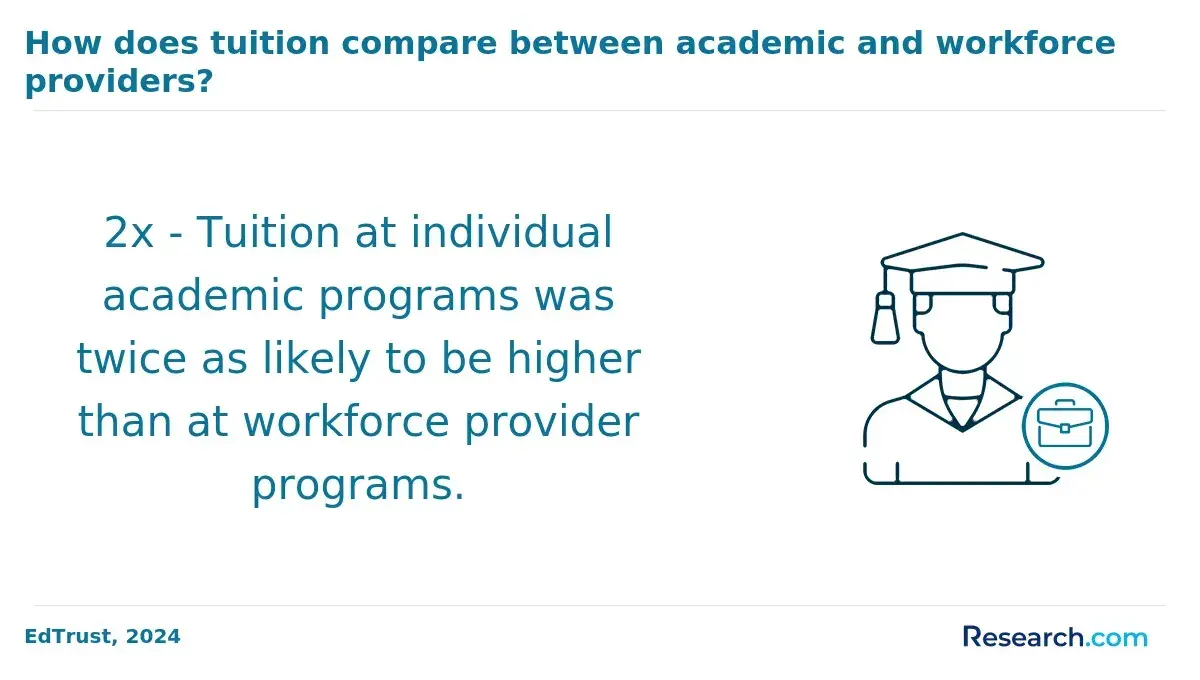
The return on investment for American Public University's online bachelor's in electrical engineering hinges on balancing a moderate total annual cost against steady graduate earnings. Students face an estimated yearly expense near $20,000 when factoring tuition, fees, and living costs, which is somewhat higher than the federal in-state cost estimate of $16,358 for on-campus attendance.
Graduates report a median starting salary around $44,400, closely reflecting broader industry entry-level figures for electrical engineering, where early-career earnings typically range between $40,000 and $50,000 depending on location and employer.
This stable starting salary that remains consistent a decade post-graduation indicates limited initial wage growth but predictable income, which may suit those valuing stability in sectors like government or utilities. However, students' financial outcomes vary significantly based on scholarships obtained and the ability to access higher-paying roles, such as in defense contracting or leadership tracks, where salaries can rise markedly with experience.
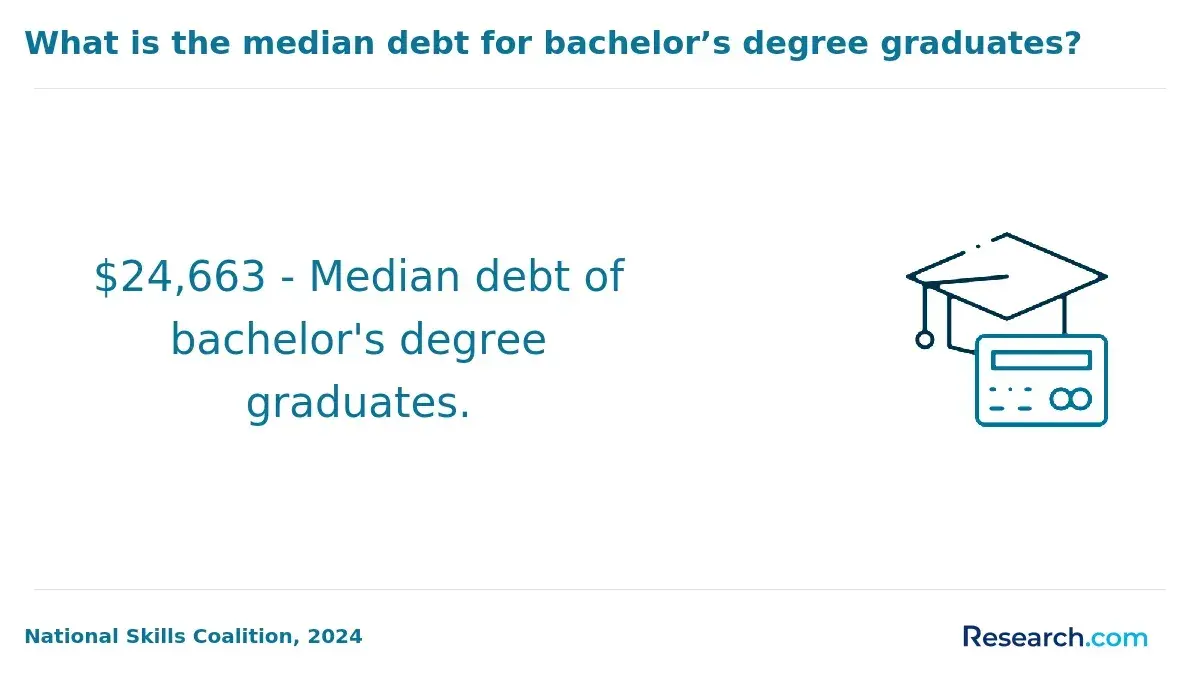
The median debt burden of $21,743 after graduation, with an earnings-to-debt ratio just above 2x, suggests a moderate financial risk that may be manageable given disciplined repayment but could weigh heavily without additional financial support.
For many graduates, the ROI depends on aligning their career paths with employers who value practical electrical engineering expertise and offer advancement opportunities. Those unable to secure competitive roles or substantial scholarships may find the program's return less favorable compared to programs with stronger wage growth trajectories or lower costs. Assessing specific employer demand and personal financial resilience is critical before committing to this educational investment.
Student satisfaction with American Public University's online bachelor's in electrical engineering program tends to reflect a tradeoff between the flexibility it offers and the challenges of an online learning environment that demands strong self-motivation. Many students appreciate the accessibility and ability to balance coursework with outside commitments, which is common among working adults or those with families. However, the limited face-to-face interaction and need for disciplined time management often temper enthusiasm, especially in a technical field where in-person collaboration can deepen understanding.
The university fosters engagement through student-led organizations and online mentoring designed to mitigate isolation, yet experiences vary widely depending on how actively students use these resources. Satisfaction correlates strongly with individual initiative to participate in virtual communities and seek support. While the faculty-to-student ratio allows for some personalized guidance, the relatively moderate graduation rate signals that consistent effort and engagement are crucial to progressing through the demanding curriculum.
For those weighing their options, it's important to realize that this program's value hinges not only on content but also on a learner's commitment to overcoming the inherent challenges of remote study in engineering. These dynamics can influence long-term career readiness, as employers expect graduates to navigate complex concepts both independently and collaboratively.
A recent graduate shared, "I chose APU because I needed the schedule flexibility after my job shift, but I worried about missing hands-on lab experiences. The virtual mentoring helped more than I expected, though I often felt isolated heading into tough assignments. Balancing work, family, and study wasn't easy, and sometimes I second-guessed if I could finish. In the end, staying engaged with peers online made the difference. I'm satisfied overall but knew going in that success meant constant self-discipline."
Employers increasingly expect graduates not only to hold degrees but also to demonstrate practical knowledge of industry processes and professional networking before entering the workforce. American Public University's career support services for online bachelor's in electrical engineering graduates address this by integrating targeted employment resources that help students navigate these expectations. Institutions with active career services and alumni engagement can improve graduate employment rates by up to 15%, highlighting the tangible impact of such support.
In this context, the role of APU's job placement mechanisms offers specific pathways that sharpen graduates' competitiveness in a sector where direct industry connections and application precision matter greatly. The following opportunities illustrate how APU positions its electrical engineering alumni for employment success:
- Virtual Career Fairs: APU hosts online fairs connecting students with employers seeking both remote and on-site engineers, facilitating early professional interactions that can lead to internships or job offers before graduation.
- Resume Workshops: These sessions focus on tailoring resumes to engineering roles, including optimizing for applicant tracking systems, which are frequently used by employers to filter candidates.
- Exclusive Job Portal: A dedicated platform lists industry-specific openings and internships accessible only to current students and alumni, providing a focused job search environment aligned with their qualifications.
- Alumni Mentorship Program: By pairing students with seasoned electrical engineering professionals, this network enhances career planning and insight into workplace challenges, improving employability through real-world guidance.
These targeted supports contribute practical tools and relationships, crucial in an engineering labor market that values both skill and connection. For prospective students balancing education with other commitments, resources like these are an essential complement to technical training.
When considering program options and the job placement assistance for American Public University electrical engineering alumni overall, it is also useful to compare how such support measures align with expectations for similar online degrees designed for working adults. Those seeking additional context on balancing family and career ambitions can explore college programs for moms that highlight tailored online education tracks and support networks.
Career outcomes significantly shape whether pursuing American Public University's online bachelor's in electrical engineering is a practical investment. Graduates typically enter roles supporting complex electrical systems but face competition from candidates with more specialized or hands-on experience. The program's alignment with industry-relevant skills offers a base for roles in manufacturing or energy sectors, yet salary data specific to electrical engineering alumni remains limited.
Comparison with related technical fields, such as mechanical engineering technologies, suggests earnings around the mid-$50,000 range initially, though actual pay varies with role complexity and career progression. These outcomes matter because they highlight the need for strategic decisions about additional certifications or experience to access higher-paying positions within engineering.
Consider these common career paths and what each entails for recent graduates:
- Electrical Engineer Assistant: This entry-level role involves supporting senior engineers in design and troubleshooting tasks. Responsibilities focus on assisting with system installations and maintenance, with salaries typically reflecting technician-level compensation in the mid-$40,000s to low $50,000s, depending on industry and location.
- Field Service Technician: Employed in sectors like telecommunications and manufacturing, field service technicians install and repair electrical equipment on-site. This role requires adaptability and technical knowledge, often offering hourly wages and variable income based on contract work volume.
- Test Engineer: Test engineers develop and execute procedures to evaluate electrical components and systems, ensuring quality and compliance. Starting salaries usually align with engineering technician roles but advance with experience, certification, or specialty in systems design.
- Project Coordination Roles: Graduates with practical experience may move into systems design or project management within public or private organizations. These positions demand comprehensive technical understanding and communication skills, with compensation increasing substantially as responsibilities expand.
Job placement and growth opportunities after earning a bachelor's in electrical engineering from American Public University are linked closely to how graduates leverage combined technical skills with certifications or advanced study. Exploring options through resources like the best online college for military can also inform decisions about complementary training pathways to boost employability in competitive markets.
Determining whether american public university's online bachelor's in electrical engineering program fits your goals requires evaluating multiple interconnected factors that influence long-term professional outcomes. The value of the program is highly dependent on your specific academic interests, career aspirations, and how you plan to enter the workforce. For prospective students weighing these tradeoffs, several key criteria should guide their assessment.
Here are crucial aspects to consider:
- Curriculum Focus: Review if the program's courses emphasize the electrical engineering specialties relevant to your career goals, such as power systems, electronics, or telecommunications. Aligning coursework with your intended industry segments enhances practical skills and employability.
- Program Structure and Flexibility: Since this is an online offering, analyze how its format suits your learning preferences and schedule. Consider the presence of synchronous sessions, virtual labs, and faculty interaction that can influence your depth of understanding and engagement.
- Accreditation Status: Confirm the program holds recognized accreditation in engineering disciplines, as this affects the legitimacy of your degree and eligibility for professional licensure or advanced study-critical factors in many engineering careers.
- Student Support Services: Examine the availability of academic advising, career counseling, and technical assistance. These resources often correlate with higher completion rates and smoother transitions into engineering roles, especially for online learners.
- Cost Versus Career Impact: Weigh tuition and fees against expected salary trajectories and financial aid opportunities. This cost-benefit analysis should reflect your risk tolerance and the employment market conditions relevant to your targeted electrical engineering sector.
Choosing whether this specific program fits your needs is a nuanced decision involving professional growth considerations. For those seeking flexible pacing, consider exploring online colleges with flexible start dates, which may better accommodate evolving schedules.
This approach aligns with effectively evaluating how to determine if american public university electrical engineering program fits my career goals and supports thorough evaluating american public university online bachelor's in electrical engineering for professional growth.
What Graduates Say About American Public University's Online Bachelor's in Electrical Engineering Program
- Lucy: "Studying for my bachelor's in electrical engineering at American Public University gave me the flexibility I needed while working full-time. The program's focus on applied concepts helped me build a portfolio that many employers valued more than certifications or even licensure early on, which sped up my hiring process. That practical experience combined with my degree really opened doors for remote roles in embedded systems development, something I hadn't anticipated when I started."
- Alondra: "The coursework at American Public University was rigorous and required significant self-discipline, especially juggling it with my responsibilities. While some companies prioritize licensed engineers, I found that my degree, combined with internships I proactively pursued, was essential to gaining entry-level roles in power systems. Over time, I realized salary growth in my area is limited without a PE license, so I'm considering additional certifications to complement my degree and stay competitive."
- Selena: "After completing my bachelor's in electrical engineering at American Public University, I reevaluated my career path when I faced stiff competition for traditional engineering roles. The degree gave me a solid foundation, but I noticed that employers heavily weighed hands-on experience and specialized skills. That led me to pivot into technical project management where my engineering background is a strong asset, but I now focus on how to leverage remote work opportunities and leadership skills for advancement."
Other Things You Should Know About Degrees
Networking and peer collaboration can be challenging due to the online format. Students often miss the in-person interaction that facilitates easy networking. However, virtual tools like forums and video conferences are used to bridge this gap, though they may require extra effort to engage fully.
While the program offers virtual labs and simulation software to support practical skills, it lacks traditional, in-person laboratory experiences that some employers highly value. This may put graduates at a disadvantage compared to peers who have had extensive physical lab exposure, especially in industries requiring hardware proficiency. Prospective students should consider supplementing their education with external internships or local lab access to strengthen hands-on competencies.
Graduates who want professional licensure usually take the Fundamentals of Engineering exam first, then the Principles and Practice of Engineering exam after work experience. In most states, the engineering board requires a ABET-accredited degree or a credential evaluation, plus supervised experience before PE eligibility.
Employer recognition of degrees from American Public University varies; some value the flexibility and completion of an accredited program, while others may favor candidates with degrees from institutions with stronger brand reputations or traditional formats. Graduates should emphasize relevant skills and certifications on resumes and consider gaining internships or practical experiences to mitigate any employer hesitation. For those targeting highly competitive or research-intensive roles, supplementing this degree with further qualifications can enhance employability.
- Online College Review: Should I Go to American Public University System (APUS)? https://www.collegetransitions.com/blog/american-public-university-system-online-college-review/
- Is College Worth it? | Return on Investment Analysis of College Degree https://educationdata.org/college-degree-roi
- Electrical Engineer Skills and Electrical Engineer Requirements https://hc.edu/articles/is-electrical-engineering-right-for-me/
- Electrical Engineering Careers | How To Become An Electrical Engineer https://www.learnhowtobecome.org/engineering-careers/electrical-engineer/
- Electrical Engineering https://www.ualberta.ca/en/undergraduate-programs/bachelor-of-science-in-electrical-engineering-electrical-engineering.html
- American Public University System [Acceptance Rate + Statistics] https://edurank.org/uni/american-public-university-system/
- Does College Pay Off? A Comprehensive Return On Investment Analysis - FREOPP https://freopp.org/whitepapers/does-college-pay-off-a-comprehensive-return-on-investment-analysis/
- Your Career Options in Electrical Engineering - Electrical Engineering https://electrical.mines.edu/your-career-options-in-electrical-engineering/
- BS in Electrical Engineering Outcomes | University of Bridgeport https://www.bridgeport.edu/news/what-can-you-do-with-bs-in-electrical-engineering/
- Career Center https://www.apu.edu/career/