2027 Wake Forest University - School of Professional Studies Online Master of Health Informatics (MHI): Cost, Admissions, Curriculum, and Career Paths

Co-Founder and Chief Data Scientist
Navigating the decision to pursue an online Master of Health Informatics (MHI) requires careful consideration of program structure, cost, and outcomes. Enrollment in online graduate programs grew by over 12% in 2023, reflecting increasing demand for flexible education among working adults with evolving career goals, according to the National Center for Education Statistics.
Prospective students must assess whether Wake Forest University - School of Professional Studies' MHI aligns with their professional ambitions and learning preferences while offering adaptable admissions and curriculum models.
This article explores program costs, curriculum details, admission requirements, and career outcomes to clarify the fit and practical value of this MHI program for potential candidates.
Key Points About Wake Forest University - School of Professional Studies's Master of Health Informatics (MHI) Program
- An acceptance rate of 22% signals a highly competitive admission process, demanding strong academic and professional credentials from applicants pursuing the Master of Health Informatics (MHI).
- Graduates from this program typically demonstrate measurable career advancement across health informatics roles, reflecting employer recognition but within fields that expect solid technical and clinical knowledge.
- The total tuition cost of $89,246 requires careful financial planning, as this investment can impact return on education depending on one's career trajectory and alternative credential options.
What can students expect from Wake Forest University - School of Professional Studies's online Master of Health Informatics (MHI) curriculum?
Wake Forest University - School of Professional Studies' online Master of Health Informatics (MHI) curriculum is calibrated to meet the operational realities of healthcare technology roles by blending technical depth with healthcare system fluency.
Unlike programs that may lean heavily on theory, this curriculum incorporates hands-on case studies and practical problem-solving that mirror challenges professionals face managing health information infrastructure.
For example, students might analyze a healthcare provider's data interoperability issues and design project management solutions, a critical skill as interoperability remains a significant barrier for many health systems. The structure of this MHI program closely aligns with standard curricula across the U.S., emphasizing both clinical and IT competencies.
Here is a snapshot of key coursework components that define this career-focused curriculum:
- Healthcare Data Management: This course involves mastering the collection, storage, and governance of healthcare data, with a focus on accuracy and compliance. Students learn frameworks that ensure data integrity while supporting clinical decision-making.
- Clinical Informatics: Coursework dives into the application of informatics in clinical settings, requiring students to understand workflows and how to tailor IT solutions to improve patient outcomes and provider efficiency.
- Health IT Project Management: Students develop skills in planning, executing, and overseeing health IT initiatives, emphasizing real-world constraints like budget, regulation, and stakeholder communication.
Complementing the content, Wake Forest's program incorporates health information privacy and security, preparing graduates for roles that demand compliance with evolving regulatory standards.
This focus, coupled with flexible online delivery tailored for working professionals, equips students to step into roles such as clinical analysts or health informatics specialists.
As these areas continue to grow in importance across healthcare systems, students considering this path should also explore integrated offerings tied to highest paying online degrees to better understand workforce alignment.
What are Wake Forest University - School of Professional Studies's admission requirements for online Master of Health Informatics (MHI) program?
The admission requirements for Wake Forest University - School of Professional Studies' online Master of Health Informatics (MHI) program reveal a balanced emphasis on academic readiness and evaluative letters rather than standardized test scores.
For example, a working professional with a relevant undergraduate background but without formal test scores could still be a competitive applicant if they provide strong recommendations and meet the academic transcript criteria.
Here is an overview of the main requirements applicants should consider:
- Secondary School Transcript: Submission of a secondary school transcript is mandatory to verify foundational academic qualifications, serving as a baseline for assessing readiness for graduate-level coursework.
- Letters of Recommendation: Applicants must provide letters that attest to their academic potential or professional competence, which helps the admissions committee evaluate non-quantitative aspects such as dedication and aptitude.
- English Proficiency: International students are required to submit TOEFL scores to demonstrate proficiency in English, which is essential for succeeding in an online learning environment.
- Competency Demonstration: While a formal competency demonstration is recommended, it is not strictly required, allowing flexibility for applicants who may excel through other evidences of readiness.
- Standardized Tests: There is no requirement for SAT, ACT, or GMAT scores, indicating the program's focus on academic records and professional references over standardized testing metrics.
No transfer credit or life experience substitution options are provided, which means applicants relying on experiential learning must still complete coursework as prescribed. Additionally, prospective transfer students should directly consult Wake Forest University as no clear policy is provided regarding transfer admissions.
This admissions structure reflects a program intent on ensuring candidates have clear academic preparation and language proficiency rather than relying on broad standardized testing or experiential alternatives.
Is it difficult to get admitted to Wake Forest University - School of Professional Studies's online Master of Health Informatics (MHI) program?
Admission to most master's programs in health informatics typically involves moderate competition, with programs balancing technical prerequisites and healthcare industry relevance.
However, Wake Forest University - School of Professional Studies's online Master of Health Informatics (MHI) program presents a notably higher threshold, reflected in its acceptance rate of just 22%, out of more than 17,000 annual applicants, qualifying it as very difficult to enter. Such selectivity implies an applicant pool with strong academic backgrounds and competitive credentials.
Applicants face rigorous academic benchmarks: SAT scores between 690 and 740 in verbal and 700 to 770 in math, alongside ACT scores ranging from 32 to 34, signal expectations typically above those for many comparable graduate programs.
This reflects employer demands for candidates who demonstrate advanced quantitative and analytical skills, crucial in health informatics roles involving complex data systems in healthcare settings. For career-focused professionals, these admission standards underscore the tradeoff between accessibility and the assurance of robust workforce preparation.
One graduate recalled hesitating before submitting the application due to these steep criteria but decided to invest time in strengthening test scores and highlighting relevant work experience.
"The pressure to meet those score ranges felt intimidating at first," they shared, "but emphasizing my project management experience in health IT helped balance the numbers. The process was nerve-wracking, especially competing against thousands, but knowing the program's selectivity pushed me to refine my profile."
This experience illustrates how applicants must not rely solely on test scores but also craft a comprehensive narrative to gain admission.
What is the cost of attending an online Master of Health Informatics (MHI) program at Wake Forest University - School of Professional Studies?
Paying approximately $64,758 for tuition and fees, the online Master of Health Informatics (MHI) at Wake Forest University - School of Professional Studies positions itself above many comparable programs. This cost excludes additional expenses such as books, which add an average of $1,718 annually, and other living costs, bringing the estimated total annual cost to about $89,246.
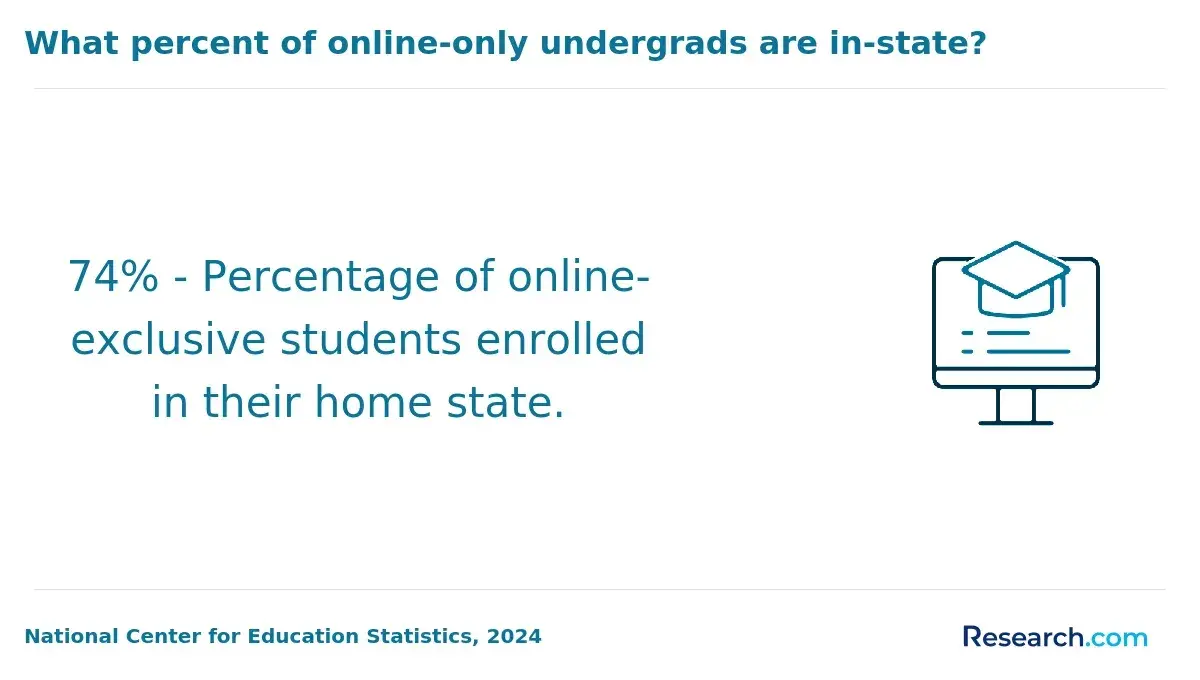
Unlike many institutions offering in-state tuition discounts, Wake Forest University maintains uniform tuition rates regardless of a student's physical location, removing a potential financial advantage for in-state enrollees.
For students weighing the practicality of these expenses, the lack of separate technology fees for online learners transparently consolidates their financial obligation into tuition and standard costs. Comparing Wake Forest University's online Master of Health Informatics tuition fees with national norms, which typically range between $40,000 and $70,000, shows that this program demands a higher financial investment. This premium pricing may reflect curriculum depth or career services but requires scrutiny against tangible outcomes.
In a real-world scenario, professionals evaluating whether to enroll should consider if this investment aligns with job market demands. Employers increasingly seek candidates with robust informatics expertise, yet many may also prioritize accredited credentials balanced with cost efficiency.
Prospective students should assess whether the program's pricing aligns with expected salary gains, given the health informatics field's evolving landscape and competitiveness. Comparing Wake Forest University - School of Professional Studies with other programs can illuminate the cost-to-benefit equation essential for strategic decision-making.
Cost considerations extend beyond tuition, as the broader financial commitment influences accessibility and career trajectory. Learners aiming for data-driven health roles can also review national trends in degrees that make the most money to evaluate the long-term return on investment.
In evaluating the cost of online Master of Health Informatics at Wake Forest University, a thorough understanding of these factors is critical for aligning educational ambitions with workforce realities.
Are there financial aid options for online Master of Health Informatics (MHI) students at Wake Forest University - School of Professional Studies?
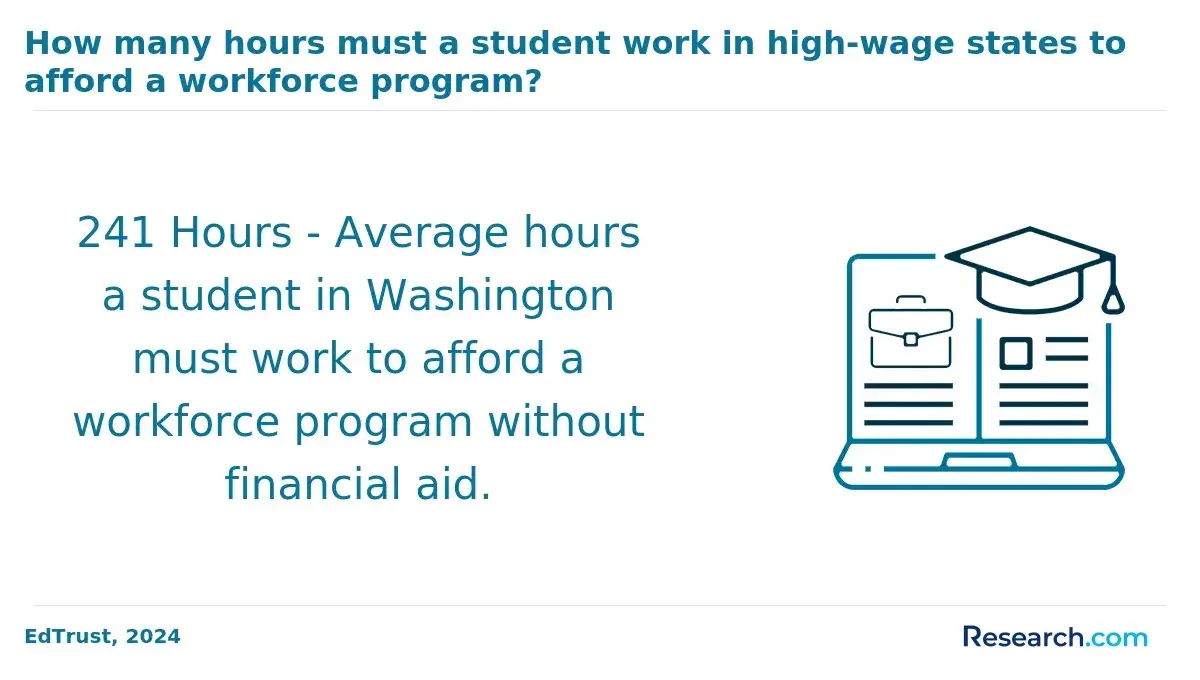
Financial aid options for students pursuing the online Master of Health Informatics (MHI) at Wake Forest University - School of Professional Studies are somewhat limited in program-specific awards, requiring prospective enrollees to navigate a range of broader institutional and external funding channels.
This can affect the net financial commitment and influence decisions when comparing similarly priced programs with more targeted aid packages. The availability of financial aid, while beneficial, often depends on eligibility criteria beyond MHI enrollment, which means students may need to leverage multiple sources concurrently.
Below are key avenues to consider for funding support:
- Institutional Scholarships: These are competitive awards open to all graduate students at Wake Forest that require a separate application. They may cover a portion of tuition and are typically merit-based, with awards varying significantly in amount.
- Corporate Tuition Reimbursement: Many students utilize employer programs to offset costs, often requiring employment verification and proof of course relevance. The amount reimbursed depends on employer policy, with some capping annual limits.
- Federal Direct Loans: Eligible students can apply for subsidized or unsubsidized loans through federal programs. While loans increase financial burden post-graduation, they allow for upfront funding and flexible repayment terms contingent on income.
- Veteran Benefits: Qualifying veterans may apply available GI Bill benefits, which can substantially reduce educational expenses but require adherence to VA program rules and timelines.
- Need-Based Aid: Institutional need-based grants may be offered but are less common and require detailed financial disclosure and approval, often awarded in smaller amounts to mitigate demonstrated hardship.
What learning resources are available to online Master of Health Informatics (MHI) students at Wake Forest University - School of Professional Studies?
The availability and quality of learning resources directly influence whether an online Master of Health Informatics (MHI) student can translate academic knowledge into marketable skills that meet employer expectations in health IT and data management.
Limited access to timely technical support or specialized academic guidance can delay critical project milestones or reduce the depth of research projects, which are essential for roles requiring data analytical rigor or healthcare systems optimization. Therefore, the resources provided act as a structural backbone supporting both immediate learning and long-term employability prospects.
Below are key offerings available to students to navigate these demands effectively:
- Digital Infrastructure: A dedicated online learning platform provides seamless access to course materials, virtual classrooms, and collaboration tools. This facilitates uninterrupted engagement with complex content while accommodating varied schedules common among working professionals.
- IT Support: Continuous technical assistance ensures students quickly resolve issues that could otherwise hamper attendance or submission deadlines. Efficient troubleshooting reduces downtime, which is critical in managing intensive coursework alongside employment.
- Academic Advising: Tailored advising helps students strategize course selection and research focus areas aligned with evolving industry trends, enabling smarter decisions that align with labor market demands.
- Tutoring and Writing Assistance: Access to subject-matter tutoring and writing support helps students articulate technical concepts clearly, improving the quality of deliverables and strengthening competencies prized by employers in technical communication.
- Professional Development Opportunities: Through virtual career fairs, webinars, and mentorship programs, students build connections with alumni and industry partners. These networks can directly impact internship placements and job searches, addressing a common challenge in transitioning from academia to health informatics roles.
Does Wake Forest University - School of Professional Studies's online Master of Health Informatics (MHI) program have in-person clinicals or practicums?
Health informatics programs typically emphasize hands-on experience through in-person clinicals or practicums to bridge theory and workplace realities. However, Wake Forest University - School of Professional Studies' online Master of Health Informatics practicum requirements reflect a growing trend toward virtual and project-based learning, recognizing the logistical challenges faced by working professionals.
Unlike many programs mandating physical presence in healthcare settings, Wake Forest University - School of Professional Studies's MHI program does not require in-person clinicals, which can be a critical consideration for students balancing full-time employment or geographic constraints.
Typical industry standards in health informatics education involve on-site practicums within hospitals, clinics, or related organizations to directly observe and contribute to healthcare IT implementations.
Wake Forest University - School of Professional Studies adapts this model by integrating applied projects and virtual simulations that deliver equivalent experiential learning aligned with current job functions and employer expectations, but without necessitating relocation or travel.
This approach offers flexibility but may entail less direct exposure to certain clinical workflows compared to traditional formats.
As a result, prospective students evaluating the online Master of Health Informatics practicum requirements at Wake Forest University - School of Professional Studies should weigh the tradeoff between convenience and hands-on clinical immersion.
Students can also leverage opportunities to partner with local healthcare entities near their residence to fulfill practical components, allowing some customization to individual circumstances.
Those seeking fully remote options will find this program's structure compatible with varied professional and personal commitments. For a broader perspective on expedited credentialing options, see the list of online master degree programs.
What careers can graduates of online Master of Health Informatics (MHI) at Wake Forest University - School of Professional Studies secure?
The professional marketability of Master of Health Informatics (MHI) graduates from Wake Forest University - School of Professional Studies hinges largely on their ability to navigate complex healthcare data environments and translate that expertise into roles that influence patient care and operational efficiency.
A key measure of the program's value lies in how well it connects academic training with sustainable career paths in a competitive job market. For individuals weighing this degree, understanding specific career trajectories clarifies where the return on investment materializes in the long term.
Here are examples of career outcomes reflecting this alignment:
- Health Informatics Specialist: These professionals focus on integrating diverse health IT systems to improve workflow efficiencies. Salaries can vary based on settings but tend to be competitive given their role in optimizing clinical data use.
- Clinical Informaticist: Working alongside medical staff, they ensure technology supports clinical decision-making and patient safety, often drawing salaries that reflect their critical function in health systems.
- Health Information Manager: This role involves oversight of patient records' security and accuracy, balancing regulatory compliance with accessibility. Compensation levels correspond with the high responsibility for safeguarding sensitive data.
- Data Analyst in Healthcare: Specialists in extracting actionable insights from complex datasets; they influence policy and practice improvements, with earning potential tied to analytical expertise and healthcare knowledge.
Graduates entering online health informatics careers after Wake Forest University School of Professional Studies benefit from technical proficiency combined with practical understanding of healthcare workflows.
The demand for such skill sets is evident across hospitals, consulting firms, and insurers, although realizing full employment value depends on navigating these employer expectations thoughtfully.
Prospective students should consider how this specialized degree positions them for roles where health informatics directly impacts operational and clinical effectiveness rather than generic IT functions. For those assessing the program's fit within the broader market of a not for profit online university education, this career focus represents a critical decision factor.
What is the salary outlook for online Master of Health Informatics (MHI) graduates?
The salary outlook for graduates of the online Master of Health Informatics (MHI) program at Wake Forest University - School of Professional Studies is competitive when viewed against broader alumni earnings, reflecting meaningful workforce advantages in healthcare technology roles.
While the program does not publish specific median salaries, graduates likely experience compensation near or above the Wake Forest median alumni salary of $78,158, which is bolstered by the program's interdisciplinary focus on computer science, health sciences, and business.
Career earnings for Wake Forest University School of Professional Studies health informatics graduates often exceed those in traditional liberal arts or social sciences fields, where median salaries are notably lower-psychology graduates, for example, average $26,694.
This differential suggests that enrollment in the MHI program can improve financial outcomes by preparing students for growing demand in health data analytics and information management. Many employers prioritize candidates with skills spanning technology and healthcare, a balance emphasized in this program's curriculum.
Given the evolving landscape of healthcare and technology, prospective students should weigh the upfront costs of the degree against likely returns in the labor market, considering how an advanced credential can influence their trajectory.
For those exploring advanced academic options, examining programs such as the online PhD no dissertation routes may also inform long-term planning.
How do you know if Wake Forest University - School of Professional Studies's online Master of Health Informatics (MHI) program is the right choice for you?
Choosing an online Master of Health Informatics (MHI) program requires aligning its structure and outcomes with your personal circumstances and career ambitions, as this decision shapes your ability to balance professional demands, deepen practical skills, and position yourself in a competitive job market.
To assess whether the Wake Forest University - School of Professional Studies online MHI fits your needs, consider these critical aspects:
- Program Flexibility And Delivery: Evaluate how the curriculum's online and asynchronous format fits your work schedule and learning style. This flexibility is vital for professionals managing full-time roles or family commitments, ensuring consistent progress without sacrificing other priorities.
- Curriculum Relevance And Practicality: Analyze whether the course content covers key health informatics competencies such as data analytics and health information systems, balanced with applied learning opportunities. A program that emphasizes real-world applicability better prepares you for immediate workforce integration.
- Student Support And Community: Assess the availability of academic advising, technical help, and peer collaboration. Robust support mitigates the isolation often experienced in online learning and helps maintain motivation and retention.
- Industry Connections And Career Impact: Consider the program's ability to link you with healthcare networks and mentors. Programs with strong industry ties can enhance employment outcomes by offering relevant insights and networking.
One graduate recounted initial hesitation due to the challenge of juggling a demanding healthcare job and family. The asynchronous courses and faculty mentorship made it manageable, but what solidified their choice was the program's emphasis on applied skills tied to their career goals.
They found that beyond coursework, the supportive community and practical focus helped transition smoothly from theory to professional responsibilities, validating their decision amid competing options.
What Graduates Say About Wake Forest University - School of Professional Studies's Master of Health Informatics (MHI) Program
- Carter: "Studying at Wake Forest University - School of Professional Studies was a rigorous but rewarding experience. The Master of Health Informatics (MHI) program's focus on real-world data analytics and system integration helped me build a strong portfolio that my current employer values highly. While I faced some challenges competing for roles that preferred licensed candidates, the program's flexibility allowed me to gain valuable certifications and pivot into health IT consulting within six months of graduation."
- Terrell: "The Wake Forest University - School of Professional Studies Master of Health Informatics (MHI) program offered me the perfect balance of theory and practical application, especially through its remote learning format. I appreciated how my classes simulated workplace workflows, which made the transition to professional healthcare data management much smoother. In my experience, employers in the field prioritize hands-on experience and internship exposure more than just degrees, and this program's emphasis on applied projects gave me a competitive edge in securing a role focused on population health analytics."
- Maurice: "After completing the Master of Health Informatics (MHI) at Wake Forest University - School of Professional Studies, I gained a clearer understanding of the workforce realities in health IT. The coursework deepened my technical skills, but I quickly realized that salary growth without licensure can be limited in certain sectors. Despite that, the program's flexible schedule allowed me to continue working full-time while enhancing my credentials, ultimately enabling a career pivot into hospital informatics management. The experience was demanding but invaluable for refining my strategic approach to career advancement."
Other Things You Should Know About Degrees
In 2027, Wake Forest University's MHI program offers competitive tuition rates. Applicants should consider available scholarships, financial aid, and employer reimbursement programs. Understanding these options helps in planning finances effectively.
The program's primarily virtual setup limits spontaneous in-person networking, which can be valuable in healthcare informatics careers. Still, Wake Forest encourages participation in online forums, group projects, and occasional virtual events to foster connections. Students prioritizing strong industry networking should proactively engage in these opportunities and consider supplementing with external professional associations to build a robust network.
Wake Forest's MHI curriculum incorporates current health IT trends, but rapid advancements in technology mean students must commit to ongoing learning post-graduation. The program emphasizes foundational skills in data management and interoperability, which remain relevant, but graduates should be prepared to continuously update technical expertise beyond the degree. Prioritizing the program is advisable for those focused on building a stable informatics foundation rather than solely on cutting-edge software specialties.
The relatively smaller cohort size fosters closer faculty interaction and a more personalized learning experience, but it also means fewer peers for collaboration and varying professional perspectives. This can benefit students who prefer direct mentorship but might limit exposure to diverse viewpoints found in larger programs. Applicants who value intensive faculty support over broad cohort diversity may find this structure particularly advantageous.
References
- Wake Forest University https://www.free-4u.com/Colleges/Wake-Forest-University.html
- Why Pursue a Master’s in Health Informatics? | 23% Job Growth Outlook https://www.usfhealthonline.com/resources/health-informatics/why-pursue-a-masters-in-health-informatics/
- Office of Educational Excellence - Education and Training https://school.wakehealth.edu/education-and-training/educational-excellence
- Best Master's in Health Informatics Degrees https://bestaccreditedcolleges.org/degrees/masters-degrees-in-health-informatics.html
- Explore Online Master of Health Informatics MHI Degree Programs https://teach.com/online-ed/healthcare-degrees/online-masters-health-informatics/
- 50 Most Affordable Master's in Health Informatics Programs 2018 - Healthcare Administration Degree Programs https://www.healthcare-administration-degree.net/best/affordable-masters-health-informatics-degree/
- Wake Forest University Online Master of Health Informatics https://www.mhaonline.com/school-profiles/wfu-master-of-health-informatics
- Is a Master's in Health Informatics Worth It? https://potomac.edu/is-a-masters-in-health-informatics-worth-it/