2027 Is Walden University's Online PhD in Forensic Psychology Worth It? What Students Should Know

Co-Founder and Chief Data Scientist
Choosing an online PhD in forensic psychology program presents challenges beyond curriculum, including balancing rigorous research demands with flexible learning. With the U. S. Bureau of Labor Statistics projecting steady growth in psychological and forensic roles, many candidates seek programs that bolster both academic depth and practical employability.
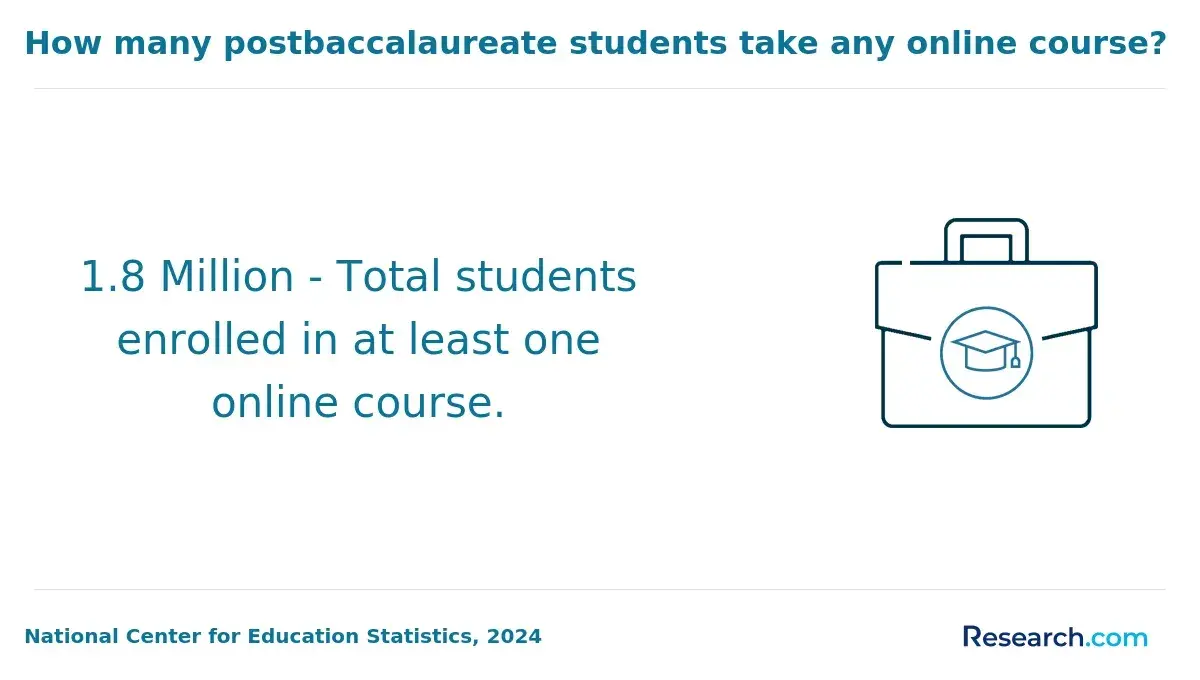
Online education enrollment, especially in advanced degrees, surged by over 15% recently according to the National Center for Education Statistics, highlighting a demand for accessible yet credible options. Assessing whether Walden University's program aligns with evolving workforce expectations, accreditation standards, and student engagement is critical. This article analyzes these factors to help readers decide if the program suits their academic and career objectives.
Key Points About Walden University's Online PhD in Forensic Psychology Program
- Walden University's online PhD in forensic psychology offers open admission, enabling entry without strict prerequisites but may result in a more varied cohort and learning pace.
- The program costs $34,458 total, with graduates earning a median salary of $42,810, yielding a 2.05x earnings to debt ratio indicative of moderate financial return on investment.
- While not top-ranked nationally, Walden's faculty and practical curriculum are recognized by employers, supporting graduates' employment in forensic psychology roles effectively.
What makes Walden University's online PhD in Forensic Psychology program stand out?
Walden University's online PhD in Forensic Psychology program is distinct in its ability to balance rigorous academic demands with the realities of working professionals who need flexible scheduling. For students juggling careers and personal obligations, the fully online format allows study without geographic constraints or fixed class times, a key consideration given the increasing need for asynchronous learning in this field.
However, this flexibility can require strong self-discipline, as less structured programs may challenge those who rely on in-person accountability to maintain progress.
With a workforce of 3,423 staff, including 1,117 full-time and 2,306 part-time faculty members serving over 44,223 students, the program offers access to a broad range of expertise and mentorship styles. This diversity supports students whose career goals range from forensic assessment to expert testimony and mental health evaluation.
The program's emphasis on applied learning and access to research resources provides practical advantages for those aiming to meet employer expectations in forensic psychology, where both theoretical knowledge and field-relevant skills are critical.
Is it difficult to get admitted to Walden University's online PhD in Forensic Psychology program?
Admission to most PhD programs in forensic psychology is highly selective, often requiring strong academic records, competitive GRE or similar standardized test scores, and relevant research or professional experience. This competitive nature reflects the field's limited capacity and employer demand for candidates with advanced specialized training.
In practical terms, applicants typically face rigorous screening that weighs both quantitative metrics and qualitative factors to ensure readiness for doctoral-level research and clinical responsibilities.
Walden University's online PhD in forensic psychology program diverges significantly, with an open admission policy that eliminates standardized testing requirements and minimizes traditional academic gatekeeping. This policy translates to a substantially higher acceptance likelihood compared to typical forensic psychology doctorates, effectively broadening access for those who may lack conventional credentials but demonstrate commitment to the discipline.
While this can reduce immediate application barriers, graduates should consider how this openness may influence perceptions of program selectivity among some employers or academic circles.
Choosing a program like Walden's involves balancing streamlined entry against the need for self-directed discipline in an online format, where motivation and practical application of theory can dictate long-term outcomes more than admission prestige. For students seeking flexibility without sacrificing doctoral credentialing, Walden's model can represent a pragmatic pathway, though careful attention to individual career goals and market expectations remains essential.
A graduate recalled that applying to Walden's program felt less intimidating compared to other doctoral programs she researched. "I didn't have to stress over test scores or a lengthy pre-application process," she said.
However, she noted grappling with timing decisions, wondering if applying immediately versus waiting to bolster her experience might affect her pace through the program. The less competitive admission eased one hurdle but introduced strategic uncertainty about readiness-"You feel a mix of relief and the pressure to prove yourself once enrolled."
How does the curriculum of Walden University's online PhD in Forensic Psychology program stay aligned with current industry trends?
Staying current in forensic psychology requires a program that integrates practical legal system knowledge with advanced psychological assessment techniques, a balance that Walden University's online PhD in forensic psychology curriculum attempts to strike.
However, potential students should weigh how well the program's structure aligns with real-world demands, particularly in applying research skills for judicial settings and mental health evaluations within legal contexts. Below are key factors that demonstrate how Walden University's PhD in forensic psychology program aligns with industry trends:
- Theoretical and Applied Focus: The curriculum offers coursework in forensic assessment, research methods, and ethics, emphasizing skill sets that employers expect for roles involving criminal behavior analysis and victim advocacy. This combination aims to create graduates ready to navigate multidisciplinary forensic environments.
- Emphasis on Evidence-Based Practice: Integrating dissertation work and applied research opportunities allows for practical training that reflects the field's growing prioritization of data-driven decision-making. This focus is essential for those seeking roles in psychological profiling and expert testimony, where empirical rigor is scrutinized.
- Advanced Research Techniques: Instruction in statistical analysis and research methodology addresses the demand for professionals capable of conducting empirical studies that impact public policy and judicial processes, a critical element distinguishing doctoral-level competencies from master's level training.
While the online PhD in forensic psychology curriculum relevance does offer alignment with many core industry expectations, prospective students should consider the accelerated shift toward hybrid or in-person forensic training models in some jurisdictions. This reality can influence employability and on-the-ground readiness depending on career goals.
For candidates evaluating program affordability alongside practical value, exploring options such as the cheapest PhD programs online may also be worthwhile for comparison. Overall, the program's design reflects a thoughtful integration of contemporary forensic psychology competencies with applied research demands, though outcomes vary depending on individual career trajectory and regional workforce standards.
The tuition cost for Walden University's online PhD in Forensic Psychology program centers around $12,498 annually when considering only base tuition and fees. This figure excludes other necessary expenses such as books and living costs, which typically add roughly $900 per year for graduate-level study materials.
Given the total annual expense of approximately $34,458, candidates must weigh the broader financial commitment beyond tuition, including housing and supplies, especially if managing personal or family obligations during their studies.
Walden University's tuition model presents a distinct advantage by offering flat-rate fees for online learners, often aligning in-state tuition regardless of a student's physical location. This contrasts with many institutions where out-of-state fees can significantly increase the financial load.
Financial aid availability also impacts cost planning; with about 90% of undergraduates receiving aid averaging $3,353, a parallel support system may exist for doctoral candidates through scholarships or tuition reimbursement, which can alleviate the burden but requires proactive engagement with these resources.
When juxtaposed with typical tuition costs for PhD in Forensic Psychology programs nationwide, Walden's pricing remains competitive, especially when factoring in the convenience of online delivery.
Traditional on-campus programs frequently carry higher tuition combined with additional living expenses, pushing total costs well above Walden's baseline figures. For students evaluating the practical value of an online PhD, these cost differentials often parallel differences in program flexibility and potential time-to-completion, affecting workforce reentry and income continuity.
For learners considering accelerated or alternative degree pathways, institutions offer varied durations and cost structures, which should be assessed against Walden's model. Exploring the benefits of a bachelor degree online in 2 years may provide insights into faster credential accumulation and cost savings over extended programs, informing strategic decisions about advanced graduate education investment.
The admission process for walden university's online phd in forensic psychology reflects a flexible but nuanced approach that balances accessibility with essential academic vetting. Given the absence of strict standardized test thresholds, applicants may come from diverse educational backgrounds, yet this flexibility also means candidates must be proactive in demonstrating readiness through other materials.
In practical terms, students should weigh how this open policy aligns with their existing qualifications and the demands of forensic psychology research roles. The following key admission components clarify what applicants can expect.
- Open Admission Policy: There are no mandatory SAT, ACT, or other standardized test score requirements, which lowers initial barriers but shifts emphasis to other evaluative materials that assess academic and professional potential.
- Application Materials: Applicants must submit letters of recommendation along with a personal statement or statement of purpose that details research interests and career goals, framing their fit for the program and field.
- Professional Documentation: An updated resume or curriculum vitae is required, offering a record of academic history, work experience, and relevant skills that support doctoral study preparedness.
- Transfer Credits: Walden allows previously earned graduate credits to be transferred if they meet passing grades and program criteria, which affects time-to-degree and may influence decisions for those with prior graduate work.
- Testing and Portfolios: Unlike many doctoral programs, there is no requirement for entrance exams, practical assessments, or portfolio submissions, potentially simplifying the application but also placing more weight on written and documented evidence of capability.
The financial return on investment for students considering Walden University's online PhD in Forensic Psychology hinges on a careful balance between substantial program costs and the practical income potential of graduates. With total annual expenses exceeding $34,000, including tuition and living costs, the starting median salary of about $42,810 offers limited immediate financial cushioning.
This salary figure, stable over a decade, contrasts with broader industry data where doctorate holders in forensic psychology can achieve significant salary growth when advancing to senior research or administrative roles, though such gains may require strategic career moves beyond entry-level positions.
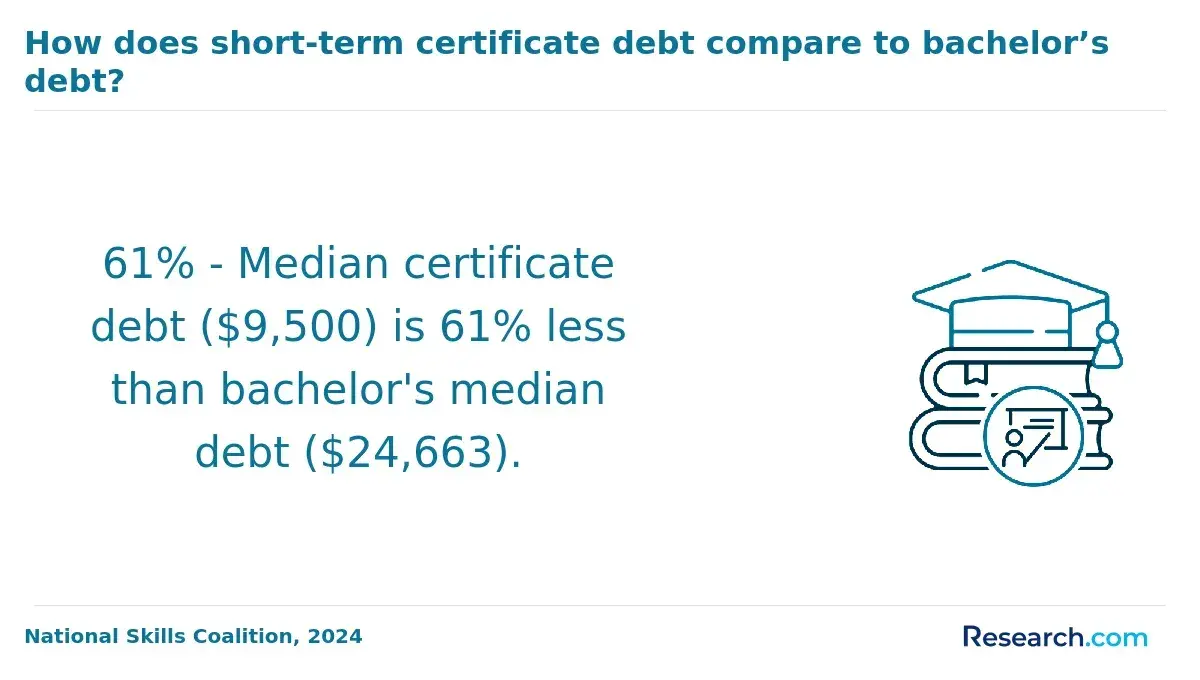
For students able to leverage scholarships or grants, the burden of the typical $20,834 median student debt at graduation can be eased, improving the earnings-to-debt ratio somewhat above the observed 2.05x multiple.
However, prospective enrollees should weigh the relatively flat salary trajectory against the program's cost, especially given that a meaningful ROI strongly depends on transitioning into specialized or higher-responsibility roles in government, forensic consulting, or legal systems. These sectors vary widely by geography and employer funding priorities, making targeted job placement efforts and professional networking critical components of converting the degree into long-term financial gains.
Choosing this pathway requires considering the tradeoff between initial debt and the necessity of proactive career planning to capitalize on positions that recognize and reward doctoral credentials in forensic psychology. Unlike some disciplines where starting salaries surge post-graduation, this program's ROI reflects more moderate financial outcomes influenced heavily by sector-specific hiring practices and individual career trajectories.
Student satisfaction in Walden University's online PhD in Forensic Psychology hinges on the balance between its robust support infrastructure and the inherent demands of doctoral-level distance education. The university's sizable workforce and dedicated resources aim to create a connected learning environment despite the physical separation.
However, the autonomous nature of the program requires doctoral candidates to maintain strong discipline and time management, directly influencing their academic success and emotional resilience in a remote setting.
The student culture emphasizes community engagement through mentoring and student-led groups, which can alleviate isolation common in online doctoral studies. Many students report that this structure helps integrate their studies with personal responsibilities, a crucial factor given the effort required for rigorous research and applied practice in forensic psychology.
Yet, the intensity of self-directed learning is a tradeoff; candidates without effective self-regulation may find the balance challenging to achieve, impacting overall satisfaction.
A recent graduate recalled wrestling with the decision to enroll amid a demanding career and family life. "I was hesitant, worried about whether I'd manage the workload alone," they explained.
"The mentorship and forums really made a difference, offering perspectives that grounded me when stress felt overwhelming." Their experience underscores that while Walden's online model demands perseverance, it can deliver a rewarding educational journey for those who actively engage with its support networks and structure.
Employers in forensic psychology increasingly consider graduates' professional networks and demonstrated job-readiness during hiring. Schools that provide specialized career support and active alumni engagement can materially improve employment prospects, a factor especially relevant to those completing a walden university online forensic psychology PhD. Data indicates that graduates connected to sizable, engaged alumni networks are about 30% more likely to attain relevant employment early in their careers.
This return on networking investment underscores why program design must extend beyond coursework to include tangible career services. Below are key avenues through which Walden University supports online PhD in Forensic Psychology graduates in securing employment:
- Virtual Career Fairs: These events connect students directly with employers familiar with forensic psychology roles, enabling early exposure to job market demands and hiring managers' expectations.
- Resume and Interview Workshops: Tailored sessions address the nuances of forensic psychology applications, helping graduates present domain-specific expertise effectively in competitive job searches.
- Alumni Mentorship Programs: Connecting students with experienced alumni working in relevant fields offers guidance on career pathways, networking strategies, and often unadvertised job opportunities.
- Active Alumni Network: With over 180,000 members, Walden's alumni community provides ongoing peer support and professional connections that extend beyond graduation.
These support mechanisms reflect a recognition that obtaining a doctorate alone does not guarantee employment outcomes, particularly in specialized fields. Attending institutions that integrate career services into their curriculum is increasingly important. For prospective students evaluating their options, comparing how different programs facilitate early career engagement can reveal significant tradeoffs in time-to-employment and job alignment.
While some employers value traditional in-person networking, growing digital resources and online workshops now contribute meaningfully to securing positions in forensic psychology. Those considering the investment of an online PhD in forensic psychology should also explore pathways to employment including affiliations with networks offering easy associate degrees to understand the broader educational landscape and credential stacking possibilities.
Career outcomes for graduates of Walden University's online PhD in forensic psychology reveal the practical expectations and challenges associated with this specialized degree. The job prospects for Walden University forensic psychology PhD graduates often depend on their ability to apply deep psychological expertise within the criminal justice system, a factor that shapes both employability and salary trajectories.
For example, a graduate working as a forensic psychologist within a correctional facility must balance clinical assessment skills with an understanding of legal standards, influencing their role's complexity and compensation. These career outcomes matter because they clarify the real-world value and limitations of investing time and resources into this doctoral program. Below are some key career trajectories and salary insights that reflect typical paths:
- Forensic Psychologist Roles: These professionals assess mental health and provide expert testimony in courts, usually employed by law enforcement or correctional institutions. Salaries for those with general psychology backgrounds average around $34,217, but advanced specialization can boost earning potential.
- Criminal Profiler Positions: Criminal profilers analyze offender behavior to assist investigations. This role entails high responsibility and often offers compensation aligned with advanced forensic expertise.
- Legal Consultant Opportunities: These consultants advise legal teams on psychological elements of cases, requiring both psychological and legal knowledge, typically leading to higher than average salaries due to their dual expertise.
- Academic Researchers: Graduates engaged in research or education contribute to policy and program development while often earning salaries comparable to criminal justice or health services fields, typically near $46,000 to $47,500.
In assessing whether the program aligns with your career aims, note that moving into administrative or policy roles can further increase salaries close to those in business administration. Understanding these distinctions is crucial, especially given how forensic psychology jobs vary by setting and jurisdiction.
For graduates weighing the program's worth, reviewing earnings across comparable fields and roles helps clarify realistic expectations. For a wider perspective on earning potential in related fields, the most lucrative master's degrees analysis can provide additional context to guide informed decisions.
Determining if walden university online phd forensic psychology program suitability aligns with your goals hinges on multiple nuanced factors tightly linked to your academic and career ambitions. For instance, someone aiming to engage in empirical research within criminal justice settings might prioritize different program attributes than a candidate focused on clinical practice or licensure.
These distinctions directly impact the practical value of the degree and long-term employability. Below are key criteria to evaluate when determining if walden university phd forensic psychology fits career goals:
- Curriculum Rigor and Specialization: Assess whether the program offers advanced courses and research opportunities that closely match your forensic psychology interests. Programs lacking targeted specialization can limit your ability to develop expertise aligned with niche career roles.
- Faculty Expertise and Support: Evaluate instructor credentials and the accessibility of mentorship in an online format. Faculty actively involved in forensic psychology research typically provide richer networking and professional development advantages crucial for competitive job markets.
- Program Flexibility and Structure: Consider how well the program's scheduling, asynchronous options, and interactive elements accommodate your current work and life commitments. Poorly structured online programs can impede timely progress or reduce engagement.
- Career Outcomes and Licensure Preparation: Verify if the curriculum includes resources or practical experiences preparing you for licensure or certification that many forensic psychology roles require. Without these, the degree may have limited applicability beyond academic knowledge.
- Institutional Accreditation and Reputation: Accreditation and recognition within forensic psychology circles affect how employers perceive your degree's credibility. This factor has tangible implications for hiring and professional acceptance.
Notably, military-affiliated students should also explore institutions rated among online colleges for military spouses as part of their decision. Each criterion interacts uniquely depending on your professional path, which means upfront analysis is vital before committing to an online doctoral program in forensic psychology.
What Graduates Say About Walden University's Online PhD in Forensic Psychology Program
- Aiden: "Studying the PhD in Forensic Psychology program at Walden University was a demanding but rewarding process that offered me the flexibility to balance my job and family. I noticed early on that employers in forensic psychology often prioritize hands-on experience and internship portfolios over just licensure. Thanks to Walden's structured practicum opportunities, I was able to build a competitive profile that helped me secure a role as a behavioral analyst, despite the tight competition for licensed positions."
- Simon: "Walden University's PhD in Forensic Psychology equipped me with a solid research foundation and the practical skills necessary to adapt in a field that often values certifications and real-world exposure. After graduation, I transitioned into a forensic consultant role primarily focusing on remote work, which the program's flexible online nature prepared me well for. While salary growth can be limited without a clinical license, the program's emphasis on applied research and data analysis allowed me to carve out a niche that's rewarding both intellectually and financially."
- Bryce: "The PhD in Forensic Psychology at Walden University gave me the academic credentials to pivot into criminal justice policy, where licensure isn't always required but understanding the psychological nuances is critical. I went into the program somewhat cautiously, knowing that advancement in traditional clinical roles can be slow without specific licenses. However, Walden's curriculum, with its focus on multidisciplinary approaches and case study evaluations, helped me become a credible expert consultant for legal teams, opening career doors I hadn't initially expected."
Other Things You Should Know About Degrees
The PhD in forensic psychology program at Walden University demands consistent, intensive engagement, especially during dissertation phases. While the online format offers schedule flexibility, the volume of reading, research, and practical assignments can be challenging to balance with full-time work or family responsibilities.
Prospective students should realistically assess their time management skills and support systems before committing, as falling behind can lengthen program completion significantly.
Walden's program places strong emphasis on research methodology and dissertation completion, which aligns well with academic career paths. However, for those aiming primarily for applied forensic roles, the intense research focus may not directly translate to everyday casework skills. Candidates should weigh their career goals carefully; if practical forensic assessment or consulting is the focus, additional experiential training outside the core curriculum may be necessary.
Online delivery means limited face-to-face interaction, which can affect the depth of professional networking and spontaneous mentorship often found on campus. Walden offers virtual forums and advisor access, but building relationships requires proactive outreach from students. Applicants should consider how critical in-person networking is for their career plans, as some forensic psychology roles benefit greatly from strong local professional connections.
Students must complete a doctoral dissertation proposal, obtain committee approval, collect and analyze original research data, and defend the finished dissertation orally. Walden doctoral programs also require the university’s research approval process, including IRB review when human subjects are involved, before data collection can begin.
- Return on Investment For an Online Psychology Degree https://www.onlinepsychologydegrees.com/articles/return-on-investment-for-an-online-psychology-degree/
- Requirements To Become a Forensic Psychologist https://www.forensicscolleges.com/blog/htb/how-to-become-forensic-psychologist
- Walden University Reviews https://www.gradreports.com/colleges/walden-university
- Forensic Psychology PhD https://www.royalholloway.ac.uk/studying-here/postgraduate/law-and-criminology/forensic-psychology-phd/
- Walden University Career Planning and Development Blog https://waldencareerservices.com/
- Forensic Psychology Degree and Career Guide https://www.psychologydegree411.com/degrees/forensic-psychology/
- Ph.D. In Forensic Psychology Guide | Psychology,org https://www.psychology.org/degrees/forensic-psychology/phd/