2027 From Nonprofit Administration to Program Operations: When Does a BS in Business Administration Make Sense?
Audited and Verified:
Our Editorial and Data Verification Process
Research.com uses government datasets, official education statistics and primary institutional information to support its career and degree guides. Our review process checks factual accuracy, occupational definitions, source dates and the requirements associated with the credentials discussed.
How This Article Was Fact-Checked
Our editorial team verifies salary estimates, employment projections, education requirements and program information against original data providers and official organizations. Salary figures are checked against the relevant occupational definitions and reporting periods. Information about licensure, accreditation and required in-person training is reviewed separately.
Fact-checked and verified on:

Co-Founder and Chief Data Scientist
If you already coordinate schedules, records, vendors, or volunteers at a nonprofit, moving into program operations may be an adjacent step - not a complete career change. The harder decision is whether a BS in Business Administration will close a meaningful skills or hiring gap, especially when your organization has limited time and money for training.
This guide connects the degree to actual operations responsibilities, compares it with narrower alternatives, and shows what to verify before committing to a program.
Key Things You Should Know
- A BS in Business Administration makes the most sense when target operations roles call for a bachelor's degree and stronger budgeting, process, data, or people-management skills than your current work demonstrates.
- For an internal move without a degree requirement, a supervised operations project, mentorship, or focused training may be a faster and less costly first step.
- The U.S. Bureau of Labor Statistics projects 7% employment growth for project management specialists from 2025 to 2035, but that occupation-wide figure does not predict nonprofit openings or a new graduate's prospects.
What Is a BS in Business Administration, and How Does It Support Nonprofit Work?
A BS in Business Administration is an undergraduate degree covering several business functions, typically including accounting, management, operations, marketing, and quantitative decision-making. Its value in a nonprofit is not that it turns programs into commercial products. It gives staff tools to allocate scarce resources, organize work, assess costs, and explain decisions to funders and other stakeholders.
In program operations, that might mean building a staffing schedule, tracking spending against an approved budget, improving an intake process, or documenting how services are delivered. Those tasks still require attention to mission, grant restrictions, beneficiary privacy, and board or leadership authority. A BS is broad preparation; it does not replace knowledge of the community or the rules governing a particular program.
Degree names and requirements vary. A BBA may cover similar ground, while a specialized operations or supply chain degree may go deeper into one function. If you have prior college study, check the school's actual prerequisites and degree requirements rather than assuming your nonprofit experience changes admission rules. A business administration degree admissions requirements guide can help you identify questions to bring to an adviser.
When Does a Business Administration Degree Make Sense for Program Operations?
The degree is most compelling when you can identify both a target responsibility and a gap the degree would address. Review several relevant job descriptions, including roles at your current organization. Separate requirements for a bachelor's degree from preferences for experience, sector knowledge, or a particular technical skill.
The comparison below shows how the best next step changes with the gap you find. It is a decision framework, not a substitute for an employer's hiring criteria.
| Situation | Likely fit | Main limitation to check |
| Target roles require a bachelor's degree and span budgets, staffing, and service delivery | BS in Business Administration with relevant projects | Whether the curriculum covers nonprofit operating constraints |
| Internal promotion depends mainly on demonstrated process ownership | Mentorship and a supervised improvement project first | Whether the employer still requires a degree |
| The goal is primarily grant administration or sector-specific leadership | Targeted nonprofit training or a relevant specialized program | Whether broader business skills are also missing |
| The goal is dedicated project delivery across industries | Compare a business degree with project-focused study | Depth, transfer credit, cost, and employer expectations |
For that last path, compare curricula and total completion costs rather than assuming a specialized title is better. Project management schools with competitive tuition provide a starting point for investigating the alternative, but a lower advertised tuition rate does not establish your final cost.
What Careers Can You Pursue With a BS in Business Administration?
For someone coming from nonprofit administration, the most realistic next roles are often operations coordinator, program operations specialist, project coordinator, or administrative services specialist. Duties may include coordinating vendors and schedules, maintaining purchasing records, monitoring workflow, preparing routine budget reports, and helping teams meet service deadlines.
Your existing knowledge of programs and stakeholders can distinguish you from applicants whose experience is entirely classroom-based.
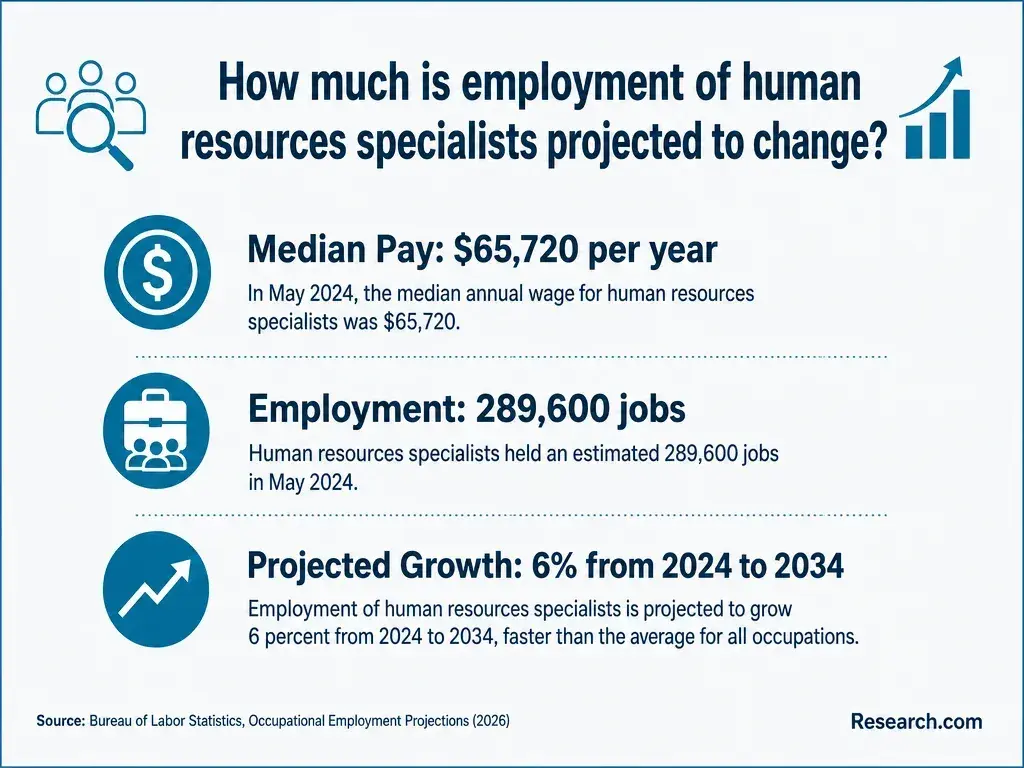
A program operations manager may additionally own budgets, supervise staff, and make process decisions. Employers generally expect evidence of that responsibility; graduation alone does not make an applicant a manager. Financial analyst, HR specialist, and supply chain roles are possible longer-term directions, but each can require more function-specific coursework or experience than a general business core provides.
If your interests shift toward purchasing and distribution rather than broad program coordination, compare a specialized curriculum before enrolling. Faster-paced online supply chain college study may be worth examining, but an accelerated schedule is useful only if you can complete its actual course sequence alongside work.
Look beyond course titles to assignments and prerequisites. Managerial accounting can help you interpret costs and budget variances; operations management can introduce process capacity and bottlenecks; statistics and spreadsheets can support careful reporting; and organizational behavior can help you coordinate people without assuming you supervise them. Business law or ethics coursework may add useful context, though nonprofit compliance rules still require sector-specific instruction.
An operations or project management elective is most valuable when it asks you to produce a realistic schedule, process map, or resource plan and defend its assumptions. A course project is evidence of practice, not proof that an organization adopted the proposal. Check whether relevant electives run when you need them and whether they form an official concentration or simply count as electives.
If you compare a specialized project management degree, ask how earlier coursework would apply to its major - not just whether the school accepts the credits. That distinction is central to credit mapping for online project management programs and can change both time to completion and cost.
Nonprofit work supplies context that a textbook case may lack: you may already understand service demand, limited staff capacity, reporting deadlines, and the consequences of disrupting an intake process. Business coursework can help you turn those observations into a defined problem, a defensible measure, and options that leadership can assess.
For example, with workplace approval, a student might map the steps in volunteer onboarding and propose a clearer handoff between teams. The academic deliverable could compare the existing and proposed processes without claiming that the proposal reduced delays.
Confirm faculty requirements, supervisor participation, data permissions, and whether confidential or personal information must be excluded before using workplace material. Employment or volunteering does not automatically satisfy an internship or capstone requirement.
If a project-focused degree proves more relevant than broad business study, compare funding as well as coursework. Paying for project management bachelor's study with grants is a separate question from whether that degree fits the role; eligibility and award amounts require individual confirmation.
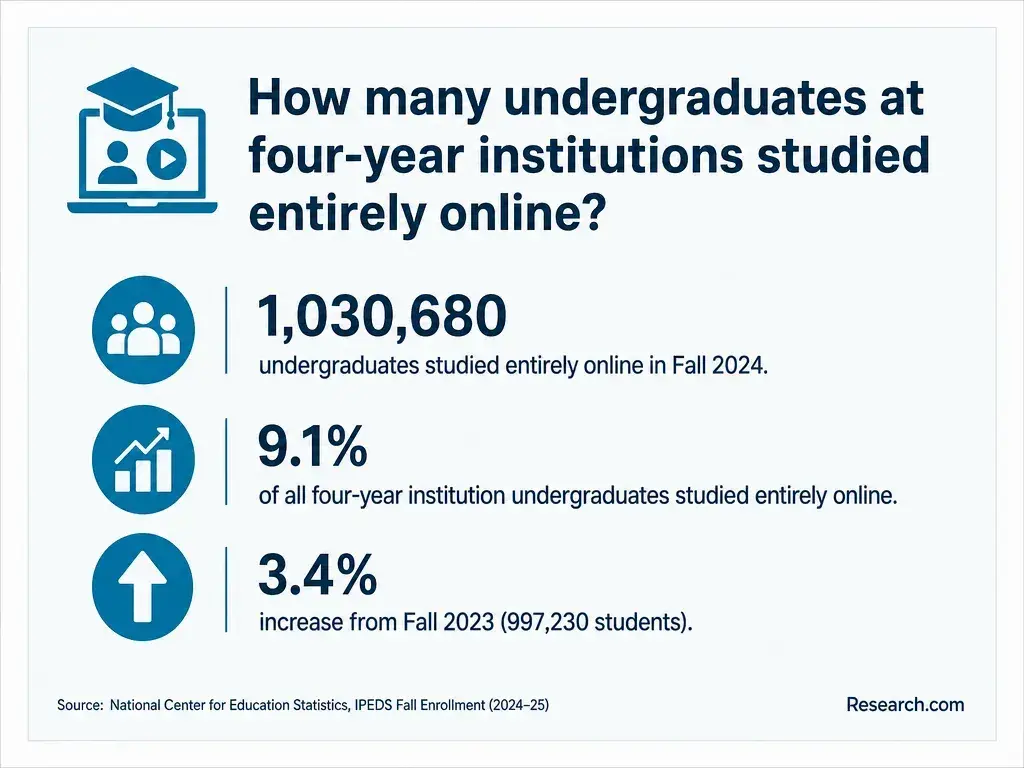
Online study may let a nonprofit employee remain at work, but it is not necessarily self-paced. Ask about live classes, group meetings, presentation times, exam proctoring, weekly deadlines, internship rules, and required campus visits. Campus study may offer easier face-to-face access to faculty and classmates, but travel and fixed meeting times can make it harder to sustain employment.
Choose the format by testing a real term schedule against work obligations, not by comparing delivery labels. Also confirm when required operations electives are offered: a format that fits your week will not help if a needed course delays completion. Shorter undergraduate business programs across the US can provide comparison points, but an advertised fast route may depend on transfer credits or a course load you cannot reasonably take.
First, verify that the institution holds recognized institutional accreditation and that the degree you intend to earn is offered there. Then check whether the business school or specific program holds applicable AACSB, ACBSP, or IACBE accreditation. Those are business-focused forms of accreditation with differing scopes; do not assume a school-level statement covers every degree or location.
Accreditation helps establish an academic quality framework, but it does not verify a nonprofit-focused curriculum, guarantee transfer acceptance elsewhere, or establish employment outcomes. Read the current catalog alongside the accreditor's listing and ask the school which accreditation applies to your exact program and enrollment location.
Price comparisons come after that basic check. Listings of business administration online programs with competitive tuition can narrow a search, but confirm accreditation scope, required courses, fees, and advising access directly with each institution.
Admission requirements vary by school and by whether you enter as a first-time or transfer student. Expect the institution to request appropriate academic transcripts; some programs may also have business-major entry requirements or prerequisite courses. Prior nonprofit employment is valuable career evidence, but it does not automatically waive accounting, mathematics, or other degree requirements.
A traditional bachelor's pathway is commonly planned around four academic years of full-time study, while a returning student's remaining time depends on an official credit evaluation, required-course sequence, course availability, and enrollment pace. Ask for a degree audit showing accepted credits and where each applies: general education, business core, electives, or residency requirements.
For cost, compare tuition and mandatory fees against the courses you still need, then account for books, technology, travel, possible reduced work hours, and borrowing. An employer reimbursement benefit may help, but check eligibility, payment timing, grade rules, and repayment conditions before relying on it. Fast-track bachelor's degree options are worth comparing only after you know whether their pacing and credit policies apply to you.
There is no single salary or growth rate for BS in Business Administration graduates; employers pay for particular jobs, responsibilities, locations, and experience levels.
As one adjacent occupation, U.S. Bureau of Labor Statistics data put the May 2025 median annual wage for project management specialists at $102,320 and project employment growth at a projected 7% from 2025 to 2035. The median includes experienced workers across industries. It is not a starting salary, a nonprofit-specific wage, or a return promised by the degree.
For your decision, compare local postings for the precise operations role you want with your current responsibilities and compensation. If the degree is required for otherwise attainable roles, its value may include access to those openings.
If the main gap is one skill or a record of project ownership, a full degree may offer a weaker near-term return. Use financial aid planning for low-cost business administration degrees to examine affordability, but calculate your own remaining cost rather than treating an advertised price as your net cost.
Do Business Administration Careers Require Licenses or Professional Certifications?
Typical nonprofit program operations and administrative coordination roles do not have a universal professional license. Employers may nevertheless prefer training in project management, HR, grants administration, or a particular system. Quick-completion business degree pathways does not itself award those credentials or establish eligibility for regulated accounting or financial-services work.
Before paying for a certification, identify whether target postings actually request it and check the issuing organization's current education, experience, examination, and renewal rules. If a bachelor's degree is also required, a certificate is unlikely to replace it. If the job asks for a specific tool or method instead, targeted training plus a documented work example may be more direct than another degree.
Other Things You Should Know About Business Administration
Not always. Some operations roles support fundraising records or events, while others focus on service delivery, purchasing, or staffing. Check the duties in the specific posting.
Only if the spending is permitted by the grant terms and the organization's approval process. Do not assume that a useful improvement is an allowable grant expense.
It can, especially if you coordinated schedules, resources, or a repeatable process. Describe your actual responsibilities and evidence of your work rather than relying on the title alone.
Possibly. Ask your supervisor what responsibilities are available, how readiness is assessed, and whether an internal position requires a degree. An agreed-upon assignment can clarify fit before you commit to a longer education path.
- The Role of Continuing Professional Training or Development in Maintaining Current Employment: A Systematic Review https://pmc.ncbi.nlm.nih.gov/articles/PMC10647344/
- Business Administration vs. Management: Key Differences and Career Fit | post.edu https://post.edu/blog/business-administration-vs-management/
- What Degree Should I Get to Work in Nonprofits? | Point Loma Nazarene University https://www.pointloma.edu/resources/undergraduate-studies/what-degree-should-i-get-work-nonprofits
- 11 Best Degrees for a Career in Nonprofit | University of San Diego Online Degrees https://onlinedegrees.sandiego.edu/best-nonprofit-degrees/
- How to Start a Career in Nonprofit Management: Skills, Jobs, and Career Paths | Kent State Online https://onlinedegrees.kent.edu/blog/how-to-start-a-career-in-nonprofit-management-skills-jobs-and-career-paths
- What Can You Do With a Business Administration Degree? | snhu.edu https://www.snhu.edu/about-us/newsroom/business/what-can-you-do-with-a-business-administration-degree
- Partnering with the College of Business on Internships | Career Management Center Colorado State University https://bizcareers.colostate.edu/resources/employers-internship-guide/
- Director of Operations Job Description and Salary Range | Warner Pacific University https://www.warnerpacific.edu/blog/director-of-operations-job-description-salary/
- What Can You Do With a Business Administration Degree? | American Military University https://www.amu.apus.edu/area-of-study/business-administration-and-management/resources/what-can-you-do-with-a-business-administration-degree-exploring-options/
- 10 Proven Tips for Business Administration Internship Applications | Cyprus West University https://www.cwu.edu.tr/business-administration-internship-applications/