2027 Is Southern New Hampshire University's Online BS in Business Administration - Nonprofit Management Worth It? What Students Should Know

Co-Founder and Chief Data Scientist
Choosing an online BS in Business Administration - Nonprofit Management program requires balancing flexibility, curriculum relevance, and career impact. With online education enrollment growing by over 15% according to the National Center for Education Statistics, prospective students face more options but also greater uncertainty about program quality and outcomes. The evolving nonprofit sector demands skills in financial acumen, leadership, and digital communication, challenging students to find programs that teach practical competencies rather than just theory. Southern New Hampshire University's offering must be assessed in terms of how well it equips students for these demands. This article examines key factors to help clarify if this program aligns with professional goals and student needs.
Key Points About Southern New Hampshire University's Online BS in Business Administration - Nonprofit Management Program
- Southern New Hampshire University's online BS in Business Administration - Nonprofit Management has a high acceptance rate of 96%, offering accessible enrollment but potentially less selectivity compared to more competitive programs.
- With a total tuition of $51,392 and an earnings to debt ratio of 2.39x, the program balances moderate cost with a reasonable financial return for graduates entering nonprofit management roles.
- Graduates earn a median salary of $50,318, reflecting the program's connection to employers and positioning alumni well in nonprofit and business sectors where practical management skills are valued.
What makes Southern New Hampshire University's online BS in Business Administration - Nonprofit Management program stand out?
The fully online BS in Business Administration - Nonprofit Management program at Southern New Hampshire University appeals primarily to students who need maximum flexibility due to work or personal commitments. This structure allows asynchronous study, which suits those balancing careers or family obligations but may not provide the immersive networking opportunities of in-person programs. Employers in the nonprofit sector often value practical skills and demonstrated project experience, which the program integrates through real-world applications like fundraising strategies and ethical leadership tailored for nonprofit contexts.
What distinguishes Southern New Hampshire University's program is its scale and support system, backed by an enrollment of 184,099 students and a staff of 14,416. This infrastructure supports personalized academic advising and diverse digital resources, which can enhance student preparedness for nonprofit roles that require both leadership acumen and operational know-how. The 45% graduation rate reflects typical challenges in balancing online education with other life demands, making self-motivation a key factor for student success. For those aiming to navigate the complexities of nonprofit management while maintaining flexibility, this program offers a specialized curriculum with robust support in a widely accessible format.
Is it difficult to get admitted to Southern New Hampshire University's online BS in Business Administration - Nonprofit Management program?
Admission to a typical BS in Business Administration - Nonprofit Management program can be moderately competitive, especially when programs emphasize relevant experience and standardized testing. Many schools require minimum GPAs and consider test scores, making the process more selective. This can create a barrier for candidates who have strong practical motivation but weaker academic credentials or test performance, potentially delaying workforce entry in a sector where nonprofit expertise is increasingly in demand.
Southern New Hampshire University's online program presents a notably less restrictive admissions environment, with a 96% acceptance rate that suggests fewer gatekeeping hurdles than many comparable degrees. The university's choice not to require SAT or ACT scores reduces traditional testing pressures, broadening access for applicants who might struggle with standardized exams but demonstrate commitment to nonprofit leadership. Such admissions accessibility can be advantageous for working adults or career changers seeking timely entry into the nonprofit field without extended application backlogs.
Still, the high admission volume at Southern New Hampshire University-processing over 45,000 applicants and admitting more than 43,000 annually-reflects both broad appeal and a degree of competition by numbers. Candidates should weigh the tradeoff between easier entry and the program's ability to differentiate them effectively in the job market amid many peers holding the same credential.
One graduate recalled her experience applying late in the calendar year while balancing full-time employment. "I hesitated at first because I wasn't sure if applying without test scores would weaken my chances, but the straightforward process and quick turnaround helped me finalize it before the holidays. The acceptance felt like a relief after juggling everything." Her experience underscores how the program's admissions approach can align with the practical realities of adult learners navigating multiple responsibilities.
How does the curriculum of Southern New Hampshire University's online BS in Business Administration - Nonprofit Management program stay aligned with current industry trends?
Effective nonprofit leadership increasingly requires a blend of traditional business acumen and sector-specific expertise, a balance reflected in Southern New Hampshire University's nonprofit management curriculum alignment with industry standards. Graduates entering a complex funding and accountability environment benefit most when programs integrate practical skills like financial oversight, fundraising, and data interpretation with foundational business knowledge. Below are key factors that demonstrate how SNHU's curriculum maintains relevance within the shifting landscape of nonprofit management education.
- Curriculum Integration: The program merges core business principles with specialized nonprofit topics such as organizational leadership and nonprofit financial management, ensuring students understand both general management and sector-specific challenges. This combination is crucial since employers often expect new hires to handle diverse operational demands efficiently.
- Experiential Learning: Incorporating case studies and project-based assignments mirrors real-world nonprofit challenges, fostering adaptability and decision-making skills employers value. The emphasis on hands-on learning supports a transition from theoretical knowledge to practical application, which aligns with trends emphasizing workforce readiness.
- Technological Competency: Courses involving data analytics and digital tools respond to growing expectations for tech-savvy nonprofit professionals capable of using analytics for strategic planning and outcome measurement. This prepares graduates to navigate the increasing complexity of nonprofit environments and funding scrutiny.
Southern New Hampshire University's approach to its online nonprofit business degree current industry relevance aligns with demands for ethical leadership and measurable impact, which many nonprofits prioritize. Students evaluating this program should consider how well the curriculum addresses operational realities and sector shifts. For those exploring educational pathways, comparing this program within broader university majors emphasizes the importance of both versatility and targeted knowledge in today's nonprofit workforce.
The tuition cost for Southern New Hampshire university's online BS in Business Administration - Nonprofit Management program is approximately $16,450 per year for tuition and mandatory fees, with additional anticipated expenses such as about $1,800 annually for books and supplies. While the total annual cost including room, board, and other fees can reach over $51,000, distance learners avoid room and board costs, though they need to budget for other essentials. Financial aid is a critical factor here, with over 80% of students receiving support that averages $3,350, potentially making the program more affordable than the sticker price suggests.
Students weighing the Southern New Hampshire University nonprofit management program tuition cost should consider that SNHU employs a flat-rate tuition model for online learners regardless of residency, eliminating out-of-state tuition premiums common at other institutions. Additionally, the absence of specific technology fees for online students reduces hidden costs often attached to digital learning platforms. These features contribute to predictable budgeting, which simplifies financial planning for working adults balancing education and income.
Compared to national averages for similar online programs in business administration with a nonprofit management emphasis, SNHU's tuition aligns competitively but not exceptionally low. Many other programs can exceed this tuition amount and add fees that increase total cost. However, unlike programs charging variable tuition based on credit load or residency, SNHU's model allows students to anticipate expenses more accurately. Prospective enrollees should weigh this against their eligibility for scholarships, employer tuition reimbursement, and institutional aid offered by the school.
When assessing the cost-effectiveness of this online BS in Business Administration - Nonprofit Management, students should also evaluate the practical return on investment within their career context. Those balancing work and study might find the flat-rate tuition paired with flexible scheduling advantageous, while prospective nonprofit professionals should investigate the breadth of financial aid options and compare these against other online certification courses available to further enhance skills cost-effectively. This angle helps clarify whether SNHU's program aligns with one's long-term career and financial goals.
For individuals interested in related pathways with clear financial implications, considering options like online certification courses can complement degree work or provide alternative routes to workforce readiness.
The admission standards at Southern New Hampshire University's online BS in Business Administration - Nonprofit Management reflect a selective process designed to ensure student readiness, which may impact applicants with less traditional academic backgrounds. Prospective students should weigh the value of preparatory qualifications against the program's emphasis on foundational academic competence, particularly when competing in a workforce that increasingly demands proven credentials. Understanding these criteria can clarify the practical steps needed before application, especially for non-native English speakers and transfer students. Below are key requirements to consider.
- Educational Background: Applicants must have completed high school or hold a GED, supported by a completed college-preparatory curriculum and a recorded secondary GPA, demonstrating foundational preparedness for undergraduate study.
- Standardized Tests: While SAT or ACT scores are recommended, they are not mandatory, allowing some flexibility; however, non-native English speakers need to submit TOEFL scores to verify language proficiency, reflecting workforce expectations for effective communication.
- Supporting Documents: Submission of letters of recommendation and official secondary school transcripts is required, highlighting an assessment beyond grades that can influence admission decisions in real-world candidate evaluations.
- Transfer Credits: Transfer students may receive credit for applicable AP credits and life experience, though dual credits are not accepted, underscoring a limit on advanced standing that could affect timeline and cost.
- Additional Assessments: Optional tests like Wonderlic or WISC-III may be considered but are not compulsory, indicating the institution's openness to alternative demonstration of competencies without rigid barriers to entry.
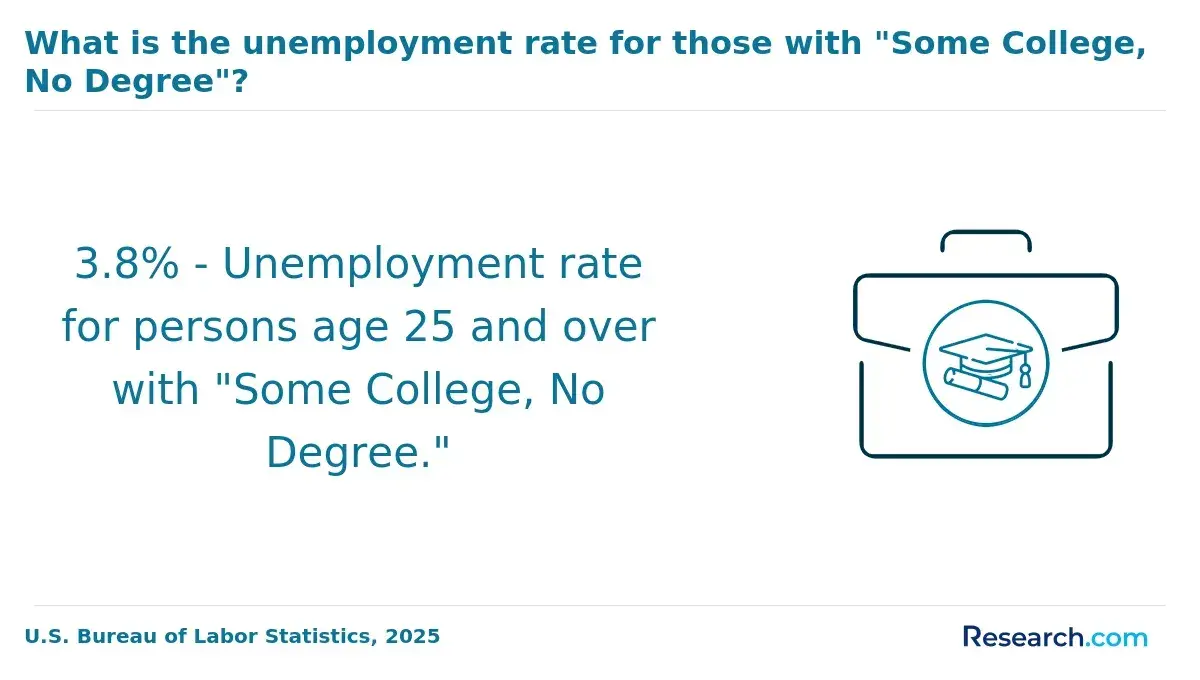
Evaluating the return on investment (ROI) for Southern New Hampshire University's online BS in Business Administration - Nonprofit Management requires balancing relatively high program costs against a stable but modest salary profile typical of the nonprofit sector. The total annual cost can reach over $50,000 when factoring in tuition, fees, and living expenses, exceeding the federal scorecard estimate of roughly $37,500 for in-state students living on campus. Graduates report a median starting salary of about $50,300, which shows little growth after ten years, indicating limited upward mobility compared to other business-related degrees.
This wage plateau contrasts with the median student debt near $21,000, producing a graduate earnings-to-debt ratio of roughly 2.4x. While this ratio suggests graduates earn more than double their debt, the narrow salary growth curve and sector-specific hiring trends imply that maximizing ROI strongly depends on individual factors such as obtaining scholarships or grants and securing roles with organizations that value management expertise in nonprofits.
Employers in government agencies and established nonprofits, including nationally recognized organizations, often demand practical leadership skills over prestigious credentials, meaning the program's value lies more in targeted skill development than in salary escalation. Career gains may become more visible after five to ten years as leadership positions open, but prospective students should weigh early earnings stagnation against the long-term mission-driven employment landscape.
Student satisfaction in Southern New Hampshire University's online BS in Business Administration - Nonprofit Management program hinges largely on the balance between flexibility and the realities of self-directed learning. Many students appreciate the ability to juggle coursework with work and family demands, a critical factor for adults managing multiple responsibilities. However, this flexibility brings challenges like staying motivated and navigating asynchronous schedules without immediate instructor interaction, which can affect individual experiences and completion rates.
The program's student culture includes access to structured mentoring and student organizations that attempt to foster connection and support among online learners. These resources are important for mitigating feelings of isolation common in remote education and contribute positively to student retention efforts. Even so, the curriculum's rigor and the need for self-discipline mean satisfaction often depends on a student's prior experience with online study and their personal time management skills.
Student feedback and forum discussions reveal a generally favorable perception of the program's support systems and achievable work-life-study balance, yet the moderate graduation rate suggests some struggle to complete the degree. This tradeoff is typical for flexible online programs catering to nontraditional students who prioritize accessibility over a highly structured campus environment.
One graduate shared, "I was hesitant at first because I was working full-time and had a family to care for. The online format let me study on my own schedule, but there were moments when the isolation was tough, and I had to push myself to log in and keep up. The mentoring program helped me stay connected, and by the end, I felt more confident juggling everything. It wasn't easy, but the support made the difference in sticking with it."
The role of institutional support in employment outcomes for nonprofit management graduates can be decisive, particularly in fields where networking and sector-specific connections weigh heavily during hiring. Schools with active, targeted career services and alumni engagement tend to enhance a graduate's market position. For Southern New Hampshire University online BS in business administration nonprofit management graduates in New Hampshire, the presence of virtual job fairs, tailored resume workshops, and a focused job placement portal can help bridge the gap between academic preparation and workforce entry. Industry data suggest that programs incorporating active mentorship and job placement resources can yield employment rates up to 30% higher within a year post-graduation, revealing the strategic value of these supports amid competitive nonprofit hiring. Below are key employment resources that showcase how Southern New Hampshire University supports these graduates:
- Virtual Job Fairs: These events connect current students and alumni with nonprofit employers nationwide, allowing real-time interaction even before graduation, thereby expanding practical exposure and opportunity pipelines.
- Resume Workshops: Guided sessions provide personalized resume critiques tailored to the nonprofit sector's expectations, enhancing the relevance and impact of job applications submitted through electronic channels.
- Job Placement Portal: A dedicated online platform targets nonprofit-specific listings, streamlining job searches and facilitating quicker access to relevant vacancies that align with graduate qualifications.
- Alumni Mentorship Program: Leveraging a network of over 150,000 active members, the program pairs graduates with experienced nonprofit professionals, enabling knowledge transfer and strategic networking crucial for sector entry.
From a practical standpoint, these resources position graduates to navigate employment hurdles typical of nonprofit careers, where relationships and resumes must align tightly with organizational missions. Such structured supports differentiate Southern New Hampshire university within the broader landscape of employment resources for Southern New Hampshire university nonprofit management online degree holders in New Hampshire. For prospective students considering value and outcomes, reviewing how these elements compare among most reputable online universities can inform realistic expectations and strategic decisions toward entering the nonprofit workforce.
Career prospects for Southern New Hampshire University nonprofit management graduates reflect a balance between meaningful mission-driven roles and varying salary potentials. Graduates often face a tradeoff between entering nonprofit positions, which typically offer moderate starting pay but important community impact, and leveraging their degree to transition into related fields with broader earning capabilities. Understanding job expectations and compensation trends is crucial when assessing the practical value of the online BS in business administration nonprofit program.
Typical job opportunities after SNHU online BS in business administration nonprofit program completion span a variety of operational and leadership roles focused on nonprofit sustainability and growth. Below are examples illustrating common career paths and their associated responsibilities and salary realities:
- Nonprofit Program Coordinator: Oversees the implementation and evaluation of community programs, requiring skills in organization and stakeholder engagement. Salaries often start near $45,000 annually but vary with location and organization size.
- Development Assistant: Supports fundraising efforts through donor research and event preparation. This entry role averages around $40,000 and provides a foundation in nonprofit financial support.
- Fundraising Manager: Leads campaigns to secure funding, managing teams and strategies. Compensation typically ranges from $55,000 to $65,000 depending on experience.
- Volunteer Coordinator: Manages recruitment, training, and retention of volunteers to maximize community participation and impact. This role generally offers salaries near $42,000 and demands strong interpersonal skills.
Given the variation in nonprofit salaries, some graduates with this foundation also pursue roles in public relations or social services, earning closer to $40,928 and $34,785 respectively. For those prioritizing stronger income potential, transitioning into broader business operations or higher managerial positions where salaries may approach $71,552 is a practical route. Considering these factors alongside the availability of a free online college application can inform a balanced decision on program fit.
Determining if Southern New Hampshire University's online BS in Business Administration - Nonprofit Management program aligns with your academic and professional goals is not straightforward, as its value depends heavily on individual priorities and career trajectory. For example, a student aiming for a strategic leadership role in a large nonprofit may find a program with strong experiential learning components more suitable, while someone targeting entry-level nonprofit administration could prioritize flexible pacing and foundational coursework. Several evaluative factors clarify this decision. Consider these essential criteria when assessing whether a Southern New Hampshire University nonprofit management degree fits your professional growth needs.
- Curriculum Specialization: Focus on courses that directly address nonprofit leadership, fundraising, and organizational management rather than a generic business curriculum. This specificity affects your sector-relevant expertise and employability within nonprofit roles.
- Delivery Format and Flexibility: Given that the program is online, evaluate if the structure supports your ability to maintain motivation and balance learning with other commitments, a common challenge in remote education.
- Accreditation and Reputation: Confirm that the institution holds regional accreditation and that the program's nonprofit management coursework is recognized by employers to ensure your credentials carry professional weight.
- Experiential Learning Opportunities: Hands-on projects, internships, or capstone requirements matter because they build practical skills and evidence of capability, which many employers expect but are not always included in online programs.
- Career Support Services: Assess the availability of career counseling, alumni networks, and nonprofit sector connections that can enhance job placement and long-term career development.
Evaluating the fit of Southern New Hampshire University nonprofit management degree programs benefits from referencing broader trends in competency-based education models, as many employers increasingly value demonstrable skills over credential inflation. Prospective students may find useful insights from best competency-based colleges to compare program structures that prioritize skill mastery over seat time. This practical perspective aligns well with how to determine if Southern New Hampshire university's online BS in business administration nonprofit management program meets career goals, emphasizing workforce relevance and applicable outcomes.
What Graduates Say About Southern New Hampshire University's Online BS in Business Administration - Nonprofit Management Program
- Joseph: "Studying at Southern New Hampshire University gave me the flexibility I needed while balancing part-time work and family commitments. The BS in business administration - nonprofit management program helped me develop a strong understanding of nonprofit operations, though I quickly learned that employers often preferred candidates with hands-on internship experience or professional certifications. Navigating hiring realities, I focused on building a portfolio of projects from class assignments and volunteering, which ultimately helped me secure a coordinator role at a local foundation."
- Layla: "Completing the BS in business administration - nonprofit management degree at Southern New Hampshire University was a strategic move during my career pivot. The online format allowed me to transition smoothly while exploring nonprofit leadership. I found that while salary growth can be limited without licensure or extensive experience, the program opened doors for remote work opportunities and roles that valued practical management skills over formal credentials. It was a realistic pathway into the sector, though advancing beyond middle management required continued professional development."
- Austin: "My experience with Southern New Hampshire University's BS in business administration - nonprofit management program was both challenging and rewarding. What stood out was the program's emphasis on practical skills and real-world application, which aligned well with nonprofit hiring trends focused on immediate impact rather than academic achievements alone. After graduating, I noticed that competing for senior roles meant leveraging a mix of certifications, volunteer leadership, and networking. The degree definitely accelerated my entry into the workforce, but career advancement has demanded ongoing learning and adaptability."
Other Things You Should Know About Degrees
Students need college-level writing for discussion posts, case analyses, and project papers. SNHU’s online format uses 8-week terms, and many nonprofit business courses require APA-style citations, clear organization, and evidence-based arguments rather than calculations or exams.
While the program offers virtual interaction with instructors and peers, the networking opportunities are more limited compared to in-person programs. Practicums and group projects help somewhat, but students may need to proactively supplement their experience by connecting with local nonprofits or professional associations. If building strong sector-specific contacts is a priority, it's advisable to allocate time outside coursework for external networking.
The curriculum at Southern New Hampshire University's bs in business administration - nonprofit management provides foundational knowledge suitable for entry- and mid-level positions but offers limited advanced leadership training. For students aiming directly at upper management, additional experience or graduate education might be necessary. Prioritizing this program is best if you seek a solid start or career pivot rather than immediate executive roles.
- Bachelor's Degree in Nonprofit Management https://www.ccu.edu/ccu/nonprofit-management/
- Southern New Hampshire University - Wikipedia https://en.wikipedia.org/wiki/Southern_New_Hampshire_University
- SNHU Online MBA Programs | ACBSP-Accredited https://www.bschools.org/profiles/southern-new-hampshire-university-online-mba
- Southern New Hampshire University Review 2022 - https://collegestats.org/colleges/snhu/review/
- Southern New Hampshire University (SNHU) | Manchester, NH | Cause IQ https://www.causeiq.com/organizations/southern-new-hampshire-university,020274509/
- Nonprofit Management Concentration https://www.muw.edu/business/bba/nonprofit/
- Why Business Administration Is the Ultimate Career Investment - Voices Digital https://www.pacificoaks.edu/voices/business/business-administration-career-investment/
- SNHU Salaries - Manchester Wages https://www.academicjobs.com/employers/southern-new-hampshire-university/3373/salaries
- Southern New Hampshire University Business Administration, Management and Operations | 96% Acceptance Rate, ROI 58/100 https://www.gradgpt.com/southern-new-hampshire-university/associates/business-administration-management-and-operations
- Careers in business administration: paths & opportunities https://pathwise.io/careers-in-business-administration/