2027 Accelerated Online Programs at University of Denver

Co-Founder and Chief Data Scientist
An individual balancing a full-time job and family life is considering further education but wants to avoid the traditional multi-year commitment. They face questions about whether an accelerated online program can realistically fit their schedule and deliver the depth of learning required for their goals. Enrollment in accelerated online programs has surged, with approximately 40% of online students nationally prioritizing faster degree completion according to recent educational trend data. This shift underlines the practical appeal but calls for close evaluation of program structure and outcomes before committing.
Choosing an accelerated path without understanding its demands and tradeoffs can affect both academic success and future employability. It is important to assess program availability, admissions criteria, workload, graduation timelines, and costs. Most critically, prospective students must determine if this mode aligns with their specific academic background and career aspirations. This article explores these factors to help clarify how accelerated online study at University of Denver might serve distinct educational and professional objectives.
Key Points About Accelerated Online Programs at University of Denver
- Admission criteria demand a solid academic foundation, including high school GPA, recommendations, and TOEFL scores, limiting access primarily to academically prepared students and excluding life experience or dual credit as accelerants.
- Programs prioritize rapid completion with a 78% median graduation rate, indicating moderate success managing rigorous pacing but requiring considerable time management and sustained effort.
- Graduates report a median salary of $71,155, suggesting competitive employment outcomes, though individual results vary based on prior experience and alignment with occupational goals after graduation.
What accelerated online programs does University of Denver offer?
Knowing which programs are available in an accelerated online format is crucial for students aiming to earn their degrees faster without sacrificing quality. Not every degree lends itself to acceleration, so identifying applicable fields early can prevent mismatched expectations and wasted effort. For example, a working professional seeking quick advancement in project management needs to confirm that an accelerated Master of Science in Project Management fits both their schedule and learning style before committing.
University of Denver offers accelerated online programs mainly in business, education, and health sciences, spanning bachelor's and master's levels. Specific options include an accelerated Bachelor of Science in Business Administration and a Master of Social Work in an online accelerated format. These offerings reflect market-driven disciplines supported by departments like Daniels College of Business and the Graduate School of Social Work, but notably, accelerated pacing is not universal across all programs or degree levels.
Research from the National Center for Education Statistics highlights that accelerated online graduate programs maintain a 12% higher retention rate compared to traditional online programs. This suggests better engagement but also underscores that accelerated formats demand strong time management and academic readiness. Students must weigh these factors, especially in disciplines requiring practical experience, to avoid undermining both learning outcomes and employer recognition.
Prospective students should critically evaluate how an accelerated program aligns with their academic background, workload, and career objectives. Someone balancing full-time work and family may find sustained pace challenging despite the shorter timeline. Careful consideration of these tradeoffs helps ensure the chosen accelerated program truly supports long-term goals rather than simply offering faster completion without stable benefits.
How do accelerated online programs work at University of Denver?
Choosing to pursue an accelerated online degree structure University of Denver requires recognizing the intensity behind compressed academic timelines. Students enrolling in these programs confront shorter course terms, often eight weeks or less, demanding focused study habits and efficient time management. National data indicate accelerated online learners spend 15 to 20 hours weekly on coursework, significantly more than traditional students, a workload that shapes the pace and depth of subject mastery.
Accelerated online programs at University of Denver operate on compressed terms that allow for faster progress but expect steady academic commitment. Coursework is intensive, and scheduling follows a compressed or sequential format requiring students to maintain a consistent rhythm. Tuition is charged per credit hour, with variable fees based on program specifics, contributing to a higher-than-average total cost structure. This rigidity benefits those with clear career objectives who can align their study time and academic preparation accordingly.
Prospective students should assess their ability to commit to sustained weekly hours and rapid content absorption before enrolling. For example, a working professional seeking a swift academic advancement must evaluate if balancing 15 to 20 hours weekly with job responsibilities is feasible. Such a candidate must also consider the premium investment against potential employer recognition and long-term career growth.
Careful evaluation of how University of Denver online accelerated programs operate supports informed decisions. Those researching online master's programs will find that matching personal goals, schedules, and academic backgrounds to this accelerated format is crucial for successful completion and meaningful career outcomes.
Who should consider an accelerated online program at University of Denver?
Choosing an accelerated online program at the University of Denver involves more than the appeal of finishing sooner. These programs demand rigorous time management and resilience. Not everyone fits the profile of students who can handle compressed schedules alongside other commitments. Graduating fast can be an advantage only if the student maintains the quality of learning and meets professional expectations. Understanding who benefits most helps avoid misaligned effort and potential burnout.
These are the types of prospective students who generally thrive in accelerated online programs:
- Working Professionals Seeking Promotion: These students balance full-time jobs while pursuing degrees to boost their credentials quickly. An accelerated program's flexibility suits their need to maintain employment and swiftly gain skills recognized by employers. They must assess if the workload fits with their existing professional and personal demands.
- Career Changers With Clear Goals: Individuals aiming to pivot careers benefit from completing degrees faster to enter new fields without delay. Their drive to realign their trajectory with minimal downtime aligns well with the accelerated format, provided they can manage intense study alongside possible job searches or internships.
- Highly Self-Motivated Students: Self-disciplined learners with strong academic foundations excel here, as these programs require sustained focus and quick absorption of material. Their intrinsic motivation helps them maintain pace and depth in a compressed timeline.
- Students Seeking to Minimize Debt and Time: Accelerated learning reduces overall program length, allowing students to enter the workforce sooner and potentially incur less debt. They must weigh the speed against the challenge of managing a heavy course load.
- Returning Adult Learners in Colorado: Many adults return to education after work or family breaks and need programs that fit tight schedules. Led by proven time management, these learners can leverage flexible course delivery to progress efficiently.
- Employers Supporting Continuing Education: Employers who recognize the value of accelerated credentials often encourage employees to enroll. The practical skill application combined with an accelerated degree can validate existing experience and enhance workplace performance.
- Students Ready for Intensive Pace: Those who thrive in fast-moving academic environments find accelerated programs appealing, though they must carefully balance these with nonacademic responsibilities to avoid overload.
Data shows that 62% of accelerated online learners manage full-time work and study simultaneously, emphasizing the necessity of flexibility without compromising rigor among enrollees at University of Denver. This statistic underscores why the programs attract a motivated demographic aiming for career advancement without pausing employment.
In this context, those exploring an accelerated bachelor's degree online accredited through University of Denver should critically evaluate their readiness to sustain a demanding pace alongside professional and personal life. This assessment is key to matching student profiles with program intensity and ensuring outcomes that align with long-term goals.
How can students finish faster in an accelerated online program at University of Denver?
Graduating sooner from an accelerated online program at the University of Denver requires more than just choosing an accelerated track. Students must carefully manage academic decisions and sustain momentum throughout their studies. The willingness to accept transfer credits and the option to take heavier course loads make faster completion feasible, but these benefits come with challenges like maintaining academic standards and balancing course intensity.
A notable 30% higher completion rate within 24 months for students leveraging transfer credits and heavier course loads underscores the practical advantage of these strategies. The following approaches highlight how students can realistically maximize progress and finish faster.
- Maximize Transfer Credits: Utilizing accepted transfer credits can significantly reduce required coursework. Carefully reviewing transfer options, including ACE recommendations, allows students to bypass redundant classes and focus on advanced material early on, shortening the overall timeline.
- Enroll Across Multiple Terms: Taking advantage of Fall, Winter, and Spring entry points helps maintain continuous enrollment. This approach avoids gaps that disrupt study flow and extends academic engagement without unnecessary breaks.
- Leverage Minimesters for Acceleration: Registering for winter or summer minimesters enables students to compress their study plans. These shorter sessions allow for steady credit accumulation during traditional off-terms, which is critical for faster degree completion.
- Opt for Higher Course Loads When Feasible: Increasing course loads speeds credit accumulation but demands excellent time management. Students must realistically assess their workload capacity to avoid burnout, ensuring this strategy supports consistent progress.
- Test Out of Prerequisites: Utilizing the option to test out of certain prerequisites can eliminate preliminary courses. Demonstrating competency in required subjects fast-tracks students directly into core degree requirements.
- Maintain Academic Rigor: Meeting academic standards without overextending is essential. Students benefit from setting incremental goals aligned with program requirements while avoiding course repetition or withdrawal.
- Plan Career-Aligned Coursework: Strategically selecting courses that also enhance career skills reduces the need for additional certifications post-graduation. This integration encourages timely completion with meaningful outcomes.
One graduate shared how their plan to finish faster evolved after enrolling. Initially hesitant about taking heavier course loads, they leveraged transferred AP credits and enrolled in consecutive terms, including a winter minimester. Balancing part-time work with intensified studies was difficult, yet focusing on testing out of prerequisites alleviated early-semester pressure. This practical approach made timely graduation possible without compromising quality of learning, confirming that informed planning and flexible enrollment options are crucial to accelerated success at University of Denver.
What is the workload like in accelerated online programs at University of Denver?
Students evaluating the accelerated online degree workload at University of Denver must weigh the intense time commitments necessary to succeed within compressed terms. These programs challenge students to maintain steady academic progress while balancing personal and professional responsibilities. Underestimating the demands can disrupt both academic performance and career plans.
For example, a working professional managing childcare and a job must allocate significant evening and weekend hours for coursework to meet deadlines and absorb complex material in a shortened schedule. Below are key workload factors prospective students should anticipate and strategize around.
- Weekly Study Time Expectation: Students should plan for roughly 12 to 15 hours of study each week per 3-credit course. This includes synchronous sessions and asynchronous work. A recent study by the Online Learning Consortium notes students nationwide in accelerated formats dedicate an average of 13.7 weekly hours, aligning with University of Denver's pace.
- Compressed Assignment Deadlines: Assignments and exams occur in faster succession than traditional semesters. This pace demands regular engagement and reduces buffer time for resubmissions or extended reviews.
- Faculty Accessibility and Support: With a substantial faculty-to-student ratio, timely feedback and resources are available, but only if students proactively seek help due to the rapid progression.
- Balancing Multiple Responsibilities: Concurrent work or family demands complicate time management. Successful students employ firm scheduling and prioritize coursework to avoid burnout.
- Self-Directed Learning Skills: The significant portion of asynchronous study requires discipline and the ability to independently grasp material without immediate instructor interaction.
- Impact on Long-Term Planning: Committing to accelerated terms can intensify short-term workload but may shorten overall time to degree completion, which is crucial for career advancement timelines.
- Financial Considerations: Intense course loads may affect work hours and income. Prospective students should consult resources on what are the cheapest online colleges to evaluate affordability alongside workload demands.
How much do accelerated online programs cost at University of Denver?
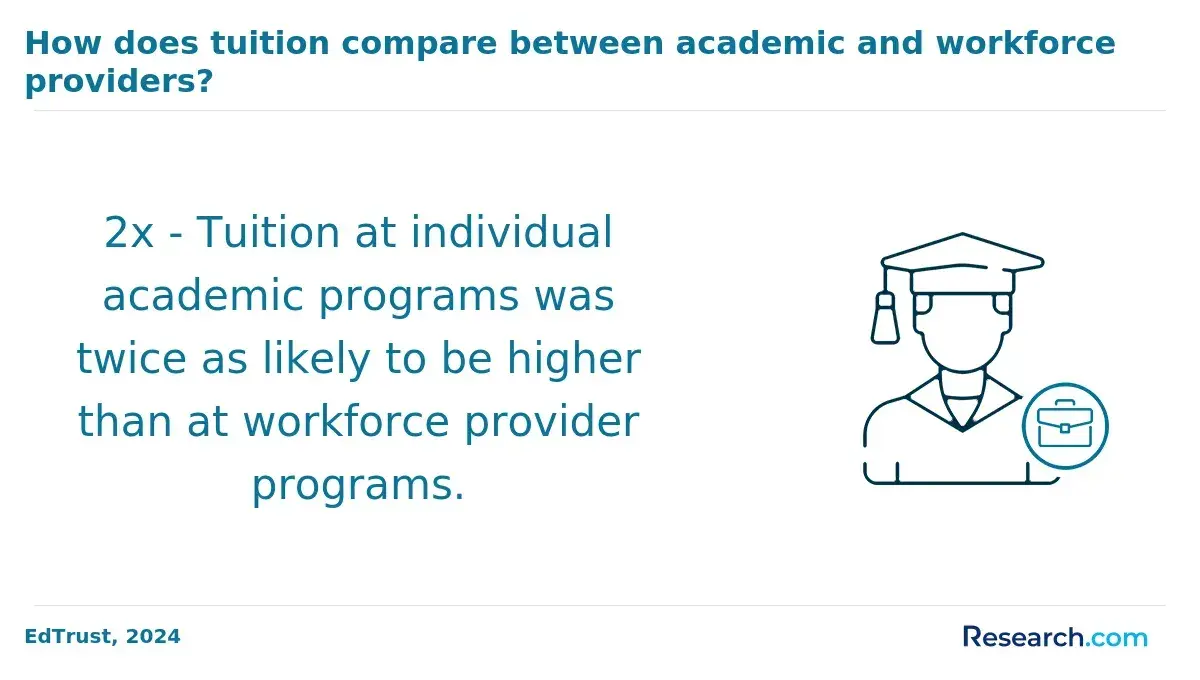
Students evaluating accelerated online programs at University of Denver must move beyond tuition figures to understand the complete financial commitment. Total costs often include mandatory fees and technology expenses that do not appear in headline tuition rates. Ignoring these supplementary charges can skew budget expectations and affect comparisons with other education formats. Furthermore, accelerated timelines may reduce some living costs but increase upfront financial pressure due to condensed course loads and additional resource needs. Consider these key expense factors to grasp the real investment behind faster degree completion.
The following outlines the primary costs prospective students should weigh carefully.
- Tuition And Fees: The advertised tuition of $82,683 may omit mandatory fees such as technology use, online graduation, and proctored exams. These can inflate the effective price, making direct comparisons with traditional or slower-paced programs less straightforward. Understanding the exact fee structure is essential to avoid unexpected expenses.
- Technology Expenses: Accelerated formats depend heavily on digital platforms, requiring reliable devices, high-speed internet, and occasional software licenses. Students might also face hardware upgrades if their current setup cannot support fast-paced coursework, adding to the overall cost beyond tuition.
- Books And Supplies: Although approximately $1,000 is estimated for books and supplies, required digital textbooks and specialized materials could exceed this, especially in fields reliant on current data or software tools. Budgeting for these necessities prevents disruption later in the program.
- Opportunity Cost Savings: Completing the degree faster can shorten time out of the workforce and reduce indirect expenses like housing or commuting. For example, a student who finishes in two years instead of four might begin earning earlier, offsetting higher upfront fees through earlier salary gains.
- Hidden Administrative Costs: Fees related to online proctoring, registration, and course materials might not be clear from the start. These miscellaneous charges require scrutiny as they accumulate over multiple terms and increase the total investment.
- Financial Aid And Scholarships Availability: Accelerated programs sometimes have limited scholarships or aid options compared to traditional formats. Evaluating eligibility impacts net costs and should factor into the financial decision.
- Comparative Tuition Trends: National data shows average tuition for accelerated online degrees hovers around $80,000, closely matching University of Denver's rates. This suggests that while faster degree completion accelerates time to market, it does not necessarily yield major tuition savings and highlights the need to assess other cost components carefully.
One University of Denver graduate reflected on weighing these costs upfront. She recalls hesitating over the steep tuition but ultimately deciding the accelerated path was worth the premium, given her ability to reenter her field sooner. She factored in the added technology fees and textbook expenses, budgeting carefully to avoid surprises. Her relief came with finishing early and securing a position that valued her prompt qualification. Yet she advises others to fully map out all hidden costs before committing, as the accelerated timeline demands a high degree of financial readiness alongside academic rigor.
What technology and support services are available for accelerated online students at University of Denver?
Accelerated online students must manage a compressed curriculum that leaves little margin for technical disruptions or unclear academic guidance. Reliable technology is essential to ensure seamless access to course materials and timely submission of assignments. Simultaneously, accessible support services help mitigate the intensified workload and maintain student well-being. Without these integrated resources, students risk falling behind on tight deadlines, which can derail their planned graduation timeline.
The following outlines key technology tools and support available to sustain student success in this challenging context.
- Learning Management System (Canvas) Access: The University of Denver uses Canvas to deliver compressed course modules efficiently. This platform allows accelerated students to navigate concise content and track progress at their own pace, which is critical when managing a fast-moving schedule. Utilizing Canvas's mobile compatibility can help students optimize study time during commuting or breaks.
- 24/7 Technical Support Helpdesk: Continuous IT support minimizes downtime caused by technical difficulties. Access to around-the-clock assistance is especially valuable when assignment deadlines coincide with nontraditional study hours. Online students can quickly resolve issues and avoid losing valuable study time by contacting this dedicated helpdesk.
- Specialized Academic Advising: Advising tailored for accelerated learners helps manage course load and pacing effectively. Advisors provide realistic strategies for meeting graduation goals without overextension, an approach that benefits students balancing work and study demands. Regular check-ins encourage proactive adjustments rather than reactive scrambling.
- Extensive Digital Library Resources: Online access to research databases supports fast-paced, research-intensive coursework. Students can retrieve required materials instantly without physical library visits, saving time that is scarce in accelerated programs. Developing strong digital research skills here directly supports academic rigor and practical application.
- Mental Health and Career Counseling Services: Services designed for online students acknowledge stressors unique to compressed timelines. Counseling aids emotional resilience, which is crucial for sustained performance. Career services also align accelerated learning outcomes with labor market realities, guiding timely transitions into employment.
- Online Peer Networking Platforms: Virtual communities help offset isolation typical of remote study. Peer interaction fosters knowledge sharing, motivation, and accountability within demanding schedules. Students using these networks gain support that complements formal advising and mental health services.
Research from the National Center for Education Statistics shows 71.4% of accelerated online students who engage fully with integrated academic and technical support graduate within their planned timeline. This data highlights how these resources are not just conveniences but essential components that significantly influence graduation success.
How do accelerated online programs at University of Denver compare with traditional online programs?
Choosing between accelerated online degree programs at the University of Denver and traditional online courses requires more than comparing graduation speed. The decision influences workload, financial commitment, and long-term readiness for workforce demands. For instance, a professional balancing a full-time job might find accelerated programs too intense despite their faster completion times.
Yet, many employers value competencies over how quickly credentials are earned, which complicates the choice. Below are key distinctions worth examining.
- Course Pace: The accelerated format condenses material into shorter terms, pushing students to engage with content more intensively. Traditional programs spread coursework over longer semesters, offering more breathing room but extending time to degree completion.
- Weekly Workload: Accelerated students face a heavier weekly study load, often doubling traditional requirements. This pressure can challenge those without flexible schedules or strong time management skills at University of Denver.
- Graduation Speed Versus Retention: While accelerated tracks cut graduation time by about 30%, they slightly increase withdrawal rates due to the demanding pace. Traditional courses may have steadier completion but take longer overall.
- Financial Considerations: Tuition totals $82,683 for both formats, but accelerated programs may add distance education fees. Intensity might also lead to unforeseen costs related to required resources and time investment.
- Employer Perception: A recent study shows employers similarly value credentials from either format, focusing on demonstrated skills. Choosing an accelerated path should balance faster entry with ensuring mastery, especially for those targeting competitive fields or introvert jobs that pay well.
- Flexibility and Scheduling: Traditional courses generally provide more scheduling flexibility, which suits students needing part-time study. Accelerated programs with online courses demand rigorous adherence to deadlines, leaving less room for personal or professional unpredictability.
- Support Services and Resources: Intensive terms in accelerated programs can strain institutional resources, affecting availability of advisement and tutoring. Traditional formats may offer steadier support but extend engagement.
How do University of Denver's accelerated online programs compare with other universities?
Comparing accelerated online programs across universities reveals significant differences in cost, outcomes, and delivery structures that affect student decisions. Not all accelerated degrees operate with the same pace, financial demands, or graduate success rates. Prospective students must examine these factors to align choices with their schedules and career objectives rather than assuming all accelerated options are equivalent.
For example, a working professional seeking substantial employer recognition might find a premium-priced program justified, while another prioritizing flexibility could lean toward lower-cost regional offerings. The following points clarify key contrasts relevant to the University of Denver accelerated online program comparison.
- Tuition Cost Premium: University of Denver's accelerated online programs charge $82,683 total tuition, which is high compared to many competing regional and national programs that often cost substantially less. This premium price may reflect program quality but demands careful budgeting and evaluation of return on investment.
- Graduation Rate Above Average: The 78% graduation rate slightly surpasses national averages near 70% for accelerated online degrees. This suggests a relatively stable completion environment, although the intensive pace still challenges students managing work and personal commitments.
- Competitive Alumni Salary: Graduates report a median salary of $71,155, positioning University of Denver near career placement benchmarks for similar programs. Salary outcomes remain subject to variables like industry sector, prior experience, and location, which influence wage growth over time.
- Program Pace and Student Commitment: Accelerated delivery requires sustained focus over a shorter timeline. Some regional accelerated online degrees at University of Denver may offer more rigid schedules compared to other institutions that provide greater flexibility, impacting students balancing jobs or family.
- Employer Recognition Variability: Not all employers equally value accelerated programs, especially at higher costs. Students should assess how University of Denver's brand and curriculum align with target industries to ensure the credential supports long-term career mobility.
- Financial Considerations Versus Outcomes: A 2024 study from the National Center for Education Statistics found higher tuition accelerated online programs do not consistently lead to better career outcomes, highlighting the importance of weighing cost against realistic professional returns.
- Access to Resources and Support: University of Denver typically offers robust academic support and advising, which can differ from other schools. Strong student services can alleviate some pacing challenges and improve retention among nontraditional students.
Prospective students exploring accelerated online programs for working adults can consult authoritative sources like accelerated online degree programs for working adults to deepen comparisons and find options best suited to individual goals.
Are accelerated online programs at University of Denver worth it for your career goals?
The worth of an accelerated online program depends on how well it aligns with a student's career objectives, not just how quickly they can earn a degree. Speed alone ignores whether the program's content, format, and network opportunities genuinely support meaningful advancement or a career shift. For example, a professional in business aiming for a management role may benefit from the intensive focus and faster credentialing of an accelerated track, especially if their employer values timely upskilling.
Accelerated programs can deliver significant value when time is critical, such as meeting employer requirements, preparing for graduate school, or pivoting careers within growing sectors like STEM or business. However, those in fields that require deep mastery or extended networking may find a traditional pace more advantageous. The 2024 study from the National Center for Education Statistics underscores this point by showing that STEM and business graduates from accelerated online tracks tend to realize higher initial salary gains compared to humanities graduates, emphasizing that industry context shapes the returns on acceleration.
Consider a mid-career individual balancing work and family who seeks to update technical skills and demonstrate current knowledge quickly. An accelerated online program at University of Denver offers a focused path to do so, but it requires the capacity to absorb material rapidly and manage a heavier workload. Conversely, someone early in their academic journey or seeking to build a broad professional network might benefit from a slower pace that allows time for exploration and relationship-building.
Prospective students should evaluate their current career stage, timeline flexibility, financial situation, and long-term goals before committing. The median graduate salary of $71,155 paired with a 3.26x earnings to debt ratio suggests worthwhile financial returns, but only if the accelerated format complements individual circumstances. Assessing one's ability to engage fully with condensed coursework while ensuring alignment with career sector demands will determine if the accelerated path at University of Denver is a practical investment.
What Graduates Say About Accelerated Online Programs at University of Denver
- Anthony: "Opting for the accelerated online program at University of Denver was a calculated decision for me, driven by my commitment to advancing quickly without putting my career on hold. The compressed course schedules demanded a rigorous approach to time management, often requiring me to carve out early mornings before work and late nights to keep up with the intensive coursework. Balancing professional responsibilities and family life wasn't easy, but the structure of the program encouraged steady progress and helped me develop disciplined study habits that ultimately shortened my graduation timeline and opened doors to new leadership opportunities at my job."
- Soojin: "As someone who hadn't been in school for years, the accelerated online program at University of Denver initially felt daunting, but I realized that my motivation and previous work habits translated well to the fast pace. I had to be very deliberate about organizing my weeks and using every spare moment efficiently to avoid falling behind, particularly when juggling freelance projects and childcare. Although the workload was intense, this model pushed me to adapt quickly and maintain a consistent academic performance, which gave me the confidence to finish sooner than I expected and transition into a higher role within my industry."
- Sean: "My experience with University of Denver's accelerated online program was pragmatic from start to finish. I chose the program because I wanted to minimize time away from the workforce, but I soon found that the heavier workload required sacrifices and constant prioritization. There were moments when balancing work deadlines and demanding coursework felt overwhelming, but setting realistic expectations and leveraging support resources helped me manage stress and maintain steady progress. Graduating earlier than usual improved my career trajectory by allowing me to apply new skills immediately while demonstrating commitment and resilience to my employer."
Other Things You Should Know About University of Denver Degrees
Accelerated programs condense coursework into shorter time frames, which often limits opportunities for reflection and deep engagement with complex topics. Students should expect a tradeoff where breadth of content coverage may take precedence over detailed mastery. This means those who prefer intense study or research-oriented learning might find these programs rushed and less suited to thorough exploration of subject matter.
While the University of Denver holds a solid academic reputation, some employers unfamiliar with accelerated online formats may question the rigor compared to traditional timelines. Graduates might need to proactively demonstrate their competency through portfolios, internships, or relevant work experience to counteract skepticism. Prioritizing programs with clear industry alignment or that emphasize applied skills can improve employer acceptance.
Although flexibility is often touted, the compressed schedule requires significant time dedication across short periods, which can intensify stress for working students with family duties. Prospective students should carefully assess their daily availability and avoid overestimating the ease of managing simultaneous responsibilities. For those unable to commit sustained focus for concentrated bursts, a standard-paced program might offer better balance.
References
- CU Online Programs https://www.cu.edu/online-programs
- University of Denver Launches Colorado's First Reduced-Credit Bachelor's Degree https://www.prnewswire.com/news-releases/university-of-denver-launches-colorados-first-reduced-credit-bachelors-degree-302691585.html
- DU will help lead the way to 3-year degrees for Americans calling for change in higher education (Opinion) https://www.denverpost.com/2026/03/04/university-of-denver-3-year-degrees-higher-education-costs/
- Current Online Students - MSU Denver https://www.msudenver.edu/online/current-students/
- Customized College and Career Experience in Denver | AdvanceEDU https://myadvanceedu.org/
- FastForward Programs at Regis University https://www.regis.edu/academics/majors-and-programs/fastforward-dual-degree-combinations
- Knowledge Base https://univofdenver.service-now.com/sp
- Online Degree vs. Traditional: Choosing the Right Path https://beal.edu/online-degree-vs-traditional/