2027 Accredited Online Marketing Degree Programs for Working Adults: Flexible, Part-Time, and Self-Paced Options

Co-Founder and Chief Data Scientist
Choosing an online marketing degree while working full time is really a scheduling, cost, and accreditation decision. NCES reported in 2024 that more than half of U. S. undergraduates took at least one distance education course, showing how mainstream online study has become. This guide is for adults comparing accredited online marketing programs, especially flexible, part-time, and self-paced formats. You'll learn how accreditation works, what formats fit different work schedules, how much programs may cost, how transfer credits affect graduation time, and how to judge whether a program supports your career goals.
Key Things You Should Know
- Accreditation is the first filter: choose an institution recognized by a U.S. Department of Education-approved accreditor, then check whether the business school has optional programmatic accreditation such as AACSB, ACBSP, or IACBE.
- Working adults commonly need 10 to 20 hours per week for part-time online study, while full-time study can require 30 or more hours; self-paced formats offer more control but may still have term limits, minimum progress rules, and proctored exams.
- College Board's 2024-25 data shows average published tuition and fees of $11,610 for in-state public four-year institutions and $43,350 for private nonprofit four-year institutions, but transfer credits and prior learning credit can reduce total cost and shorten a bachelor's timeline substantially.
What Is an Accredited Online Marketing Degree Program and Why Does Accreditation Matter?
An accredited online marketing degree program is a college program delivered mostly or fully online by a school that has been reviewed by a recognized accrediting agency. At the bachelor's level, marketing is usually offered as a Bachelor of Science, Bachelor of Business Administration, or Bachelor of Arts with coursework in consumer behavior, digital marketing, market research, analytics, brand strategy, sales, advertising, and business foundations.
Accreditation matters because it affects financial aid eligibility, credit transfer, graduate school admission, and employer confidence. Institutional accreditation is the baseline. It tells you the college or university meets broad standards for academic quality, student support, governance, and financial stability. Programmatic business accreditation, such as AACSB, ACBSP, or IACBE, is not always required for marketing jobs, but it can signal stronger business-school review.
Use accreditation as a protection against expensive mistakes. A low-cost or highly flexible program is not a good value if credits will not transfer, employers question the school, or students cannot use federal financial aid. This is similar to how students in other fields verify specialized program quality before enrolling, such as those comparing best online CACREP counseling programs for counseling licensure pathways.
The table below separates the most common accreditation terms, since schools may use them in marketing materials in ways that sound similar but mean different things.
| Accreditation term | What it means | Why it matters for working adults |
| Institutional accreditation | The entire college or university has been reviewed by a recognized accreditor. | Usually required for federal financial aid, transfer credit acceptance, and broad employer recognition. |
| Programmatic business accreditation | A business school or business program has been reviewed by a business-focused accreditor. | May strengthen credibility, especially for students planning graduate business study or competitive corporate roles. |
| State authorization | The school is approved to offer online education to students in specific states. | Important if you live outside the school's home state or may move before graduating. |
| Professional certification alignment | Courses may prepare students for marketing tools or credentials, but the degree itself is not a license. | Helpful for employability, but it should not be confused with accreditation. |
A common red flag is a school that emphasizes "nationally recognized" or "career-focused" language but makes accreditation difficult to verify. Before applying, check the school's accreditation page, confirm the accreditor's recognition through official federal or accreditor directories, and ask whether online students receive the same transcript and degree title as campus students.
Which Flexible Marketing Degree Formats Are Best for Working Adults: Part-Time, Full-Time, or Self-Paced?
The best format depends on how predictable your schedule is, how quickly you want to finish, how much you can pay per term, and how much structure you need. "Online" does not automatically mean self-paced; many online marketing programs still use weekly deadlines, group projects, live sessions, and fixed semester calendars.
The comparison below can help you match common online formats to real work and family constraints.
| Format | Best fit | Typical trade-off | What to verify before enrolling |
| Part-time online | Adults working full time, parents, military learners, and students returning after a break | Lower weekly workload, but a longer path to graduation | Minimum credits per term, financial aid eligibility, course rotation, and maximum time to complete |
| Full-time online | Students with flexible jobs, employer support, or a strong need to graduate quickly | Faster progress, but heavier weekly workload and less schedule buffer | Whether courses are asynchronous, whether exams are proctored, and how often group work is required |
| Self-paced or competency-based | Experienced adults who can study independently and move quickly through familiar material | High flexibility, but less external structure and possible subscription-term pressure | Term length, completion limits, grading model, employer recognition, and transfer policy |
| Accelerated online terms | Motivated students who can focus intensely for 5 to 8 weeks at a time | Shorter courses, but deadlines arrive quickly | Whether taking two accelerated courses at once is realistic with your work schedule |
| Live online cohort | Students who want structure, faculty interaction, and peer accountability | More predictable support, but less schedule freedom | Required login times, attendance rules, and time zone expectations |
Part-time study usually makes the most sense if your work hours change, you travel, or you cannot protect several long study blocks each week. Full-time study can make sense when the opportunity cost of delaying graduation is high, but it is riskier if you are already stretched thin. Self-paced study can be powerful for adults with prior business experience, but it can backfire if you need frequent instructor reminders or tend to postpone open-ended deadlines.
Before choosing a format, ask each school direct scheduling questions. These questions uncover the difference between truly flexible programs and programs that are only online in delivery.
- Are courses asynchronous, synchronous, or a mix of both?
- How many hours per week should a working adult expect for one 3-credit marketing course?
- Are exams proctored at fixed times, or can students schedule them within a testing window?
- How often do marketing courses require team projects or live presentations?
- Can students pause enrollment for a term without losing their catalog year, tuition rate, or academic standing?
What Are the Admission Requirements for Accredited Online Marketing Degree Programs?
Admission requirements vary by degree level and school selectivity, but online marketing bachelor's programs are often designed for both first-time college students and transfer students. Many adult-friendly programs use rolling admissions, multiple start dates, and transfer evaluations before enrollment, which can make planning easier.
Most undergraduate applicants should be ready to provide a core set of documents. Requirements may be lighter for open-admission institutions and more selective for competitive business schools.
- High school diploma, GED, or equivalent documentation for first-time undergraduate applicants
- Official transcripts from all previously attended colleges, even if credits are old or grades were low
- Minimum GPA requirement or conditional admission pathway, depending on the school
- Application form and fee, although some online programs waive the fee during certain enrollment periods
- Placement information, prior college coursework, or standardized test scores if required for math or writing placement
- English proficiency documentation for applicants whose prior education was not completed in English
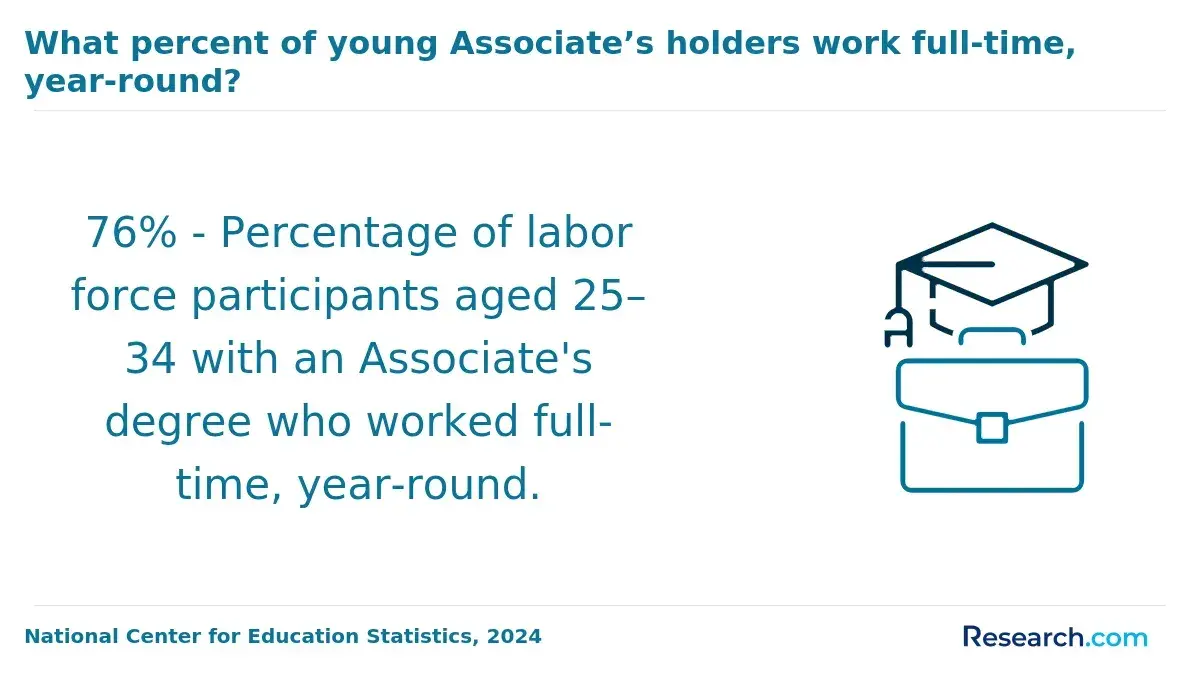
Transfer students should pay especially close attention to prerequisite sequencing. A school may accept many credits overall but still require specific business core courses before upper-division marketing classes. If you already have an associate degree, ask whether the program has an articulation agreement that maps directly into the bachelor's curriculum.
Adult learners should also ask whether the school awards credit for prior learning. Some institutions evaluate military training, professional certifications, corporate training, exams, or portfolios. These credits are not automatic, and they may count only as electives, but they can still reduce tuition and shorten the path to graduation.
A common mistake is applying before getting an unofficial transfer review. If you have previous credits, ask for a course-by-course estimate before committing to a deposit. The most important number is not how many credits the school accepts in total; it is how many apply directly to the marketing degree plan.
How Much Does an Online Marketing Degree Cost, and What Financial Aid Options Are Available?
The cost of an online marketing degree depends on school type, residency rules, transfer credits, course load, fees, textbooks, technology requirements, and how long you remain enrolled. College Board's 2024-25 figures show average published tuition and fees of $11,610 at in-state public four-year institutions and $43,350 at private nonprofit four-year institutions. Online programs can be cheaper or more expensive than these averages, so compare total program cost rather than tuition alone.
When comparing schools, separate direct charges from indirect costs. A program with a low per-credit rate may still become expensive if it has high online course fees, limited transfer acceptance, or required software subscriptions.
- Published tuition per credit or per term
- Mandatory online learning, technology, registration, graduation, or proctoring fees
- Textbooks, digital course materials, analytics tools, and marketing software
- Residency-based tuition differences for public universities
- Transcript evaluation fees for transfer or international coursework
- Extra cost from repeating courses, changing majors, or losing financial aid eligibility after dropping below required enrollment levels
Financial aid can make accredited online programs more accessible, but eligibility depends on the institution, enrollment intensity, degree status, and satisfactory academic progress. Start with the FAFSA if the school participates in federal aid programs, then compare grants, scholarships, employer tuition assistance, military education benefits, payment plans, and tax-related education benefits when applicable.
The table below summarizes common funding options and the practical question each one raises for a working adult.
| Funding option | How it may help | Key question to ask |
| Federal grants | May reduce out-of-pocket cost for eligible undergraduate students | Does my enrollment level qualify, and will part-time study change the award? |
| Federal student loans | Can spread cost over time, but must be repaid with interest | What is my total borrowing estimate at graduation? |
| Employer tuition assistance | Can offset tuition for job-related education | Does my employer require a minimum grade, continued employment, or reimbursement after course completion? |
| Scholarships | Can lower net cost without repayment | Are online, part-time, transfer, and adult students eligible? |
| Prior learning or transfer credit | Can reduce the number of credits you must pay for | How many accepted credits apply to the marketing major and general education requirements? |
Do not choose the cheapest program automatically. A slightly higher-cost program may be a better value if it accepts more transfer credits, offers stronger advising, provides better career support, or lets you graduate sooner without leaving your job. The better comparison is net cost to completion, not sticker price per credit.
How Long Does It Take to Complete an Online Marketing Degree, and Can Transfer Credits Help You Graduate Faster?
A bachelor's degree in marketing usually requires about 120 credits. Full-time students who start from zero credits often need about four academic years, while part-time working adults may take five to six years or more depending on course load and breaks. Transfer students with an associate degree or substantial prior credits may finish much faster if those credits apply cleanly to the degree plan.
Because online marketing programs use different calendars, the same number of credits can feel very different from one school to another. The table below gives a practical workload comparison rather than a promise of completion time.
| Enrollment pattern | Common course load | Schedule impact | Best for |
| One course at a time | 3 credits per term or session | Manageable workload, slower progress | Adults with heavy work, caregiving, or unpredictable hours |
| Half-time | 6 credits per term | Often more realistic for full-time workers than a full-time load | Students balancing work with steady weekly study blocks |
| Full-time | 12 or more credits per term | Fast progress, high weekly time commitment | Students with flexible work, strong support, or reduced outside obligations |
| Competency-based | Varies by pace and term model | Can accelerate familiar subjects, but requires self-direction | Experienced adults with strong independent learning habits |
Transfer credit can be the biggest timeline advantage for returning students. However, schools apply credits differently. General education credits often transfer more easily than specialized upper-division business or marketing courses. Credits may also expire for certain technology-heavy or quantitative subjects, depending on institutional policy.
To estimate your realistic graduation date, follow a transfer-first process before enrolling. This prevents the common mistake of assuming every previous credit will count toward the marketing major.
- Request official transcripts from every college you attended.
- Ask the online marketing program for a preliminary transfer evaluation before you commit.
- Separate accepted credits into general education, business core, marketing major, electives, and unused credits.
- Ask how often required marketing courses are offered and whether any are available only once per year.
- Build a part-time and full-time completion plan, then compare both against your work calendar and financial aid requirements.
If you are choosing between an accelerated program and a transfer-friendly program, transfer friendliness often matters more for adults with previous college experience. Acceleration helps only if you can sustain the pace; transfer credit reduces the actual number of courses you must complete.
What Should You Look for When Comparing Accredited Online Marketing Degree Programs?
Start with accreditation, but do not stop there. A strong online marketing program should combine recognized academic quality, practical marketing coursework, transparent cost, adult-friendly scheduling, and credible career support. Marketing changes quickly, so look for programs that teach both strategy and current tools rather than only broad business theory.
Program comparison should focus on fit, not just reputation. Students exploring long-term academic and career value may also benefit from comparing marketing with other best college degrees for the future, especially if they are deciding between business, analytics, communications, and technology-related paths.
The table below summarizes what to compare and why each factor matters for a working adult.
| Comparison factor | Strong sign | Red flag |
| Accreditation | Institutional accreditation is easy to verify, and business accreditation is clearly stated if available | Accreditation language is vague, outdated, or difficult to confirm |
| Scheduling | Clear information on asynchronous work, live sessions, deadlines, and course rotations | Program says "flexible" but does not explain required login times or project schedules |
| Curriculum | Includes digital marketing, analytics, consumer behavior, market research, branding, and strategy | Course list appears outdated or lacks measurable, job-relevant skills |
| Faculty | Faculty have academic credentials, industry experience, or both | Faculty information is missing or not tied to business and marketing expertise |
| Transfer policy | Provides course-by-course transfer evaluation and degree map | Only gives a general maximum transfer number without explaining applicability |
| Career support | Offers resume help, portfolio guidance, internship support, job boards, and employer connections for online students | Career services are campus-centered or unavailable outside business hours |
Ask admissions advisors questions that require specific answers. A good program should be able to explain exactly how online students move through courses, receive support, and demonstrate career-ready skills.
- Will my transcript or diploma identify the program as online?
- What marketing tools or platforms do students use in coursework?
- Can online students complete portfolio projects using real or simulated marketing data?
- Are courses taught by the same faculty who teach campus sections?
- What happens if I need to reduce my course load for one term?
- What career outcomes or employer connections are available specifically to online marketing students?
A common mistake is overvaluing a single feature, such as low tuition, accelerated terms, or a well-known school name. The best program is the one that aligns accreditation, affordability, schedule realism, transfer efficiency, and career relevance.
What Career Opportunities and Salary Potential Can You Expect With a Marketing Degree?
A marketing degree can support careers in digital marketing, brand management, market research, advertising, sales strategy, content marketing, social media, customer insights, e-commerce, and marketing analytics. Entry-level roles often focus on campaign execution, data reporting, content coordination, or sales enablement, while advanced roles involve strategy, budgeting, team leadership, and performance measurement.
BLS data published for 2024 reports a median annual wage of $76,950 for market research analysts. That figure is a national median, not a guaranteed outcome, but it shows why data-focused marketing skills can be valuable for adults who want a business career with analytical responsibilities.
The table below connects common marketing roles to typical responsibilities and skills. Use it to decide whether a program's curriculum matches the work you actually want to do.
| Career path | Typical responsibilities | Useful skills to build during the degree |
| Digital marketing specialist | Manage campaigns, landing pages, email marketing, paid media, and performance reports | SEO, paid search, analytics, copywriting, A/B testing, and marketing automation |
| Market research analyst | Study customers, competitors, pricing, demand, and campaign performance | Statistics, survey design, data visualization, spreadsheet modeling, and consumer behavior |
| Brand or product marketing associate | Support positioning, product launches, competitive research, and messaging | Brand strategy, market segmentation, project management, and presentation skills |
| Social media strategist | Plan social content, measure engagement, manage communities, and coordinate campaigns | Platform analytics, content strategy, audience research, and brand voice |
| Sales or business development manager | Use customer insights to support lead generation, sales strategy, and revenue growth | CRM systems, persuasion, sales analytics, and customer relationship management |
Marketing also overlaps with HR, operations, analytics, communications, and leadership. If you are comparing marketing with people-focused business pathways, a program such as a masters in human resources online may offer a useful contrast in career direction, especially for adults deciding between customer strategy and workforce strategy.
Current trends are reshaping marketing coursework and hiring expectations. Employers increasingly expect marketers to understand AI-assisted content workflows, privacy-aware data use, marketing analytics, customer segmentation, and measurable return on campaign spending. A good online marketing degree should help you build judgment around these tools, not just teach software clicks that may change quickly.
How Can Working Adults Balance a Marketing Degree With Full-Time Work and Family Responsibilities?
Balancing a marketing degree with full-time work is possible, but it requires honest planning. The biggest risk is not the online format itself; it is underestimating the weekly workload. Marketing courses often include reading, discussion posts, analytics assignments, campaign projects, presentations, and group coordination, which can be difficult to complete only on weekends.
Build your schedule around protected study blocks rather than leftover time. Working adults usually do better when they choose a repeatable weekly rhythm and communicate deadlines to family members, supervisors, or anyone affected by their schedule.
- Start with one course if you have been out of school for several years or have unpredictable work hours.
- Block study time on at least three days per week so assignments do not pile up before deadlines.
- Use the syllabus to identify heavy weeks, group projects, exams, and presentations early.
- Tell instructors as soon as a work conflict appears instead of waiting until after a deadline passes.
- Pair demanding quantitative courses with lighter electives when possible.
- Reassess your course load after the first term using actual hours spent, not your original estimate.
Self-paced programs require a different kind of discipline. Without weekly deadlines, you need personal milestones, calendar reminders, and a plan for completing assessments before the end of the term. If you tend to need external accountability, a structured asynchronous program may be more realistic than a fully self-paced model.
Family responsibilities also affect format choice. Live online courses can be helpful if you want routine, but they may be hard if childcare, elder care, shift work, or travel changes week to week. Asynchronous part-time study is often the safest starting point for adults with multiple obligations.
A useful rule is to protect your job first, then choose the fastest academic pace you can sustain without constant crisis. A degree that takes an extra year but preserves your income, health, and family stability may produce a better overall return than an overloaded schedule that leads to withdrawals or repeated courses.
What Student Support Services and Online Learning Resources Should You Expect From a Marketing Degree Program?
Online students should expect more than recorded lectures and a login page. Strong support services can make the difference between steady progress and stop-out risk, especially for adults studying after work hours. Ask whether services are available remotely and during evenings or weekends, not just during campus business hours.
At minimum, an adult-friendly online marketing program should provide academic, technical, career, and wellness support. These services are especially important in quantitative marketing courses, group projects, and capstone assignments.
- Dedicated academic advising with degree planning for part-time and transfer students
- Online tutoring for writing, statistics, accounting, economics, and business analytics
- Technical support for the learning platform, proctoring tools, and required software
- Library access with business databases, market research reports, and citation support
- Career services for resumes, LinkedIn profiles, interviews, portfolios, and internship searches
- Accessibility services for documented disabilities and approved accommodations
- Mental health, wellness, or student success coaching resources available to online learners
Support quality becomes more important as students move into advanced or leadership-oriented study. Adults who eventually plan graduate education may also compare marketing pathways with leadership doctoral programs if their long-term goal is executive leadership, consulting, or organizational strategy.
Look closely at career support for online students. Marketing is portfolio-friendly, so programs should help you turn class projects into evidence of skill. Examples include campaign plans, analytics dashboards, customer personas, content calendars, brand audits, market research reports, and capstone presentations.
A common red flag is a program that lists many support services but does not explain how online students access them. Before enrolling, test the system: ask how to schedule tutoring, whether career appointments are virtual, and whether the library provides remote access to market research databases.
Do Online Marketing Degree Programs Include Internships, Practicums, or Other Hands-On Learning Requirements?
Many online marketing degrees include hands-on learning, but the format varies. Some require internships, while others use capstones, simulations, consulting projects, case competitions, portfolio assignments, or applied research projects. For working adults, the key question is whether experiential requirements can be completed without leaving a job or relocating.
Internships can be valuable if you are changing careers, have limited marketing experience, or want employer references. However, required daytime internships can be difficult for adults with full-time jobs. If a program requires an internship, ask whether your current workplace can count, whether remote internships are allowed, and whether there are evening or project-based options.
The table below compares common applied learning formats and how they affect working adults.
| Hands-on format | What students do | Working-adult consideration |
| Internship | Work with an employer or organization in a marketing-related role | Best for career changers, but scheduling and unpaid work can be barriers |
| Capstone project | Create a strategic marketing plan, campaign proposal, research project, or analytics presentation | Often easier to complete online and can support a portfolio |
| Simulation | Use software or cases to make campaign, budget, pricing, or branding decisions | Flexible and practical, though less connected to real employers |
| Client-based project | Support a nonprofit, small business, or campus partner with marketing research or strategy | Useful for experience, but group coordination may require careful scheduling |
| Portfolio course | Compile evidence of marketing skills from multiple assignments | Helpful for job searches and career changes |
Hands-on learning also differs by discipline. For example, students comparing marketing with writing- or research-heavy fields may find that an affordable online masters in history emphasizes research and interpretation more than campaign execution or analytics deliverables.
Before enrolling, ask how the program helps online students secure applied experiences. A school that requires an internship but provides little support may shift too much responsibility to the student. Stronger programs explain placement support, employer partnerships, remote project options, faculty supervision, and alternatives for students already employed full time.
The most practical option for many working adults is a program that offers, but does not rigidly require, a traditional internship. That structure lets career changers gain experience while allowing experienced professionals to use capstones, workplace projects, or portfolios to demonstrate marketing competence.
Other Things You Should Know About Marketing
Participants in 2027 accredited online marketing degree programs must have reliable internet, a capable computer meeting minimum specifications like 8GB RAM, and software such as video conferencing tools. These are essential for accessing course materials and participating in virtual classes and discussions.
Many employers focus on the school's accreditation, your skills, experience, portfolio, and interview performance rather than the delivery format. To avoid concerns, choose an accredited institution and build concrete work samples during the program.
Yes, but you should expect some quantitative work. Marketing increasingly uses analytics, statistics, budgets, and performance metrics, so look for programs with tutoring and beginner-friendly support if math is a concern.
Useful options include data analytics, communications, graphic design, psychology, sales, entrepreneurship, information systems, or finance. The best choice depends on whether you want a creative, analytical, strategic, or management-focused marketing career.
References
- Guide to Employers Who Subsidize Online Education https://www.onlineeducation.com/features/employers-who-subsidize-higher-ed
- The 15 Best Online Marketing Degree Programs - Best Marketing Degrees https://www.bestmarketingdegrees.org/best-online-marketing-degree-programs/
- Digital Marketing Bootcamp vs Traditional Course: Which One Should You Choose in 2026? - scholarsedgeacademy https://scholarsedgeacademy.in/digital-marketing-bootcamp-vs-traditional-course/
- Flexible online colleges https://www.gatewayunj.org/student-stories/flexible-college-programs-making-it-possible-to-earn-your-degree-on-your-schedule
- Online, Hybrid, and More: Flexible Learning Options in College - ReUp Education https://reupeducation.com/blog/online-hybrid-and-more-flexible-learning-options-in-college/
- Jobs That Pay for College: 10+ Companies Offering Tuition Assistance https://www.fastweb.com/career-planning/articles/jobs-that-pay-for-college-with-tuition-reimbursement
- Best Digital Marketing Certificate Programs of 2026 | CourseCompare.ca https://www.coursecompare.ca/best-digital-marketing-certificate/
- Earn an Online Marketing Degree https://www.oedb.org/rankings/online-marketing-programs/
- Adult Learner Resources https://applymontana.mus.edu/resources/for-adult-learners/index.html
- How Self-Paced Online Degrees Compare With Structured Programs - USA Online Degrees https://usaonlinedegrees.com/self-paced-online-degrees-vs-structured-programs/