2027 University of California, Davis - Graduate School of Business Application Deadlines, Start Dates, and Admission Process

Co-Founder and Chief Data Scientist
Applicants often underestimate how critical precise timing is when applying to University of California, Davis - Graduate School of Business. Missing key deadlines or misunderstanding enrollment cycles can cost valuable opportunities and delay career progress significantly.
With a reported 15% increase in application volume recently, competition intensifies, making strategic planning essential to navigate scarce seats and selective admissions. The school's growing demand reflects shifting workforce expectations for programs that align with flexible start dates and real-world schedules. This dynamic influences not only who gains admission but also when candidates should prepare their materials and engage with the process.
This article will clarify important application deadlines, start dates, and admissions steps to help prospective students make informed decisions and avoid costly timing errors.
Key Points About University of California, Davis - Graduate School of Business Application Deadlines, Start Dates, and Admission Process
- The 42% acceptance rate from 94,637 applicants signals an intense selection process, requiring applicants to submit competitive academic records and relevant experience to avoid delays caused by a crowded applicant pool.
- Major entry terms fall, winter, and spring offer distinct application deadlines, necessitating precise timing to align submission with program start dates and optimize enrollment opportunities.
- Applicants must demonstrate analytical skills, leadership potential, and clear career goals, emphasizing admissions criteria tied to practical outcomes and sustained professional growth over solely academic scores.
What start dates does University of California, Davis - Graduate School of Business offer?
University of California, Davis - Graduate School of Business offers structured quarterly start dates, creating distinct enrollment waves that influence cohort composition and academic pacing.
The fall quarter, hosting the majority of enrollees, often entails more competitive admission due to higher demand. Alternatively, winter and occasional spring entries provide practical options for applicants balancing professional obligations or seeking faster admission timelines.
Recent enrollment data suggests a notable rise in winter term starts, especially among part-time and executive students juggling work and study. This pattern highlights how start dates can affect networking opportunities, workload management, and graduation timing in real-world contexts where employment cycles and academic progress intersect.
Key start date options and enrollment features include:
- Fall Quarter Start: This primary enrollment period attracts the largest applicant pool, leading to heightened competition. It suits those planning to align graduation with conventional hiring seasons or who prefer a traditional academic calendar.
- Winter Quarter Entry: This less crowded start benefits working professionals aiming to minimize wait times in rolling admissions. It also enables synchronization with mid-year career changes or employer tuition cycles.
- Occasional Spring Intake: Less common and program-dependent, spring start dates offer flexibility for candidates unable to start in fall or winter. This option can accelerate degree completion for students who qualify.
- Rolling Admission Impact: While term-based, some programs incorporate rolling decisions allowing early applicants to secure places faster. Start dates drive when decisions and deposits become relevant.
- Executive Format Scheduling: Designed for part-time and executive cohorts, these starts often coincide with winter terms. They accommodate ongoing employment without extending total program duration significantly.
- Enrollment Density Trends: With 39,707 total enrollees at University of California, Davis in fall, business programs mirror this concentration, pressing applicants to consider alternate quarters to reduce admission hurdles.
What are the application deadlines for University of California, Davis - Graduate School of Business?
Application timing at University of California, Davis - Graduate School of Business directly shapes enrollment opportunities and program start dates.
A student committing late to applications risks missing deadlines and losing access to early decision benefits, altering their career trajectory and financial options. For example, an international candidate submitting documents late to accommodate visa processing may miss the Early Decision II deadline, delaying admission by a full cycle. Understanding these timelines is crucial.
The tight admissions schedule demands early, precise preparation to navigate requirements and optimize outcomes. Awareness of deadlines also enables candidates to balance application readiness with commitments to the best majors in college and strategic career planning.
Below is an outline of critical application deadlines and policies to aid prospective students.
- Early Action (EA) Deadline: Held in the fall of the preceding year, EA offers a non-binding early review. It suits applicants who wish to assess admission chances early without committing, aiding flexible decision-making.
- Early Decision I (ED I) Deadline: Also in fall, ED I mandates early commitment upon acceptance. This can increase admission yield but reduces financial and career planning flexibility.
- Early Decision II (ED II) Deadline: Set in the early months of the application year, ED II provides a second binding chance primarily for candidates ready to commit but who missed ED I.
- Regular Decision (RD) Deadline: Usually in early application year months, RD allows for a final submission window. It is non-binding but less advantageous due to increased competition and fewer available spots.
- Document Submission Timing for International Applicants: Early submission is critical due to visa and credential evaluation delays. Late documents may jeopardize admission even if the applicant meets deadlines, emphasizing the importance of logistical planning.
The University of California, Davis - Graduate School of Business maintains a 42% acceptance rate, reflecting its highly selective process requiring strict adherence to deadlines.
According to a 2024 analysis by the National Association for Graduate Admissions, institutions with defined Early Decision deadlines see higher yield rates but pressure applicants to commit early, affecting financial and career planning flexibility. Meeting application deadlines at this school is vital for ensuring eligibility, timely enrollment, and optimizing educational outcomes aligned with one's professional goals.
Who is eligible to apply to University of California, Davis - Graduate School of Business?
Eligibility requirements at University of California, Davis - Graduate School of Business aim to identify candidates with the strongest potential to complete the program and thrive professionally, rather than merely restricting access based on credentials.
For example, a prospective student with prior college credits from another institution may carefully assess whether these will transfer to UC Davis and how their work experience aligns with the demonstrated competencies sought in admissions.
These criteria reflect an emphasis on academic preparation, relevant skills, and language proficiency to ensure applicants can engage fully with the curriculum and professional demands. Understanding specific eligibility categories helps applicants align their backgrounds and expectations.
Below are key eligibility points for this institution.
- First-Year Applicants: Must have completed a college-preparatory high school program with a minimum secondary school GPA. While secondary school rank and recommendations are advisable, they are not mandatory. SAT or ACT scores are not required, highlighting the school's move toward evaluating more than standardized test results.
- International Candidates: Required to submit TOEFL scores to demonstrate English language proficiency, a critical factor for success in an English-language graduate business environment. This underscores the program's commitment to applicants who can effectively communicate in academic and professional settings.
- Transfer Students: Must have completed transferable college credits and are typically admitted only during the Fall term. The admissions process for transfers is highly selective, reflecting the competitive nature and ensuring students meet foundational academic standards.
- Transfer Credit Policy: The school generally accepts transfer credits from accredited institutions but does not offer credit for life experiences or dual credit. This maintains a focus on formal academic achievements over experiential learning.
- Non-Traditional and Adult Learners: Must meet the same baseline requirements as other applicants, with the option to leverage advanced placement (AP) credits to demonstrate college readiness. Computer ownership is neither required nor facilitated through institutional lease plans.
- Holistic Competency Evaluations: Consistent with a 2024 report by the Council of Graduate Schools, over 60% of top business graduate programs, including UC Davis, recommend or make standardized tests optional. This reflects a broader shift to assess practical skills and real-world readiness, meeting employer expectations for adaptable graduates.
- Academic and Competency Emphasis: Though removing test score mandates lowers certain barriers, strong academic records and demonstrated competencies remain crucial. This is especially true for transfer and international applicants who must meet rigorous standards aligned with the university's academic goals.
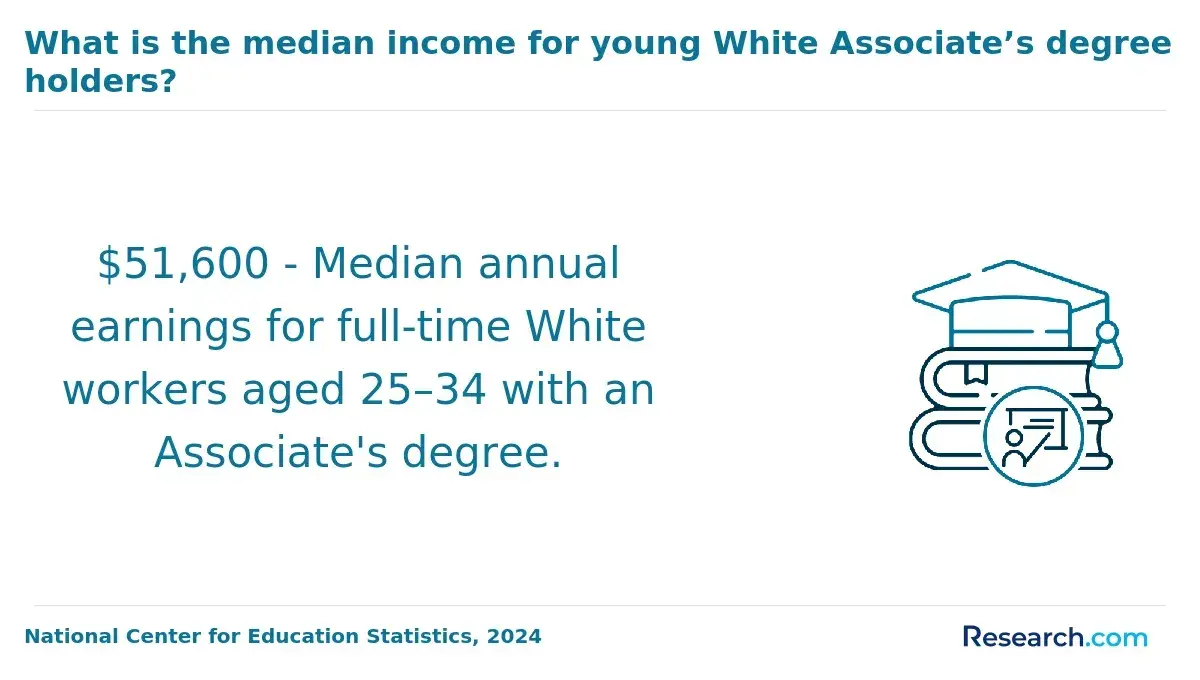
Applicants interested in exploring alternative academic pathways might consider 1-year associate degree programs online as a step before applying, to build foundational credits or improve qualifications in a flexible format.
What documents are required for admission to University of California, Davis - Graduate School of Business?
Admission to University of California, Davis - Graduate School of Business demands more than a simple application form. The documents required reflect a rigorous screening process aimed at verifying academic preparedness and language proficiency while maintaining flexibility for varied applicant backgrounds. This holistic slate balances data on educational achievement with optional but valuable measures like test scores or recommendations.
For example, an applicant with a strong GPA but no class ranking might still stand out by submitting supplementary test scores or AP credits. It is noteworthy that 42% of admitted graduate business students in 2024 submitted at least one optional standardized test, suggesting practical value in these recommendations for competitive candidates.
Requirements include:
- Proof of High School Completion: Applicants must provide a traditional high school diploma or a GED certificate. This basic credential ensures foundational academic readiness and validates formal secondary education, a non-negotiable baseline for further study.
- Official Secondary School Records: Transcripts with GPA are required to assess consistent academic performance. While rank and recommendations are optional, the committee relies heavily on GPA as an objective performance metric to compare diverse educational backgrounds.
- TOEFL Examination Scores: For non-native English speakers, official TOEFL scores demonstrate sufficient English proficiency. This requirement reflects employer and academic expectations for communication skills in business environments.
- Optional Standardized Test Results: Submitting GMAT, GRE, Wonderlic, or WISC-III scores is not mandatory but recommended. These tests offer additional insight into quantitative and analytical skills valued in business education, useful when other parts of the application are less robust.
- Advanced Placement (AP) Credits: Accepted to validate prior knowledge and reduce redundant coursework. This practice supports applicants who have demonstrated college-level academic achievement while streamlining degree progression.
- College-Preparatory Completion: Completion of a college-preparatory program ensures applicants meet minimal academic standards. This safeguards that incoming students can cope with graduate business curricula's rigor.
- Supplemental Documentation: Documents like recommendations are advised but optional, serving to provide qualitative context around an applicant's achievements or potential. These can tip the balance in a competitive selection.
A current applicant shared how gathering her official transcripts required coordination between multiple schools. She described feeling "stressed by the tight deadline" but recognized the transcripts' critical role in proving GPA and coursework rigor.
Her decision to submit a GMAT score came after reflecting on peer advice and realizing it "offered a clearer picture of my analytical skills, which my GPA alone didn't fully convey." The experience underscored the practical tradeoff of investing time and resources in optional documents that can strengthen a candidacy in a complex, highly selective admissions environment.
What is the step-by-step admission process at University of California, Davis - Graduate School of Business?
The step-by-step admission process at University of California, Davis - Graduate School of Business requires precise timing and completeness to navigate its high competition and stringent standards successfully. Each phase not only filters applicants but also signals readiness for the program's academic demands.
Strategically understanding this timeline is crucial, since a 2024 study by the National Association of Graduate Admissions Professionals finds the average applicant takes about 90 days to receive an admission decision. This duration underscores the need for early planning and disciplined document preparation.
The following list details critical sequential phases involved in the University of California, Davis - Graduate School of Business admission funnel.
- Meeting Baseline Academic Requirements: This initial step ensures applicants have completed a secondary school record and a college-preparatory curriculum. Submission of a high school GPA is mandatory, though ranking is optional. This milestone defines eligibility and filters out candidates unlikely to meet the program's foundational standards.
- Demonstrating English Proficiency: Applicants must provide a required TOEFL score to verify English proficiency. This phase guards against language barriers that could impede academic success and ensures all candidates can fully engage with the curriculum.
- Creating an Online Portal Account: Establishing an account in the University of California, Davis application system is necessary for submitting application components. This digital step centralizes records and is crucial for managing application materials within the admission timeline.
- Submitting Application Documents: Applicants upload transcripts, recommendation letters (recommended but not mandatory), and any formal competency demonstrations. Timely submission here is critical since incomplete or late documents typically lead to disqualification immediately.
- Internal Evaluation by Admissions Committee: The committee performs a holistic review balancing academic records, competency proofs, and recommendations. This internal review weed outs noncompetitive applicants and advances only those who fit the rigorous profile demanded by the program.
- Admission Decision Notification: Following the committee's assessment, applicants receive an admission decision typically within 90 days of submission. Monitoring this timeframe is practical, as delayed responses often stem from early application missteps or incomplete documentation.
- Final Enrollment and Fee Payment: Successful candidates complete the process by meeting payment deadlines and confirming enrollment. Missing this step results in forfeiting admission offers and delays entry to the program.
For individuals prone to delays in gathering credentials or unfamiliar with standardized testing impacts, planning early mitigates the risk of falling behind this exacting timeline. While there is value in supplementing applications with certificates or advanced credits, it is important to note that University of California, Davis does not grant life experience or dual credits. This fact steers applicants towards more traditional academic preparations rather than shortcuts.
Prospective students might also explore quick certifications that pay well as complementary options but should remain aware these do not replace core admissions requirements.
How does University of California, Davis - Graduate School of Business evaluate transfer credits and prior learning?
Evaluating transfer credits and prior learning at University of California, Davis - Graduate School of Business involves a rigorous, selective process designed to uphold academic quality and ensure student readiness. Transfer students should anticipate that only credits meeting strict standards will be accepted, particularly coursework completed with strong grades.
This careful approach reflects the reality that transfer credit acceptance can directly affect time-to-degree and workforce entry, with evaluated credits shown to reduce completion time by about 20% according to recent institutional data. Prospective applicants must therefore weigh the uncertainty of credit recognition alongside admission competitiveness.
Below are key aspects of the university's credit evaluation framework.
- Transfer Coursework Eligibility: Courses taken at other accredited institutions must satisfy a minimum grade threshold to be considered. This ensures transferred credits contribute to maintaining the program's academic rigor rather than diluting standards through lower-quality coursework.
- Term-Specific Credit Acceptance: Enrolling in the fall term generally increases the likelihood of accepted credits. The school's selective policy aligns credit recognition with term schedules to balance cohort consistency and academic progression.
- Advanced Placement Recognition: AP credits from standardized tests are acknowledged, provided they meet score requirements. This recognizes prior academic achievement while maintaining clear benchmarks for college-level skills.
- Exclusion of Life Experience Credit: Credits for life or work experiences and dual credit programs are not granted. This boundary preserves equivalence among students based strictly on formal academic achievements.
- Prior Learning Assessment (PLA) Scope: UC Davis evaluates PLA through exam systems like CLEP and IB but excludes military training credits via Joint Services Transcripts, reinforcing consistent academic standards across diverse learning backgrounds.
- Post-Admission Credit Evaluation: Transfer credit assessments occur mostly after admission offers, creating a strategic complexity where students must decide to commit without confirmed credit awards.
- Impact on Degree Timeline and Employability: Accepted transfer credits can shorten degree duration by about 20%, accelerating labor market entry. However, stringent admission requirements including GPA and TOEFL scores mean students should plan carefully to optimize outcomes.
A recent graduate shared their experience with this process, recalling the anxiety around credit evaluation after receiving an offer. "I transferred from a community college with a strong GPA but wasn't sure how many credits would actually count," they said.
"The evaluation came after admission, so I felt a mix of relief and frustration. It was a tight timeline, and I had to quickly adjust my course plans once I learned some credits wouldn't transfer. In hindsight, understanding the selective acceptance helped me manage expectations and avoid underestimating the time left to degree."
This highlights the importance of proactive planning and realistic appraisal of transfer credit policies at University of California, Davis - Graduate School of Business.
How competitive is admission to University of California, Davis - Graduate School of Business?
Admission to University of California, Davis - Graduate School of Business is moderately competitive, with a 42% acceptance rate that signals a challenging yet accessible process for well-prepared applicants. This rate places the program above average selectivity in a landscape where many business schools face acceptance rates below 30%. For the average candidate, securing a spot requires clear differentiation beyond basic metrics.
The applicant pool size intensifies competition, with 94,637 candidates vying for limited openings. Fewer than half receive offers, emphasizing the pressure created by high application volumes relative to seats available.
This competitive environment demands strategic readiness and highlights how volume can shape outcomes irrespective of other qualitative factors. This dynamic also speaks to trends seen at similar institutions where high demand places premium value on leadership and experiential criteria.
The University of California, Davis - Graduate School of Business does not require SAT or ACT scores, reflecting a holistic admissions process that prioritizes academic performance and professional achievements. The middle 50% GPA range indicates strong academic records but is not publicly detailed, signaling a broader emphasis on fit and leadership potential.
National data shows programs adopting similar criteria often meet employer demand for practical skills and adaptability, rather than standardized test scores alone. Prospective students should consider these academic expectations alongside insights on online graduate schools with low GPA requirements when planning their application strategy.
Strong leadership and career potential weigh heavily in admission decisions here. Candidates must demonstrate real-world achievements and alignment with program goals to stand out amid thousands. This approach aligns with a growing recognition that employer expectations prioritize applied competencies and strategic thinking more than traditional academic metrics alone.
How long does it take to receive an admission decision from University of California, Davis - Graduate School of Business?
The University of California, Davis - Graduate School of Business typically notifies applicants within 6 to 8 weeks after the application deadline. Candidates submitting through Early Action receive decisions about 4 to 6 weeks earlier than those following Regular Decision. This timetable reflects a commitment to thorough document verification and holistic review. The absence of Early Decision or Rolling Admissions emphasizes a fixed, uniform decision process for all applicants.
Delays can occur depending on the complexity of application materials, especially when verifying academic and professional documents. Institutions with fixed decision deadlines like University of California, Davis - Graduate School of Business often provide a more consistent admission experience, aligning with national data showing an average 42-day turnaround for such schools. This contrasts with rolling admissions that typically respond within 28 days but with less uniformity across candidates.
Understanding the University of California, Davis - Graduate School of Business admission decision timeline enables applicants to better align career and financial planning with notification expectations. Businesses hiring recent graduates often value this careful review as it signals candidates' resilience and attention to detail.
For students needing flexible alternatives, evaluating options such as pursuing a PhD without dissertation may diversify their timelines.
Using the University of California, Davis - Graduate School of Business admission decision timeline as a benchmark helps manage realistic expectations without sacrificing quality. When comparing the timeframe for admission notification at University of California, Davis - Graduate School of Business to other programs, applicants can better anticipate when to pivot their strategies or focus on enrollment.
How do financial aid and scholarship deadlines affect admission planning?
Financial aid and scholarship deadlines at University of California, Davis - Graduate School of Business directly impact the total cost burden students face after admission.
Missing early institutional scholarship deadlines often means forfeiting critical aid, which can double out-of-pocket expenses and shift debt outcomes unfavorably. The alignment of FAFSA and CSS Profile submissions with admission deadlines is equally vital, as late applications reduce both funding competitiveness and final enrollment chances.
A recent study shows students submitting FAFSA within the initial two weeks of eligibility have a 25% higher financial aid package completion rate and a 15% increased enrollment probability, underscoring how timing shapes financial and academic trajectories.
The following points illustrate key intersections affecting admission planning and realistic financial scenarios.
- Early Scholarship Priority Deadlines: Institutional scholarship deadlines at University of California, Davis - Graduate School of Business precede general admission deadlines. Missing these early dates eliminates access to priority funding pools, forcing reliance on less competitive aid or loans that affect debt load post-admission.
- FAFSA Submission Timing and Aid Completeness: FAFSA forms submitted promptly ensure full processing and verification before enrollment. Delayed submissions lower scholarship amounts and financial aid packages, increasing students' need to cover tuition, shifting debt risk upward.
- Coordination of Financial Aid and Admission Windows: Financial aid deadlines closely match Early Action and Early Decision admissions at University of California, Davis - Graduate School of Business. Aligning applications maximizes aid availability, while misalignment results in lost institutional resources and costlier alternatives.
- Verification Process Impact on Enrollment: Late submission of financial documents triggers extended verification, delaying aid disbursement. This can force students into last-minute financial decisions or deferred enrollment, undermining timely degree progress and income potential.
- Effect of Missed Aid Deadlines on Out-of-Pocket Costs: Failure to meet financial aid deadlines often leads to reduced scholarships or none at all. The increased out-of-pocket expense may double, influencing students' ability to sustain enrollment or compelling higher debt accumulation.
- Impact of Financial Aid Timing on Admission Decisions: Admissions committees consider demonstrated ability to fund education in their final decisions. Timely financial aid applications signal preparedness, increasing likelihood of acceptance compared to late or incomplete submissions that introduce financial uncertainty.
- Strategic Early Filing as a Competitive Advantage: Students applying early with completed financial aid documents gain a measurable edge in enrollment rates and financial package completeness. This strategic timing supports more manageable debt and fewer financial stressors during the academic term.
How should students plan their application and enrollment timeline?
Timely application and enrollment planning is essential for candidates targeting University of California, Davis - Graduate School of Business due to the program's stringent admission criteria and associated administrative demands. An early start not only improves the likelihood of meeting all the academic and procedural requirements but also mitigates last-minute complications often caused by standardized testing schedules or financial aid paperwork.
Research shows applicants who begin at least six months prior to deadlines achieve a 20% higher completion rate, highlighting how structured preparation translates into a competitive advantage. Building a detailed timeline aligned with key milestones ensures applicants maintain steady progress toward submission and enrollment.
The following phases outline a practical approach to structuring this timeline.
- Academic Prerequisite Verification: Start by confirming completion of all necessary college-preparatory coursework and a strong secondary GPA. This foundational step must occur early because gaps here can delay the entire application or require additional academic work before even submitting materials.
- Standardized Testing Scheduling: Plan and register for required tests like the TOEFL well in advance. Allowing time for potential retakes guards against falling short of minimum score requirements, which commonly impede acceptance chances.
- Submission of Application Materials: Dedicate the final 1 to 2 months before the deadline for gathering transcripts, letters of recommendation, and competency evidence. This phase demands coordination with third parties and careful review, ensuring no documentation is incomplete or untimely.
- Financial Aid and Housing Applications: Once acceptance is received, promptly complete financial aid forms and housing requests. These processes often have separate deadlines and are critical for smoothing the transition from admission to enrollment without financial or logistical surprises.
- Enrollment Confirmation and Orientation Preparation: Allocate time after offer acceptance for formal enrollment confirmations and to engage in orientation activities. This phase solidifies commitment and eases integration into the academic environment.
What Graduates Say About University of California, Davis - Graduate School of Business Application Deadlines, Start Dates, and Admission Process
- Abigail: "When I first began the application process for University of California, Davis - Graduate School of Business, I was very methodical about managing deadlines. I created a strict timeline to gather transcripts, recommendation letters, and test scores, ensuring everything was submitted well before the cutoff date. Choosing a later start date allowed me to secure financial aid without last-minute stress, which made the transition smoother. My degree has significantly strengthened my analytical skills, helping me excel in a competitive consulting role."
- Camila: "The admissions timeline at University of California, Davis - Graduate School of Business was intense but fair. I debated applying for an early start to finish sooner, but ultimately selected a later term to have more time to polish my application. Navigating the document submission was challenging, especially coordinating international transcripts and visa paperwork, but the admissions team's clear communication helped immensely. The program sharpened my leadership abilities, and I felt ready to take on strategic roles in my industry post-graduation."
- Jocelyn: "My experience applying to University of California, Davis - Graduate School of Business was a balancing act between professional commitments and meeting strict deadlines. I chose an earlier enrollment term to jumpstart my career plans, which meant I had to be very proactive in assembling my admission portfolio and finalizing my application materials quickly. While the pace was demanding, it taught me valuable project management skills that I apply daily. The degree gave me a clear edge entering the workforce, especially in project coordination and team leadership roles."
Other Things You Should Know About University of California, Davis - Graduate School of Business Degrees
Applying early can secure you a spot in rounds where the applicant pool may be smaller, potentially increasing your chances. However, if your test scores, work experience, or essays need improvement, waiting for a later round may allow you to present a stronger application, which employers and the school value. Prioritize submitting when your application best reflects your professional growth, even if it means missing early deadlines, because the admissions committee at University of California, Davis - Graduate School of Business places strong emphasis on demonstrated readiness and leadership potential over timing alone.
The application timeline can conflict significantly with full-time work responsibilities, especially if you have to prepare detailed essays, secure recommendation letters, and possibly attend interviews. University of California, Davis - Graduate School of Business expects candidates to demonstrate strong time management before even starting the program, so failing to plan your application period to accommodate these demands could reflect poorly on your readiness. Starting your application well in advance and communicating transparently with recommenders is crucial to avoid last-minute rushes that compromise your submission quality.
For 2027, the University of California, Davis - Graduate School of Business typically has multiple rounds of application deadlines, with the first starting in the fall of the previous year. Applicants should check the official website for exact dates and plan to apply early in the cycle to maximize opportunities and network with potential employers.
International applicants need to factor visa processing time into their admission planning, which can add several weeks beyond the admission decision. University of California, Davis - Graduate School of Business does not accelerate this process, so applying earlier ensures smoother transitions and reduces the risk of delayed start dates. Prioritizing early applications allows more buffer time for document preparation and possible delays, which improves your ability to join the program on time without disrupting your career plans or financial commitments.
References
- Applying https://graduate.universityofcalifornia.edu/applying/
- California Davis MBA Application, Essays Details 2025-26 https://www.expertsglobal.com/california-davis-mba-admissions-and-application-essays-details/
- Graduate Transfer Credit Evaluation | UMGC https://www.umgc.edu/transfers-and-credits/graduate-transfer-evaluation
- University of California - Davis - Graduate School of Management https://www.princetonreview.com/business/university-california-davis-graduate-school-management-1011104
- UC Davis Acceptance Rate (2026): General, State & Transfer https://collegewise.com/blog/uc-davis-acceptance-rate
- Transfer credit https://admission.universityofcalifornia.edu/admission-requirements/transfer-requirements/preparing-to-transfer/transfer-credit.html