2027 Is Walden University's Online MS in Developmental Psychology - Adult Development & Gerontology Worth It? What Students Should Know

Co-Founder and Chief Data Scientist
Choosing an online ms in developmental psychology - adult development & gerontology program involves weighing how well the curriculum matches both career goals and personal learning needs. With a projected 20% rise in demand for gerontology specialists reported by the Bureau of Labor Statistics, students must assess if program content prepares them adequately for evolving workforce challenges. Online accessibility offers flexibility, but program reputation and practical training opportunities remain critical. This decision significantly impacts career mobility, especially amid increasing interdisciplinary roles in aging services. This article examines Walden University's program through outcomes, curriculum depth, and professional relevance to guide prospective students toward an informed choice.
Key Points About Walden University's Online MS in Developmental Psychology - Adult Development & Gerontology Program
- Walden University's online MS in Developmental Psychology - Adult Development & Gerontology has open admission and a total tuition cost of $34,458, which increases accessibility but requires weighing long-term return on investment.
- The program's alumni earn a median salary of $42,810, reflecting moderate employer recognition and indicating a stable but niche career market within gerontology and adult development fields.
- Graduates' earnings to debt ratio of 2.05x suggests reasonable financial returns, though prospective students should carefully assess alignment with their specific career goals before enrolling.
What makes Walden University's online MS in Developmental Psychology - Adult Development & Gerontology program stand out?
Deciding to pursue an online MS in developmental psychology - adult development & gerontology at Walden University hinges on balancing flexibility with academic rigor, a key consideration for working professionals managing complex schedules. The fully asynchronous design allows students to engage with coursework on their own time, a critical advantage for those juggling jobs, caregiving, or other obligations. However, this format also demands strong self-discipline, which may not suit learners who thrive on structured, synchronous interaction or immediate feedback common in hybrid programs.
The program's scale-with 44,223 students and 3,423 faculty members including 1,117 full-time instructors-supports diverse learning resources and mentorship opportunities. This environment benefits students seeking rich networking and applied research engagement in adult development and aging populations. The curriculum's emphasis on practical applications aligns with roles in healthcare and social services, but prospective students should weigh how Walden's broad digital platform and predominantly part-time faculty may influence the depth and immediacy of individual faculty interaction compared to smaller programs.
Is it difficult to get admitted to Walden University's online MS in Developmental Psychology - Adult Development & Gerontology program?
Admission to most MS programs in developmental psychology-especially with a focus on adult development and gerontology-tends to involve moderate competition, often requiring competitive GPAs, relevant experience, and standardized test scores. Such criteria can limit immediate access, potentially delaying enrollment for candidates lacking recent academic credentials or strong test results.
Walden University's approach deviates from this norm by offering an effectively open admission policy without requiring SAT or ACT scores, which significantly lowers classic entry barriers. This accessibility may appeal to professionals seeking to pivot or advance without the added pressure of entrance exams. However, the tradeoff is that the program may attract a broader applicant base, which can influence cohort dynamics and potentially impact perceived rigor or exclusivity among employers familiar with traditional admissions standards.
For candidates weighing options, understanding that Walden's streamlined process facilitates a faster, less stressful application is critical, especially when timing or career shifts demand expediency over competitive positioning. Still, students should consider how the absence of selective admissions might affect networking opportunities and employer perceptions in specialized roles.
One graduate shared that despite a busy work schedule and initial uncertainty about starting the application, the lack of standardized test requirements allowed a last-minute submission that might not have been feasible elsewhere. They recalled feeling relief when acceptance came quickly, but later reflected on the importance of proactively building practical experience alongside the degree to offset any questions about the program's open admission leniency.
How does the curriculum of Walden University's online MS in Developmental Psychology - Adult Development & Gerontology program stay aligned with current industry trends?
Curriculum alignment with industry standards in adult development and gerontology requires balancing theoretical frameworks, practical skills, and culturally competent care. Walden University's online MS in developmental psychology adult development and gerontology curriculum aligned with industry trends by integrating evidence-based methodologies and real-world applications; however, the tradeoff often lies in the depth of in-person clinical experience versus online format flexibility. This program reflects current adult development and gerontology education standards at Walden University by combining academic rigor with applied research components designed to prepare graduates for workforce demands. The following factors illustrate how the curriculum meets employer expectations and evolving sector needs.
- Theoretical and Practical Integration: Coursework covers adult development theories and cognitive aging while embedding mental health interventions and ethical practice, which aligns with the broad skill sets employers seek in healthcare and community service settings.
- Research and Data Proficiency: Emphasizing advanced research methods and data analysis equips students to interpret emerging gerontological evidence critically, a skill increasingly demanded for policy development and clinical roles.
- Cultural Responsiveness and Ethics: Preparing students for ethical dilemmas and diverse aging populations ensures graduates can support inclusive care models and community-sensitive programming valued across healthcare systems.
The program's structure underscores the need for applied learning through projects or fieldwork to solidify theoretical knowledge. Prospective students should weigh how the flexibility of an online MS in developmental psychology - adult development & gerontology accommodates working professionals against the importance of hands-on experience. For those evaluating easier pathways or alternative degrees, reviewing guides on easy masters degrees may provide comparison points relevant to their career trajectory.
The base tuition and fees for Walden University's online MS in Developmental Psychology - Adult Development & Gerontology amount to $12,498 annually, with additional costs of about $900 for books and supplies. This pricing excludes room and board expenses, which are typically not incurred by online students. Prospective students should weigh these costs against factors like the absence of a separate technology fee and the convenience of a flat-rate tuition regardless of residency, which simplifies financial planning compared to traditional programs with variable in-state and out-of-state rates.
Financial aid is a pivotal component in managing the cost of Walden University MS in Developmental Psychology tuition fees. The university offers scholarships, grants, and partnerships with corporate tuition reimbursement programs that can ease the financial burden, especially for working professionals. While specific aid figures reflect undergraduate data-where about 90% receive some aid averaging $3,353-this signals institutional commitment to supporting students, potentially improving affordability for graduate-level candidates as well.
When compared to the national average for similar online Adult Development and Gerontology master's programs, Walden's tuition sits in a moderate cost range. Many programs include additional fees or have differential rates based on residency, which can make the total cost higher. However, online students should consider tradeoffs such as program flexibility, institutional support, and the absence of hidden fees when evaluating these figures.
Students exploring this degree may also benefit from exploring alternative pathways discovered through resources highlighting online certification programs. These can complement the MS or serve as standalone qualifications that target specific workforce demands in healthcare and aging services-sectors where adult development and gerontology expertise are increasingly valued.
- Walden University MS in Developmental Psychology tuition fees
- Cost of online Adult Development and Gerontology master's program
Walden University's online MS in Developmental Psychology - Adult Development & Gerontology presents an accessible entry point by eliminating traditional standardized testing and emphasizing flexibility. This approach can benefit working professionals or adult learners balancing career and education, yet it also requires applicants to independently demonstrate readiness through other materials important to graduate-level evaluation. Understanding these specific admission components helps candidates assess how well their background aligns with the program's expectations, thereby optimizing their application strategy. Key admission elements include:
- Standardized Tests Not Required: Applicants do not need to submit SAT or ACT scores, reducing barriers that often delay entry or discourage non-traditional students.
- Transfer Credits Accepted: Credits from accredited institutions may be transferred if they meet grade standards, enabling accelerated degree completion for those with relevant prior coursework.
- Supporting Documents: Letters of recommendation, a personal statement, and a professional resume are requested to evaluate motivation, experience, and capacity for graduate study beyond academic transcripts.
- No Entrance Exam or Portfolio: The absence of additional assessments streamlines application but shifts emphasis onto documented professional and academic history.
- Grade Requirements for Transfer: Transfer courses generally must have a minimum grade, typically a C or better, ensuring foundational competence aligns with program rigor.
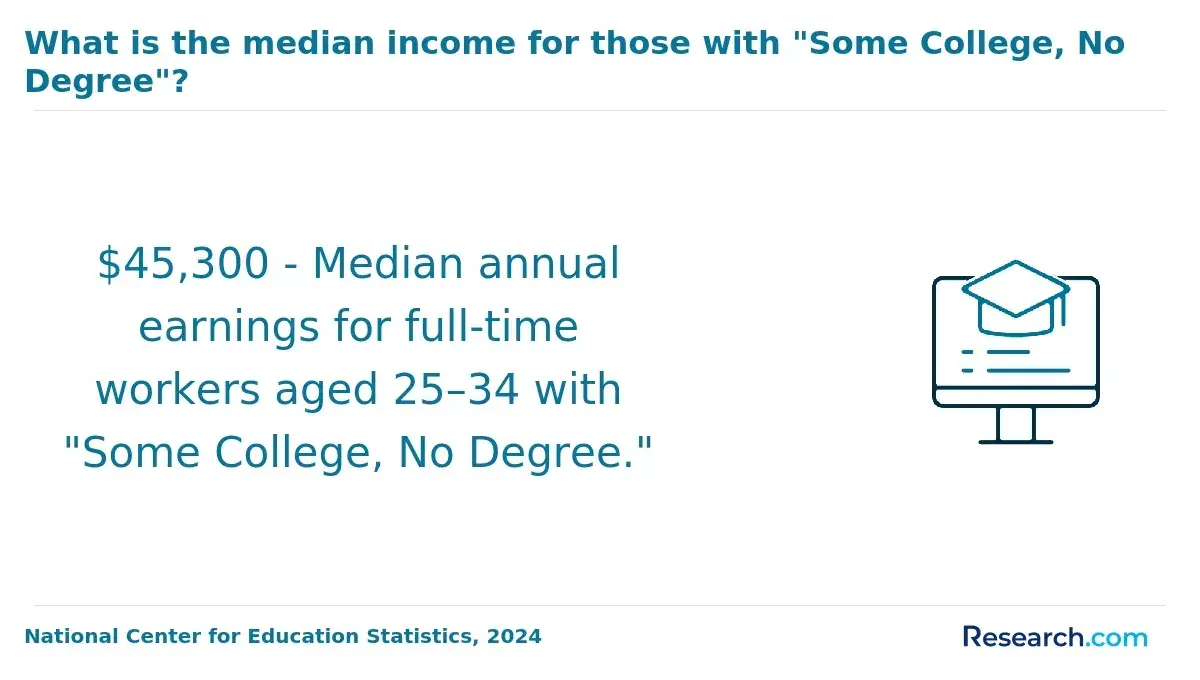
The return on investment for walden university's online MS in Developmental Psychology - Adult Development & Gerontology hinges on balancing its $34,458 annual cost against graduates' relatively stable median earnings of $42,810. This salary level, which remains consistent even a decade after graduation, suggests moderate but steady income potential within specialized gerontology roles that typically do not see rapid salary escalation. Compared to national averages for developmental psychology master's graduates, this income reflects a cautious but realistic expectation given the program's focus and regional labor markets.
For students able to secure scholarships or grants, the cost burden-and thus debt load-can be significantly reduced, improving the earnings-to-debt ratio that otherwise sits at a moderate 2.05x. This ratio means graduates earn just over twice what they owe in student debt, a tradeoff that may suit those prioritizing stable career paths in government, healthcare, or nonprofit sectors serving adult populations. However, those expecting rapidly increasing salaries or employment in more lucrative psychology subfields should weigh these financial realities carefully.
In practice, ROI also depends on one's ability to leverage experience and networking to access leadership roles, which correlates with some increment in salary over time but not substantial jumps. Given the program's specialized nature, individuals targeting niche roles in adult development and gerontology will find the investment better aligned with their career outcomes than those seeking broader psychology employment avenues.
Student satisfaction with walden university's online MS in Developmental Psychology - Adult Development & Gerontology often hinges on balancing flexible learning with the challenges of self-management. The program's structure suits those juggling professional and personal commitments, yet the independent nature demands consistent motivation. This tradeoff means satisfaction varies notably by individual capacity to stay disciplined without in-person interaction, a critical consideration for prospective students weighing the cost-benefit of an online degree.
Walden supports remote learners through active peer groups, mentoring, and student-led organizations, which help mitigate feelings of isolation and provide a network for academic support. These resources are particularly valuable in a field where practical engagement and reflection on adult development benefit from discourse beyond the digital classroom. The program's complexity and workload also require robust time-management skills, with institutional support services playing a pivotal role in sustaining student motivation and progress.
While direct satisfaction data is limited, this environment suggests a generally positive but nuanced student experience-especially for those valuing flexibility over traditional campus interaction.
A graduate shared that while the program's flexibility was essential due to her full-time job and caregiving duties, she occasionally struggled to stay motivated amid competing demands. She found the faculty mentors and online forums invaluable in providing timely feedback and a sense of community. Her hesitation early on about managing the workload independently shifted toward relief as she realized the program's resources were designed to accommodate her circumstances, making the overall experience rewarding despite initial doubts.
Access to robust institutional career services significantly influences the speed and relevance of employment outcomes for graduates of online psychology programs. For those completing walden university's online MS in Developmental Psychology - Adult Development & Gerontology, leveraging dedicated support channels can reduce job search duration and improve fit with employer expectations in specialized fields like gerontology. Data indicates that 85% of graduates who actively engage with alumni mentorship and tailored career resources secure positions aligned with their expertise faster than those who do not. This dynamic underscores how program-embedded postgraduation resources shape workforce integration in developmental psychology. Below are specific employment support offerings available to graduates:
- Virtual Career Fairs: Walden hosts online career events where students connect directly with employers seeking skills in adult development and gerontology, facilitating early exposure to job markets before graduation.
- Resume Workshops: Customized sessions help refine application materials for remote and specialized roles, addressing common challenges in translating academic credentials into market-ready profiles.
- Job Placement Portal: A focused platform presents job listings particularly relevant to the MS in Developmental Psychology - Adult Development & Gerontology alumni, streamlining the search process by filtering for sector-specific opportunities.
- Alumni Mentorship Network: Experienced graduates provide career guidance rooted in current industry realities, aiding students in navigating hiring trends and building professional connections within the developmental psychology community.
Such features exemplify how walden university career services for developmental psychology graduates integrate practical tools and networks. Prospective students should weigh these support mechanisms as critical elements influencing employability when comparing affordable online degree programs in this discipline.
Career outcomes are critical for evaluating whether pursuing an online MS in Developmental Psychology - Adult Development & Gerontology at Walden University aligns with both professional goals and financial realities. Graduates generally enter fields centered on adult development and gerontology career opportunities, which typically offer modest salaries compared to more clinical or healthcare administration roles. For instance, average earnings for alumni in human development and related services hover around $30,980, reflecting roles that emphasize social support over high-level clinical practice. This salary range highlights important tradeoffs for prospective students balancing passion for the aging population against economic expectations. The program's targeted nature equips graduates for growing demand in adult and aging services, though financial reward remains limited compared to other healthcare sectors. Exploring some representative career paths clarifies the practical implications and employer expectations within this specialization:
- Gerontological Counselor: Professionals in this role assess and support mental health concerns among older adults, crafting intervention plans and connecting clients with necessary services. Salaries typically align with social service levels rather than clinical psychology, around $31,000 to $35,000.
- Adult Services Case Manager: These individuals coordinate resources and care for aging populations, often employed by nonprofits or community organizations. The role requires strong organizational and interpersonal skills, with earnings near the program's average alumni salary.
- Senior Care Program Coordinator: Overseeing initiatives aimed at improving quality of life for seniors, this position involves program development and evaluation. Compensation often reflects a mid-level social services salary bracket.
- Health Educator Specializing in Adult Development: Focused on educating older adults about health and wellness, this role blends community outreach with tailored guidance, although salaries tend to remain modest compared to clinical healthcare educators.
For those researching graduate outcomes, comparing these roles to options in health services or registered nursing-where earnings can be significantly higher-helps frame realistic employment expectations. Access to stable, mission-driven employment in an expanding field is a clear advantage, but prospective students should carefully assess whether salary ranges meet their financial needs or if alternative paths might better optimize both professional fulfillment and income potential. This analysis also underscores the importance of exploring broader workforce data, such as at online college no application fee programs, when considering educational investments.
Deciding if walden university's online MS in Developmental Psychology - Adult Development & Gerontology program fits your goals requires weighing multiple practical factors that affect your career trajectory and daily life. For example, someone balancing caregiving responsibilities and part-time work will prioritize a program's flexibility and asynchronous learning options over on-campus requirements. Additionally, matching the curriculum to specific career intentions in adult development fields influences how well the degree translates into actual roles. These considerations reveal that no program inherently fits all, so it's essential to evaluate your educational investment through the lens of long-term employability and alignment with your professional ambitions. Here are key aspects to assess when determining fit:
- Curriculum Relevance and Specialization: Analyze whether course offerings deeply cover adult development theories and gerontological psychology to ensure academic rigor aligns with your career goals in developmental psychology. Review course syllabi for practical and research applications that correspond to your interests.
- Flexibility and Learning Format: For those exploring a Walden University online MS in Developmental Psychology career path, asynchronous classes can be a critical factor. Confirm that the program's pacing and delivery style accommodate your schedule, particularly if juggling employment or family duties.
- Accreditation and Faculty Qualifications: Confirm the program's accreditation and that instructors hold relevant credentials and clinical or research experience in adult development and gerontology to assure educational quality and employer recognition.
- Career Services and Practical Training: Investigate the availability of career counseling, internships, or networking opportunities, which often differentiate a degree that leads to meaningful employment versus one that is largely academic. Practical experience in aging or adult development environments adds tangible value.
For those weighing degree timelines, considering one year degree programs for seniors can provide a benchmark, showing how program length might impact workforce re-entry or advancement opportunities.
What Graduates Say About Walden University's Online MS in Developmental Psychology - Adult Development & Gerontology Program
- Michael: "Studying at Walden University gave me the flexibility I needed to balance work and coursework, especially since I was transitioning careers. The MS in Developmental Psychology - Adult Development & Gerontology program provided strong theoretical foundations, but I quickly realized that employers valued hands-on experience more than just the degree. I focused on building a portfolio of case studies and securing internships, which ultimately helped me land a role in a senior care facility, although I did notice that without licensure, there were limitations on salary growth and promotion."
- Kiara: "My experience with Walden University's MS in Developmental Psychology - Adult Development & Gerontology was very pragmatic. The curriculum prepared me for remote work opportunities that are increasingly common in adult development services, which was a key factor for me. However, when I entered the job market, I found that many employers prioritized certifications and direct experience over academic qualifications alone, so I supplemented my studies with specialized certificates. This approach helped me pivot towards a community outreach role with a nonprofit, where I've been able to apply my skills meaningfully."
- Justin: "Reflecting on my time at Walden University, the MS in Developmental Psychology - Adult Development & Gerontology program was intellectually challenging but worth it for the depth of the content. Navigating the job market afterwards required patience; I competed for roles that often favored candidates with clinical licenses. Still, the program's focus on adult development theory and gerontology gave me a strong voice in interdisciplinary teams, especially when working with aging populations. I've found that while rapid workforce entry is possible, advancing beyond certain points without additional credentials can be difficult."
Other Things You Should Know About Degrees
The program requires a 6-credit capstone experience, completed in the final phase of study. Students use it to apply developmental psychology concepts to adult development and aging topics through a research- or practice-focused project, depending on the track and curriculum plan.
While the program offers a well-structured online curriculum, hands-on fieldwork and face-to-face interactions are limited compared to traditional formats. Some practical components rely on student-initiated placements or projects in their local community, requiring proactive planning. If gaining in-person clinical or applied experience is a priority, students may need to supplement the program with additional internships or volunteer opportunities outside the university.
The specialization is respected within community health, counseling, and social service sectors that focus on aging populations. However, employer recognition varies, especially outside specialized gerontology roles, so students should carefully consider their target job market. Prioritizing this program makes sense if one's career goals specifically involve aging services or adult mental health, but in more generalized psychology roles, the specialization may carry less weight than broader clinical credentials.
- FPCEUP https://sigarra.up.pt/fpceup/en/ucurr_geral.ficha_uc_view
- Walden University | MS in Developmental Psychology - Adult Development & Gerontology https://bestaccreditedcolleges.org/program/walden-university-ms-in-developmental-psychology-adult-development-gerontology.html
- Master of/Master of Arts in Psychology major in Gerontology https://mc.edu.ph/academics/heu/sase/master-of-master-of-arts-in-psychology-major-in-gerontology/
- Walden University https://www.onlinepsychologydegree.info/colleges/walden-university/
- Developmental Psychology https://mastersinpsychologyguide.com/specializations/developmental-psychology/
- Graduate Programs in Developmental Psychology https://www.apadivisions.org/division-7/students-careers/graduate-programs
- What Can I Do With a Master's in Gerontology? Careers & Salaries https://www.mhaonline.com/faq/careers-with-masters-in-gerontology
- Masters Degrees in Developmental Psychology - Masters Compare https://www.masterscompare.co.uk/masters-courses/developmental-psychology
- Top Masters in Developmental Psychology Programs in CA & How to Pick One - Psychology California https://psychologyca.org/masters-programs/developmental-psychology/
- Walden University Career Planning and Development Blog https://waldencareerservices.com/