2027 Arizona State University Online BS in Biological Sciences - Neurobiology, Physiology and Behavior: Cost, Curriculum, Admissions, and Career Outcomes

Co-Founder and Chief Data Scientist
Prospective students often face uncertainty when evaluating the online bs in biological sciences - neurobiology, physiology and behavior program at Arizona State University, especially regarding its alignment with career goals and academic needs. With a 15% annual increase in enrollment for online STEM bachelor's degrees reported by the National Center for Education Statistics in 2024, demand underscores shifting preferences for flexible, rigorous programs that blend science with accessibility. Understanding the program's curriculum depth, admissions flexibility, costs, and career outcomes is essential for navigating these opportunities and constraints. This article examines these facets to help clarify whether this degree suits individual educational and professional ambitions.
Key Points About Arizona State University's BS in Biological Sciences - Neurobiology, Physiology and Behavior Program
- The 90% acceptance rate in the online BS in Biological Sciences - Neurobiology, Physiology and Behavior program reflects broad accessibility but suggests varying levels of academic preparation among peers, affecting cohort consistency.
- Employers recognize graduates for roles spanning research to healthcare, implying the curriculum aligns with workforce demands though advancement may require additional specialization or credentials.
- A total tuition cost of $34,845 positions the program as a mid-range investment, demanding prospective students weigh long-term career gains against financial commitment and potential student debt.
What can students expect from Arizona State University's online BS in Biological Sciences - Neurobiology, Physiology and Behavior curriculum?
The curriculum for Arizona State University's online BS in Biological Sciences - Neurobiology, Physiology and Behavior aligns closely with the academic standards typical among U.S. institutions, balancing foundational science with specialized study under an interdisciplinary lens. For students navigating a career transition from healthcare or research technician roles, the curriculum's progression from core biological principles to complex neural and behavioral concepts reflects practical employability demands and graduate study prerequisites. Below are key areas of focus within the course structure that exemplify its workforce relevance and academic rigor.
- Foundational Sciences: Students engage deeply with biology, chemistry, physics, and mathematics, essential for developing quantitative and experimental rigor. This foundation ensures graduates can meet baseline competencies expected by employers in biotech and clinical research environments.
- Neurobiology and Physiology: Core coursework explores neural function, sensation, perception, motor behavior, and physiological mechanisms, demanding analytical skills and laboratory proficiency. These components prepare students for roles requiring understanding of complex biological systems and experimental methodologies.
- Behavioral and Cognitive Studies: This area integrates biological sciences with organismal behavior and cognition, training students to analyze how biological mechanisms underpin actions and responses, a skill valued in interdisciplinary research and healthcare-oriented positions.
The structure conforms to a typical US biological sciences course environment but supplements this with an online format requiring greater self-discipline and digital engagement. Its inclusion of lab and research experiences, although virtual, remains crucial for hands-on preparedness. For prospective students comparing program costs and outcomes, exploring cheap PhD programs online may also yield strategic pathways following this undergraduate degree. The program balances theory and application in a way that prepares graduates for varied sectors such as healthcare, biotechnology, and academic research while reflecting the interdisciplinary nature of current biological sciences.
What are Arizona State University's admission requirements for online BS in Biological Sciences - Neurobiology, Physiology and Behavior program?
Admission to arizona state university's online BS in biological sciences - neurobiology, physiology and behavior requires a balanced combination of academic records and demonstrable readiness for a specialized science curriculum. For example, a transfer student who completed relevant advanced placement courses must prepare to validate their previous coursework rigorously, as transfer credit evaluation is handled case by case. The application process also demands proficiency in English for non-native speakers and access to necessary technology, reflecting the program's online nature. Below are key admission components that applicants should anticipate:
- Academic background: Applicants must provide secondary school records showing high school completion or possession of a GED certificate. This foundational requirement confirms the student is prepared for undergraduate study and aligns with standard university admission policies.
- Standardized tests: A TOEFL score is mandatory for applicants whose first language is not English, ensuring they can engage effectively with the coursework. Submission of SAT or ACT scores is recommended but not mandatory, reflecting a flexible admissions stance that recognizes diverse applicant profiles.
- Advanced placement credits: While ASU does not accept dual credit or experiential learning for admission, it does allow AP credits. These credits can support the application by demonstrating academic competence in relevant subjects, potentially easing course loads later.
- Transfer credits: Transfer students may have credits evaluated for acceptance, but detailed transfer policies are not publicly specified and require direct consultation. This process can affect time to degree completion depending on credit recognition.
- Technology access: Due to the fully online format, applicants must have computer access. ASU offers purchase or lease options, indicating the practical necessity of reliable technology for participation and success in the program.
Is it difficult to get admitted to Arizona State University's online BS in Biological Sciences - Neurobiology, Physiology and Behavior program?
Admission to a BS in Biological Sciences - Neurobiology, Physiology and Behavior program can vary in competitiveness depending on the institution's selectivity and program popularity. Many such programs, especially those offered on-campus at research-intensive universities, have moderate to high admission barriers due to limited capacity and the specialized nature of the field. Candidates often need strong academic records and standardized test scores to secure a spot.
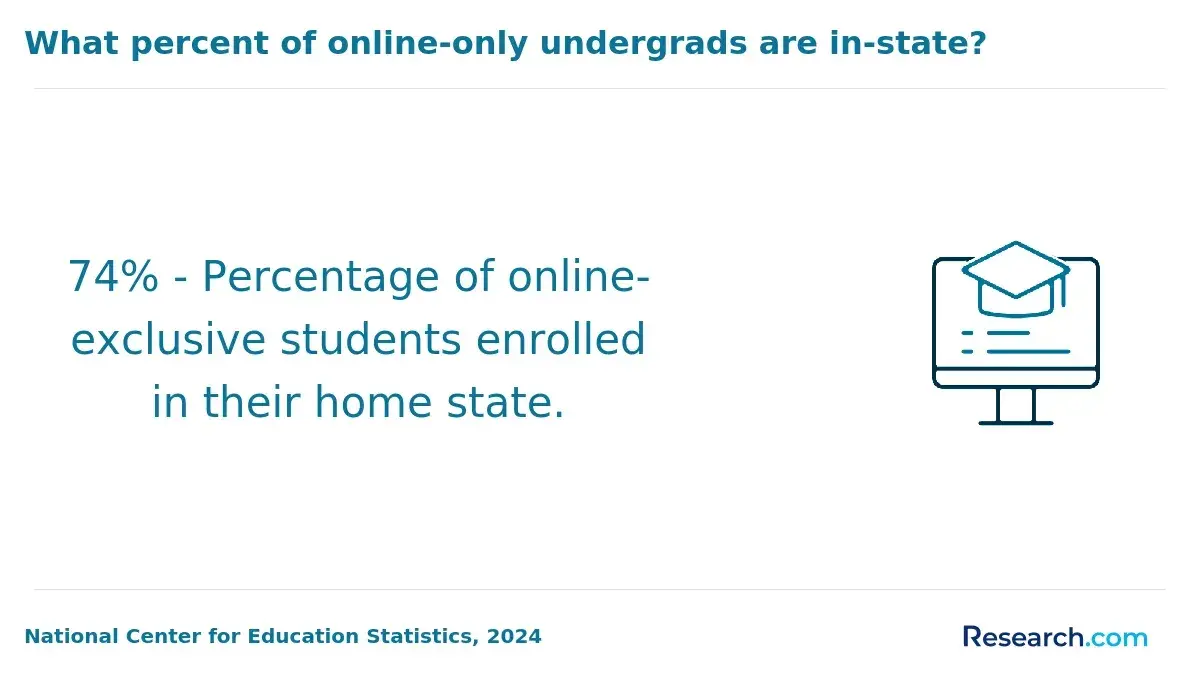
Arizona State University's online version of this program presents a notably less restrictive admissions landscape. With an overall admission rate of 90%, the university admits 62,084 out of 68,840 applicants annually, making the process relatively accessible compared to more selective biology or neuroscience programs. Importantly, this program does not require SAT or ACT scores, which lowers entry hurdles and expands opportunities for non-traditional or returning students. The online format further absorbs more applicants, reducing competition and maintaining steady demand without the bottlenecks seen in highly selective counterparts.
This accessibility means applicants should weigh the tradeoff between ease of admission and the potential for intense competition post-graduation when seeking research or clinical roles. While admission is straightforward, students must proactively develop skills and experiences to stand out in a field where degrees are becoming more common.
One graduate recalled feeling hesitant due to unfamiliarity with online admissions yet found the process refreshingly straightforward: "I was juggling work and family, so not needing test scores eased my anxiety. The biggest challenge was proving my commitment through the application essays rather than raw metrics. Once admitted, I realized the program attracted a diverse group, which made networking both rewarding and competitive in its own way."
What is the cost of attending an online BS in Biological Sciences - Neurobiology, Physiology and Behavior program at Arizona State University?
Tuition for the online BS in Biological Sciences - Neurobiology, Physiology and Behavior program at Arizona State University is set at a flat rate of $12,051 per year, which includes an online technology fee. Beyond tuition, students should factor in approximately $1,320 annually for books and supplies, bringing the total estimated yearly cost to $34,845 when accounting for room, board, and other expenses. This pricing structure applies uniformly regardless of residency, which can be advantageous for out-of-state students facing typically higher fees elsewhere.
The inclusive nature of the tuition and fees means prospective students should carefully assess their personal budgeting needs, especially considering that many online learners also balance work or family commitments. The technology fee supports the online delivery, a critical element that some competing programs may not charge separately. Knowing this upfront avoids unexpected costs during the program's duration.
In comparison, the typical tuition for equivalent online biological sciences programs focusing on neurobiology, physiology, and behavior ranges broadly from $10,000 to $25,000 annually. ASU's flat-rate approach can represent a competitive option for those prioritizing cost predictability especially within the framework of the university's broad course offerings and support systems. This is important for prospective students analyzing tuition fees for ASU BS in Neurobiology Physiology and Behavior online versus other institutions.
Evaluating the total financial investment is essential given the realities of job market competition in biological sciences, where employers often weigh both academic credentials and applied experience. For students aiming for highest paying careers connected to this field, understanding these cost dynamics relative to workforce outcomes is a crucial part of making an informed decision.
Are there financial aid options for online BS in Biological Sciences - Neurobiology, Physiology and Behavior students at Arizona State University?
Financial aid at arizona state university for the online BS in Biological Sciences - Neurobiology, Physiology and Behavior can meaningfully alter a student's economic calculus, especially given the variability of individual circumstances such as employer benefits or veteran status. For many, the availability of institutional and program-specific scholarships offsets the reliance on federal aid, which often comes with debt obligations and repayment complexities that influence long-term financial planning. Students must weigh these options carefully, considering the balance between upfront grants and loan commitments as well as how employer tuition support aligns with career trajectories. The following outlines key funding avenues for prospective students navigating these choices.
- Institutional Scholarships: Reserved for qualified biological sciences students, these awards prioritize academic achievement or research potential and can significantly reduce tuition costs. Application often requires maintenance of specific GPA thresholds and demonstrated program engagement.
- Federal Financial Aid: Includes Pell Grants and subsidized loans available to students who meet federally defined eligibility. Pell Grants provide non-repayable funds for low- to moderate-income students, while loans have variable repayment terms post-graduation.
- Veteran Benefits: Students with military backgrounds can utilize GI Bill® and other veterans' education programs acknowledged by the university, easing financial barriers and often covering substantial tuition portions with minimal paperwork.
- Employer Tuition Reimbursement: Many online learners leverage corporate programs that reimburse part or all of their tuition expenses. Eligibility and coverage vary widely, so students must confirm employer policies and timing to maximize benefit alignment with academic schedules.
- Work-Study Opportunities: Federal work-study programs are occasionally available, allowing students to earn income through on- or off-campus employment. These positions are competitive and contingent on federal allocations, requiring early application.
What learning resources are available to online BS in Biological Sciences - Neurobiology, Physiology and Behavior students at Arizona State University?
Access to effective learning resources directly impacts how well students in the online BS in Biological Sciences - Neurobiology, Physiology and Behavior program at Arizona State University can translate theoretical knowledge into practical skills, a key factor for employment readiness in biology-related fields. Without robust digital tools and academic support, students risk weaker foundational understanding and lower engagement with complex subjects such as neurophysiology. These limitations can affect their ability to perform confidently in lab-based roles or research settings that increasingly rely on interdisciplinary digital literacy. Below is an outline of crucial resources that help bridge these gaps and support academic and professional success.
- Comprehensive Online Platform: Arizona State University provides an integrated digital environment for seamless access to lectures, interactive course materials, and virtual laboratories, enabling students to interact with content dynamically and practice experimental procedures remotely.
- Technical Support Services: Dedicated IT help desks assist with software navigation, troubleshooting connectivity issues, and ensuring uninterrupted access, which is vital for students managing complex bioinformatics software and simulation tools used in neurobiology workflows.
- Academic Assistance: Virtual tutoring, writing support, and advising services offer tailored guidance that addresses the specific difficulties of online learners, promoting higher retention of challenging concepts and improving scientific communication skills critical for both academic and industry roles.
- Digital Libraries and Research Databases: Access to extensive scientific literature and up-to-date research databases allows students to engage with current studies, supporting evidence-based learning and facilitating preparation for advanced study or research positions.
- Career Development Network: Through virtual workshops, networking events, and mentorship programs, students can connect with alumni and industry professionals, building the relationships and job-search skills necessary to navigate competitive hiring processes within neuroscience and related sectors.
Does Arizona State University's online BS in Biological Sciences - Neurobiology, Physiology and Behavior program have in-person clinicals or practicums?
Programs focused on biological sciences and neurobiology generally require some form of hands-on experience to ensure graduates develop practical skills critical for research or clinical roles. While many health sciences degrees mandate extensive clinical rotations, the online BS in Biological Sciences - Neurobiology, Physiology and Behavior at Arizona State University adopts a different approach compared to traditional in-person programs. The emphasis is less on clinical placements and more on laboratory practicums designed to offer essential, experiential learning.
Arizona State University's online biological sciences neurobiology practicums and clinical requirements include limited in-person components. Students must complete laboratory practicums at specific facilities to interact directly with biological specimens and conduct experiments, as virtual labs cannot fully replicate these experiences. However, the program minimizes travel burdens by arranging practicums at regional centers or partnered locations, balancing remote study flexibility with necessary practical exposure. This approach reflects a growing trend in online science degrees to maintain accreditation standards without the extensive clinical demands found in medical or nursing education.
Prospective students considering whether arizona state university online bs in biological sciences neurobiology physiology and behavior require in-person clinicals should prepare for mandatory, though not exhaustive, onsite sessions to meet professional competencies. Balancing online coursework with these practicums supports readiness for careers in research, healthcare, or education, but the decision to enroll should weigh these logistical and experiential tradeoffs. Students interested in career paths needing deeper clinical experience might seek programs with more comprehensive placements or consider additional certifications. More broadly, this model fits candidates who need flexible study options without sacrificing essential skill development linked to employability in biological sciences.
Those exploring flexible science education pathways can also review programs highlighted among the best online degrees for stay at home moms reflecting similar practical and scheduling considerations.
What careers can graduates of online BS in Biological Sciences - Neurobiology, Physiology and Behavior at Arizona State University secure?
The practical value of an online BS in Biological Sciences - Neurobiology, Physiology and Behavior from Arizona State University largely depends on its ability to convert academic training into sustainable career trajectories within competitive science and healthcare fields. Graduates often face a decision between pursuing entry-level positions that leverage their laboratory and analytical skills or using the degree as a stepping stone toward advanced medical or neuroscience education. This tradeoff impacts their immediate employability and longer-term specialization options. Graduates entering the workforce must navigate roles that demand a mix of technical proficiency and interdisciplinary communication. The program's grounding in biological sciences supports various paths aligned with role-specific employer expectations. Below are typical jobs reflecting the job opportunities for Arizona State University biological sciences neurobiology physiology and behavior graduates:
- Research Assistant: Supports experimental design and data analysis in academic or pharmaceutical labs. Positions often require attention to detail and pay modest entry-level salaries but provide critical experience for research careers.
- Laboratory Technician: Conducts precise laboratory procedures and maintains equipment in biotech or healthcare settings. This role emphasizes technical reliability and can lead to supervisory positions with experience.
- Clinical Study Coordinator: Manages patient recruitment and data collection for clinical trials, blending scientific knowledge with organizational skills. Compensation tends to be higher due to regulatory responsibilities.
- Healthcare Specialist: Applies physiology and neurobehavioral understanding to assist in patient care or rehabilitation programs. These roles may involve direct patient interaction and contribute to broader healthcare delivery.
- Scientific Writer or Educator: Communicates complex scientific information to diverse audiences, suitable for graduates leveraging strong conceptual knowledge over laboratory focus.
These careers illustrate the versatility of the BS in Biological Sciences program but also highlight the practical challenge of aligning specific skills with employer needs. For those evaluating cost versus outcomes, comparing earning potential and labor market demand is essential-information that can be partially informed by resources identifying affordable education options like the cheapest tuition online college. Graduates must weigh whether immediate employment or further specialization better aligns with their professional and financial goals.
What is the salary outlook for online BS in Biological Sciences - Neurobiology, Physiology and Behavior graduates?
The salary outlook for graduates with an online BS in Biological Sciences - Neurobiology, Physiology and Behavior from Arizona State University reveals a strategic tradeoff between specialized expertise and industry wage scales. While the median alumni salary near $62,668 reflects competitive earnings within biological sciences, this figure is notably lower than median salaries in engineering or computer science fields. This difference underscores that graduates should weigh their passion and specific career trajectories against potentially higher-paying technical disciplines when evaluating their return on investment.
The career earnings potential for BS in Biological Sciences - Neurobiology, Physiology and Behavior graduates from Arizona State University demonstrates that working in healthcare, environmental management, or research sectors generally offers solid mid-level compensation. These median salary figures contrast sharply with the general biology degree median of approximately $28,259, highlighting substantial financial benefits tied to specialization in neurobiology and physiology. Still, regional demand fluctuations and additional certifications considerably influence these outcomes.
Graduates should recognize the importance of geographic location and further qualifications to enhance employability and earning capacity. Many employers value interdisciplinary skills and practical experience, creating opportunities beyond base degree earnings. Those considering programs like this can consult resources on best degrees for work from home jobs to identify alternative or supplementary pathways that align with evolving job markets.
How do you know if Arizona State University's online BS in Biological Sciences - Neurobiology, Physiology and Behavior program is the right choice for you?
Determining whether arizona state university's online bs in biological sciences - neurobiology, physiology and behavior suits your needs requires weighing how its structure and outcomes fit your academic style and career trajectory. This decision hinges on matching program features with your scheduling flexibility, hands-on learning preference, and post-graduation goals. Consider these critical factors to assess alignment with your priorities.
- Learning Flexibility And Format: Evaluate how the program's asynchronous delivery fits your personal schedule. Students balancing work or family commitments should verify if the course pacing allows independent study without sacrificing access to faculty or peer interaction.
- Hands-On Experience Availability: Analyze opportunities for lab simulations or virtual labs, which replicate practical neurobiology and physiology techniques. This matters because many employers expect graduates to demonstrate applied skills beyond theory, especially in research or healthcare roles.
- Curriculum Relevance To Career Goals: Scrutinize the emphasis placed on interdisciplinary approaches and real-world applications. Ensure the program prepares you specifically for your intended path, whether in research, clinical work, or biotech sectors, to avoid unnecessary coursework that doesn't advance your objectives.
- Community And Faculty Engagement: Investigate the level and frequency of interaction with faculty experts and fellow students in online forums or projects. Active engagement can profoundly impact knowledge retention and professional networking, which are vital for job placement.
Reflecting on my decision, I recall hesitating over whether an online program could offer meaningful lab exposure critical for medical school prerequisites. ASU's inclusion of virtual lab modules convinced me by simulating essential skills with enough flexibility to maintain my part-time job. The regular discussions with professors also bridged the distance gap, which reassured me that despite studying remotely, I could build relationships supporting my academic and professional aspirations. This balance between rigor and adaptability ultimately showed me the program's fit-and where it might be less suitable for others seeking fully in-person lab experiences.
What Graduates Say About Arizona State University's BS in Biological Sciences - Neurobiology, Physiology and Behavior Program
- Matthew: "Studying at Arizona State University gave me a solid foundation in neurobiology and physiology, but what really stood out was the program's focus on applying theory through remote labs and research projects. I quickly realized employers in this field value hands-on experience and a strong portfolio over just degrees, which pushed me to intern extensively during my studies. While the program didn't provide a licensure path, it accelerated my entry into a research coordinator role, though I'm mindful of potential salary plateaus without additional certifications."
- Hiroshi: "Arizona State University's BS in Biological Sciences - Neurobiology, Physiology and Behavior was a rigorous and immersive experience that sharpened my analytical skills and understanding of behavior science. The flexibility of the online format allowed me to work part-time and build professional connections simultaneously, which proved essential when transitioning into a clinical technician role. I appreciate how the curriculum prepared me for real-world challenges, especially navigating a competitive job market where experience and certifications often outweigh academic degrees."
- Jordan: "Having completed my degree online through Arizona State University, I found that the in-depth coursework on physiology and neurobiology laid a great groundwork for pivoting into biotech product development. The program's emphasis on critical thinking and experimental design was invaluable, but entering the industry required me to supplement my education with internships and specialized certifications. Arizona State University's program offered the flexibility I needed to gain these experiences while studying, though I quickly learned that career advancement in this field often depends on continuous skill-building beyond the degree."
Other Things You Should Know About Degrees
The program offers virtual networking platforms, discussion forums, and alumni events to connect students with peers and professionals. While in-person contact is limited, these features help students build relationships and expand their professional network online.
The online BS program demands consistent time management as courses follow a structured timeline with weekly deadlines. Unlike some in-person programs where lab sessions extend over a semester, here labs and assignments may be condensed or require remote alternatives, increasing weekly workload intensity. For students balancing work or family, understanding this pacing is crucial, and those who prefer more flexible, self-paced learning should carefully weigh this against other online biology degrees.
Hands-on laboratory experiences are vital in biological sciences, yet the online nature of ASU's program means direct access to physical labs is limited or replaced with virtual simulations. This can affect skill acquisition necessary for certain research or clinical roles, potentially requiring supplementary in-person internships or training post-graduation. Students should consider if they can commit to additional field experience outside the program to maintain competitiveness for lab-centered careers.
The curriculum provides a solid foundation in neurobiology, physiology, and behavior but may lack some advanced, specialized electives found in traditional settings. Prospective graduate students should review course alignment with their intended programs and consider supplementing their education with targeted research projects or external certifications. Prioritizing additional academic rigor or practical experience beyond the online degree often improves graduate school admission prospects.
References
- 130323 Bachelor Biological Sciences (Neurobiology, Physiology and Behavior) - Arizona State University https://www.findcourse.com/en/highereducation/course/130323/
- Biological Sciences (Neurobiology, Physiology and Behavior), BS Arizona State University - Kaplan International https://www.hotcoursesabroad.com/study/course/us-usa/biological-sciences-neurobiology-physiology-and-behavior-bs/57036550/program.html
- BS in Biological Sciences (Neurobiology, Physiology and Behavior) at Arizona State University : Admission 2025-26, Requirements & Fees https://yocket.com/universities/arizona-state-university/biological-sciences-neurobiology-physiology-and-behavior-111767