2027 Arizona State University Online BS in Engineering - Biomedical Engineering: Cost, Curriculum, Admissions, and Career Outcomes

Co-Founder and Chief Data Scientist
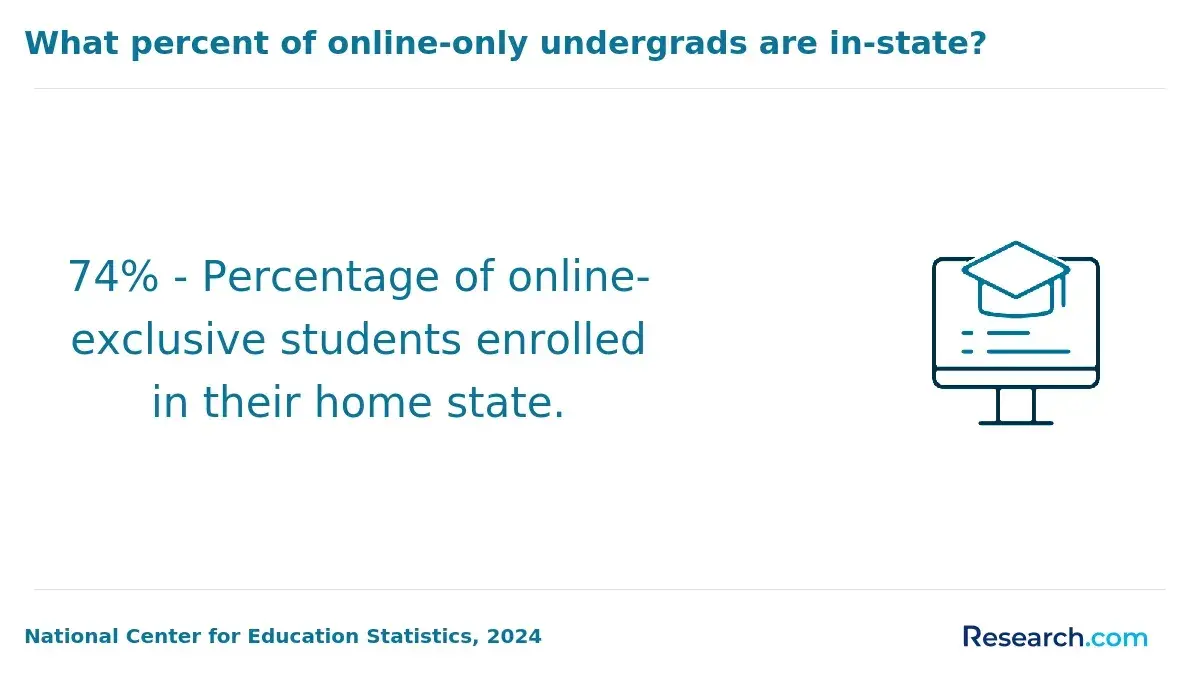
Determining whether an online BS in Engineering - Biomedical Engineering at Arizona State University aligns with personal and professional goals requires careful analysis of program structure and outcomes. As online STEM enrollments surged over 30% according to the National Center for Education Statistics in 2024, many prospective students seek flexible education without sacrificing rigor. However, the technical demands of biomedical engineering and employer expectations create distinct challenges for remote learners.
Understanding how Arizona State University balances accessibility, curriculum depth, and career readiness is crucial for informed decisions. This article examines cost, curriculum, admissions, and career outcomes to help prospective students evaluate the program's fit for their aspirations and circumstances.
Key Points About Arizona State University's BS in Engineering - Biomedical Engineering Program
- Arizona State University maintains a 90% acceptance rate for its online BS in Engineering - Biomedical Engineering, increasing access while requiring students to manage rigorous coursework independently.
- Graduates from this program benefit from recognition by employers and alumni success, signaling alignment with industry expectations and potential for solid career entry.
- The $34,845 tuition cost positions the program as a moderate investment, demanding students weigh affordability against long-term earning potential in biomedical engineering roles.
What can students expect from Arizona State University's online BS in Engineering - Biomedical Engineering curriculum?
The design of Arizona State University's online BS in Engineering - Biomedical Engineering curriculum reflects widely accepted U.S. standards but demands active adaptation to virtual learning environments. For example, students might face the challenge of mastering lab techniques remotely, relying on simulations that require a stronger self-directed learning approach compared to traditional in-person labs. The curriculum blends core engineering fundamentals with specialized biomedical courses, positioning graduates to address complex problems in healthcare technology. Below are key course areas central to this program's structure and workforce readiness:
- Core Engineering Fundamentals: This includes mathematics, physics, and chemistry to establish a robust scientific foundation. Students must develop problem-solving skills critical for engineering design and troubleshooting, which are essential across all engineering fields.
- Biomedical Engineering Specializations: Coursework covers biomechanics, biomaterials, bioinstrumentation, and biomedical signal processing. Mastery in these subjects equips learners to innovate devices and systems that interact safely and effectively with biological tissues.
- Systems Integration and Application: Interdisciplinary projects and system engineering courses require students to apply theoretical knowledge to real-world biomedical challenges, emphasizing teamwork, critical thinking, and design validation within healthcare contexts.
Incorporating Arizona State University online biomedical engineering curriculum components helps students meet employer expectations for graduates who can translate technical knowledge into clinical and industrial solutions. However, prospective students should weigh the demands of remote practical work against traditional settings, especially if hands-on experience is a priority. Those balancing this program alongside other commitments may find its structure demanding yet rewarding. For individuals considering broader academic or career progression, comparing the commitment here with options like the easiest PhD to get can provide additional context about long-term educational pathways.
What are Arizona State University's admission requirements for online BS in Engineering - Biomedical Engineering program?
Securing admission to Arizona State University's online BS in Engineering - Biomedical Engineering requires more than minimum academic benchmarks, reflecting the program's selective nature and the technical rigor expected of candidates. A practical example involves a student balancing current employment who must strategically submit recommended supplemental materials like test scores to stand out, since mere completion of high school credentials may not suffice when space is limited. The university evaluates multiple components to assess readiness and compatibility with demanding biomedical engineering studies. The key requirements for prospective students are outlined below.
- High School Graduation or GED: Applicants must have completed high school or earned a General Educational Development credential, establishing the foundational academic qualification needed for entry into college-level science and mathematics courses.
- Secondary School Records: Submission of official transcripts or secondary school records is required to verify academic performance and course completion, which helps admissions gauge preparedness for advanced engineering concepts.
- Test Scores: While not mandatory, submitting scores from assessments like Wonderlic or WISC-III is recommended to demonstrate specific aptitudes relevant to engineering fields and can strengthen applications in competitive cycles.
- English Proficiency: The TOEFL exam is required for nontemporary students whose primary language is not English, ensuring they possess the necessary language skills to succeed in lecture comprehension, technical writing, and communication-intensive projects.
- Computer Access: Candidates must have reliable computer access for online coursework, a practical consideration given the program's demands for simulation software, coding assignments, and virtual labs. ASU offers purchase or lease options to assist those without suitable hardware.
Is it difficult to get admitted to Arizona State University's online BS in Engineering - Biomedical Engineering program?
Biomedical engineering programs often draw competitive applicant pools due to the field's intersection of biology and technology, which demands strong STEM skills and relevant experience. Many such programs have selective admissions reflecting employer interest in candidates with specialized knowledge. However, the admissions process can vary significantly depending on the institution's profile and delivery format.
Arizona State University's online BS in Engineering - Biomedical Engineering program diverges from this trend with a notably high acceptance rate of 90%. Out of 68,840 applicants, roughly 62,084 are admitted, indicating a broadly accessible entry point compared to more selective programs. The absence of SAT or ACT requirements further lowers barriers, supporting a holistic review rather than raw test scores, which can be particularly advantageous for nontraditional or working students.
This openness, however, comes with a tradeoff: while it facilitates enrollment, it shifts the challenge to succeeding academically in a demanding engineering discipline without initial filtering through standardized exam performance. Prospective students should weigh the benefit of easier admission against the rigor they will face once admitted.
One graduate recalled feeling uncertain during her application process due to juggling full-time work and family obligations. She appreciated not needing test scores to apply, which reduced her stress. Yet after enrolling, she realized that the academic demands required a disciplined schedule and strong time management. "Getting in felt straightforward, but staying on track was the real test," she noted, highlighting that admission accessibility doesn't guarantee an effortless academic journey.
What is the cost of attending an online BS in Engineering - Biomedical Engineering program at Arizona State University?
Arizona State University charges a flat tuition rate of $12,051 for its online BS in Engineering - Biomedical Engineering program, which applies uniformly to in-state, out-of-state, and international students. This pricing structure eliminates the common cost barrier posed by higher tuition for non-residents, a notable consideration for those outside Arizona evaluating online options. However, students must also account for additional expenses such as $1,320 annually for books and supplies, alongside typical living costs if relocating or studying on campus.
The total annual cost of attendance, factoring in tuition, fees, books, room, board, and miscellaneous expenses, reaches approximately $34,845. In contrast, the Federal Scorecard cites a slightly lower figure of $28,047 for in-state students living on campus, reflecting methodological differences in cost calculation. For prospective students analyzing the cost of attending arizona state university biomedical engineering program online, understanding these nuances is critical, especially when balancing financial aid, living arrangements, and material costs.
Compared to other institutions, ASU's flat-rate tuition is competitively priced within the spectrum of biomedical engineering programs nationwide. Many comparable schools have higher base tuition fees that vary by residency status, creating financial unpredictability. This structure can be especially advantageous for students relocating to pursue specialized fields in engineering, where tuition costs often represent a significant proportion of the total educational investment.
Students researching pathways in this field might also want to explore accelerated degree programs to potentially reduce total time and cost to degree completion. Such options vary widely in cost and duration but can change the financial calculus significantly when weighing the cost of attending arizona state university biomedical engineering program online versus other institutions.
Are there financial aid options for online BS in Engineering - Biomedical Engineering students at Arizona State University?
Financial aid availability significantly affects whether students can realistically pursue the online BS in Engineering - Biomedical Engineering at Arizona State University without incurring unsustainable debt. While the program opens access to federal and institutional support, navigating these options requires understanding eligibility nuances and potential tradeoffs, particularly for working adults or military-affiliated students balancing other commitments. For many, leveraging a combination of aid sources is necessary to keep education affordable and aligned with long-term career goals. The following outlines primary funding avenues relevant to prospective enrollees.
- Merit-Based Scholarships: Awarded primarily for academic performance or specialized skills, these scholarships typically require maintenance of a strong GPA and can reduce tuition costs substantially. They often cater to high-achieving students in engineering disciplines.
- Need-Based Grants: Determined by financial need through FAFSA submissions, these grants offer direct tuition support without repayment obligations, but funding levels can vary widely and depend on federal and institutional budgets.
- Federal Aid Programs: Including Pell Grants and federal work-study, these options are contingent on FAFSA eligibility and enrollment status, allowing students to offset costs or work part-time in related jobs, though award sizes may be limited.
- Corporate Tuition Reimbursement: Working professionals whose employers provide educational assistance can reduce personal expenses by submitting proof of enrollment and often must remain employed during study periods, which may slow degree completion.
- Veterans Benefits: Military-affiliated individuals may access GI Bill funding and other veteran-specific financial aid; these require program approval and documentation, with potential eligibility affecting planning around service commitments.
What learning resources are available to online BS in Engineering - Biomedical Engineering students at Arizona State University?
Access to well-rounded learning resources is critical for students navigating the complexities of an online BS in Engineering - Biomedical Engineering, as it directly impacts their ability to apply theoretical knowledge to real-world engineering challenges. For instance, a student balancing a job while pursuing the degree will depend heavily on technical support and academic advising to avoid delays and maintain steady progress. These resources influence not just academic success but also shape readiness for industry expectations, such as fluency with digital collaboration tools and problem-solving under remote supervision. Below are key support elements available to students at Arizona State University designed to address these multifaceted needs.
- Technical Support: ASU provides dedicated assistance for software, hardware, and connectivity issues to minimize disruptions during coursework and exam periods, ensuring students maintain consistent study routines.
- Academic Advising: Specialized advisors help plan course sequences aligned with biomedical engineering competencies, mitigating risks of taking irrelevant classes and optimizing time to degree completion.
- Tutoring and Writing Centers: These services focus on strengthening foundational engineering concepts and communication skills, which are vital for producing clear technical reports and collaborating in interdisciplinary teams.
- Faculty Interaction: Scheduled virtual office hours and online discussion forums facilitate direct access to professors for clarifications and deeper engagement with complex topics, bridging the gap inherent in remote learning.
- Career Services: Leveraging industry connections, ASU assists with internship placements, resume reviews, and interview preparation tailored specifically for biomedical engineering roles, helping students transition more effectively into competitive job markets.
Does Arizona State University's online BS in Engineering - Biomedical Engineering program have in-person clinicals or practicums?
Biomedical engineering roles commonly expect graduates to have some direct exposure to clinical environments or medical device settings through in-person practicums or internships. These experiences bridge theoretical knowledge with hands-on problem-solving in complex healthcare contexts. However, the Arizona State University online biomedical engineering clinical requirements differ by not mandating such in-person clinicals or practicums within the standard curriculum, a significant deviation from many traditional programs where these are compulsory elements.
Arizona State University's online BS in Engineering - Biomedical Engineering program emphasizes experiential learning primarily through virtual labs and project-based coursework that simulate biomedical engineering challenges remotely. For students unable to access local clinical placements, this flexibility can be crucial. While the program does not formally require on-site practicum completion, students can independently pursue internships or cooperative education to gain direct medical equipment experience, aligning with industry expectations for applied skills.
This approach allows remote learners to complete their degrees without geographic constraints but may present tradeoffs when competing for roles at employers valuing direct clinical or device exposure in hiring decisions. Prospective students should weigh these practical realities carefully, perhaps supplementing the online curriculum with local internships if feasible. For those exploring economical postbaccalaureate options, a useful resource is the cheapest online masters listings, which can aid in planning continued education after the BS program.
What careers can graduates of online BS in Engineering - Biomedical Engineering at Arizona State University secure?
The professional marketability of graduates from the online BS in Engineering - Biomedical Engineering at Arizona State University hinges on their ability to translate multidisciplinary training into tangible roles across the biomedical field. Because employers increasingly prioritize candidates who can bridge engineering expertise with healthcare applications, graduates must weigh the tradeoffs of specialized technical skills versus broader industry experience. This degree supports entry into diversified roles, though regional demand such as biomedical engineering jobs in Arizona for ASU online graduates may shape hiring prospects and salary growth. Below are key career paths linked to this degree:
- Biomedical Engineer: Focuses on designing and improving medical devices like prosthetics and diagnostic machines, collaborating closely with healthcare teams. These positions typically offer competitive salaries aligned with engineering disciplines but require ongoing adaptation to technological innovations.
- Quality or Manufacturing Engineer: Works within medical device firms to ensure production standards and process improvements, balancing regulatory compliance and efficiency. Compensation varies with company size and location, often emphasizing operational expertise.
- Research Assistant or Laboratory Technician: Supports experimental studies and product testing in research settings, providing critical data to advance biomedical technologies. These roles may offer lower initial pay but foster valuable hands-on experience for future specialization.
- Regulatory Affairs Specialist: Navigates medical device regulations to facilitate market approval, demanding strong familiarity with industry standards and documentation. Positions in this niche typically reward compliance and process knowledge with stable salaries.
- Health Informatics Developer: Applies programming and data skills to manage and analyze biological data, merging engineering with software solutions. Opportunities in this emerging area often provide growth potential aligned with healthcare IT expansion.
Students evaluating their educational investment might also consult information on what are the cheapest online colleges to consider cost's impact on long-term return, especially when balancing career opportunities for graduates of Arizona State University online biomedical engineering against tuition expenses.
What is the salary outlook for online BS in Engineering - Biomedical Engineering graduates?
The salary outlook for graduates with an online BS in Engineering - Biomedical Engineering from Arizona State University reflects a moderate but practical financial starting point. Biomedical engineering alumni report an average annual salary of $56,023, which is somewhat below the median alumni salary of $62,668 for all ASU graduates. This indicates that while the degree equips students with valuable technical skills, the immediate financial return is more modest compared to other engineering pathways.
Career earnings for ASU biomedical engineering graduates tend to lag behind those in Chemical Engineering ($65,389), Mechanical Engineering ($66,177), and Electrical Engineering ($70,595), but they exceed many non-engineering fields. This gap illustrates a critical hiring tradeoff: employers in biomedical sectors may prioritize specialized technical expertise over initial salary levels, reflecting variable demand across healthcare technology roles. For graduates, this means weighing the meaningful application of their skills against the financial premium some other engineering disciplines command.
Given workforce realities, students aiming for an online BS in Engineering - Biomedical Engineering salary in Arizona should consider the program as a strategic investment that yields stable, if not top-tier, compensation. The field's upward mobility often depends on accruing advanced skills and experience in medical device design or clinical innovation. Those assessing alternatives could consult resources like the easy bachelor's degree listings to compare relative program demands and outcomes.
How do you know if Arizona State University's online BS in Engineering - Biomedical Engineering program is the right choice for you?
Choosing a BS in Engineering - Biomedical Engineering program requires careful alignment with your individual priorities and long-term career intentions, especially given the practical demands of engineering roles in healthcare technology. Evaluating how Arizona State University's online program fits your needs involves examining factors that influence both your learning experience and your employability. Consider the following key criteria:
- Accreditation And Curriculum Rigor: Verify the program's accreditation status and the extent to which its curriculum integrates current biomedical engineering practices. This ensures your degree is recognized by employers and offers relevant, industry-standard skills.
- Flexibility And Delivery Mode: Assess whether the program's online format offers asynchronous learning options that accommodate your personal and work commitments while maintaining sufficient interaction for complex lab and project work.
- Career Support And Networking: Explore the availability of professional connections, internships, and faculty expertise that can facilitate job placement and industry engagement post-graduation.
- Technical And Practical Skill Development: Determine if the program balances theoretical knowledge with hands-on or simulated lab experiences necessary to meet employer expectations in biomedical engineering roles.
One graduate recalled weighing her decision amid a full-time job in healthcare technology: "I hesitated because I needed a program that fit my schedule without sacrificing the depth of engineering concepts. ASU's asynchronous courses allowed me to learn at my own pace, but I was glad there were still interactive sessions and a strong peer network. It wasn't just about the degree; it was about staying engaged and building real skills that employers value when I transitioned into a design role." This experience reflects the importance of balancing flexibility with substantive content and connection opportunities when determining if ASU's program meets your personal and professional goals.
What Graduates Say About Arizona State University's BS in Engineering - Biomedical Engineering Program
- Julian: "Studying the BS in Engineering - Biomedical Engineering program at Arizona State University really sharpened my analytical skills, especially through the hands-on projects and simulations that mimicked real medical device challenges. While I noticed that some employers prioritize internships and a solid portfolio over licensure, the flexibility of the online format allowed me to intern at a local startup while completing the program, which gave me a tangible edge in job interviews. Navigating the early stages of my career, I found that practical experience from ASU's curriculum was critical in establishing credibility within a competitive industry."
- Francisco: "Arizona State University's program provided a flexible pathway that enabled me to enter the workforce quicker than I initially anticipated, and that was crucial given how I needed to balance family commitments. The coursework emphasized problem-solving in biomedical contexts, but I quickly learned that employers also look for certifications and hands-on experience to move up. Graduating with the BS in Engineering - Biomedical Engineering degree, I accepted a remote role that suited my skills, though I remain aware that without professional licensure, there are limits to salary growth and leadership opportunities in some organizations."
- Ivan: "Reflecting on my time at Arizona State University, I appreciate the program's rigorous approach to engineering fundamentals blended with biomaterials and medical device design. The BS in Engineering - Biomedical Engineering degree opened doors for me, but entering the biomedical field required strategic pivots, like acquiring additional certifications and building a solid portfolio beyond the degree. ASU's focus on real-world application prepared me well, and while I faced competition for certain roles, the combination of my degree and practical experience made it possible to sustain a career in this evolving sector."
Other Things You Should Know About Degrees
The 2027 online BS in Engineering - Biomedical Engineering at Arizona State University provides a flexible structure, allowing students to learn at their own pace. This adaptability supports diverse schedules and personal learning speeds, making it ideal for working students or those with other commitments.
ASU's online BS in Engineering - Biomedical Engineering minimizes in-person labs, relying heavily on simulations and virtual tools. While this enables remote access, it limits tactile experience with equipment crucial for certain engineering careers. Prospective students aiming for roles requiring extensive lab work or clinical practice may need to supplement their education through internships or local opportunities, as the online program alone may not fully prepare them in applied settings.
The program covers the academic requirements for fundamental engineering principles but does not directly lead to professional engineering licensure, which typically requires an ABET-accredited degree and passing the FE exam. Arizona State University's online option is not ABET-accredited, creating a potential barrier for students seeking licensure. Prospective students prioritizing PE certification should weigh this carefully and consider whether they can fulfill accreditation and exam requirements through additional coursework or alternative routes.
ASU's brand is strong nationally, but some employers in highly specialized biomedical engineering fields may prefer candidates with traditional, on-campus experience, especially when it involves hands-on lab work. For graduates with comparable technical skills and internships, the online degree generally holds competitive value. However, students should prioritize gaining practical experience and certifications when possible to strengthen employment prospects beyond the degree's inherent recognition.
References
- Arizona Biomedical Engineering Schools - Educating Engineers https://educatingengineers.com/states/arizona/biomedical-engineering/
- Becoming a Biomedical Engineer - Schools, Career & Salary https://www.healthcaredegree.com/lab/biomedical-engineer
- Biomedical Engineering: Salary, Outlook and Description | McKissock Learning https://www.mckissock.com/blog/professional-engineering/biomedical-engineering-salary-outlook-and-description/
- Biomedical Engineering https://www.alasu.edu/academics/programs-majors/programs/BS-BiomedicalEngineering.php