2027 Is Walden University's Online MSEd in Elementary Reading and Mathematics: Grades K-6 Worth It? What Students Should Know

Co-Founder and Chief Data Scientist
Choosing an online MSEd in elementary reading and mathematics: grades K-6 program can be daunting, especially when balancing career advancement with flexible learning. National Center for Education Statistics data shows a consistent rise in online graduate enrollment, highlighting growing demand but also increased competition in this market.
This trend suggests that program quality and alignment with state certification requirements can significantly influence job mobility and instructional impact. Assessing the practical outcomes and curriculum rigor behind walden university's offering is crucial for educators aiming to enhance literacy and numeracy skills effectively. This article examines these factors to clarify if the program aligns with both academic goals and professional realities.
Key Points About Walden University's Online MSEd in Elementary Reading and Mathematics: Grades K-6 Program
- Walden University's MSEd in Elementary Reading and Mathematics: Grades K-6 program offers open admission, enabling broad access despite its $34,458 tuition, which requires careful financial planning.
- The program's 2.05x earnings to debt ratio and median alumni salary of $42,810 suggest graduates typically recover education costs but must consider local job market conditions.
- Alumni report varied employer recognition, reflecting Walden's mixed reputation and signaling prospective students should evaluate how this credential aligns with targeted education career paths.
What makes Walden University's online MSEd in Elementary Reading and Mathematics: Grades K-6 program stand out?
Walden University's online MSEd in Elementary Reading and Mathematics: Grades K-6 offers a distinct advantage for educators balancing work, family, or varied schedules due to its fully online, flexible format. This flexibility supports professionals who need asynchronous coursework but still want structured interaction through forums and webinars, enabling practical engagement without rigid classroom demands.
For educators aiming to advance specifically in foundational grade instruction, this program integrates reading and math skill development aligned with current educational standards, addressing a niche often underserved by broader graduate programs.
The program's sizable faculty corps-1,117 full-time and 2,306 part-time instructors-reflects a robust support infrastructure that facilitates personalized guidance, an essential factor for deepening content mastery and applied skills in early childhood settings.
The blend of research-based strategies with interactive assignments prepares teachers for classroom realities where integrated literacy and numeracy skills are increasingly prioritized. However, this specialization may limit appeal for those seeking broader or alternative educational leadership roles beyond foundational grades, emphasizing a tradeoff between focused expertise and wider credential flexibility.
Is it difficult to get admitted to Walden University's online MSEd in Elementary Reading and Mathematics: Grades K-6 program?
Admission to most MSEd programs in Elementary Reading and Mathematics: Grades K-6 typically involves competitive criteria, including minimum GPA thresholds and standardized test scores, reflecting the selective nature of these graduate education pathways. Such requirements serve as gatekeepers that align candidate readiness with program rigor and labor market expectations for foundational teaching expertise.
In contrast, Walden University adopts an open admission policy for this MSEd specialization, eliminating barriers such as SAT or ACT score expectations. This approach lowers the threshold for entry, making acceptance relatively straightforward compared to peers with selective admissions.
For working professionals or those re-entering education, this can reduce delays and administrative hurdles, though it places greater responsibility on students to self-assess fit and program demands without upfront screening.
While this accessibility broadens candidate diversity, it may also challenge perceptions among some hiring districts accustomed to traditional markers of candidate competitiveness. The absence of standardized admission metrics does not necessarily diminish program quality but does shift the onus onto graduates to demonstrate competence through coursework and student teaching performance in a field that values proven instructional effectiveness.
A graduate of the program recalled, "I applied late in the admissions cycle and debated whether my non-traditional background would be a hurdle, but Walden's open policy meant I got accepted quickly-much faster than I expected. That urgency helped because I was balancing teaching and family commitments. However, I realized early on that without the usual admissions filters, I needed to be proactive in mastering the material and networking to stand out professionally."
How does the curriculum of Walden University's online MSEd in Elementary Reading and Mathematics: Grades K-6 program stay aligned with current industry trends?
Walden University's online MSEd in Elementary Reading and Mathematics: Grades K-6 curriculum demonstrates a focused effort to stay relevant amid the evolving demands of K-6 education, though it embodies typical tradeoffs found in online programs balancing theory and field applicability.
For educators aiming to meet diverse classroom needs and district hiring standards, the program's emphasis on applied literacy and numeracy pedagogy aligns with essential workforce skills but hinges heavily on the student's ability to translate remote learning into effective classroom interventions. The following points highlight critical factors enabling the Walden University elementary reading and math curriculum alignment with current trends in K-6 math and reading education programs:
- Data-Driven Instruction: The curriculum integrates assessment techniques and technology to encourage data-based decision-making, reflecting a broad sector push toward personalized learning. This helps graduates prepare for environments where tracking student progress via formative assessments is standard practice.
- Culturally Responsive Teaching: Focus on inclusive pedagogy equips educators to address increasingly diverse student populations. This component is vital in ensuring that instructional strategies do not become one-size-fits-all but are adaptable to varied cultural and linguistic backgrounds.
- Field Experience Integration: Requiring practical, supervised classroom hours helps bridge the gap between theoretical knowledge and real-world application. Given employer expectations for readiness in implementing literacy and numeracy interventions, this experiential learning is a key differentiator in readiness compared to programs lacking such placements.
Overall, while Walden's curriculum aligns well with industry standards for MSEd in Elementary Reading and Mathematics: Grades K-6 graduates, the program's ultimate value depends on how effectively students engage with both the virtual coursework and the required field experiences.
Prospective educators should weigh this balance when comparing to other options, especially considering how employers prioritize hands-on teaching skills. For those evaluating affordability against program outcomes, resources like the cheapest doctorate degree online listings may offer broader context on cost versus credential value.
How much does Walden University's online MSEd in Elementary Reading and Mathematics: Grades K-6 program cost?
Tuition and fees for Walden University's online MSEd in Elementary Reading and Mathematics: Grades K-6 program amount to about $12,498 annually, excluding around $900 for books and supplies. This base cost does not account for living expenses, which can raise the total annual investment significantly, often approaching $34,458 when factoring in room, board, and other fees.
For working professionals balancing family or employment obligations, these additional costs affect budgeting decisions and the feasibility of sustained enrollment.
Walden's flat-rate tuition for online learners means costs do not vary by residency, a practical advantage for out-of-state or international students seeking predictable expenses. Many students can offset direct costs through financial aid-while specific graduate aid data is limited, roughly 90% of undergraduates receive assistance averaging $3,353, and institutional grants plus corporate tuition reimbursement options are often available.
Prospective students should engage with financial aid counselors to map out personalized support, especially since actual out-of-pocket cost depends heavily on eligibility.
When placed in the broader market, Walden's MSEd tuition sits below the upper range of comparable online programs, which can exceed $20,000 a year. This relative affordability is an important consideration given the competitive landscape of online education for elementary education credentials.
Students weighing the Walden University online MSEd in Elementary Reading and Mathematics tuition rates against peer institutions must consider both sticker price and access to aid as a combined measure of value.
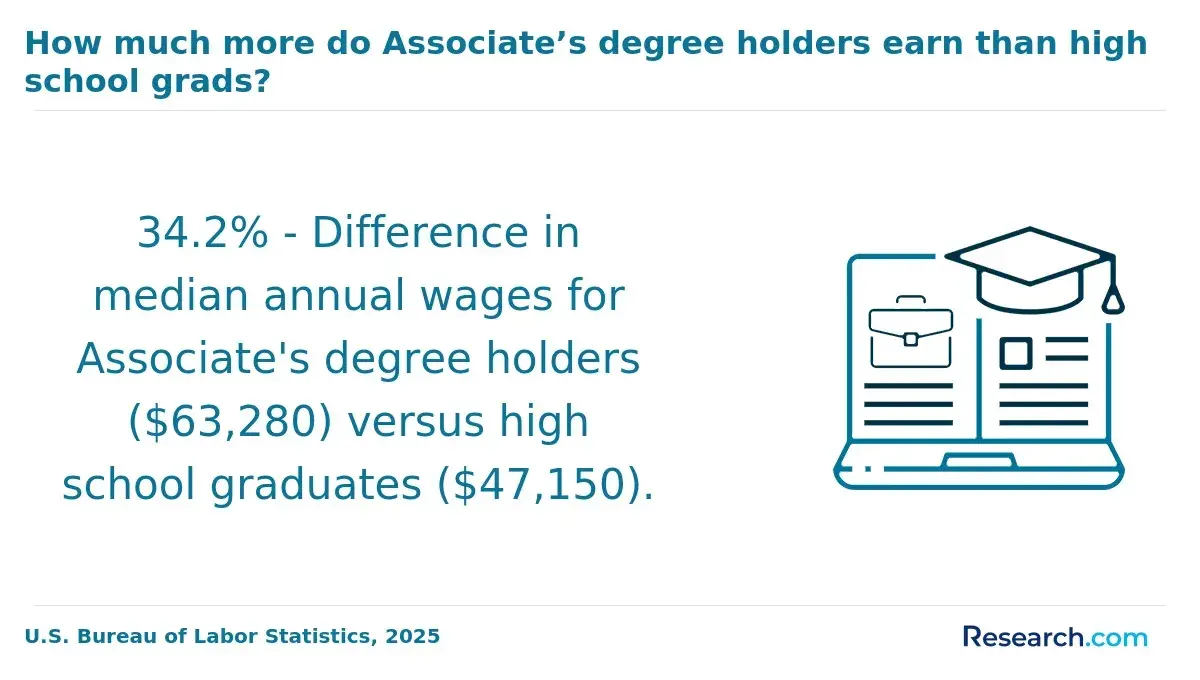
For those exploring pathways into elementary education, evaluating costs within a realistic financial framework is essential. The opportunity cost of program investment-both in time and money-can shape career trajectories. For candidates not ready to commit to graduate-level tuition, credential stacking or pursuing an online associate's degree first may offer a more gradual, lower-risk entry into education fields.
What are the admission requirements for Walden University's online MSEd in Elementary Reading and Mathematics: Grades K-6 program?
Application accessibility at Walden University's online MSEd in Elementary Reading and Mathematics: Grades K-6 influences candidate readiness and program fit more than traditional filtering measures. This approach eases entry for professionals reentering education or shifting careers, but the onus shifts to applicants to present compelling supplementary materials demonstrating preparedness and motivation.
Given the absence of standardized testing or portfolio requirements, understanding core admission components is crucial for candidates to identify gaps early and strategize how to strengthen their submission. Relevant details include:
* A bachelor's degree from an accredited institution * A minimum GPA of 2.5 in the last 60 semester hours of undergraduate coursework * A written statement of professional goals and objectives * A current resume or curriculum vitae * Three letters of recommendation * Official transcripts from all previously attended institutions
- Open Admission Policy: The program does not impose SAT or ACT score requirements, which simplifies eligibility but may increase the diversity of academic backgrounds among enrollees, necessitating self-assessment of readiness.
- Supporting Documents: Applicants often need to submit letters of recommendation, personal statements, or resumes. These materials serve as qualitative indicators of commitment and applicable experience, compensating for the lack of formal testing.
- Transfer Credits: Acceptance of transfer credits is possible but limited by institutional caps and course equivalencies. Candidates should confirm specifics upfront to understand how prior coursework might reduce time and cost to degree completion.
- No Entrance Exams or Portfolios: The absence of additional assessments lowers upfront barriers but places more responsibility on applicants to demonstrate suitability through written and experiential evidence.
- Admissions Office Coordination: Since requirements can vary, direct communication with admissions is critical to clarify expectations and prevent surprises that could delay enrollment.
What is the ROI of attending Walden University's online MSEd in Elementary Reading and Mathematics: Grades K-6 program?
The return on investment for an online mse-d in elementary reading and mathematics: Grades K-6 from Walden University reflects a nuanced balance between upfront costs and long-term earnings potential. With an annual cost of attendance near $34,458, students face a substantial financial commitment relative to the median starting salary of about $42,810.
This limited salary growth over a decade highlights a critical tradeoff: the degree may stabilize income but is unlikely to significantly boost it without additional credentials or career steps.
Graduates typically work in public or private school settings where pay scales tend to plateau, emphasizing the importance of weighing the debt burden-median student debt is $20,834-against achievable salary gains. This results in an earnings-to-debt ratio around 2.05, suggesting graduates earn slightly more than twice their debt annually, a moderate but not exceptional ROI. Those who can access scholarships, grants, or employer tuition reimbursement may improve this balance.
Real-world decisions hinge on the likelihood of advancing beyond entry-level teaching roles; administrators and highly certified educators command better salaries that shift ROI favorably.
For candidates focused on steady employment in regional school districts without plans for certification expansion, this program's economic advantage may be limited. Prospective students should align financial investment with realistic career pathways rather than assume automatic economic returns from degree completion.
Is there a high student satisfaction for Walden University's online MSEd in Elementary Reading and Mathematics: Grades K-6 program?
Student satisfaction in Walden University's online MSEd in Elementary Reading and Mathematics: Grades K-6 program often hinges on balancing rigorous coursework with external responsibilities. Many adult learners enrolling in this program juggle full-time jobs and family commitments, making flexible scheduling a critical factor.
While the program's structure demands consistent self-motivation and time management, the availability of faculty support and online mentoring helps mitigate common challenges associated with remote study.
The sense of community plays a significant role in student engagement. Walden's virtual student organizations and peer networks offer valuable interaction opportunities that alleviate feelings of isolation typical in online programs.
However, the absence of strong publicly available graduation and retention data specific to this program makes it difficult to fully quantify satisfaction, though anecdotal accounts tend to emphasize the effectiveness of mentoring and academic advising as buffers against attrition.
Work-life balance is frequently cited in online forums where students share their experiences. Flexibility remains a key advantage, but those without prior experience in online education sometimes face initial struggles adapting to the self-directed nature of study. The program's demanding content in foundational literacy and numeracy education necessitates persistent effort, which can impact satisfaction if adequate institutional support is lacking.
One graduate recalled feeling hesitant at first, concerned about managing lesson planning and assignments alongside a busy teaching schedule. She noted, "The mentors checking in and the online cohort chats made a real difference during tough weeks." Even so, she stressed the program wasn't effortless and required setting firm boundaries to protect study time. Reflecting later, she viewed the support network as essential in transforming initial doubts into a rewarding, manageable experience.
How does Walden University help online MSEd in Elementary Reading and Mathematics: Grades K-6 graduates secure employment?
Employment outcomes for graduates of online MSEd in Elementary Reading and Mathematics: Grades K-6 programs are heavily influenced by the strength of institutional career support and local school district relationships. Schools often serve as gatekeepers in hiring, making a program's career services a critical factor in success.
Data from education sectors shows that 79% of educators secure their first teaching positions through school-affiliated career services or alumni referrals, demonstrating the essential role of managed networks in navigating competitive hiring environments.
This reality points to a key tradeoff for prospective students: degree content alone will not guarantee placement without effective access to targeted career assistance and local professional connections. The following outlines specific job finding supports linked to Walden University's approach for elementary education graduates, illustrating how such mechanisms can facilitate employment transitions.
- Virtual Job Fairs: Walden University organizes virtual job fairs tailored to elementary education roles, enabling students to connect with school district recruiters and hiring managers before graduation. This early access helps candidates position themselves according to district priorities and timelines.
- Resume Workshops: Online resume workshops focus on teaching application techniques relevant to elementary reading and mathematics positions, guiding graduates on crafting documents that meet public and private school expectations.
- Job Placement Portal: A dedicated portal offers listings for education-specific jobs, streamlining the application process within a network familiar to program graduates and increasing visibility to district employers.
- Alumni Network Mentorship: An active alumni community links current students with experienced educators who provide mentorship, advice on hiring criteria, and referrals that can be decisive in securing interviews.
These resources reflect Walden University career services for elementary education graduates and provide job placement support after online MSEd in Elementary Reading and Mathematics: Grades K-6 program completion.
However, potential students should weigh these supports against other factors such as local job market conditions and the program's regional recognition. Those seeking affordable pathways may also consider exploring cheap online universities that align with their career goals and geographic preferences.
What are the career outcomes for recent graduates of Walden University's online MSEd in Elementary Reading and Mathematics: Grades K-6?
Career outcomes are critical when assessing whether walden university's online mseD in Elementary Reading and Mathematics: Grades K-6 offers tangible benefits, especially given the investment of time and money. Graduates often step into roles demanding strong literacy and numeracy pedagogical skills, addressing foundational learning needs that many schools prioritize amid evolving educational standards.
For those weighing job prospects after completing walden university online mseD in Elementary Reading and Mathematics Grades K-6, knowing practical career paths illustrates how the degree translates into professional opportunities and financial returns. Below are key career options typically pursued by alumni, reflecting the program's alignment with workforce demands.
- Elementary School Teacher: Teachers design and deliver lesson plans focusing on reading and math for K-6 students. The role requires continual assessment and adaptive instruction to support diverse learners, with average salaries around $67,666 in fields tied to curriculum and instruction.
- Curriculum Developer: Graduates may develop educational materials and strategies to improve instructional outcomes across schools or districts. This position involves analyzing student data and integrating best practices to support literacy and numeracy goals.
- Instructional Coordinator: Coordinators oversee teaching standards and training, ensuring curriculum effectiveness in foundational subjects. Salaries in this role often match or exceed those of classroom teachers, highlighting its potential for higher earnings.
- Educational Consultant: Some alumni move into advisory roles that shape teaching programs k-6, offering expertise on methods and materials to improve student success in reading and mathematics.
Because general education degrees in domains like Human Development or Psychology tend to yield lower average salaries, the specialized mseD in Elementary Reading and Mathematics offers a competitive advantage in both employability and earning potential. Candidates considering this path might explore free online college applications as one part of managing the overall investment decision.
How do I know if Walden University's online MSEd in Elementary Reading and Mathematics: Grades K-6 program is the right fit for my goals?
Determining whether Walden University's online MSEd in Elementary Reading and Mathematics: Grades K-6 fits your career goals involves more than a simple fit assessment; it requires weighing practical tradeoffs shaped by your academic and professional objectives.
For instance, a teacher aiming to deepen expertise in both disciplines might find this combined focus valuable, while another seeking specialized literacy leadership might prioritize programs with more intensive reading coursework. Many factors contribute to a program's worth, and it's essential to evaluate each against your priorities.
Here are key considerations for assessing fit:
- Curriculum Alignment: Analyze if the coursework balances research-based instruction in both reading and mathematics at the elementary level. Ensure the material supports your intended classroom application rather than offering a superficial overview.
- Program Flexibility: Since this is an online degree, verify if the delivery and pacing match your working schedule and learning preferences. Accessibility to instructors and peer interaction also affect engagement and completion rates.
- Accreditation and Recognition: Confirm the program's formal accreditation and its acceptance for certification or licensure in your state to avoid obstacles in professional advancement.
- Career Outcome Compatibility: Reflect on whether the program prepares you for your targeted roles, such as curriculum design leadership or advanced instructional positions, rather than broader or unrelated education pathways.
- Support Services Availability: Consider academic advising and career counseling resources that support balancing work, study, and life demands to improve your chances of completion and success.
For those evaluating walden university online mseD elementary reading and mathematics for personal and professional growth, these factors provide a framework for decision-making that transcends generic program descriptions. Prospective students may also want to explore how this program compares with other options, including doctoral programs without dissertation, if long-term academic goals evolve.
What Graduates Say About Walden University's Online MSEd in Elementary Reading and Mathematics: Grades K-6 Program
- Caleb: "Studying the MSEd in Elementary Reading and Mathematics: Grades K-6 program at Walden University was a strategic move for me as I transitioned from substitute teaching to a full-time role. The program's flexible schedule allowed me to continue working while earning my degree, which proved essential since many employers in my district valued practical classroom experience and solid portfolios over just licensure. While the program expanded my instructional toolkit, I quickly realized that advancing beyond certain grade levels or leadership roles would require additional certification, so I'm now thoughtfully planning that next step."
- Leonard: "Walden University's MSEd in Elementary Reading and Mathematics: Grades K-6 program delivered a rigorous academic experience that really sharpened my approach to literacy and numeracy instruction. When applying for jobs, I noticed that districts prioritized candidates with endorsements tied to hands-on experience like internships or coaching roles, but my degree helped me stand out in remote tutoring and curriculum development gigs. The program gave me the credentials I needed to pivot quickly into instructional design, though some of my peers found that licensure was still the gatekeeper for classroom leadership positions."
- Ricardo: "The decision to enroll in Walden University's MSEd in Elementary Reading and Mathematics: Grades K-6 program was influenced by my desire to work remotely and maintain flexibility as a father. Navigating the hiring process post-graduation, I found that while my degree opened doors for roles in online education and literacy support, many traditional schools seemed to emphasize experience and additional certifications over just the degree alone. I appreciate how the program prepared me for these realities by encouraging application of evidence-based practices, but it also made me aware that career growth might mean balancing further credentials with practical experience."
Other Things You Should Know About Degrees
The program combines reading and mathematics pedagogy, which means students must develop expertise in two distinct subject areas simultaneously. This dual focus can significantly increase the workload compared to single-subject master's degrees. Prospective students should be prepared for substantial weekly reading, assignments, and lesson plan development in both domains, which demands strong time management especially if balancing professional and personal commitments.
The online format of Walden's MSEd limits direct in-person instruction, so hands-on classroom practice must come from the student's current teaching position or arranged local placements. This can be a drawback for those without regular access to elementary classrooms.
Applicants without active teaching roles should prioritize confirming how they will fulfill practical requirements, as this gap might hinder development of applied skills vital for teaching reading and math effectively at the K-6 level.
Walden's program emphasizes research-based strategies but may not fully address variability in resources or student populations across different school districts. Graduates could find that adapting the curriculum to under-resourced or culturally diverse classrooms requires additional effort beyond what the coursework covers.
It is advisable for students aiming to work in highly diverse or challenging environments to supplement their learning with targeted cultural competency training or localized professional development.
References
- Elementary Reading and Mathematics (Grades K-6) Degree at Walden University, USA https://www.studyabroadcourses.org/programmes/walden-university-education--elementary-reading-and-mathematics-grades-k-6
- Math Teaching Degrees with the Best ROI https://www.mathteaching.org/schools/best-roi-degrees/
- M.Ed. in Elementary with K-5 Math or Reading Endorsement - Thomas University https://www.graduateprogram.org/thomas-university/programs/m-ed-in-elementary-reading-math/
- Education - Mathematics (Grades 5-8) https://mastersavenue.com/courses/education-mathematics-grades-5-8/usa/walden-university
- Reflections on my 6-Year Journey as a Walden Graduate AssistantWalden University Career Planning and Development Blog https://waldencareerservices.com/2024/01/19/reflections-on-my-6-year-journey-as-a-walden-graduate-assistant/
- Walden University Reviews https://www.gradreports.com/colleges/walden-university