2027 Is Arizona State University's Online Master of Teaching English to Speakers of Other Languages (TESOL) Worth It? What Students Should Know

Co-Founder and Chief Data Scientist
Choosing an online master of teaching English to speakers of other languages (TESOL) program demands a clear understanding of both career objectives and learning preferences. With postsecondary online enrollment growing steadily-accounting for over 40% of graduate learners according to the National Center for Education Statistics-accessibility and program flexibility have become critical. Prospective students must weigh Arizona State University's TESOL program against available alternatives in terms of curriculum relevance and practical outcomes, especially given the varied job market demands for ESL educators. This article examines these factors to help readers determine if ASU's online TESOL degree aligns with their professional and academic ambitions.
Key Points About Arizona State University's Online Master of Teaching English to Speakers of Other Languages (TESOL) Program
- Arizona State University's TESOL program admits 90% of applicants, making it accessible but requiring students to weigh the $34,845 tuition cost against potential returns.
- Employers value the program's graduates for their skilled English instruction, supporting career placement in diverse educational settings.
- Graduates earn a median salary of $62,668, yielding a 3.21x earnings to debt ratio, indicating a generally favorable long-term financial outcome.
What makes Arizona State University's online Master of Teaching English to Speakers of Other Languages (TESOL) program stand out?
Arizona State University's online master of teaching English to speakers of other languages (TESOL) program is distinguished by its flexibility, supporting students who must balance professional or personal commitments. Unlike many hybrid models, ASU offers fully online coursework, allowing learners worldwide to align study times with their schedules, an advantage for working educators or international students. However, this convenience can require greater self-motivation and time management, which may not suit those seeking structured, in-person interaction.
The program's integration of practical teaching skills with theoretical foundations addresses employer demand for ESL instructors adept at applying methods in diverse classrooms. With a large academic community of 79,593 students and 14,448 staff, the program leverages extensive digital resources and faculty expertise, enhancing learning outcomes despite the remote format.
Its 68% average graduation rate suggests a supportive environment that mitigates common online attrition challenges. For aspiring TESOL educators, this combination of accessibility, resource availability, and applied focus provides distinct advantages over less comprehensive online offerings.
Is it difficult to get admitted to Arizona State University's online Master of Teaching English to Speakers of Other Languages (TESOL) program?
The competitive nature of admissions for most Master of Teaching English to Speakers of Other Languages (TESOL) programs varies notably by institution, with many programs maintaining fairly selective entry standards to balance cohort quality and market demand. TESOL as a growing field attracts diverse applicants, yet many universities implement criteria that can challenge candidates lacking specific educational backgrounds or professional experience.
Arizona State University's online TESOL program, however, stands apart from this typical pattern through its high acceptance rate. With approximately 90% admission from a pool of 68,840 annual applicants, ASU's threshold is comparatively accessible.
This translates into around 62,084 admitted students each year, positioning the program as relatively non-restrictive for prospective students who demonstrate sufficient baseline readiness and motivation. The absence of SAT or ACT requirements further lowers traditional barriers, potentially appealing to working professionals and those returning to education later in life.
Applicants should weigh this accessibility against potential tradeoffs in program selectivity and the networking advantages that might accompany more competitive cohorts. The ease of admission does not inherently correspond to compromised quality but reflects ASU's strategic prioritization of inclusivity and flexible modality delivery rather than exclusivity.
How does the curriculum of Arizona State University's online Master of Teaching English to Speakers of Other Languages (TESOL) program stay aligned with current industry trends?
The curriculum of Arizona State University's online master of teaching English to speakers of other languages (TESOL) program is structured to respond directly to evolving industry demands, especially the growing need for educators capable of navigating increasingly diverse and technology-enhanced learning environments. Candidates who complete this program emerge with practical skills required to meet these challenges, but the true test lies in how well the curriculum anticipates and integrates the critical competencies employers seek in real-world ESL settings.
Below are key factors that demonstrate how this Master of Teaching English to Speakers of Other Languages (TESOL) curriculum aligns with current industry standards and workforce expectations:
- Integration of Digital Literacy: The curriculum embeds instructional technology and digital literacy, recognizing that today's classrooms rely heavily on learning management systems, multimedia resources, and virtual collaboration. This equips graduates to design effective online and hybrid language instruction, which is now a baseline expectation rather than a niche skill.
- Focus on Language Assessment: Emphasizing language assessment strategies gives students the tools to measure learner progress objectively and tailor teaching methods to individual needs. This data-driven approach reflects current professional standards that prioritize accountability and measurable outcomes in ESL education.
- Supervised Practicum Experience: Practical, hands-on teaching experience under supervision bridges theory and application, enhancing adaptability and reflective practice. Employers in education and international organizations value this real-world exposure as it mitigates the common gap between academic preparation and classroom realities.
Arizona State University online TESOL curriculum alignment with industry standards is evident but not without trade-offs: while theoretical foundations are robust, actual classroom and cultural challenges may vary widely depending on geographic and institutional contexts. Students and employers should weigh the strengths of this program against specific local demands.
For those considering graduate education options, exploring related offerings, including potentially more affordable choices or different delivery models like those found in cheap online PhD programs, can inform decision-making based on career goals and resource constraints.
How much does Arizona State University's online Master of Teaching English to Speakers of Other Languages (TESOL) program cost?
Arizona State University's online Master of Teaching English to Speakers of Other Languages (TESOL) program has a base tuition and fees cost of $12,051 annually. However, students should anticipate additional expenses such as books and supplies, totaling roughly $1,320 per year. Since the program is fully online, costs traditionally tied to campus-based attendance like room and board are less relevant, making this a cost structure that can appeal to remote learners.
Still, prospective enrollees need to verify any potential online-specific technology fees that may apply, as these details aren't always fully transparent upfront.
The cost dimensions of Arizona State University TESOL program tuition fees become particularly meaningful when examining financial aid opportunities. With 93% of undergraduates receiving aid at an average of $12,396, there is evidence of robust institutional support, though availability and extent of aid for graduate online students require direct inquiry.
Institutional aid, corporate tuition reimbursement partnerships, and grants could materially reduce net costs, which should factor critically into the decision-making process for candidates balancing program affordability with career goals.
Compared to other online Master of Teaching English to Speakers of Other Languages programs, which often charge tuition between $15,000 and $30,000, ASU positions itself competitively. This relative affordability does not appear to sacrifice program quality or the attendant resources necessary for employability in diverse educational settings.
For many, the tradeoff favors a pragmatic approach-securing a reputable credential without incurring the higher price tags typical of campus-based or less standardized online programs.
Those evaluating this degree also might consider how the tuition commitment aligns with workforce outcomes and long-term career earnings. ASU's consistent tuition rates across states make budgeting more predictable for out-of-state online learners, unlike traditional fee models with out-of-state surcharges.
For alternatives in accelerated credentialing, examining options like a fast track associates degree online could provide additional context on cost-efficiency and timelines when balancing employment and study.
What are the admission requirements for Arizona State University's online Master of Teaching English to Speakers of Other Languages (TESOL) program?
Meeting the admission requirements for Arizona State University's online Master of Teaching English to Speakers of Other Languages (TESOL) involves navigating academic standards that impact eligibility and readiness for graduate-level teaching roles. Applicants must prepare for verification of prior education and English proficiency, which directly influence their ability to engage effectively with course material and later professional demands.
Understanding these criteria helps applicants avoid delays or setbacks in enrollment and aligns expectations with workforce qualifications. Key elements of the admission process include:
- Educational Background: Applicants need a high school diploma or equivalent such as a GED to qualify. This baseline is essential as it confirms foundational academic readiness for graduate study without exceptions for nontraditional credentials.
- English Proficiency: Demonstrated through TOEFL scores, this requirement ensures candidates have the language competence crucial for engaging with TESOL curriculum and eventual classroom communication.
- Supporting Materials: Submission of secondary school records is mandatory. Although letters of recommendation and competency tests like the Wonderlic or WISC-III are encouraged to support applications, they are not compulsory, which may affect applicant competitiveness.
- Credit Transfer Policies: Transfer credits from recognized exams, including CLEP, DSST/DANTES, and ACE recommendations, are accepted, helping students leverage prior learning but requiring attention to credit limits and grade minimums.
- Exams and Assessments: SAT, ACT, entrance exams, or portfolios are not required, lowering initial barriers but placing more emphasis on formal academic transcripts and English testing.
What is the ROI of attending Arizona State University's online Master of Teaching English to Speakers of Other Languages (TESOL) program?
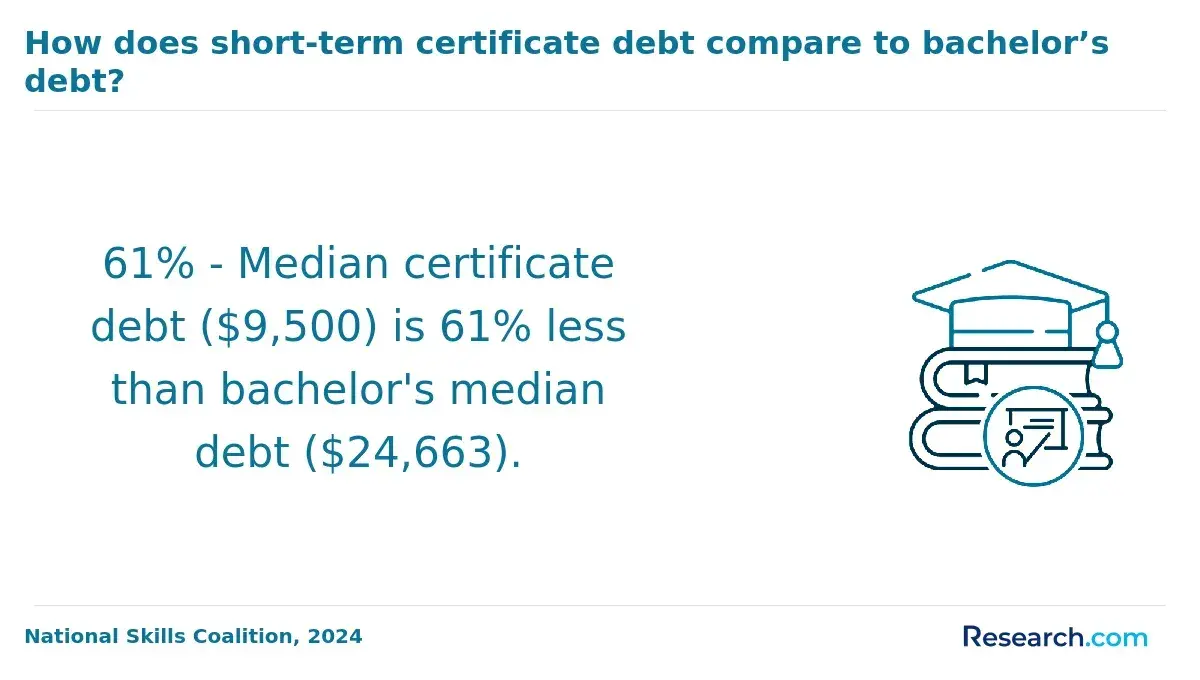
The return on investment (ROI) of pursuing an online master's in teaching English to speakers of other languages (TESOL) at Arizona State University depends heavily on balancing upfront costs against realistic salary expectations and career trajectories. The total yearly expense for tuition, fees, and related costs is approximately $34,845, which exceeds federal estimates for in-state, on-campus attendance.
Graduates begin with a median salary near $62,668, closely aligned with the broader labor market for TESOL professionals, indicating reasonable initial earning power relative to cost.
However, salary growth tends to plateau within five to ten years, a critical factor when weighing long-term financial benefits. Students who can access scholarships or grant aid may improve their net ROI by reducing debt burden; median student debt for graduates is around $19,500, producing an earnings-to-debt ratio just above 3x.
This ratio suggests that most alumni maintain financial returns that exceed debt levels, but this advantage relies on securing stable employment in sectors like school districts or international organizations, which actively employ TESOL expertise.
For prospective students, understanding these tradeoffs is essential: the degree's value is maximized when aligned with targeted career paths offering consistent pay and low debt. Without scholarships or favorable job placement, the initial investment and moderate salary growth may constrain financial gains over time.
Is there a high student satisfaction for Arizona State University's online Master of Teaching English to Speakers of Other Languages (TESOL) program?
Student satisfaction in the online master of teaching English to speakers of other languages (TESOL) program at Arizona State University tends to be moderate, largely shaped by the balance between academic rigor and flexible learning. While the program boasts a satisfactory completion rate, the experience can challenge those who struggle with remote learning dynamics, such as sustaining motivation and managing time effectively without face-to-face interaction.
Employers in the education sector often value practical skills and certification, so students must weigh the convenience of online study against the need for self-discipline and proactive engagement.
Arizona State University supports online TESOL students through dedicated mentoring and student organizations that create community and academic collaboration opportunities, which can alleviate feelings of isolation common in distance education. However, the extent to which these resources translate into a highly positive experience varies depending on individual student circumstances, such as prior online learning familiarity and outside commitments.
The university's sizable faculty and infrastructure indicate robust institutional support, yet satisfaction correlates strongly with each student's ability to leverage these tools amid the demands of balancing studies with work and personal life.
How does Arizona State University help online Master of Teaching English to Speakers of Other Languages (TESOL) graduates secure employment?
Arizona State University plays a critical role in facilitating employment for its online Master of Teaching English to Speakers of Other Languages (TESOL) graduates, reflecting a broader trend where institutional support markedly influences post-graduate job placement in education fields. Research indicates that nearly 70% of TESOL graduates secure their first positions through school-driven job portals or alumni networks, which highlights a significant advantage for those enrolled in programs with strong employment support.
Decision-making around program selection should weigh the value of these targeted job placement resources, especially when considering the competitive nature of language educator positions.
The practical impact of ASU's approach can be summarized by the ways it directly connects graduates to relevant opportunities through multiple avenues:
- Virtual Career Services: Specialized online workshops focus on resume-building for TESOL roles, helping students tailor their applications to meet typical hiring criteria in both remote and in-person educational settings.
- Job Fairs: Virtual events connect graduates with organizations actively recruiting English language instructors, enabling early exposure to hiring managers and potential for pre-graduation offers.
- Alumni Mentorship: An extensive alumni association offers structured mentorship, providing personalized career guidance and networking that frequently leads to job referrals and insider insights into hiring trends.
These resources illustrate the tangible ways Arizona State University supports online employment support for Arizona State University TESOL graduates. For prospective students balancing costs and benefits, reviewing online affordable master's programs is advisable to understand broader financial contexts alongside career placement advantages.
Ultimately, the strength of job placement resources for Arizona State University Master of Teaching English to Speakers of Other Languages alumni is a key factor that can influence the timeline and success of entering the TESOL workforce.
What are the career outcomes for recent graduates of Arizona State University's online Master of Teaching English to Speakers of Other Languages (TESOL)?
Career outcomes weigh heavily when evaluating the practical value of completing Arizona State University's online master of teaching English to speakers of other languages (TESOL). Graduates typically enter roles that demand both instructional skill and cultural competency, but these positions often come with salary ranges notably lower than STEM or business fields.
Understanding these tradeoffs matters because decisions about such programs hinge on balancing one's passion for language education with realistic salary expectations and long-term employment prospects.
Below are typical career paths reflecting the employment prospects after Arizona State University master of teaching English to speakers of other languages completion:
- ESL Teacher Roles: Professionals focus on providing classroom instruction to non-native English speakers, often in K-12 or adult education settings. Average salaries hover around $40,000 annually, aligning with broader teacher education compensation but lower than some specialized education sectors.
- Curriculum Developer Positions: These roles involve designing effective English language learning materials and programs for schools or community organizations, requiring pedagogical expertise combined with language proficiency. Pay is similar to teaching roles, but opportunities can increase with experience.
- Language Program Coordinator Jobs: Graduates may manage language acquisition initiatives, liaising between educators and communities to enhance program delivery. This administrative track can offer slightly higher salaries and professional growth but demands strong organizational skills.
- Advanced Instructional Roles: Those aiming to maximize earnings may pursue positions in instructional design or educational leadership within TESOL, typically requiring additional credentials or experience but providing more competitive compensation.
While these career opportunities for Arizona State University online TESOL graduates offer meaningful engagement in diverse educational environments, salary growth is generally modest compared to other fields. Aspirants should weigh these realities carefully.
For cost-conscious learners, exploring the cheapest self-paced online college options might provide alternate pathways with differing tradeoffs in time, cost, and credential recognition.
How do I know if Arizona State University's online Master of Teaching English to Speakers of Other Languages (TESOL) program is the right fit for my goals?
Determining if Arizona State University's online Master of Teaching English to Speakers of Other Languages (TESOL) program aligns with your professional trajectory requires more than surface-level comparison. A program's worth varies significantly depending on your career goals, teaching context, and long-term employability in diverse educational settings.
For example, a candidate aiming to teach English in community colleges or adult education programs might prioritize different elements than someone focusing on international K-12 schools or corporate language training.
Below are essential factors to consider when evaluating whether the program meets your specific academic and career needs.
- Curriculum Relevance: Assess if the coursework balances applied teaching methodologies, linguistics, and intercultural competence in ways that advance your desired teaching environment. Programs with heavy theoretical focus may be less practical for fast-entry classroom roles.
- Accreditation and Reputation: Investigate the program's standing within the TESOL professional community and education sector. Employer recognition and accredited credentials can affect your qualifying status for certain jobs or certificates.
- Learning Flexibility: Online delivery should match your schedule and learning preferences. Asynchronous courses may benefit working professionals balancing multiple commitments, but can limit real-time interaction which some roles demand.
- Support and Resources: Consider availability of academic advising, tech support, and practicum placements. Access to supervised teaching experiences can dramatically influence your readiness for practical classroom challenges.
- Cost Versus ROI: Weigh tuition and fees against potential salary improvements and career mobility. This includes evaluating networking opportunities with faculty and peers that often serve as gateways to job leads and collaborative projects.
Those unsure about their degree path might explore easier academic pathways such as an easiest bachelor degree to build foundational skills before committing to advanced specialized studies. In all, evaluating Arizona State University TESOL online degree fit for professional teaching ambitions involves a nuanced look at how program characteristics intersect with your personal career aims and workforce realities.
What Graduates Say About Arizona State University's Online Master of Teaching English to Speakers of Other Languages (TESOL) Program
- Amelia: "Completing the Master of Teaching English to Speakers of Other Languages (TESOL) program at Arizona State University gave me a solid academic foundation, but the real challenge was translating that into job market success. I found that many employers valued my practicum experience and teaching portfolio more than just the degree or licensure, which pushed me to focus heavily on classroom simulations and internships offered through the program. While salary growth has been steady, I've realized advancing often means pursuing additional certifications beyond the master's, so I'm planning my next steps accordingly."
- Yuna: "Studying TESOL at Arizona State University was an eye-opener in terms of flexibility, especially because the online format allowed me to work while studying. This balance let me speed through the program and enter the workforce faster, mainly in remote teaching roles that wouldn't have been possible otherwise. What surprised me was how competitive roles in traditional schools can be without additional state licensure, but the program's emphasis on practical teaching methods and cultural competency prepared me well for diverse ESL classrooms worldwide."
- Faith: "My experience at Arizona State University's TESOL Master's program was very practical, which aligned well with my career pivot into educational consulting. The coursework wasn't easy, and I had to juggle real-world teaching challenges alongside theory, but that made it invaluable. I've seen firsthand how employers prioritize a candidate's demonstrated ability to adapt lesson plans for different learners over just credentials, so the program's focus on hands-on assignments helped me build a portfolio that opened doors beyond traditional ESL teaching."
Other Things You Should Know About Degrees
The online Master of Teaching English to Speakers of Other Languages (TESOL) program at Arizona State University requires consistent engagement with coursework and practicums. While designed for flexibility, students balancing full-time jobs or family commitments may find the pace intensive, especially during field experience components that demand scheduled interaction with learners. Prioritizing time management and early planning for practicum hours is crucial to avoid falling behind. Those with less flexible schedules should carefully consider whether they can commit sufficient time without risking burnout or academic underperformance.
Arizona State University's TESOL program is primarily grounded in U.S. educational standards and pedagogical practices, which means its direct applicability can vary internationally. Graduates aiming to teach abroad may need to supplement their education with knowledge of local teaching certification requirements and cultural adaptation strategies. For students focused on domestic or U.S.-affiliated employment, the program offers strong alignment, but those with international ambitions should assess how well the curriculum addresses global teaching contexts or seek additional country-specific credentialing.
The practicum is a vital yet often demanding part of the TESOL program, requiring direct teaching experience that can be challenging to arrange for online students without local school partnerships. Arizona State University does provide guidelines for securing placements, but students must be proactive and resourceful in establishing their own sites, which may add to the logistical complexity. Selecting the program may be less advisable for those unable to engage deeply in the practicum, since this real-world teaching experience is crucial for skill development and employer readiness.
References
- Arizona State University (ASU) https://www.princetonreview.com/college/arizona-state-university-1023376
- Arizona State University Tesol Professional Certificate Price | ITTT https://www.tesolcourse.com/tefl-tesol-info/arizona-state-university-tesol-professional-certificate-price/
- TESOL https://aut-edu.uz/masters/tesol
- ASU program celebrates 50 years of teaching English to non-native speakers - The Arizona State Press https://www.statepress.com/article/2019/10/spcommunity-mtesol-celebrates-50-years
- Global Reach - Best Overseas Education Consultants | Study Abroad http://www.globalreach.in/course-details.php
- Top 10 Rankings of Arizona State University - Smart Edu Link https://www.smartedulink.com/blog-details/top-10-rankings-of-arizona-state-university/r/recS9FgQ3Hp1zDOWC