2027 Arizona State University Online BA in Fashion - Apparel Technical Design: Cost, Curriculum, Admissions, and Career Outcomes

Co-Founder and Chief Data Scientist
Students aiming to build a career in fashion often face challenges evaluating whether a program's curriculum and delivery method match their professional ambitions and learning preferences. This complexity intensifies when considering the online BA in Fashion - Apparel Technical Design at Arizona State University, especially as the market for remote higher education expands. In 2024, over 40% of undergraduate students nationwide enrolled in some form of online learning, reflecting a growing need for flexible programs that accommodate diverse schedules and career transitions. Understanding how this degree's structure, cost, and outcomes align with industry demands and personal goals is crucial for informed decision-making.
This article explores the cost, curriculum, admissions process, and career outcomes of Arizona State University's online BA in Fashion - Apparel Technical Design to help students determine if it meets their academic and professional needs.
Key Points About Arizona State University's BA in Fashion - Apparel Technical Design Program
- A 90% acceptance rate in this program lowers barriers for entry, yet students must weigh how a moderately selective admission aligns with their own academic competitiveness and career ambitions.
- A total tuition of $34,845 positions this degree as moderately priced, requiring students to consider debt load versus expected salary trajectories in fashion technical design roles.
- Graduates benefit from Arizona State University's employer reputation, but real-world success depends on leveraging faculty industry connections and practical skills to meet evolving design and production demands.
What can students expect from Arizona State University's online BA in Fashion - Apparel Technical Design curriculum?
Students enrolling in Arizona State University's online BA in Fashion - Apparel Technical Design should expect a curriculum that prioritizes technical proficiency alongside creative design, addressing the practical gap many employers observe between artistic concepts and manufacturable garments. This program's structure aligns with US occupational standards for apparel technical design, incorporating both theoretical and hands-on training essential for workforce readiness. Below are key curricular elements that illustrate this balance:
- Apparel Construction: This coursework requires students to understand garment assembly processes and fabric manipulation techniques, crucial for translating design sketches into viable products. Mastery here enables graduates to anticipate production challenges and optimize outcomes.
- Textile Science and Behavior: Students analyze fiber properties, fabric performance, and material selection impacts. This knowledge supports informed decisions related to durability, comfort, and cost, elements highly valued by technical design teams in fashion manufacturing.
- Computer-Aided Design (CAD): The program involves training in CAD software for technical sketching and patternmaking, reflecting industry demands for digital proficiency. Proficiency in these tools enhances accuracy and efficiency in product development workflows.
The inclusion of general education components further develops critical thinking and communication skills, embedding business awareness necessary for navigating fashion's commercial environment. For example, students tailoring their focus toward sustainable apparel or manufacturing technologies gain nuanced expertise that can distinguish them in competitive markets. ASU's online fashion design curriculum balances creativity and applied knowledge to meet evolving industry expectations, making it a practical consideration for those evaluating specialized fashion degrees.
Given this context, prospective students should closely examine how such programs fit their career goals and consider alternatives like exploring the easiest masters degrees if flexibility or accelerated pacing is a priority.
What are Arizona State University's admission requirements for online BA in Fashion - Apparel Technical Design program?
Admission to Arizona State University's online BA in fashion - apparel technical design program reflects a balance between establishing foundational academic preparedness and verifying practical readiness for an online, specialized discipline. For instance, a candidate transitioning from a high school diploma and limited design exposure must ensure they meet basic educational criteria while also demonstrating relevant skills through portfolios or resumes, which many employers value highly in creative sectors. Below are the primary requirements prospective students typically need to fulfill for this program.
- Educational background: Applicants must have completed high school or earned a GED certificate, establishing a basic academic foundation essential for undergraduate study.
- Secondary school records: Submission of transcripts documents academic history, helping admissions assess consistency and suitability, since a pattern of coursework relevant to design can enhance the application.
- English proficiency: The Test of English as a Foreign Language (TOEFL) is mandatory for non-native speakers to verify language skills sufficient for program comprehension and communication.
- Admission test scores: While SAT or ACT scores are not explicitly required, submitting test results or other formal competency demonstrations, such as portfolios or resumes, is recommended to provide evidence of preparedness.
- Letters of recommendation: These are suggested to supplement academic or professional endorsements and can strengthen an application by confirming skills or character traits valued by faculty and industry stakeholders.
Potential enrollees should also anticipate technological readiness, as participation requires access to a computer; Arizona State University facilitates solutions through purchase or lease plans. Transfer students need to note that dual credit and experiential learning credits are not recognized, but that Advanced Placement credits are accepted, a practical consideration for those advancing from high school with college-level coursework. These layered admission factors collectively shape how applicants navigate the entry process while aligning with employer expectations that combine academic and applied competencies in fashion and apparel technical design.
Is it difficult to get admitted to Arizona State University's online BA in Fashion - Apparel Technical Design program?
Admission to most BA in Fashion - Apparel Technical Design programs is moderately selective, balancing demand for creative design careers with limited program capacity. Competitive programs often factor in artistic portfolios, practical design skills, and academic records, creating a nuanced evaluation rather than relying solely on standardized test scores.
Arizona State University's online BA in Fashion - Apparel Technical Design reflects a fairly accessible entry point compared to many peers. With a 90% acceptance rate from roughly 68,840 applicants annually, the admissions process leans toward inclusivity, aided by the absence of SAT or ACT requirements. Despite this, applicants should anticipate a moderate level of competition due to sustained interest in flexible, industry-relevant design education, which can influence cohort quality and peer dynamics.
One graduate shared that although the application itself was straightforward, the pressure to demonstrate consistent academic performance and a clear focus on apparel technical design was palpable. "I felt a bit anxious about not having traditional test scores and worried whether my portfolio would stand out enough, but the online format's accessibility helped me submit everything confidently and on time," they explained, noting that practical preparation and clear communication of career goals were key to easing the admission experience.
What is the cost of attending an online BA in Fashion - Apparel Technical Design program at Arizona State University?
Tuition for the online BA in Fashion - Apparel Technical Design program at Arizona State University is set at a flat rate of $12,051 annually, excluding additional living expenses and books. This pricing structure eliminates typical state residency distinctions, which means out-of-state students pay no premium, a notable deviation from many public institutions where non-residents face higher tuition. However, when factoring in books and supplies averaging $1,320, the overall cost rises, putting the total annual expense near $34,845 when including room and board estimates typical for a full cost-of-attendance calculation.
This pricing model can influence decision-making, especially for students comparing Arizona State University online fashion design program tuition fees to other universities where in-state discounts might not apply or online programs add technology fees. For example, potential students should weigh the absence of online-specific fees and the predictability of flat tuition against the broader total cost of attendance reported for on-campus students, which the Federal Scorecard lists at $28,047 for in-state participants.
Costs for a bachelor's in fashion - apparel technical design nationally fluctuate significantly. Arizona State University's base tuition is competitive given this variability and its streamlined fee structure. Prospective students must assess how these tuition and fee configurations align with their budget and career goals, as upfront affordability does not always translate to best return on investment in design fields where portfolio quality and networking matter extensively.
For students evaluating majors with strong economic outcomes, knowing the nuances of program costs alongside market demand is crucial. One useful resource comparing economic prospects is the analysis of the best degrees to make money, which can contextualize the financial commitment against potential career earnings in fashion and related technical design sectors.
Are there financial aid options for online BA in Fashion - Apparel Technical Design students at Arizona State University?
Financial aid for online BA in fashion - apparel technical design students at Arizona State University plays a critical role in offsetting the significant expenses tied to higher education in a competitive creative industry. Access to various aid types can determine whether a student sustains enrollment or takes on burdensome debt, directly influencing long-term earning potential and career flexibility. Understanding the nuances of aid availability and eligibility helps in making informed choices about affordability and financial planning for those pursuing this specialized design degree. Below are key financial aid options commonly available to fashion design students at ASU.
- Federal Grants: Pell Grants and similar programs offer need-based funding that does not require repayment. Typically reserved for students demonstrating significant financial need through FAFSA applications, these grants can substantially diminish out-of-pocket costs for eligible undergraduates.
- Institutional Scholarships: ASU provides merit-based and need-based scholarships targeting diverse student populations, including those enrolled in design programs. Awards vary in amount, often requiring a competitive application process focused on academic achievement or financial hardship.
- Corporate Tuition Reimbursement: Employed students may qualify for employer-sponsored tuition assistance, which can cover partial or full tuition expenses if the employer participates in such programs, incentivizing continued professional development alongside work.
- Military Benefits: Veterans and active service members can leverage educational benefits such as the GI Bill. These benefits often cover substantial tuition fees, with ASU accommodating the administrative requirements to maximize this funding source.
- Student Loans: When grants and scholarships are insufficient, federal Direct Subsidized and Unsubsidized Loans become options. These loans have borrowing limits and require FAFSA completion, often necessitating careful consideration due to repayment obligations and interest accrual.
What learning resources are available to online BA in Fashion - Apparel Technical Design students at Arizona State University?
Effective learning resources are critical for students in the online BA in Fashion - Apparel Technical Design program at Arizona State University, as they directly impact the ability to navigate technical challenges and maintain consistent progress. Given the remote nature of the program, uninterrupted access to tailored support services can be the difference between staying on track and falling behind, especially when managing complex design software and virtual collaboration. Understanding these supports helps prospective students weigh the program's operational strengths. Below is an overview of the key learning resources that facilitate student success.
- Technical Support: A dedicated technology help desk addresses platform navigation, software compatibility, and connectivity issues, ensuring that technical disturbances do not impede coursework or project deadlines.
- Academic Advising: Personalized advising services guide students through course selection and academic challenges, making it easier to align education with career objectives in technical design.
- Virtual Tutoring: Online tutoring adapts to diverse learning needs, providing targeted assistance in both design concepts and general academic skills to improve mastery and project outcomes.
- Digital Library Access: Specialized fashion and apparel design resources are available through a comprehensive digital library, offering up-to-date industry publications and research materials critical for informed coursework.
- Career Services Networking: Resume workshops, interview coaching, and connections to internships create practical pathways into the fashion industry, which is essential given the competitive nature of technical design roles.
Does Arizona State University's online BA in Fashion - Apparel Technical Design program have in-person clinicals or practicums?
In-person clinicals or practicums remain a common benchmark for assessing hands-on competence in apparel technical design, with many employers valuing direct exposure to manufacturing environments and quality assurance processes. However, the Arizona State University Fashion design practicum opportunities differ from these norms by eliminating mandatory in-person requirements in its online Bachelor of Arts in fashion - apparel technical design program. This approach reflects a significant adaptation for students who need flexible, fully remote learning while still building practical skills.
Unlike traditional programs that often include supervised internships or studio-based practicums, Arizona State University's curriculum replaces these with virtual assignments, simulated industry scenarios, and training in relevant software such as computer-aided design (CAD). This means students do not have to complete on-site clinicals or practicums to graduate, which can limit opportunities to network and gain real-world workplace experience but increases accessibility for those balancing other commitments or unable to relocate.
Students seeking direct industry exposure alongside the academic rigor of the online BA in Fashion - Apparel Technical Design program are advised to pursue internships independently. Those evaluating this online course should weigh the tradeoff between convenience and the potentially stronger hiring advantage provided by hands-on practicum experience. Prospective students interested in flexible education options may also consider exploring additional resources like online courses for moms to complement their studies.
What careers can graduates of online BA in Fashion - Apparel Technical Design at Arizona State University secure?
The professional marketability of graduates with an online BA in Fashion - Apparel Technical Design from Arizona State University hinges on their technical skill set and industry knowledge, which directly influence long-term career opportunities. This program's emphasis on garment specifications, sizing standards, and fabric properties equips students for roles that demand both creative and analytical capabilities.
For potential students evaluating apparel technical design jobs in Arizona for ASU online BA graduates, weighing the alignment of curriculum focus and local industry needs is critical. Selecting this degree over more general fashion programs involves a tradeoff favoring technical specialization, which often corresponds with roles requiring precision and cross-functional collaboration in product lifecycle management. Below are several common career pathways reflecting the practical outcomes of this program:
- Apparel Technical Designer: Professionals who develop detailed garment specifications and ensure designs are production-ready, requiring thorough knowledge of construction and fabric behavior. Salaries vary widely but typically reflect mid-level technical design roles within fashion brands.
- Quality Assurance Specialist: Specialists oversee manufacturing processes to maintain product quality, identifying defects and coordinating with production teams. These roles often serve as vital checkpoints in supply chains, with remuneration aligned to the complexity of quality systems handled.
- Product Developer: Individuals manage apparel development from concept through manufacturing, coordinating with designers and suppliers. This role demands strong project management skills and offers competitive pay tied to brand reputation and product scope.
- Production Coordinator: Coordinators facilitate the logistics and communication between manufacturing units and brand teams to ensure delivery schedules are met in fast-paced environments.
For those exploring the cost-benefit analysis and career trajectories of this program, its graduates typically secure positions valued for bridging design creativity with production realities. This can position them well in competitive job markets, especially when paired with knowledge of CAD software and textile science, skills currently sought after in fashion and manufacturing sectors. Students intent on discerning the place of this degree within broader educational investments might also reference data on most lucrative masters degrees to contextualize opportunity costs and long-term returns.
What is the salary outlook for online BA in Fashion - Apparel Technical Design graduates?
The salary outlook for graduates with an online BA in Fashion - Apparel Technical Design at Arizona State University highlights a necessary tradeoff between passion-driven fields and earning potential. Alumni typically start with median salaries around $38,105, which is significantly below the university's overall median alumni salary of $62,668. This gap reflects the specialized nature of apparel technical design, where entry-level roles often focus on product development, technical specifications, and quality control without the immediate salary premium seen in other disciplines.
For those evaluating career earnings outlook for BA in Fashion - Apparel Technical Design alumni from Arizona State University, the reality is that growth requires gaining experience and specialization. Unlike engineering or computer science graduates who can command median salaries well above $56,000, fashion graduates face a narrower range of employers and slower income growth. This necessitates weighing early-career earnings against longer-term professional development and possible lateral moves within the fashion industry.
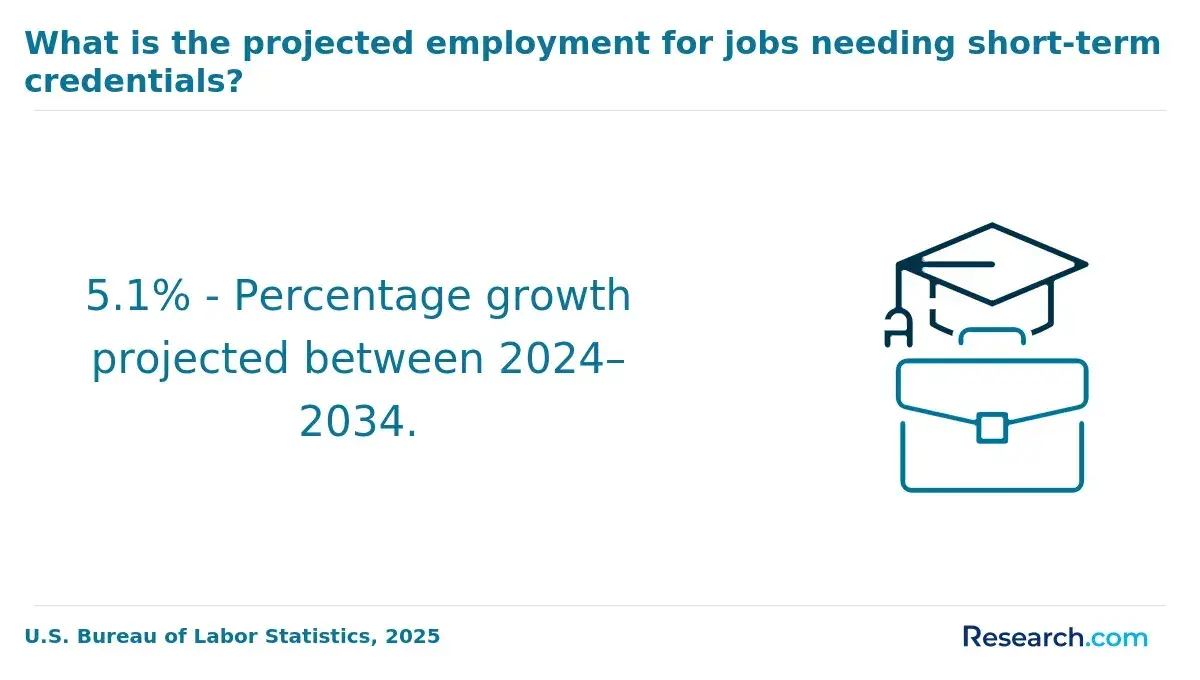
Students should also consider alternative credential pathways, such as enrolling in short certificate programs, which may offer quicker entry into higher-paying roles without the extended time and cost commitment of a full degree. This financial perspective is critical when assessing the value of an online BA in Fashion - Apparel Technical Design graduate salary in Arizona, especially given the competitive nature of design-related employment sectors.
How do you know if Arizona State University's online BA in Fashion - Apparel Technical Design program is the right choice for you?
Assessing whether Arizona State University's online BA in Fashion - Apparel Technical Design aligns with your personal and professional objectives is critical before committing. Students should thoughtfully consider how this program's design, delivery, and outcomes match their specific learning style, career ambitions, and need for industry-relevant skills. Key aspects to scrutinize include:
- Program Structure and Flexibility: Analyze how the online format supports your schedule and learning preferences. Determine if the balance of self-paced study with opportunities for virtual collaboration meets your need for both independence and peer engagement.
- Curriculum Breadth and Depth: Evaluate whether the technical focus on garment construction, patternmaking, and textile science corresponds with the roles you aspire to in apparel technical design or related fields.
- Hands-on Skill Development: Confirm that the program integrates applied projects and digital tools critical for operational readiness in a technology-driven fashion industry, rather than leaning heavily on theory alone.
- Career Support Services: Consider the availability and quality of advising, mentorship, and networking assistance tailored to online learners, which can influence your transition into technical fashion positions.
One graduate recounted choosing the program after weighing her full-time job constraints against her goal to enter technical design roles. She appreciated ASU's virtual studio setup, allowing flexible collaboration, yet initially hesitated over whether remote interaction would be robust enough to substitute for in-person experience. Over time, the emphasis on applied technical skills and accessible career advising reassured her decision, fitting both her learning habits and career transition timeline without compromising professional readiness.
What Graduates Say About Arizona State University's BA in Fashion - Apparel Technical Design Program
- Lily: "Studying at Arizona State University gave me a comprehensive understanding of apparel construction and technical specifications, which proved essential when transitioning into my role as a quality assurance specialist. The program's emphasis on realistic industry software tools and project-based learning helped me build a portfolio that employers actually valued, especially since many prioritized hands-on experience over formal licensure. Navigating job searches after graduation was competitive, but the flexibility of the online format allowed me to complete internships that directly influenced my career path."
- Angelina: "I appreciated how the BA in Fashion - Apparel Technical Design at Arizona State University balanced creative and technical skills, which gave me the confidence to pivot from retail to product development. While the program prepared me well for understanding fabric behaviors and production timelines, I quickly realized in the workforce that certifications and internal experience mattered more than my formal degree alone. Still, having that degree opened doors, particularly because it accommodated my schedule and enabled remote work options in this evolving industry."
- Allison: "The experience I had at Arizona State University was rigorous but practical, focusing on detailed garment specifications and fit analysis, which made the jump to a technical designer role smoother than I expected. I noticed early on that employers often looked beyond the degree to portfolios and relevant internships, so I took every opportunity to expand those during the program. While salary growth has some limits without additional credentials, my degree definitely accelerated my entry into the apparel design workforce and gave me a solid foundation to build on."
Other Things You Should Know About Degrees
This program blends creative design projects with detailed technical coursework, demanding steady time commitments for both conceptual work and technical accuracy. Students juggling work or family obligations should be prepared for weeks with high workload peaks, especially around portfolio submissions and technical assignments. Prioritizing strong time management skills early on is crucial to avoid falling behind.
The ba in fashion - apparel technical design offers foundational exposure to industry-standard software but focuses more heavily on design principles and manual technical skills. Students aiming for roles requiring advanced CAD or 3D modeling software may need to pursue supplementary training independently. Prioritizing such additional skills post-graduation could increase employability in competitive technical design roles.
The program does not require prior fashion experience but assumes a commitment to mastering a specialized skill set that combines fashion design and technical knowledge. Non-traditional students should expect an initial adjustment period to acclimate to industry-specific terminology and methods. To succeed, prospective entrants should carefully evaluate if they can dedicate extra effort upfront, especially in the first year, to build necessary foundational skills.
References
- Fashion Design - BA (Hons) - TUS https://tus.ie/courses/a8116/
- Is Arizona State really that easy to get into? https://talk.collegeconfidential.com/t/is-arizona-state-really-that-easy-to-get-into/1758958
- Fashion Design https://www.universum-ks.org/en/programs/fashion-design
- Fashion Designing Courses After 12th: A-Z Guide - Artemisia College https://www.artemisiacollege.com/blog/fashion-designing-courses-careers-skills/
- Bachelor Fashion Design - Viamoda https://www.viamoda.edu.pl/bachelor-fashion-design/