2027 Is Grand Canyon University's Online MEd in School Counseling Worth It? What Students Should Know

Co-Founder and Chief Data Scientist
Choosing an online MEd in School Counseling program involves balancing accreditation, flexibility, and alignment with state licensure requirements. With the U. S. Bureau of Labor Statistics projecting a faster-than-average growth rate for school counseling positions, candidates prioritize programs that expedite career entry without compromising rigor.
Accessibility and the ability to meet practicum standards remotely also weigh heavily for working professionals. Evaluating Grand Canyon University's program through this lens helps determine its fit for students juggling professional duties or geographic constraints. This article examines Grand Canyon University's online MEd in School Counseling to clarify how well it meets diverse student goals and evolving educational demands.
Key Points About Grand Canyon University's Online MEd in School Counseling Program
- The moderately difficult admission process with a 60% acceptance rate balances accessibility and selectivity, suggesting applicants should prepare thoroughly to meet program standards.
- Graduates earn a median salary of $42,186 with an earnings to debt ratio of 1.91x, indicating the $37,212 tuition reflects a fair long-term investment for advancing in school counseling careers.
- Employers generally value graduates' skills from the program, with alumni often progressing in school counseling roles, highlighting the program's positive workforce relevance despite its cost and selectivity.
What makes Grand Canyon University's online MEd in School Counseling program stand out?
Grand Canyon University's online MEd in School Counseling program offers practical flexibility for students balancing professional and personal responsibilities, a key consideration for many working adults entering school counseling. Unlike programs demanding synchronous attendance or on-campus presence, GCU's fully online format supports diverse schedules but requires self-motivation, impacting completion rates that currently average 43%.
This tradeoff between accessibility and persistence rates can influence how well students progress based on their time management skills and external commitments.
The program's distinctive strength lies in combining large-scale institutional resources with experiential learning, including multimedia content and virtual simulations that mirror real-world counseling challenges. This approach benefits students aiming to develop applied skills alongside theory, which is crucial for employability in increasingly complex school environments demanding adaptable, tech-savvy counselors.
Access to personalized advising and a sizable support system complements the curriculum, offering meaningful guidance through the program's demands despite its online nature.
Is it difficult to get admitted to Grand Canyon University's online MEd in School Counseling program?
Admission to most MEd in School Counseling programs tends to strike a balance between selectivity and accessibility, reflecting the profession's growing demand but also its standards to ensure quality preparation. While some universities implement stringent cutoffs and highly competitive entry, others accommodate a broader range of applicants to meet workforce needs.
This creates a practical middle ground for candidates who demonstrate reasonable academic readiness without requiring top percentile scores.
Grand Canyon University's online MEd in School Counseling aligns with this moderate admission difficulty. An acceptance rate of 60% signals a selective yet attainable program, allowing nearly two-thirds of its 47,978 yearly applicants a chance to enroll. Its SAT and ACT score thresholds-SAT verbal between 540 and 620, math 518 to 555, or an ACT composite of 19 to 78-reflect moderate academic expectations rather than rigorous filtering.
This suggests the program targets applicants who have foundational preparedness but may not excel at the highest testing levels, fitting a sizable demographic of prospective counseling students.
The tradeoff for this moderate entrance bar is a balanced cohort that can maintain program integrity without imposing prohibitive competition, which benefits applicants seeking credentialing without excessive admissions hurdles. It also positions graduates to enter a competitive job market, where schools seek well-rounded counselors able to meet increasing mental health demands.
One graduate recalled feeling uncertain at first because standardized test prep had been years prior, and the application's timing coincided with work-life pressures. "I knew I wasn't at the top of the test score range, so I spent extra time gathering recommendation letters and polishing my personal statement," she explained.
Despite some delays in submitting documents due to scheduling conflicts, she found the admissions process was straightforward overall, though it required strategic planning to meet all criteria within their deadlines.
How does the curriculum of Grand Canyon University's online MEd in School Counseling program stay aligned with current industry trends?
A strong school counseling program should reflect the evolving needs of students, schools, and the broader education system. Understanding how Grand Canyon University's online MEd in School Counseling curriculum stays aligned with current industry trends can help prospective students determine whether it provides the knowledge and skills needed for today's counseling profession.
Focus on Critical Competencies: The curriculum addresses mental health awareness, social-emotional learning, and crisis intervention, which are increasingly prioritized by employers. This prepares students to navigate diverse student needs but requires ongoing adaptation to shifting best practices and policy changes in educational environments.
Integration of Practical Experience: Incorporating practicum and internship components offers essential hands-on training that meets licensure prerequisites and employer expectations. However, the quality and relevance of these placements can vary, affecting the graduate's immediate job performance and long-term career trajectory.
Use of Technology and Data: Emphasizing counseling technologies and data-driven decision-making enables graduates to contribute measurable outcomes in schools. This increasingly distinguishes candidates but demands continuous skill updates as digital tools evolve.
This program update reflects broader updates in the Grand Canyon University school counseling program, reflecting current professional practices, which enhance employability but require students to critically evaluate how the online delivery affects experiential learning depth. As school counseling roles transform alongside rising student mental health needs, decision-makers should consider these curricular elements in light of real-world constraints and employer feedback.
Prospective students may also explore comparative program lengths and formats, including insights from 1 year PhD programs online free, to assess the fit for their career timelines and goals.
Tuition for Grand Canyon University's online MEd in School Counseling program is set at a flat rate of $17,450 annually, excluding additional costs such as books and living expenses. Factoring in these, total costs can approach $37,212 per year when including fees, room, and board-though online learners avoid extra technology fees and benefit from in-state tuition regardless of residency.
This pricing structure can significantly alter the financial calculus for out-of-state students, making enrollment decisions dependent on weighing fixed tuition against variable living and supply expenses.
Additional costs like books and supplies typically add around $1,100 annually, a figure often overlooked by prospective students budgeting for the program. While 99% of undergraduates at Grand Canyon University receive financial aid averaging $7,744, graduate-level aid may vary but institutional and corporate reimbursement programs often play crucial roles in offsetting expenses. These funding opportunities can directly influence out-of-pocket costs and should be a key factor for applicants comparing programs in terms of net affordability and debt burden.
When benchmarked against the national landscape, Grand Canyon University's base tuition stands as competitive; comparable MEd in School Counseling programs may charge higher rates without the benefit of flat in-state tuition or the elimination of online-specific fees. This affordability is a critical variable for candidates balancing cost versus program flexibility, particularly in professions where starting salaries might not rapidly recoup educational expenditures. As such, probing detailed financial aid options alongside tuition is essential before committing.
Prospective students focused on the practical return on their investment should also consider exploring 2 year bachelor degree programs as alternative pathways or supplements depending on their prior academic background. Decisions on enrollment in Grand Canyon University online med in school counseling tuition offerings must be grounded in realistic assessments of total cost, financial aid impact, and projected career outcomes within counseling sectors.
Meeting the admission criteria for Grand Canyon University's online MEd in School Counseling influences both access to the program and readiness for its rigor, impacting long-term professional success. Prospective students should carefully examine these requirements to avoid application pitfalls and to understand how transferable credits or test scores may affect their academic timeline.
Below is an overview of the essential admission conditions.
- Educational Credentials: Applicants must have completed high school or possess an equivalent such as a GED, establishing a baseline education level required for graduate studies.
- Academic Records: Submission of secondary school GPA and records is necessary, with recommendations for college-preparatory coursework or class rank, which signal preparedness but are not absolute mandates.
- Language Proficiency: Non-native English speakers need to meet TOEFL score thresholds, ensuring they can engage with graduate-level curriculum and communicate effectively in a counseling context.
- Transfer Credits: The university accepts various transfer credits including ACE recommendations, CLEP, and DSST exams, allowing students to leverage prior learning and potentially shorten their completion time, though specific credit limits aren't publicly detailed.
- Supplementary Materials: While formal entrance exams aren't required, letters of recommendation and personal statements are advisable to demonstrate readiness and provide a more nuanced assessment beyond grades alone.
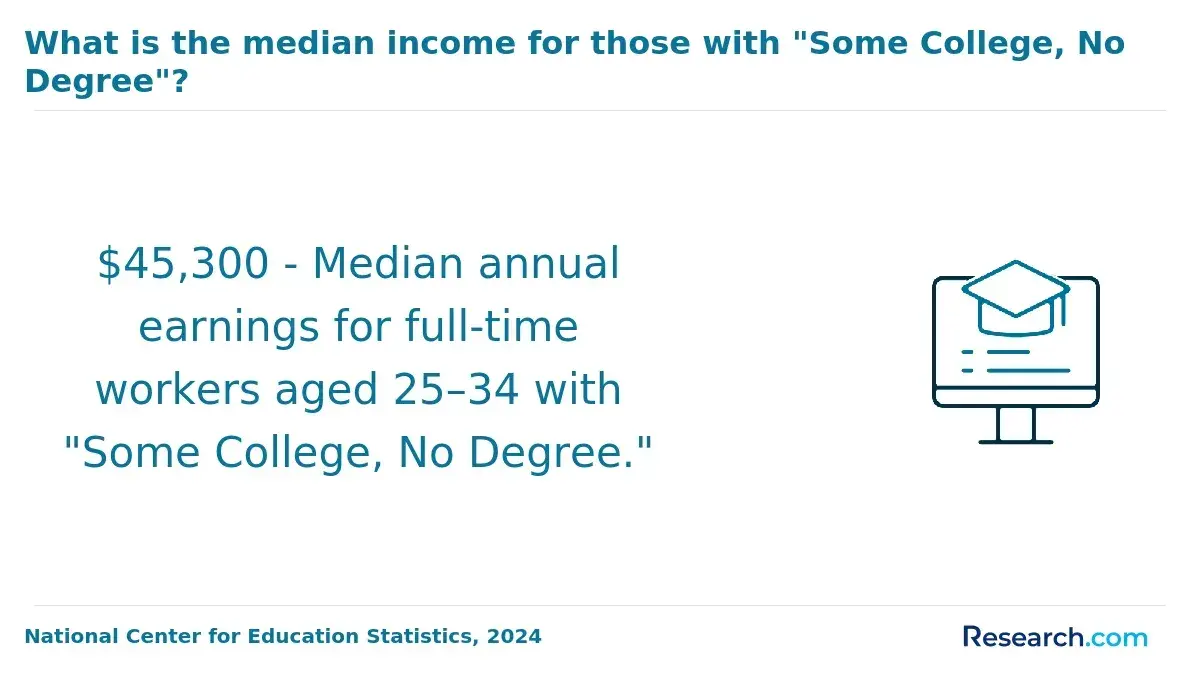
The return on investment for Grand Canyon University's online MEd in School Counseling hinges on balancing a relatively high annual cost of around $37,000 against a median graduate salary near $42,000. This earnings level, consistent even a decade post-graduation, positions the program's ROI in a moderate range where income growth potential is stable but limited.
Graduates enter fields like school districts or government agencies, which offer dependable employment but slower wage escalation compared to private sector roles.
For students weighing this program's value, scholarship and grant opportunities can notably reduce debt burdens and improve the earnings-to-debt ratio, which is approximately 1.9x based on median debt of $22,114. However, the potential to secure high-paying positions post-graduation is generally constrained by industry norms that favor experience and local certification over degree prestige, which may dampen long-term financial gains despite initial steady salaries.
Choosing this MEd in School Counseling should factor in career goals focused on stability and community impact rather than swift income advancement, acknowledging that the upfront investment is considerable but aligned with steady employment in education and student support roles.
Student satisfaction with Rand Canyon University's online MEd in School Counseling program tends to reflect the complex balance between flexibility and structure critical in graduate education. Many students find value in the program's adaptability, which permits managing coursework alongside personal and professional obligations. However, this flexibility comes with a tradeoff: success often hinges on strong self-discipline and initiative, as some students encounter challenges due to limited direct faculty interaction and variable access to support services.
The student culture includes engagement opportunities such as online mentoring and student-led groups, which can foster a sense of community despite the remote setting. Still, experiences vary widely; some learners benefit significantly from these networks, while others report feeling isolated or requiring more proactive outreach from instructors. The program's moderate graduation rate underlines these mixed outcomes, highlighting that while academic resources exist, they may not consistently meet all students' needs for retention and motivation in an online environment.
Ultimately, satisfaction depends on individual learning preferences and the ability to navigate less structured settings. Those who thrive tend to be self-directed and utilize the mentoring programs effectively, whereas students needing frequent, personalized contact might find the experience less rewarding.
One graduate recalls feeling uncertain at first due to juggling a full-time job and family responsibilities, questioning if the online format would suit their learning style. Over time, the mentoring support and flexible deadlines helped maintain momentum. "I wasn't sure I could keep up without in-person classes, but having access to peers and advisors online made the difference," they reflected, underscoring that personal motivation combined with available support largely shaped their overall satisfaction.
Employment outcomes for graduates of online MEd in School Counseling programs often hinge on the institution's ability to integrate students into relevant professional networks before and after graduation. Schools significantly influence job prospects through formal connections with employers, in some cases accounting for about 45% of hires via institutional referrals. For many candidates, especially in education fields, leveraging established relationships can make the difference between prolonged job searching and timely placement.
This dynamic is evident in Grand Canyon University's school counseling job placement support, which emphasizes leveraging institutional channels to bridge graduates with hiring districts and counseling organizations. The following highlights key resources that can shape employment results:
- Virtual Job Fairs: These targeted events connect students directly with school districts and counseling employers regionally and nationally, allowing early engagement with hiring managers and often fast-tracking interview invitations.
- Resume Workshops: Specialized sessions focus on counseling-specific skills and certifications, helping candidates tailor their resumes for the distinct requirements school employers prioritize.
- Job Placement Portal: A dedicated platform lists openings curated for school counseling roles, enabling a more efficient and focused job search in a competitive market.
- Alumni Mentorship: Current students gain access to experienced graduates who provide industry insights and networking opportunities, reflecting how roughly 65% of education professionals secure jobs through networking.
These components reflect how online MEd in School Counseling career services at Grand Canyon University actively align academic credentials with real-world hiring mechanisms, which is crucial since schools and universities remain central actors in employment pathways. Prospective students should weigh these integrated supports alongside program content when evaluating the practical value of their degree path compared to other options.
For those balancing cost considerations with career outcomes, data comparing affordability and support services from various providers may provide additional perspective; one resource to consider is the cheapest online college rankings.
Career outcomes are a critical factor when assessing the value of an online MEd in School Counseling, especially given the practical demands of education and mental health roles in Arizona. Graduates must weigh whether their degree translates into meaningful employment and competitive salaries within local school systems and allied mental health services.
Understanding the typical roles and compensation linked to this degree highlights its real-world applicability and how it fits into broader workforce trends for graduates of online MEd in School Counseling degree holders in Arizona. The following points summarize relevant career paths and associated earning potential.
- School Counselor Roles: Graduates often secure positions as school counselors, aiding students with academic guidance, career planning, and social-emotional support. These roles typically offer salaries near $34,000, reflecting stable placements within educational institutions focused on student success.
- Academic Advisor Positions: Some alumni work as academic advisors, helping students navigate course selections and degree requirements. Earnings align closely with median salaries around $34,800, emphasizing steady demand for guidance professionals.
- Behavioral Specialist Opportunities: Specializing in behavioral interventions, these roles leverage counseling skills to manage student behavior and promote positive school climates. Compensation averages about $35,000, consistent with specialized education and behavioral support functions.
- Mental Health Services Roles: Graduates applying their skills in broader mental and social health services can expect median salaries near $34,191, indicative of competitive pay across both school-based and allied professions.
Employers increasingly look for credentials that balance counseling theory with applied student support skills, meaning graduates must assess how their MEd integrates with state certification and local opportunities. Navigating this balance influences employability and advancement within Arizona's educational sector.
For those exploring efficient credentialing routes, short certificate programs that pay well online may serve as supplemental options to enhance career flexibility and income potential.
Determining if grand canyon university online MEd in School Counseling aligns with career goals requires analyzing how well the program's features match the specific academic and professional objectives of the student. For example, a candidate seeking licensure in a state with stringent certification standards will need a program whose curriculum prepares them adequately for those exams and practical requirements.
Not every online MEd in School Counseling program offers the same pathways or outcomes, so vetting these elements upfront is crucial. Several factors contribute to the overall fit of a counseling degree for student success, including these:
- Curriculum Alignment: Ensuring the coursework comprehensively covers required competencies and state licensure criteria is essential. Prospective students should review course content and licensure support services to verify compatibility with their career targets.
- Program Delivery and Flexibility: The modality-whether synchronous, asynchronous, or hybrid-and the schedule's adaptability impacts the ability to balance study with personal and professional commitments. Assess if the learning format suits your time management and engagement preferences.
- Field Experiences and Internships: Access to quality, localized practical placements is a decisive factor. Confirm how the university assists in securing internships that meet both program standards and your geographical or specialty interests.
- Outcome Metrics and Reputation: Proven graduate success through licensure pass rates and employment statistics may indicate stronger industry recognition. This dimension informs the return on investment in terms of job market readiness.
Those evaluating the fit of Grand Canyon University online MEd in school counseling program for student success must weigh these real-world variables alongside their goals. Additionally, for students exploring doctoral options with minimal dissertation demands, the landscape of doctoral programs online no dissertation requirements may provide alternative pathways beyond a master's degree.
What Graduates Say About Grand Canyon University's Online MEd in School Counseling Program
- Michael: "Studying at Grand Canyon University gave me a practical foundation, but what really impacted my career was understanding the competitive nature of school counseling jobs. I realized quickly that many districts weigh hands-on experience and internship portfolios heavily, sometimes even more than the MEd itself. The program's flexibility allowed me to balance work while completing my studies, which was crucial for me to stay financially stable during the transition."
- Kiara: "The MEd in School Counseling program at Grand Canyon University helped me pivot effectively when I found that licensure alone wouldn't guarantee advancement. While my degrees opened doors, I faced limitations in salary growth without additional certifications. Still, the remote learning format and real-world case studies prepared me for counseling diverse student populations, which has been invaluable in my day-to-day work."
- Justin: "I appreciated the balance Grand Canyon University's program struck between theory and practical applications. However, entering the workforce revealed that many employers focus on prior counseling internships and specialized certifications more than the degree itself. Navigating this reality meant I had to supplement my education with extra credentialing, but the program's comprehensive curriculum definitely made that step clearer and more manageable."
Other Things You Should Know About Degrees
In 2027, Grand Canyon University's Online MEd in School Counseling program emphasizes connecting students through virtual networking events, webinars, and forums. The university offers mentorship opportunities and access to a comprehensive alumni network, enhancing students' professional growth in an online environment.
Grand Canyon University requires in-person practicum and internship hours, which means online students must secure appropriate placements locally, often guided by the university's field services team. However, the burden of finding and vetting these opportunities largely falls on the student, which can be a significant hurdle in areas with limited school counseling resources. Those seriously considering the program should prioritize verifying access to quality placement sites early to avoid last-minute complications that impact clinical experience completion.
The MEd in School Counseling at Grand Canyon University is designed to meet general CACREP-aligned standards and prepares students for licensure in many states, but specific requirements vary considerably. Students aiming to practice outside of Arizona should proactively research their target state's certification criteria and consult the university's licensing advisors to confirm coursework aligns with those standards. Given the complexity of state-by-state differences, prioritizing clear licensure guidance is essential to avoid costly additional courses or delays after graduation.
Applicants usually need a regionally accredited bachelor’s degree, official transcripts, and a completed graduate application. Some candidates may also be asked for a minimum GPA, a statement of purpose, and recommendation letters. Exact requirements can vary by catalog year, so applicants should verify the 2027 admissions checklist.
- How You can Advance Your Career with a Master's Degree in School Counseling - Graduate Programs for Educators https://www.graduateprogram.org/blog/how-you-can-advance-your-career-with-a-masters-degree-in-school-counseling/
- Application Deadlines https://www.eastern.edu/academics/college-education/graduate-education-programs/med-school-counseling/admission-requirements
- Grand Canyon University Ranking: What You Need To Know https://www.staging.westernautisticschool.vic.edu.au/vic-news/grand-canyon-university-ranking-what-you-need-to-know-1767648806
- How to Choose a Medical School https://www.princetonreview.com/med-school-advice/how-to-choose-a-medical-school
- Online Colleges for a Masters in School Counseling https://onlinecounselingguide.com/online-counseling-schools/masters-in-school-counseling/
- School Counseling - CACREP https://www.cacrep.org/program/auto-draft-496/
- Grand Canyon University Clinical, Counseling and Applied Psychology | 78% Acceptance Rate, ROI 61/100 https://www.gradgpt.com/grand-canyon-university/masters/clinical-counseling-and-applied-psychology
- How To Choose The Best Masters In Counseling Program? - MastersInCounseling.org https://mastersincounseling.org/what-advice-do-you-have-for-someone-trying-to-choose-the-best-masters-in-counseling-program/
- 30 Best Online Master's in School Counseling Programs https://schoolcounselingmasters.org/online-masters-school-counseling-programs/