2027 Is National University's Online PhD-Ed in International Education & Globalization Worth It? What Students Should Know

Co-Founder and Chief Data Scientist
Choosing an online phd-ed in international education & globalization program requires balancing academic rigor with flexibility, especially for busy professionals. With the U. S. Department of Education reporting a 15% rise in online doctoral enrollments, accessibility remains key, but program quality and alignment with career goals are often overlooked. Many candidates question if national university's program effectively prepares them for complex global challenges or simply extends credentials. Understanding how this program matches personal research interests, faculty expertise, and professional networks is crucial. This article explores these dimensions to help prospective students assess if national university's online phd-ed suits their ambitions and learning preferences.
Key Points About National University's Online PhD-Ed in International Education & Globalization Program
- National University's online PhD-Ed in International Education & Globalization program has open admission, enabling broad access while requiring a substantial total tuition cost of $38,943, which may affect financial planning.
- The program's faculty expertise supports alumni career success, reflected in a median salary of $67,548, signaling positive employment prospects in education and global sectors.
- An earnings to debt ratio of 2.70x presents moderate return on investment, indicating practical but cautious consideration for those targeting advanced roles in international education.
What makes National University's online PhD-Ed in International Education & Globalization program stand out?
The structure of National University's online PhD-Ed in International Education & Globalization program is particularly suited for professionals balancing careers with doctoral work, offering critical flexibility through its fully online, mixed asynchronous and synchronous delivery. This format allows international education specialists to engage deeply on their own schedules while still benefiting from real-time peer and faculty interactions. For working professionals aiming to maintain global commitments without sacrificing academic rigor, this balance can be a decisive factor in completion and continued professional relevance.
Its sizable faculty-344 full-time and 2,668 part-time members-provides diverse expertise that enriches academic mentorship and research guidance, vital for doctoral candidates focused on nuanced issues in international education. The program's 50% graduation rate underscores the demanding nature of the curriculum, but also signals a support system structured enough to help motivated students navigate the complexities of global education research and leadership. This combination of faculty depth, flexible delivery, and outcomes makes the program particularly valuable for those targeting roles in international policy, education administration, or academic research where advanced, context-aware knowledge is critical.
Is it difficult to get admitted to National University's online PhD-Ed in International Education & Globalization program?
Admission to most PhD-Ed in International Education & Globalization programs tends to be highly selective, with competitive criteria reflecting applicants' academic rigor, test scores, and research potential. Many universities limit enrollments due to faculty capacity and funding, making acceptance rates relatively low and demanding thorough preparation. Candidates often invest significant time refining research proposals and securing strong recommendations to navigate these competitive bottlenecks.
In contrast, National University's online PhD-Ed in International Education & Globalization program features a distinctly open admission policy, characterized as "open admission; noncompetitive." This structure eliminates traditional barriers such as SAT or ACT requirements and restricts neither enrollment size nor stringent evaluation measures. The decreased selectivity reflects a broader institutional commitment to accessibility but may also signal less differentiation among incoming cohorts compared to more exclusive programs.
This open admission model can be advantageous for those balancing work, family, or nontraditional academic backgrounds by simplifying entry logistics. However, it may require prospective students to self-assess their readiness for doctoral-level work without relying on admissions filtering. Employers and academic peers often weigh the rigor of the credential and the selectivity of the institution when evaluating doctoral qualifications, so an open admission path might carry different professional implications depending on context.
One alum recalled that despite initial hesitation about the looseness of the admission criteria, the application process itself was straightforward but required rapid decision-making. "I delayed applying because I worried about prerequisites that weren't actually needed," they said, "and once I realized how open it was, I scrambled to submit my materials quickly to start the term. That urgency was both stressful and a relief-it pushed me to commit faster than I expected." This experience highlights the practical tradeoff between accessibility and the internal readiness pressure students may face when entering a less competitive program.
How does the curriculum of National University's online PhD-Ed in International Education & Globalization program stay aligned with current industry trends?
Aligning an online PhD-Ed in International Education & Globalization program with rapidly evolving global education trends requires integrating both theoretical rigor and real-world applicability. Employers in international education increasingly value candidates who demonstrate practical expertise alongside scholarly insight, especially in navigating complex cross-cultural and policy environments. National University's curriculum reflects this demand by emphasizing courses that enable students to engage with contemporary international education challenges directly. The following factors highlight how the alignment of online PhD-Ed curriculum with global education trends supports workforce readiness and strategic decision-making:
- Applied Research Integration: Students conduct dissertation work and research projects focused on real-world issues, which fosters critical problem-solving skills directly applicable to academia, governmental bodies, and NGOs. This practical engagement bridges the gap between theory and policy implementation.
- Theoretical and Policy Frameworks: Coursework includes globalization theories and international policy formulation, equipping candidates with analytical tools necessary for strategic leadership in diverse educational systems and fostering a nuanced understanding of global education dynamics.
- Collaborative Networking Opportunities: The curriculum encourages partnerships with international organizations, providing exposure to decision-makers and operational realities. This networking is crucial for career advancement in fields requiring nuanced cultural and political fluency.
While National University's approach offers a solid foundation aligned with standard industry expectations, prospective students should weigh the tradeoffs between theoretical study and the practical demands of their intended career paths. Detailed program components interact with workforce realities, meaning those prioritizing direct policy impact or cross-sector mobility may find this program strategically aligned. For those still exploring options, comparing with a range of programs-including some recognized for expedited or less intensive pathways such as the easiest online masters-can clarify the best fit relative to personal and professional goals.
Tuition for the National University online phd-ed in International Education & Globalization program is $13,320 annually, exclusive of additional fees and supplies that push the total estimated yearly cost to nearly $39,000. This reflects expenses for books, room, board, and living costs that are necessary for many but may vary significantly based on individual circumstances. The absence of specific online technology fees simplifies the financial planning for remote students, who benefit from a flat-rate in-state tuition nationwide, a factor that can streamline budgeting compared to other institutions with regional rate differences.
Considering the real-world financial impact, prospective students should note that roughly 77% of National University undergraduates receive some form of financial aid, averaging around $6,275. While detailed aid data for this PhD program is limited, examining institutional grants and employer tuition reimbursement programs is advised given the growing prevalence of corporate partnerships supporting advanced degrees. Such financial assistance can substantially offset the cost, especially for professionals balancing work and study.
The cost of National University phd-ed in international education programs tends to be more transparent and comparatively moderate against peers across the country, where doctorate tuition for similar programs can be substantially higher. This pricing approach may attract candidates prioritizing fixed tuition costs without location-based variance, an important consideration for those weighing the total investment against potential career outcomes in international education leadership roles.
For students evaluating educational options, exploring a range of online degree programs can highlight diverse structures and cost frameworks, helping to clarify the tradeoffs between tuition expenses and program flexibility. Weighing these factors is key to aligning long-term career goals with the financial demands of doctoral-level study in the global education sector.
Admission to national university's online phd-ed in international education & globalization maintains an accessible threshold that balances open eligibility with necessary academic readiness. This approach can benefit those re-entering education after a gap or with non-traditional backgrounds, but it also places the onus on applicants to ensure their prior learning equivalencies align with doctoral-level rigor. Understanding these nuances can impact transfer credit acceptance and progression speed. Below are key admissions criteria applicants must consider.
- Educational Background: Candidates must have completed high school or possess a General Educational Development (GED) certificate, reflecting a fundamental but minimal academic entry point compared to many doctoral programs that require master's degrees.
- Transfer Credits: National university generally accepts a variety of transferable credits, including those recognized by the American Council on Education (ACE) and standardized exams like CLEP, DSST, and Excelsior, which can accelerate degree completion for qualified students.
- Testing Requirements: The program does not mandate SAT or ACT scores, which lowers entry barriers relative to many doctoral-level admissions that demand GRE or similar standardized tests.
- Supplemental Materials: Although not explicitly stated, doctoral-level candidates should be prepared to provide letters of recommendation, personal statements, and possibly resumes to demonstrate research aptitude and professional readiness.
- Technical Needs: While a personal computer is required for participation, the university does not offer purchase or lease options, making it incumbent on students to secure compatible technology independently.
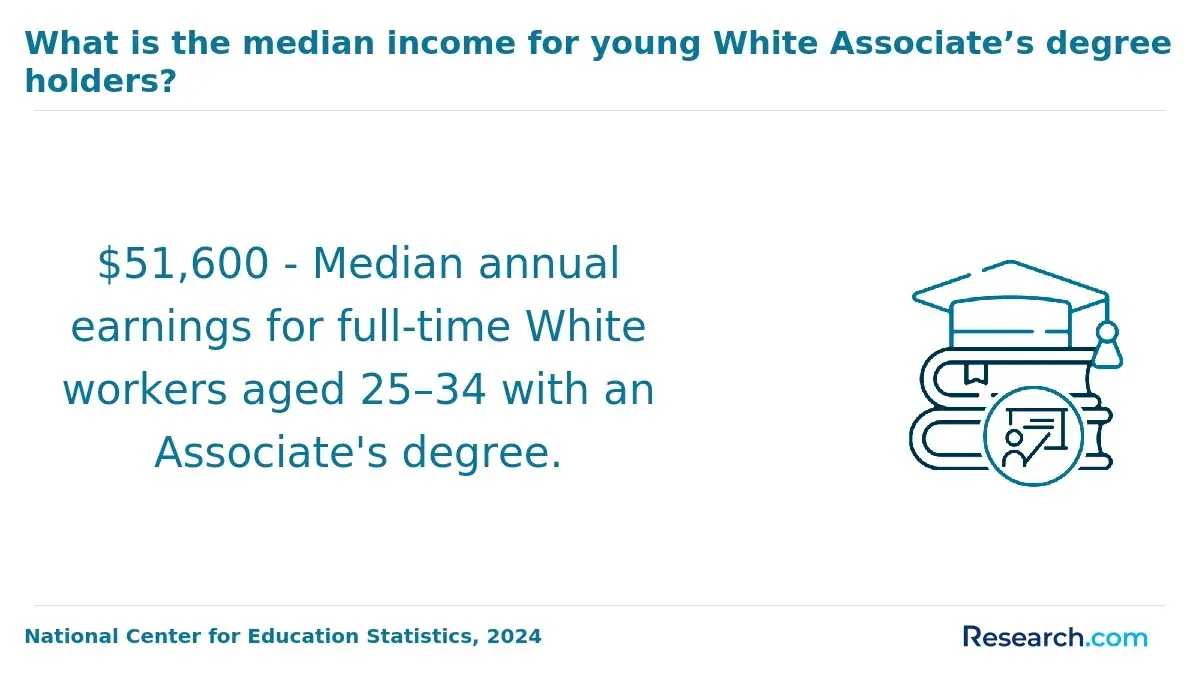
Evaluating the return on investment (ROI) for National University's online PhD-Ed in International Education & Globalization requires more than comparing tuition costs to starting salaries. While the total annual cost is approximately $38,943, the median graduate salary begins at around $67,548, a figure that remains stable even a decade after graduation. This stability suggests the degree supports consistent income but does not guarantee rapid salary growth, contrasting with other fields where PhD graduates may experience steeper increases early in their careers.
The practical value of this degree depends significantly on a student's financial strategy and career networks. For example, those who secure scholarships or grants can reduce debt burdens below the average $25,000, improving their earnings-to-debt ratio, which stands at approximately 2.7x. Graduates typically find roles in sectors like international education organizations or government agencies, where salary progression is often gradual but accompanied by increasing leadership responsibilities.
This dynamic means prospective students should weigh their ability to leverage professional opportunities post-graduation against the program's costs. The tradeoff includes delayed financial returns compared to other doctoral pathways but aligns with careers favoring global education expertise. Realistically, ROI hinges on factors beyond tuition and salary-such as networking, geographic mobility, and sector-specific demand-impacting whether the investment leads to sustainable economic and professional gains.
Student satisfaction in national university's online PhD-Ed in International Education & Globalization hinges largely on balancing the program's rigorous demands with meaningful support structures. Employer expectations for doctoral credentials in this field emphasize both research depth and applied leadership skills. Consequently, a completion rate around 50% suggests a demanding academic environment where persistence is essential, and inadequate support can exacerbate dropout risks. For professionals juggling work and study, the program's flexibility is a valuable asset but also requires strong time management to avoid common pitfalls like isolation and stress.
The university's provision of student-led organizations and online mentoring attempts to replicate a collaborative academic culture vital for doctoral success, especially for remote learners. These resources foster peer engagement and access to guidance that help mitigate isolation, a frequent drawback in online doctoral education. Nevertheless, individual experiences may vary depending on how actively students leverage these communities. The presence of sizeable faculty and staff resources indicates institutional capability to support students well, but maintaining consistent, personalized interaction remains a practical challenge with large enrollments.
One graduate shared that while initial hesitation about committing to an online PhD-Ed program was strong-worried about losing connection to peers and faculty-they found that regular participation in mentoring sessions and virtual study groups made a substantial difference. "It wasn't always easy to stay motivated alone," they noted, "but those structured touchpoints kept me accountable and connected." Their experience underscores that student satisfaction is closely tied to how effectively the program's supportive elements are engaged alongside managing its inherent academic rigor.
Graduate employment outcomes for online PhD-Ed in International Education & Globalization programs depend heavily on institutional support structures, as these shape access to meaningful job markets. National University's approach reflects a recognition that robust career connections increase hiring prospects in specialized education and global development sectors. Research indicates that graduates from universities with active alumni networks and targeted career services are 20% more likely to secure relevant employment within six months after graduation. This statistic highlights the tangible benefit of National University's employment support model. Practical access to employer networks and skill refinement is key. Below are specific mechanisms the school uses to enhance employment chances:
- Virtual Job Fairs: The university hosts online fairs linking students with employers focused on education and globalization, providing early exposure to potential workplaces and hiring managers, sometimes before degree completion.
- Resume and Interview Workshops: Candidates receive tailored assistance to develop application materials and interview techniques suited to competitive, often international, education job markets, improving candidacy quality.
- Alumni Mentorship Programs: Thousands of graduates worldwide participate in mentorships, allowing current students to gain insights and professional contacts especially relevant to academia, NGOs, and policy organizations.
- Network Leverage: The active alumni association amplifies opportunities by connecting new graduates to established professionals, thus reducing hiring friction in complex global education fields.
This engagement with employers and alumni is essential in fields where advanced degrees alone do not guarantee positions with influence or stability. For students evaluating whether to pursue the online PhD-Ed in International Education & Globalization, assessing how these services fit their career plans is crucial. Those interested in faster degree pathways might also examine options like the quickest associates degree programs as alternative entry points or complementary training.
Graduates from national university's online phd-ed in international education & globalization face a career landscape shaped more by influence and leadership than by high earnings. Comparing these outcomes matters because aspiring candidates must weigh specialized academic and policy roles against broader, higher-paying fields like computer science. Employment opportunities for national university online international education doctorates often emphasize positions that impact educational policy and program development internationally rather than technical or commercial roles, which generally offer greater salaries. This tradeoff highlights the program's niche but meaningful reach in global education.
Typical career paths illustrate the sector's practical realities; consider an alumnus working as a policy analyst in a global non-profit managing education initiatives across countries. While such roles may offer modest financial rewards-average salaries align near $35,518 to $39,572-they provide substantial intellectual engagement and opportunities to shape international education agendas. Below are some common roles recent graduates take on.
- University Faculty: Graduates frequently secure research and teaching positions focused on international education topics, shaping future educators and conducting transformative studies. These academic roles come with responsibilities for curriculum development and often earn salaries modest relative to STEM fields.
- Policy Analysts and Consultants: Working with government agencies or NGOs, these professionals analyze and design education policies targeting globalization challenges. They earn in a range reflective of non-technical policy sectors, balancing influence with lower pay.
- Educational Program Developers: Graduates develop and implement global education initiatives, coordinating stakeholders across borders often within international organizations. Compensation aligns with nonprofit or government funding constraints but enables practical impact.
In evaluating whether the phd-ed in international education & globalization is worth it, candidates should consider the program's alignment with their career intentions and financial expectations. For those prioritizing roles that influence education systems globally over higher immediate earnings, the specialized training provides valuable credentials. For other audiences, exploring easy certifications to get online may offer quicker paths to better-paying opportunities.
Determining if National University's online PhD-Ed in International Education & Globalization program aligns with your goals hinges on weighing several intertwined factors that affect both academic fit and career outcomes. For instance, if your aim is to enter high-level policymaking or global education research, choosing a program without appropriate faculty expertise or relevant specialization can limit your professional trajectory. Several dimensions warrant careful consideration when assessing whether this program suits your ambitions.
Key criteria to evaluate include the following:
- Research Focus And Specialization: Ensure the program's themes align closely with your desired expertise areas within international education and globalization. Scrutinizing dissertation topics from recent cohorts can offer insight into the program's substantive strengths and institutional priorities.
- Faculty Expertise And Mentorship: Access to professors actively publishing and networking in global education enhances both learning quality and professional opportunities. Confirm that mentorship structures accommodate the distinct needs of online doctoral candidates, especially in navigating research challenges remotely.
- Program Flexibility And Delivery: Since doctoral work demands long-term independent research, it's crucial the online format and course scheduling support your personal commitments without sacrificing academic rigor or access to resources.
- Funding And Cost Considerations: The financial investment should be evaluated against potential scholarships and assistantships. Also consider the return on investment based on career paths, such as academia or international organizations, where salary scales and advancement vary widely.
- Career Outcomes And Alumni Success: Investigate career trajectories of past graduates to gauge the program's effectiveness in preparing students for roles that require advanced expertise in international education. This includes examining how well the program meets specific employment expectations in your intended sector.
Additionally, it is helpful to explore related educational pathways, such as accelerated online bachelor degree programs accredited, which may serve as foundational steps or alternatives depending on your qualifications or timeline. Reflecting on the national university online phd-ed program admission requirements will clarify whether your experience and academic background position you to thrive within this doctoral environment.
What Graduates Say About National University's Online PhD-Ed in International Education & Globalization Program
- Scarlett: "Studying the phd-ed in international education & globalization at National University really sharpened my analytical skills, especially in understanding global education policies. However, I quickly learned that in many hiring processes, employers favored candidates with extensive portfolios or practical experience over just licensure, which meant I had to actively seek internships alongside my studies. The program's flexible online format allowed me to maintain my job while building relevant competencies, making the transition smoother even if the path to senior roles remained competitive."
- Cassidy: "I appreciated how National University structured the phd-ed in international education & globalization to accommodate working professionals, which let me balance family life and coursework. The degree opened doors to remote consulting opportunities abroad, but I discovered early on that salary advancement without additional certifications could plateau in this field. Still, the ability to pivot into different subfields of international education gave me more career sustainability than I initially expected."
- Serenity: "National University's phd-ed in international education & globalization program was demanding but rewarding-I valued the academic rigor and global perspective it offered. Upon graduating, I noticed many employers prioritized hands-on experience and sector-specific projects over the degree alone, so I proactively tailored my job applications and worked on certifications to bridge that gap. The insights gained helped me critically navigate career choices with a realistic outlook on advancement opportunities in the international education sector."
Other Things You Should Know About Degrees
The program's flexibility allows students to take several years to finish, which benefits those balancing work or personal responsibilities. However, this extended timeline can impact networking opportunities and momentum, as students may find it challenging to stay consistently engaged. Prospective students should prioritize structured time management to avoid protracted completion, which could affect their ability to capitalize on academic and professional connections promptly.
Students must complete and defend a dissertation, usually after finishing all core and specialization coursework. The final project is reviewed by a faculty committee, and approval is required before the doctorate is awarded. National University’s doctoral students also need to meet any dissertation sequencing and formatting rules set by the program.
The program is fully online with no mandatory residency or on-campus visits, enhancing accessibility for international and working students. However, some research components may require access to regional resources or institutions, which can be a barrier depending on the student's location. Students should assess their ability to obtain necessary materials locally or remotely to avoid delays or restrictions on their research progress.
- Internet Sites for Career Planning https://ncda.org/resources/
- Job Board: PhD position in Comparative and International Education at the University of Vienna - NORRAG - https://www.norrageducation.org/job-board-phd-position-in-comparative-and-international-education-at-the-university-of-vienna/
- National Student Survey - NSS - Office for Students https://www.officeforstudents.org.uk/for-providers/student-protection-and-choice/national-student-survey-nss/
- Choosing a Graduate Degree Program in International Education https://www.nafsa.org/blog/choosing-graduate-degree-program-international-education
- Education, International Education and Globalization Specialization, PhD https://catalog.ncu.edu/preview_program.php
- ANU Career Services: The Bridge From Academics to Career Success https://an.edu/anu-career-services-the-bridge-from-academics-to-career-success/
- 2025 National College Student Satisfaction and Priorities https://www.ruffalonl.com/papers-research-higher-education-fundraising/national-student-satisfaction-and-priorities-report/
- NU Career Services https://nu.concerncenter.com/resource/737
- View of Globalization and the Internationalization of Graduate Education: A Macro and Micro View https://www.cjhe-rces.ca/cjhe/index.php/cjhe/article/view/1566/1615