2027 Southern New Hampshire University Online BS in Geosciences - Natural Resources Conservation: Cost, Curriculum, Admissions, and Career Outcomes

Co-Founder and Chief Data Scientist
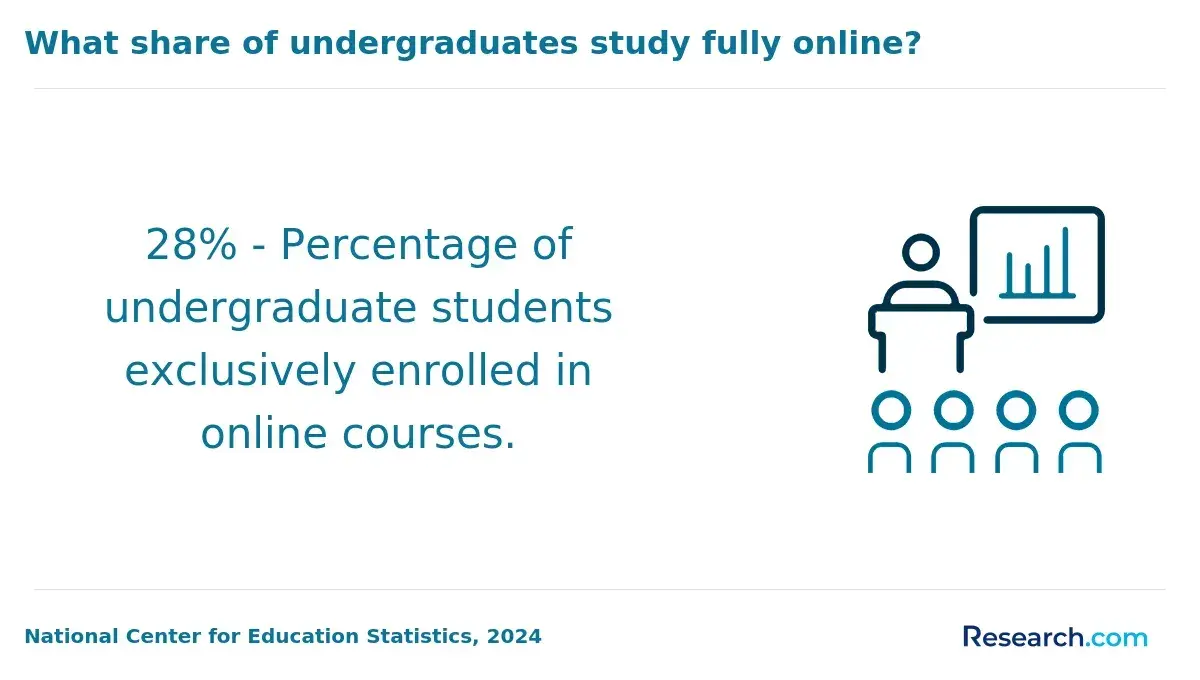
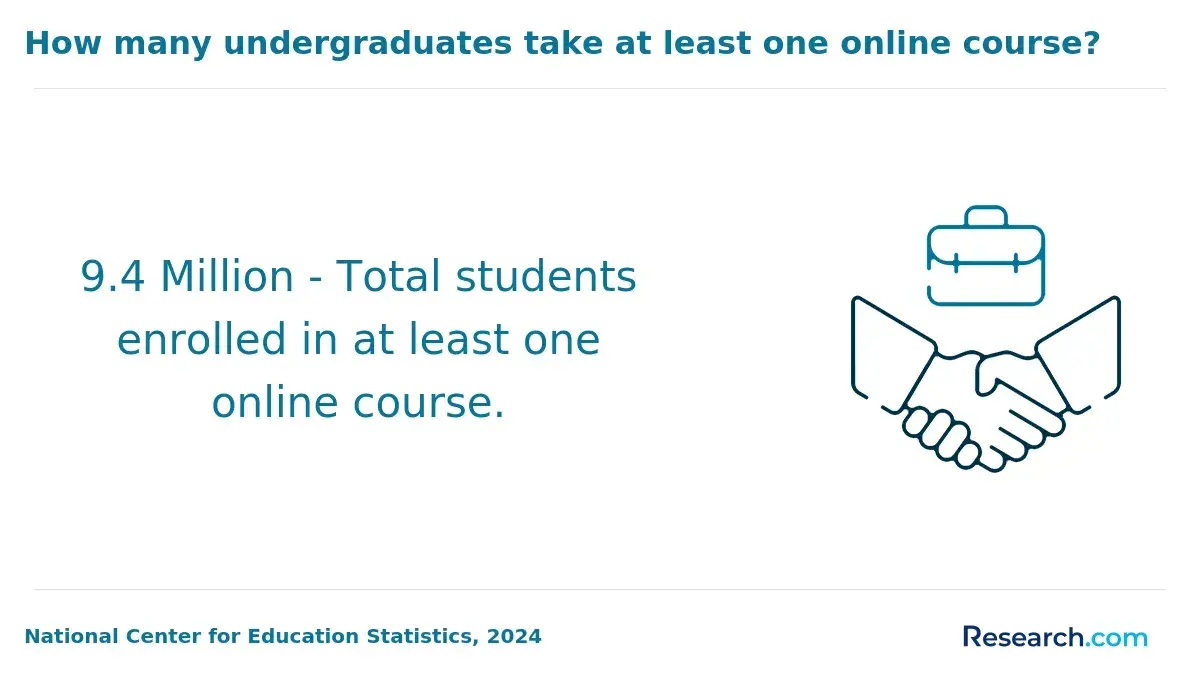
Deciding whether to pursue the online bs in geosciences - natural resources conservation at Southern New Hampshire University requires careful consideration of how the program fits evolving academic and career demands. With online postsecondary enrollment growing steadily and adult learners making up nearly 40% of online students in 2024 according to the National Center for Education Statistics, flexibility and accessibility are key factors for many prospective students. This growth reflects a broader shift toward balancing education with work and personal obligations, which can impact the suitability of program structure and delivery. This article explores the cost, curriculum, admissions, and career outcomes of the program to help potential students assess its alignment with their goals.
Key Points About Southern New Hampshire University's BS in Geosciences - Natural Resources Conservation Program
- An acceptance rate of 96% indicates accessible admission but suggests incoming students may encounter a wide range of academic preparedness, impacting cohort consistency and peer learning dynamics.
- Graduates' recognition in environmental and conservation roles reflects employer trust in the program's applied focus, important for students targeting practical, workforce-ready skills.
- The total tuition cost of $51,392 requires prospective students to weigh long-term financial returns against entry-level salaries common in natural resource fields with moderate starting pay.
What can students expect from Southern New Hampshire University's online BS in Geosciences - Natural Resources Conservation curriculum?
Southern New Hampshire University's online BS in Geosciences - Natural Resources Conservation curriculum molds students through a blend of theoretical and applied environmental science, designed to meet recognized U.S. standards without sacrificing the flexibility necessary for remote learners. The structure mirrors typical geosciences programs but integrates project-based and case study approaches that prepare students to address practical challenges such as watershed management or habitat restoration in real-world contexts. This curriculum also targets skills relevant to roles in environmental consulting or natural resource planning. Below are three core focus areas representative of the course demands and learning outcomes.
- Geology Foundations: This coursework stresses understanding earth materials and processes, requiring detailed analysis of rock formations and soil properties. It forms the scientific backbone for making informed conservation decisions related to land use and resource extraction.
- Hydrology and Soil Science: Students engage in studying water cycles and soil characteristics to assess environmental impacts and design sustainable management plans. This is critical for those entering fields that balance ecosystem needs with human activity.
- Environmental Policy and Ethics: Courses cover laws and regulations influencing conservation efforts, alongside ethical considerations in resource use. Mastery here equips students to navigate compliance and stakeholder interests in professional settings.
Course sequences and topics align with broader national curriculum highlights for bs in geosciences natural resources conservation curriculum, maintaining parity with similar offerings while leveraging online delivery to accommodate varying student schedules. The program's online geosciences course structure at Southern New Hampshire University underscores practical competencies alongside technical knowledge, aiding employability in an evolving environmental sector. Students researching pathways to efficient and relevant credentials might also consider quick degree programs that complement this field in workforce readiness.
What are Southern New Hampshire University's admission requirements for online BS in Geosciences - Natural Resources Conservation program?
Admission to Southern New Hampshire University's online BS in Geosciences - Natural Resources Conservation requires applicants to show clear academic readiness and relevant prior learning, reflecting the program's focus on practical and scientific rigor. For example, a student transitioning from a technical high school background must demonstrate foundational academic achievements and applicable coursework to meet these standards. Below are key admission criteria that reveal both baseline qualifications and recommended submissions for evaluation.
- High School Completion: Prospective students must have a high school diploma or a General Educational Development (GED) certificate. This establishes the necessary foundational education and signals basic preparedness for college-level study.
- Secondary School Records: Submission of secondary school transcripts and school records is essential. These documents allow faculty to assess prior academic performance relevant to geosciences coursework.
- GPA Requirement: Applicants must provide a secondary school grade point average (GPA). While standardized test scores such as the SAT or ACT are recommended, they are not mandatory, offering flexibility for applicants with different educational backgrounds or testing access.
- Letters of Recommendation: At least one letter of recommendation is required. This provides insight into the applicant's character, work ethic, and potential for success in a demanding science-based program.
- English Proficiency: For non-native English speakers, submitting TOEFL scores is mandatory to demonstrate sufficient language skills needed for comprehension and communication in online coursework.
Is it difficult to get admitted to Southern New Hampshire University's online BS in Geosciences - Natural Resources Conservation program?
Admission to most BS in geosciences - natural resources conservation programs tends to be moderately competitive, reflecting the specialized knowledge and skills employers expect. Candidates often face evaluation not only of their academic records but also of their demonstrated commitment to environmental and conservation work, which can limit access for those with less relevant backgrounds.
Southern New Hampshire University's online program diverges from this norm through a notably high acceptance rate of 96%, admitting roughly 43,377 of 45,127 applicants annually. This level of openness suggests less competition and a lower barrier to entry compared with many peers, particularly as standardized test scores like the SAT or ACT are not required. For prospective students balancing work or lacking recent testing, this can be an accessible pathway into the field, though it may also mean the program caters more broadly than highly selective alternatives.
This less selective environment could affect peer networking opportunities and employer perceptions, especially where rigorous admissions are a signal of candidate preparedness. However, it provides a practical route for those prioritizing entry over exclusivity in a field where applied skills and experience weigh heavily.
One graduate remembers feeling uncertain before applying, noting, "Since I hadn't taken the SAT in years and was already working full-time, I worried if I'd even qualify. When I found out there was no testing requirement and that so many others were admitted, it felt like a relief rather than a race. It didn't make the coursework easy, but it kept the door open, which was crucial for me to finally make the move."
What is the cost of attending an online BS in Geosciences - Natural Resources Conservation program at Southern New Hampshire University?
The tuition fees for Southern New Hampshire University online geosciences degree reflect a flat-rate pricing model of $16,450 per year for base tuition and fees, which excludes living expenses and supplies. Students should also plan for roughly $1,800 annually for books and other educational materials. This transparent pricing avoids additional surcharges based on state residency, a notable advantage for remote learners who often face varying costs elsewhere. However, total annual attendance costs including room, board, and other incidentals can exceed $50,000, which suggests careful budgeting is essential depending on personal circumstances and study format.
Compared to other institutions offering similar credentials, the Southern New Hampshire University natural resources conservation program cost is generally competitive, particularly when factoring in the absence of separate technology fees for online students. Many online BS in Geosciences programs across the United States add fees that push total costs considerably higher. This flat tuition model at SNHU helps maintain cost predictability, an important factor as workforce expectations increasingly emphasize timely degree completion without excessive debt.
For prospective students weighing the tradeoffs, a lower tuition fee may not capture all hidden or ancillary costs associated with online learning, such as specialized software or fieldwork expenses. In contrast to on-campus attendance, where students might incur higher living costs, the online structure potentially offers savings but also limits access to certain hands-on experiences that some employers value. Understanding these nuances will influence how effectively the degree translates into career outcomes in the geosciences sector.
Those exploring degree options within environmental sciences may benefit from reviewing programs ranked for accessibility and affordability like the easiest online college degrees, alongside detailed cost analyses, to align financial investment with long-term employability. Balancing tuition, program rigor, and practical skill development is key to making informed decisions about such specialized online programs.
Are there financial aid options for online BS in Geosciences - Natural Resources Conservation students at Southern New Hampshire University?
Financial aid for students pursuing an online BS in Geosciences - Natural Resources Conservation at Southern New Hampshire University can significantly affect decisions about affordability and long-term financial planning. Many students rely on a combination of aid sources to mitigate tuition costs, though the variability and eligibility criteria require careful navigation. For instance, a working adult balancing employer tuition reimbursement against federal loan options must weigh immediate financial support against future debt obligations. The availability of institutional scholarships and military benefits further complicates the funding landscape, making a thorough understanding of these elements essential for optimizing resource allocation. The following outlines key forms of financial aid accessible to such students.
- Federal Grants and Loans: These are primarily need-based, requiring FAFSA submission and proof of satisfactory academic progress. They often cover a substantial portion of tuition, but federal loans must be repaid with interest, making understanding terms critical.
- Institutional Scholarships: Awarded based on academic merit or specific program interest, these can reduce costs without repayment obligations but may offer limited availability and require maintaining certain GPA thresholds.
- Employer Tuition Reimbursement: Available to students working in companies that support continued education, this aid covers partial or full tuition costs but usually requires proof of job relevance and retention commitments.
- Veteran Benefits: Military-affiliated students can leverage GI Bill funds or other veteran education programs to cover expenses, though eligibility depends on service history and regional program applicability.
- Need-Based Institutional Aid: These grants assess financial circumstances beyond FAFSA and may combine with other aid to reduce out-of-pocket costs but often require detailed financial documentation and timely application.
What learning resources are available to online BS in Geosciences - Natural Resources Conservation students at Southern New Hampshire University?
Effective learning resources are critical for students in an online BS in Geosciences - Natural Resources Conservation program, as success hinges on navigating complex scientific concepts while balancing remote study demands. In fields tied to environmental policy and natural resource management, limited direct faculty interaction can delay feedback on technical methods or research interpretation, which impacts skill development and workforce readiness. Students must leverage digital and academic support structures purposefully to mitigate these challenges. The following resources at Southern New Hampshire University represent essential tools designed to address these operational realities.
- Learning Management System: A centralized digital platform that hosts course materials, assignments, and communication channels. This system facilitates organized access and interaction but requires students to be proactive in managing deadlines without in-person prompts.
- 24/7 Technical Support: Round-the-clock assistance counters typical online learning technology hurdles, ensuring that technical issues don't create barriers to timely academic progress.
- Personalized Tutoring: Targeted academic support helps students grapple with challenging geoscience topics by offering customized explanations and problem-solving strategies vital for mastering nuanced principles.
- Academic Advising: Advisors assist with course planning and degree milestones, helping students balance workload intensity and field-specific requirements-a key factor in maintaining on-time graduation trajectories.
- Career Services and Alumni Network: Beyond academics, access to resume critiques, interview coaching, and industry connections is crucial for transitioning from study to employment in environmental sectors that prioritize applied experience alongside credentials.
Does Southern New Hampshire University's online BS in Geosciences - Natural Resources Conservation program have in-person clinicals or practicums?
In geosciences and natural resources conservation education, hands-on experience through in-person practicums or fieldwork often plays a crucial role in preparing graduates for employer expectations. Many programs mandate site visits, laboratory practicums, or agency internships to develop applied skills in real environmental settings. This is especially relevant when local field familiarity and direct interaction with conservation technologies are key hiring criteria. However, Southern New Hampshire University's online BS in Geosciences - Natural Resources Conservation deviates from this norm by not requiring in-person clinicals or practicums, which may impact students who prioritize immersive, physical engagement in their training.
Specifically, Southern New Hampshire University geosciences practicum requirements exclude mandatory onsite fieldwork, substituting these with virtual labs, project-based learning, and case studies. This model accommodates students with geographic or scheduling constraints but may limit exposure to hands-on techniques valued by some employers, particularly those seeking candidates with demonstrated field proficiency. Students interested in enhancing practical experience might consider arranging optional, self-directed fieldwork or internships with local agencies, although this is not enforced by the curriculum.
Choosing this program involves weighing flexibility against the benefits of structured in-person experience. For individuals balancing work or residing in remote areas, SNHU's approach offers a feasible path in natural resources education without strict onsite commitments. Still, those seeking more traditional fieldwork may compare these provisions against other programs that require in-person field practicums. Prospective students evaluating their need for direct engagement should also explore related programs, including shorter credentials like an associates degree, which may offer different balances of theory and practice.
- Southern New Hampshire University geosciences practicum requirements
- in-person fieldwork for SNHU natural resources conservation
What careers can graduates of online BS in Geosciences - Natural Resources Conservation at Southern New Hampshire University secure?
Graduates with a BS in Geosciences - Natural Resources Conservation from Southern New Hampshire University face a competitive but navigable job market where practical skills directly influence employability and career longevity. The program's focus on GIS and environmental policy equips students to meet employer expectations in sectors prioritizing data-driven resource management and regulatory compliance. For students evaluating whether this field matches their career goals, it is crucial to consider how entry-level roles may differ in responsibility, work environment, and salary progression. Below are examples reflecting the outcomes for environmental science jobs for Southern New Hampshire University Geosciences graduates.
- Environmental Technician: Entry roles involving data collection, pollution monitoring, and field assessments support broader environmental studies and compliance efforts, with starting salaries typically in the $40,000 to $50,000 range.
- Conservation Scientist: These professionals develop balanced land-use plans, coordinating with agencies and landowners to protect resources while allowing sustainable use, often requiring strong analytical and communication skills.
- Natural Resource Manager: Managing forests, water, and wildlife resources requires aligning conservation objectives with legal standards and often entails overseeing field staff and development of management strategies.
Choosing this online BS program connects to a career landscape where practical experience with ecological restoration and regulatory navigation increasingly defines job success. Opportunities tend to expand for graduates who leverage skills cultivated through coursework and field sampling. For students seeking accelerated progression into this sector, exploring an accelerated degree program can be a strategic consideration when comparing timeline and market entry options in careers in natural resources conservation in New Hampshire.
What is the salary outlook for online BS in Geosciences - Natural Resources Conservation graduates?
The salary outlook for graduates with an online BS in Geosciences - Natural Resources Conservation from Southern New Hampshire University suggests a tradeoff between immediate earnings and career purpose in environmental stewardship. Graduates face a median alumni salary of $39,593 specifically in natural resources conservation and research, which is below the broader median salary of $50,318 for all SNHU alumni. This gap reflects the specialized and often entry-level nature of jobs in this field, where salaries tend to lag behind business or technology roles but can offer stability amid growing environmental concerns.
Natural resources conservation careers often start with salaries in the upper $30,000 range, aligned with roles in environmental assessment, land and resource management, and compliance monitoring. While these earnings are modest compared to related fields such as Business Administration or Computer and Information Sciences, they reflect workforce realities where demand for conservation professionals is increasing but compensation growth may be slower. Prospective students evaluating the salary prospects for natural resources conservation graduates from Southern New Hampshire University should weigh starting salaries against long-term sustainability sector trends and their own vocational priorities.
Given these financial implications, students interested in practical pathways balancing employability and environmental impact might explore the best degrees for work from home jobs to understand how flexibility complements earning potential. The Southern New Hampshire University online BS in Geosciences - Natural Resources Conservation graduate salary ranges in New England indicate entry-level feasibility but also highlight the importance of strategic career planning beyond degree completion.
How do you know if Southern New Hampshire University's online BS in Geosciences - Natural Resources Conservation program is the right choice for you?
Choosing whether southern New Hampshire University's online BS in Geosciences - Natural Resources Conservation fits your needs requires a nuanced assessment of how the program's structure and focus correspond with your personal and professional goals. This decision should factor in your preferred learning style, the balance between theory and applied skills in the curriculum, and how the degree aligns with evolving job market demands. Here are critical points to consider when evaluating this program:
- Curriculum Relevance: Analyze whether the courses emphasize practical skills like GIS applications and resource management that match your career ambitions. Coursework should offer actionable knowledge applicable to contemporary roles in conservation and environmental science.
- Flexibility and Format: Consider if a fully asynchronous, online delivery model fits your lifestyle, especially if you require balancing work or family commitments. Flexibility can mitigate scheduling conflicts but might limit immediate peer interaction.
- Support and Networking: Evaluate the availability and quality of academic advising, career services, and opportunities to connect with professionals in environmental sectors, as these resources affect employability and professional growth.
- Student Community Dynamics: Reflect on whether the program's emphasis on virtual engagement and collaboration suits your preference for learning environments that foster peer interaction and mentorship.
One graduate recounted hesitating between a traditional campus program and this online degree due to concerns over remote learning isolating them from peers. However, after starting the program, they appreciated the asynchronous format's flexibility, which allowed them to maintain a full-time job. They found the career services pivotal in securing internships with conservation agencies, something that initially seemed uncertain when choosing online. This experience illustrates that understanding how personal circumstances and resources intersect with program design is crucial in making an informed decision.
What Graduates Say About Southern New Hampshire University's BS in Geosciences - Natural Resources Conservation Program
- Abigail: "The curriculum at Southern New Hampshire University's bs in Geosciences - Natural Resources Conservation gave me a solid grounding in both theory and practical applications, which proved invaluable when navigating job interviews that heavily focused on portfolio work and real-world problem-solving skills. While I knew going in that licensure wasn't a must-have in many entry-level roles, the program's emphasis on internships and fieldwork helped me build credibility quickly, allowing me to sidestep some of the more traditional barriers to employment. It was this combination of flexibility and applied learning that allowed me to enter the field earlier than many peers who pursued more traditional routes."
- Camila: "Having worked first-hand in environmental consulting, I can say the Southern New Hampshire University bs in Geosciences - Natural Resources Conservation program was both demanding and rewarding, especially in teaching me how to critically analyze resource management issues rather than just memorize facts. One challenge I faced post-graduation was competing for positions that favored candidates with professional licenses, but I found that my well-rounded education and the network I built through their career services helped me pivot into roles focused on policy and sustainability consulting. The program definitely shaped how I approach complex industry challenges from a systemic perspective."
- Jocelyn: "Studying at Southern New Hampshire University for my bs in Geosciences - Natural Resources Conservation was a pragmatic choice that balanced my work-life commitments and accelerated my entry into the workforce. The program's remote format and flexible deadlines allowed me to continue working while gaining critical skills, though I quickly realized that career growth in field roles often requires additional certifications or licensure. Despite that, my degree opened doors to several remote positions focused on data analysis and resource assessment, which have become my niche and allowed me steady salary growth without the immediate need to pursue licensure."
Other Things You Should Know About Degrees
The program's fully online format offers some scheduling flexibility, but students should anticipate a consistent workload each 10-week term that requires disciplined time management. Because courses follow an accelerated pace, students juggling full-time jobs or family responsibilities might find back-to-back courses challenging over multiple terms. Prioritizing part-time enrollment or careful planning around personal obligations is critical to avoid delays or burnout.
This degree emphasizes hands-on skills in natural resources conservation, which aligns closely with fieldwork and environmental management roles. Students aiming for careers in policy, consulting, or research that are less field-oriented may find fewer direct pathways within the curriculum. Those students should consider supplementing education with targeted internships or additional coursework in their specific areas of interest.
The university offers career services including resume reviews and job search assistance, but direct placement rates specifically for natural resources conservation graduates are not prominently reported. Prospective students should weigh the value of self-directed job seeking in often competitive environmental sectors and consider supplementing the degree with professional certifications or networking externally. Choosing this program works best for those ready to proactively manage their career development.
References
- Choosing a bachelor's in environmental science | edX https://www.edx.org/resources/how-to-choose-a-bachelors-in-environmental-science
- Geosciences Bachelors Degree (BS) https://www.nextstudent.com/accelerated-degrees/geosciences-bachelors-degree/
- 2023 Most Popular Online Geological & Earth Sciences Bachelor's Degree Schools in New Hampshire - Course Advisor https://courseadvisor.com/majors/physical-sciences/geological-and-earth-sciences/rankings/most-popular-online/bachelors-degrees/new-england/new-hampshire/
- Southern New Hampshire University Partnership https://www.landmarkoutreach.org/online-learning/snhu/
- SNHU Transfer Courses from Sophia | Sophia Learning https://snhu.sophia.org/
- Online Geoscience Degrees: Top Schools and All Programs in 2026 https://www.gisdegree.org/online/geoscience-degrees/