2027 Arizona State University Online MS in Industrial Engineering: Cost, Curriculum, Admissions, and Career Outcomes

Co-Founder and Chief Data Scientist
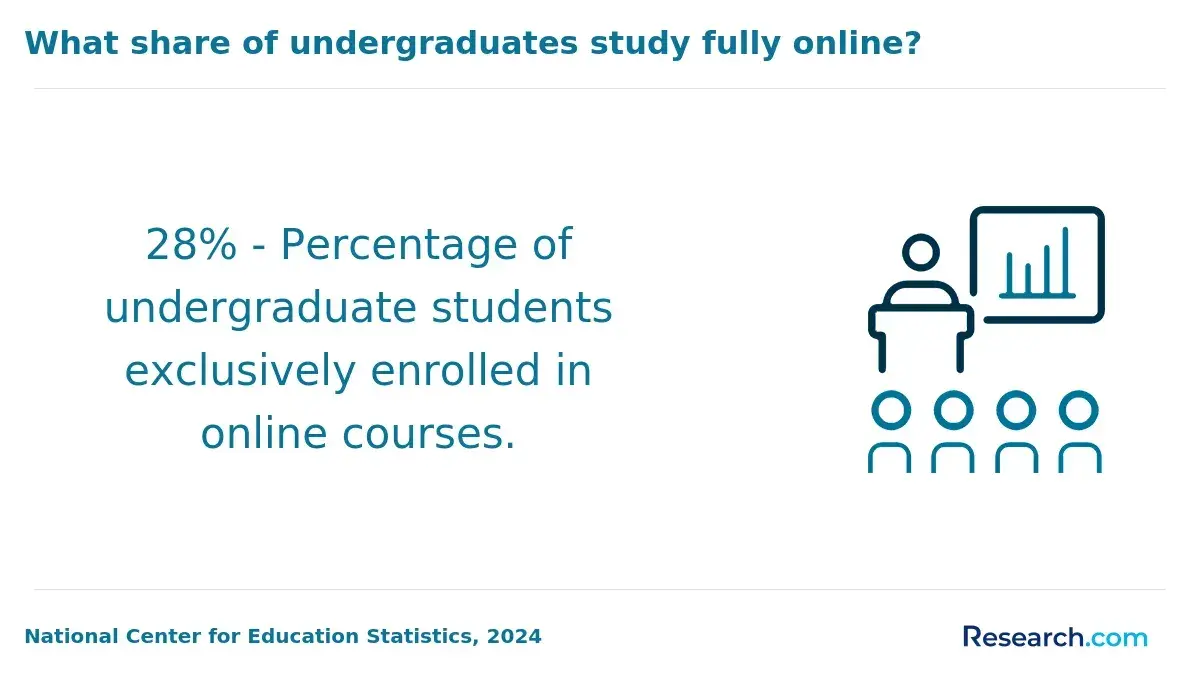
Working professionals aiming to advance in industrial engineering often face the challenge of balancing rigorous graduate studies with demanding careers and personal commitments. The growth of online education, with enrollment up by nearly 15% in 2023 according to the National Center for Education Statistics, underscores a shift toward more accessible and flexible learning models for adult learners. This trend reflects a broader need for programs that accommodate diverse schedules while maintaining academic rigor.
Understanding whether arizona state university's online MS in industrial engineering aligns with career mobility, curriculum relevance, and admissions flexibility is crucial for informed decision-making. This article examines cost, curriculum, admissions, and career outcomes to guide prospective students in evaluating this program's suitability.
Key Points About Arizona State University's MS in Industrial Engineering Program
- The 90% acceptance rate for Arizona State University's online MS in Industrial Engineering lowers entry barriers but suggests the need for candidates to evaluate program rigor against alternative, more selective options.
- Tuition costing $34,845 positions the program within a mid-range market segment, requiring students to weigh repayment feasibility and potential salary uplift in industrial engineering roles post-graduation.
- The program's alignment with employer expectations-driven by faculty research and applied teaching-enhances employability but mandates that students actively translate academic projects into practical workplace skills.
What can students expect from Arizona State University's online MS in Industrial Engineering curriculum?
Arizona State University's online MS in Industrial Engineering curriculum is structured to align closely with national standards while emphasizing adaptability to contemporary industry demands. For students balancing employment while studying, the program offers a practical framework that integrates theoretical rigor with applications such as optimizing manufacturing workflows or improving supply chain resilience.
Below is an overview of key curricular components and their workforce relevance.
- Systems Engineering: This coursework requires students to master the analysis and design of complex systems, ensuring the ability to model, simulate, and optimize integrated processes that are critical in sectors like logistics and healthcare.
- Operations Research: Focused on quantitative methods, students develop skills in mathematical modeling and decision-making under uncertainty, preparing them to design efficient resource allocation and scheduling strategies demanded by industry employers.
- Quality Engineering: Emphasizing process improvement and statistical control, this area trains students to implement quality management systems that reduce defects and enhance product reliability, a capability increasingly prioritized in manufacturing and service operations.
The curriculum also includes electives that support specialization in areas such as engineering management and health systems engineering, offering versatility to address evolving sector-specific challenges. This blend of foundational and elective courses reflects a comprehensive approach consistent with other MS in Industrial Engineering programs across the United States, situating graduates for roles requiring both analytical depth and applied problem solving.
Incorporating case studies and software tool proficiency, ASU's curriculum mirrors real industrial settings to better prepare students for immediate impact in their workplaces. For students considering long-term academic pathways, exploring options such as an online doctorate might be a strategic continuation of this advanced engineering education.
What are Arizona State University's admission requirements for online MS in Industrial Engineering program?
Admission to Arizona State University's online MS in Industrial Engineering program reflects a need for clear academic preparation rather than open or test-score-driven access. For example, a working professional considering this program should focus on submitting thorough academic documentation rather than solely relying on standardized test results or open admission routes, which this program does not offer.
The application process requires meeting several foundational criteria to demonstrate readiness. Below is an overview of these typical admission requirements.
- Secondary Education: Applicants must have completed high school or earned an equivalent General Educational Development (GED) certificate. This baseline ensures all candidates have fundamental academic preparation.
- Academic Records: Submission of secondary school transcripts is mandatory. These records provide a standardized measure of past academic achievement and support the admissions' evaluation.
- Test Scores and Recommendations: While there are no explicit minimum SAT, ACT, or GMAT scores for this graduate-level program, submission of test results and letters of recommendation is recommended to strengthen the application. These materials serve as indicators of competency and preparedness.
- English Language Proficiency: Non-native English speakers must submit TOEFL scores or equivalent proof of language proficiency. This requirement addresses the practical necessity of clear communication in an online learning environment.
- Technology Access: Students are expected to have reliable computer access. Arizona State University offers leasing or purchase options to facilitate this, recognizing the centrality of technology in successful participation.
Is it difficult to get admitted to Arizona State University's online MS in Industrial Engineering program?
Admission to most MS in Industrial Engineering programs tends to be moderately competitive, often requiring strong quantitative skills and prior technical coursework. Highly selective programs may admit fewer candidates due to limited capacity and a focus on research experience. In this context, gaining entry to ASU's online MS in Industrial Engineering is relatively less challenging compared to elite institutions.
Arizona State University's program has an acceptance rate around 90%, admitting about 62,084 out of 68,840 applicants annually. The absence of standardized test requirements like the SAT or ACT further lowers entry barriers, indicating a broad accessibility rather than intense competition. While this allows wider access, it also puts the onus on applicants to demonstrate competence through transcripts and practical experience in lieu of standardized scores.
For professionals balancing work and study, the program's accessible admissions process can be advantageous, enabling timely enrollment without protracted test preparation. The tradeoff lies in navigating a cohort with diverse academic backgrounds, which may affect peer competitiveness and networking intensity.
What is the cost of attending an online MS in Industrial Engineering program at Arizona State University?
Tuition fees for asu online MS in industrial engineering total $12,051 annually, separate from estimated costs for books, room, and board, which push the total annual expense to approximately $34,845. Unlike many online programs, Arizona State University does not charge additional technology fees, which can significantly affect overall affordability for remote learners. This flat-rate tuition applies uniformly to all online students regardless of location, removing the common financial penalty for out-of-state enrollment and creating a more predictable budget scenario for prospective students.
Many employers expect candidates in industrial engineering roles to demonstrate both technical prowess and cost-efficiency awareness; from a student's perspective, these tuition costs reflect a balanced tradeoff between program quality and expense. The relatively modest tuition compared to national averages aligns with ASU's extensive online offerings that accommodate working professionals and those balancing external commitments.
Students facing financial decisions should weigh the comprehensive cost structure, including the $1,320 yearly allocation for books and supplies, which can be a notable hidden expense. Assessing the cost of online MS in industrial engineering at arizona state university alongside competing institutions reveals that ASU's overall charges fall below many comparable national programs.
This affordability factor can be a decisive consideration for students targeting programs that minimize debt accumulation while maintaining credential value. For individuals prioritizing economical pathways into industrial engineering, ASU's pricing model offers practical advantages without online-specific fees that other schools often impose.
For those scrutinizing program value relative to long-term career impact, it is useful to consider how cost-efficiency in education correlates with labor market outcomes documented across fields with increasing demand. This consideration echoes findings available on highest paying majors, emphasizing that program cost is just one component of economic return in engineering careers and should be evaluated alongside employment prospects and salary trajectories.
Are there financial aid options for online MS in Industrial Engineering students at Arizona State University?
Financial aid options for online MS in Industrial Engineering students at Arizona State University can substantially alter the cost-benefit analysis of enrollment, especially for those balancing work and education or managing family obligations. Access to various funding sources may influence decisions about program timing, employer involvement, and overall debt load.
These resources range from institutional scholarships to federal loans, each with specific eligibility criteria and implications for repayment or renewability. The diversity of aid available reflects differing tradeoffs between upfront support and long-term financial commitments. Below is an outline of key financial aid avenues that students typically consider.
- University Scholarships: Awarded based on academic merit or specific program criteria, these scholarships often require maintaining a minimum GPA. They can cover significant portions of tuition but may be competitive due to limited availability.
- Corporate Tuition Reimbursement: Eligible students employed by partner companies can receive partial or full tuition reimbursement. This option often demands ongoing employment commitments and may limit flexibility in employer changes during the degree.
- Veterans Benefits: Military-affiliated students can access federal and state education benefits, including GI Bill funds. These benefits can substantially offset costs but require documentation of service and adherence to usage timelines.
- Federal Student Loans: Programs such as Direct Unsubsidized Loans and Grad PLUS loans provide accessible funding with fixed interest rates. While broadly available, these loans increase long-term financial liability and require careful repayment planning.
- Departmental Grants: Some industrial engineering students qualify for grants tied to research projects or specific faculty sponsorship. These tend to be limited in number and often require active participation in program-related work.
What learning resources are available to online MS in Industrial Engineering students at Arizona State University?
Access to comprehensive learning resources is critical for online MS in Industrial Engineering students to navigate the complexity of advanced engineering concepts while balancing professional and personal commitments. Insufficient support can lead to delays in mastering software tools or applying systems optimization techniques, which employers consider essential for entry and mid-level roles.
Students who proactively leverage academic and technical resources are better positioned to translate theoretical knowledge into workplace problem-solving. The following key resources help mitigate common barriers encountered in remote engineering education:
- Online Learning Platform: A centralized hub delivering video lectures, discussion forums, and interactive assignments. This platform enables flexible engagement and peer interaction critical for complex topic comprehension and iterative feedback.
- Technical Support: Dedicated assistance for software access, connectivity issues, and platform navigation helps minimize downtime, ensuring sustained learning progress in software-intensive modules.
- Academic Advising: Engineering-focused advisors provide tailored guidance on course selection, research opportunities, and degree progression. This ensures alignment with individual career trajectories and labor market demands.
- Tutoring and Writing Assistance: Remote tutoring services and writing support help address gaps in quantitative analysis and technical communication skills, which are often stumbling blocks for engineering graduate students.
- Career Services and Networking: Through virtual career fairs, resume workshops, and alumni networks, the program connects students with industry professionals and potential employers, facilitating smoother transitions to engineering roles post-graduation.
Does Arizona State University's online MS in Industrial Engineering program have in-person clinicals or practicums?
Practical experience requirements vary significantly across industrial engineering master's programs, with some emphasizing hands-on internships or cooperative education to meet employer expectations for workplace readiness. Arizona State University's online MS in Industrial Engineering deviates from this norm by not requiring in-person clinicals or practicums, a feature often critical in healthcare-related or engineering disciplines to bridge theory and real-world application.
This absence can both broaden access for remote learners and place greater responsibility on students to seek external experiential opportunities if they want direct industry exposure. Unlike programs with mandatory in-person residency or practicum components, Arizona State University's MS in Industrial Engineering online format focuses on applied coursework through simulations, case studies, and research projects that address typical industrial engineering challenges.
The program's structure avoids on-site clinical or practicum obligations, making it well-suited for professionals balancing work or personal commitments but potentially less appealing for those seeking formalized practical training embedded within their graduate studies. Students can independently pursue internships, but this is not institutionalized nor required as part of the curriculum.
For prospective students evaluating Arizona State University online MS in Industrial Engineering in-person clinical requirements, it is essential to weigh the tradeoff between flexibility and formalized experiential learning. Those prioritizing direct workplace immersion may find the lack of practicum a gap, while others benefit from streamlined access to an advanced degree without geographical constraints.
This aligns with trends in certain engineering disciplines where theoretical foundation and problem-solving skills are prioritized remotely over standardized clinical placements. For career paths requiring comprehensive practical engagement, supplementing the degree with external experience remains advisable. Students searching for an associate degree in 6 months online or similar accelerated online options should consider how practical requirements like in-person residencies affect program choice.
What careers can graduates of online MS in Industrial Engineering at Arizona State University secure?
Graduates of the online MS in Industrial Engineering at Arizona State University often find that the program's practical training translates directly into roles where they optimize complex, multifaceted systems. The value of this degree is evident in how effectively it prepares professionals to bridge technical expertise and strategic problem-solving, a critical factor when considering job opportunities for Arizona State University industrial engineering graduates.
This degree enhances marketability by focusing on real-world applications relevant to sectors with evolving operational demands. Below are notable careers typically pursued by these graduates:
- Industrial Engineer: Designing and refining integrated systems of people, materials, and technology to improve productivity and reduce operational costs, industrial engineers play pivotal roles in manufacturing and service industries with competitive salaries reflecting their impact.
- Quality Control Engineer: These professionals develop and implement stringent testing standards and continuous improvement methods, ensuring products meet compliance requirements while supporting organizational quality objectives.
- Supply Chain Analyst: Tasked with analyzing procurement and logistics networks, supply chain analysts minimize expenses and accelerate delivery times, a crucial role in industries such as healthcare and technology where efficiency affects profitability.
- Manufacturing Engineer: Focused on enhancing production workflows and deploying automation, manufacturing engineers directly influence manufacturing scalability and innovation, often driving cost savings in high-volume operations.
For prospective students weighing the program's worth against alternatives, understanding these targeted career outcomes is essential. While Arizona State University offers promising avenues, those exploring online schools that accept low GPA may consider how such degrees position them within competitive job markets requiring both technical and analytical skills.
What is the salary outlook for online MS in Industrial Engineering graduates?
The salary outlook for graduates of the Arizona State University online MS in Industrial Engineering program reflects a distinct competitive edge in technical and managerial fields where efficiency optimization is crucial. For example, an alum working in Arizona's manufacturing sector may leverage specialized industrial engineering expertise to secure positions focused on process improvement, which often translate into salaries above regional averages.
This real-world alignment between skill set and employer demand affects not only entry-level earnings but also the trajectory for professional growth. The average earnings after completing an online MS in Industrial Engineering from Arizona State University show a median salary of $68,675, which sits above the median alumni salary of $62,668 across all disciplines.
Such data indicates a tangible financial advantage aligned with industry demand for roles centering on supply chain, manufacturing processes, and systems performance enhancements. However, graduates should weigh this against local market variability and relevant industry sectors when assessing personal return on investment. Comparing this program's salary outcomes with related engineering fields reveals competitive positioning: Mechanical Engineering alumni average $66,177 while those in Electrical, Electronics, and Communications Engineering earn slightly more at $70,595.
This close range suggests that while specialization influences immediate income, broader engineering fields may offer alternative pathways with differing market dynamics. For prospective students weighing the cost and benefits of advanced engineering degrees, consulting data on online degrees for remote jobs can also clarify opportunities that align with evolving workforce trends in Arizona and beyond.
How do you know if Arizona State University's online MS in Industrial Engineering program is the right choice for you?
Choosing whether arizona state university's online MS in industrial engineering matches your individual needs requires more than surface-level factors; it demands a thorough assessment of how program features align with your learning style, career objectives, and practical constraints. This reflection shapes not just educational outcomes but also workforce adaptation and long-term employability.
Consider these critical aspects before committing:
- Flexibility and Scheduling: Evaluate if the program's asynchronous format and module pacing suit your current job, family commitments, and study habits. Flexibility affects your ability to balance progress without sacrificing depth or causing burnout.
- Curriculum Relevance to Industry: Scrutinize whether the courses cover advanced topics like systems optimization and data analytics that are increasingly demanded in your target sectors. Relevance ensures skills remain applicable amid evolving engineering challenges.
- Peer Interaction and Support: Investigate the level of faculty engagement and collaborative opportunities such as virtual projects. Active academic communities reduce isolation and promote applied learning, which is crucial for mastering complex concepts remotely.
- Career Services and Outcomes: Assess the program's connection to employers and job placement support. This dimension often influences the transition from study to meaningful employment and affects upward mobility within organizations.
What Graduates Say About Arizona State University's MS in Industrial Engineering Program
- Jackson: "Studying my MS in Industrial Engineering at Arizona State University gave me a solid understanding of analytics and process optimization that I could immediately apply. However, I quickly realized that employers often valued hands-on experience and relevant project portfolios more than just the degree itself, so I made sure to focus on internships during the program. This approach helped me transition smoothly into roles involving supply chain analysis, though I noticed salary growth can sometimes stall without professional licensure in this field."
- Cesar: "The flexibility offered by Arizona State University's online MS in Industrial Engineering program was a game-changer for me, as I was able to continue working full-time while studying. The coursework challenged me to think critically about systems engineering and lean manufacturing, which directly influenced my promotion to a process improvement lead. Post-graduation, I've found that remote work options have expanded, but competing for leadership roles requires additional certifications beyond the degree itself."
- Andre: "My experience at Arizona State University was very pragmatic; the MS in Industrial Engineering program prepared me to handle real-world challenges in manufacturing environments. I appreciated the emphasis on teamwork and data-driven decision-making, which are crucial when managing cross-functional teams. Although the program helped me enter the industry faster, I realized after graduating that career advancement often depends on broader credentials like PMP or Six Sigma, especially when aiming for management positions."
Other Things You Should Know About Degrees
The online MS in Industrial Engineering at Arizona State University offers limited face-to-face networking, which can reduce spontaneous interactions and local industry connections. While digital forums and virtual events exist, they often lack the depth and immediacy of in-person engagement, potentially influencing opportunities for mentorship and job referrals. Prospective students should proactively seek external networking venues or local professional groups to complement the program's virtual environment.
The program's accelerated pacing and rigorous coursework demand strong time management, which can strain students balancing full-time jobs. Although asynchronous classes provide some scheduling flexibility, the volume and complexity of projects require sustained weekly commitment. Prioritizing program deadlines and possibly reducing work hours during critical semesters is advisable for maintaining performance without burnout.
Arizona State University has extensive alumni networks and industrial ties, but these are more robust in some regions than others. Students targeting employers in major metropolitan areas with established ASU presence will likely benefit more from these connections. For those in less represented regions, the practical impact of these partnerships may be minimal, so supplementing with local networking strategies is recommended.
References
- MS in Industrial Engineering at Arizona State University : Admission 2025-26, Requirements & Fees https://yocket.com/universities/arizona-state-university/industrial-engineering-31933
- Is an Industrial Engineering degree from Arizona State University worth it? https://discussions.gyandhan.com/t/is-an-industrial-engineering-degree-from-arizona-state-university-worth-it/15628
- Engineering - Engineering Management (MEng) https://asuengineeringonline.com/online-degrees/master-engineering-engineering-management-meng
- Arizona State University Placements : Salaries, Top Recruiters & Job Opportunities https://www.gyandhan.com/study-abroad/usa/universities/arizona-state-university/placements
- Top 10 Industrial Engineering Masters | NEWENGINEER https://newengineer.com/advice/top-10-industrial-engineering-masters-1152451
- ASU Placements: 10 Brutal Salary Facts Student Reality - itsstudent.com https://itsstudent.com/recent/asu-placements-career-outcomes-and-salary/