2027 Walden University Online BS in Early Childhood Studies (Non-Licensure) Tempo Learning®: Cost, Curriculum, Admissions, and Career Outcomes

Co-Founder and Chief Data Scientist
Deciding whether to pursue an online BS in Early Childhood Studies (Non-Licensure) Tempo Learning® at Walden University requires clarity on how this program fits distinct student needs and career expectations. With adult learners representing over 40% of online degree enrollees according to the National Center for Education Statistics in 2024, flexibility and pacing become critical factors for many candidates balancing education with work and family demands. Understanding the curriculum's depth without licensure, admissions criteria, and long-term career prospects is essential for making an informed choice. This article analyzes cost, curriculum structure, admissions, and career outcomes to help determine if this pathway aligns with individual goals and constraints.
Key Points About Walden University's BS in Early Childhood Studies (Non-Licensure) Tempo Learning® Program
- Walden University's open admission policy and a total tuition cost of $34,458 lower barriers for learners seeking flexible online study in early childhood education but require careful financial planning given overall expenses.
- Regional accreditation and faculty with practical expertise suggest the curriculum balances theory with applicable skills, equipping students to handle real-world challenges in early childhood settings.
- Employers value graduates for adaptability and skill sets, indicating career avenues in various education roles, though long-term advancement may depend on further credentials or licensure.
What can students expect from Walden University's online BS in Early Childhood Studies (Non-Licensure) Tempo Learning® curriculum?
The curriculum structure of Walden University's online BS in Early Childhood Studies (Non-Licensure) Tempo Learning® reflects a balance between theoretical frameworks and practical competencies relevant to work settings where formal licensure is not required. This approach offers accelerated pacing through a competency-based learning model, enabling students familiar with certain topics to move quickly while focusing effort on new content. For example, a student with previous childcare experience can leverage mastery assessments to reduce redundant study, allowing more time to engage with emerging issues in family partnerships or inclusive education. Compared to typical U.S. early childhood education standards, the curriculum aligns closely but forgoes licensure preparation, which narrows direct eligibility for teaching roles but emphasizes workforce roles like family support specialist or program coordinator. Here is a brief outline of some core curriculum components:
- Child Growth and Development: Students examine key developmental stages with attention to social, emotional, and cognitive growth, emphasizing culturally responsive practices. This foundational knowledge prepares graduates to support diverse child populations in non-teacher roles.
- Curriculum Planning and Assessment: This course develops skills to design age-appropriate educational activities and evaluate young learners effectively. The emphasis on practical assessment techniques readies students for program coordination and caregiver support positions.
- Family and Community Engagement: Coursework focuses on strategies to build partnerships with families and communities, recognizing their crucial role in child development. Students learn inclusive engagement methods critical for successful non-licensure early childhood careers.
These elements contribute to a comprehensive tempo learning early childhood studies course structure aimed at producing graduates who can navigate real-world demands in educational settings without teacher certification. General education requirements supplement this with skills in critical thinking, communication, and ethics, essential for varied career pathways. Students considering this degree should weigh the absence of licensure against growing employment opportunities in support and administrative roles across early childhood services. More advanced or licensed teaching positions will require additional credentialing beyond this non-licensure degree. For those exploring broader academic options or pathways into doctoral studies, resources like online PhD programs may offer future opportunities for specialization and advancement.
What are Walden University's admission requirements for online BS in Early Childhood Studies (Non-Licensure) Tempo Learning® program?
Walden University's open admission policy for its online BS in Early Childhood Studies (Non-Licensure) Tempo Learning® program lowers barriers to entry by not requiring standardized test scores such as the SAT, ACT, or GMAT. This approach suits applicants who may lack traditional academic credentials but possess relevant experience or prior college coursework. For example, a working parent looking to pivot into early childhood education without retaking college admissions tests can apply straightforwardly, relying on their transcript to demonstrate preparedness rather than standardized test performance.
The following outlines the core admission requirements that prospective students typically encounter:
- Transcripts: Official transcripts from previously attended institutions must be submitted. These documents verify the applicant's educational history and provide admissions staff with material to assess readiness for collegiate-level work.
- Standardized Tests: SAT, ACT, or GMAT scores are not required for admission, reflecting the program's emphasis on accessibility rather than traditional testing metrics.
- Additional Materials: Letters of recommendation, portfolios, or resumes are not explicitly requested, streamlining the application and reducing the need for supplementary documentation.
- Transfer Credits: Applicants who have completed relevant coursework elsewhere can submit official transcripts for evaluation. This flexibility allows students to potentially shorten their time to degree completion by applying previously earned credits toward the program.
This admission framework supports learners who need a flexible, less test-focused entry path but still relies on formal transcript review to maintain academic standards. Students weighing this program against others should consider how this open admission model aligns with their qualifications and career goals, especially if licensure or certification outside the degree is a factor in their employed future.
Is it difficult to get admitted to Walden University's online BS in Early Childhood Studies (Non-Licensure) Tempo Learning® program?
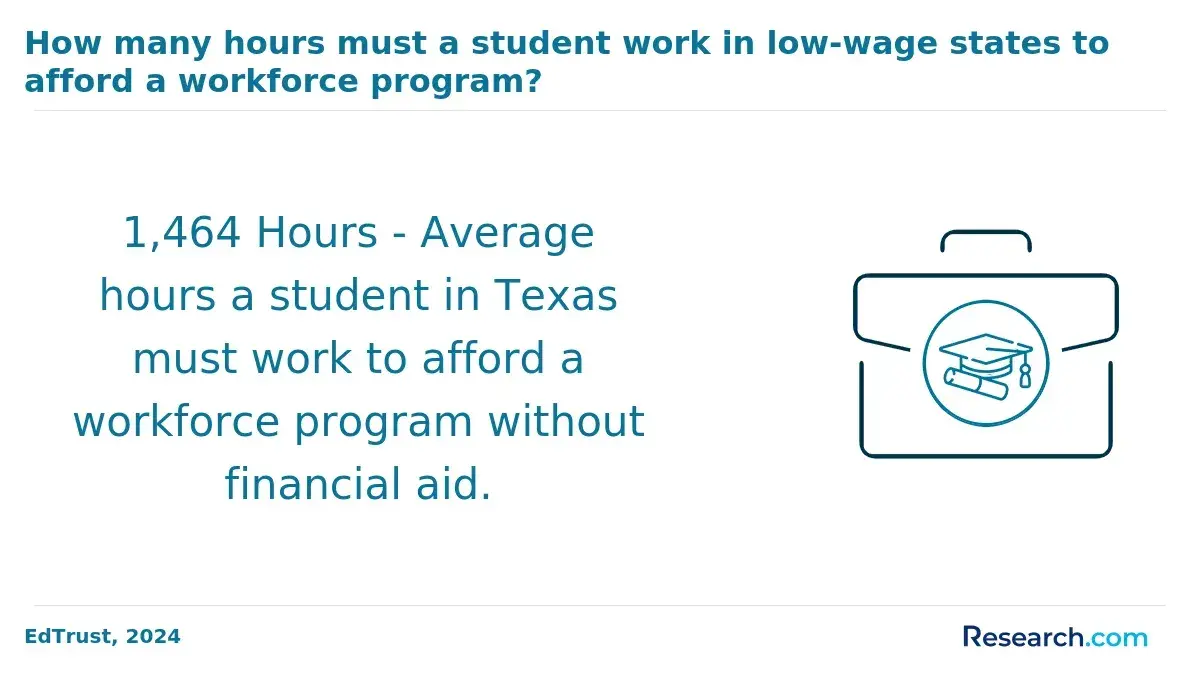
Admission difficulty in BS in Early Childhood Studies (Non-Licensure) Tempo Learning® programs generally tends to be low compared to specialized or licensure-focused education tracks, which often require more stringent entry criteria. Many programs prioritize broad accessibility to accommodate working adults and those shifting careers, reducing competitiveness in favor of enrollment growth. Lower barriers typically mean steady but manageable applicant pools rather than intense screening or selective quotas.
Walden University exemplifies this open admission philosophy, with no SAT/ACT requirements and no strict acceptance rate limiting candidate entry. This accessibility supports learners seeking foundational knowledge without the pressure of competing for limited seats or standardized test hurdles. The flexible online Tempo Learning® format further minimizes bottlenecks, streamlining entry for students with varying backgrounds. While this model enhances enrollment ease, it may also imply fewer admissions-based filters on academic preparation.
One graduate recalled, "I hesitated initially because I wasn't sure how my non-traditional experience would fit. But the process was surprisingly straightforward-no tests or interviews, just a clear path to start. That relief allowed me to focus on preparing for my coursework rather than stressing about admission hoops." This ease of access can be a double-edged sword, offering immediate opportunity but placing greater responsibility on students to self-motivate and demonstrate competence within the program itself.
What is the cost of attending an online BS in Early Childhood Studies (Non-Licensure) Tempo Learning® program at Walden University?
Tuition for the online BS in Early Childhood Studies (Non-Licensure) Tempo Learning® program at Walden University stands at $12,498 annually, exclusive of other costs such as books or room and board. However, fully online learners often avoid room and board expenses, influencing the overall affordability based on individual living situations. Beyond tuition, students should anticipate around $900 annually for books and supplies, which can affect the true cost of completing the degree.
Compared to other institutions offering similar degrees, Walden University's online early childhood studies program tuition fees are designed to be competitive. The school's flat-rate tuition for online students regardless of residency adds predictability but may not provide the same cost savings seen in state-based tuition models. Prospective students need to weigh whether the personalized Tempo Learning® format justifies the total investment relative to traditional or hybrid program structures.
In workforce terms, the decision to pursue a BS in early childhood studies tempo learning online at Walden University involves considering the value of a non-licensure path where certification requirements and state regulations might limit some employment options. This cost versus benefit calculation becomes critical for students targeting roles where licensure is mandatory or those aiming for flexibility in different child development settings.
Given ongoing shifts in early childhood education demands and professional standards, evaluation of expenses alongside potential employment outcomes is essential. Students can also benefit from reviewing rankings of best bachelor degrees to align their decisions with broader labor market trends and wage potentials.
Are there financial aid options for online BS in Early Childhood Studies (Non-Licensure) Tempo Learning® students at Walden University?
Financial aid availability significantly influences students' ability to manage tuition when pursuing a BS in Early Childhood Studies (Non-Licensure) Tempo Learning® at Walden University, yet navigating these options demands weighing tradeoffs related to eligibility criteria and long-term debt obligations. Prospective students who strategically combine institutional scholarships with federal aid or alternative funding may lessen financial barriers, although each source imposes varying application processes and repayment conditions. Below is an outline of key funding avenues commonly accessed by students in this program.
- Institutional Scholarships: Awarded based on merit or financial need, these scholarships often target enrolled students demonstrating academic potential or economic disadvantage. Amounts vary, typically offsetting a portion of tuition costs, and require adherence to renewal conditions such as maintaining satisfactory grades.
- Federal Financial Aid: Eligibility hinges on standard federal criteria, including income thresholds and enrollment status. This aid can involve grants or loans, with loans subject to interest and repayment terms that influence post-graduation finances.
- Corporate Tuition Reimbursement: Some students leverage employer-sponsored plans where companies subsidize education expenses. Participation usually demands proof of enrollment and continued employment, representing a practical choice for working adults balancing education and career.
- Veteran Benefits: Military-affiliated students can access education benefits that reduce out-of-pocket costs. Qualification depends on service history and specific programs, offering a reliable source of funding for eligible individuals.
- Institutional Aid Packages: Tailored financial support from Walden University considers personal circumstances, potentially combining grants and payment plans. Applicants must typically provide financial documentation to substantiate need.
What learning resources are available to online BS in Early Childhood Studies (Non-Licensure) Tempo Learning® students at Walden University?
Effective utilization of learning resources can be a decisive factor for success in an online BS in Early Childhood Studies (Non-Licensure) Tempo Learning® program, as many students face challenges managing flexible pacing while maintaining rigor and skill development. Given the personalized nature of Tempo Learning®, having direct access to diverse support services helps students navigate coursework and professional preparation more independently-an advantage that traditional programs with set schedules may not offer. However, these resources require proactive engagement; without it, the self-directed format can hinder timely progress or skill mastery. Below are key resources that can enhance learning outcomes and career readiness:
- Technical Support: Continuous assistance with the Tempo Learning® platform ensures students can effectively use personalized pacing tools, troubleshoot access issues, and maintain steady progress despite the demands of online study.
- Academic Tutoring: Subject-specific tutoring and writing support help reinforce comprehension of early childhood concepts and improve communication skills essential for educational and professional documentation.
- Digital Library Access: A comprehensive collection of academic materials offers critical research content that deepens theoretical understanding and connects students to current trends and evidence-based practices in early childhood education.
- Career Services: Professional advising, resume workshops, and interview preparation equip students with practical job-search skills aligned with employer expectations in early childhood education environments.
- Employer Networking: Connections to industry professionals enable students to explore local job markets, internship opportunities, and build relationships that can facilitate smoother transition into the workforce.
Does Walden University's online BS in Early Childhood Studies (Non-Licensure) Tempo Learning® program have in-person clinicals or practicums?
In early childhood education, in-person clinicals and practicums remain critical for many licensure-track programs, as they provide supervised, hands-on experience required by employers and certification boards. However, Walden University online early childhood studies clinical requirements diverge from this industry norm by offering a non-licensure Tempo Learning® program that does not mandate traditional field placements or in-person clinical hours. This difference reflects a tradeoff: students gain flexibility and eliminate geographic barriers but may face limitations if they seek roles demanding formal practicum experience.
The Walden University online early childhood studies clinical requirements are satisfied through competency-based assessments instead of supervised teaching practice. Students engage with simulations, case studies, and coursework that encourage application of early childhood concepts in virtual or community settings without formal placement hours. This approach suits learners already working in relevant settings who can integrate existing experience, but it does not meet the supervised practical experience criteria often necessary for state licensure or certain employer preferences.
In-person practicum options for Walden early childhood Tempo Learning program participants are not required, positioning the program primarily as a foundational credential rather than a pathway to certification. Prospective students should weigh this absence of clinical requirements against their career goals, particularly if licensure or roles with mandated supervised hours are essential. For broader context on certification and employability trends, consult best certifications for jobs.
What careers can graduates of online BS in Early Childhood Studies (Non-Licensure) Tempo Learning® at Walden University secure?
The workforce potential of graduates holding a BS in Early Childhood Studies (Non-Licensure) Tempo Learning® from Walden University is notably distinct due to its focus on roles that do not require formal teaching licensure. With growing demand across various childcare and community education settings, these graduates are strategically positioned for support and developmental roles that emphasize direct engagement with young children and families without the constraints of certification. This pragmatic choice carries tradeoffs: while it limits access to licensed teaching positions, it enables quicker workforce entry and flexibility in non-credentialed environments. Such career pathways reflect the practical realities many face when balancing credentialing costs and timelines against immediate employment needs. The following illustrates typical roles these graduates may pursue.
- Child Development Specialist: These professionals assess and support children's developmental milestones in community or nonprofit settings, often coordinating interventions but typically without formal teaching duties. Salaries in this role vary widely by region and employer type.
- Preschool Teacher Assistant: Assisting lead teachers in classroom management and child engagement in preschools, these positions provide practical experience but usually offer entry-level pay scales.
- Family Support Specialist: Focused on connecting families with educational and social resources, this role involves advocacy and case management, providing an avenue for impact beyond the classroom. Compensation aligns with social service sector standards.
- Educational Program Coordinator: Managing or developing early childhood programs in private childcare or nonprofit settings, coordinators blend administrative and developmental tasks, often commanding moderate salaries depending on organizational scale.
Those weighing job opportunities with Walden University BS in Early Childhood Studies Tempo Learning should consider these roles' limitations and benefits in light of their long-term goals. For candidates prioritizing immediate entry into child-focused work without pursuing teacher certification, the non-licensure pathway offers practical advantages. For enhanced career prospects and eligibility for higher-paid licensed roles, further certification may become necessary. To explore complementary credentials that can leverage this foundation, consider examining certifications that pay well, which can broaden professional options and earning potential within early childhood education careers after Walden University.
What is the salary outlook for online BS in Early Childhood Studies (Non-Licensure) Tempo Learning® graduates?
Graduates with a BS in Early Childhood Studies (Non-Licensure) Tempo Learning® from Walden University typically face a moderate salary outlook, with median earnings around $42,810. This reflects a workforce tradeoff where roles emphasize developmental impact over financial reward, distinguishing these graduates from better-paid fields such as Curriculum and Instruction, which report median salaries near $67,666. For individuals prioritizing immediate earning potential, this salary level indicates a stable but limited financial return relative to some other social science disciplines.
Considering the early childhood studies non-licensure online degree career earnings outlook, these salaries suggest that many alumni enter positions that value practical knowledge and flexibility rather than high wages. The income fits positions where service orientation and foundational support roles dominate. Therefore, prospective students should weigh this financial perspective against personal career goals, particularly if long-term income growth depends on advancing within educational or developmental organizations.
Additionally, evaluating this program within broader educational options is worthwhile. For reference on structured alternatives, see the list of competency-based colleges offering varied earning and career trajectories. Ultimately, this degree offers a realistic entry point into early childhood sectors but requires pragmatic consideration regarding short-term salary limitations and workforce expectations.
How do you know if Walden University's online BS in Early Childhood Studies (Non-Licensure) Tempo Learning® program is the right choice for you?
Choosing Walden University's online BS in early childhood studies (non-licensure) tempo learning® program requires careful consideration of your educational preferences and career intentions. Aligning this competency-based, self-paced format with your learning style, life demands, and professional goals is essential to avoid mismatched expectations and suboptimal outcomes. Here are several crucial factors to guide your evaluation:
- Flexibility Needs: Assess how important self-directed pacing is for you. This program's mastery model allows progression independent of semester schedules, which benefits students balancing work or family but may challenge those who thrive on structured deadlines.
- Licensure Goals: Confirm whether you require teacher licensure. Since this degree does not provide licensure pathways, it suits careers emphasizing early childhood education principles without certification requirements but limits options for formal educator roles.
- Learning Environment Preference: Determine if a virtual community with mentorship fits your motivation style. Walden's format offers online interaction and faculty support designed to reduce isolation, though it lacks in-person dynamics that some students need.
- Cost and Time Considerations: Consider how accelerated or slowed progress affects your finances. The tempo learning approach can shorten time to degree and related expenses, but only if you maintain consistent momentum.
Reflecting on these points, a recent graduate shared their experience: "I was juggling a retail job and parenting, so the self-paced tempo format was a relief. Still, I hesitated at first because I wasn't sure if the lack of licensure would limit my job options. Ultimately, the ability to move faster through subjects I already knew and take extra time when needed let me finish without burning out. It wasn't perfect for someone wanting a traditional college rhythm, but for my situation, it felt like the only viable path to finish my degree while managing everything else."
What Graduates Say About Walden University's BS in Early Childhood Studies (Non-Licensure) Tempo Learning® Program
- Wyatt: "Studying the BS in Early Childhood Studies (Non-Licensure) Tempo Learning® program at Walden University allowed me to build a strong foundational understanding of child development theories alongside practical coursework that I could immediately apply. The flexibility of the online format was crucial while juggling part-time work, and the emphasis on building a detailed portfolio helped me when competing for roles that valued hands-on experience over licensure. Although some employers still prioritize certification, the program positioned me well for support specialist roles where I've been able to grow through on-the-job learning."
- Keenan: "Reflecting on my time at Walden University, the BS in Early Childhood Studies (Non-Licensure) Tempo Learning® program was an insightful step towards a non-traditional career path in early childhood advocacy rather than direct classroom teaching. The coursework sharpened my critical thinking about educational policy and program development, which complemented my goal of working in nonprofit management. While I faced the practical reality that licensure limits some teaching opportunities, the program's focus on research and community engagement helped me pivot effectively into program coordination roles."
- Hakim: "After completing the BS in Early Childhood Studies (Non-Licensure) Tempo Learning® at Walden University, I encountered the reality that many childcare administrators expect a teaching license for advancement, which shaped how I strategized my career. However, the program's comprehensive curriculum on developmental milestones and family engagement gave me the credibility needed for roles in curriculum advising and training support staff. The ability to study remotely and at my own pace saved me time and allowed an earlier transition into a junior specialist position, even if salary growth remains gradual without additional certifications."
Other Things You Should Know About Degrees
Because the BS in Early Childhood Studies (Non-Licensure) Tempo Learning® does not lead to teacher certification, its value often depends on the employer's hiring criteria. Many child development centers and nonprofits accept non-licensure degrees for assistant or coordinator positions, but public schools and licensed daycare providers generally require state certification. Prospective students should prioritize this program only if they aim for roles that do not mandate licensure or plan to pursue certification separately.
The self-paced nature of Tempo Learning® can be a double-edged sword for working students. On one hand, it offers flexibility to study around irregular work hours; on the other, it requires strong motivation to progress independently without weekly deadlines. Students juggling full-time jobs should set conservative goals and allocate consistent weekly study periods to avoid burnout or slow advancement, as the program's open-ended timeframe can lead to prolonged completion without strict external accountability.
For students considering long-term career growth within early childhood education, the exclusion of licensure preparation restricts immediate eligibility for teaching roles governed by state regulations. This degree suits individuals seeking foundational knowledge or administrative roles rather than classroom teacher positions. If professional licensure is a priority, potential students should weigh the added time and cost of future certification paths against starting with a non-licensure degree.
References
- Walden University introduces Tempo Learning https://www.ecampusnews.com/teaching-learning/2016/04/21/walden-university-tempo/
- LibApps Login @ Walden University https://waldenu.libapps.com/libapps/login.php
- Walden University Expands Competency-Based Offerings to Include New Tempo Learning Bachelor's Program in Early Childhood Studies https://www.prnewswire.com/news-releases/walden-university-expands-competency-based-offerings-to-include-new-tempo-learning-bachelors-program-in-early-childhood-studies-300646526.html