2027 Academy of Art University Tuition for Online Degrees: Cost Per Credit, Fees, and Total Price

Co-Founder and Chief Data Scientist
Rising tuition costs pose a serious challenge for students pursuing online degrees, especially in art and design fields where specialized instruction plays a significant role. With average tuition fees creeping past $14,000 annually for private institutions nationwide, many students face difficult choices about financial commitment versus career benefits. For those considering Academy of Art University, understanding the breakdown of tuition per credit and additional fees can clarify the true cost of enrollment beyond sticker prices.
At the same time, online education growth exceeds 10% yearly, reflecting a shift toward flexible learning but also introducing varied cost structures. This makes evaluating the total price and hidden expenses critical for making an informed decision. This article breaks down how Academy of Art University structures tuition and fees for online programs, offering an analytical look at what students should expect financially before enrolling.
Key Points About the Cost of Attending Online Programs at Academy of Art University
- The total tuition for completing an online program at Academy of Art University is $54,754, representing a substantial financial commitment that requires careful budget planning and consideration of return on investment.
- Graduates have an earnings to debt ratio of 1.26x, indicating modest financial returns compared to debt; this ratio highlights the need to evaluate program value relative to career earnings potential.
- About 78% of undergraduates receive financial aid, with average awards of $12,096, partially reducing cost burdens but still leaving significant out-of-pocket expenses for most students.
How much is the tuition for online programs at Academy of Art University?
The tuition for online programs at Academy of Art University averages $28,024, covering core program fees but excluding costs like books and housing, which can push the total to nearly $54,754 annually. The Department of Education's Federal Scorecard reports a slightly different total of $47,195 for in-state students living on campus, reflecting varied cost calculations. Understanding the full cost of attendance is crucial for those budgeting for their education.
Tuition at Academy of Art University is higher than the typical $15,000 to $25,000 range seen at many public institutions for online degrees. This premium often reflects the specialized art and design focus of its programs. Prospective students examining the Academy of Art University online degree tuition costs should note that such costs do not always include additional fees and expenses necessary for completing the program.
National data shows rising overall student costs, with many facing $30,000 to $50,000 annually once living expenses are included. A 2024 study by the National Center for Education Statistics highlights that online education can reduce costs by up to 20% compared to on-campus alternatives, but this advantage depends on the program and institution. Students should assess the value beyond tuition alone, considering potential earnings and career prospects within creative industries.
For those evaluating options, examining the cost per credit for online programs at Academy of Art University provides insight into affordability relative to outcomes. Comparing these figures to other online offerings is essential for informed decisions. Resources highlighting more affordable options like affordable master degree programs can help balance educational goals with financial realities.
How does online tuition at Academy of Art University compare to on-site program costs?
Online tuition costs compared to on-site programs at Academy of Art University reveal a significant gap, with on-site tuition totaling $54,754 versus $28,024 for online programs. This cost difference reflects reduced expenses for campus facilities and in-person services in online formats.
Online students face technology fees related to digital platform access and remote proctoring that on-site students usually avoid. Conversely, on-site students may pay extra fees for parking or campus services, which are absent in online tuition. These nuances create varied financial profiles depending on delivery method.
A 2024 study by the National Center for Education Statistics found online programs generally reduce total costs by 25% compared to in-person options. However, hidden fees and material costs can erode some savings, affecting the real affordability advantage for many students.
Prospective students weighing cost differences between online and campus programs at Academy of Art University should consider how these tradeoffs align with their career goals and learning preferences. Those prioritizing flexibility and lower costs may find online degrees suitable, especially in fields highlighted among majors in college. Others seeking stronger networking and hands-on experience might justify the higher on-site expense.
How does enrollment status affect the cost of attendance at Academy of Art University?
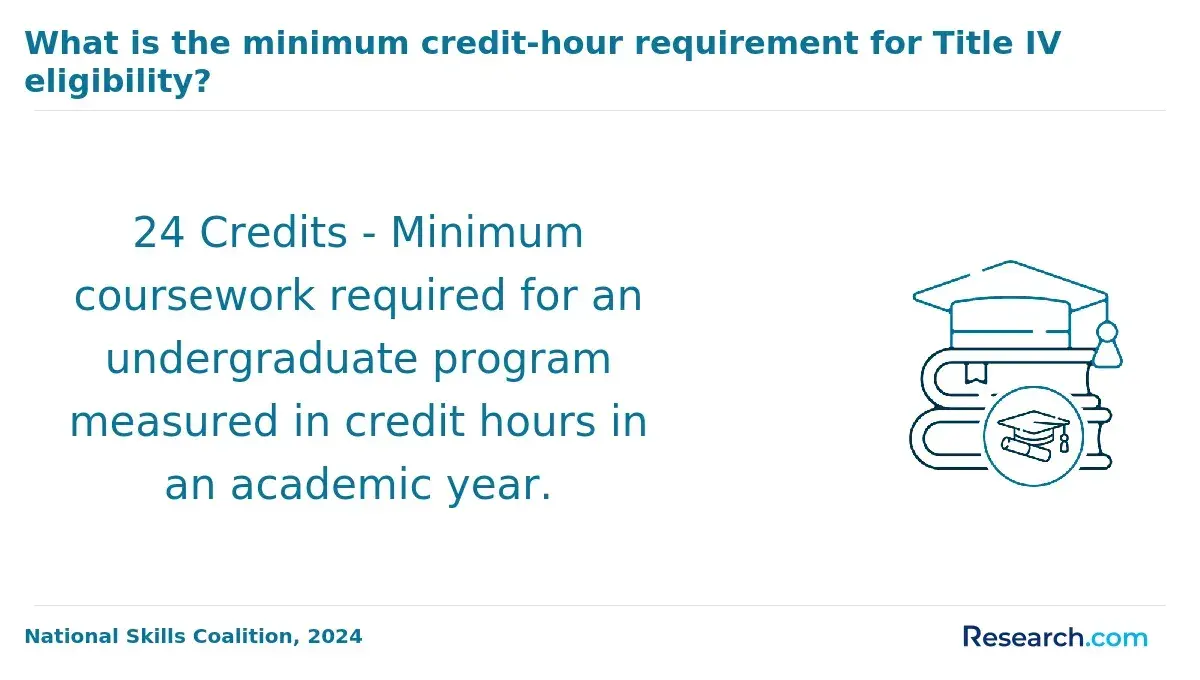
Enrollment status at Academy of Art University directly shapes the financial burden students face. Full-time students pay tuition through a flat semester rate, while part-time students incur costs per credit hour, which can vary each term. This structure often leads to higher overall expenses for part-time enrollees despite their flexibility.
For example, a full-time student may pay a consistent tuition amount each semester, facilitating straightforward budgeting. Conversely, a part-time student taking fewer credits stretches payments over time but encounters increased per-credit rates. This scenario can push the total cost beyond that of full-time peers, impacting long-term affordability.
Part-time students also confront indirect financial pressures. Studies from 2024 show part-time college attendees tend to graduate less frequently and accumulate more debt than full-time students, partly due to the extended timeline and fluctuating tuition fees. These factors often translate into greater financial strain and delayed workforce entry.
Therefore, choosing part-time enrollment can affect both direct costs and career trajectories. Students must balance immediate flexibility against potentially higher cumulative tuition and longer program completion, weighing these tradeoffs carefully when planning investment in their education at Academy of Art University.
What is the application fee for undergraduate and graduate programs at Academy of Art University?
The application fee for both undergraduate and graduate programs at Academy of Art University is $60, a non-refundable charge required regardless of admission results. This fee reflects a common trend among private art schools but may influence the decision-making of applicants balancing costs with potential career benefits.
Beyond the fee, students often face additional expenses, such as submission fees for portfolios or other required materials. These supplementary costs vary by program and can increase the initial financial burden. For example, an aspiring designer applying to an online graduate program might budget not only for the $60 fee but also for professional portfolio preparation, which can include photography or digital presentation services not covered by tuition.
Application fees nationwide have risen roughly 15% over recent years according to the National Association for College Admission Counseling, posing increased barriers for low-income applicants unless institutions offer waivers. This trend highlights the importance of evaluating these upfront costs within the full context of Academy of Art University's academic reputation and the actual value delivered to graduates in competitive creative industries.
Academy of Art University is recognized for its focus on practical skill development and industry connections, which are critical in art and design fields. Employers often prioritize graduates' portfolios and applied experiences over just academic credentials, emphasizing the value of programs that integrate hands-on learning.
However, prospective students must weigh enrollment costs against measurable outcomes like graduate employability and long-term return on investment. While the Academy has a solid presence in the art education sector, its outcomes vary by discipline and individual effort, making cost-benefit analysis essential before committing.
How much will you spend on books and supplies at Academy of Art University?
Students enrolling in online programs at Academy of Art University should expect to allocate about $1,090 toward books and supplies. This figure covers textbooks, digital materials, lab equipment, and other essentials needed to complete coursework. The precise amount depends heavily on program-specific demands, with art and design majors incurring higher costs due to specialized software and materials.
Fields that require frequent updates for design software or other hardware introduce ongoing costs that are part of skill maintenance. According to a report from the National Student Clearinghouse Research Center, undergraduate students typically spend 10 to 15% of their total education cost on books and supplies, reflecting a growing trend fueled by digital and specialized resource requirements.
Students should assess these expenses alongside their program's practical benefits and career outcomes. For example, an art student investing in premium software licenses faces a cost tradeoff for skills that employers value but should compare this against less resource-intensive majors. Budgeting carefully for these ancillary costs provides a more accurate picture of the investment needed.
To reduce spending on books and supplies, students can explore used materials, rent textbooks, or leverage digital alternatives when available. Connecting with peers for resource sharing and checking institutional discounts on software also helps manage costs effectively over the course of study.
One Academy of Art University online graduate recalled, "I initially underestimated how much drawing tools and software subscriptions would add up. I hesitated before buying some licenses, fearing the extra cost. Eventually, I realized these tools were essential for class projects and future job skills, so I budgeted more carefully and sought secondhand supplies and subscription discounts. It was a relief to find ways to cut costs without sacrificing quality."
What out-of-pocket expenses should Academy of Art University online students prepare for?
Online students at the Academy of Art University face out-of-pocket expenses beyond tuition, books, and basic supplies that significantly affect the total cost of attendance. Reliable technology and software access are not optional extras but core necessities, especially given the digital media-intensive curriculum.
For example, a graphic design student working remotely will need a high-performance laptop, robust internet, and specialized software, as well as monthly subscriptions to complete assignments and participate in live critiques effectively. Ignoring these costs leads to underbudgeting and potentially jeopardizes academic success.
The core additional expenses for online students typically include:
- High-speed Internet Access: Online coursework requires fast and stable internet to handle video streaming, file uploads, and realtime critiques. Monthly costs vary from $50 to over $100 depending on location and provider, impacting students with limited broadband options most severely.
- Computer Hardware: A capable laptop or desktop with graphic processing power is essential. Costs range from $1,000 for entry-level professional models to $2,500 or more for high-end devices needed in demanding visual programs.
- Software Subscriptions: Industry-specific applications like Adobe Creative Cloud or Autodesk are vital for assignments. Subscriptions often cost $20 to $80 monthly, cumulatively exceeding traditional textbook expenses throughout a degree.
- Peripheral Equipment: Digital art tablets, color calibration tools, or external storage may be necessary for portfolio-quality projects. Budgeting an additional $200 to $600 annually covers these frequently required items.
Compared to on-site students, online learners usually incur higher technology costs because they cannot rely on campus labs or bundled software licenses included with tuition. On-site students often trade these expenses for commuting and housing costs, which online students typically avoid.
The National Center for Education Statistics reveals 78% of online students see technology costs as a major financial concern, highlighting their influence on persistence and completion. These tradeoffs require careful evaluation when considering the real cost and practicality of an online education at the Academy of Art University.
What institutional factors drive the overall price of a Academy of Art University online degree?
Several institutional factors combine to drive the overall price of an online degree at the Academy of Art University. These factors reflect the complexity of delivering specialized education in art and design fields alongside operational choices and market demands. Understanding these contributors helps prospective students evaluate whether the tuition aligns with their expectations and financial outcomes.
Below are key drivers that shape the tuition cost structure.
- Faculty Composition:The university employs 94 full-time and 508 part-time faculty, totaling 1,268 staff members. A large, specialized faculty supports diverse and intensive art programs but adds significant salary and benefit expenses, affecting tuition.
- Admission Policy: With an open and noncompetitive admissions process, the school accepts a broad applicant pool of 6,320 students. This inflow can increase resource demand, potentially influencing pricing despite lower administrative hurdles.
- Institutional Prestige:The institution's reputation in specialized art disciplines justifies higher tuition based on resource-intensive curricula and facilities. However, students should critically assess whether this prestige translates into consistent employment advantages.
- Digital Education Investments:A 2024 study shows online tuition often raises faster than inflation due to growing technology integration for remote learning. Academy of Art University likely factors these substantial technology and support costs into its pricing.
- Resource Allocation: Maintaining extensive art studios and equipment, required for quality creative education, drives operational costs. These expenses contribute directly to tuition levels, distinguishing the program from more generalist offerings.
Prospective enrollees can compare these factors to other institutions offering 2 year bachelor degree programs when considering cost effectiveness and career outcomes.
How can you lower the cost of attendance at Academy of Art University?
The investment required for online degrees at the Academy of Art University can be substantial, given rising tuition and fees across higher education in the US. With average student loan debt for online education climbing approximately 15% annually, according to the National Center for Education Statistics, students face growing financial pressure.
However, there are concrete strategies online students can use to lower the cost of attendance at the Academy of Art University. Consider these practical approaches to reduce expenses and better align education costs with career objectives:
- Military and Veteran Benefits: Eligible students can apply GI Bill® and other Department of Veterans Affairs education benefits toward tuition. This reduces out-of-pocket costs substantially but requires verification of veteran status and careful benefits planning.
- Employer Tuition Reimbursement: Some corporate partners provide tuition discounts or reimbursements to employees. Students employed by such organizations should check eligibility and policies early, as this can lower expenses but depends on employer support.
- Credit for Prior Learning: Students with relevant experience may earn academic credit via portfolio assessments or prior learning evaluations, decreasing required semester hours. This expedites completion but demands rigorous documentation and acceptance by degree programs.
- Transfer Credits: Transferring credits from accredited institutions can reduce total courses billed. Prospective students must confirm that credits apply to their intended programs to avoid delaying graduation.
- Aligning Education with Career Realities: Given the creative industry's emphasis on portfolios and practical skills, minimizing borrowed funds and focusing on coursework that enhances employability can prevent financial overextension. This strategy demands ongoing assessment of employer expectations.
These financial aid options for Academy of Art University online students require careful navigation but offer meaningful relief. Exploring them within a well-informed plan helps control education costs. For those comparing institutions, considering a self-paced accredited online college may also provide flexible, cost-efficient alternatives not available in traditional settings.
How can transfer credits reduce the overall cost of a degree at Academy of Art University?
Transfer credits primarily accepted at Academy of Art University are official college-level academic courses previously completed at accredited institutions. These credits help students bypass retaking equivalent courses, effectively reducing the number of credits taken at full tuition. Professional or experiential learning credits are generally not accepted, limiting savings for those without formal postsecondary coursework.
Students must submit official transcripts from their prior schools for evaluation. The university reviews each transcript to determine course equivalencies that align with their curricula. For online students, this process can shorten their program length and lower tuition costs since fewer credits remain to complete.
It is important to note that acceptance of transfer credits depends on factors such as the accreditation status of the originating institution and the relevance of the coursework. Students with professional experience but minimal formal credit may find limited financial benefit due to the university's emphasis on traditional academic records.
A recent study found that online students who leverage transfer credits can reduce their overall student debt by up to 30%, underscoring the practical value of credit transfer for cost-conscious learners planning their education expenses.
One graduate shared that having completed two years at a community college helped them avoid retaking foundational art courses at Academy of Art University. "At first, I hesitated to submit my transcripts because I wasn't sure how much would count," they recalled. "When the university accepted most of my credits, it significantly shortened my program and eased my financial pressure. It felt like a relief to not start completely from scratch, especially since I was juggling work and family." This experience reflects the tangible savings transfer credits can offer but also highlights the importance of early credit evaluation and realistic expectations about accepted courses.
How many online students receive financial aid at Academy of Art University?
Approximately 78% of online students at the Academy of Art University receive financial aid, reflecting the central role aid plays in offsetting the cost of attendance. The average undergraduate financial aid award is $12,096, which can significantly reduce tuition expenses for many enrollees. For prospective students, weighing this financial support against the total investment is essential, especially given the practical importance employers place on skills and portfolio strength over sticker price.
To understand financial aid options better, here are key scholarship and grant programs available:
- Academic Scholarship: Designed for students with strong academic records, this scholarship awards varying amounts that depend on GPA and can cover a substantial portion of tuition to reduce debt burdens.
- Honors Scholarship: Targeted toward students who demonstrate exceptional achievement, eligibility requires maintaining a high GPA, with awards that may cover partial to full tuition.
- Alumni Grant: Available to relatives of alumni, this grant offers moderate tuition coverage aimed at fostering family legacy and supporting enrollment costs.
- Portfolio Scholarship: Intended for students who submit a distinguished portfolio, this scholarship rewards artistic merit and can help offset a meaningful share of tuition.
- Online Student Grant: Specifically for online enrollees, this grant provides targeted aid to reduce overall expenses, making digital programs more accessible and affordable.
Given that most online students at the Academy of Art University rely on financial aid, it is crucial to assess the long-term financial implications carefully. Nearly 60% of bachelor's degree recipients graduate with debt, according to a 2024 report from the National Center for Education Statistics, emphasizing the need to optimize aid usage and limit borrowing. This makes understanding each financial aid program's scope and eligibility an important factor in planning attendance costs.
Moreover, students balancing work and study might consider accelerated degree options to reduce time-to-completion and total expenses, such as those detailed in accelerated degree programs for working adults. This practical approach aligns with employer expectations by focusing on relevant skill acquisition and portfolio development rather than extended time in school or excessive debt accumulation.
What Graduates Say About the Cost of Studying at Academy of Art University
- Nicholas: "Studying the online program at Academy of Art University offered me flexibility that was essential while balancing freelance design projects and a full-time job. Though the tuition felt steep initially, especially with added tech fees I hadn't fully anticipated, the avoided costs of commuting and housing helped offset expenses. Entering the workforce with a degree from this institution gave me a clear credential boost, which accelerated my ability to negotiate higher rates; however, I remain pragmatic about the investment-to-return ratio, recommending prospective students budget carefully for hidden costs."
- Garrett: "Opting for an online degree from Academy of Art University was a strategic move to gain industry-relevant skills without pausing my career. The experience was mostly smooth, although I found some digital infrastructure fees surprisingly higher than expected, which complicated my financial planning. Still, the career momentum post-graduation-landing a creative director role faster than peers-made the overall cost manageable and justified. This program demonstrated that skipping on-campus living expenses significantly reduced financial pressure while delivering solid outcomes."
- Blake: "My journey through Academy of Art University's online program was marked by an upfront appreciation for its flexibility but also a cautious approach to its cost structure. While I was relieved not to incur on-campus housing or daily commute expenses, the combination of tuition plus additional digital fees pushed my budget tighter than anticipated. That said, earning the degree did open professional doors sooner than expected, ultimately validating the investment when seen through the lens of accelerated employment and salary growth. I would advise future students to weigh these nuanced financial trade-offs carefully against their career goals."
Other Things You Should Know About Academy of Art University Degrees
Besides tuition, online students at Academy of Art University must consider technology and software fees that are mandatory for accessing course materials and design programs. These fees can add several hundred dollars per year, which raises the true cost of attendance beyond just per-credit pricing. Understanding these fees upfront is critical because they are non-negotiable and apply regardless of part-time or full-time enrollment, meaning budgeting must factor in technology costs to avoid surprises.
The practical value of an online degree from Academy of Art University hinges on portfolio quality and networking, not just tuition paid. Employers in creative industries often prioritize demonstrated skills and professional experience over where the degree was earned. Hence, students should focus budget and effort on projects that enhance their portfolio and seek internships or freelance work alongside their studies for better return on investment in career terms, rather than exclusively on cost savings.
Relying heavily on financial aid can seem appealing but it often leads to increased debt that may not align with the expected earnings trajectory for creative arts careers. Because tuition and required fees at Academy of Art University's online programs can accumulate quickly, students should carefully evaluate realistic post-graduation income versus potential debt. Prioritizing scholarships, grants, or part-time work over loans can mitigate financial risk, making this approach generally more sustainable for balancing cost with workload demands and future financial stability.
References
- Academy of Art University: 2026 Rankings, Admissions Process & Campus Life https://amberstudent.com/blog/post/academy-of-art-university
- Academy of Art University - Best Trade Schools https://www.best-trade-schools.net/schools/academy-of-art-university/
- Transfers - Art Academy of Cincinnati https://www.artacademy.edu/admissions/transfers/
- Learning Art : Online Or on Site? - Academy of Fine Art https://academy-of-fine-art.com/en/blog/drawing-and-painting-learning-art-online-or-on-site/
- Academy of Art University Admissions: Acceptance Rate, Intakes & Requirements for 2025 https://leapscholar.com/usa/university-details/academy-of-art-university/admissions-acceptance-rate
- 329 Academy of Art University scholarships 2026-27 [Updated] https://www.wemakescholars.com/university/academy-of-art-university/scholarships
- Academy of Art University Tuition and Financial Aid https://www.prepscholar.com/sat/s/colleges/Academy-of-Art-University-tuition-financial-aid
- Academy of Art University https://www.mymajors.com/college/ca/academy-of-art-university/tuition/