
2027 How Much Can I Earn After I Get an MBA?

Co-Founder and Chief Data Scientist
Choosing whether to pursue an MBA is partly a career decision and partly a financial one. The degree can help professionals move into management, consulting, finance, strategy, entrepreneurship, technology leadership, and executive roles, but the payoff depends heavily on the school, format, specialization, work experience, industry, and location. With 91 percent of corporate recruiters globally intending to hire more MBA graduates (Graduate Management Admission Council, 2025), applicants are right to ask a practical question before enrolling: what salary can an MBA realistically lead to?
This guide explains current MBA salary expectations, the roles that commonly hire MBA graduates, the factors that raise or limit earnings, and how to evaluate whether a program is worth the cost. It is written for prospective MBA students, working professionals comparing program formats, and graduates looking for ways to improve their return on investment. If you are still deciding whether a business administration major or graduate business degree fits your career goals, the sections below will help you compare options more carefully.
Quick Answer: What Is the Average MBA Salary?
The average MBA salary in 2025 rose to $130,000, according to the Graduate Management Admission Council (2025). However, MBA pay is not uniform. Graduates in consulting, financial services, technology, executive leadership, and high-cost labor markets often report higher compensation, while early-career graduates, career switchers, and professionals in lower-paying regions may earn less. The strongest ROI usually comes from matching the MBA program to a clear career target, choosing a credible school, using career services early, and avoiding unnecessary debt.
MBA Salary Table of Contents
- MBA salary and job outlook for 2027
- What determines how much MBA graduates earn?
- MBA salary by common career path
- Employment profile for MBA graduates
- How networking and mentorship affect MBA outcomes
- Long-term career benefits of an MBA
- Online executive MBA vs. traditional MBA programs
- Trends changing MBA career outcomes
- Should MBA students specialize in emerging technologies?
- Complementary credentials that can strengthen an MBA career
- Skills employers expect from MBA graduates
- How to choose an affordable online MBA with strong ROI potential
- How to increase your MBA earning potential
- Is an MBA worth it?
- Should MBA graduates consider a DBA?
MBA Salary and Career Outlook for 2027
MBA compensation has strengthened after the uneven labor market conditions of the early 2020s. The average MBA salary in 2025 rose to $130,000, reflecting renewed employer demand for managers who can lead strategy, analyze business performance, and guide organizations through digital and market changes (Graduate Management Admission Council, 2025).
Several MBA-aligned occupations also show favorable employment projections. For example, employment opportunities for financial managers are expected to increase by 15% through 2034, and the median financial manager salary is $161,700. These figures do not mean every MBA graduate will reach that salary level, but they do show why finance, corporate strategy, analytics, and leadership roles remain common targets for MBA students.
| Job Role | Average Annual Salary | Projected Job Outlook |
| Chief Executives | $246,440 | 6% |
| Financial Managers | $139,790 | 17% |
| Management Analysts | $104,660 | 11% |
| Accountants and Auditors | $86,740 | 6% |
| Human Resources Specialists | $73,080 | 8% |
How to read MBA salary numbers
MBA salary data can be confusing because different sources measure different things: base salary, total compensation, median pay, mean wage, reported graduate outcomes, or occupation-wide earnings. A graduate’s offer may also include bonuses, equity, relocation support, or performance incentives. When comparing schools or career paths, look for the exact definition of salary, the sample size, the percentage of graduates reporting outcomes, and whether the data reflects recent graduates or experienced executives.
What Determines How Much MBA Graduates Earn?
An MBA can improve earning potential, but the degree itself is only one variable. Salary is shaped by the business school’s employer network, the program format, the student’s pre-MBA experience, industry demand, specialization, geographic market, and ability to convert the degree into a stronger role. Understanding these factors before enrolling can help students choose a program that supports a realistic career outcome instead of relying on averages.
Business School Reputation and Employer Access
The business school, often called a B-school, can influence salary because it affects recruiting access, alumni connections, internship pipelines, and employer confidence. The Graduate Management Admission Council reports that MBA graduates earn 77% more than those with bachelor's degrees, and top business schools report job offer rates of at least 90% (Harvard Business School, 2025). Applicants should not choose a school based only on prestige, but they should investigate which employers recruit there and whether graduates enter the roles they want.
Program Type and Schedule
Students comparing formats often ask, what do you learn in an MBA program? Most MBA programs cover core areas such as finance, accounting, marketing, strategy, operations, leadership, and analytics, but the format changes the student experience. Common options include full-time MBA programs, executive MBAs, part-time MBAs, online MBAs, and accelerated one-year MBAs. Depending on the format, completion can take one to three years.
The program type can also affect salary outcomes because it changes who enrolls and how they use the degree. Executive MBA programs are built for experienced managers and senior professionals who want to move into larger leadership roles. Professionals with an executive MBA earn between $241,832 and $284,550 annually (Executive MBA Council, 2025). By contrast, a full-time MBA may be better for career switchers who need internships, campus recruiting, and time to reposition themselves.
| MBA Format | Best Fit | Salary and ROI Consideration |
| Full-time MBA | Career switchers, younger professionals, and students seeking internships or campus recruiting | Can be powerful for career changes, but opportunity cost is higher if the student leaves full-time work. |
| Part-time MBA | Working professionals who want to keep earning while studying | Lower career interruption, but recruiting access may vary by school and schedule. |
| Executive MBA | Experienced managers and leaders pursuing senior roles | Can align with higher executive pay, but applicants should already have substantial work experience. |
| Online MBA | Professionals who need flexibility, geographic independence, or lower relocation costs | ROI depends on accreditation, employer reputation, career support, and total program cost. |
| Accelerated one-year MBA | Students with focused goals and strong preparation | Shorter completion time can reduce opportunity cost, but the schedule may limit internships. |
Specialization and Industry Alignment
MBA students can focus on fields such as finance, entrepreneurship, healthcare management, sustainability, business analytics, human resources, operations, or technology management. In many accredited MBA programs, specializations add targeted coursework, projects, and sometimes internships that prepare students for specific industries. The key is to choose a concentration that supports an actual career path, not just one that sounds marketable.
Industry choice can have a major effect on salary. Dartmouth University’s Tuck School of Business reports that the top-paying industries for MBA graduates include:
- Consulting: $175,000
- Financial services: $175,000
- Technology: $140,000
- Health care, pharmaceutical, and biotech: $130,000
- Consumer goods and retail: $126,000
Work Experience Before and After the MBA
Prior experience matters because employers usually pay for proven judgment, leadership ability, and industry knowledge, not coursework alone. For example, CEOs with less than one year of work experience earn an average MBA starting salary of $757,248 annually (Salary.com, n.d.), while CEOs with at least two decades of experience earn at least $880,000 yearly. These figures reflect executive-level roles and should not be treated as typical outcomes for new MBA graduates.
Location and Cost of Living
Where an MBA graduate works can change salary substantially. The chief executive officer salary in New Jersey for MBA graduates averages $454,490 per year (Bureau of Labor Statistics, 2025). In Mississippi, a CEO with an MBA degree earns an average of $151,820 annually. Higher-paying markets may also come with higher housing, taxes, transportation, and childcare costs, so applicants should compare take-home pay and lifestyle costs, not salary alone.
MBA Salary by Common Career Path
There are 750 colleges and universities that offer MBA programs worldwide, and nearly 60% of MBA students are now enrolled in part-time or other flexible formats (AACSB, 2025). That flexibility matters because many students pursue an MBA while remaining employed, changing industries gradually, or preparing for promotion within their current organization.
Improving job mobility and compensation is one of the main reasons students pursue graduate business degree types. Among MBA graduates, 83.1% were seeking employment and 89.2% accepted job offers within three months of graduation (GMAC, 2025). Common MBA career paths include executive leadership, financial management, consulting, operations, accounting leadership, and human resources management.
| Job Role | Annual Mean Wage | Hourly Mean Wage |
| Chief Executives | $246,440 | $118.48 |
| Financial Managers | $139,790 | $67.21 |
| Management Analysts | $104,660 | $50.32 |
| Accountants and Auditors | $86,740 | $41.70 |
| Human Resources Specialists | $73,080 | $35.13 |
Which MBA career paths tend to pay more?
Higher-paying MBA paths often involve revenue responsibility, investment decisions, enterprise strategy, operational transformation, or leadership over large teams. Consulting and financial services can offer high starting compensation, but they may involve demanding hours, travel, or intense performance expectations. Human resources, accounting, and operations roles may have different compensation profiles but can provide stable advancement paths, especially when paired with industry expertise.
Employment Profile for MBA Graduates
The average MBA salary, including outcomes for graduates of an MBA in human resources, is $135,000 in 2025 (Graduate Management Admission Council, 2025). Individual earnings vary because MBA graduates enter different functions, industries, regions, and leadership levels. A student using salary data to evaluate ROI should separate entry-level post-MBA outcomes from midcareer and executive compensation.
MBA Salary by Location
Geography can change a master of business administration salary as much as industry or role. Washington is listed as the top-paying state for MBA graduates, with master’s in business degree holders earning an average of $78.31 per hour (ZipRecruiter, n.d.). Arkansas is listed as the lowest-paying state for MBA degree holders, with workers earning $49.65 hourly.
MBA Salary by Experience Level
Experience affects pay because senior roles usually require a record of managing people, budgets, clients, products, or major organizational decisions. A chief executive officer earns an average of $823,245 annually (Salary.com, n.d.), but compensation changes by tenure, company size, sector, performance, and scope of authority. MBA students should therefore map expected salary growth over time, not just first-year post-graduation pay.
MBA Salary by Industry
An MBA can make it easier to move across sectors such as management, business and financial operations, technology, healthcare, consulting, sales, and human resources. Industry switching can raise a graduate’s average business major salary when the new field pays more for strategic, analytical, or leadership skills. For chief executives, top-paying industries include motion pictures and video industries, media streaming distribution services, and enterprises.
How Networking and Mentorship Can Improve MBA Career Outcomes
Networking is not a side benefit of an MBA; for many students, it is one of the main sources of career value. Alumni referrals, faculty introductions, employer events, peer relationships, and mentor conversations can help students discover roles that are not widely advertised, understand hiring expectations, and prepare for interviews more effectively. This is especially important for career switchers who need credibility in a new function or industry.
Students comparing flexible programs should ask how relationship-building works outside the classroom. Reputable online MBA programs may offer virtual consulting projects, alumni panels, cohort-based courses, employer sessions, and career coaching. The strongest programs make networking structured and repeatable rather than leaving students to build connections on their own.
What Are the Long-Term Career Benefits of Earning an MBA?
The value of an MBA is not limited to the first job after graduation. Over time, the degree can help professionals build executive communication skills, analyze complex business problems, manage cross-functional teams, understand financial trade-offs, and make decisions with incomplete information. These skills can support advancement into senior management, consulting, entrepreneurship, corporate strategy, or global business roles.
The long-term benefit depends on how well the degree fits the student’s goals. A professional seeking a promotion may value leadership training and internal credibility, while a career changer may need recruiting access and internships. Anyone asking whether an advanced business degree is MBA worth it should compare expected career gains against tuition, debt, time away from work, and the strength of the school’s employer network.
Online Executive MBA vs. Traditional MBA Programs
Online executive MBA programs are designed for experienced professionals who want advanced leadership education without stepping away from their careers. They often emphasize strategy, organizational leadership, peer learning, and immediate workplace application. Traditional full-time MBA programs, by contrast, may provide more immersion, internship access, and on-campus recruiting for students seeking a major career pivot.
| Factor | Online Executive MBA | Traditional MBA |
| Typical student profile | Experienced managers and senior professionals | Early- to midcareer professionals, including career switchers |
| Career interruption | Usually lower because students continue working | Often higher for full-time students who leave employment |
| Networking style | Executive peer groups, virtual collaboration, residencies, employer-based projects | Campus clubs, internships, recruiting events, in-person cohorts |
| Best use case | Advancing into larger leadership roles while employed | Changing function, industry, or geography through recruiting access |
Prospective students should review curriculum design, schedule expectations, employer relationships, and alumni outcomes before choosing among executive MBA online programs.
What Emerging Trends Are Reshaping MBA Career Outcomes?
MBA career outcomes are being shaped by digital transformation, data-driven decision-making, sustainability, artificial intelligence, and employer demand for leaders who can connect business strategy with technology. Many programs are adding analytics, product management, fintech, supply chain resilience, entrepreneurship, and responsible leadership content to prepare graduates for work environments where decisions are increasingly supported by data and automation.
Some students also strengthen their profile with targeted graduate study or credentials in specialized fields. For example, finance-focused professionals may compare MBA coursework with options such as cheap masters in finance programs. The right choice depends on whether the student needs broad management training, deeper technical finance expertise, or both.
Should MBA Students Specialize in Emerging Technologies?
Technology-focused specialization can be useful when it supports a specific career goal. MBA graduates do not always need to become engineers or developers, but employers increasingly value managers who understand how technologies affect business models, risk, operations, customer behavior, and investment decisions. Areas such as fintech, blockchain, cryptocurrency, analytics, and artificial intelligence can be especially relevant for students targeting finance, product strategy, consulting, or innovation roles.
A technology specialization is most valuable when paired with business judgment and practical experience. Students interested in deeper exposure to digital finance and distributed ledger topics may compare MBA electives with a blockchain degree online or related credential.
Complementary Qualifications That Can Strengthen an MBA Career
An MBA can be the central credential in a business career, but additional qualifications may help in specialized roles. Certifications in data analytics, project management, accounting, finance, cybersecurity, supply chain, digital marketing, or human resources can make a candidate more credible for roles that require technical fluency. The best add-on credential depends on the job target, not on the number of certificates a candidate can collect.
Professionals who need stronger undergraduate-level business foundations may also benefit from a business administration degree online before pursuing graduate work. Those who already have business experience should focus on credentials that close specific skill gaps.
What Skills Do Employers Expect From MBA Graduates?
Employers usually expect MBA graduates to combine technical business knowledge with leadership, communication, and judgment. The most valuable skills are not isolated classroom topics; they are abilities that help organizations make better decisions, manage change, and improve performance.
- Strategic thinking and decision-making: MBA graduates should be able to evaluate markets, competitors, risks, and internal capabilities before recommending a course of action.
- Financial acumen: Budgeting, forecasting, valuation, financial modeling, and investment analysis help managers understand the economic consequences of business decisions.
- Data analytics and interpretation: Employers increasingly expect managers to use data to identify patterns, test assumptions, measure performance, and communicate insights clearly.
- Project management: MBA graduates often lead initiatives that require planning, resource allocation, stakeholder communication, and accountability for results.
- Leadership and team management: Strong managers know how to set direction, motivate teams, resolve conflict, coach employees, and build trust across functions.
- Executive communication: The ability to write concise recommendations, present to senior leaders, and explain trade-offs is essential in management roles.
- Change management: Organizations need leaders who can guide teams through restructuring, new technology adoption, process redesign, and market disruption.
Common skill gaps that can limit MBA salary growth
- Relying on the MBA credential without developing measurable business achievements
- Weak quantitative skills in finance, analytics, or operations
- Poor interviewing and case problem-solving preparation
- Limited professional network outside the student’s current company
- No clear specialization or target role by graduation
How to Choose an Affordable Online MBA Program With Strong ROI Potential
Choosing an affordable online MBA is not the same as choosing the lowest tuition. A lower-cost program can still be a poor investment if it lacks accreditation, employer recognition, career support, or relevant coursework. A higher-cost program can also be risky if the expected salary gain does not justify the debt. The goal is to compare total cost against realistic career value.
- Calculate the full cost, not just tuition. Include fees, books, residencies, technology costs, travel, interest on loans, and time away from paid work.
- Confirm accreditation and institutional credibility. Employers and financial aid eligibility can be affected by accreditation. Review the school’s status before applying.
- Compare career outcomes by role and industry. Look for employment reports, salary ranges, major hiring employers, promotion outcomes, and alumni career paths.
- Evaluate specialization fit. Finance, consulting, analytics, healthcare, and technology pathways can lead to different salary outcomes. Students targeting finance may want to compare low-cost online MBA finance programs before deciding.
- Review career services for online students. Ask whether online MBA students receive coaching, resume support, mock interviews, employer access, and alumni networking opportunities.
- Ask about transfer credits and pacing. Transfer policies, course load, and program length can affect both cost and completion time.
| Question to Ask | Why It Matters for ROI |
| Is the institution properly accredited? | Accreditation affects credibility, aid eligibility, and employer confidence. |
| What is the total program cost? | Fees, travel, and loan interest can change the real price of the MBA. |
| Which employers recruit graduates? | Employer access can influence job opportunities and salary growth. |
| What outcomes are reported for online students? | Online and campus students may not always have identical recruiting experiences. |
| Can the program support my target specialization? | ROI improves when coursework, projects, and recruiting align with a specific career path. |
How Can I Increase My Earning Potential With an MBA?
Maximizing MBA earnings requires more than completing the degree. The highest-value outcomes usually come from intentional choices before, during, and after enrollment: targeting the right industry, building evidence of impact, networking early, and negotiating compensation with market data.
- Use alumni and employer networks early. Start informational interviews before recruiting season. Alumni can clarify hiring expectations, suggest target firms, and refer strong candidates.
- Choose a specialization tied to hiring demand. Finance, consulting, technology, analytics, and healthcare can support strong opportunities when the student has matching skills and experience.
- Build experience in higher-paying industries. Internships, consulting projects, employer-sponsored projects, and part-time roles can help students move into finance, technology, healthcare, or consulting.
- Pursue leadership roles with measurable results. Employers reward candidates who can show revenue growth, cost savings, process improvements, team leadership, or successful project delivery.
- Add targeted certifications when they support the role. Credentials such as Chartered Financial Analyst (CFA), Certified Management Accountant (CMA), or Project Management Professional (PMP) can be useful when aligned with finance, accounting, consulting, or project leadership goals.
- Consider geographic and international opportunities carefully. Relocation can raise compensation in some markets, but students should account for cost of living, taxes, visa requirements, and industry concentration.
- Negotiate total compensation, not just base salary. Bonuses, equity, retirement contributions, tuition reimbursement, signing incentives, and flexible work arrangements can change the real value of an offer.
- Keep developing after graduation. Business tools, analytics platforms, AI applications, and management practices change quickly. Continuous learning helps graduates remain competitive.
Students looking for a lower-cost path may consider an online MBA under 30K if the program is accredited, aligned with their target industry, and supported by credible career services.
Common mistakes that reduce MBA ROI
- Choosing a program based only on rankings without checking career outcomes for the target role
- Borrowing heavily without estimating post-graduation monthly loan payments
- Assuming all online MBAs offer the same recruiting access as campus programs
- Selecting a specialization without researching employer demand
- Waiting until the final semester to use career services
- Ignoring location, cost of living, and relocation requirements
- Assuming salary averages are guaranteed outcomes
Is Getting an MBA Worth It?
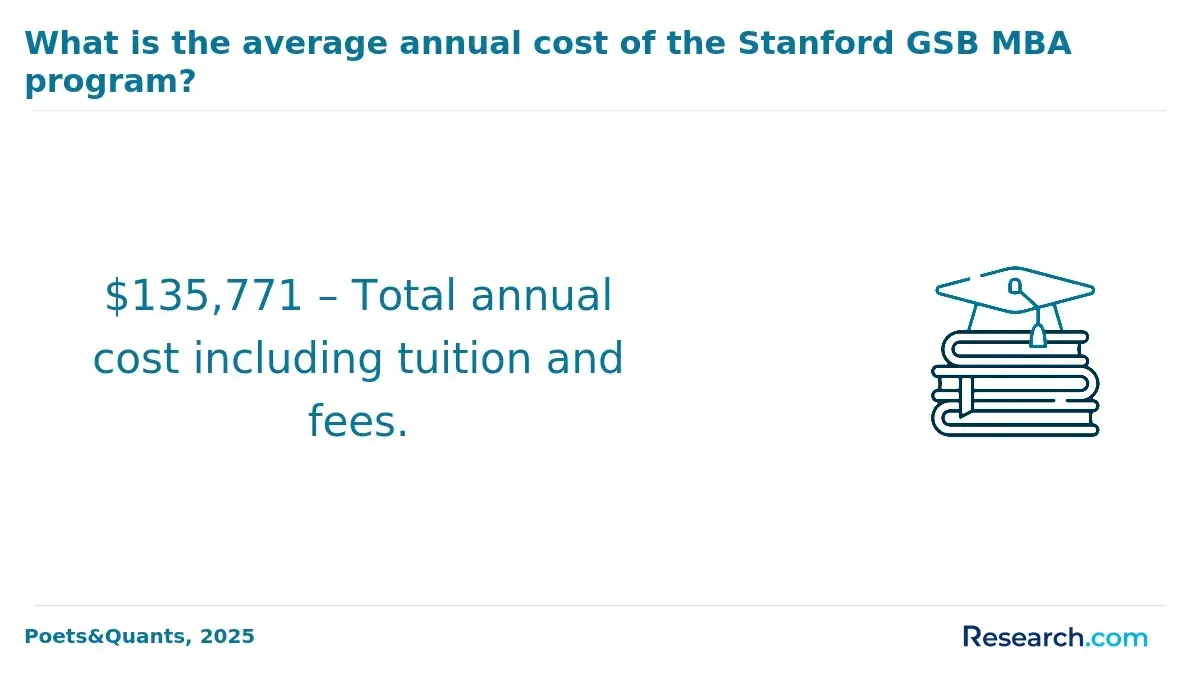
The cost of pursuing a master’s degree ranges from $51,740 to $62,550, depending on whether the student is enrolled in a public or private college or university (Education Data Initiative, 2026). Whether an MBA is worth that cost depends on the student’s current salary, debt level, target role, employer support, opportunity cost, and likelihood of using the degree to move into a better position.
For many students, the MBA can be a strong investment because of the average MBA salary and the range of business degree jobs available. MBA graduates can earn an average of $130,000 per year (Graduate Management Admission Council, 2025), and some earn more based on industry, location, school, and experience. Still, a high average does not guarantee an individual outcome.
More than a quarter of recruiters in the US expect demand for business school graduates to increase within the next five years. Recruiters often value MBA talent for communication skills, broad business training, and strategic thinking. Students should use that demand as one input, not as the only reason to enroll.
An MBA is more likely to be worth it if you have a clear career goal, can manage the cost, choose an accredited program, and actively use networking and career services. It may be less compelling if you are unsure of your target role, already have access to the same promotion path without the degree, or would need to take on debt that your expected salary cannot support. Before enrolling, compare your expected benefit with the full online MBA costs.
| An MBA May Be Worth It If... | An MBA May Not Be the Best Next Step If... |
| You need the credential to move into management, consulting, finance, or executive-track roles. | You do not have a target role or industry and are using the degree to postpone a career decision. |
| Your employer offers tuition assistance or promotion pathways for MBA graduates. | The program cost would require debt that is difficult to justify with realistic salary outcomes. |
| The school has strong outcomes in your desired field. | The program has weak career services, unclear accreditation, or limited employer recognition. |
| You can use internships, projects, and alumni networks to change careers. | You are already advancing quickly without the degree and do not need the credential. |
Should MBA Graduates Consider a DBA?
A Doctorate in Business Administration (DBA) can make sense for MBA graduates who want advanced applied research training, senior consulting credibility, executive thought leadership, or teaching opportunities. Unlike an MBA, which usually focuses on broad management practice, a DBA emphasizes research methods, evidence-based decision-making, and deep investigation of business problems.
A DBA is not necessary for most management roles, and it should not be pursued only for a salary increase. It is most appropriate for professionals who want to produce original applied research, move into academic or executive education settings, or strengthen authority in a specialized business field. Those interested in this path can review cheap online DBA programs to compare options that may fit their budget and career goals.
How to Decide Your Next Step
If you are still exploring what is master’s degree study in business, start by defining the job you want after graduation. Then work backward: identify the required skills, preferred schools, common employers, realistic salary range, and total program cost. An MBA can broaden career options, but the strongest outcomes come from choosing a program that matches a specific professional objective.
Before applying, compare schools, formats, accreditation, scholarships, employer tuition benefits, and career support. Students should also research MBA scholarships and financial aid because reducing debt can improve ROI as much as increasing salary. The right MBA should help you build useful skills, expand your network, and move toward roles that justify the investment.
References
- AACSB International. (2025). Enrollment trends at AACSB business schools: 2025. https://poetsandquantsforexecs.com/news/report-business-education-is-transforming-not-declining-as-mba-enrollment-slips-specialized-programs-surge/
- Bureau of Labor Statistics. (2025). Occupational Employment and Wage Statistics: Chief Executives. U.S. Department of Labor. https://www.bls.gov/oes/current/oes111011.htm
- Education Data Initiative. (2026). Average cost of a master's degree: 2026 analysis. https://educationdata.org/average-cost-of-a-masters-degree
- Harvard Business School. (2025). Class of 2025 employment report. https://www.hbs.edu/mba/blog/class-of-2025-employment-report
- Graduate Management Admission Council. (2025). 2025 Corporate Recruiters Survey and MBA Employment Trends. https://www.gmac.com/market-intelligence-and-research/research-library/employment-outlook/2025-corporate-recruiters-survey
- Graduate Management Admission Council. (2025). 2025 Corporate Recruiters Survey Report. https://www.gmac.com/market-intelligence-and-research/market-research/corporate-recruiters-survey
- Graduate Management Admission Council. (2025). 2025 Corporate Recruiters Survey Report. https://www.gmac.com/market-intelligence-and-research/research-library/employment-outlook/2025-corporate-recruiters-survey-report
- Graduate Management Admission Council. (2025). 2025 Corporate Recruiters Survey - Summary Report. https://www.gmac.com/market-intelligence-and-research/research-library/employment-outlook/2025-corporate-recruiters-survey-summary-report
- AACSB business school data guide. https://www.aacsb.edu/insights/data-insights/2021-business-school-data-guide
- Bureau of Labor Statistics chief executives data. https://www.bls.gov/oes/current/oes111011.htm
- Bureau of Labor Statistics financial managers outlook. https://www.bls.gov/OOH/management/financial-managers.htm
- Clear Admit MBA career placement outcomes. https://www.clearadmit.com/2022/03/top-mba-program-career-placement-outcomes-graduates-seeking-employment/
- Executive MBA Council research. https://www.embac.org/research-in-context.html
- Graduate Management Admission Council corporate recruiters survey. https://www.gmac.com/market-intelligence-and-research/market-research/corporate-recruiters-survey
- National Center for Education Statistics graduate tuition data. https://nces.ed.gov/programs/digest/d21/tables/dt21_330.50.asp
- Salary.com (n.d.). Chief Executive Officer Salary. Retrieved from https://www.salary.com/tools/salary-calculator/chief-executive-officer
- ZipRecruiter (n.d.). What is the Average MBA Salary by State. Retrieved from https://www.ziprecruiter.com/Salaries/What-Is-the-Average-MBA-Salary-by-State
Key Insights
- The average MBA salary is useful, but incomplete. The average MBA salary in 2025 rose to $130,000, yet outcomes vary widely by role, school, location, industry, and experience.
- Program choice affects ROI. Full-time, part-time, executive, online, and accelerated MBAs serve different students. The best format is the one that supports your target role with the least unnecessary cost and disruption.
- Industry and specialization matter. Consulting and financial services report $175,000 in the cited Tuck data, while technology, healthcare, consumer goods, and retail show different compensation levels.
- Experience often drives the biggest pay differences. An MBA can support advancement, but senior salaries usually reflect years of leadership, measurable results, and responsibility for major business decisions.
- Location changes salary expectations. Washington is listed at $78.31 per hour for MBA graduates, while Arkansas is listed at $49.65 hourly, showing why geography should be part of salary planning.
- Affordability is not just tuition. Students should compare total cost, debt, accreditation, career services, employer access, and graduate outcomes before choosing an online MBA.
- An MBA is worth it when it connects to a clear plan. The degree is most valuable when it helps you enter a better role, change industries, advance into leadership, or gain skills and networks you could not easily build otherwise.
Other Things You Should Know About MBA Salaries
The choice of business school significantly impacts MBA salary. Graduates from top-ranked business schools tend to command higher salaries due to strong alumni networks, rigorous training, and prestigious brand recognition. Employers may offer premium salaries for graduates from these institutions, reflecting the perceived quality and rigor of the education.
Several factors impact MBA salary, including the choice of business school, type of MBA program, area of specialization, work experience, and geographic location.
In 2027, the average salary for MBA graduates is projected to be around $115,000. However, this figure can vary widely based on industry, school attended, and individual negotiation skills. Top business schools and certain industries may offer significantly higher starting salaries.
Specializations in fields such as consulting, financial services, technology, and healthcare management offer higher salary prospects due to the specific skills and expertise they provide.
In 2027, industries like consulting, finance, technology, and healthcare are known to pay the highest salaries for MBA graduates, with consulting firms offering average salaries starting at $150,000. These sectors value the strategic and analytical skills MBAs bring.
In 2027, the job outlook for MBA graduates remains robust, with opportunities and demand growing in sectors like technology, finance, and healthcare. The global shift towards digital transformation and strategic business development continually fuels the need for MBA-educated professionals, especially in managerial and leadership roles.
Yes, MBA graduates with prior work experience tend to earn higher starting salaries, with significant increases for those in executive roles.
Geographic location plays a crucial role in salary variation, with states like Washington offering higher average wages compared to states like Arkansas.
Top job roles include chief executives, financial managers, management analysts, accountants, auditors, and human resources specialists, each with varying salary scales.
Yes. Full-time MBA graduates usually see the biggest immediate salary jump because they switch jobs or industries after graduation. Executive MBA salaries are higher before enrollment and often rise more slowly. Part-time MBA pay increases are measured while students keep working, so gains appear over a longer period.


