
2027 Is an MBA Worth It? How To Know the Answer

Co-Founder and Chief Data Scientist
Deciding whether to pursue business administration—or whether an MBA is worth the cost—comes down to one practical question: will the credential, skills, and network move you toward the roles you actually want? Business administration can lead to careers in management, operations, finance, human resources, consulting, entrepreneurship, and executive leadership, but the right path depends on your experience level, target industry, budget, and timeline.
This guide explains what business administration careers involve, how an MBA can affect your options, which skills employers look for, and how to compare degree formats, specializations, costs, and career outcomes. It is designed for students, early-career professionals, career changers, and working managers asking, “Is an MBA worth it?” or “Which MBA program is right for me?”
Labor market demand is one reason many people continue to consider this field. By 2034, an average of about 942,500 job openings are expected to open up in the fields of business and financial occupations each year (BLS, 2025). That does not guarantee an MBA will pay off for every student, but it does show that business, finance, management, and administrative expertise remain broadly useful across industries.
MBA Table of Contents
- Quick answer: Is an MBA worth it for business administration?
- Business administration career outlook
- Skills needed for business administration careers
- How to start a business administration career
- How to advance in business administration
- How networking supports business administration careers
- Alternative careers for business administration graduates
- Is an online MBA competitive with a campus MBA?
- Are online MBA programs a viable alternative?
- Which MBA specialization fits your goals?
- Should you choose an affordable accredited online MBA?
- MBA trends affecting students and employers
- How an MBA can pair with professional certifications
- Which MBA format fits your schedule and career stage?
- How to decide if an MBA is worth the investment
- Challenges to consider before enrolling in an MBA
- How to assess MBA financial viability
- How to choose a business school
- How MBA programs support career development
Quick answer: Is an MBA worth it for business administration?
An MBA can be worth it if it helps you reach a specific career outcome: moving into management, switching industries, qualifying for leadership roles, building a stronger professional network, or gaining structured training in finance, strategy, operations, analytics, and leadership. It is less likely to be worth it if you choose a program without checking accreditation, career outcomes, total cost, employer recognition, or whether your target roles actually require a graduate business degree.
The best candidates for an MBA usually have a clear goal, some professional experience, and a realistic plan for using the degree. If you are still exploring business careers, a bachelor’s degree, certificate, entry-level role, or targeted professional credential may be a more cost-effective first step. If you already work in business and need broader strategic, financial, or leadership training, an MBA may offer stronger long-term value.
When an MBA is most likely to make sense
- You want leadership responsibility. MBA programs are often designed for professionals preparing to manage teams, budgets, projects, departments, or business units.
- You need a career pivot. A well-chosen MBA can help professionals move from technical, administrative, military, nonprofit, healthcare, or education roles into business-facing positions.
- Your target industry values the credential. Consulting, finance, investment banking, corporate strategy, healthcare management, and executive leadership roles may place more weight on graduate business education.
- You can manage the cost. Tuition, fees, books, travel, lost wages, and interest on student loans all affect the real return on investment.
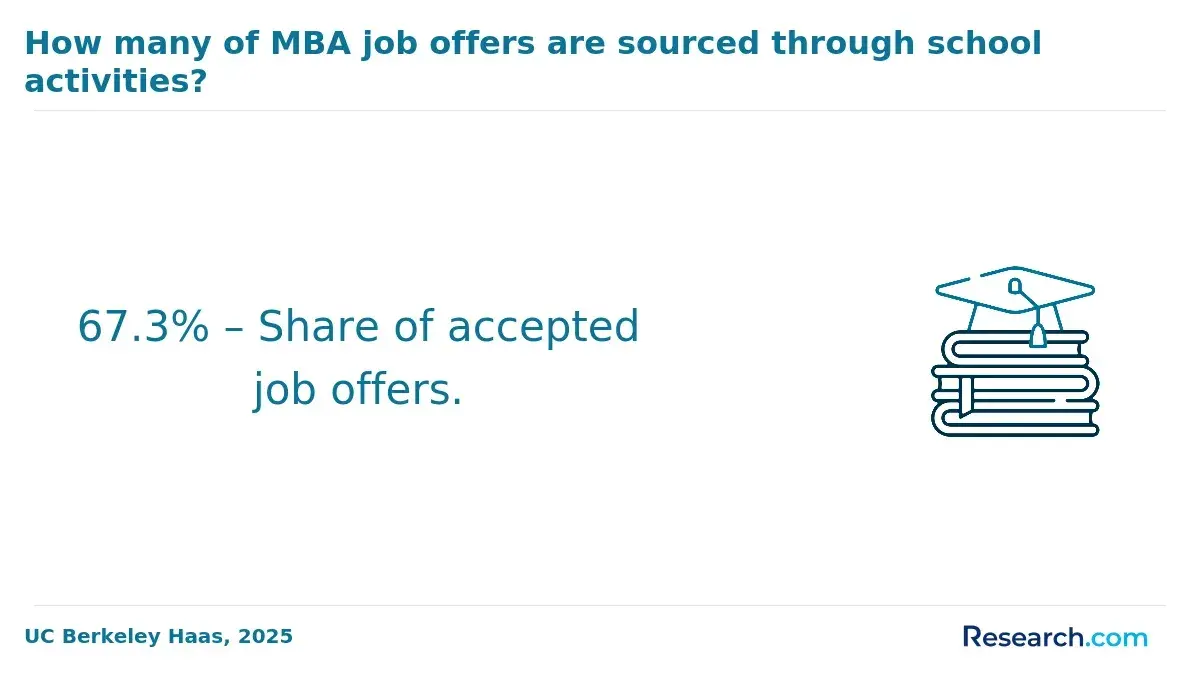
- The program has strong career support. Employer connections, alumni networks, internships, mentorship, and recruiting access often matter as much as coursework.
When another path may be better
- You need entry-level business experience first. An MBA does not replace practical work history, especially for management roles.
- You want a narrow technical role. A certification or specialized master’s degree may be more efficient for accounting, analytics, supply chain, HR, or project management.
- You are choosing only for prestige. A known brand can help, but it does not automatically justify high debt.
- You have not compared outcomes. Graduate employment data, alumni placement, and employer partnerships should be reviewed before committing.
Why pursue a career in business administration?
Business administration is the study and practice of keeping organizations functional, competitive, and financially sustainable. Professionals in this field may coordinate people, budgets, processes, projects, vendors, data, customer relationships, or long-term strategy. The work can look very different depending on whether you are in operations, finance, human resources, marketing, consulting, healthcare, technology, government, or entrepreneurship.
People often choose business administration because it gives them flexible career options. A strong business foundation can help you understand how organizations generate revenue, control costs, manage risk, hire talent, serve customers, and adapt to market changes. That flexibility is especially useful for professionals who want to move between industries or grow into leadership roles over time.
The field also offers room for measurable impact. Business administrators may improve workflows, reduce waste, strengthen customer service, organize teams, manage compliance, develop budgets, or support expansion into new markets. These responsibilities make the work practical and results-oriented rather than purely theoretical.
Representation in the field is also changing. According to research, 66.7% of business administrators are women, while 33.3% are men. At the same time, with 2025 global economic forecasts indicating a stabilization of inflation rates at approximately 3.3% across advanced economies, employers continue to need people who can make careful financial, operational, and strategic decisions during uncertain conditions. For a broader view of roles in this field, explore Research.com’s guide to opportunities in business administration.
If you are planning to apply to MBA programs, track school-specific requirements early. Application rounds, test policies, recommendation letters, essays, interviews, and MBA application deadlines can vary by institution and format.
What does an MBA teach?
MBA programs typically cover core business disciplines such as accounting, finance, marketing, strategy, operations, analytics, economics, organizational behavior, and leadership. Many programs also offer concentrations in areas like entrepreneurship, healthcare management, project management, human resources, supply chain, business analytics, or finance.
The value of an MBA depends on whether you use those courses to build practical capability. Employers are less interested in the credential alone than in whether you can analyze problems, communicate clearly, lead teams, manage financial trade-offs, and make decisions under uncertainty. If you are strengthening foundational capabilities, resources such as Harvard Business School Online’s discussion of business skills to develop can help you identify gaps before enrolling.
Business administration career outlook
Business administration careers span management, finance, operations, project leadership, consulting, and administrative services. The field is broad, which is an advantage, but it also means students should evaluate specific occupations rather than assuming all business roles have the same pay, hiring demand, or education requirements.
Digital transformation is reshaping many business roles. Administrators increasingly work with dashboards, customer relationship management systems, enterprise software, workflow automation, analytics tools, and AI-supported decision systems. AI-driven automation is projected to influence 70% of business operations by the end of the decade (International Labour Organization, 2025). That makes data literacy, process improvement, and technology fluency more important for both MBA graduates and non-MBA business professionals.
Common business administration-related roles include business managers, administrative managers, project managers, financial analysts, and management consultants. Some salary and demand examples cited for this field include business managers earning $139,400 with a demand growth rate of 19%; administrative managers earning an average salary of $106,470 with demand growth of six percent; project managers earning around $101,610 with demand projected to grow by seven percent; financial analysts earning an average salary of $95,570 with demand growth of nine percent; and management consultants earning $93,000 with demand growth of 11% (BLS, 2025). These roles may also appeal to students comparing business administration with career paths for economic majors.
| Business administration role | Reported salary | Reported demand growth |
| Business Manager | $131,710 | 17% |
| Administrative Manager | $99,290 | 7% |
| Project Manager | $94,500 | 7% |
| Financial Analyst | $95,570 | 9% |
| Management Consultant | $93,000 | 11% |
How to interpret business administration salary data
Salary figures can vary because job titles are not always standardized. A “business manager” at a small company may have different responsibilities from a business manager in healthcare, finance, retail, manufacturing, or technology. Before choosing a degree or MBA specialization, compare salary data by occupation, location, industry, experience level, and employer type.
Skills needed for business administration careers
Business administration requires both technical knowledge and people-centered judgment. A degree can introduce these skills, but employers usually expect proof through projects, internships, work experience, case competitions, leadership roles, analytics portfolios, or measurable business results. Students comparing programs should look for curricula that go beyond lectures and include applied projects, simulations, consulting assignments, internships, or capstones. Research.com’s overview of the best MBA program options can help you compare academic fit and institutional quality.
Core business skills employers value
- Leadership: Business administrators often guide teams, set priorities, communicate expectations, and keep people aligned around organizational goals.
- Communication: Clear writing, speaking, presenting, and listening skills are essential when working with executives, employees, clients, vendors, and cross-functional teams. Employers value professionals who can explain complex issues without creating confusion. For a broader discussion, see this resource on reasons why communication skills are important in business.
- Financial literacy: Administrators need to understand budgets, revenue, costs, forecasts, financial statements, and basic performance indicators. Students who want deeper accounting training may compare options such as an online accounting MBA.
- Collaboration: Most business problems cross departmental lines. Effective administrators know how to work with finance, marketing, sales, operations, HR, technology, and legal teams.
- Organization and execution: Planning, prioritizing, documenting, scheduling, and following through are critical for project delivery and operational reliability.
- Data analysis: Business decisions increasingly rely on metrics. Professionals who can clean, interpret, visualize, and communicate data often have an advantage. Students seeking flexible graduate study can compare an MBA online degree with campus-based options.
Transferable skills that strengthen long-term mobility
- Negotiation: Business administrators may negotiate with vendors, employees, customers, partners, or internal stakeholders. Good negotiation focuses on value, trade-offs, risk, and long-term relationships.
- Adaptability: Market conditions shift quickly. Professionals need to adjust to new competitors, technology changes, regulations, customer expectations, and supply conditions. This resource explains how to navigate shifting market conditions.
- Presentation: Administrators often need to brief executives, pitch ideas, summarize project results, or persuade teams to support change.
- Marketing awareness: Even non-marketing managers benefit from understanding customers, positioning, branding, pricing, and growth strategy.
- Innovation and problem solving: Business administration is not only about maintaining existing systems. Strong professionals identify better ways to serve customers, use resources, reduce friction, and improve performance.
How to start a business administration career
You do not need an MBA to begin working in business administration. Many people start with an associate degree, bachelor’s degree, certificate, internship, administrative role, operations role, customer service role, sales support role, or analyst position. An MBA becomes more relevant when you are preparing for management, career switching, consulting, entrepreneurship, or senior leadership. If your long-term target is consulting, Research.com’s guide on how to get into consulting after college can help you compare early steps.
| Career path | What the work usually involves | Entry-level role | Mid-level role | Senior-level role |
| Human Resources Path | Managing hiring support, onboarding, employee records, training coordination, compensation processes, benefits administration, employee relations, and compliance with employment rules. | HR Coordinator ($49,894) | HR Manager ($116,454) | Chief Human Resources Officer ($272,001) |
| Operations Management Path | Improving how products or services are produced, delivered, measured, and supported through process design, resource planning, quality control, and efficiency initiatives. | Operations Associate ($58,176) | Operations Manager ($113,354) | Director of Operations ($186,802) |
| Business Administration Path | Coordinating departments, supporting strategic planning, organizing business functions, tracking goals, implementing policies, and helping leadership improve organizational performance. | Business Coordinator ($47,122) | Business Manager ($75,898) | Chief Business Officer ($191,144) |
What can you do with an associate degree in business administration?
Typical role: Business Coordinator
An associate degree can prepare students for support-oriented business roles. A business coordinator may organize records, enter and manage data, prepare reports, schedule meetings, track project deadlines, assist with internal communications, and help teams monitor deliverables. This path is often a practical starting point for students who want work experience before pursuing a bachelor’s degree or MBA.
Average salary: $47,122
What can you do with a bachelor’s degree in business administration?
Typical role: Operations Manager
A bachelor’s degree can support progression into supervisory and operational roles. Operations managers review workflows, identify bottlenecks, implement process changes, monitor productivity, coordinate resources, and track performance. Many use key performance indicators (KPIs) to evaluate whether teams are meeting business objectives.
Average salary: $113,354
Can you get a business administration job with only a certificate?
Yes, a certificate can help with some entry-level business, office, administrative, customer service, or operations support roles. It may be enough for positions such as administrative assistant, office coordinator, customer service representative, data entry clerk, or junior business analyst, depending on the employer and industry.
A certificate is usually not a substitute for a bachelor’s degree or MBA when employers require deeper business training, management experience, or graduate-level credentials. It can, however, be a useful low-cost way to test your interest in business administration before committing to a longer degree.
How to advance in business administration
Career advancement in business administration usually comes from a combination of education, measurable results, leadership experience, and professional relationships. In the U.S. alone, there are over 118,655 business administrators currently employed, and the number is still expected to increase in the near future (Zippia, 2025). Advanced degrees such as an MBA or specialized master’s program may help professionals qualify for senior roles, especially when paired with experience. Some students also compare interdisciplinary options such as MSN MBA programs online when their goals connect healthcare leadership and business management.
What can you do with a master’s in business administration?
Typical role: Director of Operations
A director of operations helps translate organizational strategy into day-to-day execution. This role may include redesigning workflows, supervising managers, coordinating schedules, tracking operational performance, improving quality controls, and ensuring that products or services meet customer expectations and industry requirements. Many professionals reach this level after building experience in operations, project management, finance, supply chain, or department leadership.
Average salary: $186,802
What can you do with a doctorate in business administration?
Typical role: Chief Business Officer
A chief business officer typically focuses on growth, partnerships, revenue strategy, financial performance, and organizational leadership. Responsibilities may include identifying new markets, evaluating partnerships, supporting mergers or acquisitions, negotiating business deals, overseeing multiple departments, and guiding senior managers. A doctorate in business administration may be most relevant for executives, consultants, researchers, or educators who want advanced applied business expertise.
Average salary: $191,144
Which certifications can support a business administration career?
Certifications can validate focused skills that an MBA may not cover in depth. One option is becoming a certified business administrator through the Institute of Certified Business Consultants (ICBC). Other credentials may be useful depending on your target role:
- Project Management Professional (PMP)
- Certified Professional in Supply Management (CPSM)
- Certified Management Consultant (CMC)
- Certified Business Manager (CBM)
- Professional in Human Resources (PHR) or Senior Professional in Human Resources (SPHR)
How networking supports business administration careers
Networking matters in business administration because many opportunities depend on trust, referrals, industry knowledge, and visibility. A strong network can help you learn what employers actually need, identify roles before they are widely advertised, find mentors, and build partnerships that support long-term career growth.
- Job leads and referrals: Many business roles are filled through recommendations, internal mobility, alumni introductions, or professional communities.
- Mentorship: Experienced managers can help you avoid poor program choices, prepare for promotions, negotiate compensation, and understand industry expectations.
- Current market insight: Conversations with practitioners can reveal which tools, certifications, and business skills are becoming more valuable.
- Collaboration: Networks can lead to consulting projects, startup partnerships, client referrals, speaking invitations, or cross-functional initiatives.
- Reputation building: Consistent participation in professional groups, conferences, alumni events, and industry discussions can make you more visible to employers and decision-makers.
For MBA students, networking should start before graduation. Contact alumni, attend employer sessions, participate in case competitions, join professional associations, and use class projects to build relationships—not just to complete assignments.
Alternative careers for business administration graduates
Business administration is not a single-career degree. The same foundation can support corporate roles, nonprofit leadership, government administration, consulting, entrepreneurship, technology operations, healthcare management, and financial services. An MBA can be useful in some of these paths, but the better question is whether the degree gives you access to the specific roles, employers, and networks you need.
- Entrepreneurship: Business training can help founders evaluate markets, build financial plans, manage operations, hire teams, and make strategic decisions.
- Business Analyst: Business analysts study processes, gather requirements, interpret data, and recommend improvements that help organizations operate more effectively.
- Supply Chain Management: Supply chain professionals manage suppliers, logistics, inventory, procurement, distribution, and process efficiency.
- Business Systems Analyst: These professionals connect business needs with technology solutions by documenting requirements, analyzing workflows, and helping teams implement systems.
- E-commerce Specialist: E-commerce roles focus on online sales channels, website performance, digital marketing, customer experience, and revenue growth.
- Risk Manager: Risk managers identify threats to business performance, develop mitigation plans, support compliance, and help leaders make better decisions under uncertainty.
Is an online MBA competitive with a campus MBA?
An online MBA can be competitive when it is accredited, academically rigorous, well-supported, and recognized by employers in your target field. The delivery format matters less than the quality of the institution, faculty, curriculum, career services, alumni network, and student outcomes. For experienced professionals who cannot pause their careers, an online executive MBA can offer flexibility while still emphasizing leadership, strategy, and applied business work.
| Format | Best for | Potential advantages | Potential trade-offs |
| Full-time campus MBA | Students who can step away from work and want immersive recruiting access | Strong cohort experience, internships, campus recruiting, intensive networking | Higher opportunity cost if you leave full-time employment |
| Part-time MBA | Working professionals who want to keep earning while studying | Lower career interruption, practical application at work, flexible pacing | Longer completion timeline and heavier work-school balance |
| Online MBA | Professionals needing location flexibility or schedule control | Remote access, potential cost savings, continued employment | Requires self-discipline and intentional networking |
| Executive MBA | Experienced managers and executives seeking advanced leadership development | Peer learning with senior professionals, leadership focus, applied strategy | Often designed for students who already have significant experience |
Are online MBA programs a viable alternative?
Online MBA programs can be a viable alternative to traditional MBAs when they meet the same quality checks you would apply to any graduate business program. Look for recognized accreditation, qualified faculty, transparent tuition, career services, employer connections, alumni engagement, and evidence that graduates move into relevant roles.
Online learning can also support global collaboration through digital platforms, group projects, asynchronous coursework, live sessions, and remote networking. Students comparing cost-conscious options can review online MBA programs that align affordability with credible academic standards.
Which MBA specialization fits your goals?
The right MBA specialization should match the work you want to do after graduation. Do not choose a concentration only because it sounds prestigious. Compare course requirements, electives, faculty expertise, employer partnerships, experiential projects, and alumni outcomes in your target field. Students balancing specialization and cost can also compare options such as the cheapest executive MBA.
| MBA specialization | Good fit if you want to work in | Questions to ask before choosing |
| Finance | Corporate finance, investment analysis, banking, financial planning, or risk | Does the program connect students with finance employers and applied financial modeling projects? |
| Marketing | Brand management, product marketing, digital strategy, customer insights, or growth | Does the curriculum include analytics, consumer behavior, and current digital marketing tools? |
| Operations or supply chain | Logistics, manufacturing, process improvement, procurement, or service delivery | Are there applied projects with real operational data or industry partners? |
| Healthcare management | Hospitals, healthcare systems, insurance, public health organizations, or clinical administration | Does the program address healthcare regulation, finance, operations, and leadership? |
| Entrepreneurship | Startups, family businesses, innovation teams, venture development, or consulting | Does the school offer incubators, mentors, pitch support, or founder networks? |
| Project management | Program leadership, operations, technology implementation, consulting, or construction-related management | Does the coursework prepare you for complex project planning, stakeholder management, and execution? |
Should you choose an affordable accredited online MBA?
An affordable accredited online MBA can be a smart choice if it gives you credible training without creating debt that your target career cannot support. Accreditation should be the first filter. Then compare total program cost, course quality, student support, graduation requirements, career services, faculty experience, and employer recognition.
Cost alone is not enough. A cheap program with weak support, unclear outcomes, or limited employer recognition may not deliver value. On the other hand, a lower-cost accredited program can be a strong option for working professionals who already have experience and need the credential to move into management. Reviewing the cheapest AACSB accredited online MBA programs can help you understand how affordability and recognized business accreditation can intersect.
MBA trends affecting students and employers
MBA education continues to change as employers seek graduates who can work with analytics, digital tools, sustainability issues, remote teams, automation, and industry-specific business models. Flexible formats, shorter program structures, hybrid delivery, and specialized online degrees have expanded access for working professionals.
Students should also look for programs that teach current business problems rather than only traditional theory. For example, healthcare, technology, supply chain, sustainability, analytics, and digital transformation are increasingly important areas for many organizations. Students interested in healthcare leadership can compare options such as an affordable online MBA in healthcare management.
How an MBA can pair with professional certifications
An MBA provides broad management training, while certifications can demonstrate role-specific competence. Pairing the two can be useful when your target job requires both strategic understanding and technical execution. For example, a professional aiming for operations or project leadership might combine an MBA with project management training or a cheap project management degree online.
| Credential strategy | When it makes sense | Example outcome |
| MBA only | You need broad leadership, strategy, finance, and management preparation | Management, consulting, general business leadership, or executive-track roles |
| Certification only | You need a targeted skill quickly and do not need a graduate degree | Project coordination, HR support, supply chain, analytics, or operations support |
| MBA plus certification | You want senior roles in a specialized function | Project leadership, supply chain management, HR leadership, consulting, or operations strategy |
Which MBA format fits your schedule and career stage?
The best MBA format depends on how much time you can commit, whether you can leave work, how important campus recruiting is, and how you prefer to learn. A full-time MBA may be useful for major career pivots. A part-time or online MBA may work better if you want to keep your job and apply lessons immediately. Students who want a shorter timeline may consider a one year online MBA program, but should confirm that the pace is realistic alongside work and personal responsibilities.
How to decide if an MBA is worth the investment
To decide whether an MBA is worth it, evaluate the degree as a business decision. Compare your current career position, target roles, expected costs, time commitment, opportunity cost, and the likelihood that the program will help you reach your goal.
- Career goals: Identify the roles you want after graduation and whether those roles prefer or require an MBA.
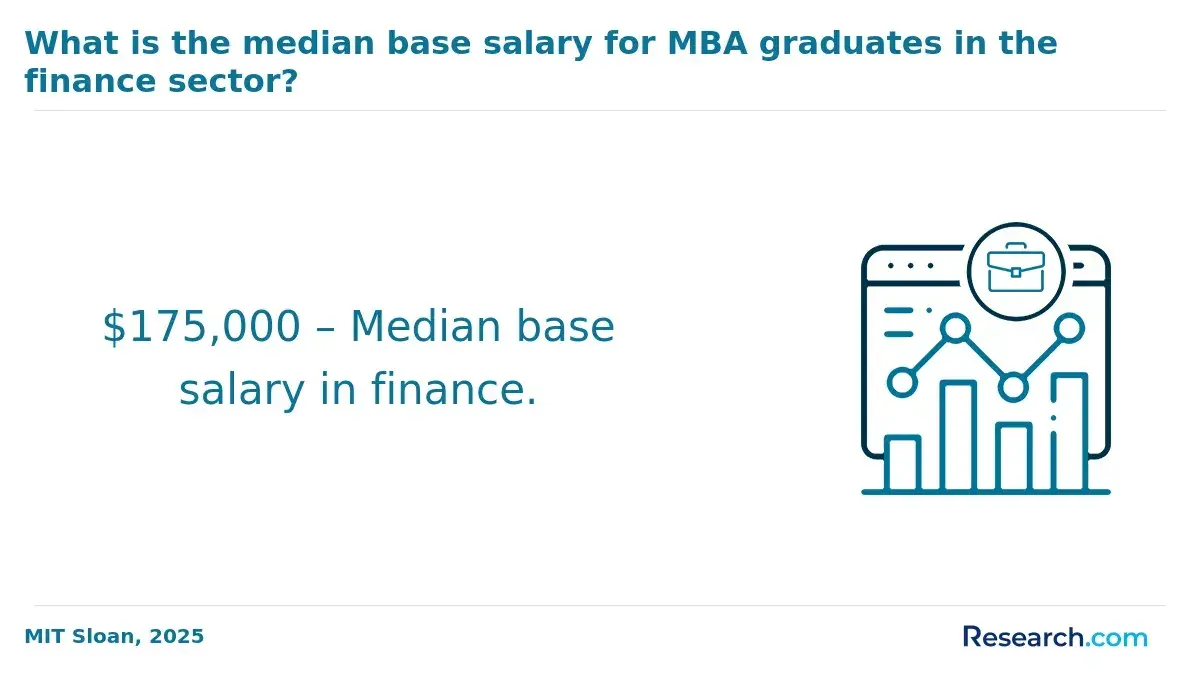
- Return on investment: Compare total program cost with realistic salary growth, promotion potential, and career mobility in your target field.
- Program type: Full-time, part-time, executive, hybrid, and online formats serve different students. If you are considering remote study, Research.com’s guide on are online degrees worth it can help frame the decision.
- Network quality: Review alumni strength, employer access, mentorship, student organizations, and recruiting relationships.
- Industry expectations: Some fields value experience or certifications more than an MBA. Talk to hiring managers, alumni, and professionals in your target role before enrolling.
Challenges to consider before enrolling in an MBA
An MBA can create opportunity, but it can also create financial pressure, time strain, and unrealistic expectations if you choose poorly. Before applying, consider the risks as carefully as the benefits.
- Financial cost: MBA tuition and fees can be significant. Lower-cost options, including programs offering an MBA under 10k , may reduce the burden, but students still need to account for books, technology, travel, living expenses, and possible loan interest.
- Time pressure: Full-time programs can require stepping away from work, while part-time and online programs can create demanding evenings and weekends.
- Opportunity cost: If you stop working to study, lost wages and delayed promotions become part of the real program cost.
- Academic workload: MBA coursework often includes cases, group projects, presentations, exams, quantitative assignments, and networking expectations.
- Credential saturation: In some industries, many applicants hold MBAs. Work experience, school reputation, specialization, measurable results, and network quality can affect whether the degree stands out.
How to assess MBA financial viability
Start with the full cost, not just tuition. Include fees, books, technology costs, residency requirements, travel, housing if applicable, interest on loans, and lost income if you plan to study full time. Students comparing online formats can use Research.com’s resource on online MBA programs cost to understand common expense categories.
Next, compare the cost with realistic career outcomes. Look at where graduates work, what roles they enter, whether employers recruit from the program, and whether alumni in your target field report meaningful advancement. Be cautious with broad salary averages because they may not reflect your location, industry, prior experience, or specialization.
Then calculate your break-even point. Estimate how long it may take for increased income, promotion potential, or career mobility to offset tuition and opportunity cost. This calculation should include conservative assumptions, especially if you are borrowing money.
Finally, look for ways to reduce cost. Ask about scholarships, assistantships, military benefits, employer tuition reimbursement, payment plans, transfer credit, credit for prior graduate coursework, and whether you can continue working while enrolled.
How to choose a business school
Choosing a business school should be based on fit, quality, and outcomes—not rankings alone. Review accreditation, curriculum, faculty qualifications, student support, alumni network, employer relationships, graduation requirements, admission standards, and total cost. Students who want a broader application strategy can also explore business schools with high acceptance rates.
| What to check | Why it matters | Question to ask the school |
| Accreditation | Accreditation can affect credibility, transferability, employer recognition, and sometimes financial aid eligibility. | Which institutional and business-specific accreditations does the program hold? |
| Total cost | Tuition alone does not show the full price of attendance. | What is the complete estimated cost through graduation? |
| Career outcomes | Employment data helps you judge whether the program supports your target roles. | Where do graduates work, and what roles do they enter? |
| Format and schedule | A program that does not fit your life can delay graduation or hurt performance. | How often are live sessions, residencies, group projects, or campus visits required? |
| Specializations | Concentrations should match your career goals and employer expectations. | Which electives, projects, or industry partnerships support my target field? |
| Career services | Coaching, recruiting, alumni access, and mentorship can shape outcomes. | What career support is available to online, part-time, and executive students? |
How MBA programs support career development
Strong MBA programs do more than teach business theory. They connect students with career coaching, alumni mentors, employer events, internship opportunities, consulting projects, leadership development, and peer networks. These supports can be especially valuable for students changing industries or seeking management roles.
Flexible formats may also support career growth for working professionals. For example, an online executive MBA may allow experienced managers to continue working while building leadership, strategy, and decision-making skills.
Is an MBA necessary for a successful business career?
An MBA is not required for every successful business career. Many professionals advance through experience, performance, certifications, mentorship, internal promotions, and specialized training. However, an MBA can help when your goals involve leadership, consulting, finance, strategy, entrepreneurship, or career switching into fields that value graduate business education.
The decision should be based on evidence. Review job postings for your target roles. Ask professionals in those roles what credentials helped them. Compare MBA outcomes with alternatives such as a specialized master’s degree, professional certification, employer training, or a lower-cost business program. If you are comparing graduate business options, Research.com’s guide to the difference between MBA and masters can help clarify which path better fits your goals.
Common mistakes to avoid
- Choosing without checking accreditation: Accreditation is one of the first credibility filters for business schools.
- Focusing only on tuition: Fees, books, travel, residencies, technology, lost wages, and loan interest can change the real cost.
- Assuming online means easier: Good online MBA programs can be rigorous and require strong time management.
- Ignoring career services: Networking, recruiting access, coaching, and alumni support can strongly affect outcomes.
- Choosing a specialization too early: Match the concentration to actual job postings and employer expectations.
- Assuming salary gains are guaranteed: Pay depends on industry, location, experience, role, school reputation, and economic conditions.
- Relying only on rankings: Rankings can be useful, but fit, cost, accreditation, outcomes, and schedule matter more for most students.
Key Insights
- An MBA is worth it only when it supports a defined career goal. The degree is strongest for leadership, career switching, consulting, finance, strategy, entrepreneurship, and management advancement.
- Business administration is broad, so choose a specific path. Operations, HR, finance, consulting, project management, and entrepreneurship require different skills and may reward different credentials.
- Demand remains steady across business and financial occupations. By 2034, about 942,500 openings are expected annually in business and financial occupations, but individual outcomes depend on role, location, experience, and industry.
- Online MBAs can be credible if quality checks are strong. Accreditation, faculty, curriculum, career support, employer recognition, and alumni outcomes matter more than delivery format alone.
- Cost should be evaluated realistically. Compare total cost, lost income, financing, scholarships, employer reimbursement, and expected career benefits before enrolling.
- Skills matter as much as credentials. Leadership, communication, financial literacy, data analysis, collaboration, negotiation, and adaptability are central to business administration success.
- Certifications can strengthen an MBA or replace it for some goals. PMP, HR, supply chain, consulting, and management credentials may be more targeted for certain roles.
References:
- AACSB International. (2025). Business school data guide. https://www.aacsb.edu/insights
- AACSB International. (2026). State of business education report. https://www.aacsb.edu/research
- Forbes Advisor. (2025). Is an MBA worth it? Costs and ROI. https://www.forbes.com/advisor/education/business-and-marketing/is-an-mba-worth-it/
- International Monetary Fund. (2025). World Economic Outlook Update, January 2025: A Mildly Improving Global Growth Outlook. https://www.imf.org/en/Publications/WEO/Issues/2025/01/30/world-economic-outlook-update-january-2025
- Indeed Editorial Team. (2025). Is an MBA worth it? https://www.indeed.com/career-advice/career-development/is-an-mba-worth-it
- International Labour Organization. (2025). Digital transformation and the future of work: 2025 global trends report. https://www.ilo.org/reports/digital-transformation-2025
- U.S. Bureau of Labor Statistics. (2025). Occupational Outlook Handbook. https://www.bls.gov/ooh/management/home.htm
- U.S. Bureau of Labor Statistics. (2025). Business and Financial Occupations. Occupational Outlook Handbook. https://www.bls.gov/ooh/business-and-financial/home.htm
- U.S. Bureau of Labor Statistics. (2025). Employment projections: Management occupations outlook. https://www.bls.gov/emp/tables/occupational-projections-and-characteristics.htm
- U.S. Bureau of Labor Statistics. (2025). Wages by occupation and industry. https://www.bls.gov/oes/current/oes_nat.htm
- ZipRecruiter. (2026). MBA graduate salary in the United States. https://www.ziprecruiter.com/Salaries/MBA-Graduate-Salary
Other Things You Should Know About the Value of an MBA
Pursuing an MBA can significantly boost career prospects in business administration by enhancing leadership skills and providing a competitive edge in the job market. However, candidates should consider their financial situation, career goals, and industry demands to determine whether an MBA aligns with their professional aspirations in 2027.
High-paying job roles in business administration include Chief Executive Officer (CEO), Chief Financial Officer (CFO), Management Consultant, Marketing Director, and Product Manager. These positions often require advanced education like an MBA and offer salaries exceeding six figures annually.
In 2027, the decision to pursue an MBA as a worthwhile investment highly depends on one's career goals, industry trends, and the potential for salary increase. With evolving business landscapes, evaluating the ROI specific to industries like tech, healthcare, and finance is crucial for individual career planning.
Advancing your career in business administration can involve gaining work experience, pursuing advanced degrees like an MBA, obtaining relevant certifications, and continuously developing essential skills such as leadership and data analysis.
Alternative career options include entrepreneurship, business analysis, supply chain management, business systems analysis, e-commerce specialization, and risk management.
Yes, a certificate in business administration can qualify you for roles such as administrative assistant, office coordinator, customer service representative, data entry clerk, or junior business analyst. However, higher-level positions may require a bachelor's or master's degree.


