2027 Is Walden University's Online MS in Clinical Mental Health Counseling - General Worth It? What Students Should Know

Co-Founder and Chief Data Scientist
Choosing an online MS in Clinical Mental Health Counseling - General program requires weighing factors like curriculum relevance, licensure preparation, and flexibility. The Bureau of Labor Statistics projects a 26% growth in mental health counselor roles through the next decade, signaling strong workforce demand but also increasing competition. Prospective students must assess whether Walden University's program aligns with state licensure requirements and supports diverse learning styles amid this evolving job market. Accessibility and accredited training for clinical hours also shape career trajectories. This article examines these dimensions critically to help readers determine if Walden University's online MS in Clinical Mental Health Counseling - General program meets their academic and professional objectives.
Key Points About Walden University's Online MS in Clinical Mental Health Counseling - General Program
- Walden University's open admission policy for the online MS in Clinical Mental Health Counseling - General allows broader access, but the total tuition of $34,458 presents a significant financial commitment for students.
- The program's earnings to debt ratio of 2.05x and median alumni salary of $42,810 suggest moderate financial returns, requiring careful consideration of long-term career goals versus investment.
- Graduates benefit from recognition in the counseling field due to experienced faculty, enhancing employability and supporting professional growth within mental health counseling roles.
What makes Walden University's online MS in Clinical Mental Health Counseling - General program stand out?
Walden University's online MS in Clinical Mental Health Counseling - General program offers significant flexibility that suits working professionals who must balance education with demanding personal and career obligations. This asynchronous course delivery enables students to manage their own pace within structured deadlines, a feature appreciated by those unable to commit to traditional in-person schedules. For students prioritizing hands-on experience, the program's coordinated practicums and internships with local mental health agencies provide essential real-world training-an advantage often required for licensure and viewed favorably by employers.
The program's scale is another distinguishing factor, with a total student enrollment of 44,223 and a faculty and staff body of 3,423, including 1,117 full-time faculty. This extensive institutional size supports a wide array of courses and digital resources like interactive modules and virtual simulations, which enhance learning beyond basic textbook material. These features cater differently to learners who either benefit from a large, resource-rich environment or require specialized online support, highlighting how the program stands out for those seeking applied mental health training combined with flexible study options.
Is it difficult to get admitted to Walden University's online MS in Clinical Mental Health Counseling - General program?
Admission to most MS in Clinical Mental Health Counseling - General programs tends to be selective, reflecting the demand for qualified counselors and limited program capacity. Applicants often face competitive thresholds involving academic records, prerequisite coursework, and sometimes standardized test scores, which help programs maintain rigorous standards aligned with licensure paths.
Walden University's online MS in Clinical Mental Health Counseling - General program deviates from this norm by adopting an open admission policy. It does not require SAT or ACT scores, and its admission difficulty is classified as open, significantly easing entry barriers. This approach broadens access for candidates who may lack traditional credentials or face time constraints, yet it may also mean the program attracts a more diverse range of academic preparedness levels compared to more selective alternatives.
While this openness facilitates enrollment, candidates should weigh how admission standards correlate with program rigor and employer perceptions during job searches. Many counseling roles mandate licensure that depends on accredited coursework and supervised experience, so prospective students must consider whether the program's accessibility aligns with their career goals and state requirements.
One graduate recalled initially hesitating due to uncertainty about her academic background after a gap in education. She appreciated Walden's straightforward application process, submitting materials without the stress of test scores or competitive cutoffs. However, she later realized that timely preparation of practicum hours required proactive planning beyond admission. This experience underscores that while entry is manageable, succeeding professionally demands ongoing commitment beyond enrollment.
How does the curriculum of Walden University's online MS in Clinical Mental Health Counseling - General program stay aligned with current industry trends?
Alignment between curriculum and workforce expectation critically shapes how well graduates perform in real clinical settings, where employers prioritize both competency and adaptability. Walden University's online MS in Clinical Mental Health Counseling - General reflects a deliberate attempt to stay current with evolving professional demands, though students must weigh how deeply theoretical content is balanced with hands-on skill development. The program's structure offers a comprehensive foundation that is standard among MS in Clinical Mental Health Counseling - General graduates, but practical realities such as the nature of practicum placements and licensure preparation can vary widely across institutions. Below are three core factors illustrating how Walden's curriculum addresses industry relevance:
- Multifaceted Competency: Courses cover essential counseling theories alongside trauma-informed care and multicultural counseling, which mirror the nuanced skill sets employers seek for diverse client populations. This mix is critical for responding to real-world scenarios where cultural awareness and evidence-based practices intersect.
- Applied Learning Emphasis: Extensive practicum and internship components integrate theory with clinical experience. For many employers, the quality and setting of these practical experiences more directly impact graduate readiness than purely classroom-based instruction.
- Licensure and Ethics Focus: Training in assessment, treatment planning, ethics, and legal standards ensures that graduates understand regulatory requirements-an indispensable element given the professional accountability expected in mental health counseling roles.
Despite these strengths, prospective students must recognize that industry alignment in curriculum is a baseline; the depth of field exposure and local licensing requirements remain decisive variables in graduate outcomes. As the mental health landscape shifts, ongoing professional development beyond the initial degree often becomes necessary, making Walden's program a foundational step rather than a conclusive solution. For applicants interested in accelerated academic pathways, exploring shortest PhD programs can also complement or extend expertise after completing such a master's.
The updates in Walden University's online clinical mental health counseling curriculum reflect broader industry shifts while maintaining a clear focus on practicable skills and ethical standards, both essential for meaningful employment in the mental health workforce.
How much does Walden University's online MS in Clinical Mental Health Counseling - General program cost?
The tuition for Walden University's online MS in Clinical Mental Health Counseling - General program is set at $12,498 per year, with total annual costs including fees, books, and living expenses reaching around $34,458. For many prospective students, particularly those balancing work and study, the availability of institutional scholarships, corporate tuition reimbursement partnerships, and federal financial aid-which 90% of undergraduates at Walden receive averaging $3,353-can bring the net cost down significantly. However, factoring in the $900 annual average for books and supplies is essential when budgeting for the full program expense.
Walden's flat-rate tuition model for online learners removes residency-based price variation, offering cost predictability that benefits students dispersed geographically. Unlike some institutions, Walden does not impose additional technology fees for online students, reducing hidden expenses. This pricing structure can influence the financial calculus for working professionals who need consistency in educational costs alongside employment.
Compared to national averages, where MS in Clinical Mental Health Counseling programs typically charge between $10,000 and $20,000 annually, Walden's tuition sits competitively in the middle of this range. It's important to weigh these numbers against program delivery, support services, and overall total cost of attendance rather than tuition alone. For example, the fully remote format can reduce commuting and housing costs, yet on-campus residencies or practicum placements may add expenses.
Those evaluating the cost of Walden University clinical mental health counseling program must also consider labor market realities and employer expectations related to degree format and accreditation. Career outcomes often depend on practical training and licensure eligibility, which vary by state and program design. Prospective students should assess all these factors alongside financial data and can explore easiest online degrees options if flexibility and total cost are the primary concerns.
What are the admission requirements for Walden University's online MS in Clinical Mental Health Counseling - General program?
The admission process for Walden University's online MS in Clinical Mental Health Counseling - General program prioritizes accessibility over rigid testing requirements, a choice that can widen opportunity for applicants yet also shifts evaluative weight onto other credentials. This approach may appeal to individuals balancing work, family, or nontraditional educational backgrounds, but it also demands careful preparation of academic and supplemental materials to meet employer and licensing expectations typically associated with counseling professions. Understanding these criteria is crucial since the absence of entrance exams does not equate to minimal scrutiny, and transfer credit policies underscore the need for coursework aligned with program standards. Below is a breakdown of essential admission components prospective students should review to gauge fit and plan their application accordingly.
- Standardized Test Waiver: Walden does not require SAT, ACT, or similar exam scores, lowering barriers for candidates lacking such credentials due to time or financial constraints.
- Academic Transcripts: Submission of official transcripts from previous institutions is mandatory, serving as the primary measure of academic readiness and a baseline for transfer credit evaluation.
- Transfer Credit Limits: Credits from prior coursework can contribute toward degree requirements, but only up to a capped amount; transferred courses must meet minimal grade criteria to ensure quality alignment.
- Supplemental Materials: Applicants may need to provide letters of recommendation, personal statements, or professional resumes, illuminating their motivation and suitability beyond mere grades.
- No Entrance Exams or Portfolios: The program omits practical assessments or entrance tests, focusing admissions on documented academic and experiential qualifications rather than performance-based entry hurdles.
What is the ROI of attending Walden University's online MS in Clinical Mental Health Counseling - General program?
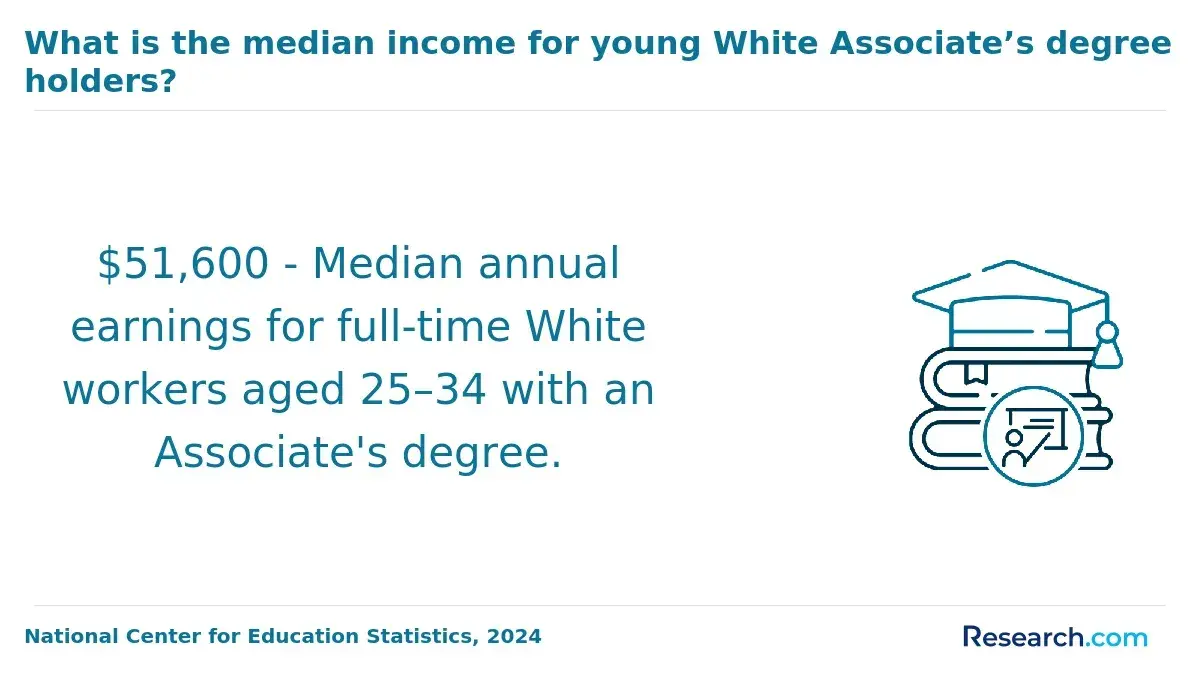
The return on investment for Walden University's online MS in Clinical Mental Health Counseling - General program is nuanced, hinging on the balance between upfront educational costs and stable, though modest, income prospects. The program's total annual cost of $34,458 is substantial relative to the median graduate salary of $42,810, which tends to remain largely flat even a decade after graduation. This dynamic creates a graduate earnings-to-debt ratio of just over 2.0, indicating that while graduates earn more than twice their student debt annually, the pace of financial growth from counseling roles is gradual.
For many students, securing scholarships or grants can meaningfully improve this ratio; without such aid, the financial burden may constrain flexibility early in their careers. Employment outcomes often steer graduates toward community mental health agencies, healthcare organizations, and government roles, sectors where salary increases are generally incremental unless accompanied by further certification or specialization. Thus, those aiming for accelerated financial returns might find limited advantage without supplementing their credentials.
Prospective enrollees should weigh these economic realities alongside their career goals. The program's alignment with public and nonprofit employers offers consistent work but modest wage growth. In contexts where mental health counseling salaries hover near entry-level ranges for extended periods, evaluating alternative programs or pathways with stronger leverage for advancement may be prudent.
Is there a high student satisfaction for Walden University's online MS in Clinical Mental Health Counseling - General program?
Student satisfaction in walden university's online MS in Clinical Mental Health Counseling - General program largely hinges on how well learners manage the autonomous nature of remote study. Unlike traditional in-person programs, this format demands self-motivation and disciplined time management, which can challenge those accustomed to more structured environments. Employers in mental health fields often expect candidates to demonstrate both academic knowledge and soft skills such as resilience and self-direction-qualities nurtured but also tested by fully online training.
The university supports its remote students through mentoring programs that pair new enrollees with experienced peers and faculty, creating a virtual community aimed at providing academic guidance and emotional support. This network, combined with active student organizations, compensates for the lack of face-to-face interaction and helps students balance coursework with personal responsibilities. Satisfaction appears higher among those who engage deeply with these resources, while students who isolate may struggle with motivation and effective time management, affecting their overall experience.
While detailed graduation rates specific to this program are not readily available, qualitative feedback suggests flexibility is a significant advantage but also a double-edged sword. The self-paced nature benefits working professionals but can leave others feeling unmoored without external accountability mechanisms. Navigating this tradeoff determines much of the program's perceived value.
One graduate recalled the anxiety of juggling full-time work and family while starting the program online. They said, "I initially doubted if I could keep up without a campus schedule, but the mentoring calls became a lifeline. Having someone to discuss tricky coursework and share strategies for staying on track made a real difference. By the final semester, I felt more confident managing my time and saw how this flexibility was really the program's strength for someone in my situation."
How does Walden University help online MS in Clinical Mental Health Counseling - General graduates secure employment?
Employment outcomes in clinical mental health counseling hinge significantly on the strength of a program's career services and employer engagement. Schools that actively connect graduates to relevant positions increase the likelihood of timely job placement; research shows structured career supports raise employment rates by about 20% within six months post-graduation. This dynamic is evident in how Walden University assists its online MS in Clinical Mental Health Counseling - General graduates. The practical advantages extend beyond coursework, reflecting in direct employer linkages and mentorship programs that reflect real hiring practices and expectations. Below are key employment support features that bolster graduates' transition into the workforce:
- Virtual Career Fairs: Walden hosts specialized events targeting counseling and mental health sectors, enabling students and alumni to network with prospective employers and learn about current job opportunities in fields closely related to their degree.
- Online Resume Workshops: These sessions provide tailored guidance on presenting clinical and counseling credentials effectively, addressing employer preferences and improving candidates' interview readiness well before graduation.
- Dedicated Job Placement Portal: Walden's platform curates job listings that match graduates' qualifications and regional demand, helping to streamline the search for relevant roles and reduce time-to-employment.
- Alumni Mentorship Network: Connecting current students with experienced clinical mental health professionals offers practical career advice and insider perspectives on workforce trends, which aids in navigating credentialing and job market complexities.
The employment support and career services for Walden University clinical mental health counseling graduates serve a critical function in bridging academic preparation and workforce entry, a factor that prospective students should weigh against program cost and duration. For those exploring allied certification pathways with strong employment prospects, researching certificate jobs that pay well can provide complementary options alongside an MS degree.
What are the career outcomes for recent graduates of Walden University's online MS in Clinical Mental Health Counseling - General?
Career outcomes for walden university online clinical mental health counseling graduates hinge heavily on initial licensure and the ability to accumulate supervised experience. Despite a solid foundation in clinical skills, many graduates begin in entry-level roles that offer modest salaries compared to related fields, which can influence long-term earning trajectories. Considering job placement and licensure success after walden ms in clinical mental health counseling general is crucial because early-career income levels and professional settings impact both financial stability and professional development. Below is a snapshot of typical career paths and their practical implications for recent graduates.
- Licensed Professional Counselor: These counselors provide therapy and develop individualized treatment plans for clients facing emotional and behavioral challenges. Entry-level salaries average around $32,000, reflecting the need to complete supervised hours before full licensure increases earning potential.
- Mental Health Therapist: Working in community or healthcare settings, these therapists support clients through counseling and crisis intervention. Initial compensation is modest but can grow with specialization and experience.
- Clinical Social Worker: Clinical social workers often navigate complex cases involving mental health and social services coordination. Salaries tend to be similar to counseling roles, with potential growth linked to licensure and additional certifications.
- Public Health Professional: Graduates entering health services or public health sectors usually see higher salary averages, near $47,000, although these roles may require supplementary qualifications beyond the counseling degree.
Understanding these outcomes is essential because the tradeoff between starting salary and future specialization impacts whether the program meets individual career goals. For those comparing fields or weighing program costs, researching masters degrees that make the most money can provide broader perspective on career ROI and market demand.
How do I know if Walden University's online MS in Clinical Mental Health Counseling - General program is the right fit for my goals?
Determining if Walden University's online MS in Clinical Mental Health Counseling - General program fits your personal and professional goals requires weighing multiple factors that influence the practical value of the degree. This decision hinges on understanding how the program aligns with your career trajectory, licensure needs, and learning style. Below are key criteria to evaluate when considering whether this degree is worth the investment.
- Curriculum Relevance: Examine if the coursework covers essential clinical skills and theories tailored to your career goals. Assess whether the curriculum includes practica and internships, as these hands-on experiences are critical for developing licensure-qualifying competencies and bridging academic knowledge with real-world counseling practice.
- Accreditation Validity: Confirm the program's accreditation status through recognized bodies. Accreditation ensures the degree meets professional standards respected by employers and state licensing boards, which directly affects employability and transferability of credentials.
- Flexibility and Format Suitability: Review the balance of synchronous versus asynchronous courses in Walden's online structure. This is especially important if you require remote access and a schedule that accommodates work or personal commitments, impacting your capacity to maintain progress and engagement throughout the program.
- Support Services Availability: Evaluate services such as academic advising, career counseling, and technical support for online students. These resources can mitigate common challenges associated with virtual learning environments and improve your chances of successful program completion.
- Career Outcomes and Network: Investigate whether graduates typically secure counseling positions aligned with their specialization and how the institution facilitates professional connections with mental health organizations, which is a vital gateway for employment and ongoing career development.
Choosing a program that fits your goals entails tradeoffs between curricular depth, scheduling flexibility, and support availability-all of which shape your professional readiness. For students balancing challenges like past convictions who aim to enter counseling fields, knowing the best degree for felons considerations can also influence which program aligns with their future in mental health services. These factors together define whether the walden university online ms in clinical mental health counseling program fit for career goals is a strategic decision rather than a mere academic choice.
What Graduates Say About Walden University's Online MS in Clinical Mental Health Counseling - General Program
- Camila: "Studying the MS in Clinical Mental Health Counseling - General at Walden University offered me much-needed flexibility while juggling a part-time job. The program's strong emphasis on practical skills and real-world case studies helped me build a portfolio that significantly strengthened my job applications. I quickly realized that in clinical settings, employers often value hands-on experience and internship hours just as much as licensure, which shaped my approach to seeking roles post-graduation."
- Brittany: "Completing my degree with Walden University opened doors to remote counseling opportunities that I hadn't considered before, especially important given my family commitments. However, the career growth pace can be slow without licensure, and I found competing for senior roles challenging at first. That said, the program prepared me well for the realities of the field, pushing me to pursue certifications and networking beyond the classroom to advance my career."
- Aisha: "Reflecting on my experience with the MS in Clinical Mental Health Counseling - General from Walden University, I appreciate how the coursework balanced theory with relevant practical insights. Navigating hiring decisions post-degree made me realize that agencies often prioritize diverse therapeutic experience and the ability to adapt within multidisciplinary teams. This vigilance helped me pivot my career focus effectively and remain competitive even without immediate licensure."
Other Things You Should Know About Degrees
Students can expect a rigorous workload that includes online coursework, interactive modules, and practicum requirements. The program demands consistent engagement and time management skills to balance academic obligations with personal commitments, making it essential for prospective students to carefully assess their ability to meet these expectations.
Walden's online program includes comprehensive field experience hours required for clinical practice, which students must complete in person under supervision. While the theoretical components are delivered online, hands-on training is dependent on students securing local placements, which sometimes causes delays or variations in the experience quality. For those who value close mentorship or highly interactive learning environments, this hybrid requirement means they must proactively seek suitable field sites, which can impact the immediacy and consistency of skill acquisition.
The ms in clinical mental health counseling - general entails a demanding workload, with multiple concurrent courses that include research, ethics, clinical theories, and counseling techniques. Students report periods of heightened intensity during practicum and internship semesters, where coursework combines with significant in-person clinical hours. The pace requires sustained commitment over the typical 2-3 year duration; prospective candidates should weigh their other obligations since underestimating the workload can prolong time to completion or impact success.
Walden University's program holds accreditation relevant for clinical mental health counseling licensure in most U.S. states, which facilitates the transition to licensure exams and professional practice. However, state licensure requirements vary, especially for residency and supervised practice hours, so students should confirm that Walden's curriculum aligns with their intended state's rules before enrolling. Prioritizing states with clear acceptance of Walden's degree and fieldwork equivalencies will prevent future barriers to licensure or employment opportunities.
References
- Reflections on my 6-Year Journey as a Walden Graduate AssistantWalden University Career Planning and Development Blog https://waldencareerservices.com/2024/01/19/reflections-on-my-6-year-journey-as-a-walden-graduate-assistant/
- Best Online Master's In Mental Health Counseling 2025 https://www.psychology.org/rankings/best-mental-health-counseling-programs/
- Master's in Clinical Mental Health Counseling https://www.commonwealthu.edu/academics/programs/clinical-mental-health-counseling-ms
- Walden University Reviews https://www.gradreports.com/colleges/walden-university
- Master’s in Mental Health Counseling Degree Guide https://www.counselingdegreeguide.org/degrees/mental-health-counseling/