2027 Can You Finish Faster at Academy of Art University With Transfer Credits?

Co-Founder and Chief Data Scientist
A student transferring to Academy of Art University may arrive with a mix of credits from various institutions and experiences, hoping to shorten their time to graduation. However, transfer credit evaluations often vary by department and program rigor, which can extend academic planning rather than streamline it. A recent study found that transfer students using credits recognized by the university graduated 20% faster on average, but this outcome depended heavily on how many credits aligned directly with degree requirements.
This reality suggests that transfer credits offer potential savings in time and tuition only if carefully aligned with the Academy of Art University's curriculum and professional expectations. This article analyzes how transfer policies, credit applicability, and prior learning assessments impact accelerated degree completion at Academy of Art University. Readers will gain insight to make informed decisions about credit transfers and realistic degree timelines.
Key Points About Finishing Faster at Academy of Art University With Transfer Credits
- Academy of Art University accepts transfer credits from accredited institutions but limits direct application toward major requirements; this affects how much time students can realistically save completing their degrees.
- Maximizing transferable credits can shorten degree timelines below the average 40% graduation rate pace, reducing both semesters and the $47,195 total attendance cost.
- Partnerships with community colleges streamline credit evaluation, yet students must critically assess credit alignment with employer expectations and career goals to ensure efficient degree completion.
Which transfer credits does Academy of Art University accept?
Knowing which transfer credits Academy of Art University accepts can help students realistically estimate how much time they can save in completing their degree. However, the transfer process is selective, with less than 30% of applicants receiving any credit recognition and average acceptance rates below 50% of prior coursework. This cautious approach reflects the institution's need to preserve program integrity and ensure that transferred content aligns with the practical skill requirements of creative industries. For example, a student transferring from a general arts program might find their foundational courses accepted but must take specialized upper-division credits anew to meet specific degree demands. Understanding eligibility criteria helps avoid surprises that could extend time to graduation and affect employability due to gaps in required skills.
Transfer credit qualifications focus on these key categories:
- Regionally and Nationally Accredited College Credits: Courses must be completed with a minimum grade of C (2.0). More lower-division credits are typically accepted than upper-division, limiting credit towards advanced degree components.
- Official Prior College Transcripts: Submission of official transcripts is required for evaluation. High school records and interviews may support transfer but are not mandatory or heavily weighted.
- Non-Traditional Learning Credentials: Professional certifications and experiential learning are considered on a case-by-case basis and require detailed documentation, often making them less reliable for significant credit transfer.
- Content Alignment with Degree Requirements: Credits must align with the curriculum and practical competencies of the student's chosen program to be accepted, influencing both credit and future employability.
How does Academy of Art University evaluate transfer credits?
Transfer credit evaluation at Academy of Art University centers on official transcripts from accredited institutions, with a focus on course equivalency, minimum acceptable grades, and relevance to degree requirements. The university carefully reviews course descriptions and syllabi to determine equivalency and avoid redundant coursework. This process ensures that transferred credits contribute meaningfully to the student's academic progress, reflecting the institution's commitment to practical applicability rather than mere credit accumulation.
The outcomes of transfer credit assessments can vary significantly depending on the student's academic background, degree program, and prior experiences such as military training or professional certifications. Some students may find many of their credits accepted, potentially accelerating degree completion, while others with non-aligned coursework may receive limited credit. This highlights the importance of understanding how Academy of Art University assesses transfer credits before enrollment, especially for those seeking to leverage prior learning efficiently.
Compared to many traditional colleges, the transfer credit evaluation process at Academy of Art University tends to be more streamlined but still meticulous, emphasizing practical credit applicability over broad acceptance. Unlike some institutions with highly rigid policies, this university offers some flexibility but maintains a clear focus on ensuring transferred coursework aligns with the student's chosen major. Prospective students should anticipate a review timeline influenced by documentation completeness and departmental input.
A study found that students receiving transfer credit evaluations within 30 days at Academy of Art University are 18% more likely to graduate on time, underscoring the operational impact of timely transcript processing. For those exploring accelerated options, consulting details about the cheapest doctoral programs may also provide insight into efficient degree pathways beyond undergraduate credits.
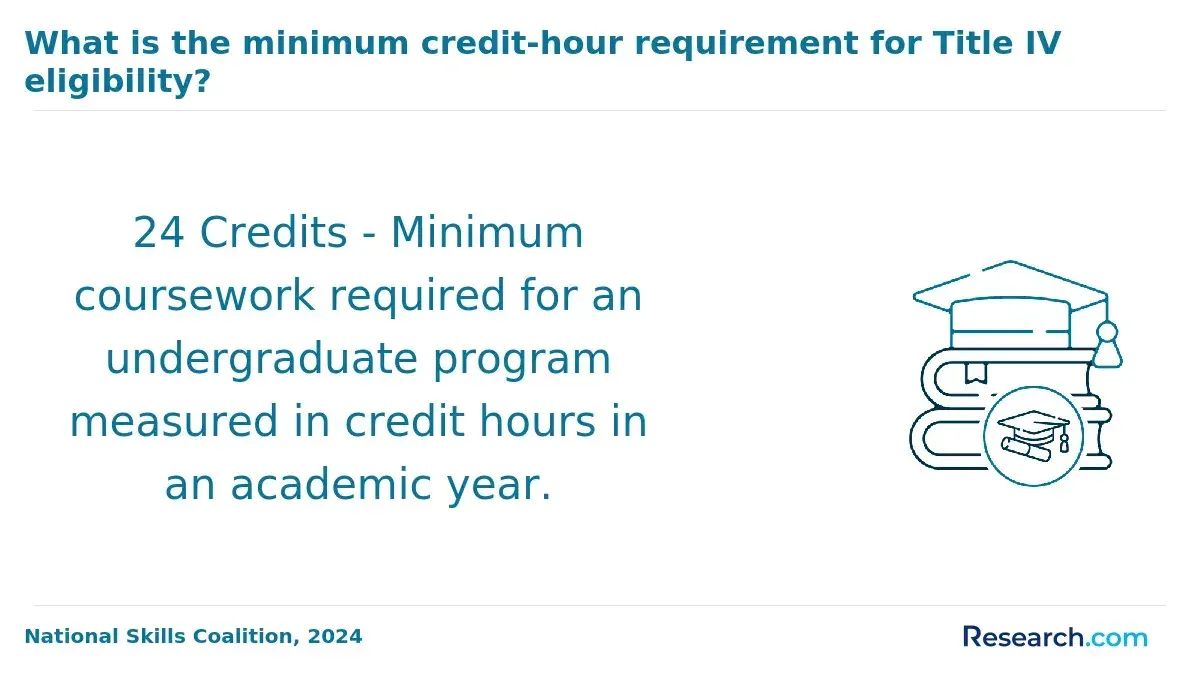
What is the maximum number of transfer credits Academy of Art University accepts?
Academy of Art University accepts a maximum of 90 transfer credits from accredited institutions, which sets a clear boundary for how much previously earned coursework can accelerate degree completion. Students must still satisfy a minimum residency requirement of 30 credits completed directly at the Academy, ensuring foundational and specialized coursework remains institution-specific. This balance between transfer credit limits and residency preserves the integrity of artistic training while offering some flexibility to returning students. Such maximum transfer credit limits directly affect how quickly a student can graduate by reducing the general education load but not replacing critical major-specific courses.
The maximum transfer credits accepted by Academy of Art University can vary by degree level, academic program, and transfer pathways. For example, certain majors require more on-campus credits in core courses despite transfer credits from similar accredited art institutions. Prior learning experiences, such as professional certifications or portfolio-based credit assessments, might also influence transferability, but these rarely count toward the major's upper-division requirements. Transfer students must strategically align their incoming credits to work within these program-specific rules. Employers in creative fields emphasize practical skills and portfolios, so students benefit from spending sufficient time in the intensive, hands-on courses offered on site while using transfer credits mostly to cover general education or lower-division requirements.
Compared to peer art colleges and traditional universities, Academy of Art University's transfer credit limits fall within typical ranges but lean toward requiring substantial on-campus completion for major courses. Many institutions allow around 60 to 90 transfer credits depending on the degree type, but very few waive core residency credit minimums to the extent Academy of Art University demands. A 2024 analysis showed students reaching the 90-credit cap at the Academy could shorten degree completion by approximately one year, but only when transfer credits are carefully selected and matched to core institutional requirements. This reveals a real-world tradeoff: while maximizing transfer credits can save time and tuition, the necessity of completing major-specific, upper-division courses on campus tempers that advantage.
Transfer students often consider combining transfer credits with certificate programs online to enhance skill acquisition without extending their time in residence. Ultimately, understanding transfer credit limits at Academy of Art University is critical in planning an efficient, practical path to graduation that satisfies both academic standards and employer expectations in creative industries.
Does Academy of Art University award credit for prior learning, military training, or professional certifications?
Prior learning, military training, and professional certifications offer alternative credit avenues that can shorten time to degree and reduce education costs. However, Academy of Art University applies a measured and selective evaluation process limiting full advantage for many students. While these alternatives can accelerate degree progress, the variability in credit acceptance requires careful planning. A 2024 national study showed only 22% of institutions integrate these credits fully to significantly reduce degree duration, highlighting the moderate potential of such pathways at this university. Below are the key alternative credit sources recognized at Academy of Art University.
- Portfolio Review for Professional Experience: Students may submit a portfolio documenting relevant work to demonstrate college-level learning. This subjective evaluation focuses on artistic and professional quality but may not cover all degree requirements.
- Military Training Credit via ACE Guide: Credits are granted based on American Council on Education recommendations. Veterans must provide detailed documentation, although awarded credits vary by program relevance.
- Institutional Challenge Exams: Some courses allow exams to test out of content, but these exams are limited and not widely promoted, reducing their availability for accelerating completion.
- Transfer of College Coursework: Academy of Art University accepts transcripts from other colleges, which can expedite degree progress but does not guarantee equivalency for all courses.
- Professional Certification Evaluations: Certifications related directly to a student's major may be reviewed for block credit transfer. This process is case-by-case and requires alignment with curriculum standards.
One student shared how submitting a comprehensive portfolio for prior professional design work helped reduce required electives, allowing quicker focus on advanced coursework. The portfolio review took several weeks and involved multiple faculty evaluations, a process they found cautious but fair. This credit reduced their planned time to graduation by a semester, easing financial pressure. Yet, the student noted the critical importance of understanding the university's specific expectations early, as not all prior experiences translated equally into credit.
Which courses are most likely to transfer to Academy of Art University?
Identifying which courses are most likely to transfer to Academy of Art University helps students avoid repeating content they already mastered. This strategy reduces duplicate coursework and can substantially shorten the time needed to graduate. Knowing where transfer credits fit enables better academic planning and prioritizes coursework that accelerates degree progress. For example, a student transferring after completing two years at a community college can save a full semester or more by transferring the right general education classes. Below are the course categories with the highest transfer acceptance rates at Academy of Art University.
- General Education Core Classes: These foundational courses in English composition, humanities, social sciences, and basic math align tightly with standard college curricula. Because they fulfill broad graduation requirements, they are the most commonly accepted transfer credits. Students transferring these credits avoid retaking material unrelated to specialized art coursework.
- Introductory Major Courses: Academy of Art University's transfer equivalency tool covers many introductory-level courses in popular majors. Such courses are evaluated for content alignment and learning outcomes, making them more transferable than advanced topics. Successfully transferring these courses can advance students into upper-division coursework sooner.
- Art History and Theory Classes: These encompass historical periods and theoretical perspectives that are widely standardized. Transferability is higher here because these classes emphasize knowledge rather than studio skills. They often count toward both general education and major requirements, providing flexible credit application.
- Basic Design and Drawing Courses: Transfer credits in foundational studio classes featuring general principles of design and drawing are accepted more readily. These courses focus on practical skills that many art programs cover similarly, facilitating evaluation and equivalency decisions at Academy of Art University.
- Technical Skill Prerequisites: Basic digital media or software tool courses that teach industry-standard applications may transfer if syllabi show comparable content and hands-on hours. These credits support advanced studio classes by ensuring all students have essential technical proficiency.
- Elective Liberal Arts Courses: General education electives in communication, psychology, or sociology sometimes fulfill university breadth requirements. Their transferability depends on course content relevance and alignment with degree expansion goals.
- Transfer Credits from Regionally Accredited Institutions: Courses taken at regionally accredited colleges generally have higher acceptance rates. Academy of Art University places emphasis on accreditation status to ensure academic quality, making such credits more likely to apply toward degree progress.
Research finds about 70% of general education credits successfully transfer in art and design degree programs, which can cut time to degree completion by roughly 25%. This practical impact demonstrates why prioritizing transferable general education coursework before applying is crucial. Students focusing early on transferable courses avoid delays linked to coursework review complexities and reduce overall enrollment costs. The detailed evaluation process for transfer credits at Academy of Art University shows specialized upper-division courses rarely transfer without thorough content comparison, meaning students must strategically select target credits for the best time-saving outcomes.
A prospective student who completed a transferable set of general education and introductory design classes elsewhere might enter Academy of Art University beyond the freshman level. This positioning allows them to tackle advanced, program-specific studio work more quickly and with fewer redundant credits. Such a pathway is a practical example of how understanding transferable art and design courses at Academy of Art University directly supports efficient degree planning and faster progression toward graduation.
Students interested in accelerating their studies further might explore options for the fastest masters degree, leveraging foundational transfer credits to build on earlier educational investments.
How much faster can students graduate with transfer credits at Academy of Art University?
Transfer credits at Academy of Art University can significantly reduce the time required to graduate, but the exact acceleration depends heavily on how many credits are accepted and how well they apply to remaining degree requirements. For example, a student transferring nearly 90 credits-equivalent to almost three years of prior study-may only need about one additional year to complete their degree. Conversely, a transfer of 30 credits typically shortens the timeline by roughly one year, and a block of 60 credits might allow a student to finish in about two years instead of four.
The variation in time saved reflects more than just credit volume. Degree program stipulations and residency rules impact how many credits can fulfill core or major-specific courses versus electives. Some credits might be accepted for general education but not for specialized requirements, limiting their impact on graduation speed. For instance, a visual arts major transferring credits from unrelated technical courses may see fewer benefits than one with closely aligned prior coursework.
Compared to similar institutions with flexible transfer credit policies, Academy of Art University offers competitive but not extraordinary acceleration opportunities. A 2024 study found that transfer students nationally who optimize credit acceptance typically reduce their time to degree by an average of 12 to 18 months, situating Academy's potential reductions within this broader context. This highlights that while transfer credits can offer meaningful time savings, they are not a guaranteed or total shortcut to faster completion across most creative disciplines.
Ultimately, students must assess how well their previous credits match Arts University degree requirements and weigh the practical value of faster graduation against portfolio development and skill acquisition expectations that often dominate hiring decisions in creative fields.
One former transfer student recalled feeling initially optimistic when bringing 75 credits from a state college, expecting to cut their MFA timeline by at least a year. The reality of portfolio reviews and specific course prerequisites required close consultation with advisors, which adjusted the plan to closer to an 18-month completion window. Though the process was slower than anticipated, it allowed targeted focus on major courses and skill refinement crucial for their career ambitions.
How much tuition can transfer credits save at Academy of Art University?
Accepted transfer credits at Academy of Art University can significantly cut total tuition costs by reducing the number of courses students must complete after enrollment. Given tuition rates at comparable private art schools, each transferred course equivalent to 3 to 4 credits may save between $3,600 and $6,800. These tuition savings from transfer credits at Academy of Art University directly lower the financial burden by shortening the time to degree completion.
The amount of tuition savings varies with factors such as the number of credits accepted, degree program requirements, residency stipulations, and alternative credit sources like prior learning or professional certifications. Credits from lower-cost community colleges typically increase cost reduction, as their per-credit fees are substantially less than four-year private institutions. This variability calls for strategic evaluation to maximize Academy of Art University cost reduction through transfer credits.
Similar institutions offer transfer credit savings in a comparable range, but the actual benefit depends heavily on credit transfer policies and program alignment. A 2024 study by the National Student Clearinghouse found students who maximize transfer credits save an average of 20% on tuition compared to those who do not, underscoring its crucial financial impact at institutions like Academy of Art University. Prospective transfer students should weigh these savings against graduation rates and program fit to estimate realistic outcomes.
Students with previously earned credits, including those exploring options at online colleges that accept low GPA, can apply similar principles to evaluate potential tuition savings. Understanding how transfer credits influence total cost and time helps shape informed enrollment decisions aligned with financial and career goals.
Why are some transfer credits rejected by Academy of Art University?
Transfer credits at Academy of Art University may be rejected for several critical reasons tied to academic standards and program relevance. Credits earned with grades below the required minimum, usually under a C-, often do not meet the university's transfer credit acceptance criteria at Academy of Art University. Additionally, courses from institutions lacking recognized regional or institutional accreditation typically fail to transfer. Credits from remedial, developmental, or vocational/technical classes rarely align with the academic rigor or curriculum scope expected, resulting in denial regardless of prior coursework.
Transfer credit decisions also reflect the student's academic background and degree level. Residency policies limit how many transfer hours can count toward graduation. Some disciplines demand recent coursework due to rapid evolution, especially in technical or scientific fields, meaning older credits can expire. Credits stemming from prior learning assessments, military training, or professional certifications may be evaluated under different criteria, affecting their applicability to the selected program and degree requirements.
Compared to similar colleges, Academy of Art University maintains moderately selective standards, emphasizing curriculum alignment and institutional accreditation. Industry data shows that only about 56.3% of submitted transfer credits nationwide are ultimately accepted and applied toward degrees, a trend underscoring the importance of careful evaluation by transfer students. This selectivity explains why some credits transfer successfully while others do not, especially when students seek to finish faster with prior coursework.
Prospective students aiming to leverage prior credits should review how their coursework fits within program goals and institutional policies. Exploring resources like the college degrees for seniors can provide a practical context for making informed transfer decisions informed by long-term educational and career objectives.
How does Academy of Art University's transfer credit policy compare with similar universities?
Academy of Art University permits transfer students to apply up to 90 semester credits toward degrees, placing it at the upper end of the spectrum compared to regional art schools that typically cap transfer credits between 60 and 90. The university requires a minimum of 18 credits completed in residence, a moderately strict residency rule designed to preserve academic integrity while enabling faster degree progress. However, its evaluation process for transfer credits offers limited flexibility for alternative credits like portfolio assessments or prior professional learning, which could slow down degree completion for students seeking to leverage non-traditional learning experiences.
The effectiveness of credit transfer varies by degree program and academic level, with some programs enforcing tighter restrictions or requiring specific course equivalencies that reduce the likelihood of full credit acceptance. Unlike institutions embracing military training or professional certifications broadly as academic credit, Academy of Art University maintains a more conservative stance, which may disadvantage transfer students from diverse career backgrounds seeking expedited degree pathways. Students aiming to maximize previously earned credits must carefully assess how program-specific policies interact with the broader transfer credit cap.
Compared to peer universities, Academy of Art University is moderately competitive in transfer credit limits and residency demands but lags behind in transparency and flexibility of credit evaluations. A recent National Center for Education Statistics report highlights that universities with clearer, more flexible transfer credit policies improve student retention and graduation rates by 12%. This suggests that while Academy of Art University's policy is aligned with common practices, it could better support transfer students by streamlining credit assessments and embracing broader experiential learning credit options to quicken degree timelines.
For example, a transfer student with substantial career and portfolio experience in visual arts may receive limited recognition of this expertise at Academy of Art University compared to schools with dedicated prior learning assessment programs. This means the student might spend additional semesters completing coursework that other institutions would waive. In practice, this translates to a tradeoff between the university's structured, somewhat restrictive transfer policy and the potential acceleration of a degree pathway available elsewhere, underscoring the importance of comparing transfer credit policies in detail before committing.
Should students maximize transfer credits to graduate sooner?
Maximizing eligible transfer credits at Academy of Art University can significantly reduce the number of required courses remaining, thereby shortening time to graduation. This approach often lowers overall educational expenses by cutting tuition and fees associated with additional semesters. For example, a student transferring credits for foundational courses might focus on advanced major classes sooner, enabling earlier entry into the workforce. However, the financial benefit depends heavily on institutional scholarship policies and eligibility criteria tied to credit residency, which can influence net cost.
Not every student benefits equally from maximizing transfer credits due to specific degree program requirements, including residency mandates or restrictions on transfer applicability in creative disciplines like fine arts. Students lacking adequate academic preparation in prerequisite topics may struggle to succeed without completing foundational coursework at the Academy of Art University itself. Additionally, professional certification credits or military training may not translate well into certain majors, potentially requiring a more tailored approach rather than maximizing volume. Career goals tied to portfolio development or networking also warrant consideration beyond simply accelerating graduation.
Compared to other institutions with similar transfer credit policies, Academy of Art University places a unique emphasis on balancing credit transfer with maintaining enrollment thresholds for institutional aid and engagement in honors or career-focused programs. Other colleges may encourage more aggressive transfer credit use but often at the cost of losing access to internal financial support or academic mentoring vital for long-term success. Students should weigh whether accelerating degree completion aligns with their preparedness and opportunities for skill-building that employers specifically seek in creative industries.
Research from the Higher Education Outcomes Study highlights that students who strategically transfer credits to focus on advanced major coursework tend to improve employability metrics, evidenced by a 1.26x earnings-to-debt ratio at Academy of Art University graduates. This means career earnings moderately exceed educational debt, suggesting thoughtful credit transfer can aid financial sustainability. However, transferring excessively without engaging fully in the institutional academic experience risks diminishing GPA and weakening competitive positioning for graduate programs or high-level creative roles.
What Graduates Say About Finishing Faster at Academy of Art University With Transfer Credits
- Nicholas: "When I first considered enrolling at Academy of Art University, I was unsure how my previous credits from a community college would transfer. The staff guided me through a thorough evaluation process, which meant I had to be very deliberate about which courses I submitted for transfer. While not all credits were accepted, maximizing those that were allowed me to reduce my course load significantly, saving both time and tuition. Graduating earlier gave me the edge to start my freelance graphic design career sooner, which truly accelerated my professional growth."
- Garrett: "My military training played a crucial role when I pursued my degree at Academy of Art University. I was initially concerned about how non-traditional credits might fit into such an art-focused program, but the university's flexible assessment process helped me translate my skills into applicable credits. I chose to transfer only the most relevant credits to maintain depth in my major's core classes. This strategic approach meant I completed my degree within three years and felt thoroughly prepared for my current role as an art director, where discipline from my military background complements my academic training."
- Blake: "Balancing work while completing my degree at Academy of Art University meant I had to make careful decisions about transferring professional certifications and prior learning credits. Early on, I realized some credits were rejected or only partially accepted, which was frustrating but made me rethink my course planning. Instead of solely focusing on saving time, I prioritized courses that enriched my understanding and portfolio development. While I didn't expedite my graduation drastically, the transfer decisions I made ensured a comprehensive education that has opened doors to multiple career opportunities in digital media."
Other Things You Should Know About Academy of Art University Degrees
Because Academy of Art University's degree programs emphasize hands-on and portfolio development courses, students who transfer substantial credits might bypass certain studio or workshop classes. This may reduce direct instructor feedback and iterative project experience critical for competitive portfolios. When advancing your career in creative fields, missing these tailored learning experiences could impact your readiness despite graduating sooner. Prioritize courses where portfolio-building is strongest if your goal is a robust professional presentation.
Using transfer credits can sometimes reduce the number of enrolled credits per term, possibly affecting financial aid eligibility or renewing scholarships at Academy of Art University. This financial impact may delay progress if you must redistribute your course load or enroll part time. Evaluate the interplay between transfer credits and funding to avoid unintended pauses in study, which extend the overall time to graduate despite having fewer credits to complete.
Accepting every transferable credit can shorten your program length but might dilute focused learning in your chosen field at Academy of Art University. Selectively applying transfer credits allows more room for advanced or discipline-specific coursework that enhances expertise and employer appeal. For students prioritizing career readiness over just finishing earlier, a balanced approach that weighs time saved against skill development may yield better long-term outcomes.
References
- Transfer Students https://handbooks.artcenter.edu/artcenter-catalog/transfer-students
- Transfer Credit Assessment & Prior Learning Assessment https://www.auarts.ca/future-students/how-to-apply/how-to-apply-if-youre-a-transfer-student/transfer-credit-assessment-prior-learning-assessment
- Transfers - Art Academy of Cincinnati https://www.artacademy.edu/admissions/transfers/
- Academic Policies & Guidelines - New York Academy of Art https://nyaa.edu/policies-guidelines/