2027 Pace University Tuition for Online Degrees: Cost Per Credit, Fees, and Total Price

Co-Founder and Chief Data Scientist
For many students, the rising cost of higher education complicates decisions to pursue an online degree. Tuition alone often obscures additional fees and expenses that affect the total investment. With the average tuition for online programs in the US now exceeding $400 per credit, understanding how Pace University structures its costs is critical to avoid unexpected financial strain.
Online education has grown by over 15% recently, reflecting greater demand for flexible learning but also shifting how students manage education expenses. This article breaks down the cost per credit, mandatory fees, and overall price for online degrees at Pace University, providing a clear basis to evaluate the true financial commitment involved.
Key Points About the Cost of Attending Online Programs at Pace University
- The total tuition for completing an online program at Pace University is $82,154, a substantial expense that necessitates evaluating expected career earnings against this upfront cost.
- Graduates have an earnings to debt ratio of 3.03x, indicating average earnings slightly more than triple their debt, which highlights moderate financial returns that vary by individual career outcomes.
- Approximately 99% of students receive financial aid, with undergraduates averaging $30,148, significantly lowering out-of-pocket costs but still requiring careful personal financial planning.
How much is the tuition for online programs at Pace University?
The tuition for online degree programs at Pace University is significantly above the national average, with base tuition and fees totaling $51,424 annually. This figure excludes costs for books, housing, and other expenses, which can increase the total annual cost to $82,154. The tuition covers instructional fees, technology access, and student services specifically for online programs.
Tuition fees for online degrees at Pace University vary across programs due to differences in faculty expertise and resource allocation. Despite these variations, all programs remain at a premium level compared to typical online education costs in the US, often ranging between $300 and $600 per credit hour. This premium may reflect added value but also heightens concerns about the return on investment for those prioritizing affordability.
Students should anticipate more than just tuition when budgeting. A 2024 study from the National Center for Education Statistics highlights that financial stress in online education increasingly stems from ancillary costs such as technology and course materials. Prospective students evaluating college programs for moms or others balancing responsibilities will find that the full cost of attendance significantly impacts their financial planning.
Choosing an online program at Pace University requires careful assessment of these total costs against expected career and financial outcomes. The elevated tuition costs demand realistic consideration of employability in competitive fields and long-term debt implications, guiding informed enrollment decisions.
How does online tuition at Pace University compare to on-site program costs?
Online tuition costs at Pace University reflect a lower base fee of $51,424 compared to the total tuition cost of $82,154 for on-site programs. However, online students encounter unique charges such as technology and remote learning fees, which on-campus students generally avoid. On-site programs, while featuring higher tuition, also impose additional ancillary fees like campus facility and student activity fees.
Industry data shows online tuition nationwide can be 10% to 20% less than traditional tuition, but for Pace University students, the gap narrows once all ancillary and digital access fees are included. A recent study by the National Center for Education Statistics found that although online tuition is typically lower, the total cost of attendance converges significantly due to mandatory technology and proctoring expenses.
When comparing online tuition costs at Pace University vs on-campus programs, prospective students should consider these tradeoffs. For example, a working professional seeking flexibility may accept slightly higher total fees if the convenience outweighs the marginal cost difference. The decision depends on how employers in each field value online degrees relative to traditional credentials.
Those interested in the easiest PhD to get online should weigh tuition and fee differences carefully before committing. Understanding this nuanced comparison helps students optimize educational investments aligned with career outcomes and practical constraints.
How does enrollment status affect the cost of attendance at Pace University?
Enrollment status significantly influences the overall cost of attendance at Pace University by shaping both tuition charges and the pacing of payments. Full-time students face a total tuition cost of $82,154, reflecting an accelerated payment schedule tied to a heavier credit load per term. This faster timeline demands a concentrated financial commitment upfront.
In contrast, part-time students pay tuition based on credits taken, usually resulting in fees of $51,424 or less over a longer period. This staggered approach spreads out costs but often extends the total duration of study, leading to additional indirect expenses such as repeated fees and longer living costs. A part-time student balancing work and classes might find initial affordability attractive but could face higher cumulative expenses over time.
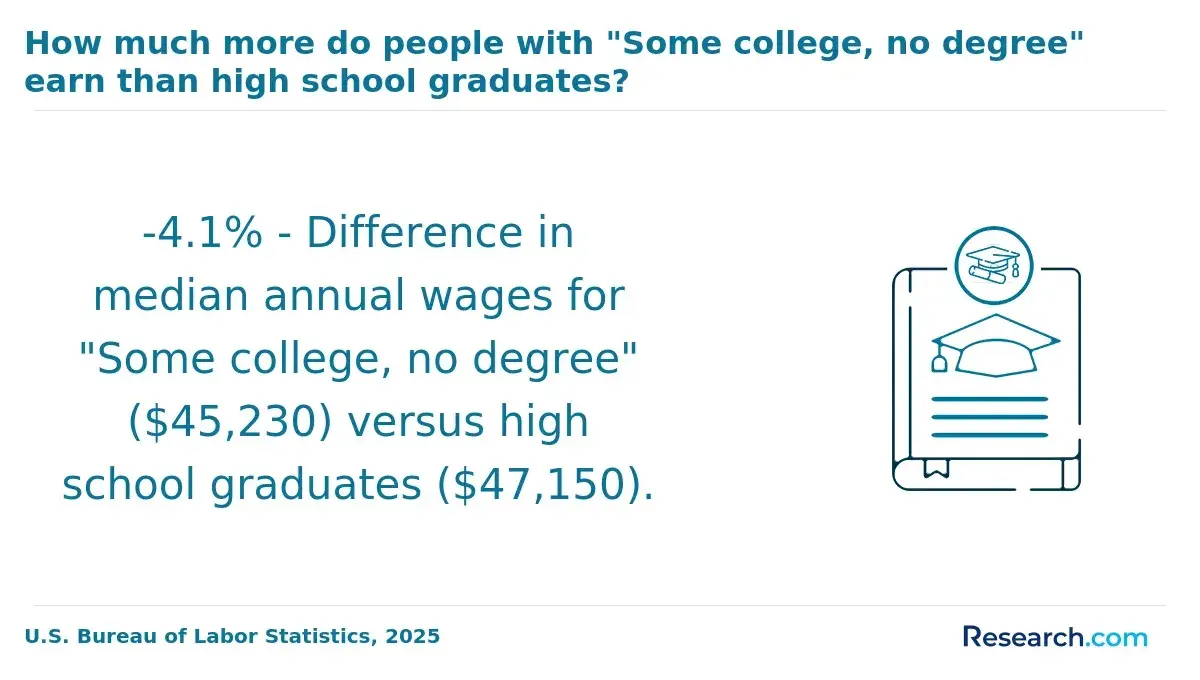
Recent data from the National Student Clearinghouse Research Center indicates that part-time students typically take 25% longer to complete degrees. This delay affects not only costs but also workforce entry, which can reduce lifetime earnings and impact return on investment. This slower progression highlights a tradeoff between manageable quarterly payments and potential long-term financial drawbacks linked to delayed graduation.
Students must weigh paying more upfront as full-time attendees against the extended, piecemeal costs of part-time enrollment. Full-time status accelerates degree completion, improving early labor market access, while part-time study offers flexibility but might increase total cost and delay career advancement. These differences shape practical decision-making around affordability and outcomes.
What is the application fee for undergraduate and graduate programs at Pace University?
Application fees at Pace University create a tangible upfront cost that applicants must consider before enrolling. Undergraduate applicants pay a $50 fee, while graduate applicants face a $65 fee, reflecting administrative processing costs. Additional expenses, such as portfolio submissions or supplemental fees for some graduate programs, can increase these initial barriers, impacting who applies and how broadly.
Practical scenarios demonstrate that students from lower-income backgrounds might limit the number of programs they apply to due to these fees. Research from the National Center for Education Statistics indicates that application fees can reduce diversity and restrict access by deterring financially constrained applicants. This dynamic is vital for those evaluating an online program's affordability and long-term value.
Pace University holds a solid reputation for offering flexible online degree options with outcomes tied to employability in specific fields. However, prospective students should weigh application fees and associated material costs against potential career gains. Understanding this financial entry point is essential when aligning educational investment with realistic career objectives and budget constraints.
How much will you spend on books and supplies at Pace University?
Expect to budget about $1,000 for books and supplies when enrolling in an online degree at Pace University. This estimate includes textbooks, software, and lab materials essential to completing coursework successfully. STEM majors often face higher costs due to specialized equipment, while humanities students may spend less on materials.
Such expenses directly affect the overall investment students make in their education, influencing affordability and access to necessary resources. According to a 2024 National Student Clearinghouse report, spending on course materials has consistently risen faster than inflation, placing additional strain on students balancing education with work commitments.
Careful financial planning should factor in these variable costs alongside tuition to avoid surprises. Prioritize checking course syllabi early to identify required materials and explore options like digital textbooks, rentals, or secondhand purchases to lower expenses without compromising learning quality.
Employers expect students to master up-to-date knowledge, making consistent access to current materials critical. Balancing costs with these demands is vital in selecting a degree program that maintains practical relevance while managing financial impact.
One Pace University graduate recalls hesitation when faced with sudden software requirements in a data analytics course. "I wasn't fully prepared for the cost," she said, "but searching for academic discounts and using a previous student's materials helped me manage expenses without delaying my progress." This experience underlines the importance of proactive planning and resourcefulness in handling books and supplies costs effectively.
What out-of-pocket expenses should Pace University online students prepare for?
Beyond tuition, books, and school supplies, online students at Pace University must prepare for several additional out-of-pocket expenses that can significantly affect the total cost of their education. These costs often reflect essential technology needs and software requirements unique to remote learning environments.
For example, a student in a data analytics program may need specialized software licenses that add recurring monthly fees, unlike traditional students who might access similar resources on campus for free or at reduced cost. The main out-of-pocket expenses for online students generally include:
- High-Speed Internet: Reliable internet access is critical for streaming lectures and submitting assignments on time. Depending on location and provider, monthly costs range from $50 to $100, an ongoing expense that directly impacts access quality.
- Hardware Requirements: Students must invest in a capable laptop or desktop with current specifications to run necessary software. This one-time purchase typically falls between $600 and $1,200, depending on program demands and device quality.
- Software Subscriptions: Programs often require software licenses for tools such as statistical analysis or design applications, costing between $20 and $100 monthly, depending on the field of study.
According to recent data from the National Center for Education Statistics, 29% of online students identify technology costs as a barrier to continuing education. This highlights how technology expenses often present a notable financial hurdle beyond tuition.
Compared to on-campus students, online learners avoid commuting and housing expenses but must absorb technology costs independently. On-site students generally benefit from campus computer labs or subsidized software, reducing or eliminating such fees. This shift places added financial and logistical responsibility on online students, which may affect affordability and program completion decisions.
What institutional factors drive the overall price of a Pace University online degree?
Multiple institutional factors determine the overall price of earning an online degree at Pace University. The tuition reflects investments in faculty, technology, campus infrastructure, and the university's position within the higher education market. Prospective students need to understand these underlying drivers to evaluate the value of the cost.
The main factors influencing Pace University online degree tuition costs include the following.
- Faculty and staff scale: Maintaining a workforce of 3,305 employees, including 444 faculty members (both full-time and part-time), requires significant salary and benefit expenses. This sizable academic and administrative team supports diverse programs and student services but also raises tuition to cover these personnel costs.
- Reputation and selectivity: Pace University operates at a mid-tier prestige level, balancing competitive admissions with a student body of 14,092. This affects pricing, as tuition tends to fall between highly selective institutions and more broadly accessible schools, reflecting market perceptions of credential value.
- Technology and online infrastructure: With growing demand for online learning, Pace invests in digital platforms and support services. According to a recent study from the National Center for Education Statistics, expanding quality online education typically increases per-credit fees by 5%-10% due to such technological and service costs.
- Program diversity and complexity: Offering a wide range of disciplines requires varied faculty expertise and specialized resources. This diversity adds complexity to budgeting, pushing tuition higher to sustain this breadth.
- Market and employer expectations: Students must weigh Pace University online degree tuition factors against their career goals. Employers often value degrees from institutions with recognized standards, which can justify higher costs if the credential improves job prospects significantly.
The overall cost of $82,154 for an online degree involves these intertwined elements. Students evaluating price should consider not just immediate tuition but the practical long-term benefits tied to Pace's academic quality and recognition. For those seeking flexible options, examining how technology investments affect fees provides additional insight into the cost structure.
Prospective enrollees comparing platforms might also explore easy college degrees online as part of their decision-making metrics.
How can you lower the cost of attendance at Pace University?
Online degrees require a significant financial investment, and higher education costs in the US continue to rise, often pressuring learners to find effective ways to ease these burdens. Online students at Pace University can explore multiple avenues to lower the cost of attendance without compromising on program quality or relevance.
The following strategies highlight practical steps that align financial decisions with career goals. Consider these primary approaches:
- Employer Tuition Assistance: Many corporations maintain partnerships with Pace University offering tuition reimbursement benefits. Employees should verify eligibility and timing with their HR departments, as using these programs can reduce out-of-pocket expenses significantly.
- Military and Veteran Benefits: Active service members and veterans qualify for education benefits like the GI Bill, which often cover a large portion of tuition and fees. Utilizing these benefits early in enrollment can stabilize financial planning.
- Prior Learning Credits: Pace allows students to earn credits through prior learning assessments and competency-based education. Adult learners with relevant work or military experience can shorten their degree timeline, thus lowering cost per credit and total tuition.
- Transfer Credits: Students transferring credits from accredited institutions or accredited self-paced online courses can avoid repeating coursework, reducing both time and tuition expenses.
- Flexible Scheduling Options: Choosing part-time or self-paced study improves affordability by managing semester credit loads and spreading costs over time. This approach suits students balancing work and family obligations while controlling education expenses.
National data show online students who leverage employer tuition assistance accumulate 30% less student debt than those who do not, illustrating the financial impact of strategic funding use. For those weighing the value of Pace University's programs, combining such cost-lowering strategies strengthens degree ROI and supports long-term employability.
How can transfer credits reduce the overall cost of a degree at Pace University?
Transfer credits can significantly reduce the cost of earning an online degree at Pace University by lowering the number of credits students must complete. Typically, Pace accepts credits from accredited colleges and universities, including those recommended by the American Council on Education. It also acknowledges alternative credit sources such as CLEP exams, DSST, and DANTES, which convert professional knowledge into academic credit.
Students can transfer credits during multiple enrollment periods, including Fall, Winter, Spring, and Summer terms, allowing flexibility in planning their course load. However, not all credits may apply directly to degree requirements, so prospective students must carefully evaluate how their prior learning fits into their program to avoid taking unnecessary classes that increase cost and time to completion.
Reducing required credits through transfers lowers tuition expenses and limits future student debt. Data from the National Center for Education Statistics indicates students utilizing prior learning credits save an average of 15% on total degree costs. This reduction also correlates with lower debt burdens, improving early career financial stability and aligning with employers valuing skills over credentials.
Transfer credit policies vary depending on factors like the accreditation status of the original institution and the relevance of coursework. Students should anticipate a case-by-case assessment and possible administrative effort to document and verify their credits before the university accepts them.
One Pace University graduate recalled feeling uncertain about whether her professional certifications would count toward her degree. After working closely with academic advisors and submitting detailed documentation, she managed to transfer several credits, cutting her program length by nearly one semester. This saved her both tuition costs and emotional stress, allowing her to graduate sooner and re-enter the workforce with less debt than expected.
How many online students receive financial aid at Pace University?
Nearly 99% of online students at Pace University receive financial aid, indicating that aid is nearly essential for managing tuition costs. The average undergraduate aid amount is $30,148, a significant figure that reduces financial barriers for most online learners. This level of support helps control debt accumulation, which is crucial since the Federal Reserve reports that total student debt in the US has reached $1.6 trillion, influencing many students' decisions to pursue more affordable educational options.
Below are key scholarship and grant programs contributing to financial aid availability for online learners at Pace University.
- Pace University Grant: Awarded based on academic merit and financial need, this grant can cover a substantial portion of tuition costs. Eligibility often depends on enrollment status and specific departmental criteria.
- Federal Pell Grants: A federal program for undergraduate students demonstrating exceptional financial need. Pell Grants typically cover a significant share of tuition but have strict income eligibility limits.
- New York State Tuition Assistance Program (TAP): Available to New York residents attending Pace University, TAP provides aid to support tuition payments. It requires proof of residency and satisfactory academic progress.
- Pace NACE Grant: Designed for students involved in experiential learning programs, this grant encourages participation in cooperative education and may offset tuition partially or fully.
- Pace Diversity Scholarship: Focused on promoting campus diversity, this scholarship supports students from underrepresented groups. It offers partial to full tuition coverage depending on the candidate's profile.
The high percentage of online students receiving aid at Pace underscores its vital role in reducing financial obstacles and mitigating long-term debt risk. Prospective students considering cost-effective options may also explore an easiest bachelor's degree as a strategic choice for balancing educational investment and career outcomes.
What Graduates Say About the Cost of Studying at Pace University
- Layla: "Studying online at Pace University allowed me to balance my full-time job and family commitments without sacrificing educational quality. While the tuition was on the higher side, I found that avoiding the costs of housing and commuting made the overall expense more manageable. I did notice some unexpected fees related to digital resources, which initially threw off my budget, but once accounted for, the flexibility of the program justified the investment as I secured a higher-paying role within six months of graduation."
- June: "Pursuing an online degree from Pace University felt like a strategic choice to accelerate my career without pause. The sticker price was significant, and I was particularly cautious about weighing upfront expenses against potential returns. However, the ability to tap into real-time industry projects remotely and the career services Pace offered meant I felt steadily supported. Although I had to absorb some technology fees I hadn't anticipated, the salary bump and faster workforce entry ultimately made the degree a financially sound decision for me."
- Adeline: "From my perspective, the online program at Pace University was both a practical and demanding experience. Juggling work with coursework required discipline, and the tuition's cost was a real consideration-especially with additional charges for digital platforms that weren't clear at first. Yet, bypassing on-campus expenses like transportation was a significant relief. Looking back, the degree did open doors I hadn't expected, but I remain mindful that the financial value of the program really depends on how you leverage the flexibility and network it provides post-graduation."
Other Things You Should Know About Pace University Degrees
In 2027, Pace University's tuition structure for online degrees clearly outlines all costs, including per-credit charges and standard fees, ensuring no hidden expenses. Additional optional services or resources may incur extra costs, but these are separate from tuition and fully disclosed to students.
The modular scheduling of many online programs at Pace University offers flexibility but often extends the time to graduation if students enroll part time or face course availability limits. This can increase overall expenses due to prolonged tuition payments and delay workforce re-entry or advancement. Prospective students seeking cost efficiency should assess program pacing options carefully and plan for consistent enrollment to minimize total program length and maintain momentum.
Choosing between fully asynchronous and hybrid synchronous schedules influences both workload management and resource needs. Synchronous courses require fixed hours for live interaction, which may limit flexibility and necessitate a stable high-speed internet connection at specific times, potentially increasing indirect costs like internet upgrades. Asynchronous courses offer greater scheduling freedom but require stronger self-discipline and time-management skills, which can affect progression speed and overall cost. Students must balance convenience against their learning style and schedule to avoid risking extended enrollment that drives up total costs.
Although Pace University has regional recognition, employer acceptance of online degrees varies greatly by industry and role. Some employers prioritize hands-on experience and may view online study skeptically unless paired with demonstrable skills or certifications. Students targeting fields with strict in-person training or internship expectations should weigh if the online program's reputation and networking opportunities justify its price compared to other pathways. Prioritizing programs with strong career support and industry-aligned curriculum can improve return on investment.
References
- Pace University Cost of Attendance: What You Need to Know https://outpost.me/blog/pace-university-cost-of-attendance
- Transfer to Pace from cuny . How much Financial I can get? https://talk.collegeconfidential.com/t/transfer-to-pace-from-cuny-how-much-financial-i-can-get/3597776
- Pace University Courses Fees, Duration, Eligibility, and More! https://amberstudent.com/blog/post/pace-university-courses-fees-duration-eligibility-and-more
- Pace University - Cost & Financial Aid https://www.meetyourclass.com/pace/cost
- Pace University Tuition and Acceptance Rate | SoFi https://www.sofi.com/pace-university-tuition-fees/
- Pace University, USA - Ranking, Reviews, Courses, Tuition Fees | Hotcourses India https://www.hotcoursesabroad.com/india/us-usa/school-college-university/pace-university/72084/international.html
- Transfer Credits https://pace.uwinnipegcourses.ca/transfer-credits
- Pace University: Ranking, Courses, Fees and 2026 Intakes https://www.studies-overseas.com/blogs/study-at-pace-university-usa
- Pace University Application Fee: What You Need to Know - Hellouni Blogs https://www.hellouni.org/blogs/usa-university/pace-university-application-fee-what-you-need-to-know/