2027 Syracuse University Tuition for Online Degrees: Cost Per Credit, Fees, and Total Price

Co-Founder and Chief Data Scientist
Rising tuition costs continue to challenge students seeking flexible, affordable pathways to higher education. For those considering an online degree at Syracuse University, understanding the full spectrum of expenses is crucial. The average tuition for online programs nationwide hovers around $400 per credit hour, yet fees and additional costs can raise the total price substantially. Ignoring these details risks unexpected debt or financial strain after enrollment.
Data shows that nearly 60% of online students carry student loan balances, illustrating the importance of evaluating total costs against career outcomes. This article breaks down Syracuse University's tuition, mandatory fees, and other charges for online degrees, guiding prospective students through realistic budget planning and informed decision-making.
Key Points About the Cost of Attending Online Programs at Syracuse University
- The total tuition for completing an online program at Syracuse University is $85,409, representing a substantial financial commitment that requires verifying alignment with long-term career earnings.
- Graduates achieve an earnings to debt ratio of 3.04x, indicating typical income surpasses debt by just over three times, reflecting a moderate margin for return relative to cost.
- Approximately 84% of students receive financial aid, with undergraduates averaging $30,721, which lowers net expenses but necessitates thorough assessment of personal affordability and loan reliance.
How much is the tuition for online programs at Syracuse University?
Syracuse University's tuition for online degrees is significantly above average, with base tuition and fees totaling $63,061 annually. This cost covers instruction plus institutional expenses but excludes books, room, and board. Overall, the total annual cost of attendance including these additional expenses reaches $85,409, underscoring the premium nature of its online programs.
Tuition varies across different online programs, generally remaining higher than many public or less research-intensive universities. For comparison, the Federal Scorecard reports the total cost for in-state students living on campus as $80,396, a figure influenced by different accounting methods but reflecting the substantial financial commitment required at Syracuse. These differences reflect Syracuse University online degree tuition cost per credit and program-specific requirements.
The rising costs align with trends noted from the National Student Clearinghouse Research Center, which attribute sustained tuition levels in top programs to investments in technology infrastructure and administrative fees. For example, a working professional assessing whether to enroll in an online program must consider whether the higher cost produces proportional career benefits, especially when employers increasingly prioritize practical skills over institutional prestige.
Given these factors, prospective students should carefully weigh the total tuition and fees for online programs at Syracuse University against alternative options. Those seeking accelerated pathways might also explore online master degree programs that can offer cost efficiencies and flexible timelines in a competitive job market.
How does online tuition at Syracuse University compare to on-site program costs?
Online tuition at Syracuse University totals $85,409, significantly higher than the base tuition fee of $63,061. This discrepancy highlights additional charges for online learners, such as technology and course fees, which do not typically apply to on-campus students. These extra costs differentiate online tuition from the generally lower on-site tuition that includes facility fees but avoids online-specific charges.
While traditional programs often have a tuition cost near the base $63,061 fee, online studies carry variable ancillary fees. According to a 2024 National Center for Education Statistics analysis, colleges increasingly apply extra fees to online programs to cover digital platforms and support remote students. This explains why online tuition can match or slightly exceed on-campus expenses, even if the per-credit price appears lower.
Prospective students should analyze these cost differences carefully when comparing Syracuse University on-site and online program tuition. For example, an individual balancing full-time work may accept the higher online cost for flexibility, while others may find the on-campus price more economical considering fewer ancillary fees.
Ultimately, students interested in Syracuse's online degrees must weigh costs against benefits like convenience and employer recognition. Employers are growing more open to credible online credentials, but understanding the financial implications is crucial. For accessible options, exploring 1-year master's programs can provide shorter, potentially less expensive pathways.
How does enrollment status affect the cost of attendance at Syracuse University?
Enrollment status at Syracuse University critically shapes the cost of attendance, influencing both payment structure and total financial outlay. Full-time students pay a flat tuition fee of $63,061 covering a set credit load, which can lower costs through concentrated study. Part-time students pay per credit, driving the total price beyond the base tuition as coursework spreads out.
For example, a working professional taking classes part-time might face prolonged tuition payments that accumulate beyond $85,409 due to the steady per-credit rate and extended program duration. This flexibility comes with a financial tradeoff as fees add up and income opportunities remain limited longer.
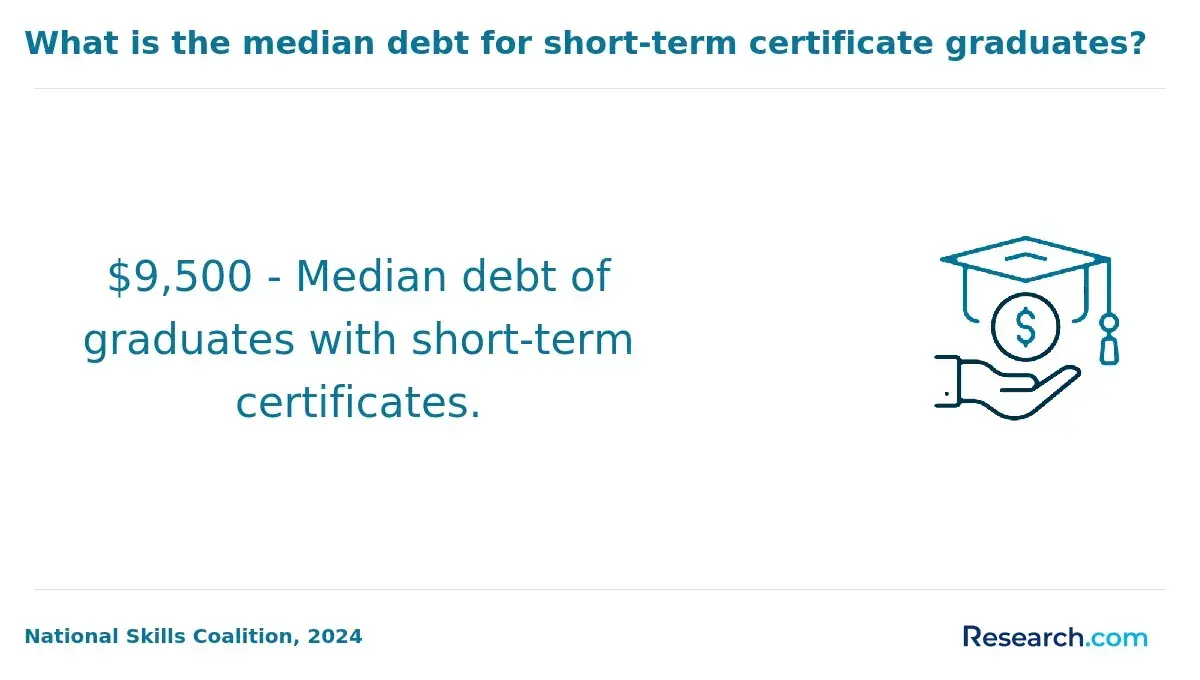
A recent national study reports that part-time students typically incur up to 20% higher overall educational expenses and longer debt repayment periods than full-time peers. This highlights how part-time enrollment adds cost inefficiency and delays workforce advancement, a critical factor for adult learners balancing work and study.
Ultimately, full-time enrollment at Syracuse University can provide cost savings through concentrated tuition fees and faster completion, while part-time status offers flexibility but often leads to higher cumulative costs and deferred career impact.
What is the application fee for undergraduate and graduate programs at Syracuse University?
Application fees of $75 for undergraduate and $70 for graduate online programs at Syracuse University represent only a fraction of the upfront investment applicants face. These costs, although moderate, can cumulatively deter applicants from low-income or underrepresented groups, as recent data indicates a 12% drop in application rates linked to fee barriers. This implies that prospective students should factor these fees into broader financial and strategic decisions before applying.
Beyond the application fee, candidates often encounter costs tied to submitting standardized test scores, credential evaluations, and other administrative expenses depending on their academic history. These secondary charges can push overall pre-admission costs higher, influencing whether the investment aligns with career goals and financial capacity.
Syracuse University maintains a solid reputation for offering programs with consistent employability outcomes across various fields, which partially offsets these initial costs. However, applicants must balance the certainty of fees against the potential long-term returns of their chosen online degree, evaluating how upfront costs relate to expected earnings and professional advancement.
How much will you spend on books and supplies at Syracuse University?
Students pursuing online degrees at Syracuse University typically budget around $1,799 for books and supplies throughout their program. These costs include textbooks, software licenses, and lab materials essential for coursework completion. Students in STEM and health fields often face higher expenses due to specialized tools, while humanities students usually experience lower costs.
For example, an online nursing student may need multiple costly software applications and lab kits to meet clinical simulation requirements. This scenario illustrates how course materials can significantly affect the total investment beyond tuition, especially as these specialized supplies frequently require annual updates or replacements.
The National Center for Education Statistics reports textbook and supply costs have increased by 4.5% annually over five years. This trend matters because it means material expenses are rising faster than general inflation, impacting affordability and requiring students to plan strategically when assessing program costs.
To reduce expenses, students might explore digital textbooks, older editions, or utilize university resources such as online libraries. Joining student groups for book exchanges and carefully comparing software purchase options can also lower costs without compromising learning quality.
One Syracuse University online graduate recalls, "I hesitated at first when budgeting for my program, especially after seeing the cost of required software. Buying one license for the full semester instead of multiple short-term ones saved me hundreds. I also joined a group chat where classmates shared used books, which really eased my budget pressure."
What out-of-pocket expenses should Syracuse University online students prepare for?
Students pursuing online degrees at Syracuse University face out-of-pocket costs beyond tuition, books, and general school supplies that can significantly impact their total financial commitment. These expenses often include technology needs and software essential for completing coursework. For example, a student enrolled in a data analytics program might need to subscribe to specialized statistical software and upgrade their computer to handle large data sets, adding hundreds of dollars monthly to their budget.
Successfully navigating these costs requires foresight beyond standard tuition fees. The main categories of additional expenses online students should prepare for include:
- High-speed internet: Reliable broadband is crucial for streaming lectures, participating in live sessions, and submitting assignments on time. Monthly costs typically range from $50 to $100 depending on location and provider.
- Computer hardware: A laptop or desktop with sufficient processing power and memory is necessary. Entry-level models cost around $500, but more capable devices can exceed $1,000 in price.
- Software subscriptions: Many programs require access to specialized platforms or tools such as design software or statistics programs. These subscriptions often run $20 to $100+ monthly.
- Peripheral equipment: Accessories like webcams, microphones, or external drives may be needed for assignments or virtual presentations and can add $50 to $200.
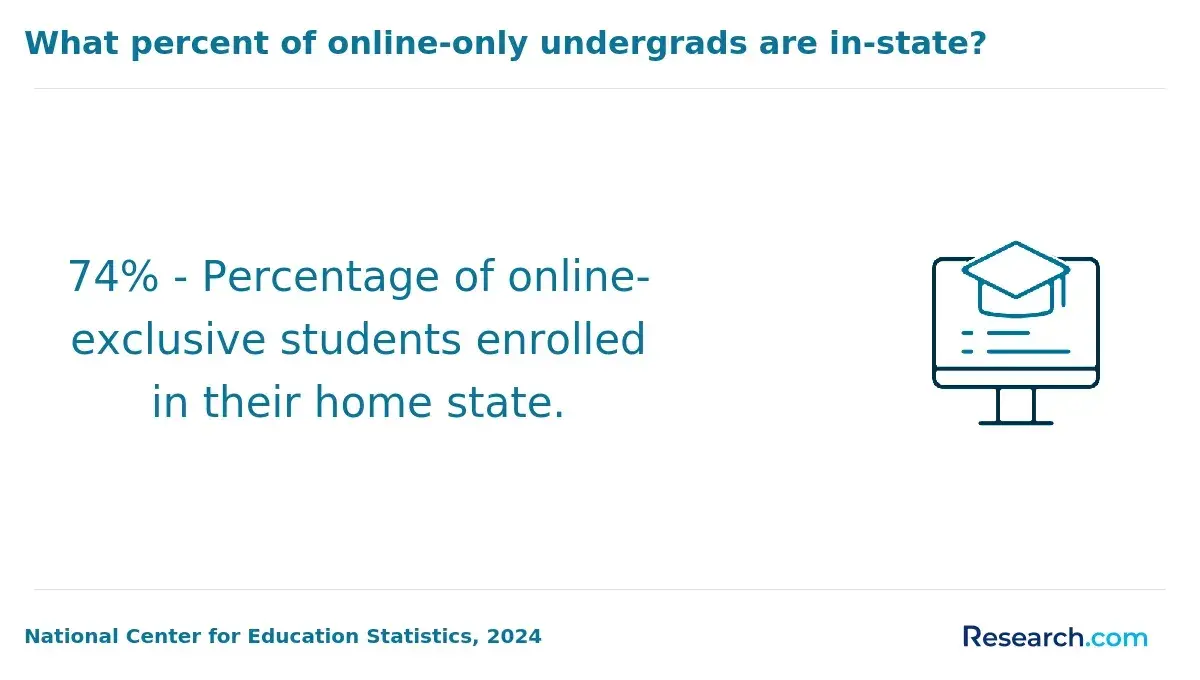
These out-of-pocket expenses for online students generally remain lower than the combined costs of commuting, campus facilities fees, and housing faced by on-site students. However, technology costs remain a significant barrier, with over 35% of online learners identifying them as a primary challenge according to the National Center for Education Statistics. This highlights the importance of factoring indirect costs into decisions about the value and affordability of the online education pathway at Syracuse University.
What institutional factors drive the overall price of a Syracuse University online degree?
Multiple institutional factors influence the overall price of a Syracuse University online degree, making the $85,409 tuition a reflection of its selective admission standards, faculty investment, and academic reputation. These elements combine to shape the cost components affecting Syracuse University online tuition fees in significant ways.
The following list highlights key factors driving the cost structure at Syracuse.
- Selective Admission Standards: Syracuse's status as a very difficult admission institution means it attracts motivated and high-achieving students. This selective process supports higher tuition by aiming to create a rigorous academic environment valued by employers and students alike.
- Faculty Composition and Support: With 1,193 full-time and 578 part-time faculty members among 5,913 staff, the university invests heavily in personalized instruction and student support. This robust human resource commitment raises tuition to maintain quality interaction and academic rigor.
- Student Enrollment Scale: Serving 22,948 enrollees balances economies of scale with the ability to provide meaningful engagement. While scale can lower costs, Syracuse's emphasis on faculty involvement places a premium on educational quality, influencing higher tuition.
- Institutional Reputation and Prestige: The longstanding academic reputation enhances employer recognition, translating into potential career benefits for graduates. This prestige factor justifies costs as students pay for proven value beyond the classroom.
- Market Demand and Education Trends: Recent data from the National Center for Education Statistics reveals over 40% of online learners prioritize institutions with rigorous academic standards and reputable faculty. This trend reflects demand patterns that allow Syracuse to position its pricing at the premium end.
For prospective students weighing these cost elements, the decision should consider long-term returns and employability outcomes. Exploring related credentials such as certificates I can get online may offer flexible, cost-effective alternatives aligned with workplace demands.
How can you lower the cost of attendance at Syracuse University?
Higher education costs in the US represent a significant investment, especially for working adults balancing employment and study. Online students at Syracuse University can meaningfully reduce those expenses through a combination of institutional resources, external programs, and credit alternatives. These strategies help manage both tuition fees and total time to degree completion.
Consider these practical approaches to lower the cost of attendance:
- Employer Tuition Reimbursement: Many corporate partners collaborate with Syracuse University to offer tuition reimbursement. Eligible working adults should verify if their employer participates and apply before or during enrollment to maximize benefits.
- Military Education Benefits: Veterans and active military personnel qualify for programs like the GI Bill or Yellow Ribbon. Utilizing these benefits early can cover substantial tuition portions and fees, easing financial barriers.
- Prior Learning Assessments (PLAs): Students can earn credit by demonstrating existing knowledge or skills through PLAs. This reduces the total credits required for graduation, effectively cutting education costs and accelerating completion.
- Transfer Credit from Accredited Institutions: Accepted transfer credits can shorten degree timelines. Prospective students should evaluate previous coursework for eligibility before starting at Syracuse University to avoid redundant tuition payments.
- Competency-Based Credit Options: These options allow learners to progress by proving mastery rather than seat time. They are ideal for self-motivated students with relevant professional experience, potentially lowering both cost and duration.
According to a 2024 report by the National Center for Education Statistics, the average bachelor's degree borrower now incurs over $32,000 in student debt. This reality underscores the importance of programs that reduce out-of-pocket tuition and speed up the educational journey to improve return on investment. Understanding these cost-lowering opportunities at Syracuse University aligns with clear professional and financial goals.
For those researching affordability, it is useful to examine what is the cheapest online college as part of broader financial planning. These paths collectively address diverse student needs, supporting sustainable investment in online education.
How can transfer credits reduce the overall cost of a degree at Syracuse University?
Transfer credits can substantially reduce the cost of an online degree at Syracuse University by shortening the time needed to graduate. Typically, the university accepts credits from regionally accredited institutions and standardized exams like CLEP, DSST/Dantes, and ACE evaluations. These credits acknowledge prior academic work and professional knowledge relevant to degree requirements.
Students applying to Syracuse University for online programs must submit their transcripts during fall or spring admissions for a formal credit evaluation. This process determines which credits apply toward the intended degree. For example, a working professional who earned college credits years ago and passed certain standardized assessments may convert these into Syracuse credits, reducing tuition costs and course load.
However, transfer credit acceptance is selective and varies by program and accreditation status of the original institution. Not all credits will transfer, and extensive planning with academic advisors is critical to avoid surprises that may extend time and costs. This complexity requires a careful cost-benefit analysis, balancing potential savings with the risk of losing credit applicability.
A recent report from the National Center for Education Statistics found students with transfer credits graduate with 20% less debt on average. This data highlights how leveraging prior learning and credits can provide a practical financial advantage amid rising higher education expenses and student debt burdens.
One online graduate recalled hesitating to submit older credits at first, fearing they wouldn't count toward her communications degree. After advising discussions and submitting her CLEP scores, she realized about 15% of her required credits transferred, cutting her tuition significantly and accelerating her graduation timeline. This outcome eased her financial stress and validated time spent on prior courses and exams.
How many online students receive financial aid at Syracuse University?
Financial aid is a crucial component for most online students at Syracuse University, with approximately 84% receiving some form of assistance. The average financial aid package for undergraduate online learners is $30,721, substantially reducing tuition and related expenses. For example, a student balancing work and family commitments might rely on this aid to make continued education financially feasible while minimizing debt.
Below are key scholarship and grant options available to online students, each with different eligibility criteria and coverage levels.
- Chancellor's Scholarship: Awards based on academic merit and leadership potential, this scholarship can cover a significant portion of tuition for high-achieving students demonstrating sustained excellence.
- Orange Promise Grant: Designed to support students showing financial need, this grant provides partial to full tuition coverage, helping offset educational costs for low-income applicants.
- Need-Based Grants: Available to students who demonstrate considerable financial need, these grants help reduce dependency on loans by covering varied amounts of tuition.
- Merit-Based Scholarships: Open to students achieving high academic standards, these scholarships reward performance and can cover partial tuition fees.
- Graduate Assistantships: Offered to graduate students, these positions combine work with tuition waivers, allowing recipients to gain professional experience while reducing education costs.
Despite aid availability, not all recipients receive full coverage, which requires prudent financial planning to manage outstanding costs. The percentage of Syracuse University online students receiving scholarships reflects broader patterns in financial aid rates for online students at Syracuse University, highlighting both opportunities and limitations for prospective enrollees.
Considering that the average student loan debt in the US remains around $37,000, as reported by the National Center for Education Statistics, maximizing aid can be essential for controlling long-term debt. Students evaluating investment in an accelerated online degree programs for working adults should carefully weigh these factors to optimize outcomes and affordability.
What Graduates Say About the Cost of Studying at Syracuse University
- Daniel: "Choosing to study an online program at Syracuse University was a deliberate decision to balance full-time work with advancing my education. The tuition was definitely on the higher side, and I was initially concerned about additional digital fees that weren't obvious upfront. However, saving on housing and commuting costs made the financial burden more manageable. Ultimately, the degree opened doors to project management roles where my salary saw a solid increase, which justified the overall expense for me."
- Jin: "Studying online at Syracuse University provided the flexibility I needed while caring for my family, which was priceless. The staggered tuition payments and occasional tech fees required careful budgeting, but not having to relocate or commute reduced my day-to-day costs significantly. After graduating, I transitioned into a data analyst position faster than expected. When I weigh the initial price against the career velocity gained, the investment seems reasonable, though it required some trade-offs."
- Jason: "My experience with Syracuse University's online degree was pragmatic: I had to examine beyond just tuition and factor in hidden charges and the technology platform fees. Avoiding campus expenses like dorms and parking made the net cost feel less overwhelming. Post-graduation, the degree helped me break into the marketing industry, but the salary jump was moderate. I'd say the overall value was fair for the convenience, flexibility, and credibility the degree offered, though budgeting for those extras upfront would have smoothed the process."
Other Things You Should Know About Syracuse University Degrees
Yes, Syracuse University online students may encounter technology fees that are not charged to on-campus students. These fees support the online learning platform, digital resources, and technical support, and while generally moderate, they add to the overall cost per credit. It is crucial to factor these fees into your budget planning since they are recurring each term and can accumulate, especially in longer programs.
The flexibility of Syracuse University's online programs allows students to vary their course load, but this can complicate cost predictability. Enrolling in more credits per term reduces the duration and total fees paid, often a financially smarter approach, while spreading courses out lowers immediate expenses but can increase living and technology fees over time. Prospective students should evaluate their capacity for sustained study and the urgency of degree completion to optimize their financial commitment.
For 2027, Syracuse University's online degrees have a tuition rate of approximately $1,700 per credit. Additional fees, like technology and enrollment fees, can depend on the program. On average, total costs per year can range from $15,000 to $30,000 depending on credit hours and program specifics. It's important for prospective students to consider these costs in their financial planning.
Many employers recognize Syracuse University's online programs as credible, but policies vary widely on tuition reimbursement for online study. Students should confirm with their employer before enrolling, as online status can sometimes limit eligibility for reimbursement or reduce the maximum amount covered. Verifying this upfront avoids unexpected out-of-pocket costs and helps in choosing programs aligned with available financial support.
References
- Financial Aid - Say Yes Syracuse https://sayyessyracuse.org/resources/financialaid/
- Syracuse University Cost, Admission Requirements and Acceptance Rate https://unirely.com/blog/guide-to-applying-to-syracuse-university/
- Cost of Online Education vs. Traditional Education [2025]: Comparison https://educationdata.org/cost-of-online-education-vs-traditional-education
- Syracuse University: Courses, Fees And Rankings 2026 https://amberstudent.com/blog/post/syracuse-university-courses-fees-and-rankings
- Syracuse University Transfer Credit https://www.straighterline.com/colleges/syracuse-university/
- First Day FAQS | Syracuse University https://syracuse.bncollege.com/first-day-faqs
- Syracuse University Tuition and Financial Aid https://www.prepscholar.com/sat/s/colleges/Syracuse-University-tuition-financial-aid
- Honestly, how do those of you enrolled at Syracuse afford tuition and everything? https://talk.collegeconfidential.com/t/honestly-how-do-those-of-you-enrolled-at-syracuse-afford-tuition-and-everything/1149097