2027 Best Online Degrees at The University of Arizona Global Campus: Programs, Tuition, and Admissions

Co-Founder and Chief Data Scientist
Choosing where to pursue an online degree involves assessing how well a school meets diverse student needs, such as working adults, transfer students, and career changers. The University of Arizona Global Campus stands out for its emphasis on flexible program delivery tailored to adult learners, offering accelerated timelines and extensive transfer credit acceptance to support degree completion.
With nearly 70% of its online students engaged part-time, the university's structure aligns with the practical realities of balancing education alongside existing commitments.
Before enrolling, students typically evaluate available online degree options, tuition costs, and financial aid access alongside admissions standards and available support services. Understanding program length and flexibility is essential, as these factors significantly affect both workload and career advancement potential.
Our review will guide prospective students through these considerations, contextualizing institutional data and academic pathways to help navigate the tradeoffs inherent in selecting an online program suited to their goals.
Quick Facts About The University of Arizona Global Campus Online Degrees
- The University of Arizona Global Campus offers open admission, making it accessible to a wide range of students including working adults, first-generation learners, and career changers. This policy reduces barriers to enrollment but may also mean less selectivity in student preparedness, so prospective students should plan for adequate self-discipline and academic support.
- The average annual tuition stands around $37,387, which is relatively high compared to many online programs. Prospective students should weigh this cost against the likelihood of transfer credit acceptance-currently estimated at 9%-which is quite low and could extend time and expense if many prior credits are not recognized.
- Degree programs at the university emphasize career-relevant fields such as business, nursing, IT, and teaching, many of which align with licensure or certification paths. This focus supports direct career advancement but requires students to engage deeply with program requirements that mirror professional standards, potentially increasing both academic rigor and scheduling commitments.
Is The University of Arizona Global Campus a Good School for Online Degrees?
The University of Arizona Global Campus (UAGC) has transitioned from a for-profit model to a public university unit, significantly impacting its online degree quality in 2026. This shift brings increased regulatory oversight and a focus on academic standards, emphasizing accessibility for working adults and military-affiliated students.
UAGC's accreditation by the WASC Senior College and University Commission strengthens its legitimacy, offering better credit transferability and employer recognition compared to many for-profit predecessors.
However, our research shows that the institution's online offerings still face challenges in national rankings and consistency, reflecting ongoing efforts to align curricula and faculty expectations within the larger University of Arizona system.
The primarily asynchronous course design demands strong self-motivation, which suits adult learners prioritizing flexibility but may limit those seeking immersive academic communities or synchronous interactions.
These practical tradeoffs position UAGC as a moderate choice for prospective online students weighing public accreditation against evolving institutional reputation and program maturity. Such nuances are vital when considering the best online degrees at University of Arizona Global Campus 2026.
Public Status and Institutional Change
Operating within a public university structure has improved transparency and accountability at UAGC, differentiating it from its earlier private, for-profit identity. This status fosters broader recognition but introduces bureaucratic layers that can affect administrative responsiveness.
While students gain from an affiliation with the University of Arizona brand, the physical separation in San Diego and exclusively virtual delivery mean support services and institutional culture may feel detached from traditional campus experiences.
Student Demographics and Program Fit
With an average student age in the early to mid-30s, UAGC's online environment is tailored to seasoned learners balancing education with career or family. The campus's broad geographic reach and inclusivity for veterans create diverse perspectives but limit social cohesion common to on-site universities.
Prospective students searching for the best degrees to get online will find UAGC's flexible schedules advantageous, especially if valuing public university credentials while accepting its emerging reputation among elite providers.
Angela, a recent UAGC graduate and Army veteran, chose the university for its public university affiliation, appreciating the legitimacy it added to her degree. Balancing a full-time job and family, she valued the asynchronous coursework but noted, "There were moments where I wished for more direct contact with professors and classmates-it felt isolating at times."
Nevertheless, she credits the structured support for veterans and the practical course focus with helping her advance professionally, highlighting the school's strengths and ongoing maturity as an online institution.
What Online Degree Programs Does The University of Arizona Global Campus Offer?
The University of Arizona Global Campus offers a suite of online degree programs designed to meet the needs of working adults and career changers seeking practical, career-aligned education.
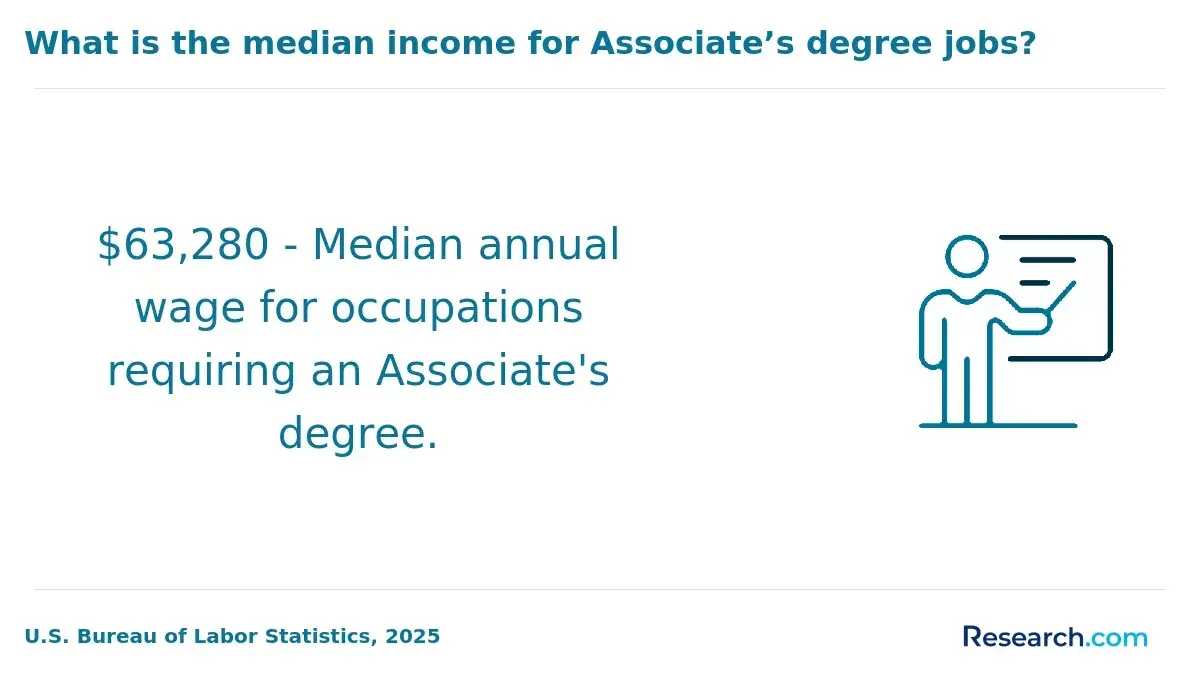
Associate degree online programs provide foundational skills in areas such as Health Science, Business, and Information Technology, preparing students for entry-level roles or seamless transfer into bachelor's degree pathways. This approach emphasizes immediate workforce applicability, particularly in administrative, healthcare support, and technical positions.
At the bachelor's level, UAGC presents a broad academic portfolio including majors like Business Administration, Criminal Justice, Psychology, and Health Care Administration.
Many programs feature specialized tracks-such as digital marketing within Business or health promotion in Health Science-that allow students to tailor their studies toward specific career goals. Based on our research, the flexibility to concentrate studies enhances job market relevance and supports diverse student backgrounds from first-time undergraduates to professionals upskilling.
Master's degree offerings, while more limited, focus on applied professional disciplines with degrees like the Master of Science in Nursing and the MBA targeting mid- to senior-level leadership roles.
Specializations in fields including Nurse Education, Health Administration, and Business Analytics reflect the institution's operational emphasis on career advancement rather than research-intensive academic paths.
Additionally, UAGC's certificates and microcredentials provide short-term, stackable options in growth areas like Project Management and Cybersecurity, enabling learners to acquire targeted skills quickly.
Our analysis also highlights high-demand majors such as Business Administration and Criminal Justice, which align with national workforce trends and promote cross-disciplinary career adaptability.
How Do Online Classes Work at The University of Arizona Global Campus?
Online courses at UAGC predominantly follow an asynchronous model, providing students flexibility to engage with materials and complete assignments within weekly windows. This setup suits learners balancing work or family demands but requires disciplined time management, as deadlines remain firm each week.
Some programs incorporate synchronous sessions like live office hours or group meetings, balancing real-time interaction with overall scheduling flexibility. Enrollment options accommodate both part-time and full-time students, allowing academic pacing adjustments to fit varied lifestyles.
Courses often run in accelerated six- or eight-week terms, demanding focused weekly commitment that can intensify workload. UAGC uses the Canvas LMS, accessible via desktop and mobile, to centralize learning resources and communications, supporting organization but still requiring reliable internet.
Faculty generally respond within 24 to 48 hours, mainly through asynchronous channels, while peer collaboration occurs through discussion forums and group projects. Certain programs include mandatory in-person components such as internships, which necessitate additional planning for those seeking a fully remote experience.
How Long Does It Take to Complete an Online Degree at The University of Arizona Global Campus, and Can Transfer Credits Speed It Up?
Accelerated degree timelines at The University of Arizona Global Campus vary considerably across associate, bachelor's, and master's programs, shaped primarily by enrollment intensity and credit transfer policies. Associate degrees typically require about 60 credits and can be finished in 18 to 24 months for full-time students following two to three courses per eight-week term, whereas part-time study may extend this to around 30 months or longer.
Bachelor's degrees, spanning 120 to 180 credits, generally take 3 to 5 years full-time, but transfer students with approximately 60 credits may reduce completion to about two years. Master's programs demand 30 to 36 credits, often completed in one year full-time, or longer part-time.
Transfer credits, accepted from regionally accredited schools and up to two-thirds of degree requirements, can thus substantially shorten time-to-degree. Prospective students must weigh this against course availability, prerequisite sequencing, and personal workload.
Our research indicates pursuing full-time year-round enrollment alongside transfer credits offers the most efficient graduation pathway, reflecting the core dynamics of time to complete an online degree at University of Arizona Global Campus.
Enrollment Intensity and Pace
Full-time enrollment, defined as two to three courses per term, is crucial to minimizing degree duration, particularly when continuously attending fall, spring, and summer terms.
Conversely, part-time students taking fewer courses per session face extended timeframes due to fewer credits earned over equivalent terms, with family and work obligations often dictating this pacing. The institution's use of accelerated eight-week sessions and multiple yearly start dates supports students aiming to expedite their studies despite these challenges.
Transfer Credits and Degree Completion
Transfer credit policies at University of Arizona Global Campus online programs are among the most impactful factors for speeding degree completion. The acceptance of credits from regionally accredited institutions, military service, and competency-based learning allows eligible students to bypass significant coursework.
However, exact credit applicability depends on program-specific criteria and transfer evaluations, meaning students must plan their transfer strategies carefully to optimize time savings. This flexibility particularly benefits adult learners balancing career transitions.
One UAGC bachelor's graduate recalled how transferring credits from a community college reshaped her timeline:
"After careful evaluation, I entered with 60 credits, which cut my bachelor's journey almost in half. Managing two courses every term through summer kept me on track. It was tough balancing work deadlines alongside my studies, but the accelerated terms and flexible start dates let me build a routine that actually worked for me."
Her experience underscores how transfer credits combined with steady enrollment pacing can make the difference between an extended and a streamlined academic path.
How Much Does an Online Degree at The University of Arizona Global Campus Cost?
The University of Arizona Global Campus charges a uniform per-credit tuition rate for online students, approximately $490 for undergraduate and $600 for graduate programs, regardless of residency.
This consistent pricing simplifies budgeting but excludes additional fees and materials, which can add $200 to $500 per term in mandatory costs like technology and student services fees.
Based on our research, total tuition for an associate degree (60 credits) hovers near $29,400, while bachelor's degrees requiring 120 credits approach $58,800, not accounting for fees or textbooks. Graduate degrees vary, with typical costs from $21,600 to $28,800.
Our analysis integrating provided data indicates an average total cost around $37,387 when fees and materials are included, reflecting realistic student expenses. Specialized programs may incur further costs due to clinical placements or software needs.
This structure offers flexibility but requires careful planning for the full financial commitment beyond tuition alone, especially for working adults and transfer students balancing cost with academic progress at UAGC.
Does The University of Arizona Global Campus Offer Financial Aid for Online Students?
The University of Arizona Global Campus (UAGC) provides multiple financial aid options to help online students manage costs, with over 70% receiving some form of assistance, often combining federal Pell Grants and institutional scholarships.
Federal aid requires annual FAFSA submission, granting access to low-interest loans and grants like Pell, which can provide up to $7,395 annually, though eligibility phases out at higher income levels. State-based aid varies by residency, affecting eligibility for some students and necessitating reliance on federal or institutional aid for non-residents.
UAGC also offers scholarships targeted to specific populations such as adult learners, transfers, and military members, requiring additional documentation and early applications. Employer tuition reimbursement programs further reduce upfront expenses but depend on individual employer policies.
Average awards around $5,744 suggest meaningful but partial tuition offsets. Prospective students should consider these layered aid sources carefully, understanding that financial aid forms a complex but vital part of how to apply for financial aid at University of Arizona Global Campus online programs.
Maxine, a working mother pursuing an associate's degree at UAGC, found federal Pell Grants crucial in covering nearly half her tuition. She applied early for the Online Student Academic Merit Scholarship, which required an essay and transcripts, a process she described as "time-intensive but worth the effort."
Maxine also leveraged her employer's tuition reimbursement program, which reimbursed 75% of her costs after she completed courses with passing grades.
While coordinating FAFSA, scholarship deadlines, and employer paperwork created some stress, the combined aid made continuing her education financially feasible without excessive loan debt, affirming her decision to pursue online education despite initial concerns about balancing work, family, and school.
Her experience highlights the layered nature of financial aid options and the importance of strategic planning for online students at UAGC.
What Are the Admissions Requirements for The University of Arizona Global Campus Online Programs?
The University of Arizona Global Campus (UAGC) operates with an open admissions approach designed to prioritize accessibility for working adults, transfer students, and military-affiliated learners. This inclusivity is reflected in a straightforward application process requiring primarily official academic transcripts, with minimal emphasis on standardized tests or admissions interviews.
Unlike traditional universities, UAGC's acceptance rates are relatively high, although exact figures are not publicly available, indicating an institutional prioritization of educational opportunity over exclusivity.
Undergraduate applicants typically need a minimum 2.0 GPA, a threshold more lenient than many conventional universities that require around 3.0. Graduate admissions demand a higher baseline, generally around a 3.0 GPA, often alongside additional materials such as personal statements or resumes in career-focused programs.
Standardized tests like the SAT, ACT, GRE, or GMAT are not required, aligning with a test-optional policy that reduces barriers for adult learners.
Transfer students benefit from policies that maximize credit acceptance, including credits from regionally accredited institutions, military training recognized through ACE recommendations, and relevant professional certifications.
The rolling admissions calendar with multiple start dates throughout the year enhances flexibility, allowing applicants to enroll without delay and better manage work-life balance.
Is The University of Arizona Global Campus Accredited and Respected by Employers?
The University of Arizona Global Campus (UAGC) holds regional accreditation from the WASC Senior College and University Commission (WSCUC), signaling institutional legitimacy and ensuring credit transferability to other regionally accredited schools. This accreditation establishes a baseline of academic quality respected by employers and graduate programs.
However, not all UAGC programs have specialized accreditation-critical in fields like nursing or education-which can affect licensure eligibility and employer acceptance. Nursing graduates, for instance, must verify state board approvals to qualify for licensure exams.
Employer perceptions increasingly emphasize institutional accreditation and candidate competencies over the online delivery format, yet familiarity with UAGC and the presence of specialized accreditations influence hiring decisions.
As part of the University of Arizona system since 2023, UAGC benefits from association with a top-ranked public research university (per research.com), enhancing its credibility, though its independent reputation remains emergent.
What Support Services Does The University of Arizona Global Campus Offer Online Students?
Selecting an online program requires a clear understanding of the support infrastructure available to nontraditional learners. The University of Arizona Global Campus (UAGC) delivers a comprehensive support system structured around a dedicated staff of several hundred professionals spanning advising, tutoring, technical help, and career services.
This sizable network balances scalability with personalized guidance, crucial for students managing multiple responsibilities. Academic advising is tailored to adult learners, helping them navigate course planning, transfer credit evaluation, and graduation preparation with flexible virtual access-an essential feature for working adults seeking degree completion aligned with life demands.
Extensive tutoring and writing support, offered both synchronously and asynchronously, address core and program-specific academic challenges and improve writing proficiency, which is critical across disciplines for academic success and retention.
Career services extend fully to online students, providing practical tools such as résumé reviews, interview coaching, and virtual job fairs that connect learners to employment pipelines, especially relevant for military-affiliated students.
UAGC's 24/7 technical support reduces disruptions from technology issues, while online library resources and librarian consultations support rigorous research needs integral to higher-level coursework.
Mental health and wellness offerings address emotional well-being, mitigating dropout risks associated with anxiety and burnout. Our research shows that institutions with this breadth of integrated support, including robust advising and career alignment, better position online learners for persistence and completion, which prospective students should weigh carefully when evaluating options for Arizona online degree student academic resources.
In our analysis, these support components work in concert to foster engagement and reduce barriers common in online education, though students must proactively manage their time to optimize resource use. For those seeking colleges that accept 2.0 GPA, UAGC's holistic approach can provide needed scaffolding to navigate academic and life complexities simultaneously.
One UAGC graduate recalled balancing full-time employment and caregiving while progressing through her degree. She valued how her academic advisor anticipated transfer credit issues early, preventing costly delays.
Writing coaches provided targeted feedback that transformed her confidence in assignments, and career services guided her through résumé updates tailored to her field's evolving demands. She noted, "I didn't feel lost juggling everything at once because the support was there whenever I needed it-mostly on my schedule."
This practical, synchronized support made her degree attainable despite competing pressures, illustrating how UAGC's system aids real-world student persistence and success.
Is an Online Degree From The University of Arizona Global Campus Worth It?
The financial realities surrounding an online degree from The University of Arizona Global Campus warrant careful evaluation. Based on our research, median early career salaries range from $43,000 to $48,000, which, when weighed against a typical total tuition cost around $35,404, suggest a modest return on investment compared to more research-intensive institutions.
Median graduate debt near $31,250 combined with an earnings-to-debt ratio of about 1.13x points to potential financial strain, particularly in the early career phase.
The career benefits of earning an online degree at The University of Arizona Global Campus may manifest more gradually, highlighting the importance for prospective students to consider long-term earnings trajectories and the moderate debt load when deciding if this online degree aligns with their professional and financial goals.
For detailed program options, see one year degrees for seniors.
What Graduates of The University of Arizona Global Campus Online Programs Say
- Camila: "Balancing a full-time job and family obligations made returning to school feel impossible, so I chose the UA Global Campus online program for its flexibility. I was strategic about selecting courses that built a portfolio employers valued, and that hands-on experience helped me secure a remote marketing position shortly after graduation. However, I've noticed that without a formal certification, some higher-level roles remain out of reach, so my next step is to pursue those credentials while working."
- Brittany: "After shifting industries, I needed an affordable program that wouldn't pull me away from work for too long, so I enrolled in the online business degree at UA Global Campus. The program's focus on practical skills and internship opportunities allowed me to transition into a project coordinator role within six months. While I'm grateful for this entry point, I'm also aware that advancing further means supplementing my degree with specialized certifications, especially since larger employers prioritize those."
- Aisha: "Time was my biggest constraint when I chose UA Global Campus to pursue my degree online, and while the coursework was rigorous, the program's design allowed me to keep up with my day job. Completing the program gave me a strong foundation in my field, but breaking into the workforce proved tougher than expected because many employers preferred candidates with hands-on experience or licensure. This led me to pursue an internship post-graduation, which ultimately opened doors to a full-time position."
Other Things You Should Know About The University of Arizona Global Campus Degrees
The university offers rolling admissions with multiple start dates throughout the year, which provides significant flexibility for students balancing work or personal commitments. However, this also means you need to be proactive in planning your schedule, as courses typically move quickly and require steady weekly engagement. Prioritizing programs with start dates that align with your availability is crucial to avoid falling behind or overloading yourself.
Some employers remain skeptical of exclusively online degrees, especially from for-profit affiliated institutions, and may scrutinize the nature of the online learning experience. This makes it essential for students to highlight practical skills gained, such as project management or real-world case studies completed during the program. Actively engaging in internships, certifications, or portfolio projects alongside the degree can improve employer perception more than just listing the credential.
The coursework generally demands consistent weekly effort, with deadlines that rarely accommodate last-minute delays. Many students underestimate the self-discipline required, as the online format shifts responsibility for time management entirely onto the learner. If you have a high-pressure job or unpredictable schedule, it's advisable to select a lighter course load per term to manage stress and maintain academic quality.
Students should evaluate whether online forums, virtual meetups, and networking events are effectively integrated into the program. Assessing opportunities for collaboration and networking in a virtual format is crucial to ensure alignment with professional goals that require such interactions.
References
- The University of Arizona Global Campus Online MBA https://www.bschools.org/profiles/uagc-online-mba
- The University of Arizona Global Campus Reviews https://www.onlineu.com/online-reviews/the-university-of-arizona-global-campus
- The University of Arizona Global Campus Newly Relaunches Six Online Degree Programs to Expand Access and Career Pathways https://www.einpresswire.com/article/865967136/the-university-of-arizona-global-campus-newly-relaunches-six-online-degree-programs-to-expand-access-and-career-pathways
- Elevate your opportunities with the University of Arizona Global Campus https://www.azfb.org/Article/Elevate-your-opportunities-with-the-University-of-Arizona-Global-Campus
- UAGC tuition changes spark student concerns and confusion https://news.azpm.org/p/azpmnews/2024/2/15/219137-uagc-tuition-changes-spark-student-concerns-and-confusion
- University of Arizona Global Campus-School Summary - Texas Career Check https://texascareercheck.com/SchoolInfo/SchoolSummary/7612/