2027 Best Online Degrees at Syracuse University: Programs, Tuition, and Admissions

Co-Founder and Chief Data Scientist
Syracuse University draws a diverse array of students, including working adults and career changers, with its strong focus on professional graduate and certificate programs in fields like business, information studies, and public administration. The university's commitment to combining rigorous academics with flexible course delivery aligns well with those balancing education alongside other responsibilities. According to recent IPEDS data, nearly 30% of its graduate enrollment comes from online learners, reflecting a significant emphasis on accessible, quality online education tailored to adult and nontraditional students.
Choosing an online degree at Syracuse requires weighing multiple factors that affect both time and financial investment. Prospective students must compare program variety, the extent of asynchronous versus synchronous coursework, credit transfer policies, and anticipated completion timelines. Tuition rates and aid opportunities vary and can impact affordability, while admissions requirements differ across schools. Additionally, understanding student support services and career placement outcomes is critical to assessing how well a program aligns with personal goals. This article aims to help readers navigate these considerations with an informed and outcome-focused approach.
Quick Facts About Syracuse University Online Degrees
- Syracuse University's online programs feature a high transfer entrance difficulty, reflecting rigorous admissions standards for transfer students, but maintain a flexible credit transfer policy that accepts ACE recommendations, CLEP, DSST/DANTES exams, and generally allows transfer credits in both fall and spring semesters.
- The university's strongest career-oriented fields include business, healthcare, and education, with many online degrees explicitly designed to support licensure or certification pathways, enhancing direct career advancement opportunities and aligning with workforce demands in these sectors.
- Online tuition averages around $85,409, a significant investment that underscores the need to weigh financial aid options, transfer credit maximization, and long-term career ROI carefully; with an 81% retention rate and 42% graduation rate, prospective students should prepare for a challenging workload and verify program fit to ensure timely progress and success.
Is Syracuse University a Good School for Online Degrees?
Syracuse University's online degree offerings in 2026 present a balance of reputable academic quality and practical limitations that shape the student experience. As a well-established private research institution serving over 21,000 students, Syracuse provides access to significant faculty expertise and robust infrastructure supporting online learning, which is ideal for graduate-level professionals seeking flexible, credible credentials.
Based on our research, while Syracuse ranks within the top 250 national universities overall, its online education footprint remains moderate rather than leading-edge, reflecting a developing program portfolio primarily concentrated at the graduate level.
Institutional Scale and Private University Dynamics
The private status of Syracuse translates into generally smaller online class sizes and enhanced student-faculty interaction, favoring learners who need timely academic engagement; however, this also correlates with higher tuition compared to public alternatives. These dynamics suggest that affordable online degree programs at Syracuse University NY may require careful financial consideration relative to competing programs with broader undergraduate online options.
Academic Legitimacy and Program Focus
Holding regional accreditation and several specialized program endorsements ensures Syracuse's online degrees carry legitimate academic weight, particularly in disciplines such as public administration and information studies. This accreditation foundation can be crucial for working adults and career changers seeking credentials that transfer and hold professional recognition. Yet, students should note the relatively limited fully online undergraduate degree options, which could restrict those looking for comprehensive bachelor's completion pathways.
Prospective students exploring online education pathways may also consider identifying an easiest masters degree for their career objectives, balancing rigor with accessibility as they evaluate Syracuse's focused offerings.
A Syracuse online graduate recalled struggling initially with balancing synchronous class sessions across time zones but valued the small online cohort's personalized faculty attention that fostered prompt feedback and meaningful academic dialogue, a factor that helped maintain motivation through the program's challenges.
What Online Degree Programs Does Syracuse University Offer?
Our research indicates that Syracuse University's online degree offerings prioritize advanced academic and professional preparation rather than entry-level credentials. Notably, the university does not provide online associate degrees, which often serve as workforce-entry points, signaling a clear emphasis on bachelor's and higher-level qualifications. The undergraduate online programs, though somewhat limited in disciplinary breadth, focus strategically on areas like Information Management and Technology and Policy Studies, addressing workforce demand while allowing flexibility through customizable concentrations.
Master's Degree Program Diversity and Specializations
The master's level represents Syracuse's most extensive online portfolio. It features professionally oriented degrees across major schools such as Whitman, iSchool, and Maxwell, with specializations in fields including supply chain management, cybersecurity, public administration, and aerospace engineering. This diversity supports career advancement and responds to expanding sectors like data analytics and healthcare administration, reflecting a deliberate alignment with labor market trends. Importantly, programs offer modular tracks and interdisciplinary pathways, enabling students to tailor their studies to evolving industry needs.
Doctoral and Certificate Offerings
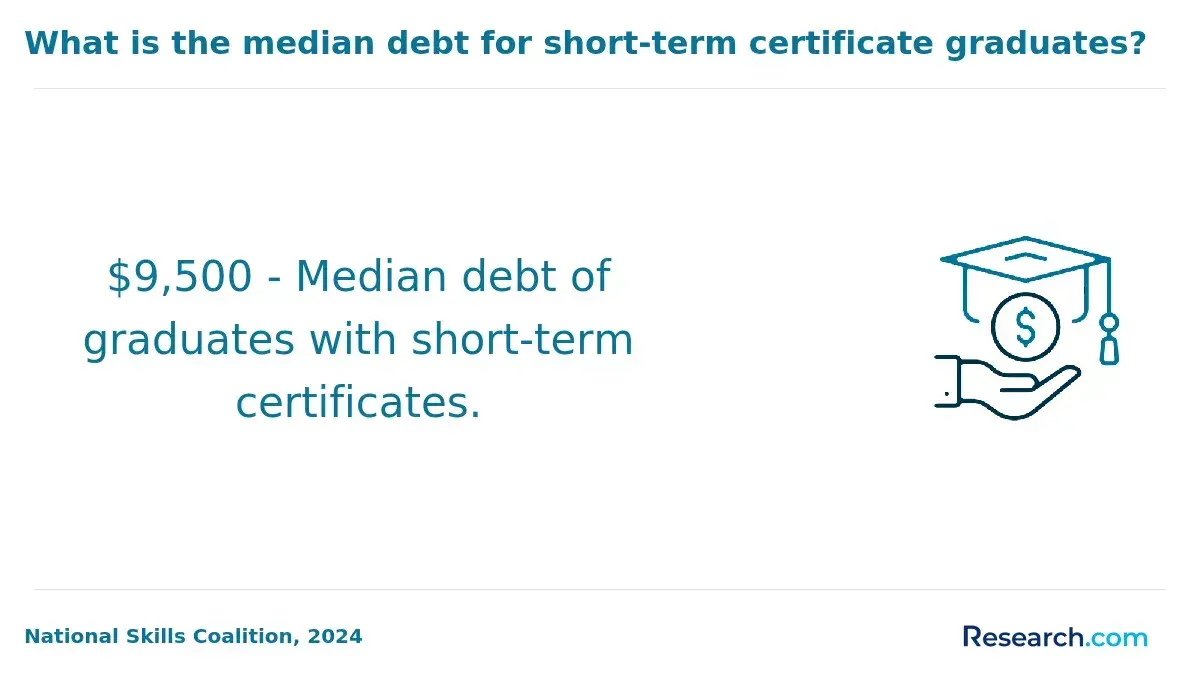
Online doctoral options are more limited, focusing primarily on the Doctor of Nursing Practice to meet clinical leadership demands, with other doctorates offering hybrid or partial online components. The restriction reflects the resource-intensive nature of terminal degrees requiring on-campus engagement. Complementing degree programs, Syracuse provides numerous online certificates and microcredentials across areas such as digital marketing, project management, and data analysis. These options facilitate skill-building and career pivoting for working adults without full degree commitments.
How Do Online Classes Work at Syracuse University?
Online classes at Syracuse University blend asynchronous and synchronous formats to accommodate varied schedules, making flexibility a core feature. Many courses provide self-paced weekly modules with videos and assignments accessible anytime, supporting students managing work or family commitments. However, some graduate or interactive courses require scheduled live sessions via Zoom through the Brightspace LMS, combining real-time engagement with flexibility.
Students choose full-time or part-time enrollment, enabling those with external obligations to extend their programs while maintaining steady progress. Accelerated 5- to 8-week terms offer fast-track options but demand intense weekly commitments, limiting flexibility for those balancing significant responsibilities. Our research shows this hybrid structure promotes independent time management but requires disciplined engagement to avoid falling behind.
Syracuse's acceptance of transfer credits, including CLEP and ACE recommendations, aligns with its flexible learning model, easing transitions for transfer students. The Brightspace platform enhances access through mobile compatibility, facilitating course participation on-the-go, though complex tasks remain better suited for desktop use.
How Long Does It Take to Complete an Online Degree at Syracuse University, and Can Transfer Credits Speed It Up?
Completion timelines for Syracuse University's fully online degrees depend heavily on enrollment intensity and transfer credits, which significantly influence pacing and duration. Fully online bachelor's completion programs require about 60 to 64 upper-division credits, typically taking full-time students around 2 to 3 years to graduate, versus 4 to 6 years for part-time learners juggling work and family. Transfer credit policies allow up to 64 credits, shortening time-to-degree by eliminating lower-division coursework.
Online master's programs vary by field, with accelerated options like the Information Management degree finishing in as little as 12 months full-time, while programs such as the MSW typically span 2 years part-time. SU's flexible structure with multiple yearly start dates, compressed 7-week terms, and year-round enrollment supports faster completion for motivated students. Based on our research, transfer credits are a decisive factor in expediting degree progress, enabling students to focus on major coursework and reduce overall time.
For students facing complex scheduling, balancing part-time enrollment and transfer credits requires careful planning. One Syracuse graduate shared that starting with significant community college transfer credits enabled her to enroll full-time in upper-division courses. As a working parent, she utilized SU's summer sessions and multiple start dates to maintain momentum, graduating in just over two years.
She noted, "The flexibility to take accelerated terms and apply my previous credits really changed my trajectory—making it feel like one-year masters programs and finishing much more manageable amid career and family demands." This perspective highlights how practical scheduling and credit transfer shape realistic pathways through Syracuse's online degree offerings, underscoring the importance of aligning course loads and start terms to individual circumstances.
How Much Does an Online Degree at Syracuse University Cost?
Online degree costs at Syracuse University are largely driven by a per credit hour tuition model, with undergraduates typically paying about $1,098 per credit and graduate rates ranging from $1,365 to $1,650 depending on the program, according to the University Bursar's Office. For a full bachelor's degree requiring 120 credits, tuition alone can reach approximately $131,760, while master's programs with 36 to 48 credits usually range between $54,000 and $72,000.
Our research indicates that when factoring in mandatory fees-such as the $50 per credit hour distance education fee and other semester charges-and estimated yearly costs for textbooks and materials ($1,200-$1,500), the overall financial commitment increases notably. Additionally, our analysis of recent data suggests average total tuition expenses align near $80,000 for standard online degrees, reflecting the cumulative impact of credit load and institutional fees. Prospective students should also consider the absence of residency-based tuition differences, simplifying budgeting but eliminating potential cost reductions tied to state residency status.
Does Syracuse University Offer Financial Aid for Online Students?
Based on our research, approximately 84% of Syracuse University's undergraduate students receive some form of financial aid, reflecting broad access for its online learners. Students applying for financial aid options for online students at Syracuse University typically submit the FAFSA, which determines eligibility for federal grants like the Pell Grant, subsidized and unsubsidized loans, and work-study programs. While full access to work-study may be limited for fully remote students, online learners qualify similarly to campus students for most federal and institutional aid, provided they meet enrollment and academic progress standards.
Residency also plays a key role; New York residents benefit from state grants like TAP, while non-residents face a more complex landscape. In our analysis, average total aid awards often cover 40-60% of tuition costs, helping to offset the school's average annual expense of about $30,721. For working adults, employer tuition reimbursement and military benefits further supplement financial support, though these may require upfront payments or specific eligibility.
For those weighing affordability in their decision, exploring detailed financial aid options at Syracuse can materially affect out-of-pocket costs, making the university's programs more accessible despite sticker price. Online learners considering financial aid should review eligibility nuances and plan early to optimize assistance.
During her online degree at Syracuse, Maria, a working mother and military spouse, navigated multiple financial aid sources to manage costs. Initially hesitant about affording tuition, she filed the FAFSA promptly and qualified for Pell Grants and institutional scholarships targeted at adult learners. Coordinating with her employer's tuition reimbursement plan, she arranged to cover upfront costs and later receive reimbursements, easing cash flow stress.
Maria often consulted the Office of Financial Aid to confirm eligibility for transfer scholarships and maximize benefits from the Yellow Ribbon Program. While researching the shortest doctoral programs that could fit her work and family commitments, she reflected, "Balancing work, family, and school was challenging, but understanding the financial aid options made the degree achievable without overwhelming debt." Her experience highlights the practical value of Syracuse's financial aid for online students navigating complex funding paths.
What Are the Admissions Requirements for Syracuse University Online Programs?
Admissions at Syracuse University's online programs blend traditional academic rigor with flexible access to meet the needs of diverse learners, including working adults and transfer students. While the overall undergraduate acceptance rate hovers near 44%, reflecting moderate selectivity, the online admissions process often includes rolling admissions and multiple annual start dates that increase access and reduce wait times. A minimum GPA of around 3.0 is recommended for undergraduates, with graduate programs expecting at least this baseline and higher standards (3.3-3.5) in STEM or professional fields. Standardized testing generally follows a test-optional policy for undergraduates, while some graduate programs may request GRE or GMAT scores, depending on discipline.
Transfer applicants benefit from broad credit acceptance provided coursework meets quality standards, including a minimum grade of 'C,' which supports adult learners leveraging prior experience or advanced placement credits. Application materials typically require transcripts, personal statements, and letters of recommendation, with graduate programs placing more emphasis on work experience and professional context. The admissions timeline is streamlined, averaging four to six weeks, facilitating quicker decisions that accommodate busy schedules.
- Approximately 44% undergraduate acceptance rate indicates moderate selectivity for online admissions.
- Rolling admissions and multiple enrollment cycles offer flexibility for non-traditional students.
- A 3.0 minimum GPA expectation varies upwards by program rigor, signaling increasing standards at advanced levels.
Is Syracuse University Accredited and Respected by Employers?
Syracuse University's regional accreditation through the Middle States Commission on Higher Education (MSCHE) underpins its acceptance by employers, licensing boards, and graduate programs, ensuring degrees meet rigorous academic standards. Its specialized programmatic accreditations-such as AACSB for business and CAEP for education-further enhance credibility in fields where licensure is key. These accreditations facilitate credit transfer and graduate access, giving Syracuse graduates distinct advantages over peers from nationally or non-accredited institutions, according to institutional research.
Employer Recognition of Online Degrees
Employer acceptance of online degrees from reputable, accredited universities like Syracuse has increased, particularly post-pandemic. Hiring decisions prioritize institutional prestige and program rigor more than delivery mode, reducing barriers for online alumni. Syracuse's strong research profile and professional partnerships bolster this positive perception.
Licensure and Geographic Licensing Nuances
Graduates in regulated professions should verify specific state licensure rules, as some require additional residency or supervised practice despite Syracuse's accreditation. This due diligence ensures eligibility and reduces unexpected credentialing obstacles.
What Support Services Does Syracuse University Offer Online Students?
Syracuse University offers online students a fully integrated support system that mirrors campus resources while addressing remote learners' unique demands. Central to its approach is personalized academic advising that helps students navigate degree requirements, plan course schedules, and incorporate transfer credits, a crucial service for working adults balancing education with other commitments. The university employs dozens of dedicated online advisors and technical staff to ensure timely, individualized assistance, which research shows correlates with higher persistence and graduation rates. Comprehensive tutoring and writing supports are available with flexible scheduling, including evening and weekend options, although advanced appointment planning benefits those with strong self-direction. Career services present virtually mirror on-campus access, featuring resume reviews, virtual career fairs, and tailored counseling, reinforcing equity in employment support. Technical help is available 24/7, supporting continuous access but sometimes experiences delays during peak periods. Access to the online library and research support further reduces academic isolation. This holistic ecosystem of online student support services at Syracuse University reflects the institution's commitment to equity and integration, helping diverse learners manage academic, technical, and wellness needs effectively.
In our analysis of Syracuse's online support, the university's staffing-over 1,700 full- and part-time faculty combined with a sizeable advisor team-underscores a capacity for personalized engagement often missing at similarly sized institutions. These resources lessen barriers typical for adult and transfer students, helping clarify academic pathways and career transitions. Importantly, the commitment to flexible communication modes and comprehensive digital platforms demonstrates operational awareness of the complex realities faced by online learners.
A nursing student returning to higher education after a decade shared how the online academic advising team became a pivotal resource. "My advisor didn't just help pick courses; she worked around my shift schedule and made sure transfer credits counted so I wasn't repeating classes unnecessarily," the student recalled. "Knowing I could email or video chat whenever I had questions kept me motivated, especially during tough weeks balancing family and work." This sustained, personalized contact contrasted sharply with prior experiences at other schools, reinforcing the practical value of Syracuse's approach in supporting online degree student resources.
Is an Online Degree From Syracuse University Worth It?
Is an Online Degree From Syracuse University Worth It?
An online degree from Syracuse University offers measurable career benefits, yet the decision involves balancing costs with outcomes. Our research shows median alumni salary reaches about $79,164, reflecting solid earning potential relative to comparable programs. The median graduate debt is approximately $26,000, which is moderate for a private institution and contributes to a favorable earnings-to-debt ratio of around 3.04x, suggesting most graduates can manage loan repayment without excessive financial strain.
Employment prospects support the degree's value, with an 87% rate of employment or continued education within six months, highlighting practical workforce alignment. Prospective students should weigh these outcomes carefully, considering their field of study and salary expectations, as the degree's worth ties closely to economic returns in real career contexts. For those exploring flexible options, online schools with multiple start dates may further enhance accessibility.
What Graduates of Syracuse University Online Programs Say
- Daniel: "Balancing a full-time job and family commitments made me skeptical about pursuing further education, but Syracuse's online program offered the flexibility I needed. I chose their data analytics course because I wanted to transition away from retail management without quitting my job. While I haven't landed a traditional data scientist role yet, the portfolio projects I built opened doors to freelance consulting gigs that steadily increase my income."
- Jin: "After spending years in marketing, I faced a career crossroads and wasn't able to dedicate several years to full-time study or expensive campus programs. Syracuse's online communications degree was a strategic decision to gain credentials without breaking the bank. The real eye-opener was learning how much employers in my field value internships and hands-on work, so I focused on securing a remote internship through the program, which eventually led to a solid entry-level role-though I know advancing further will require more experience and networking."
- Jason: "Returning to school after a layoff, I aimed for a cybersecurity certificate that wouldn't require taking on more debt and limited time availability was a serious constraint. The online program at Syracuse struck a balance between cost and depth, allowing me to study at night and on weekends. The certification didn't guarantee a top-tier job, but it got my foot in the door for an internship that proved critical. That practical experience is now what employers ask about first, more so than credentials alone, so I feel cautious but optimistic about my career trajectory."
Other Things You Should Know About Syracuse University Degrees
Syracuse University's online degree programs offer rolling admissions and multiple start dates, which benefit students needing to align education with fluctuating work or personal schedules. However, this flexibility can lead to starting a program without guaranteed peer cohorts, potentially limiting networking and collaborative learning opportunities early on. If building professional connections during your study is a priority, consider enrolling at a more synchronized intake period even if it delays your start, as cohort dynamics often enhance real-time engagement and career support.
The extended admission windows allow for less traditional timelines in application submission, which can relieve pressure but may also encourage a rushed or last-minute enrollment mindset. This environment makes it critical to gauge your preparedness honestly; entering online study without adequate academic or time-management readiness can negatively impact performance and increase dropout risk. Prioritize creating a structured plan for study time before enrolling, rather than relying on the window's leniency as a safety net for catching up later.
Employers often look beyond the degree itself and focus on demonstrated competencies and tangible skills. Syracuse's online degrees with nontraditional enrollment have comparable academic rigor, but gaps in continuous progression or fragmented study patterns may require students to proactively articulate their consistent engagement and skill acquisition. Applicants should be prepared to explain their educational timeline and emphasize relevant projects or experiences gained during their degree to address any perceived discontinuities.
In 2027, Syracuse University offers top online degrees in fields like Business Administration, Cybersecurity, and Communications. Tuition varies by program, with competitive financial aid options. The admission process typically includes an application form, transcripts, recommendation letters, and, for some programs, GRE/GMAT scores.
References
- Financial Aid - Say Yes Syracuse https://sayyessyracuse.org/resources/financialaid/
- A Student's Perspective on Online Learning at Syracuse - MediaShift http://mediashift.org/2015/08/a-students-perspective-on-online-learning-at-syracuse/
- Is Syracuse worth it? https://talk.collegeconfidential.com/t/is-syracuse-worth-it/1812591
- Syracuse University (SU) https://www.princetonreview.com/college/syracuse-university-1024060
- Student Support Resource Toolkit https://su-jsm.atlassian.net/wiki/x/lQAhCQ
- Syracuse University facts for kids https://kids.kiddle.co/Syracuse_University
- Syracuse University Transfer Credit https://www.straighterline.com/colleges/syracuse-university/